Learning & Teaching
Learning and Teaching encompasses the following areas: Student Outcomes, Curriculum, Assessment, Reporting, Principles and Pedagogy.
Learning & Teaching
Learning and Teaching encompasses the following areas: Student Outcomes, Curriculum, Assessment, Reporting, Principles and Pedagogy.
Reports will be available online from Wednesday, 10th December.
These reports provide a clear picture of your child’s progress, achievements, and areas for continued growth throughout the semester. We encourage parents and carers to take the time to read through the report with their child, celebrating successes.
Teachers assess and report student learning using the Victorian Curriculum, which provides a consistent, statewide framework outlining what students should know and be able to do at each year level.
Reporting against this curriculum helps teachers track student progress using clear, measurable standards and ensure consistency across classes and year levels.
This semester, reports will include the following Learning Areas:
Languages (Italian)
The Capabilities addressed this semester are:
We are excited to welcome families to our upcoming Celebration of Learning, where students from Prep to Year 6 will proudly share their creativity, curiosity, and problem-solving skills. This term’s showcase highlights how students have used the design process to explore geography and deepen their understanding of how people connect with and care for the world around them.
Throughout the term, students have worked as researchers and designers, applying the design process to their geographical inquiries.
This event highlights the remarkable learning happening across all year levels:
STEM - The 1/2 LEGO NATIVITY SCENE and the Year 3/4 SMART BINS
Parents and families are warmly invited to attend and view the wonderful learning on display from 8:30–9:00 am and 3:30–4:45 pm.
We look forward to seeing you all there.
At our school, students develop their writing skills using exemplar texts and bump it up walls.
An exemplar text is a high quality model of writing that shows what strong writing looks like. Students analyse these texts to identify the features, structure, and language used.
A bump it up wall displays examples of writing at different levels so students can see how to improve their own work step by step. In Years 3/4 and 5/6, exemplar texts, rubrics, and bump-it-up walls work together to guide students toward stronger writing.
By the end of each year level, students are typically able to:
Foundation
Begin to spell familiar words and use basic punctuation (capital letters and full stops). Share ideas clearly through writing and drawing.
Year 1
Begin to organise writing into simple sequences (beginning, middle, end).
Year 2
Spell high-frequency words correctly and use punctuation more consistently.
Year 3
Revise writing to improve clarity, spelling and punctuation.
Year 4
Edit writing for clarity, grammar, spelling and punctuation.
Year 5
Use a variety of sentence structures and accurate punctuation, including dialogue.
Year 6
Over the last few weeks, I’ve been including ways to help children improve their reading comprehension. This week’s focus is on non-fiction texts, books, articles, and reports.
1. Identify the main ideas - Encourage your child to look at headings, subheadings, and key words. These clues can help them figure out what each section is mostly about.
2. Pick out important details - Help your child notice facts that support the main idea. They should focus on the most important details and ignore information that isn’t essential.
3. Put it in their own words - Ask your child to explain what they’ve read in their own words. This helps them understand the material more deeply.
4. Summarise - Work with your child to combine the main idea and key details into a short summary, just one or two sentences. This reinforces understanding and memory. Practising these skills at home helps children become more confident readers and better able to understand and remember information in non-fiction texts.
Anh Do is a famous Australian author, comedian, artist and TV personality. He was born in Vietnam and came to Australia as a refugee with his family. His story inspired his popular memoir, The Happiest Refugee, which shares his journey with humour, heart, and honesty.
Anh also writes children’s books that are full of fun, adventure and imagination. His stories often teach kindness, courage and resilience, making them favourites in schools and at home.
Ninja Kid series – Fun stories about a clever, brave young hero.
Anh Do’s stories are full of heart and humour. They inspire children to be brave, creative, and compassionate, while also offering plenty of laughs. His books are excellent for reading aloud, independent reading, or classroom discussion.
This week’s Creative Corner is an optional writing challenge. Students can choose from four different prompts, plan and brainstorm their ideas and parents can help by asking questions or helping organise thoughts.
Show, don’t tell - narrative: write about a character feeling excited, scared, or surprised. Show it through actions, words and surroundings. Starter: ‘The moment I opened the mysterious box, I felt…’
Persuade me - persuasive: convince someone to try your favourite food, game, or activity using reasons and examples. Starter: “You should try my favourite ___ because…”
How to - information: explain how something works, like a game, recipe, or your pet’s routine. Use clear steps. Starter: “The first step to ___ is…”
Parent tip: Help your child brainstorm and organise their ideas with simple notes or drawings. Encourage them to explore their imagination and have fun with the story.
Pick up your pencil and let your imagination run wild.
Orders due by this Friday, 28th November.
Bernadette Parnis
bparnis@sfmoreland.catholic.edu.au
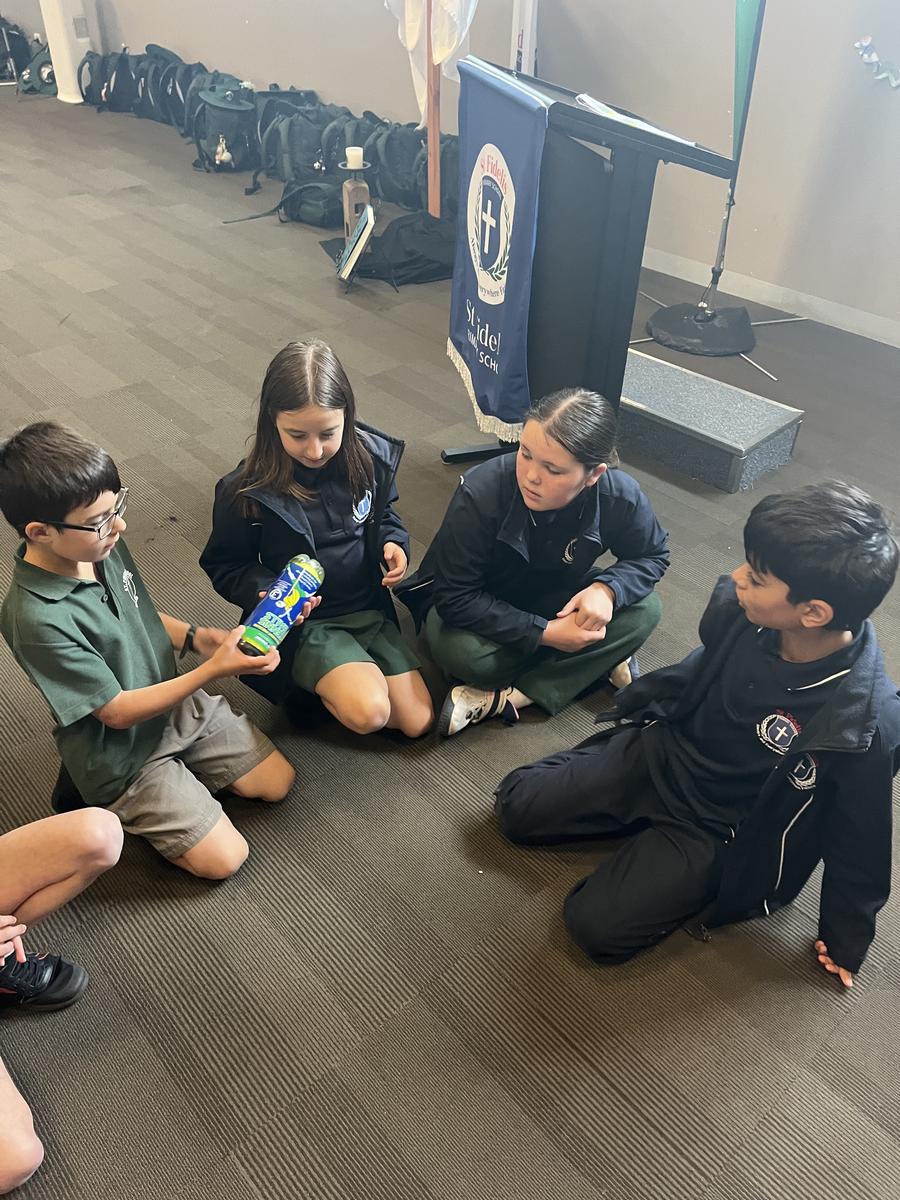
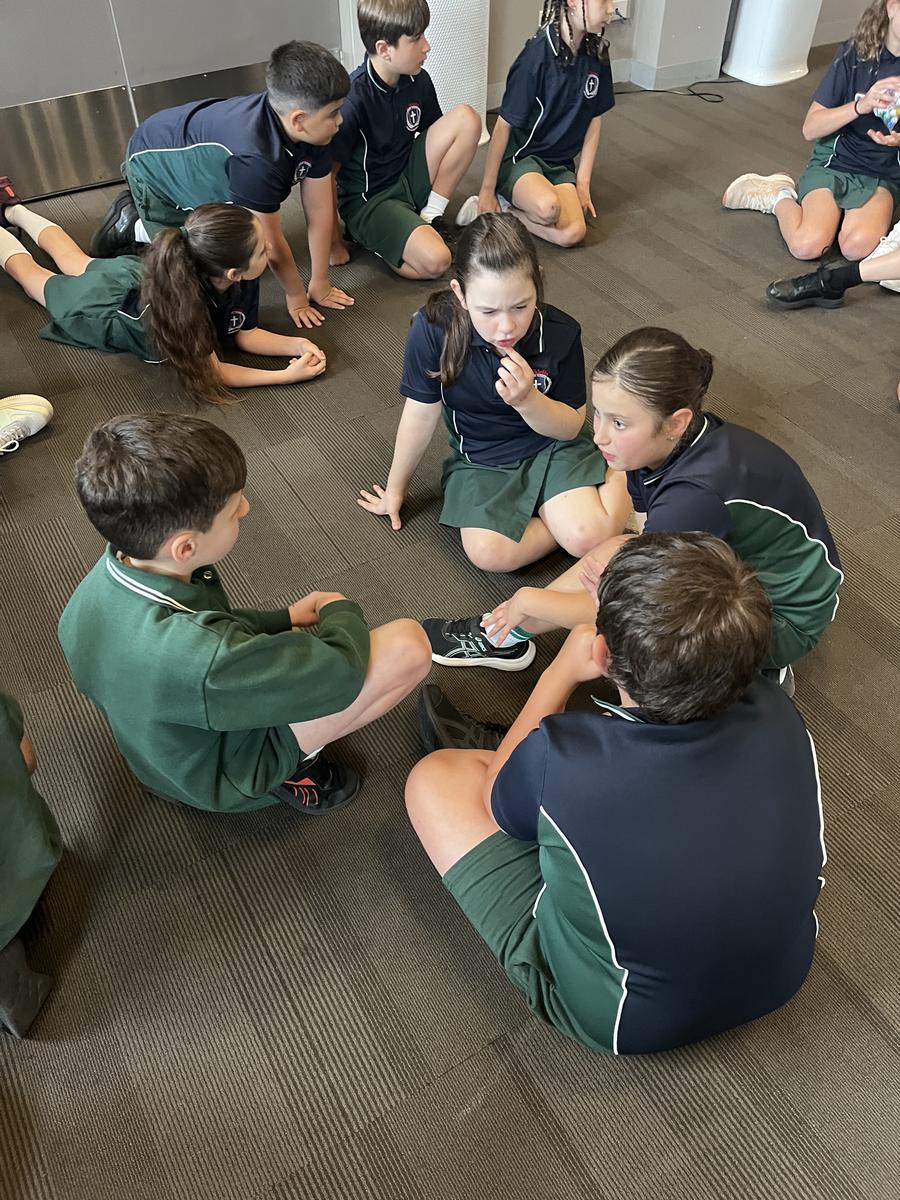
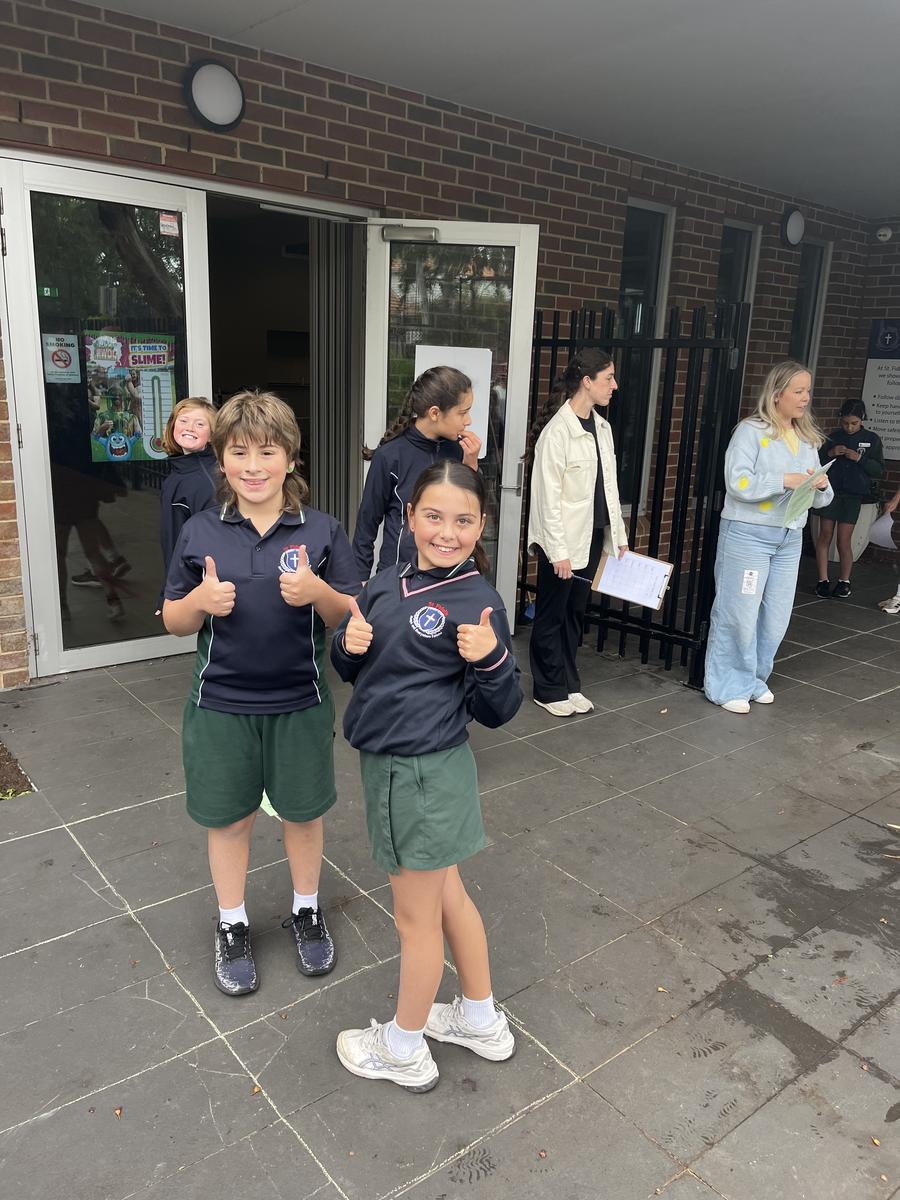
Congratulations to Tess Nihill, Vivienne De Luca and Asha Dickinson for winning the Grade 3/4 Maths Games Day last Tuesday! The team worked cooperatively throughout the day and achieved the highest overall score.
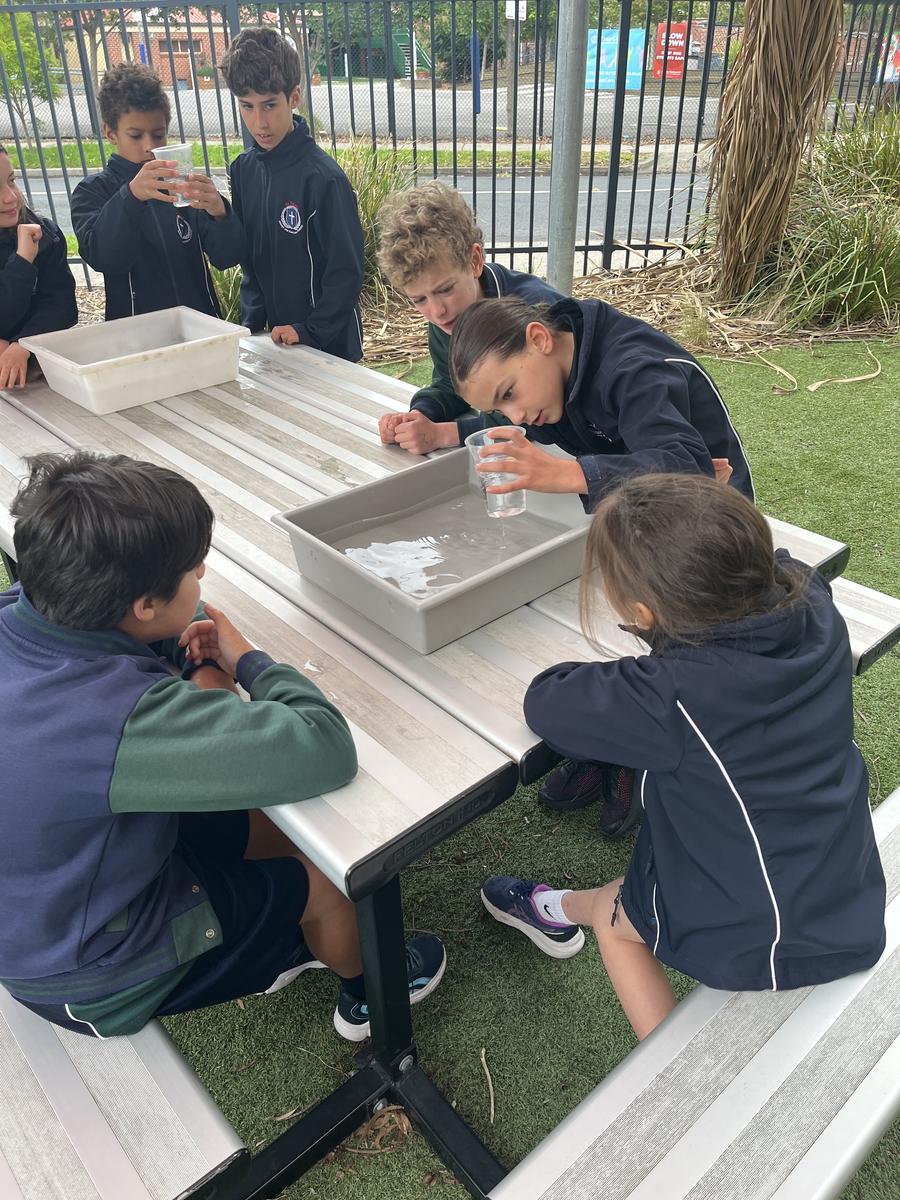
Maths Games Days are a wonderful opportunity for students to work cooperatively and collaboratively across a variety of tasks. It was a fantastic event, with students fully engaged in hands-on physical maths challenges, where they estimated, calculated, and measured time, mass and length while working together as a team.
Students then moved on to strategy-based board games, applying problem-solving skills and strategic thinking. The final session saw teams tackling a range of written problem-solving tasks, discussing their ideas and supporting one another.
Throughout the day, points were awarded for correct answers, being the first team to solve a challenge and for demonstrating strong teamwork, encouragement and collaboration. All teams showed impressive effort and enthusiasm from start to finish.
A huge thankyou to these parents who assisted us on the day .
Tracey Lewis, Olga Formina, Melinda Vittorio, Chris Dickinson, Lindi Dutton, Sharon Barrett andTanya Ciabotti.
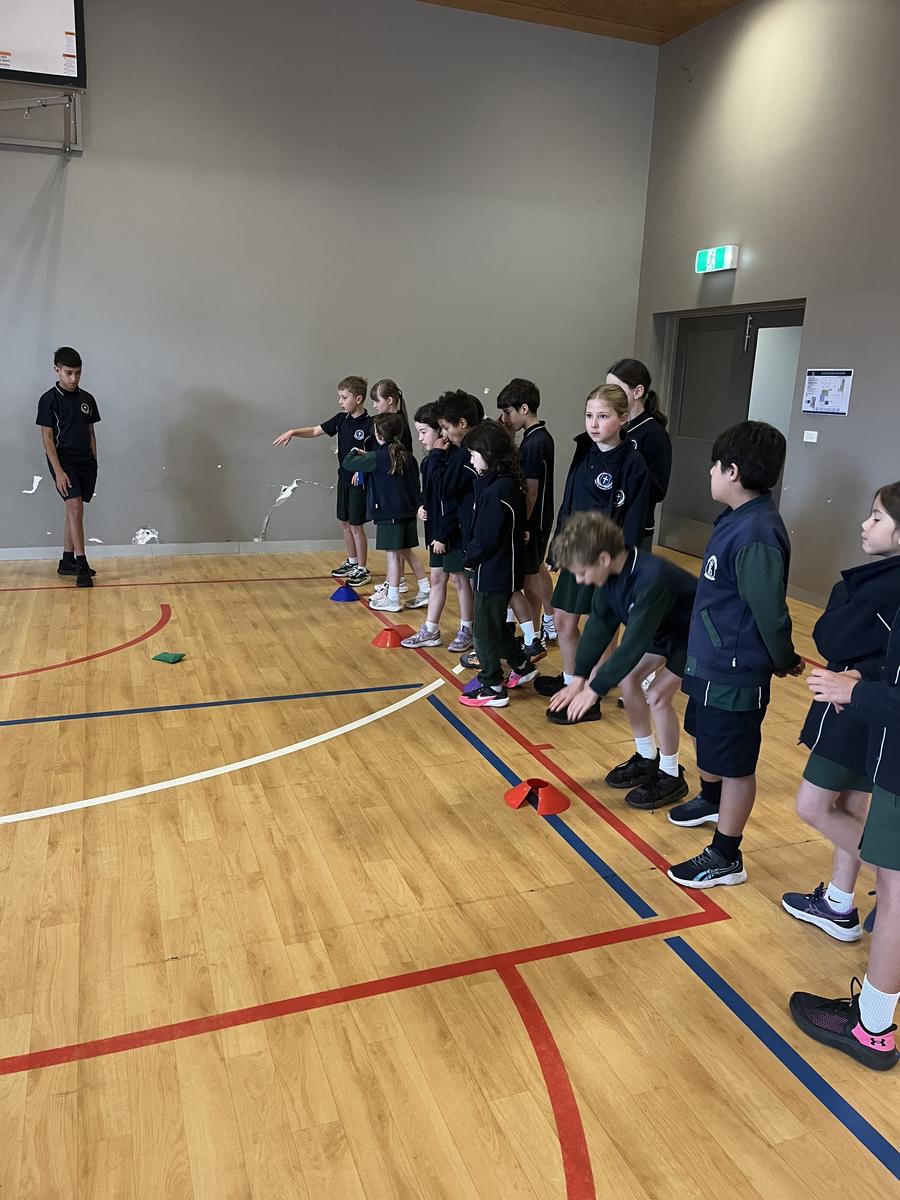
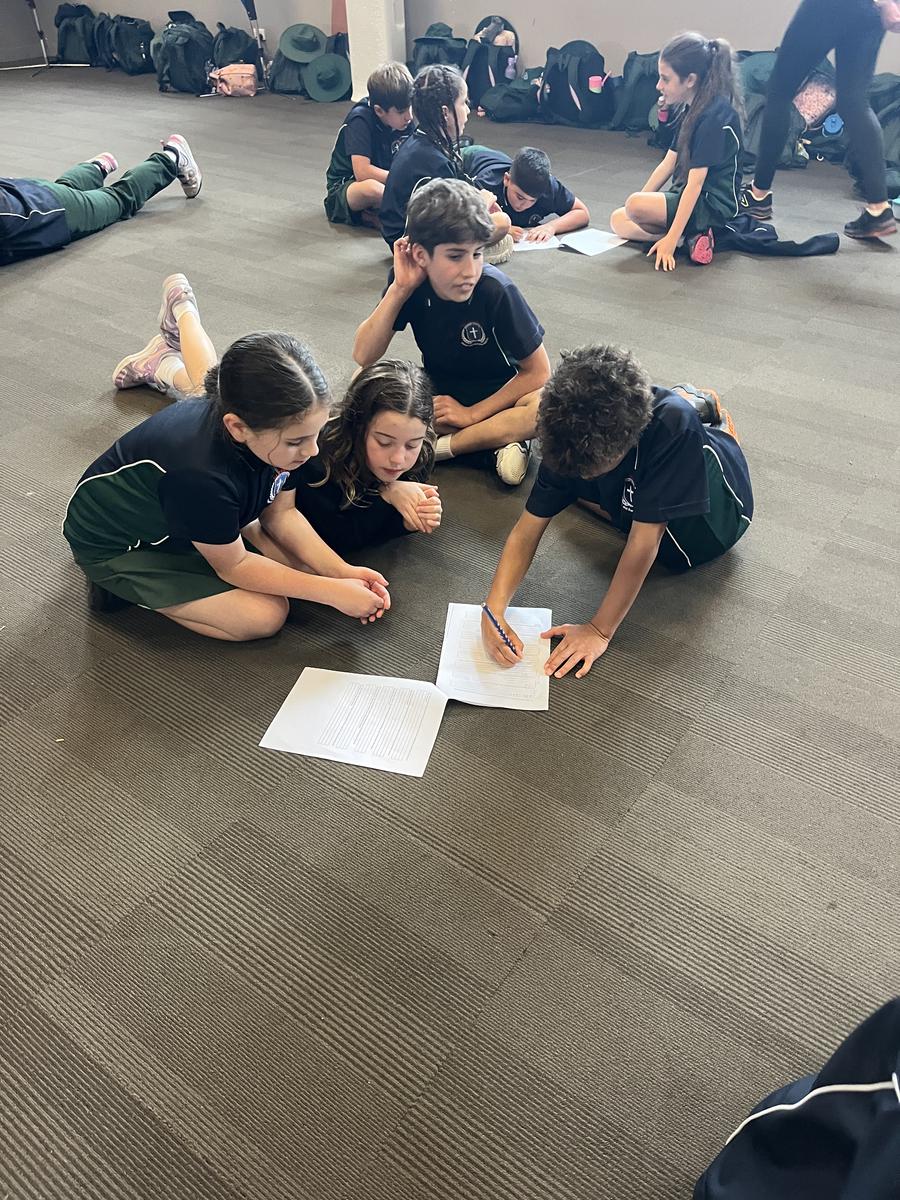
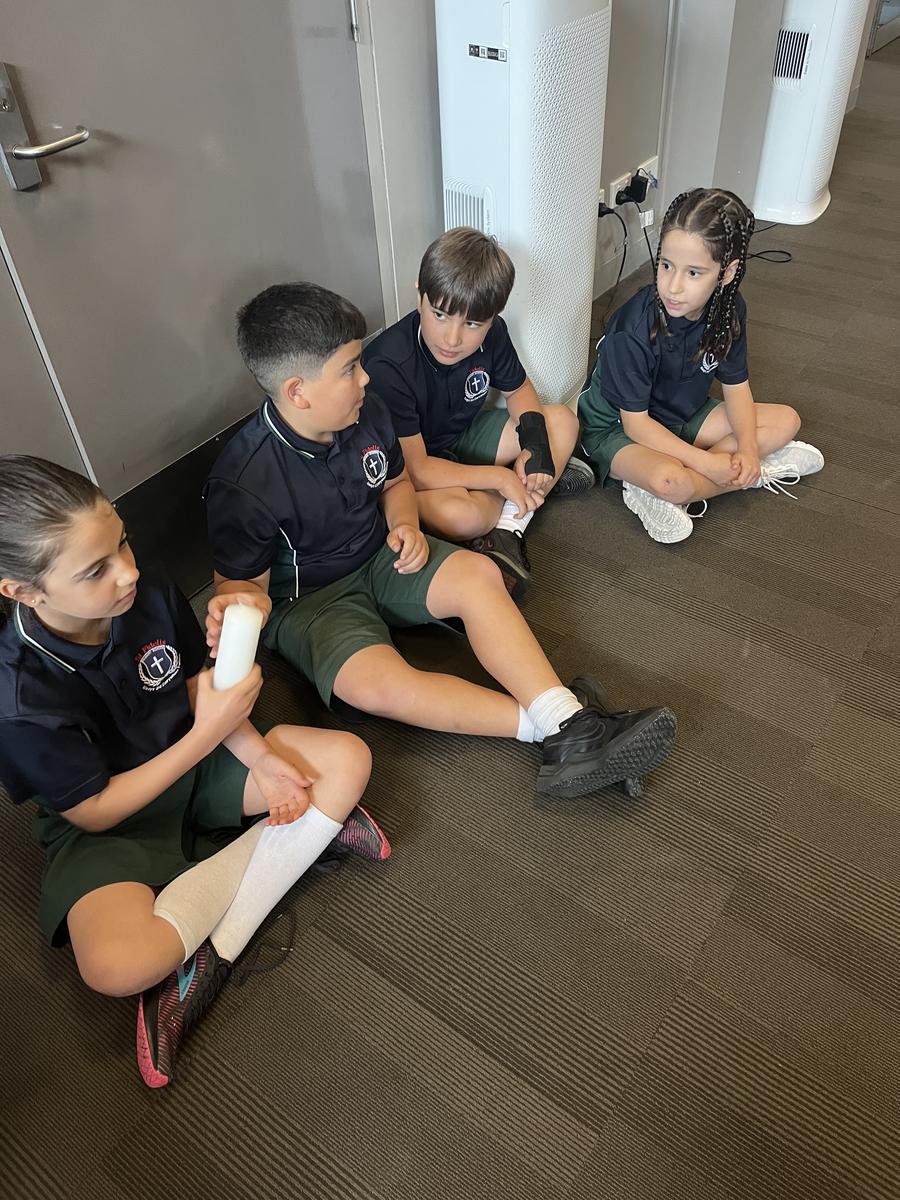
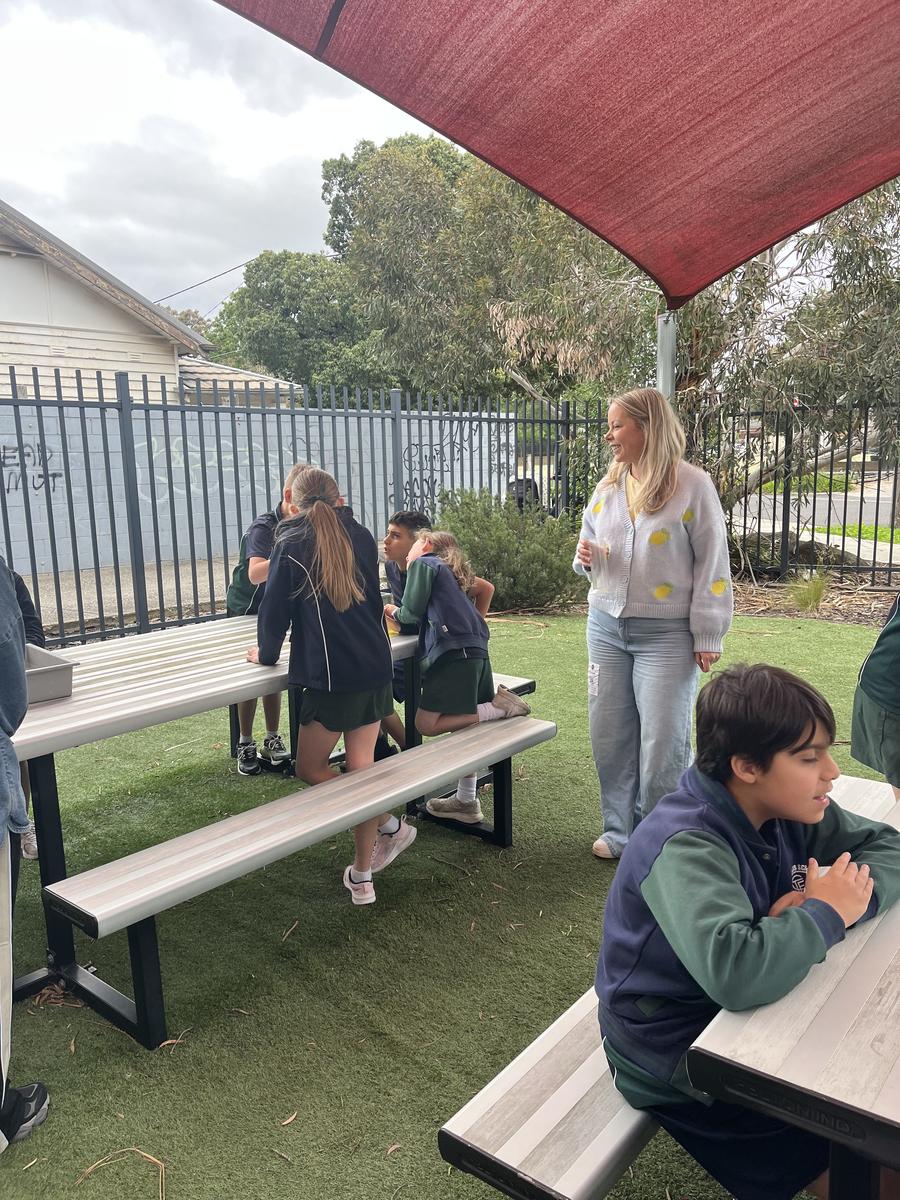
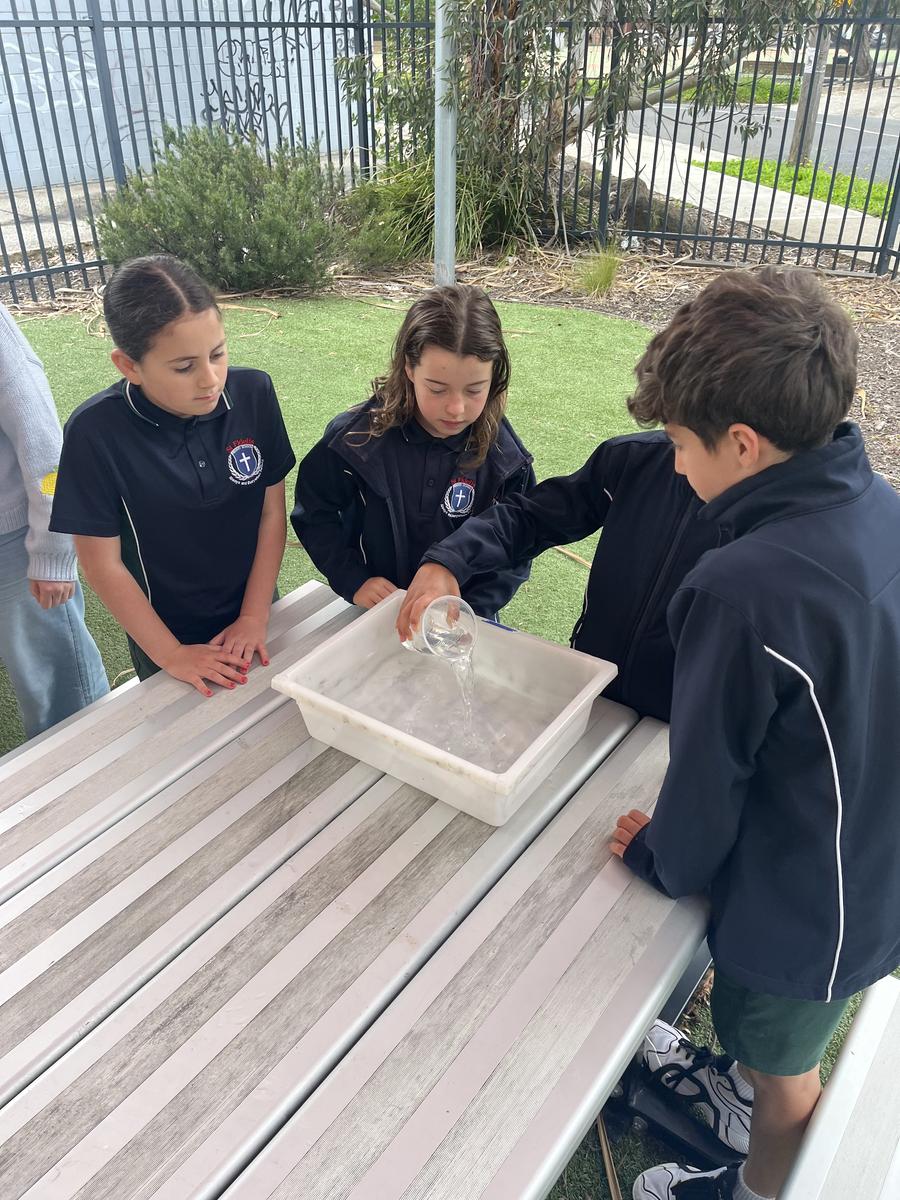
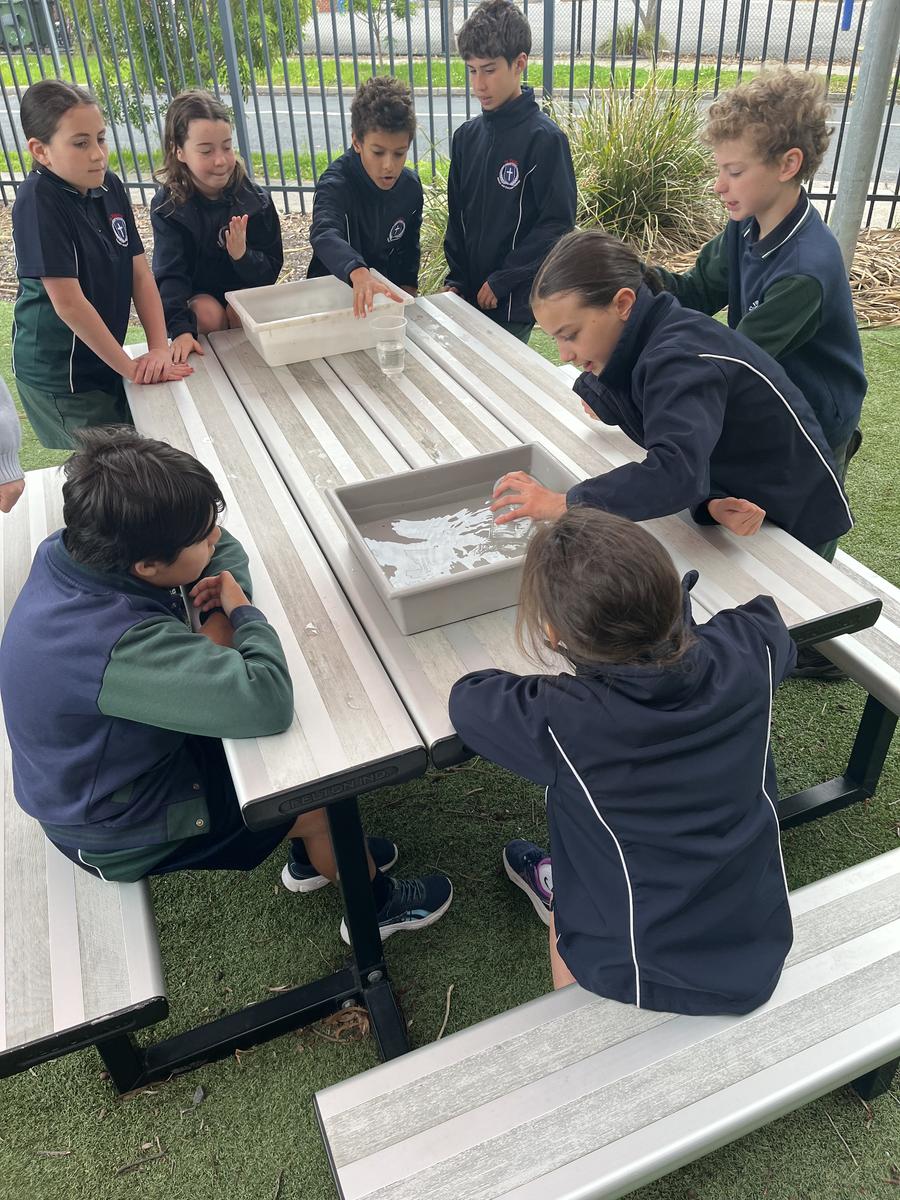
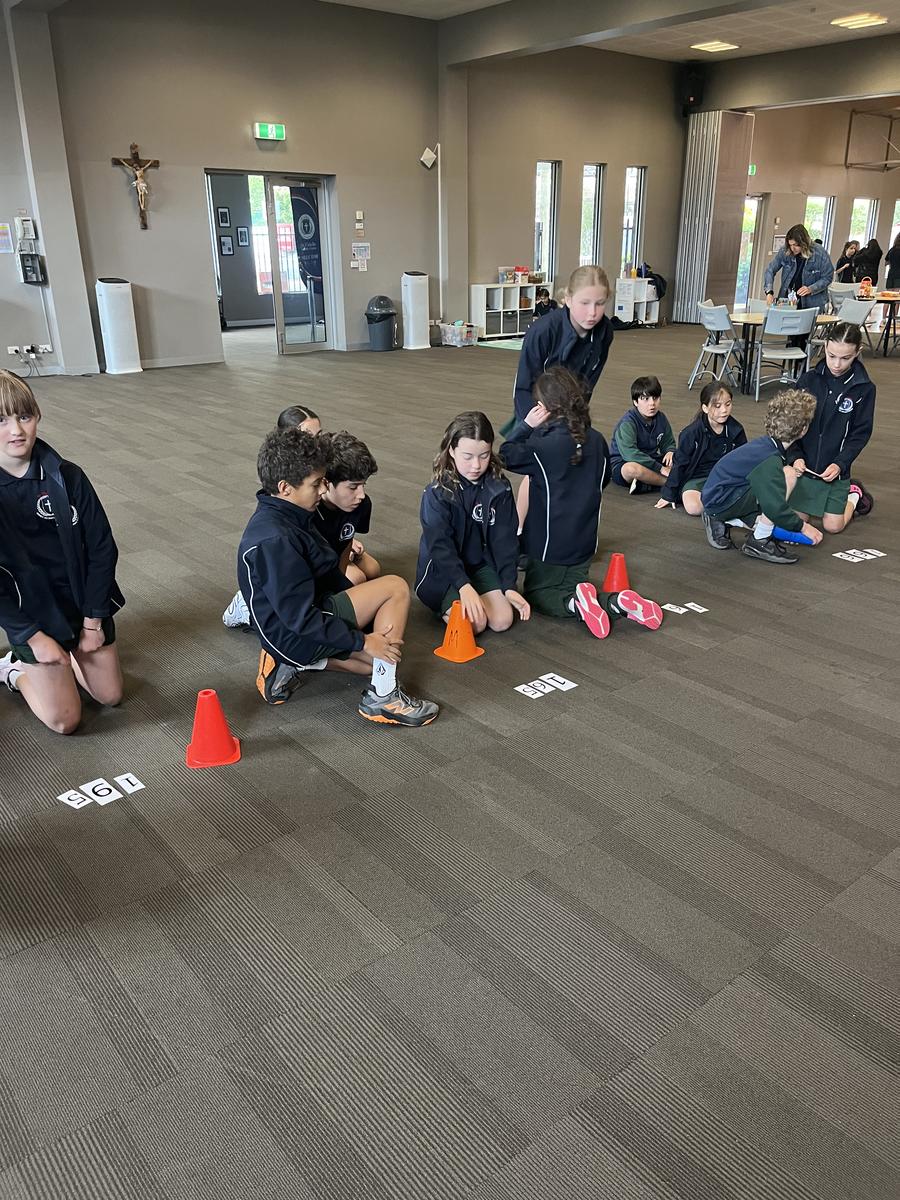
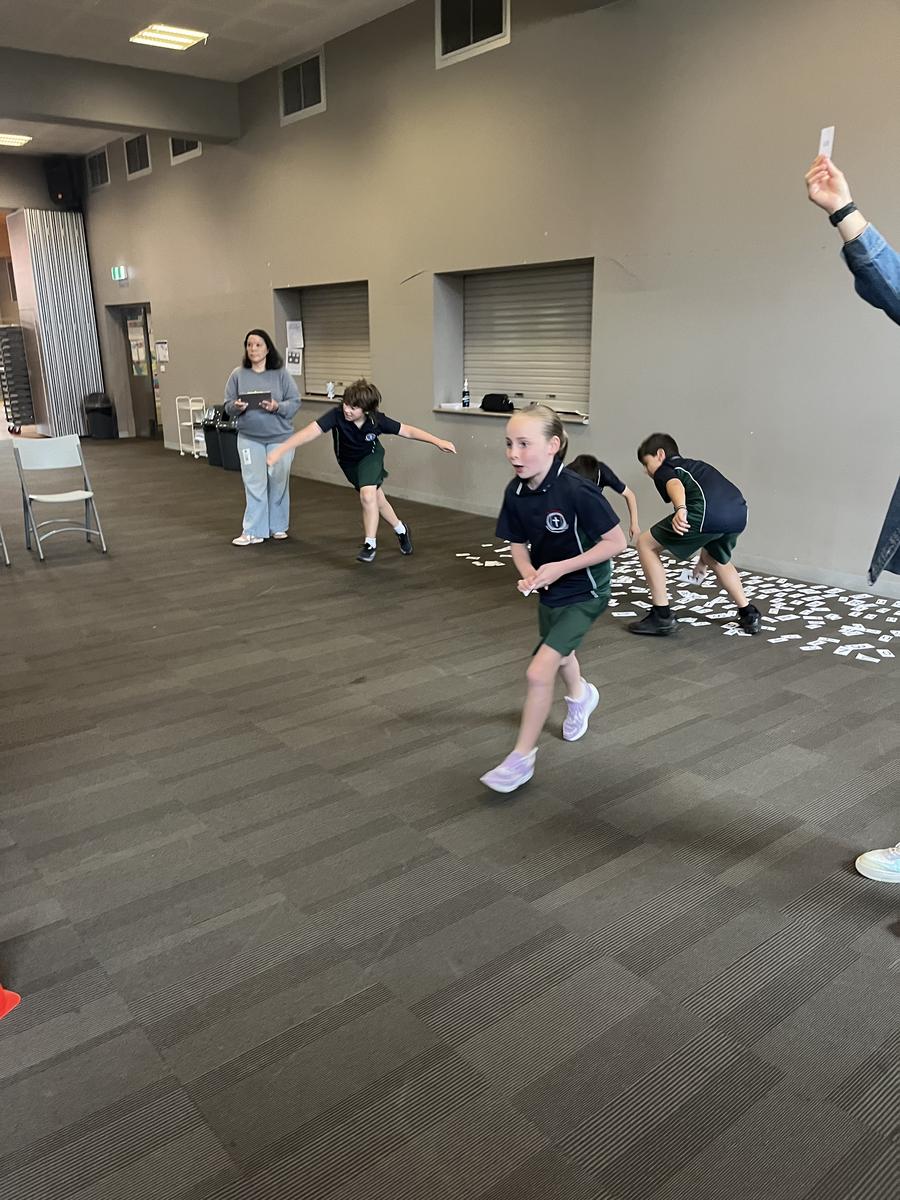
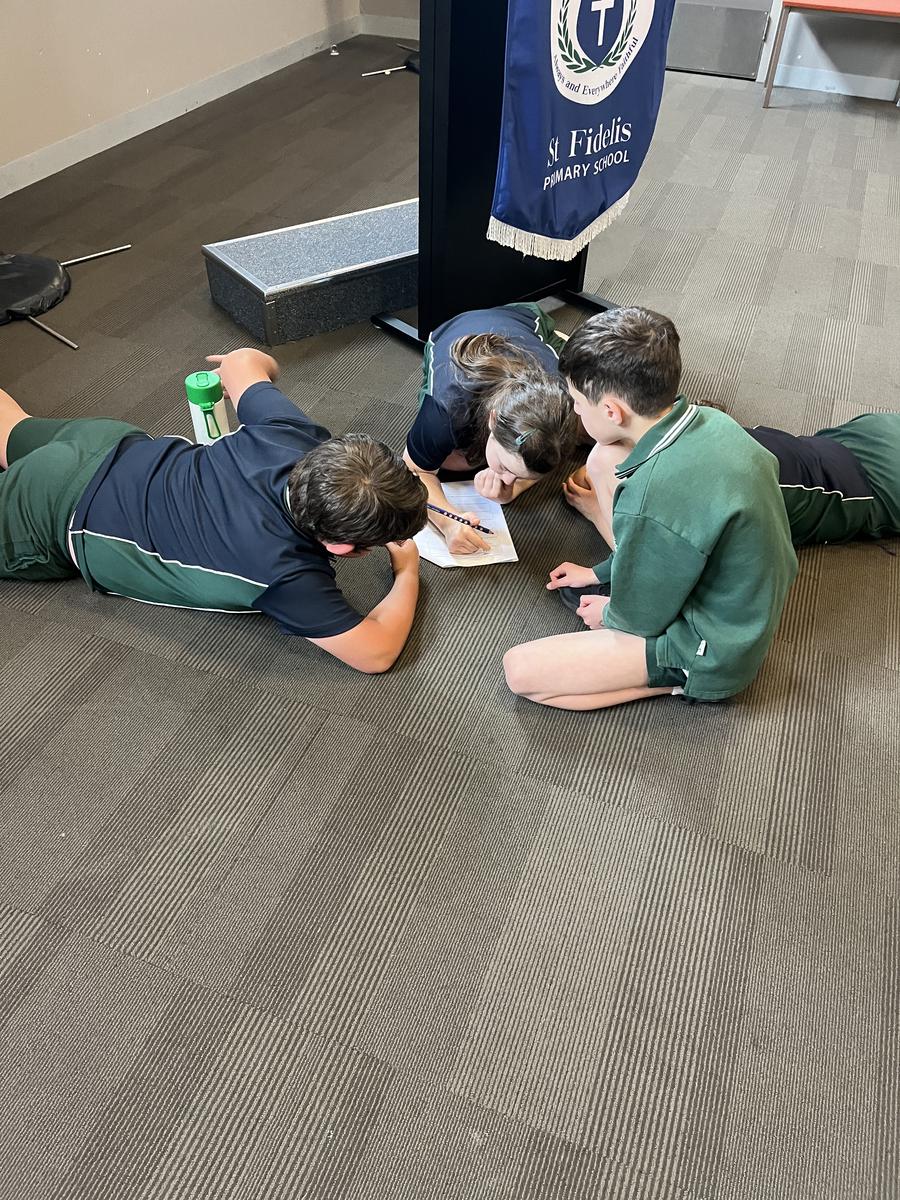
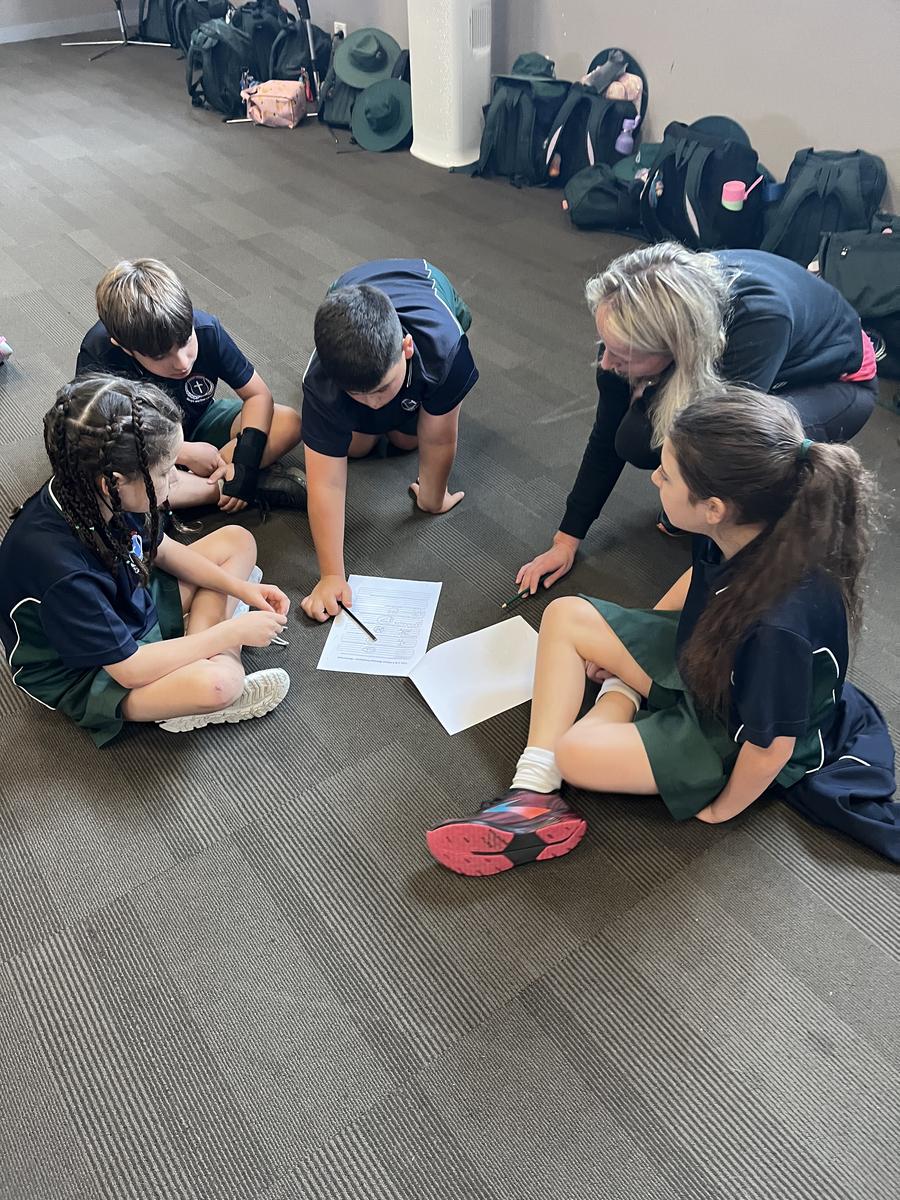
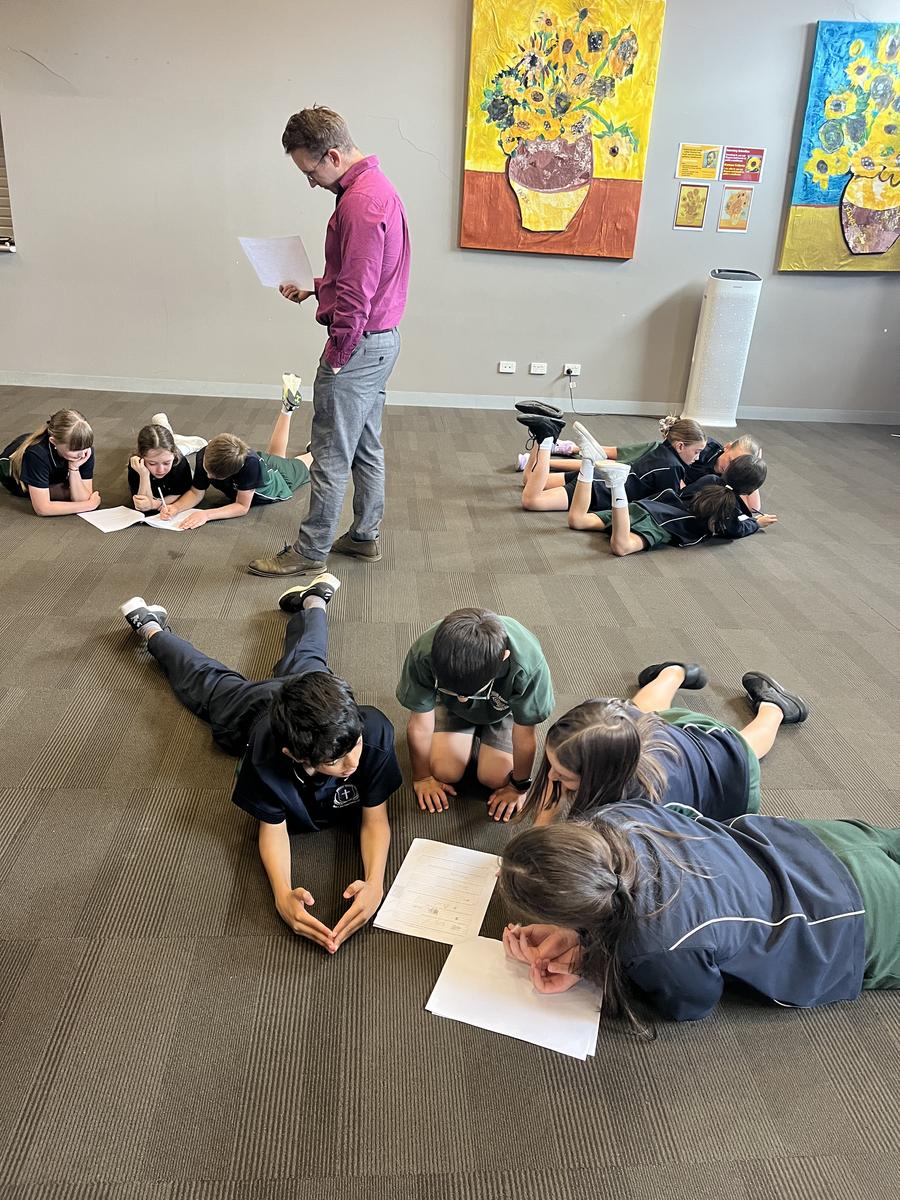
At school, we are continually encouraging students to approach maths with confidence, curiosity and a willingness to “have a go.” A positive attitude makes a big difference in how children engage with learning, especially when they come across something new or challenging.
Healthy risk-taking in maths means being willing to try a strategy, share an idea or attempt a problem even if you’re not completely sure of the answer yet. This is where the most powerful learning happens. When students feel safe to make mistakes, they are more likely to persevere, think creatively and build a stronger understanding of mathematical concepts.
You can support this at home by celebrating effort rather than perfection. Encourage your child to talk through their thinking, praise them for trying different strategies and remind them that mistakes are a natural and important part of learning. Simple phrases like “What could you try next?” or “I love how you’re thinking this through” can help build confidence.
Together, we can help students develop a growth mindset and see themselves as capable, resilient mathematicians who are not afraid to take on new challenges.
Colleen Monaghan
Maths leader
St Fidelis is incredibly proud to celebrate the achievements of four outstanding Year 6 students - Zara, Estelle, Alexander and Zac - who recently represented our school on the national stage at the STEM MAD National Showcase in Adelaide.
Their exciting adventure began bright and early last Tuesday, with a 5:15am arrival at the airport for their 6:15am flight. Each student travelled with a parent, and despite the early start, their enthusiasm and energy set a positive tone for the day ahead.
The National STEM MAD Showcase was held on Tuesday 18th November at the Adelaide Convention Centre. Schools from across Australia gathered to share projects and innovations designed to Make a Difference through STEM. After registering at 8:15am and attending the opening session at 9:15am, our students proudly presented their project, the SENSO CANE - an innovative prototype designed to support people with vision impairment by using sensors to detect obstacles, enhancing safety and independence.
Throughout the day, our students demonstrated exceptional creativity, teamwork, confidence, and compassion. They spoke with judges, explained their design process, and represented St Fidelis with maturity and pride.
After a full and inspiring day, the group returned home that evening. To give our school community a glimpse of their amazing experience, we have created a short video capturing the highlights of their time at the Showcase.
At assembly, we invited Zara, Estelle, Alexander and Zac to the front as we acknowledged their outstanding efforts. Travelling interstate, presenting at a national event, and representing St Fidelis so brilliantly shows true dedication, resilience, and passion. They have inspired us all - especially our younger students, who can now see what is possible through STEM.
To honour this remarkable achievement, we presented each student with a special award on behalf of the entire St Fidelis community. Their hard work and innovation continue to inspire us.
We are delighted to share even more fantastic STEM achievements from our students!
Earlier this year, I discovered a new national competition called Young ICT Explorers (YICTE). YICTE is a non-profit initiative founded by SAP and supported by The Smith Family, along with leading industry and university partners across Australia.
The competition invites students from Years 3–12 to solve real-world problems or express their creativity through technology. Projects can focus on anything from improving recycling processes, supporting people with disabilities, developing virtual reality environments, or building advanced robots and operating systems. YICTE inspires students to use their imagination and explore how technology can create positive change.
With this in mind, I decided to submit two video pitches and prototypes created by last year’s Year 5 students - just to see what might happen. A few weeks later, I received exciting news: both projects had progressed to the next stage! My first thought was, “What have I done? I’ve just created even more work for myself!”
But the excitement quickly took over, and I couldn’t wait to share the news with the students - who had no idea their 2024 STEM MAD projects had even been entered! Naturally, they were thrilled. They eagerly refined and improved their video pitches before submitting them for the next round.
Although the projects did not advance further, the judges were extremely impressed with the students’ creativity and innovation. They provided valuable feedback that I will be sharing with the teams.
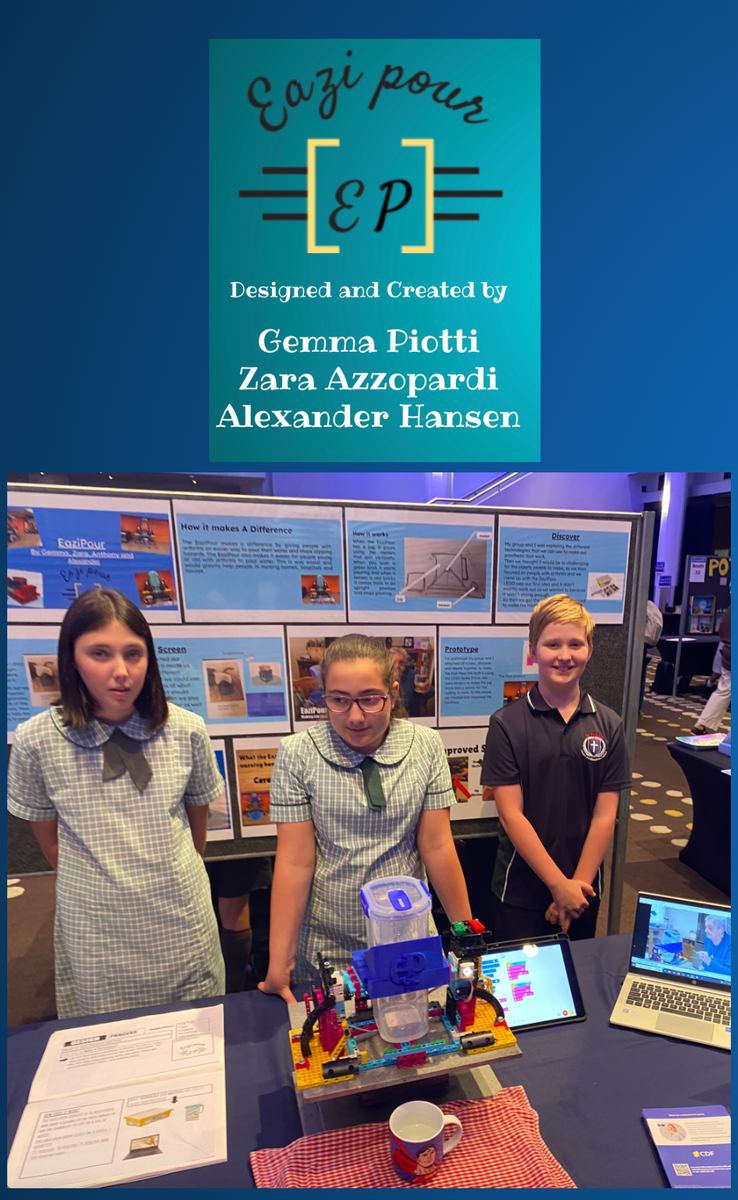
The Young ICT Explorers team has recognised the hard work of our students with participation awards, and we are proud to congratulate:
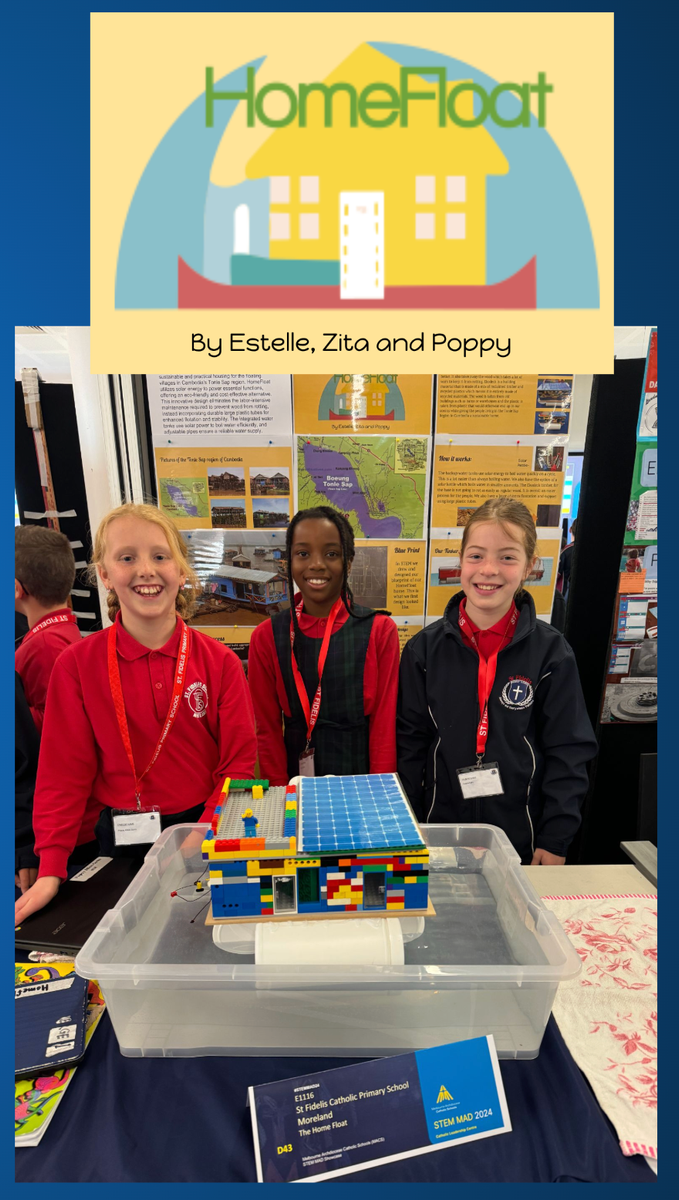
Zita, Estelle and Poppy for their prototype HomeFloat
Congratulations to all of these students for their creativity, perseverance, and outstanding contributions to STEM at St Fidelis!