Grade 6 News
Dear parents/guardians,
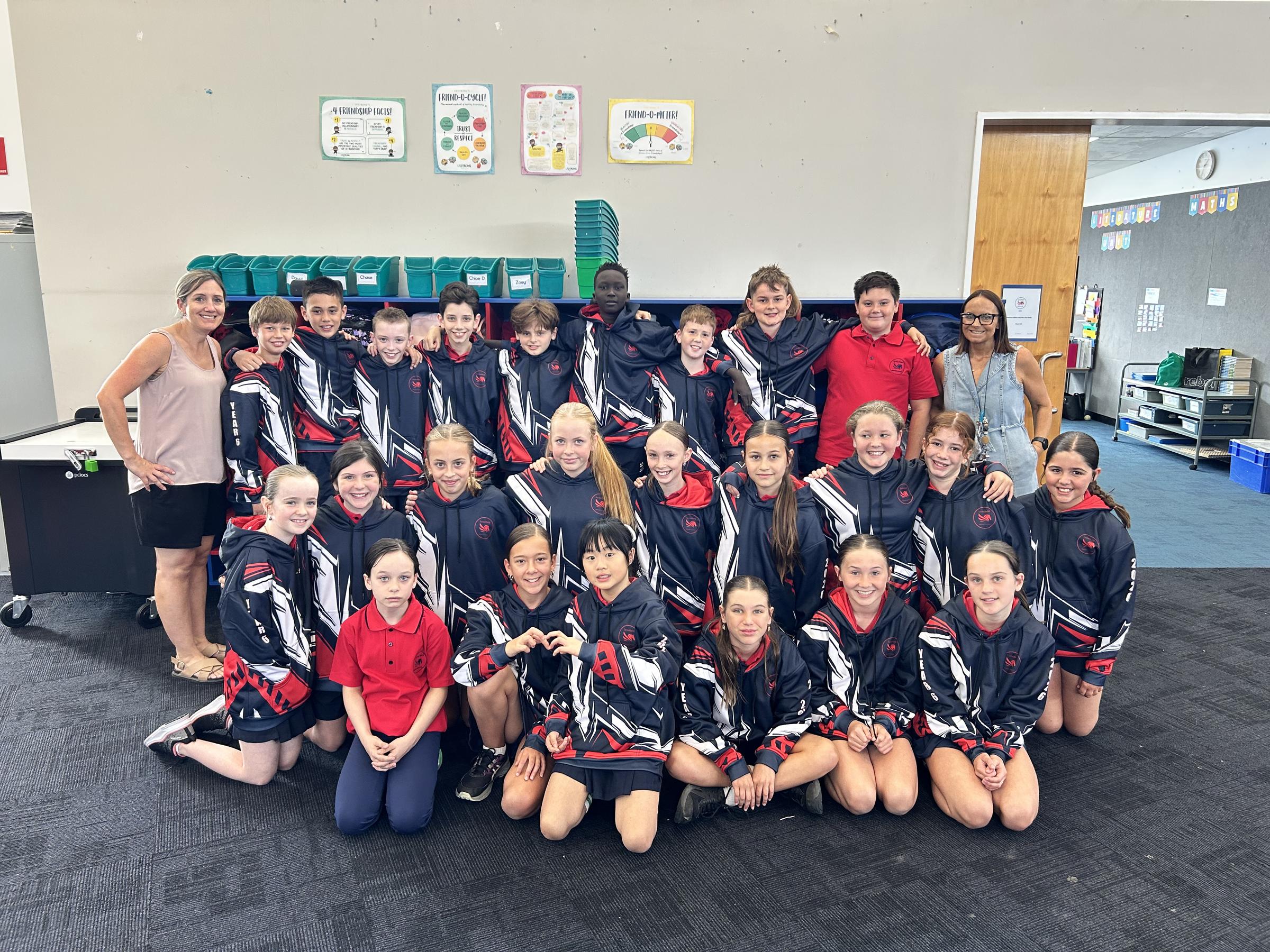
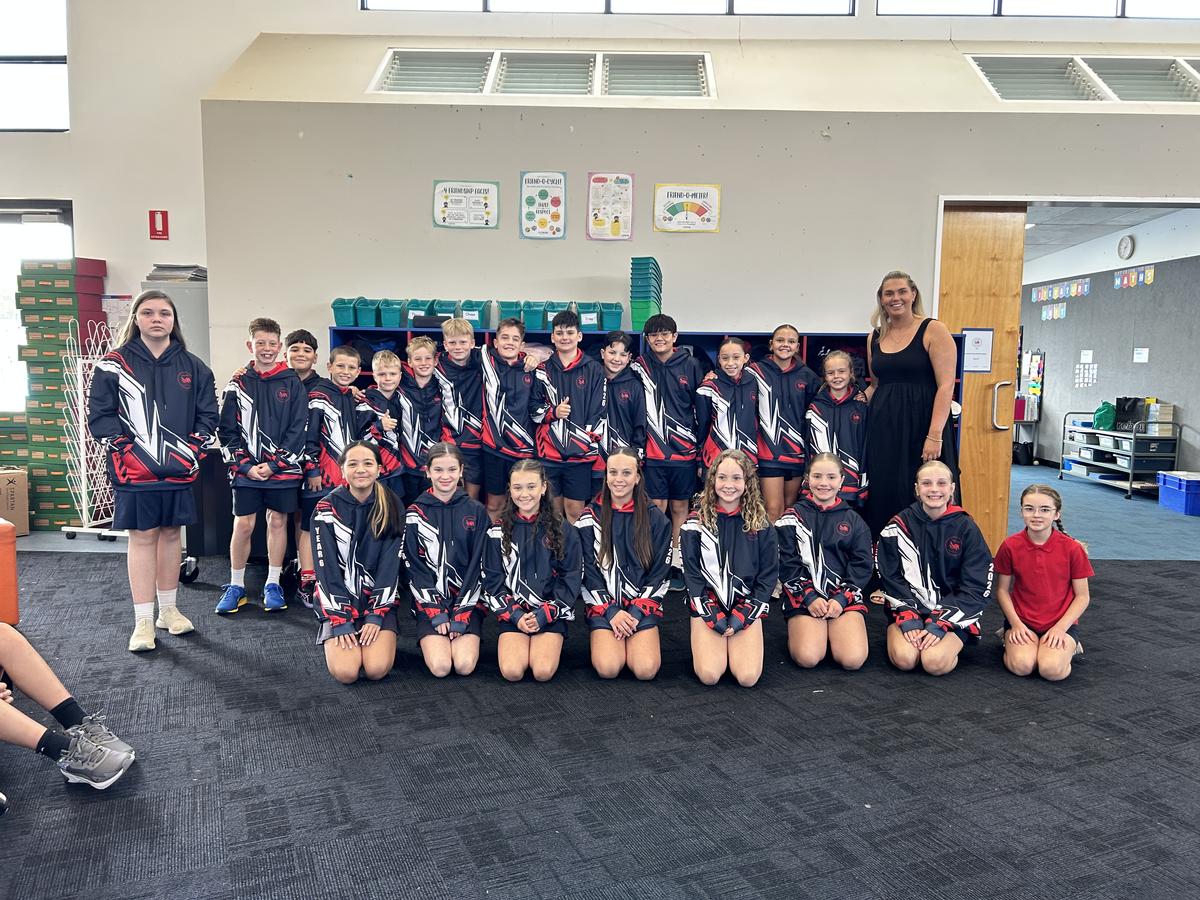
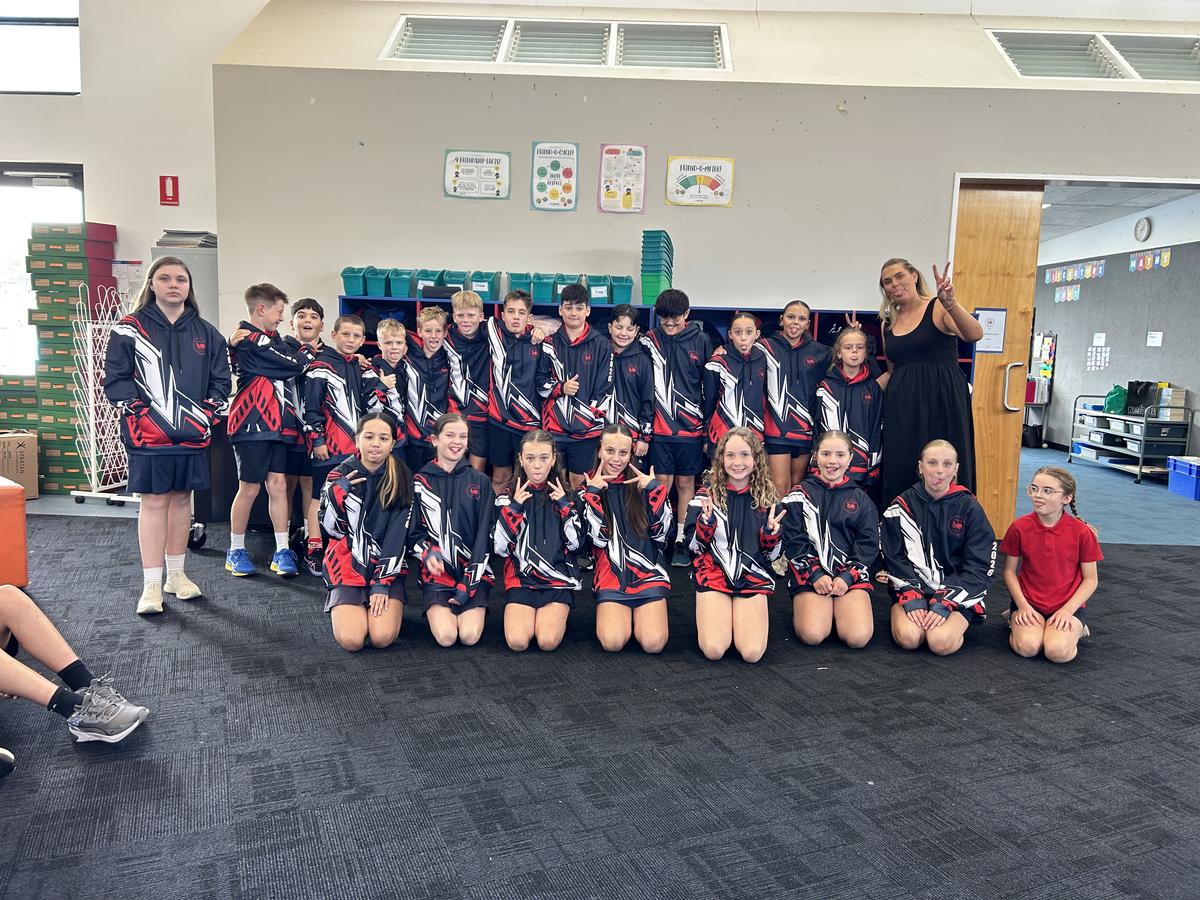
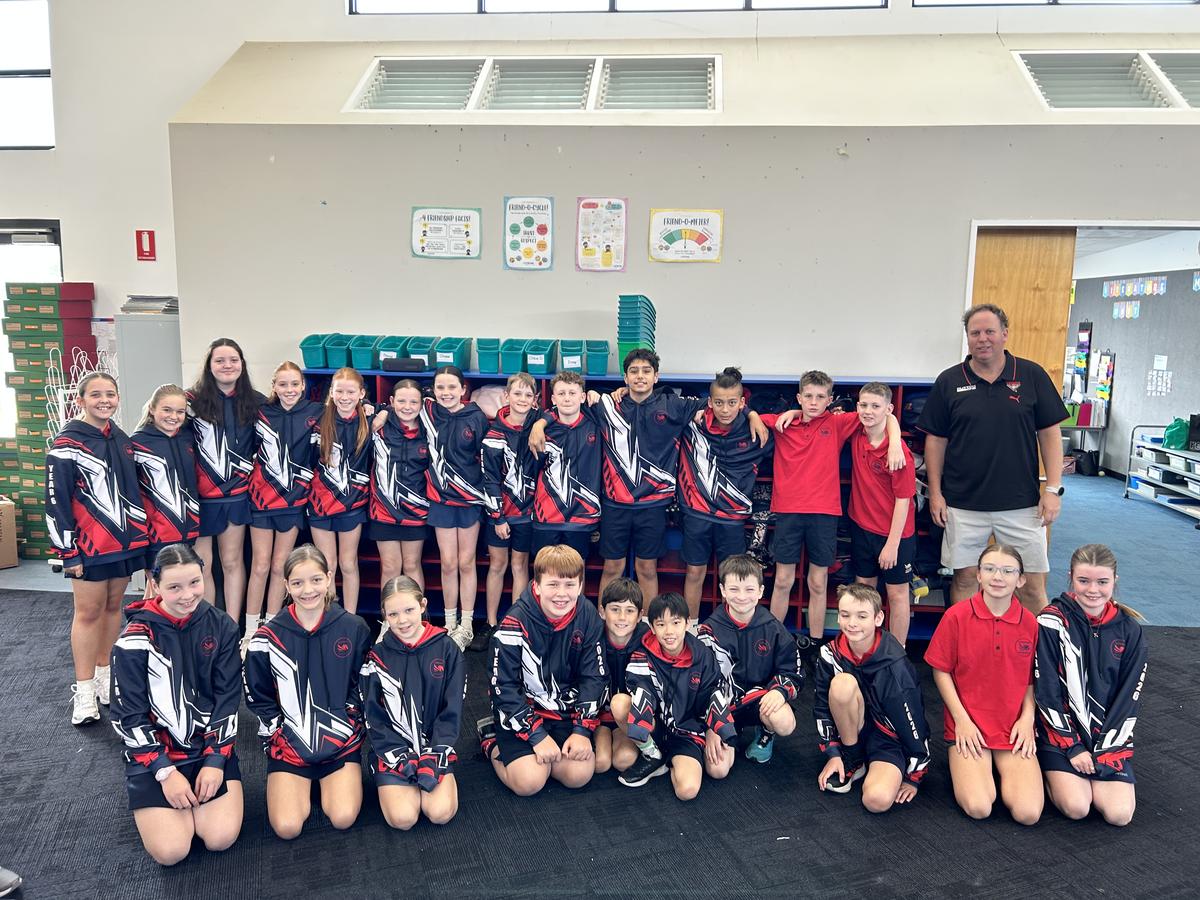
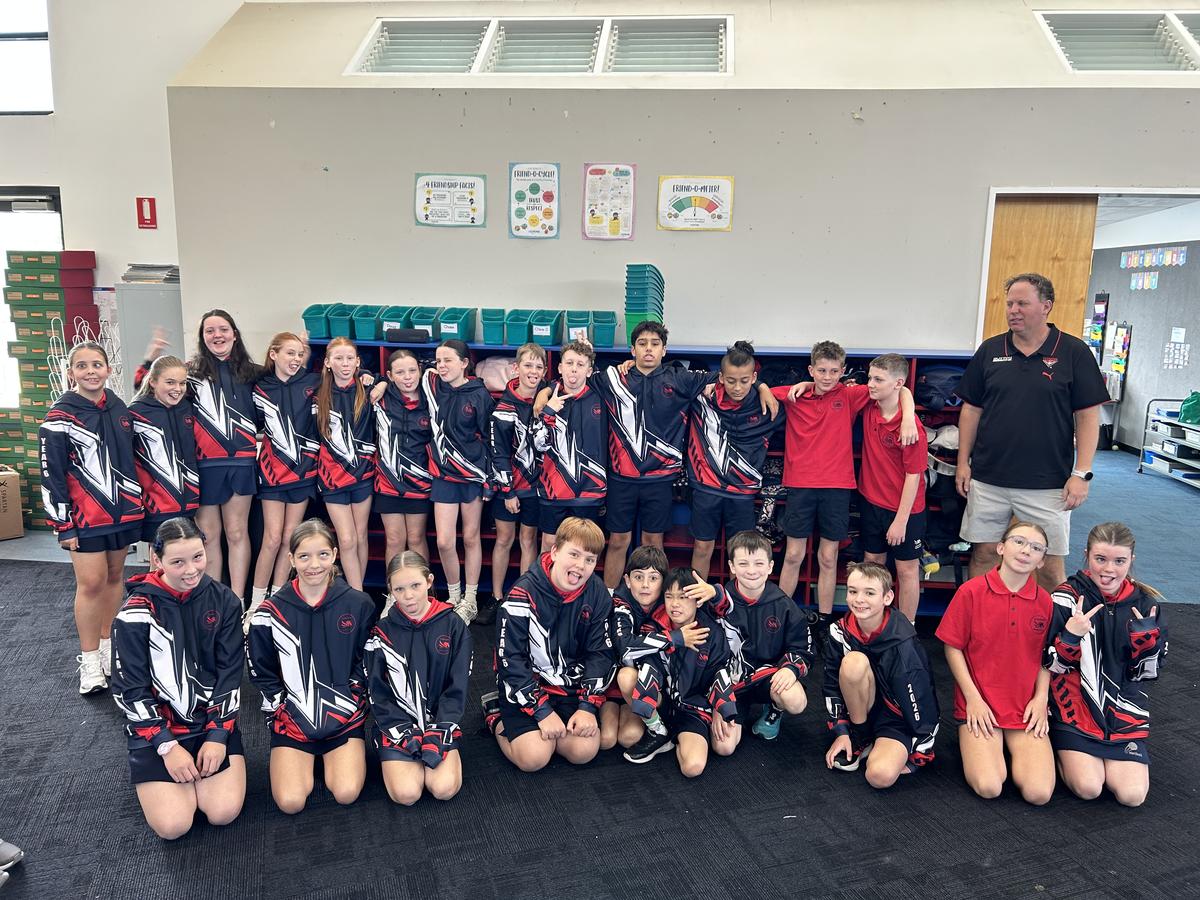
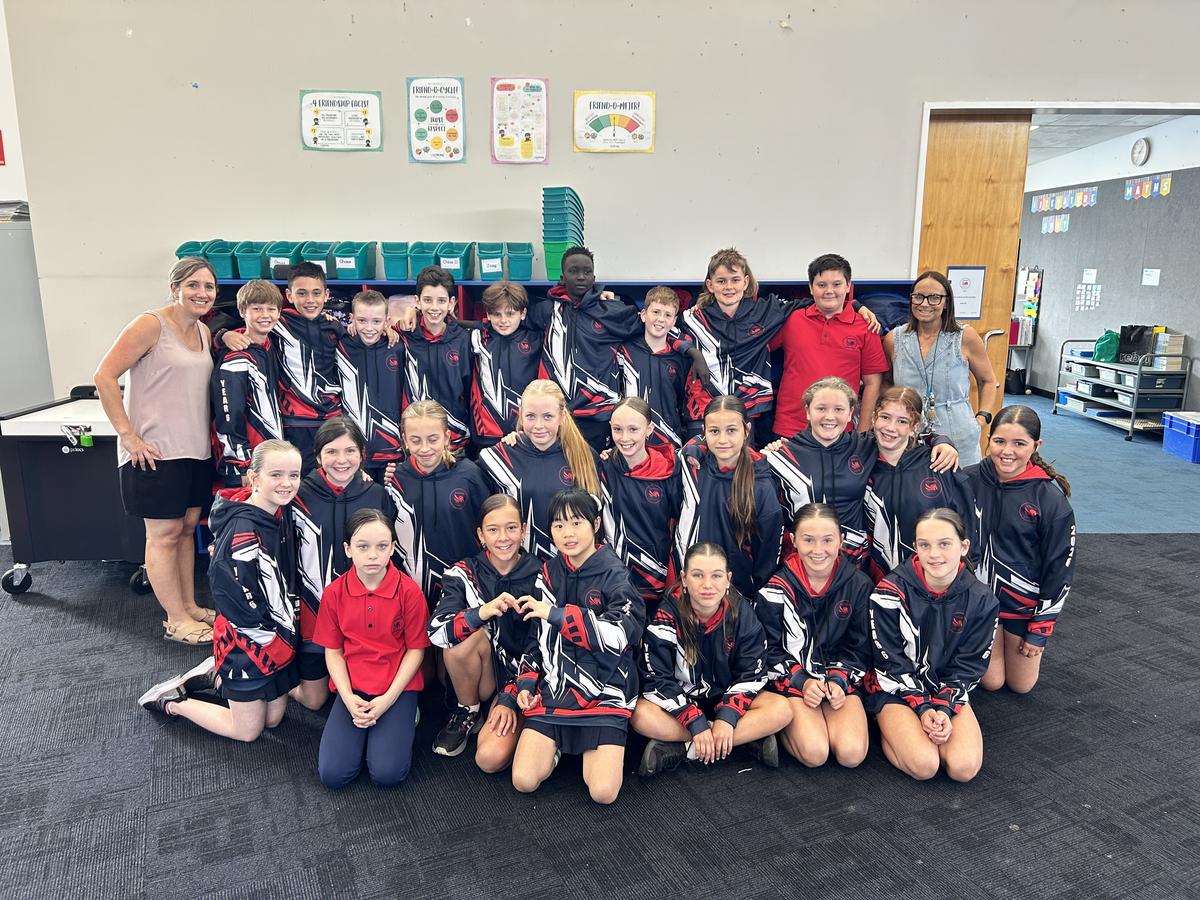
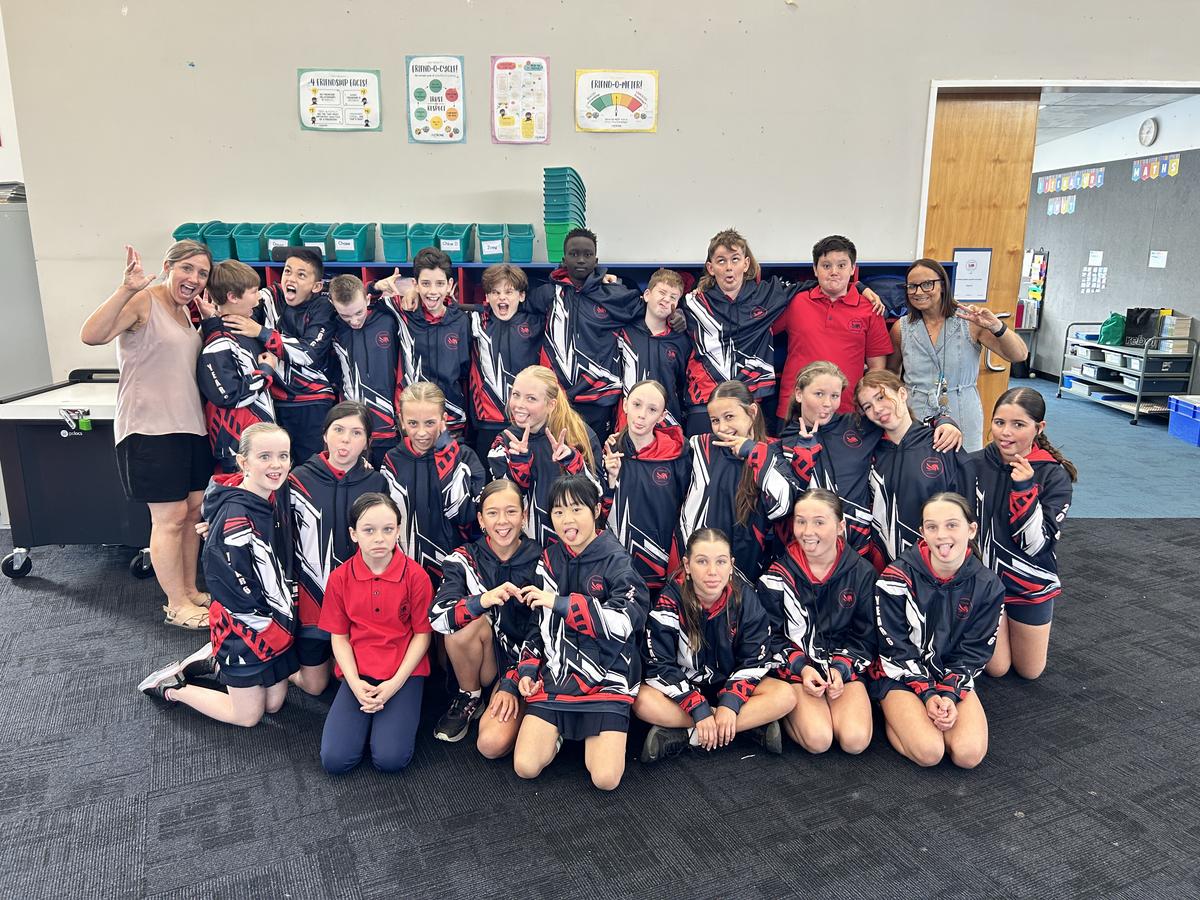
Welcome back! Wow, what a fantastic start to the Grade 6 year! It has been wonderful to see how confidently and calmly the students have returned to school. They have settled in quickly and are already demonstrating a noticeable shift in their demeanour, walking around taller, wearing their Grade 6 jumper with pride, showing increased independence, and embracing their roles as the senior students of the school. Their positive attitude and maturity have set a great tone for the year ahead, and we are excited about what’s to come.
Upcoming Dates:
Tuesday 17th February: Getting to know you Interviews
Wednesday 18th February: Getting to know you Interviews
Thursday 19 February: Getting to know you Interviews
Monday 23 February: School photos
Friday 27 February: House cross country
Monday 9th March: Public Holiday
Friday 27th March: House Athletics
Reminders:
- Icy Poles will be sold on Monday and Tuesday at the Senior School during lunch.
- Internet Agreement forms are now due.
- School Sport conduct forms are due 6th February
- Canberra forms are to be returned to the office as soon as possible. If your child is not attending, please notify the office in writing by Friday, 28th February.
Learning in Action
Literature: Once by Morris Gleitzman
In the opening chapters of Once by Morris Gleitzman, students are introduced to Felix, a curious and hopeful boy whose story begins quietly but quickly turns into an unexpected adventure. As students step into Felix’s world, they join him on a journey that starts inside an orphanage and leads into a much wider, more dangerous world beyond its gates.
Felix is living in an orphanage during World War II and believes his parents have left him there to keep him safe. When the orphanage is suddenly shut down and the children are placed in danger, Felix makes the brave decision to escape and search for his parents. Along the way, he meets Zelda, a tough and practical girl who helps him survive as the world around them becomes increasingly uncertain.
Through these chapters, students explored how the author builds tension and emotion while introducing key characters and setting.
Vocabulary focus:
- Peered – looked closely or carefully
- Rumbles – low, deep sounds, often suggesting danger or movement
Admired – felt respect or approval for someone
Writing focus:
- Revising relative (embedded) clauses, including identifying them in sentences
- Adding relative (embedded) clauses to provide extra detail and clarify meaning
- Exploring the placement of relative clauses and how this affects sentence flow
- Understanding the purpose of relative clauses in enriching descriptions
- Practising correct punctuation, including the use of commas to embed clauses accurately
Exploring onomatopoeia and how sound words help create atmosphere, tension and meaning in writing
Students practised applying these skills to strengthen their own sentences and develop more engaging, detailed writing.
Preview: Students will read and take notes from a range of texts about Poland, before using their research to create an information report. They will focus on organising their ideas using the GST structure (General statement, Specific statement, Thesis statement) to present clear and well-structured information.
Mathematics – Data Representation
In Mathematics, students have been developing their skills in data representation by collecting, organising and displaying data in a variety of ways. They created and interpreted bar charts, side-by-side column graphs and line graphs, learning how each graph is used to show different types of information.
Students focused on accurately labelling axes, choosing appropriate scales and presenting data clearly so it could be easily read and compared. Through creating side-by-side column graphs, students compared sets of data and identified similarities and differences, while line graphs were used to track changes over time.
By analysing their graphs, students practised making observations, drawing conclusions and explaining what the data shows, strengthening both their mathematical understanding and reasoning skills.
Preview: We will be continuing our work with data by exploring how information is displayed and interpreted. Students will be learning to interpret the distribution of data displays, identify misleading graphs or representations, and explain how scale, labels and design choices can influence the way data is understood. This will help students become more confident, thoughtful and critical users of data in real-world contexts.
Knowledge Rich:
Students have been learning about life at the dawn of Federation, examining what daily life was like in Australia at the beginning of the 1900s. They explored how Australia came together to establish a new nation and described the key institutions of Australia’s Westminster-style system of government, including the roles of Parliament, the Prime Minister, and the Governor-General.
Students have also been exposed to the three levels of Australian government – federal, state, and local – and how each level has different responsibilities that work together to govern the country. Through this learning, they have developed a strong understanding of how historical events and government structures shaped the Australia we know today.
Preview: Students will explore citizenship and democracy, and investigate the experiences and contributions of First Nations peoples during the 20th century. They will examine how First Nations communities shaped Australia’s history, culture, and society, and consider the impact of government policies and social change on their lives. This learning will help students develop a deeper understanding of Australia’s past and the diverse perspectives that have contributed to the nation we know today.
Homework:
At Lysterfield Primary School our students work incredibly hard during the day. At 3.30pm when they leave, they need time to unwind and have fun. We believe that in order to live a happy and healthy life, it is important to participate in extracurricular activities outside school. We want students to join sports clubs, Scouts, do music lessons and art classes as these are important for a child’s overall growth and social connections. We also understand that homework puts a lot of stress on families.
In addition to our beliefs, there is no evidence that homework in a primary school setting has a marked impact on students' learning or success. What is proven is that reading daily has a significant impact on a child’s ability to decode and comprehend. As such, mandated homework at Lysterfield Primary School is limited to reading daily, including the practice of phonics (letter/sound relationships). Level newsletters will outline the expectations around reading and how teachers will support students with having appropriate texts to read. For some students that may not be making the expected progress for their year level, it may be beneficial for the teacher and parents to work together to reinforce the learning from the classroom with follow-up work.
We also understand that some students and families would like to practise other skills at home. To support this, at the beginning of each school year, parents will be provided with a set of additional resources that can be used for students to practise other curriculum areas. This work is not mandated and it is up to parents to implement and monitor; staff will not correct this work.
Adam Wight- Principal
Optional Homework – Grade 6
The following activities are optional and designed to support learning at home without adding pressure. Students are encouraged to choose activities that interest them.
Mandatory
📚 Independent Reading: Maintain good reading habits by reading nightly. This can include novels, graphic novels, or non-fiction texts of interest.
Optional
✏️ Free Writing: Students are encouraged to get creative with their writing. They may choose to express their ideas in different ways, such as:
- Comic strips
- Short stories
- Advertisements
Journals or reflections
🔍 Research: At school, students are exploring novels and a range of interesting topics across the curriculum. Students may wish to extend their learning by researching these topics further at home.
➗ Maths Practice
- Maths Masters – Continue practising individual learning goals at home
- White Rose Maths App – 1 Minute Maths (multiplication or division)
NRich – Explore problem-solving activities: https://nrich.maths.org/
Times Table Rock Stars - https://ttrockstars.com/
⌨️ Handwriting / Typing
Develop touch-typing skills https://www.typingclub.com/
Kind regards,
The Grade 6 Team
Melissa Adams, Caillin Ibbotson, Craig McKenzie, Lisa Dealy & Chloe McElroy