Wellbeing
Fiona Dandie & Robert Pain
Wellbeing
Fiona Dandie & Robert Pain
School-Wide Positive Behaviour Support (SWPBS) is a globally recognised, evidence-based framework that helps schools create safe, positive, and inclusive environments where students and staff can thrive.
SWPBS supports the Victorian Teaching and Learning Model 2.0 by helping schools build consistent, whole school systems that promote positive behaviour, wellbeing, and inclusion, creating the right conditions for effective teaching, learning, and leadership across the school.
SWPBS helps schools to:
Schools implementing SWPBS:
SWPBS is built around four key elements:
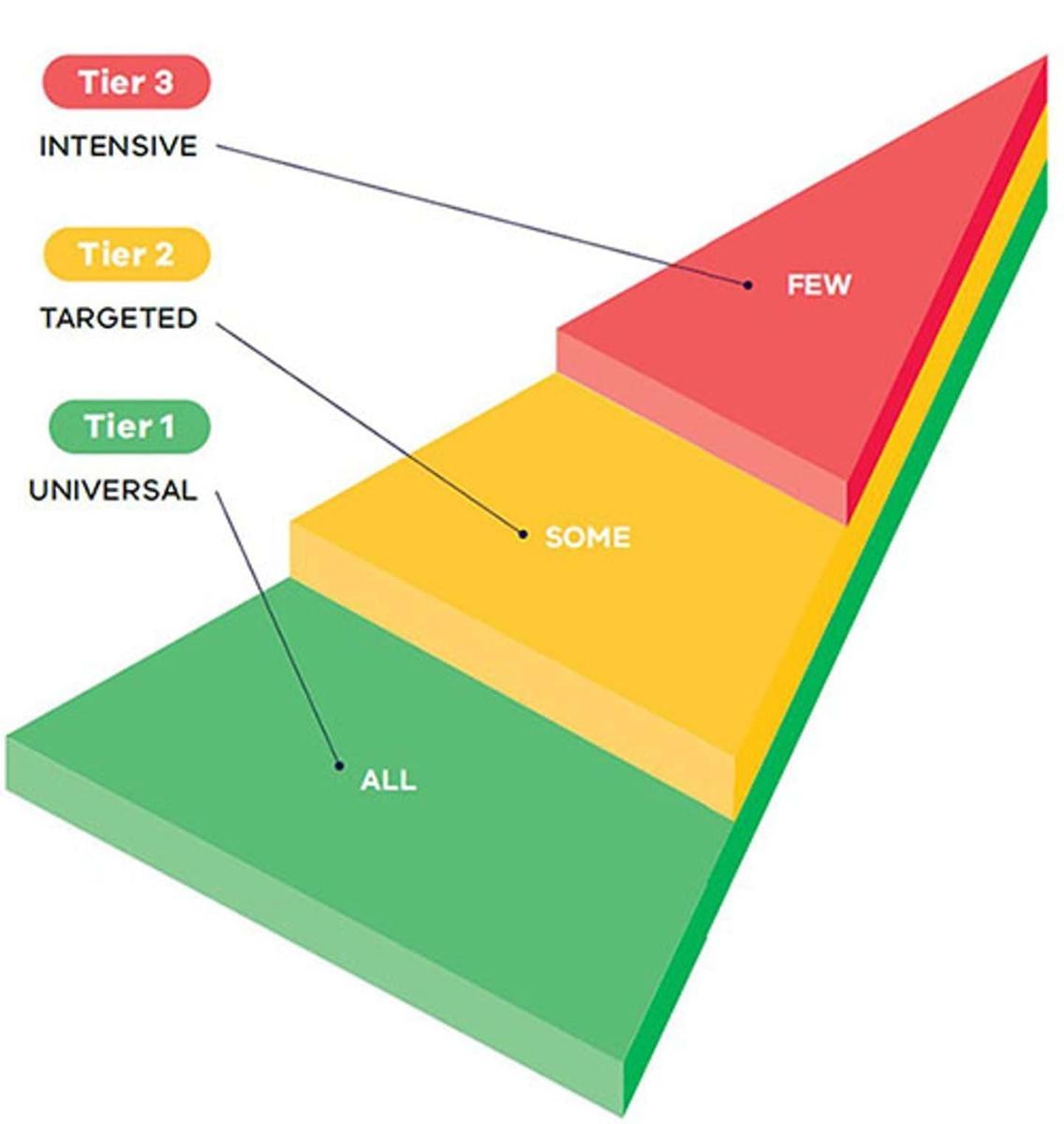
These elements are delivered through a multi-tiered system of support:
The Disability Inclusion Profile (often referred to as a DIP or a Profile) is part of the Victorian Education Department’s updated approach to supporting students with disability. Rather than focusing only on diagnoses, the Profile looks at a child’s everyday experiences at school, including how they learn, communicate, socialise, move, manage emotions, and are supported. It’s a strengths-based process, meaning we don’t just ask, “What’s hard?” but also, “What is this child good at? What helps them shine?”
Example: A student may find handwriting difficult but be a wonderful storyteller. The Profile helps us record this strength and ensure they have tools (like speech-to-text or drawing scaffolds) so fine-motor challenges don’t limit their ideas.
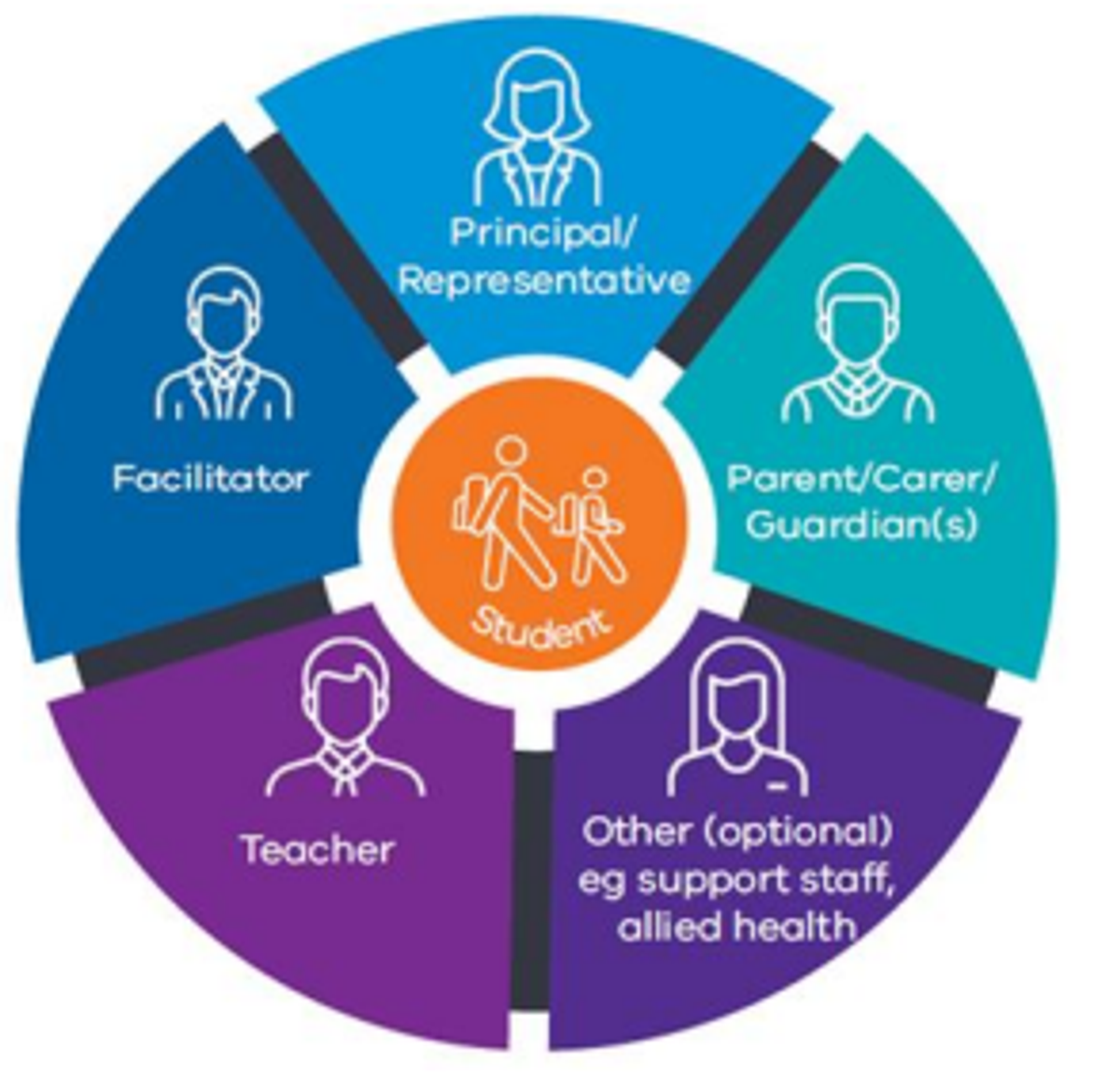
The Profile is completed through a structured meeting involving:
Your voice as a parent is vital. You know your child better than anyone, and your insights shape the final outcome.
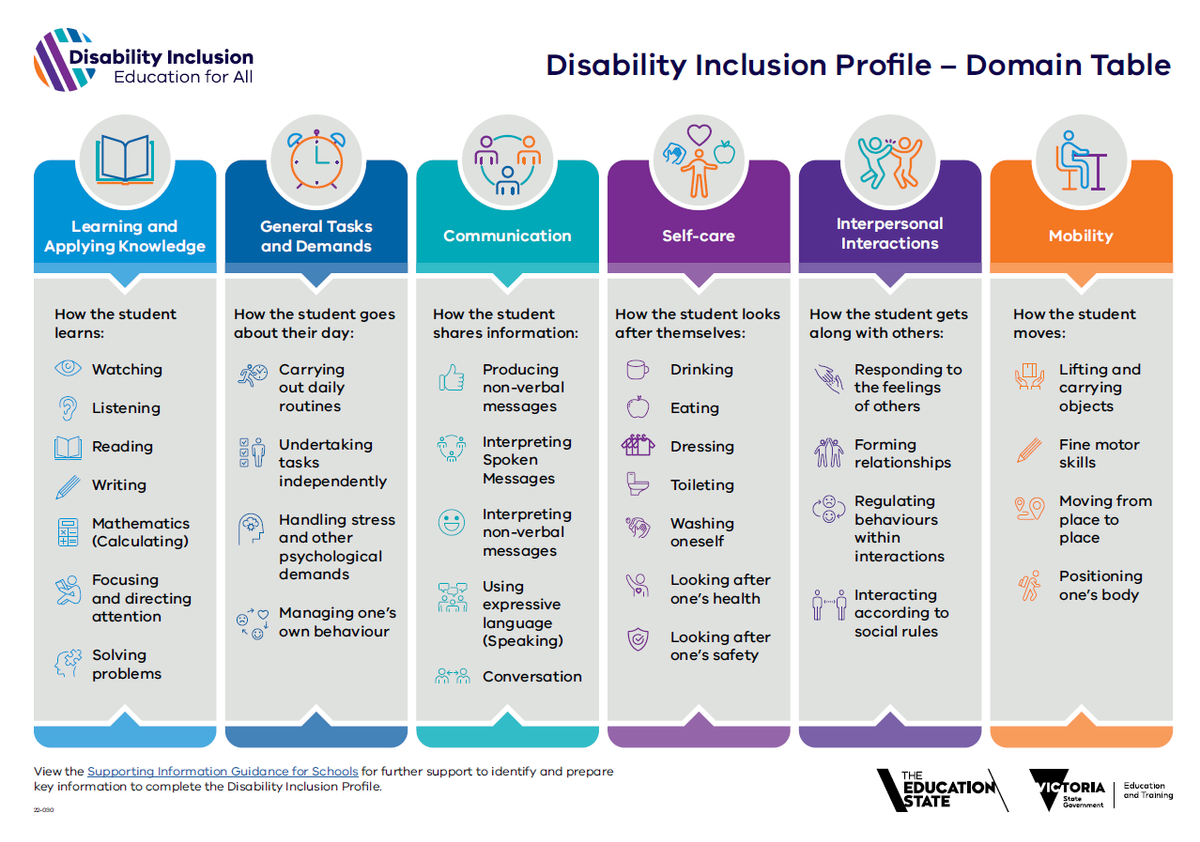
The meeting uses guided questions to explore:
Specifically looking at six domains and the 31 activities within these. These domains are used across all Victorian State School Settings (Special Development School, Primary School, Secondary School, Supported Inclusion School and other special settings.)
Example: A child who becomes overwhelmed by noisy environments might be successful when given quiet break spaces, noise-reducing headphones, or predictable routines. The Profile captures this, so the whole school team understands what works.
The information is used to create:
1. A detailed report
This guides the school’s planning of targeted adjustments and support.
2. Eligibility for Tier 3 funding
The Profile determines whether a child receives additional Disability Inclusion funding to support their learning. This might be used for:
tailored wellbeing support
Example: If a student needs help transitioning between tasks, Tier 3 funding may allow an Education Support staff member to provide check-ins or visual scheduling support.
No. It’s part of a longer-term Disability Inclusion pathway. Schools continue to review supports and update plans as the child grows and their needs evolve. Most Primary School-aged children have two Profile meetings throughout their time at Primary School and one in Year 7, with the funding following them through the rest of their years at school.
If you have any queries about the process, please get in touch with the Wellbeing Team.