
News from Year 5/6
Parent/Child Puberty Night
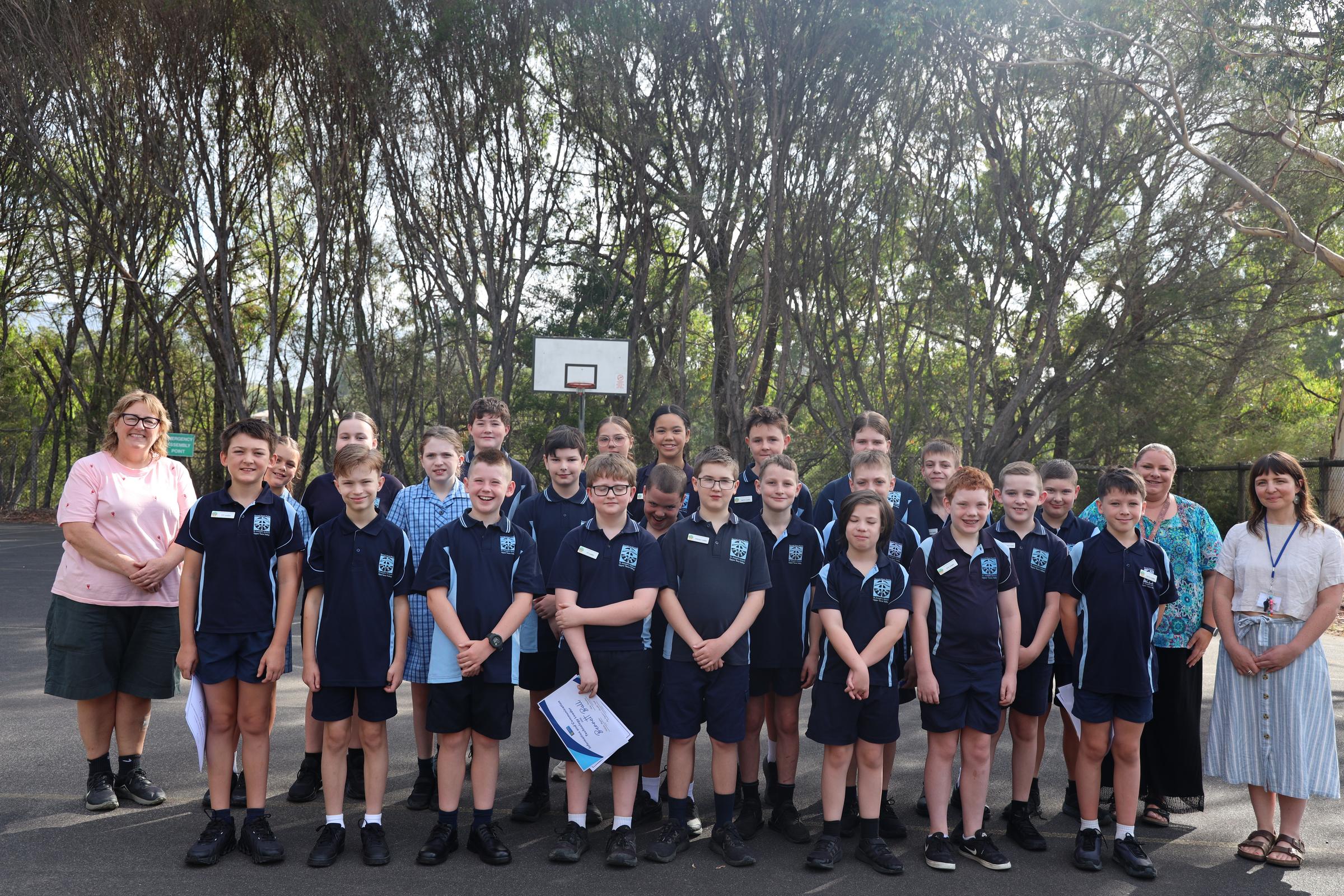
As part of our Term One Inquiry Unit, Identity: Ethics and Emotions, our Year 5/6 students will be participating in a Parent/Child Puberty Information Night on Thursday, 26th March at 7pm via Zoom. This session is designed to support families as students begin to navigate the changes associated with puberty.
Please keep an eye on your email for further information and a detailed letter outlining the program and how to confirm your attendance. We encourage all families to attend!
NAPLAN
Next week our Year 5 students will begin NAPLAN assessments. NAPLAN provides a snapshot of student progress in literacy and numeracy, and we encourage students to simply try their best and approach each session with a calm and positive mindset. A good night’s sleep and and healthy snacks will help them feel prepared. We are very proud of the effort they continue to show in their learning and know they will do their best.
Assembly next week
Next week our Year 6 Leaders will once again lead our school assembly, after doing a fantastic job last week showing confidence and responsibility in their roles. We are also looking forward to our Year 3/4 students hosting, and we know they will do a wonderful job sharing their learning with our school community.
Homework
This week, Year 5/6 students have begun their nightly homework routine, expected to take around 20 minutes each night, focusing on reading, times tables practice, and spelling. Thank you to the parents who have contacted us to modify their child's homework expectations. At this level, homework is less about extra learning and more about developing routine, organisation, and personal responsibility, helping students build independence and confidence in managing their own learning.
LITERACY - NON FICTION WRITING
As part of our literacy work, students have been developing the important skill of learning how to take clear, organised notes from an information report and then use those notes to write their own non-fiction report. Rather than copying large sections of text, students practise identifying key ideas, selecting important facts, grouping information under headings, and recording dot points in their own words.
From these notes, students then plan and write a structured report with an introduction, subheadings, factual paragraphs, and a conclusion. This process strengthens reading comprehension, summarising skills, vocabulary development, and the ability to distinguish between main ideas and supporting details. It also builds independence, critical thinking, and confidence in using evidence to communicate information clearly.
Learning to take purposeful notes and transform them into well-organised writing is a vital literacy skill that supports success across all curriculum areas, including Science, Geography and Civics. Most importantly, it helps students move from simply finding information to truly understanding and explaining it.
Have a read of some of the writing from our students:
Weapons
Once the war began the people who weren’t fighting were trying to make more technology to help them win and someone eventually made poison gas that made lots of people sick at one time. So they made masks to help them survive. After a while someone made a tank that was a big gun on tracks. It wasn't comfortable especially when it shot but it did a lot of damage. Written by Henry.
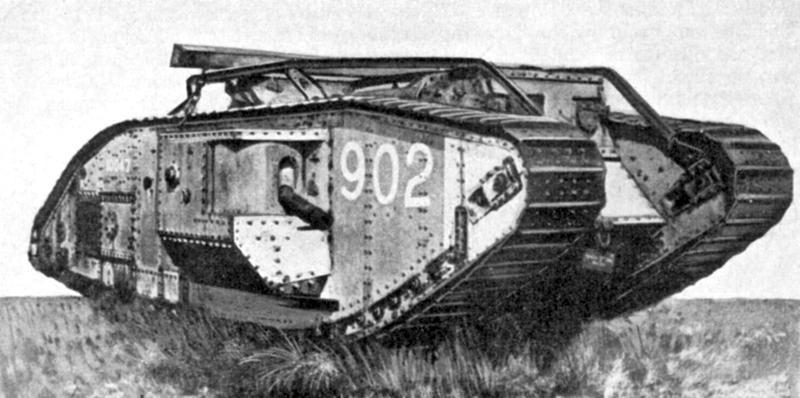
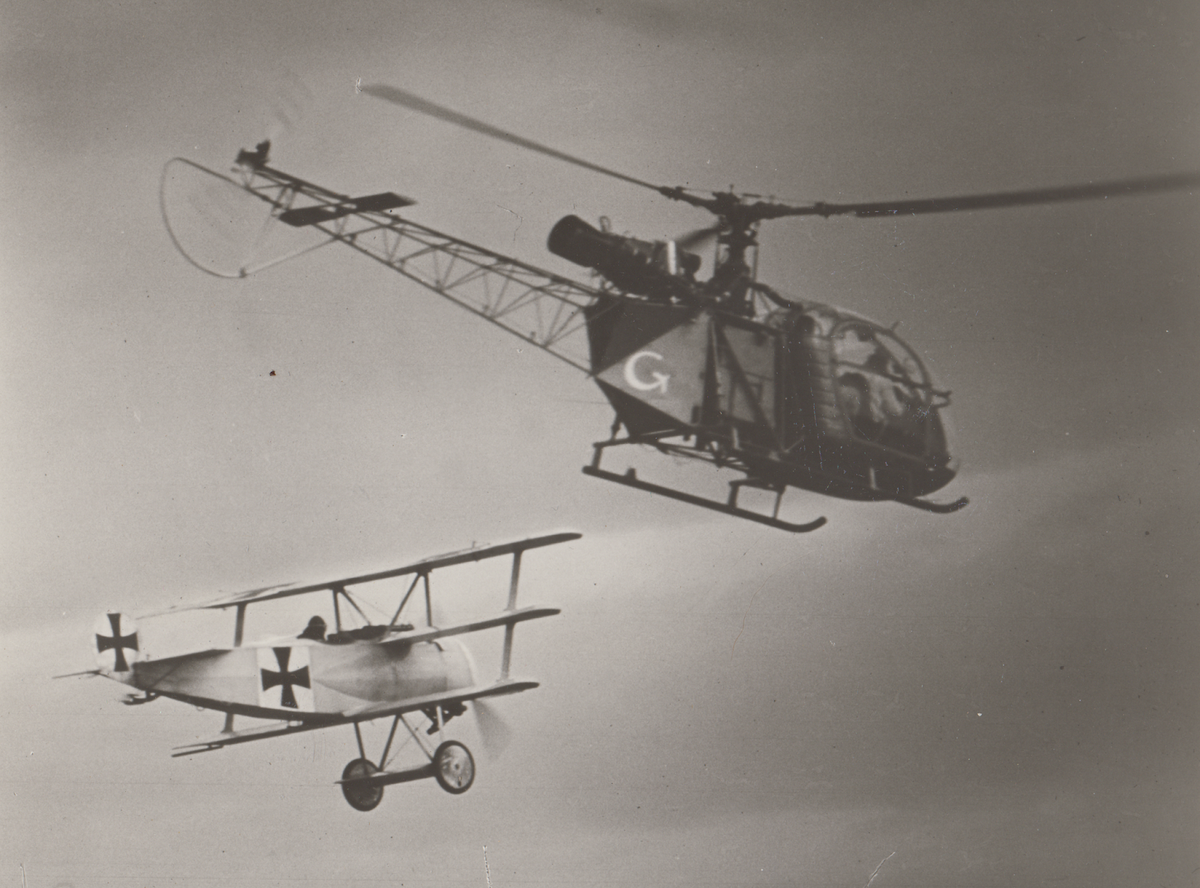
The war went for 4 years and they had machine guns. Leonardo da Vinci invented tanks. poison gas masks were made for dog horses, humans and other animals but poison gas can cause blindness, can kill you and it can also damage your lungs. They had brutally cold and rainy weather but when it rained the trenches got muddy and it was freezing .Dogs and horses were used in the front line. They used so many weapons. 1914,1916,1918, where the year's. technology was tanks and helicopters!! Written by Marlee
Armistice
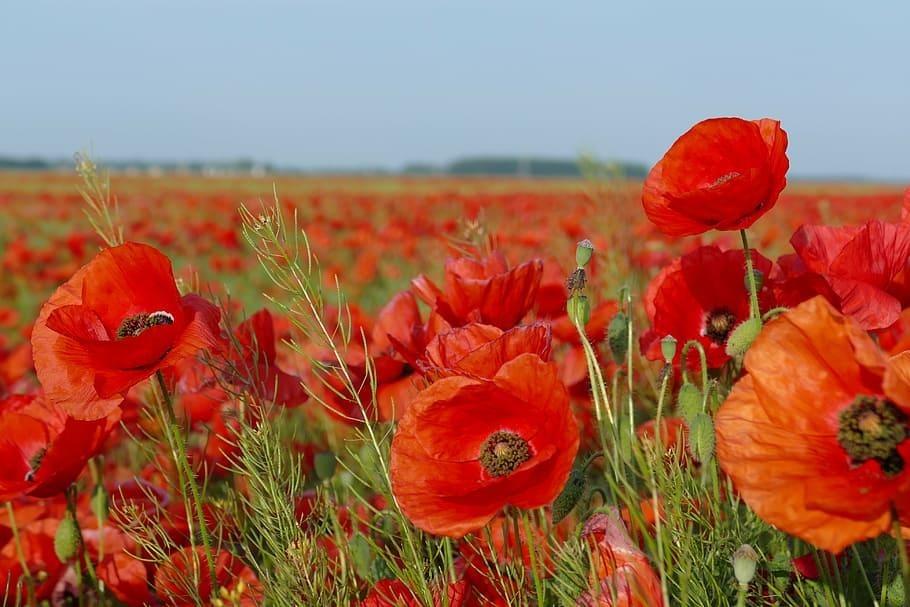
The armistice stopped the fighting in the war. IT was signed in a train. On the 11th day of the 11th month which war would stop there everyone was celebrating that war would end. We call what the armistice now Remembrance Day. The guns fell silent the troops danced with joy and war was over.
Written by Maddison
WW1 history
World War I started in 1914 when an assassin named Gavrilo Princip shot the Archduke. and young people and lied to avoid going to jail. There were sides, and they were called Allies and Central Powers. In fact, 40,000 men were assigned to go to war, and some teenagers lied to get into the army; most of them died at a young age, and the reason most of them died was that the trenches were dirty, there was not much shelter, diseases spread, and most of them caught it. It was the most tragic war ever. Australia teamed up with New Zealand, and they were called ANZAC, which stands for Australia and New Zealand Army Corps. Written by Oli
Animals in War
Animals were used a lot in war, each used for a different reason. Canaries were used to detect poison gas, as they would faint, showing the soldiers they needed to go. Cats were used to keep mice and rat infestations away, as people would wake up in the trenches with rats on them biting them, but luckily cats were used to stop that from happening making there be no bad disease outbreaks. Pigeons were used to carry messages. Glow worms were used to light up the trenches and elephants were used to carry heavy loads. Dogs were used for scouting, helping injured soldiers, keeping pests away, and carrying messages across distances. Many other animals were used to help fight this deadly war. Written by Archer
World War One History
On the 28th of June 1914 arch duke was shot by garvilo princip which started the war countries all over the world like australia and new zealand joined the war teenagers in Australia faked their age to fight for their county there was new technology which led to guns planes and ships even things like cannons. Written by Jayden