
Assistant Principal's Report
By Vicki John
Assistant Principal's Report
By Vicki John
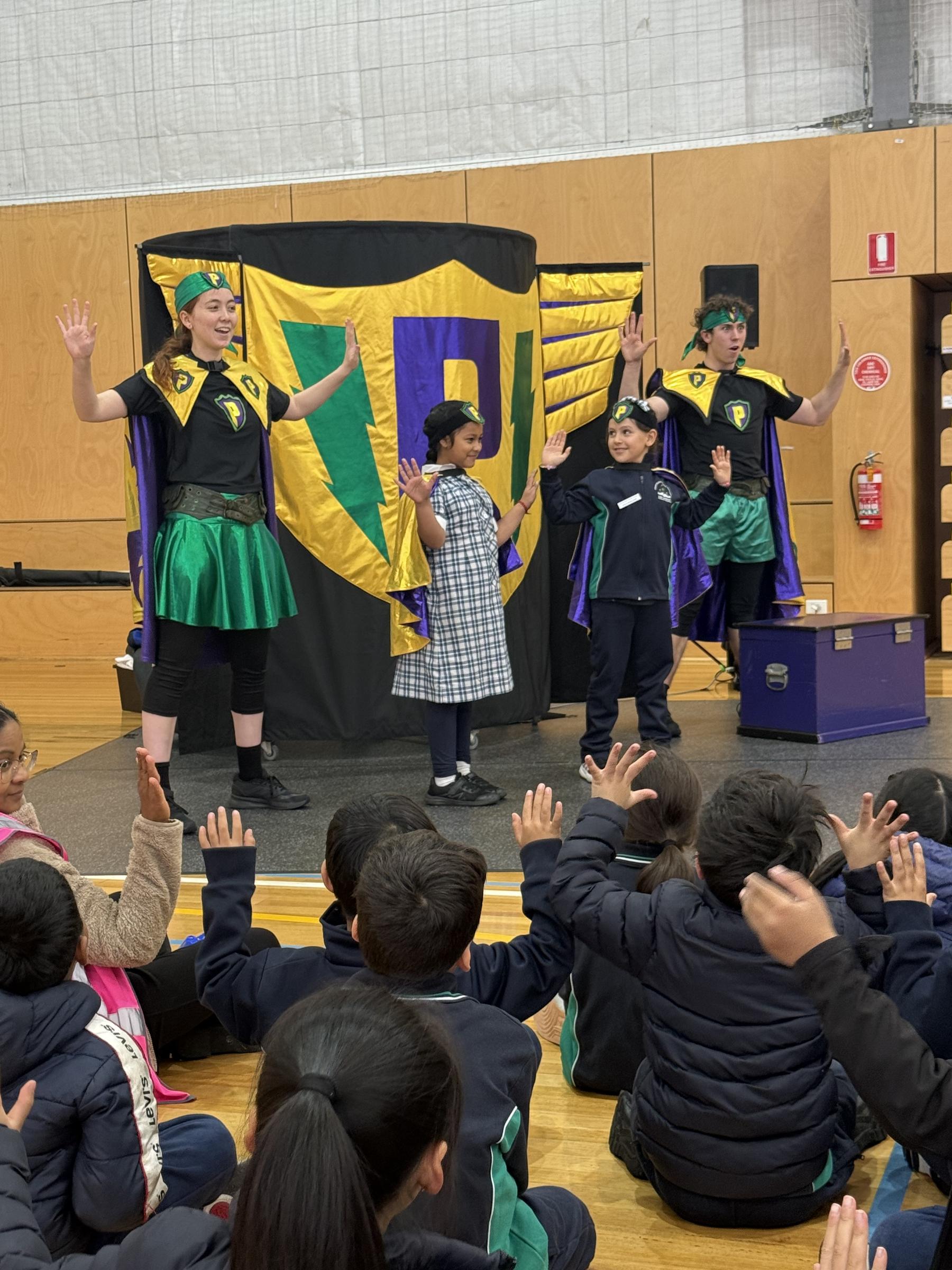
We have had a wonderful term filled with lots of Wellbeing activities for our students where they have learnt about the importance of friendship and what it means to be an upstander as well as opportunities for our families to learn more about the wonderful programs on offer at GWPS. The wellbeing of our students is always at the forefront for us, and we hope to see the long-term positive effects of these approaches and programs!
As part of our data and gathering, we recently conducted the Resilient Youth Survey with our students in Year 3-6 and one of the recurring themes where students identified opportunities for growth and improvement was wanting to talk to and connect with their parents more. This is so important because warm, positive and responsive relationships are fundamental to children’s development and wellbeing.
Children naturally become more independent when they start school, but family relationships are still the biggest influence on your child’s development. That’s because your child’s relationship with you helps them feel secure and gives them confidence. Security and confidence are important as children meet new children, try new things and take on new responsibilities when they’re ready.
Your role as a parent is just as important as ever, but there’ll probably be changes in your relationship and the way you connect with your child once they start school.
For example, your child might love to be independent, but they still need plenty of your love and attention. They’re proud of their growing independence, but they want your approval. They might be easily embarrassed, self-conscious and even self-critical, so they’ll need your help to manage these strong emotions and keep trying new things.
Your child might not tell you as much about their day as they used to. This might be because it’s hard for them to tell you everything that’s happened in a school day. But they still need to know you’re there and ready to listen when they’re ready to talk. Your child’s language, thinking, emotions and physical skills are developing rapidly at this age. This means that you might sometimes have quite deep conversations. Or you might start sharing hobbies or interests like sport or music. This can give you a lot of opportunities to connect by tuning in to your child’s interests, ideas, thoughts and feelings.
Peers and school friends might start to become more important in your child’s life, particularly as they move towards the middle-primary years. School friendships give your child a sense of belonging and help them learn and practise social skills like sharing and negotiating. But if friendship problems come up, your child will turn to you for help. Your child’s secure and safe relationship with you helps them to manage the ups and downs of making and losing friends.
And your school-age child might start looking for adult role models outside the family – for example, a favourite teacher or sport coach. But they’ll still look to you for guidance or want to know what you think about these people.
You are still important to your child, and they still need you as they grow and develop, even if they don’t always say that to you!
Children of all ages need parents and caregivers who are responsive, who pay them attention and who make them feel safe.
The Raising Children Network suggests some ideas to help you connect and build this kind of relationship with your school-age child:
Connecting
Give your child plenty of positive attention by showing warmth and being interested in what they’re doing. One way to do this is by asking follow-up questions when your child starts talking – for example, ‘Really? That’s funny! What did the teacher say then?’ This keeps the conversation going.
Use everyday moments and activities to build your relationship. For example, driving your child to an activity might be a chance for an uninterrupted chat.
Make time to share things you both enjoy, like cooking, kicking a ball or going for a walk. This can also give you a chance to find out more about your child’s likes and dislikes, worries and frustrations. Some children find it easier to talk when they’re doing something else.
Tune in. If you see your child is getting angry or upset, help them understand their emotions. For example, ‘I can see that you’re feeling angry about turning off the TV’. Understanding emotions is a key part of self-regulation, which is important for all your child’s relationships.
Communicating
Avoid asking your child a lot of questions about school when they get home from school. Your child will probably be tired and hungry. When you sense that your child is ready to talk about school, simple, positive and specific questions can start a conversation. For example, ‘Who did you sit with at lunchtime?’ or ‘What was the best part of your day?’
Focus on the Family suggests trying one or more of these 10 questions:
What was the best thing you did today?
What was something different that happened today?
What made you laugh?
Who did you play with?
What are you looking forward to about tomorrow?
What did you learn about in music/PE/library?
What’s something your teacher said to you today that made you think?
If you could change one thing that happened today, what would it be?
What part of your day went the slowest? Why?
What games did you play at lunchtime?
If your child asks about tough topics, answer honestly, in language that they can understand. If you encourage open communication now, your child learns that they can always talk to you.
By asking meaningful questions and really listening to the answers you can get to know a lot about your child and how they are doing at school. It also creates a great connection between you, showing your child that you care about their wellbeing and are taking time to hear about how their day has gone.
Family life
Set positive family rules to guide how your school-age child treats you and other family members. Rules that describe the behaviour that’s important in your family can help everyone get along better. For example, ‘We say “please” when we ask for something’.
Share regular family meals. Family meals can strengthen your family relationships and your child’s sense of belonging. They’re also a good chance to catch up on each family member’s day.
Keep up family rituals like birthday celebrations, family movie nights or bike rides on the weekend. Rituals create shared memories and build family relationships and bonds.
As always, if you have any concerns regarding your child’s wellbeing or mental health to please speak with your child’s teacher. If you still have concerns or wish to discuss anything specific, please contact me directly on the school phone line or through email at vicki.john2@education.vic.gov.au. There are many avenues for support if we know there is a concern.
Warmest wishes,
Vicki John