
Religious Education
The Feast of Corpus Christi
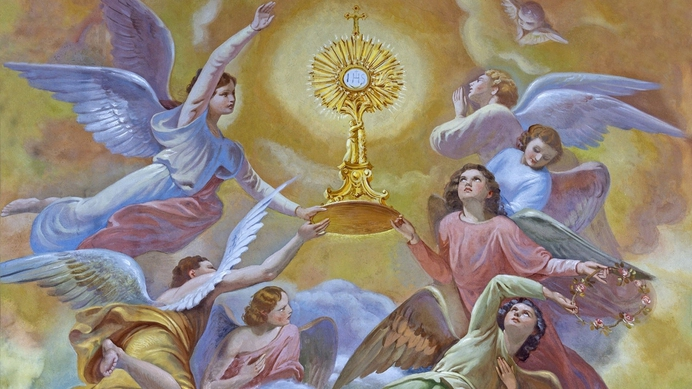
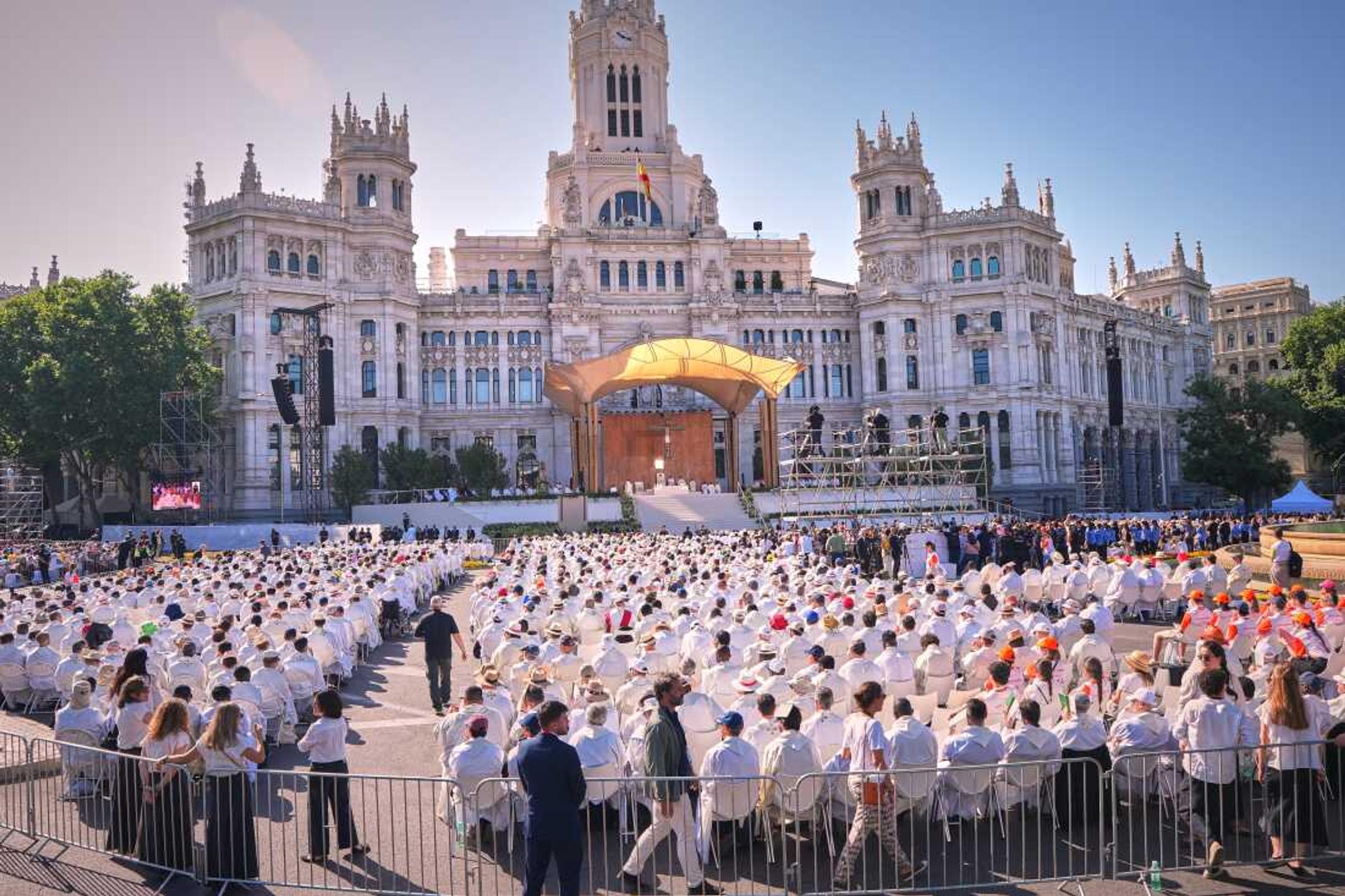
The Feast of Corpus Christi was celebrated last Sunday. It is also known as the Most Holy Body and Blood of Christ, this feast honours Jesus Christ, really, truly, and substantially present under the appearances of bread and wine. This mysterious Presence happens through what the Church calls transubstantiation (“a change of substance, not appearance”) when at the Consecration of the Mass, the priest says the words which Christ Himself pronounced over bread and wine, “This is My Body,” “This is the chalice of My Blood,” “Do this in remembrance of Me.”
This feast is especially significant for our community as it is the foundation of the sacrament of the First Eucharist, which our Year 4 students will receive on 21 June 2026.
On Holy Thursday, the day before Our Lord suffered and died on the cross for our sins, the Church commemorates the institution of the Holy Eucharist. As the Scribes and Pharisees were plotting to end Our Lord’s life and extinguish His presence in the world, He had already devised a way to be among us everywhere till the end of time. On this day, Our Lord, not wanting to leave us “orphans,” performed the first Mass at the Last Supper with His apostles in the upper room. Such a festival is precluded by the sad and sorrowful memories of the day — the betrayal of Judas, Christ’s agony and arrest, and Saint Peter’s denial — making it impossible to honour the Blessed Sacrament with appropriate solemn and joyful rites on such a sad day as this.
It was a humble nun in Belgium, Saint Juliana, who first suggested and advocated a special feast in honour of the Blessed Sacrament to be celebrated on a day other than Holy Thursday.
Why Corpus Christi?
“Corpus Christi,” in Latin, “the Body of Christ,” is a quintessential element of our Catholic Faith. For over two millennia, it has provided humanity with physical proof that, indeed, “The Word became Flesh and made His dwelling among us.” (John 1:14). For so great a blessing and favour from God Himself, it is only fitting that we should set aside a special feast day in which to express our thanksgiving and adoration.
Through his 1947 Encyclical “Mediator Dei” (On the Sacred Liturgy), Pope Pius XII began a new stage in the Church’s teaching on the efficacy of prayer to Jesus present in the Sacrament of the altar. Here are some of his quotes on the importance of Eucharistic Adoration in our lives:
131. “When, therefore, the Church bids us adore Christ hidden behind the Eucharistic veils and pray to Him for spiritual and temporal favours, of which we ever stand in need, she manifests living faith in her divine Spouse who is present beneath these veils, she professes her gratitude to Him, and she enjoys the intimacy of His friendship.”
132. “Now, during centuries, the Church has introduced various forms of this worship which are ever increasing in beauty and helpfulness; as, for example, visits of devotion to the tabernacles, even every day; and adoration of the Blessed Sacrament publicly exposed.”
133. “These exercises of piety have brought a wonderful increase in faith and supernatural life to the Church militant upon earth, and they are reechoed to a certain extent by the Church triumphant in heaven, which sings continually a hymn of praise to God and to the Lamb “who was slain.” Wherefore, the Church not merely approves these pious practices, which have spread everywhere throughout the world over the centuries, but makes them her own, as it were, and by her authority commends them.”
Adapted from an article published by America Needs Fatima.
Vicky Pejic
Religious Education Leader