Student Wellbeing

Emotions, Feelings, and Helping Kids Find the Words
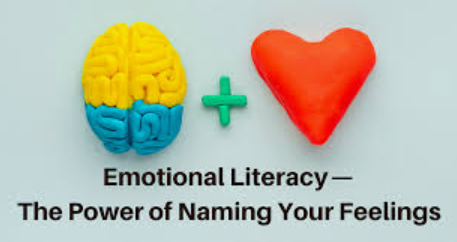
One of the most valuable skills we can give children is the ability to identify, name, and express their emotions. This is known as emotional literacy, and research shows it is strongly linked to mental health, academic success, and healthy relationships.
Many children, particularly younger ones, experience big emotions without having the vocabulary to describe them. This can lead to frustration, meltdowns, or withdrawal, not because they are misbehaving, but because they simply do not have the words.
Here is how you can help:
Name emotions out loud. Narrate your own feelings in everyday moments: "I'm feeling a bit stressed because we're running late" or "I felt really proud when you did that." This models emotional language naturally.
Expand their vocabulary. Move beyond happy, sad, and angry. Introduce words like anxious, frustrated, overwhelmed, disappointed, embarrassed, and content. Feelings charts or cards can be a helpful visual tool.
Read books together. Stories are a powerful and low-pressure way to explore emotions. Ask questions like "How do you think they felt there? Has that ever happened to you?"
Avoid dismissing feelings. Phrases like "You're fine" or "Don't be silly" can teach children that their emotions are not valid. Instead, reflect back what you observe: "It looks like you might be feeling frustrated right now."
When children can identify and express how they feel, they are far better equipped to manage those feelings and to ask for help when they need it.