
Student Wellbeing
Cheltenham Primary School is committed to providing a safe, secure and stimulating learning environment for all students. We understand that students reach their full potential only when they are happy, healthy and safe, and that a positive school culture helps to engage students and support them in their learning. Our school acknowledges that student wellbeing and student learning outcomes are closely linked.
Our school has a focus on the use of positive psychology in our approaches to both learning and wellbeing.
Positive psychology focuses on the positive events and influences in life, including:
- Positive experiences (like happiness, joy, inspiration, and love).
- Positive states and traits (like gratitude, resilience, empathy and mindfulness).
To support this, we have a number of proactive practices in place to support and promote positive wellbeing for all students.
In this Newsletter we will focus on using Mindfulness strategies in the classroom:
Mindfulness in the classroom and at home
During the course of a busy school day students will often need time to re-regulate. This could be at the start of the day, following Recess or an Incursion. At Cheltenham Primary School our teachers recognise this and plan mindfulness activities which support the students to calm and re-focus themselves. We hope they bring these skills home to share them with you, so we can share a consistent language with which to support them.
Mindfulness may involve students undertaking...
- Breathing Exercises: Simple techniques like belly breathing or guided breathing help children calm down and focus.
- Body Awareness: Fun poses such as “Superman” or “Wonder Woman” encourage kids to connect with their bodies and feel strong and confident.
- Sensory Games: Activities like savouring snacks, listening to sounds, or noticing textures engage the senses and promote presence.
- Gratitude and Kindness Practices: Exercises like naming “Three Good Things” or sending kind wishes to others cultivate positive emotions and empathy.
- Guided Meditations: Age-appropriate audio sessions, ranging from short pre-school meditations to 8-minute practices for older children, help focus on breathing and positive moments.
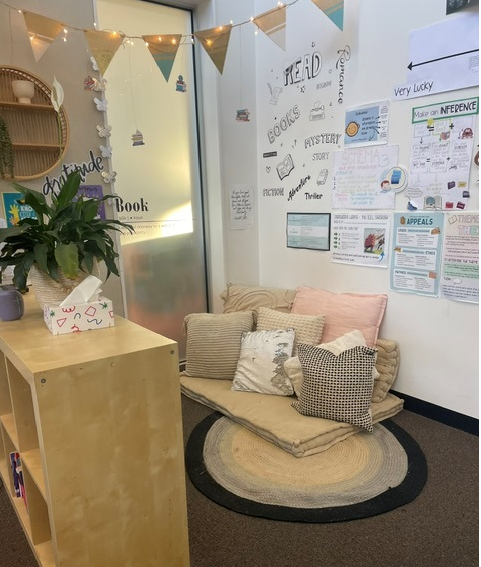
Teachers in Foundation use mindfulness music in the classroom to manage noise levels, other classes use mindfulness colouring activities to re-focus groups of students. Most classrooms have a Quiet Zone, such as a 'Library Nook' or 'Calm Corner' that students can utilise on an individual basis.
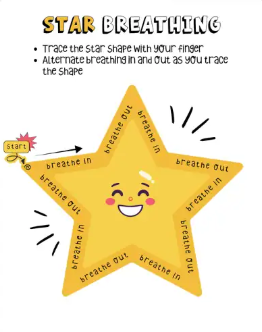
If a student becomes escalated at school, we always refer to the 'Zones of Regulation' and teach breathing techniques to enable them to calm themselves quickly and effectively.
Slow breathing techniques seem to promote a predominance of the parasympathetic nervous system, he main job of this network of nerves is to relax your body or reduce its activity (for example, it lowers your heart rate, tightens airway muscles, or helps with food digestion).
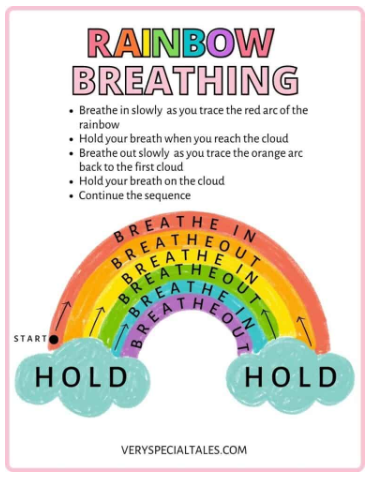
Our teachers have the capacity to deliver and access to a range of Mindfulness strategies to call on depending on the individual needs of the children they teach or the situation that arises.
As with Brain-breaks these Mindfulness techniques take only a few minutes of instructional time and give our students a brief rest and re-set from what they were doing. Feel free to ask your teacher which strategies work best with their class.
If you'd like to practice these mindfulness techniques at home over the holidays, more information can be found via this link: Breathing exercises: kids, teens & parents | Raising Children Network
Supports for Parents / Carers
The ReachOut Parents website offers free support for parents of teens, helping you to get the knowledge and skills to be able to support them, whatever challenge your teen faces. Of particular interest maybe the Transition to High School sections.

Kids Helpline is Australia’s only free, private and confidential 24/7 phone and online counselling service for young people aged 5 to 25.
Since 1991, Australia’s kids and young people have been turning to our professional, specialised counsellors, no matter who they are, where they live or what they want to talk about.

The Raising Children Network is an easy access parenting guide for all ages and stages of your child's development. Providing ad-free parenting videos, podcasts, articles and apps backed by Australian experts to support your parenting journey.