
Mind, Body, Us
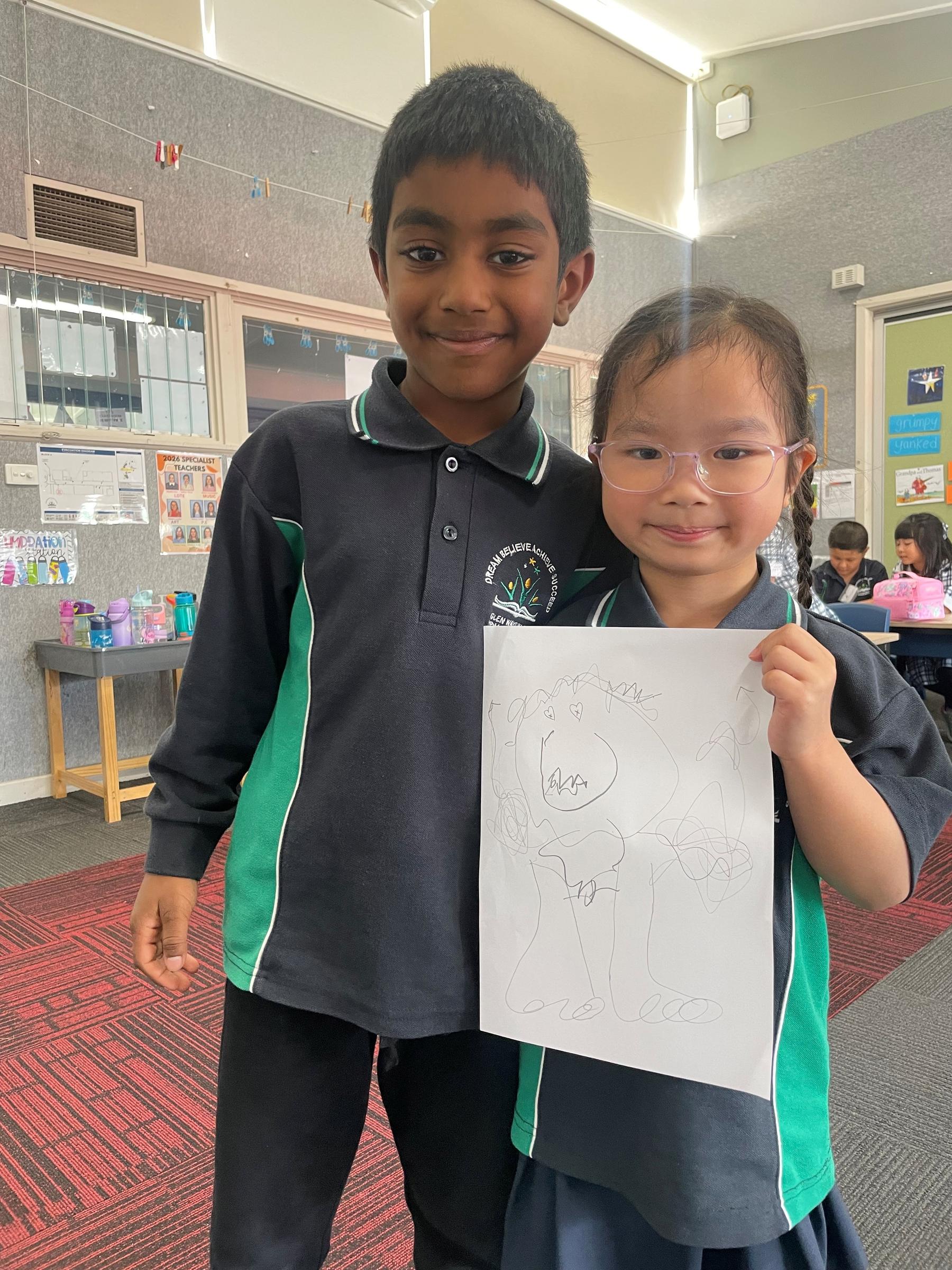
We are excited to welcome everyone back for Term Two and to share what students will be learning in Mind, Body and Us (MBU) across the school. This term, our whole-school focus is “Relationships and Challenges.” Throughout the term, students will develop important life skills that support their wellbeing, relationships, and sense of belonging. From celebrating individuality and kindness in Prep, to exploring respectful friendships and fair play in the junior years, and engaging with deeper topics such as stereotypes, consent, and emotional regulation in the senior years, each year level will build skills that help students navigate their world with confidence. Through engaging, age-appropriate activities such as games, role-play, group discussions, and creative tasks, students will learn more about themselves and others while strengthening positive relationships. We look forward to a term filled with growth, connection, and meaningful learning.
Prep
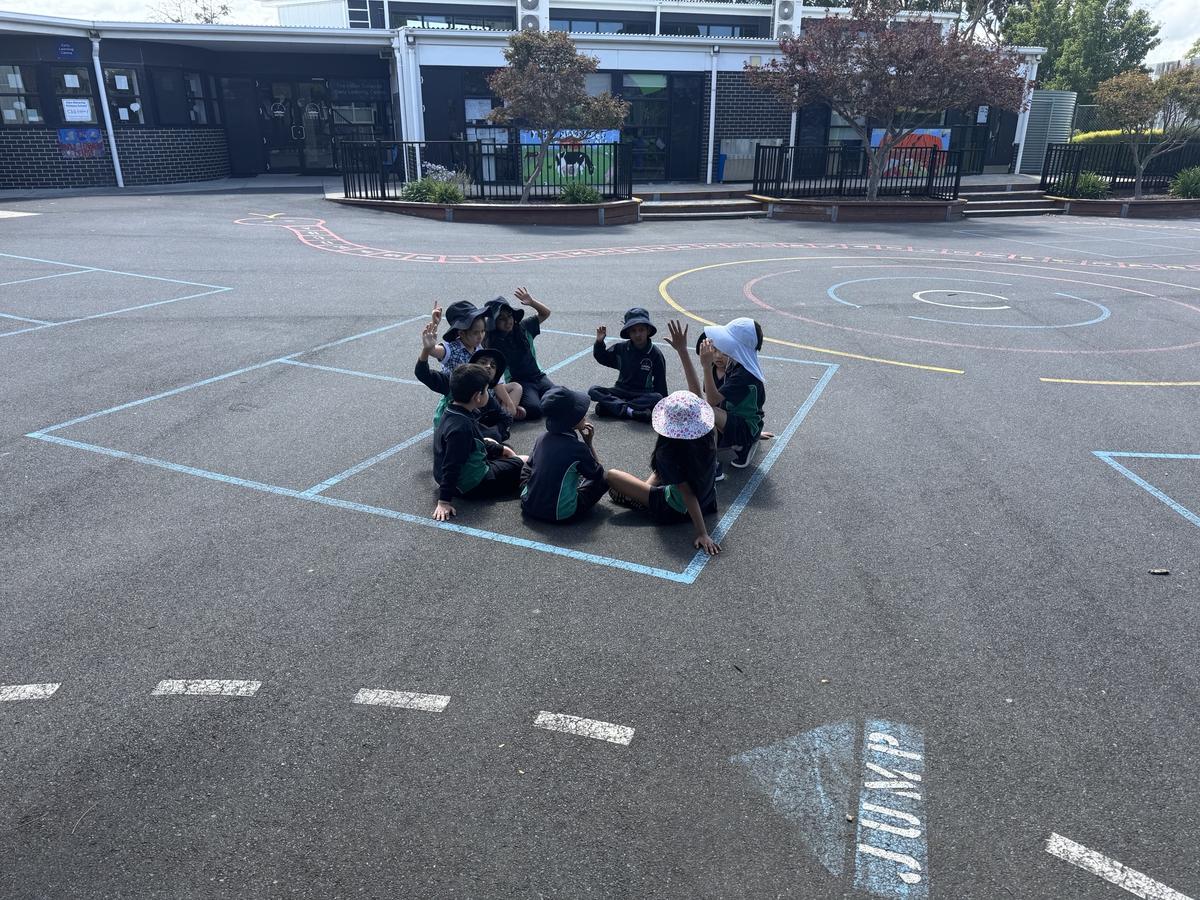
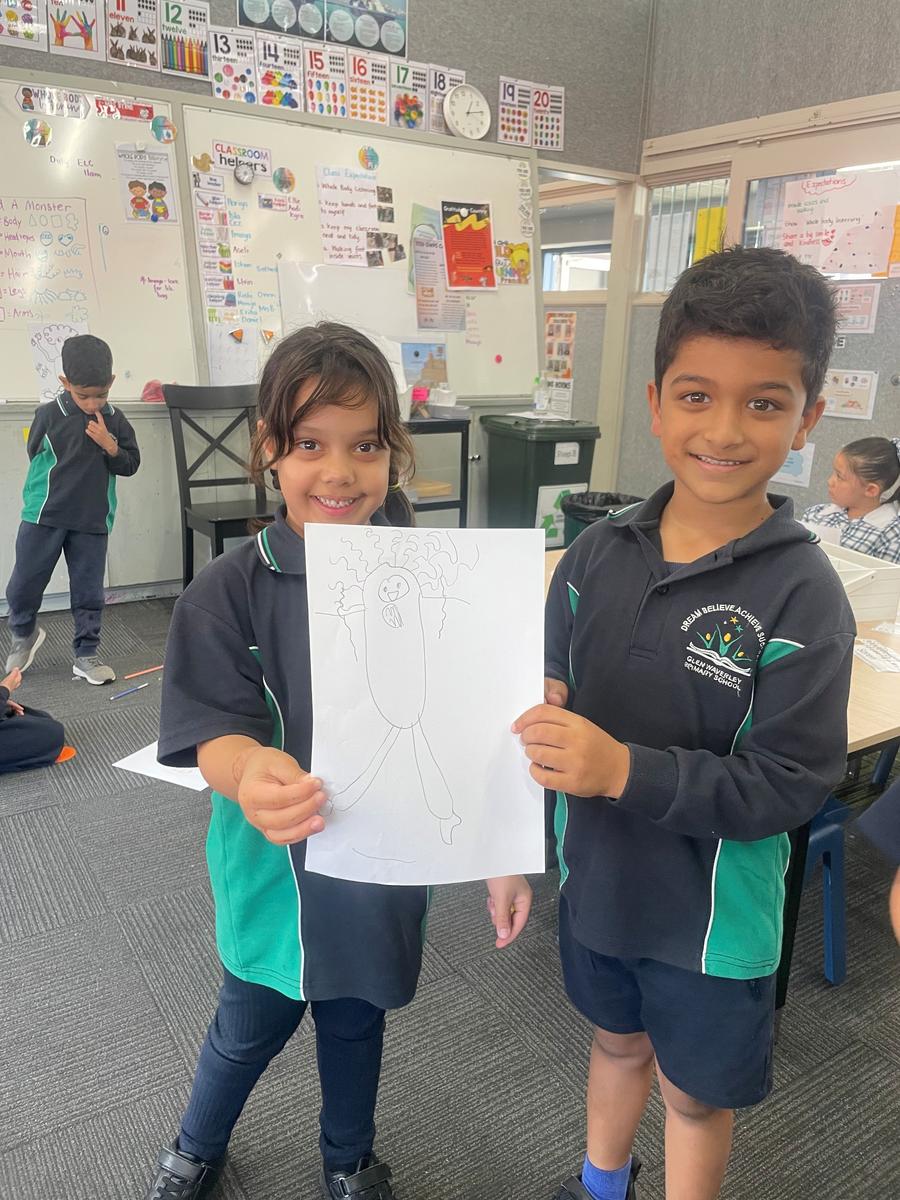
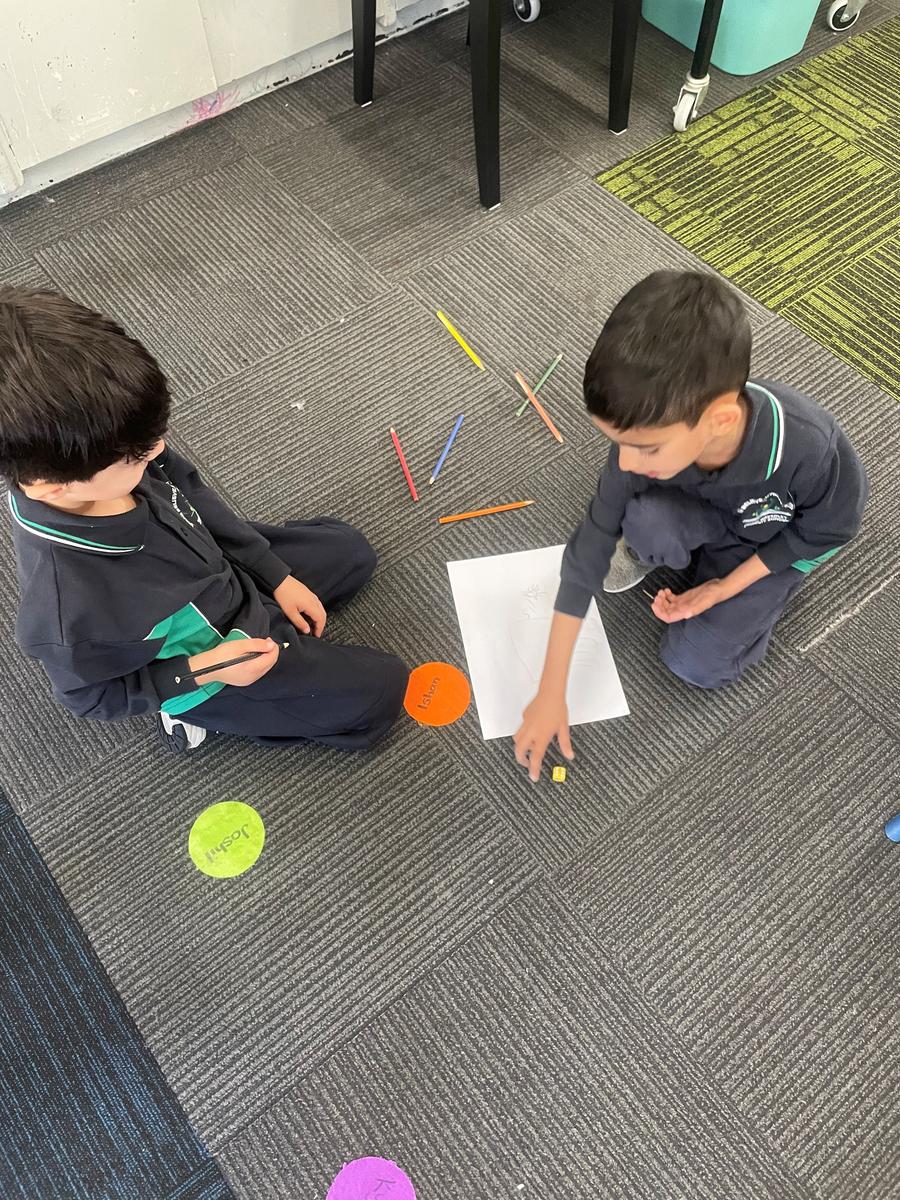
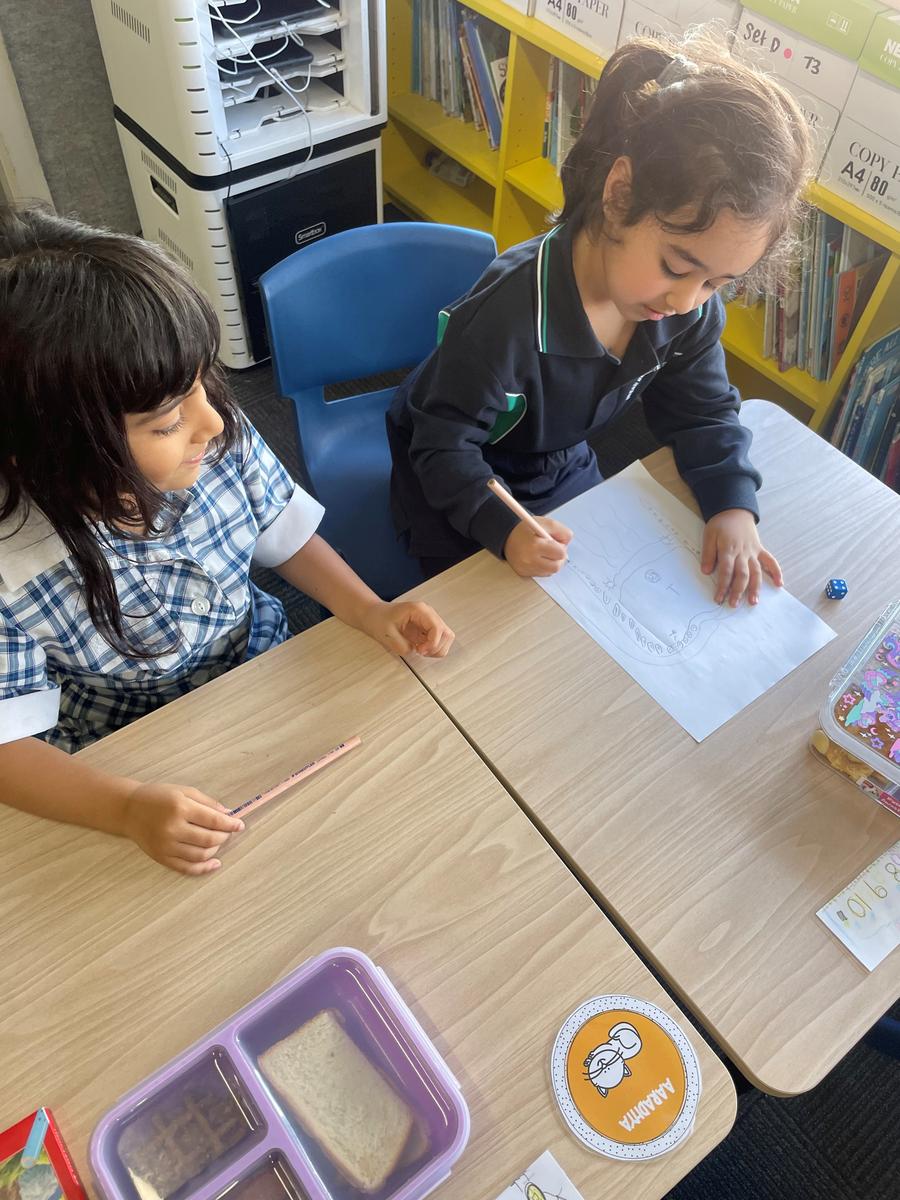
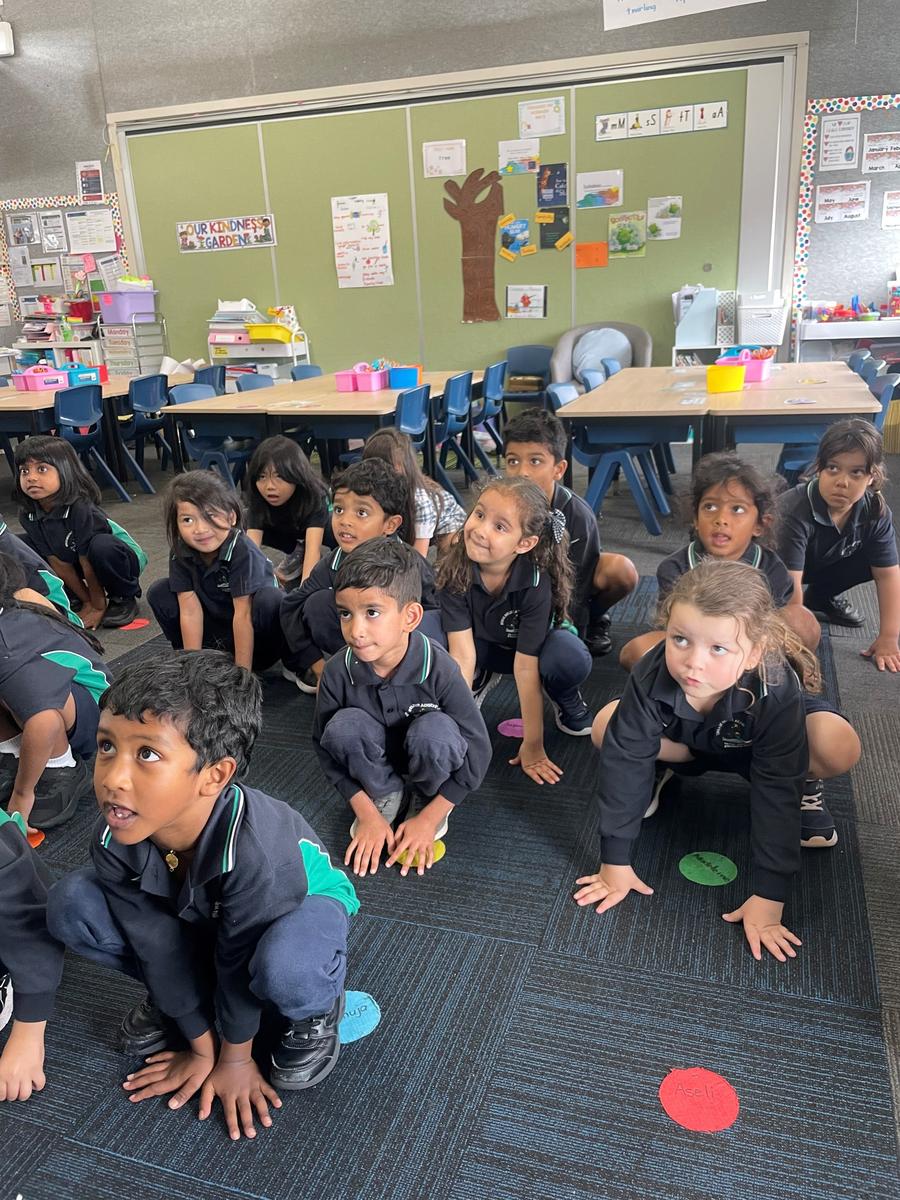
During Term Two, Prep students will explore important social and emotional skills through three engaging areas of learning in Mind, Body and Us. They will develop a greater understanding of themselves and their relationships with others by celebrating what makes them unique, recognising the important people in their lives, and practising ways to show kindness and respect. Through teamwork games and role-playing activities, students will also learn about the importance of rules, turn-taking, and making sure everyone feels included. Another focus will be learning about personal space, asking for permission, and confidently saying “no” in a respectful way. These experiences help our youngest learners build self-awareness, empathy, and positive social skills they can use every day.
Curriculum Links:
- Investigate who they are and the people in their world VC2HPFP01
- Follow rules to promote fair play and inclusion in a range of physical activities VC2HPFM04
- Explore how to seek, give or deny permission respectfully when sharing possessions, personal space or body autonomy VC2HPFP05
Key Vocabulary: Self-awareness, Kindness, Respect and Empathy.
Year 1
In Term Two, Year One students will continue building their social and emotional skills through engaging Mind, Body and Us lessons. Students will explore what makes them unique, recognise the important people in their lives, and learn about how people grow and change over time. Through discussions and reflective activities, they will think about their identity and the relationships around them. Students will also practise cooperation and teamwork through turn-taking, problem-solving, and working together during games, role-play, and group tasks. Along the way, they will explore what it means to be a good friend, why including others is important, and how differences make our community stronger. These lessons help students grow in kindness, confidence, and cooperation in their everyday interactions.
Curriculum Links:
- Apply strategies to work cooperatively when participating in physical activities VC2HP2M05
- Describe their personal characteristics and those of others, and explain how they contribute to developing identities VC2HP2P01
- Describe physical and social changes that occur as children grow older and discuss how family and community acknowledge these VC2HP2P02
- Identify and explore personal and social skills and strategies to develop respectful relationships VC2HP2P03
Key Vocabulary: Cooperation, Teamwork, Inclusion and Empathy.
Year 2
In Term Two, Year Two students will explore important life skills through three engaging focus areas within our Social and Emotional Learning program. In Growth and Change, students learn about how people grow physically and socially, how friendships can change over time, and how families and communities celebrate important milestones. Activities such as timeline drawings, role-play, and class discussions encourage students to reflect on their own growth and experiences. In Respect and Relationships, students explore what makes a respectful friendship, how to manage small conflicts kindly, and why including others is important. Through stories, discussions and teamwork tasks, they strengthen their empathy and communication skills. The term also includes a focus on Fair Play and Cooperation, where students learn about being a good sport, playing fairly, and ensuring everyone feels included during games. Through brainstorming rules, practising winning and losing respectfully, and supporting classmates in play, students continue developing kindness, respect, and teamwork in their daily interactions.
Curriculum Links:
- Describe physical and social changes that occur as children grow older and discuss how family and community acknowledge these VC2HP2P02
- Identify and explore personal and social skills and strategies to develop respectful relationships
- VC2HP2P03
- Co-construct and apply rules to promote fair play and inclusion in a range of physical activities VC2HP2M04
Key Vocabulary: Growth and Change, Respect and Relationships, Fair Play and Cooperation.
Year 3
During Term Two, Year Three students will strengthen their relationship and personal safety skills through a range of engaging activities in our Social and Emotional Learning program. A key focus will be building positive relationships by exploring how kindness, cooperation, and valuing diversity support strong friendships. Activities such as the Friendship Web and Diversity Tree help students recognise and appreciate the differences within their community. Students will also learn about protective behaviours and help-seeking strategies, including how to recognise safe and unsafe situations, identify trusted adults, and seek help when needed both online and offline. Through role-play and discussions, they will practise responding to different scenarios and making safe choices. The term will also include opportunities to develop teamwork and sportsmanship as students design fair games and explore strategies that promote inclusion and respect. These experiences support students in building confidence, empathy, and problem-solving skills in everyday situations.
Curriculum Links:
- Describe and apply protective behaviours and help-seeking strategies in a range of online and offline situations at home, school and in the community VC2HP4P08
- Select, use and refine personal and social skills to establish, manage and strengthen relationships VC2HP4P04
- Describe how valuing diversity influences wellbeing and identify actions that promote inclusion in their communities VC2HP4P05
- Apply rules and scoring systems to promote fair play and inclusion when participating in or designing physical activities VC2HP4M09
Key Vocabulary: Building and Strengthening Relationships, Protective Behaviours, Help-seeking Behaviours, Fair Play
Year 4
In Term Two, Year Four students will explore how stereotypes can influence the choices people make, particularly in friendships, teams, and the wider community. Through discussions, role-play and class debates, students will examine how stereotypes form, the impact they can have, and how they can be challenged. They will reflect on their own thinking and develop pledges that promote fairness and respect within their community. Another important focus will be learning about permission and respectful communication in different situations, including online spaces. Students will practise how to seek, give, and deny permission respectfully, and discuss strategies for responding when boundaries are not respected. The term will also include opportunities to develop teamwork skills, explore social and emotional changes, and practise problem-solving in challenging situations. These lessons help students build resilience, empathy, and confidence in working with others.
Curriculum Links:
- Describe how choices and actions can be influenced by stereotypes VC2HP4P03
- Practise and refine strategies for seeking, giving and denying permission respectfully and describe situations when permission is required across multiple settings (including online and offline) VC2HP4P07
- Perform a range of roles in respectful ways to achieve successful outcomes in group or team movement activities VC2HP4M10
- Plan, rehearse and reflect on strategies to cope with the different changes and transitions they experience, such as physical, social and emotional changes VC2HP4P02
Key Vocabulary: Stereotypes, Coping Strategies, Teamwork, Respectful Communication.
Year 5
In Term Two, Year Five students will explore topics related to diversity, inclusion, and managing change. Students will reflect on the many cultures and backgrounds represented in their classroom and discuss the importance of valuing different perspectives. Through collaborative activities and discussions, they will explore strategies for promoting inclusion and creating environments where everyone feels respected and valued. Teamwork challenges will also give students the opportunity to strengthen positive group dynamics and consider how their actions can support others. Throughout the term, students will also learn about navigating personal and social changes by developing strategies that support wellbeing during times of transition. Later in the term, students will explore the concept of consent, learning how to seek and respect permission in everyday situations, both online and offline. Through role-play and discussions, they will practise communicating clearly and respectfully while developing shared guidelines for responsible and respectful online interactions.
Curriculum Links:
- Investigate resources and strategies to manage changes and transitions, including changes associated with puberty VC2HP6P02
- Describe and implement strategies to value diversity in their communities VC2HP6P05
- Participate positively in groups and teams by contributing to group activities, encouraging others and negotiating a range of roles and responsibilities VC2HP6M10
- Describe strategies for seeking, giving or denying consent and rehearse how to communicate their intentions effectively and respectfully across multiple settings (including online and offline) VC2HP6P07
Key Vocabulary: Diversity, Inclusion, Consent and Teamwork.
Year 6
In Term Two, Year Six students will explore a range of important topics related to fairness, inclusion, and personal wellbeing. They will investigate how gender stereotypes can influence expectations in areas such as media, sport, and everyday life, and consider ways to challenge these stereotypes through discussions and practical activities. Students will also develop leadership and teamwork skills as they work in mixed groups to design inclusive games and adapt traditional activities to promote fairness and participation for everyone. Throughout the term, students will reflect on how to respond to situations where someone may feel excluded and practise strategies for working together respectfully. Later in the term, students will focus on protective behaviours and help-seeking strategies, learning how to recognise unsafe situations and identify trusted sources of support. They will also explore ways to manage physical, emotional, and social changes while developing strategies to regulate emotions during challenging situations. These lessons aim to equip students with confidence and skills to navigate their relationships and wellbeing both now and into the future.
Curriculum Links:
- Investigate how the portrayal of societal roles and responsibilities can be influenced by gender stereotypes VC2HP6P03
- Devise and test rules and game modifications to support fair play and inclusive participation VC2HP6M09
- Explain and apply protective behaviours and help-seeking strategies that can be used in a range of online and offline situations at home, school and in the community VC2HP6P08
- Investigate resources and strategies to manage changes and transitions, including changes associated with puberty VC2HP6P02
Key Vocabulary: Gender Stereotypes, Fair Play, Protective Behaviours and Emotional Regulation.
How can you support your child’s Mind, Body and Us learning at home?
- Have regular “connection chats”- Set aside time each day (e.g. at dinner or bedtime) to ask simple questions like “What made you feel happy today?” or “Did anything feel tricky?”
- Model respectful communication- Show children how to listen, take turns speaking, and express disagreements calmly—this reinforces what they practise at school.
- Practise problem-solving together- When small conflicts arise (with siblings or friends), guide children to think of fair and respectful solutions.
- Encourage inclusion and kindness- Prompt children to think about how they can include others during play, at the park, or in social situations.
- Discuss real-life examples- Use books, TV shows, or everyday situations to talk about friendships, fairness, stereotypes, or respectful choices.
- Reinforce personal boundaries- Remind children that it’s okay to say “no” and practise ways to ask for and respect permission in everyday situations.
- Celebrate diversity- Talk about different cultures, perspectives, and family traditions, and highlight why differences make communities stronger.
- Encourage teamwork at home- Involve children in shared tasks (e.g. cooking, tidying, games) where they can practise cooperation, turn-taking, and responsibility.