
My Incredible India
My name is Sidak Kaur; I’m a student of Ballarat High School and this is my first ever article. In this article I'm going to introduce you to my birthplace, India, a country rich in history, culture and traditions. It is a home for more than 200 million people. From its diverse religions to vibrant festivals and unique customs, India offers a fascinating experience for anyone willing to explore this place.
My family and I have so many memories from all around India. The main questions here are: Why did I choose India?
Why not other countries?
I’m writing about India because home is where a heart stays and my heart is with my India. I was born in 2011 and I have spent 13 years and 2 months in India before I came to Australia in March 2025. I want to inspire Australians to one day visit India. To feel and explore and get mixed with its culture and traditions. I still don’t have words to express how lovely this place is and the times I’ve spent with my family there.
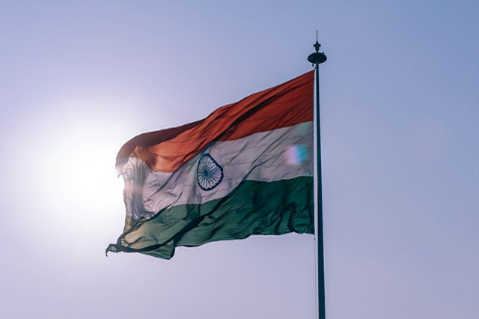
The flag of India
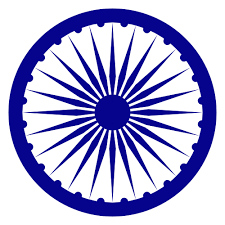
The flag of India consists of three colours: saffron, white and green. There is a navy blue circle in the middle which is called the “Ashoka Chakra”. These colours all have their own meaning. We call this the tricolour. Saffron (also known as kesari) means strength and courage of the country. The white represents peace and truth of the country. The green means prosperity, fertility and growth of the country. The Ashoke Chakra in the middle has its own history. The Ashoke Chakra is a circular symbol in the middle of the flag representing the wheel of dharna, the cosmic law that maintains the universe’s order. It has 24 lines in it.
Size and Location
India is the seventh largest country in the world. It is located in South Asia, it shares borders with Pakistan, China, Nepal, Bhutan, Bangladesh and Myanmar. It is surrounded by the Indian Ocean in the south, Bay of Bengal in the east and the Arabian Sea in the west.
Different Landscapes of India
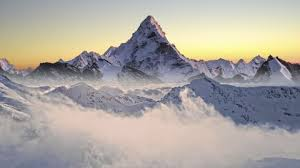
Mountains: The Himalayas, the Aravali Range etc
Deserts: The Thar Desert, The Sahara Desert, The Gobi Desert etc
Rivers: The Ganga, The Yamuna etc
Forests: Mangrove forest, tropical green forest etc
Plains and Plateaus: Deccan Plateau, The Indo-Gangetic Plain etc
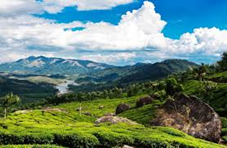
Variety of climates
Tropical in the south, temperate in the north
Hot and dry in Rajasthan, humid along the coasts, cold and snowy in the Himalayas
Four major seasons in India: winter, summer, monsoon and autumn
States, Regions and Cultural Diversity
India has 28 states and 8 Union territories, each with its own language, food, dress and traditions.
Religions in India:
In India, people believe in God so much that in every town there are 2 to 3 holy temples or places to visit for them. The religions in India are:
Hinduism
Islam
Christianity
Sikhism
Buddhism
Jainism
Parsis
Judaism
Tribal religions
So, Australia will you give yourself a chance, get out of your comfort zone and visit this beautiful country and experience this place. I promise its beauty is going to touch your hearts.
Sidak Kaur
Year 9