
Wellbeing

Social Emotional Learning (SEL) Snapshot for this Term
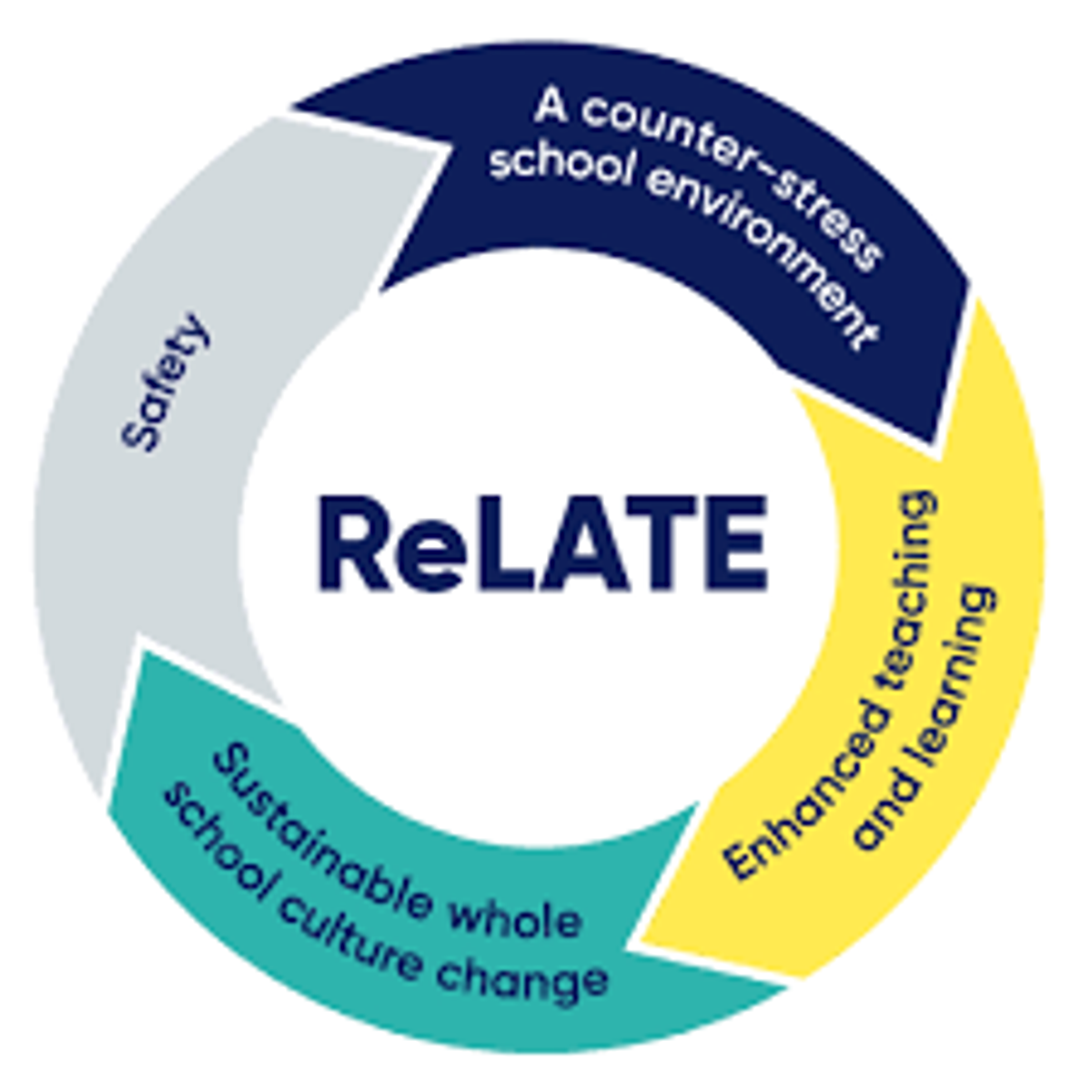
Students are building key friendship skills this term, including active listening, kindness, patience and fairness in games. These skills help strengthen positive connections in everyday classroom and playground interactions.
We’re also exploring empathy, understanding how others feel and responding in supportive ways. Students share stories, reflect together and practise noticing emotions in real situations.
Years 3-6 students are learning practical strategies for managing friendship conflict, including calming techniques, seeking help when needed and using ‘I’ statements to communicate clearly and respectfully.
For Years 5 and 6, we’re also introducing the idea of an inner coach and inner critic, helping students recognise their self‑talk and practise choosing encouraging, helpful inner messages during challenging moments.
Through discussions, role-play and shared experiences, students are developing confidence, resilience and the skills needed to build healthy, supportive friendships.
Attention Deficit Hyperactivity Disorder (ADHD)
ADHD is a commonly diagnosed neurodevelopmental condition that affects how children regulate attention, impulses and activity levels. While many children can appear restless, distracted or forgetful at times, ADHD involves ongoing patterns that may impact learning, behaviour, organisation and relationships. These challenges can sometimes lead to frustration at home and school, particularly when a child is trying hard but struggling to meet expectations.
For families, understanding ADHD means recognising that these behaviours are not simply a matter of effort or discipline. ADHD is influenced by a combination of neurological, biological and environmental factors that affect how a child’s brain processes information and manages self-control. With the right support, structure and strategies, children with ADHD can develop the skills they need to succeed and thrive.
This edition of SchoolTV explores how families can better understand ADHD and support children to build confidence, strengthen emotional regulation and navigate everyday challenges more successfully.
Please click the TV image below


ADHD
ADHD

13 11 44
Chat online and text services available

1300 224 636
Chat online available
1800 551 800
Chat online available | 24/7

1800 650 890
Chat online available | eheadspace


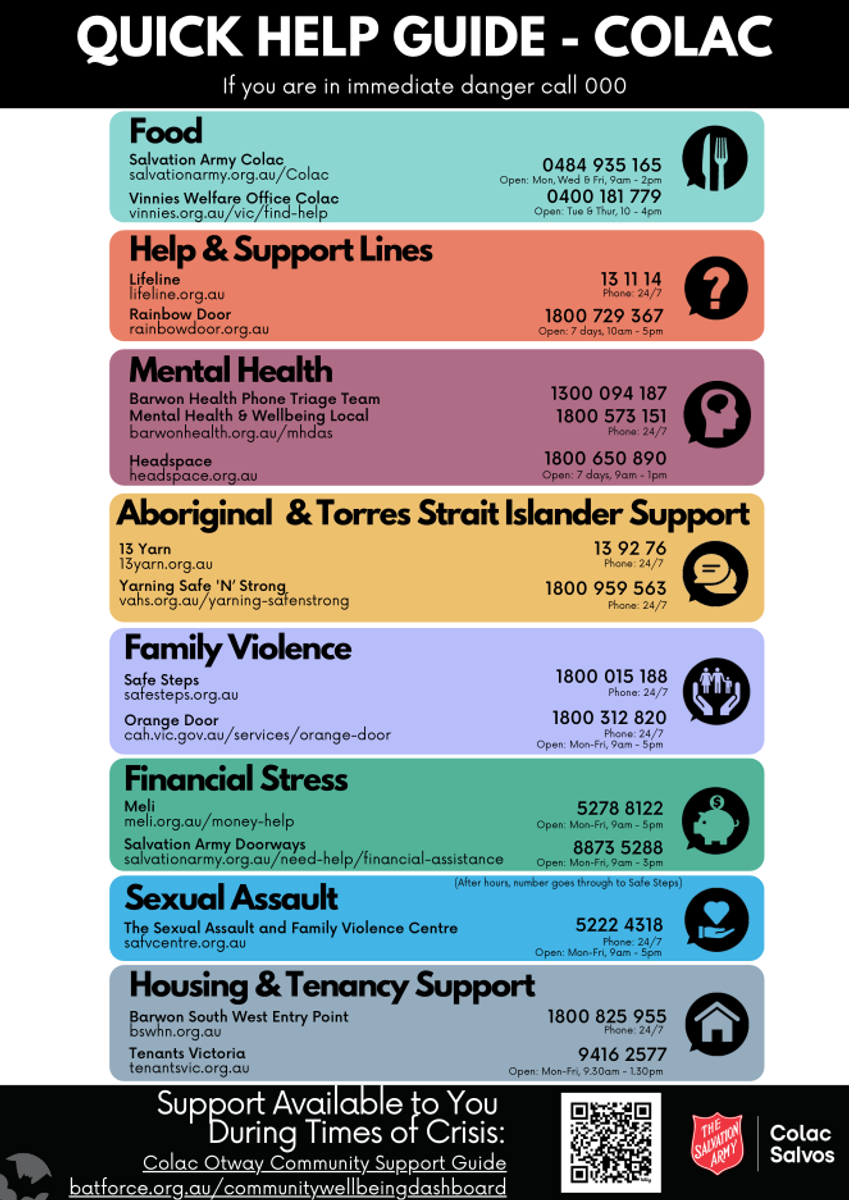
If you have any queries about your child's wellbeing, please don't hesitate to reach out for assistance as early intervention is quite often the most effective.
I can be contacted via the school's phone number 52315292 or by email pmaddern@shcolac.catholic.edu.au
Paul Maddern - Wellbeing