Wellbeing
Fiona Dandie & Robert Pain
Wellbeing
Fiona Dandie & Robert Pain
At our school, we are committed to creating a safe, calm and predictable learning environment where every child can thrive. One of the key frameworks we use to support this is SWPBS School-Wide Positive Behaviour Support. Many families are familiar with the term, but may not know exactly what each part of the acronym represents. The “P” stands for Positive, and this is a central pillar of the approach.
School-Wide Positive Behaviour Support focuses on building a culture where expected behaviours are clearly taught, modelled and reinforced across all areas of the school. Instead of only responding when things go wrong, SWPBS emphasises celebrating positive choices, acknowledging effort, and proactively supporting students to meet expectations. This includes consistent behaviour language, predictable routines, targeted teaching of social skills, and recognising students who demonstrate the school values.
By keeping “Positive” at the heart of our practice, we help students feel safe, connected and confident in their learning environment. When children know what is expected and feel supported in making good choices, we see stronger engagement, improved wellbeing and a more respectful school culture overall.

SWPBS is something we build together, staff, students and families all play a role. Thank you for partnering with us to reinforce our shared expectations and celebrate the strengths of every child at Whittlesea Primary School.

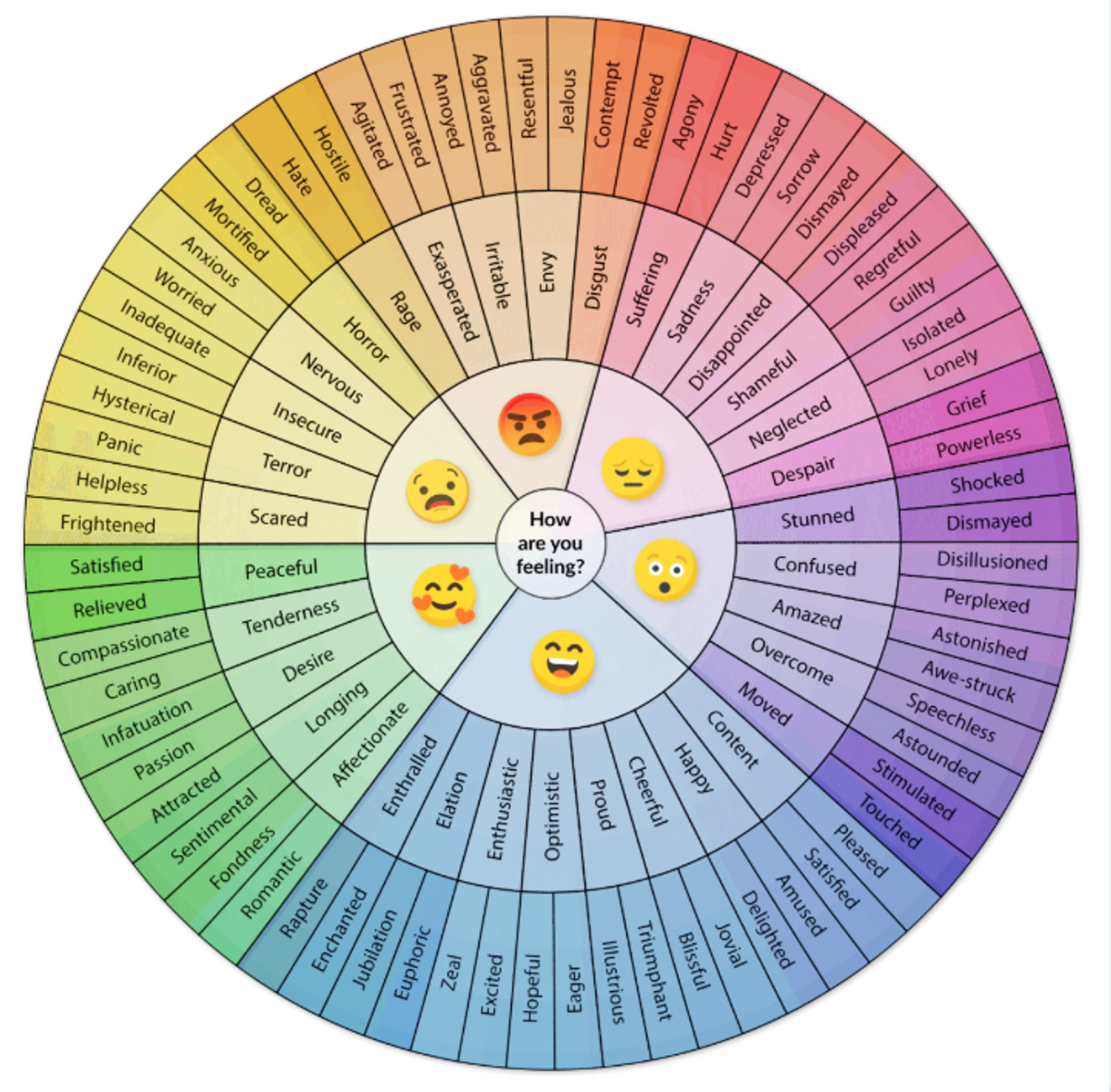
Every child experiences big feelings, excitement, frustration, worry, sadness, and joy. Learning to recognise and manage these emotions is a skill that develops over time, just as reading or riding a bike does. This process, called emotional regulation, is a vital part of children’s social and emotional growth.
All children , especially those who are neurodivergent or experience sensory or emotional sensitivities, need support, patience, and understanding as they build their emotional regulation skills.
Emotional regulation is a child’s ability to understand, manage, and express their feelings in healthy and appropriate ways.
For example, being able to:
These skills take time to develop, and children learn them best through guidance, practice, and positive role modelling from adults.

Some children, particularly those who are autistic, have ADHD, anxiety, or sensory processing differences, may feel emotions more intensely or have trouble recognising how their body feels when they are starting to become overwhelmed.
External factors can also make regulation harder tiredness, hunger, noise, bright lights, or changes in routine can all play a part.
When a child becomes dysregulated, it doesn’t mean they’re being “naughty” or “defiant.” It means their brain and body are working hard to regain a sense of calm and safety.
Here are some ways to support emotional regulation at home:
💬 Name and normalise emotions. Help your child put words to feelings — “You look frustrated that the tower fell,” or “It’s okay to feel sad when things change.”
🧘 Practise calming strategies. Deep breathing, gentle stretches, time in nature, or sensory play (like playdough or water play) can help children learn to calm their bodies and minds.
🧩 Create a calm-down space. A quiet corner with soft textures, books, or a favourite toy can be a safe retreat when emotions run high.
📅 Keep routines predictable. Knowing what’s coming next helps reduce anxiety and emotional overload.
🤝 Model regulation. Children learn by watching adults. When we manage our own emotions calmly, even after a stressful day, we show them what regulation looks like in action.
Our School uses a range of strategies to support students’ emotional regulation, including:

Emotional regulation isn’t about avoiding big feelings — it’s about helping children understand that all emotions are okay, and there are safe, effective ways to work through them. With gentle support from families and teachers, children learn that they can manage their emotions, rather than have their feelings manage them.