Humanities
Our Humanities classes have been delving into business, economics and financial literacy to start the year, with the Year 7s commencing with Geography.
The Year 9s have demonstrated impressive understanding of the complexities of monetary policy and the role of the Reserve Bank of Australia. They have been able to work out in which direction interest rates may go as a result of the inflation rate. Students drew diagrams of two to five sector circular flow models demonstrating how resources and money move around an economy and played the circular flow model game, selling each other resources and houses and learning how consumers, banks and producers think. They have moved into Business studies and have been examining the key characteristics of entrepreneurs, and the different structures of businesses and how they seek to gain a competitive advantage over rivals. Students presented profiles of successful entrepreneurs to the class in groups. The Year 9s will be completing their first KLT, a test on Business and Economics, next week.
Our Year 8s have been learning the foundation concepts of economics, including living standards, scarcity, choices, types of resources, characteristics of money, markets and supply and demand. The students mapped out some excellent supply and demand curves, debated the advantages and disadvantages of using different commodities as money and allocated various transactions to the type of market they were operating in. The Year 8s have completed their first KLT, also a Business and Economics test, this week, and are now transitioning into human Geography.
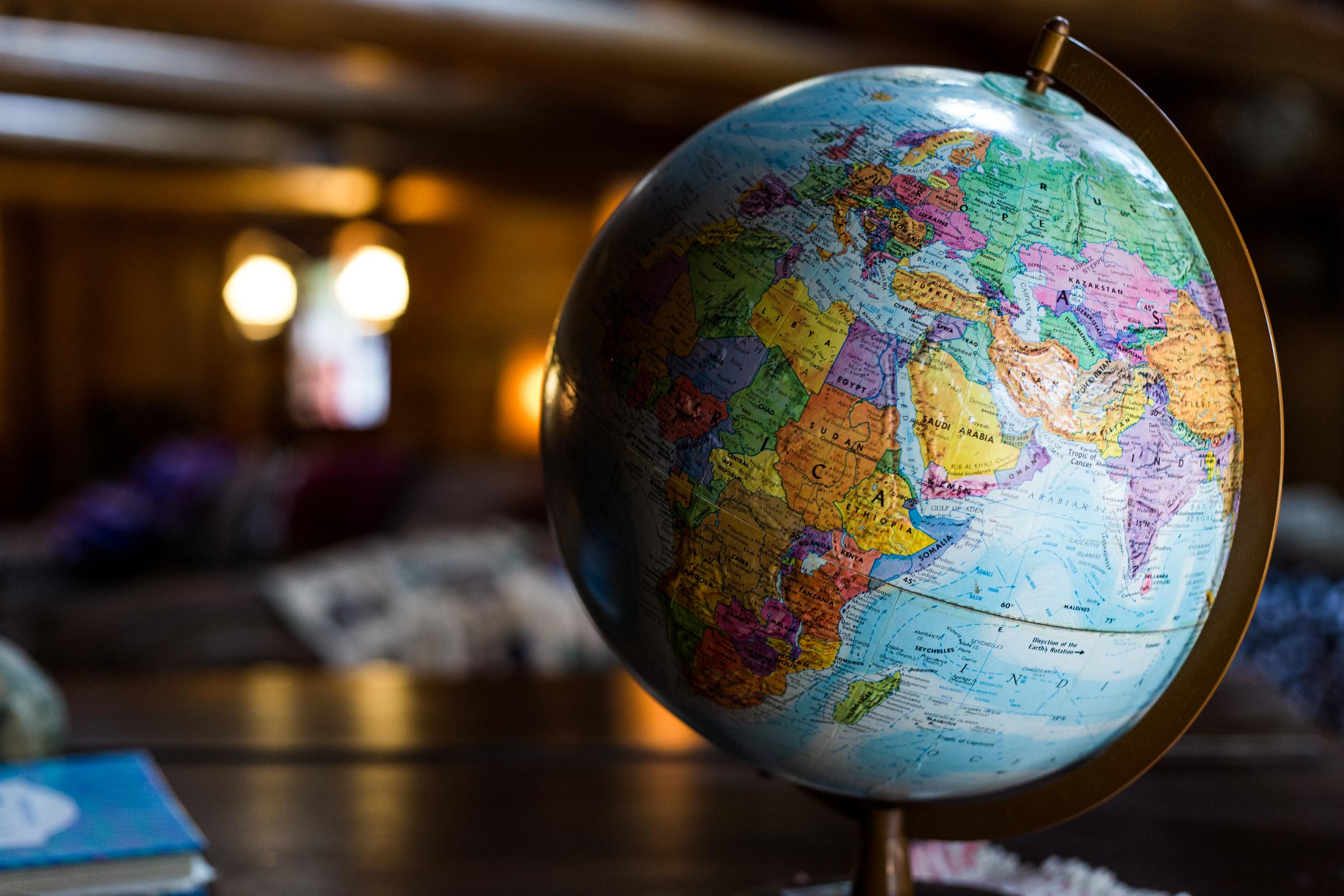
With our Year 7s we started the year focusing on testing and building basic geographical knowledge. The aim is for the students to be able to recognise and name the states, territories and capital cities of Australia, the continents, oceans and major rivers and mountain ranges of the world and gain the ability to put case studies which will come up in Humanities and stories they hear about in the news into a geographical context, and build their knowledge and understanding of the world’s countries, cultures and languages (and how a single country can have up to hundreds of languages). The students have since moved into looking at what makes places liveable and less liveable, and will be designing and mapping their own ideal towns in their upcoming KLTs.
We have been very excited to launch our Financial Literacy semester long subject with the Year 9s this term. This is an online program where the students open imaginary bank accounts and select careers (examining the salary, opportunities for promotion and student loan debts) and watch how the salaries deposited into their accounts along with interest and compound interest paid to them are offset by bank fees and loan repayments. Students are learning how to make budgets (a lot of shock and surprise has been accompanying their realisation of the cost of regular expenses such as utilities bills, insurance, council rates, car servicing and registration and so forth!), look for and rent rooms and apartments and how superannuation, taxation and insurance work. For their term KLT they will be building resumes ready to present for a real world casual job application and completing quizzes and worksheets on the online program.
Stay tuned for the exciting incursions and excursions we are planning for the coming terms!