
Year 3
In English Innovation, learners will develop their narrative writing skills through an engaging and structured learning program. Learners will focus on creating clear settings, well-developed characters, and cohesive plotlines with a defined beginning, middle, and end, while using descriptive and precise language to engage their audience and organise ideas logically. Through the exploration of a range of mentor texts, students will analyse how authors build tension, develop problems, and resolve events in meaningful ways. As part of the writing process, learners will plan, draft, edit, and publish their narratives, building independence and confidence as writers.
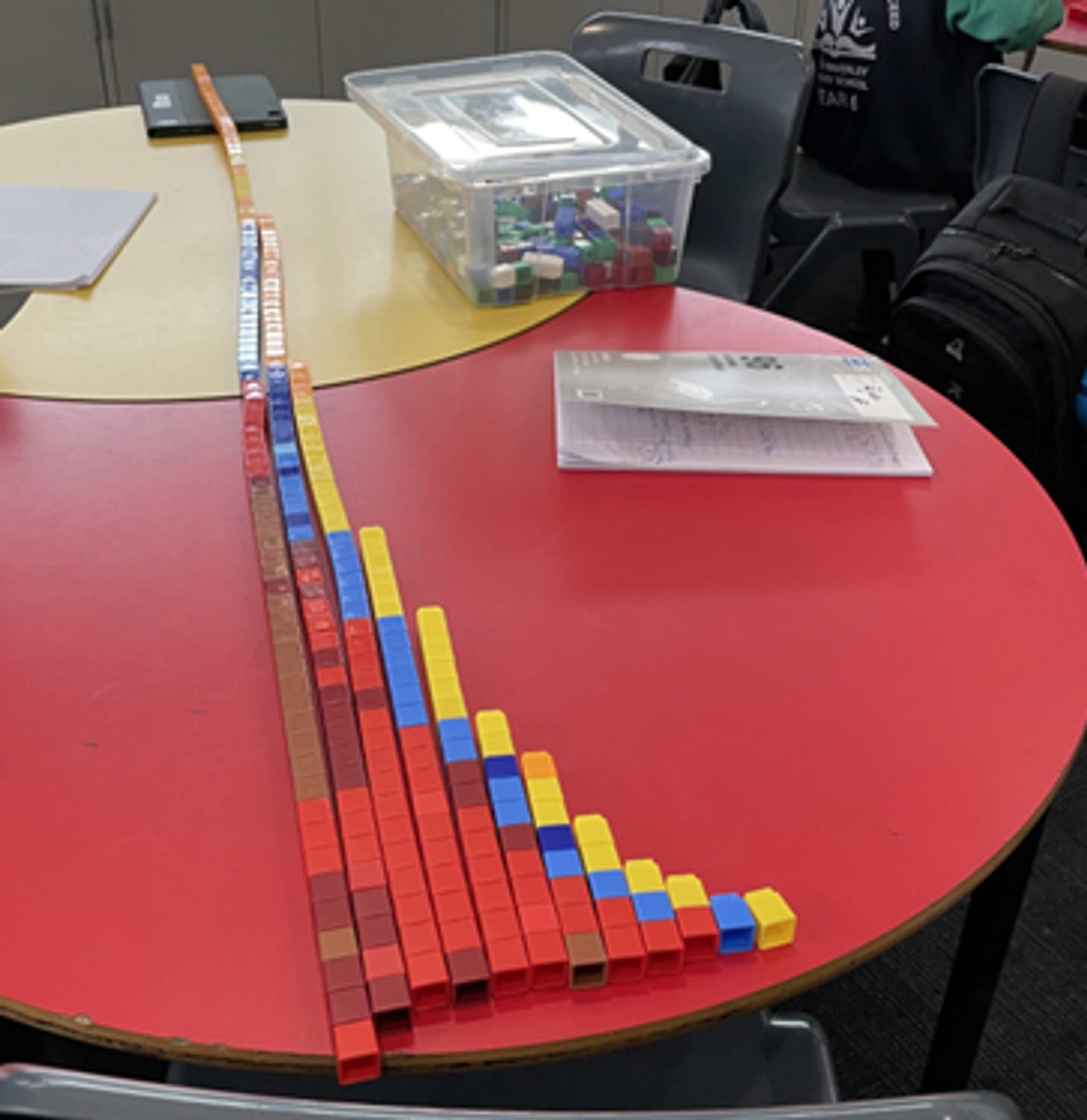
In Mathematics Innovation, learners will explore the properties of numbers and how patterns emerge. They will investigate numbers and explore sequences based on multiples and connect patterns to visual or geometric representations. They will apply their understanding to describe the rules that underpin both numerical and geometric patterns, strengthening their ability to generalise and reason mathematically.
In Languages Innovation class learners will explore the traditions and celebrations of Chinese New Year. They will discover the meanings behind key customs, including red envelopes, dragon dances, and family reunion dinners, while enjoying engaging storytelling sessions. To bring these traditions to life, students will take part in hands-on tasks such as paper cutting and lantern-making. These experiences aim to spark creativity and provide a fun, immersive way for students to connect with Chinese New Year traditions.
In Art Innovation learners will explore the rich cultural significance of masks from various cultures around the world. They will learn how different cultures use masks in ceremonies, rituals, and celebrations, while also examining the materials, techniques, and visual conventions used in their creation. Students will explore a variety of masks, including those from Aboriginal and Torres Strait Islander cultures, as well as Chinese and Indian traditions. They will experiment with a range of materials such as clay, paper mache, and fabric to design and create their own unique masks. Throughout this process, students will develop their understanding of how visual arts practices and materials can communicate meaning and ideas. By the end of the unit, students will present their masks, explaining the cultural significance behind their design choices and the creative process they followed. This project will not only enhance their artistic skills but also foster a deeper appreciation for the diverse ways visual arts are used across cultures to tell stories and convey important messages.
In Animation learners will consider the history of moving pictures as a means of telling stories and communicating information and ideas. Together they will consolidate their animation practices using stop motion, flip books and digital applications to create a story or share a message of importance to them. They will hone their skills of storyboarding, scripting, drawing and editing their creations.
In Coding and Game Design learners will be introduced to simple block-based coding using the Scratch platform. They will identify types, features and discuss rules and strategies of various games which they will have the chance to play, discuss and then create their own. A digital maze using Scratch will be the highlight at the end of this challenging and fun learning unit.
In Music Innovation learners will continue developing their music skills through singing, experimenting, listening, and composing (creating). They will begin by consolidating their knowledge of tempo, dynamics and instruments. Students will then build their knowledge and understanding of timbre and texture to assist them in creating their own music. Throughout the term, they will create their own music soundtrack to a film or game scene. At the end of the term students will share their compositions with their peers.