
Chaplain's Spot
Insomnia?
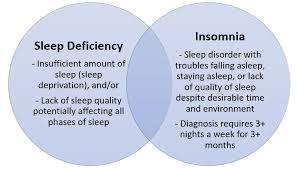
How often do you have difficulty falling asleep or staying asleep? The more you try to get to sleep the more awake you feel. Sometimes, it’s a challenge to get your mind into a quiet place, and let go the many things we are trying to juggle in our personal and family lives.
I wonder what strategies help you. Here are some thoughts to consider from Abhinav Singh, MD, MPH, FAASM [Sleep Medicine Physician, MD]
What to Do When You Can’t Sleep
Struggling to fall asleep — or stay asleep — can leave you frustrated and drained. Consider these evidence-backed techniques, which are simple, safe, and easy to try at home — even in the middle of the night.
1] Controlled Breathing
Slow, deep breathing can bring your body into a state of relaxation. Repeat this exercise several times, until you feel ready to sleep or to transition into another relaxation ritual.
- Place one hand on your stomach and the other on your chest.
- Inhale slowly, directing your breath deep into your belly. The hand on your stomach should gradually rise, while the one on your chest should have little to no movement.
- Exhale gently, allowing the hand on your stomach to gradually fall.
2] Progressive Muscle Relaxation
Progressive muscle relaxation (PMR) involves deliberately tensing and relaxing particular muscle groups, which can help you recognize and release tension
- Sit or lie in a comfortable position and become aware of your breath.
- As you slowly breathe in, clench your fists, noticing sensations that accompany tightening your muscles.
- Gently exhale, relaxing your hands. Notice tension draining out of your muscles.
- Repeat this process, tensing as you inhale and releasing as you exhale, for muscle groups throughout your body.
3[ Reading a Book
Reading a physical book before bed can be a simple, calming way to quiet your mind and ease into sleep. Unlike screens, which emit blue light that can interfere with melatonin production, printed books offer a screen-free wind-down routine that helps signal to your body it’s time to rest. Choose something light or familiar, to avoid getting too stimulated. Even 15 to 20 minutes of reading can create a relaxing bedtime ritual that shifts your focus away from daily stressors and prepares you for sleep.
Bottom of Form
Proactive Tips to Sleep Better
Practicing good sleep hygiene — try the following strategies:
- Exercise regularly: Daily physical activity can help you fall asleep faster and enjoy deeper sleep, just try to finish vigorous workouts a few hours before bed.
- Optimize your bedroom for sleep: Make your sleep environment cool, dark, and quiet. Choose a comfortable mattress, supportive pillows, breathable sheets, and consider blackout curtains or a white noise machine.
- Stick to a consistent sleep schedule: Go to bed and wake up at the same time every day, even on weekends, to support your body’s internal clock.
- Create a calming bedtime routine: Wind down each night with quiet activities like reading, taking a warm shower or bath, drinking non-caffeinated tea, or listening to soft music or an audiobook.
- Put away electronics: Avoid screens and silence notifications at least 30 to 60 minutes before bed to reduce stimulation and blue light exposure.
- Get up if you can’t sleep: If you’re awake for more than 15 minutes, get out of bed and do something calming in another room until you feel sleepy. This helps your brain associate the bed with sleep, not stress.
If you struggle for sleep, perhaps the above will be helpful. At different times, I have worked on a jigsaw, counted forwards or backwards, prayed for people, or thought of words for each letter of the alphabet. It’s good to have several strategies in our repertoire.
Sleep well ……………………..
Community wellbeing:
Toast Tuesday: Our free breakfast program runs weekly on Tuesdays at 8.30am, and is open to all students. Woolies Eastland supports us with a monthly gift card for spreads.
We would love to have a couple more parent helpers. You need to have a current ‘Working with Children’ card. My wife Bonnie coordinates the team. There are 2 rostered on with her. The link to the Term 2 roster is volunteersignup.org/8RP9L .
Baker Delight goods: We are thankful to Bakers Delight Heathmont, for their generous provision of loaves for Toast Tuesday. If you would appreciate regular bakery items, please email me, or see me at school.
Second-hand uniforms: If you need any uniforms, we have a large supply of second-hand items in good condition. Gold coins are all you need. Check our stock at Toast Tuesday.
Contact: Feel free to contact me about anything that is of concern for you or your family, whether emotional, social, spiritual or practical.
Regarding students, I can meet with them once, and for further contact we ask parents to sign a Consent Form. If you would like a form, I can send one home or email one to you.
Alan Silverwood: Chaplain - Pastoral care for our community. [Tuesday & Friday]

[alan.silverwood@education.vic.gov.au]
Supporting the School community in emotional, social, spiritual and practical wellbeing.
Our Chaplaincy program is funded by the Federal Government’s ‘National Student Wellbeing Program’, the GRPS School Council and donations.