
Teens & Screens
Digital Habits - tips for parents/carers

Teens & Screens
Digital Habits - tips for parents/carers
Online gaming is a popular way for children and young people to relax, socialise and have fun. However, online games are also environments where young people can be at risk of bullying and other harmful interactions, including hate speech. While parents and carers are often concerned about the gaming habits of their teens, teen gamers want the adults in their lives to understand more about gaming and why they love it.
The information below has been drawn from the eSafety Commissioner’s eStafety Levelling Up to Stay Safe Report published in 2024.
Teen gamers typically play for more than 6 hours per week; 33% play for between 6 and 12 hours per week and 33% played for more than 12 hours per week, with the remaining third (33%) played for 6 hours or less per week. They are most likely to be playing with others online, usually people that they know in real life:
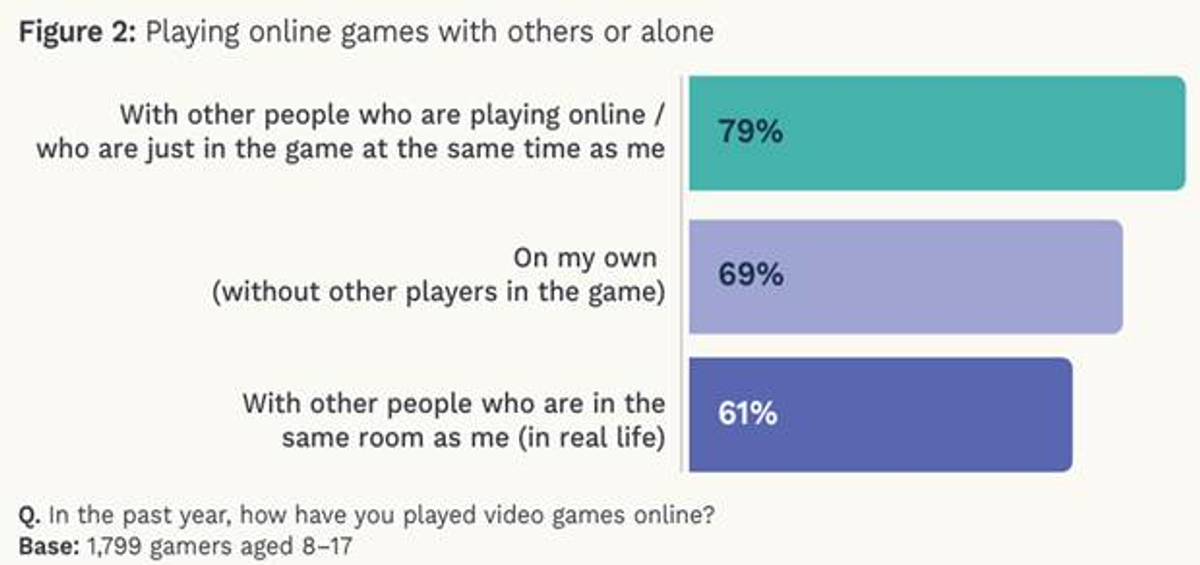
Most teens play online games because they want to have fun, relax, relieve boredom or connect with friends. Others engage for creativity or doing things on games that they cannot in real life. For some teens, it is how they meet new friends or feel like they can be themselves.
Gaming makes young people feel happy – 69% of teens report feeling happy, good or having fun while gaming, with about 20% reporting that gaming made them feel calm and relaxed.
Most young people have positive interactions in gaming environments - Almost 7 in 10 (68%) young people surveyed said they did something to help other players while gaming online in the past year. In particular, they told us that they worked together to be successful in the game by playing as a team (55%) or by helping others to play better (46%).
Other benefits of gaming include:

Almost 1 in 3 teen gamers encounter harmful content, including hate speech such as racist, sexist or otherwise abusive language.
One in 3 young people experience bullying-type behaviours - Nasty or hurtful name calling by other players was the most common of these types of behaviours.
One in 4 teens experience ‘griefing’ or ‘trolling’ while gaming - other players doing things or making comments to annoy them on purpose.
Almost 1 in 10 teen gamers received, or were asked to send, nude images or sexual information – such as sending or requesting nude images or sexual information while gaming. Such requests may be linked to experiences of grooming, online child sexual exploitation or image-based abuse.
Some young gamers experience other harms, including potential grooming – some teen gamers mentioned other players doing or saying something that made them feel uncomfortable such as asking them personal questions, being too friendly or asking them to keep secrets.
Other concerns about gaming include:

Gaming is not “bad” by itself, but online gaming is designed to encourage extended play to keep players online for longer.
The large companies hire expert psychologists to understand player behaviour, enhance engagement, optimise monetisation (like loot boxes) and improve user experience; psychologists with the same expertise that online gambling companies use to keep punters engaged and betting.
The term “Internet Gaming Disorder” (IGD) is used when talking about gaming addiction. This comes from the Diagnostic and Statistical Manual of Mental Disorders (DSM-5-TR), a guide used by mental health professionals to identify different mental health conditions. The DSM-5-TR mostly covers addictions related to substances like alcohol, tobacco, or drugs. Gaming is not listed as an official disorder, but IGD is included as a condition that researchers and clinicians are continuing to study with a growing body of evidence about gaming addiction.
The proposed symptoms of internet gaming disorder used in research include:
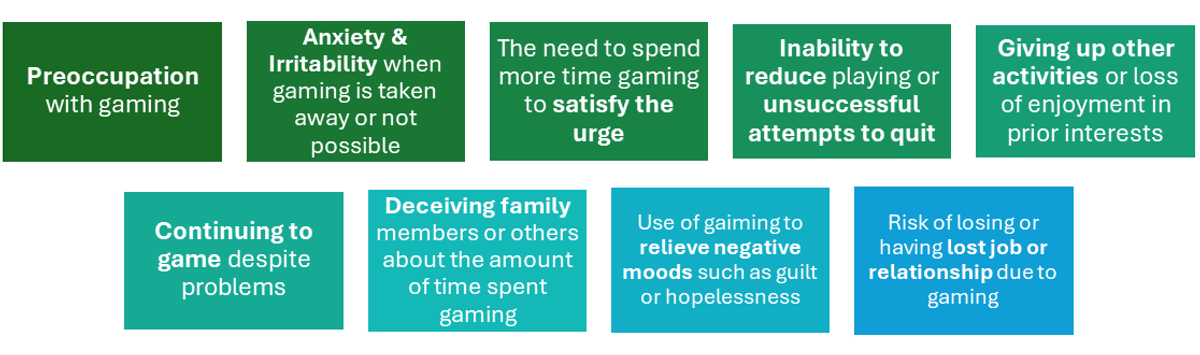
Under the proposed criteria, a diagnosis of Internet Gaming Disorder would require experiencing five or more of these symptoms within a year. The condition can include gaming on the internet with others or alone. Research on this topic is ongoing, though there is neurological research showing similarities in changes in the brain between video gaming and addictive substances.
Sourced: Psychiatry.org - Internet Gaming
To learn more about potential gaming addiction: Teenagers skipping school and sleep to play video games as researchers warn of addictive designs - ABC News
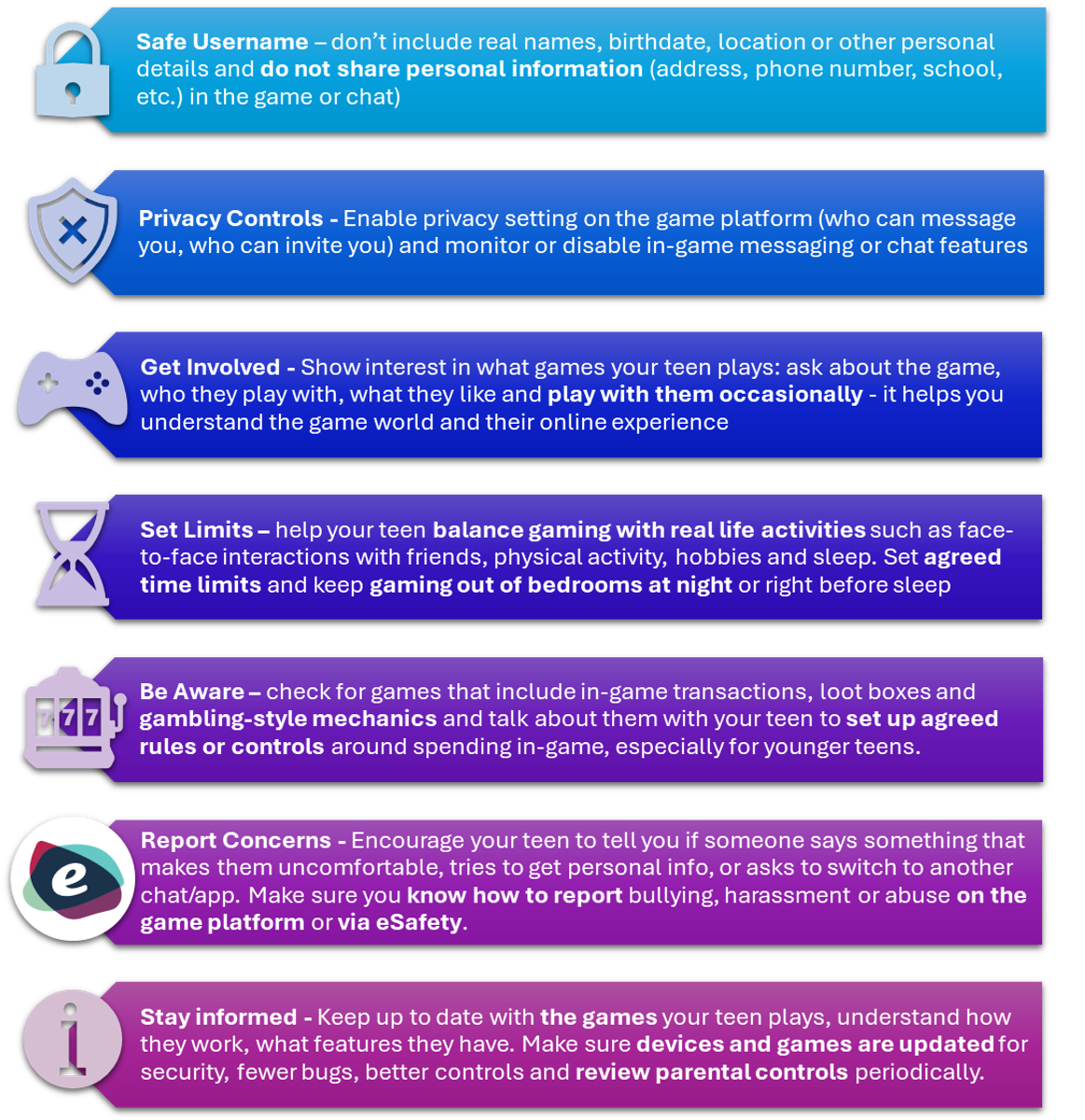
If your teen is experiencing online bullying, harassment or abuse, report it on the eSafety Commission portal:
Parents and Careers can access further information:
Our Wellbeing Team at Wantirna College can also provide support and advice to families if they feel their teen is experiencing addiction to gaming and undesirable behaviours as a result.
Tanya Moran
Leader of Inclusive Practices