Year 2 News
We’ve had a wonderful start to term 2 with our students coming back after their two week break ready to learn. It’s encouraging for the teachers to watch our year 2 students approach their learning with such engagement and willingness to be risk takers. We have been thoroughly enjoying our text study lesson where we have been delving into picture story books written by Bob Graham. The students have been producing some amazing writing and some thoughtful responses to questions posed regarding how the illustrations enhance the text.
Literacy Text Study
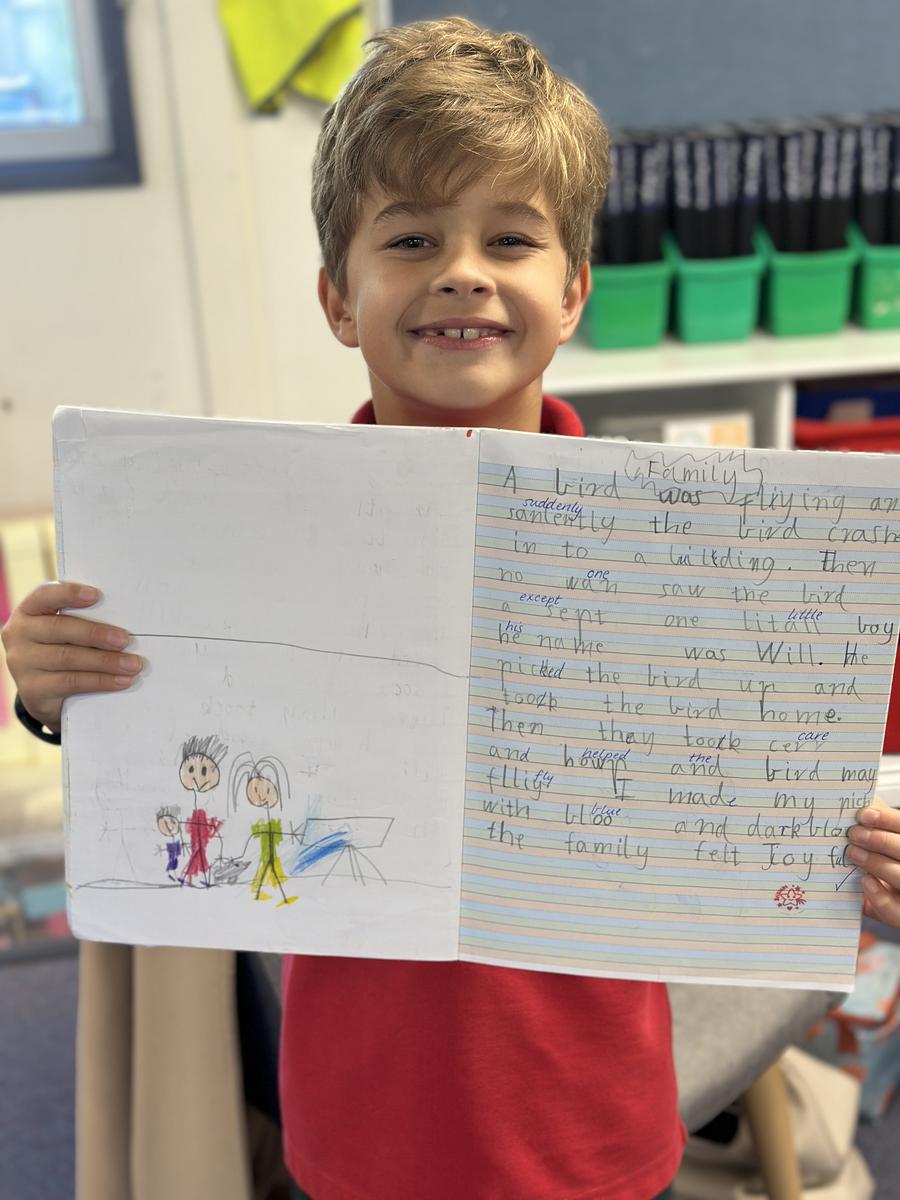
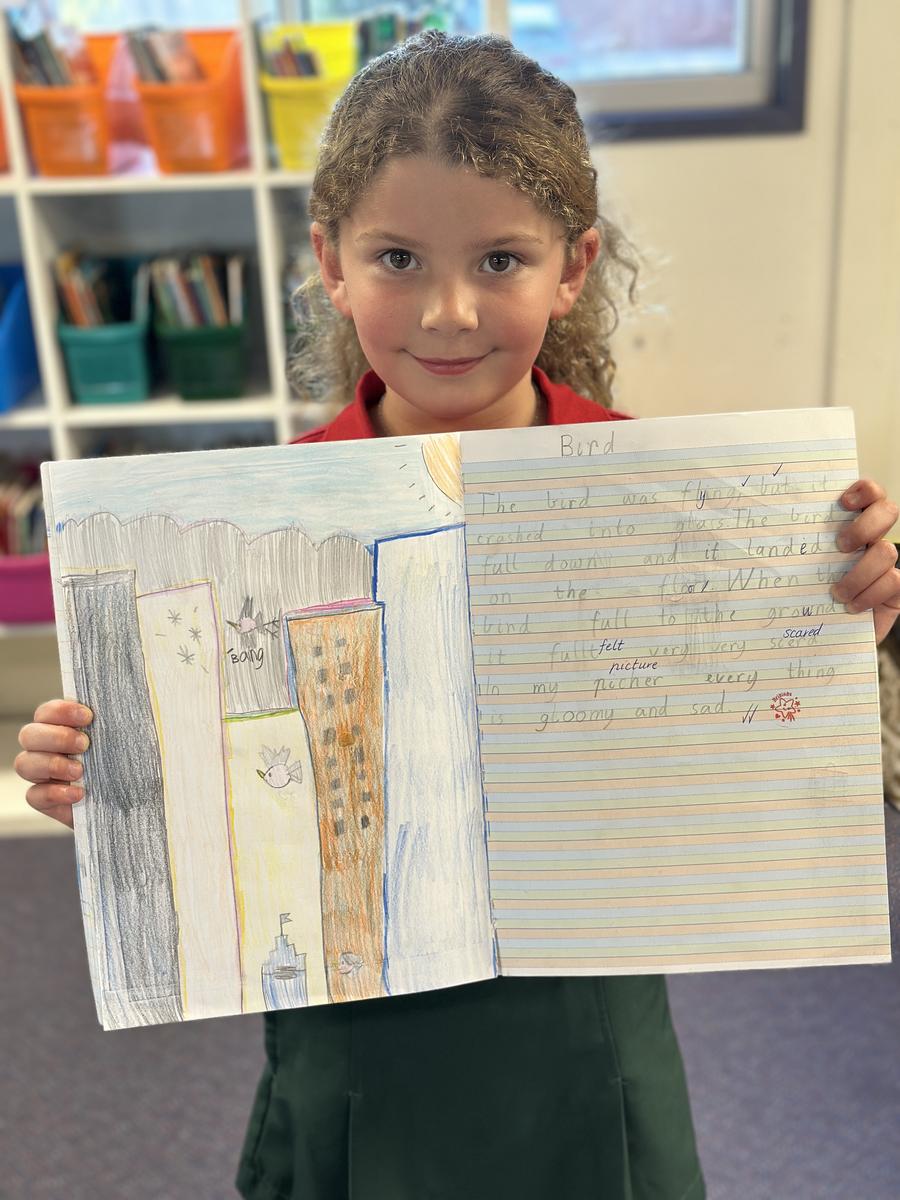
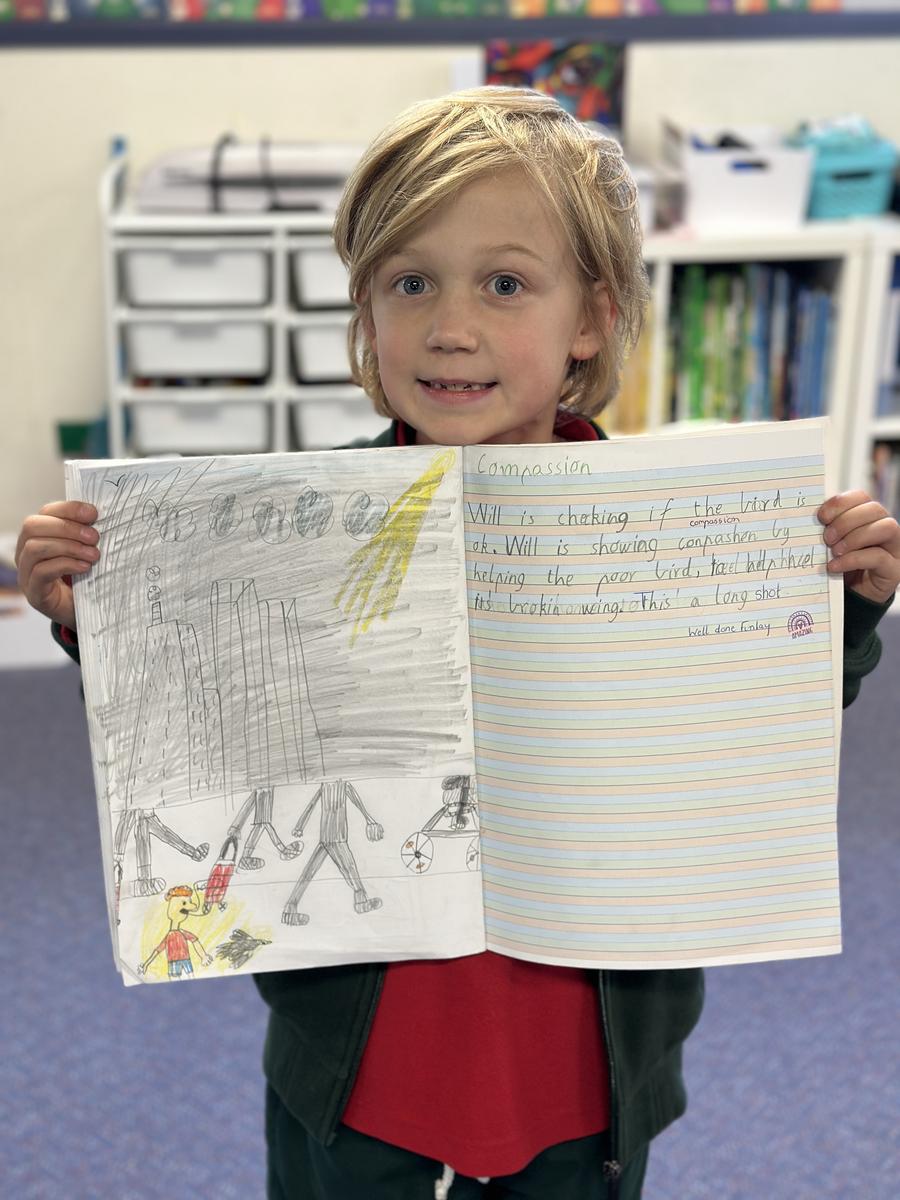
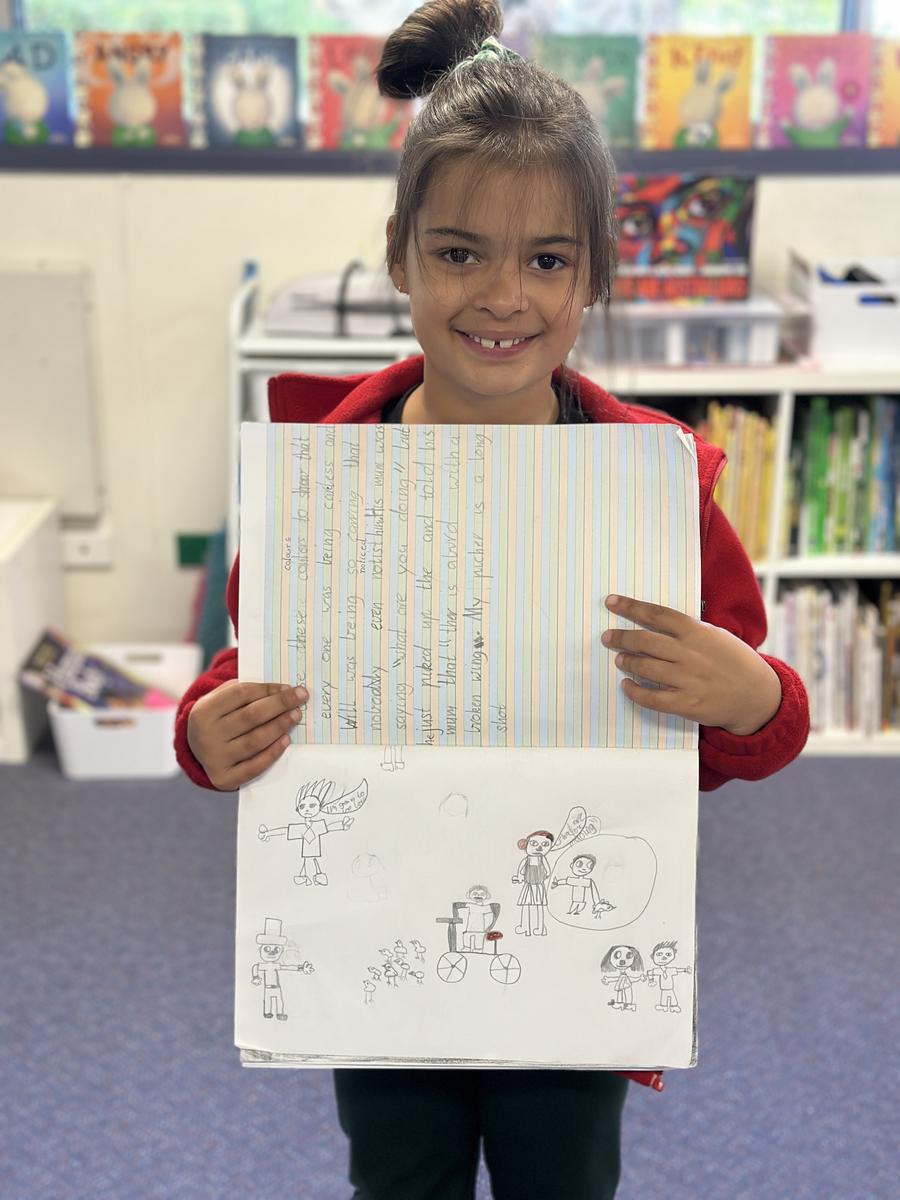
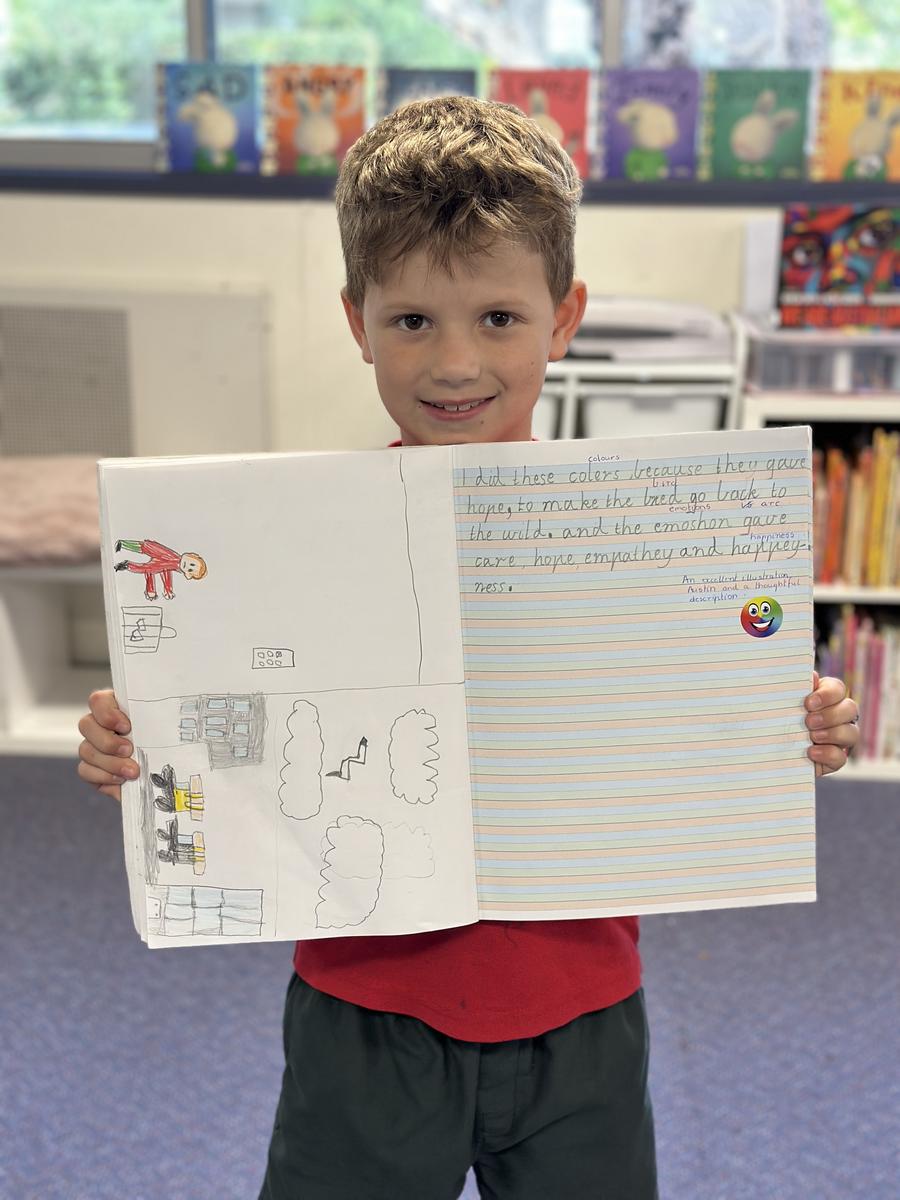
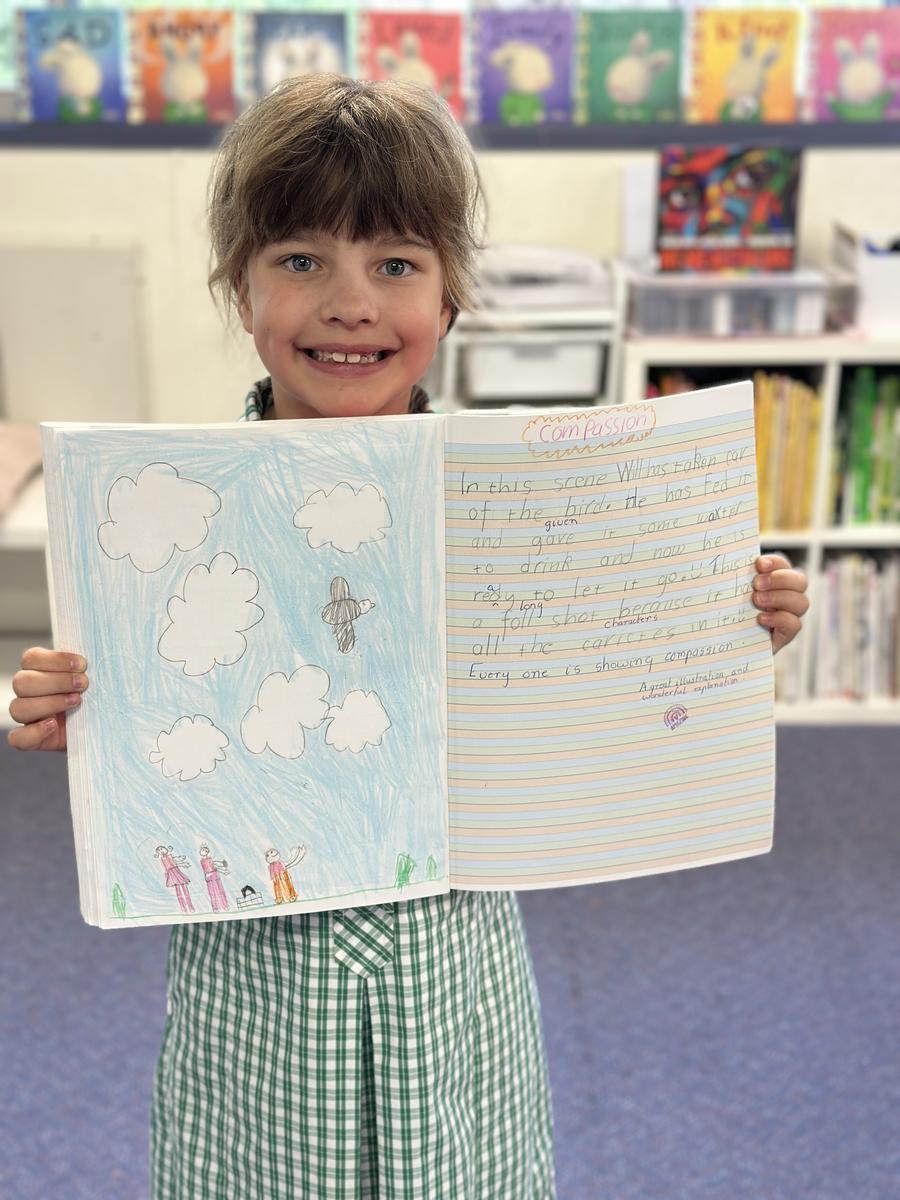
Last term our Year 2 students were exploring the beautiful picture books How the sun got to Coco’s House and How to Heal a Broken Wing by Bob Graham. Through this text, students have been developing their understanding of how emotions are represented in stories and illustrations.
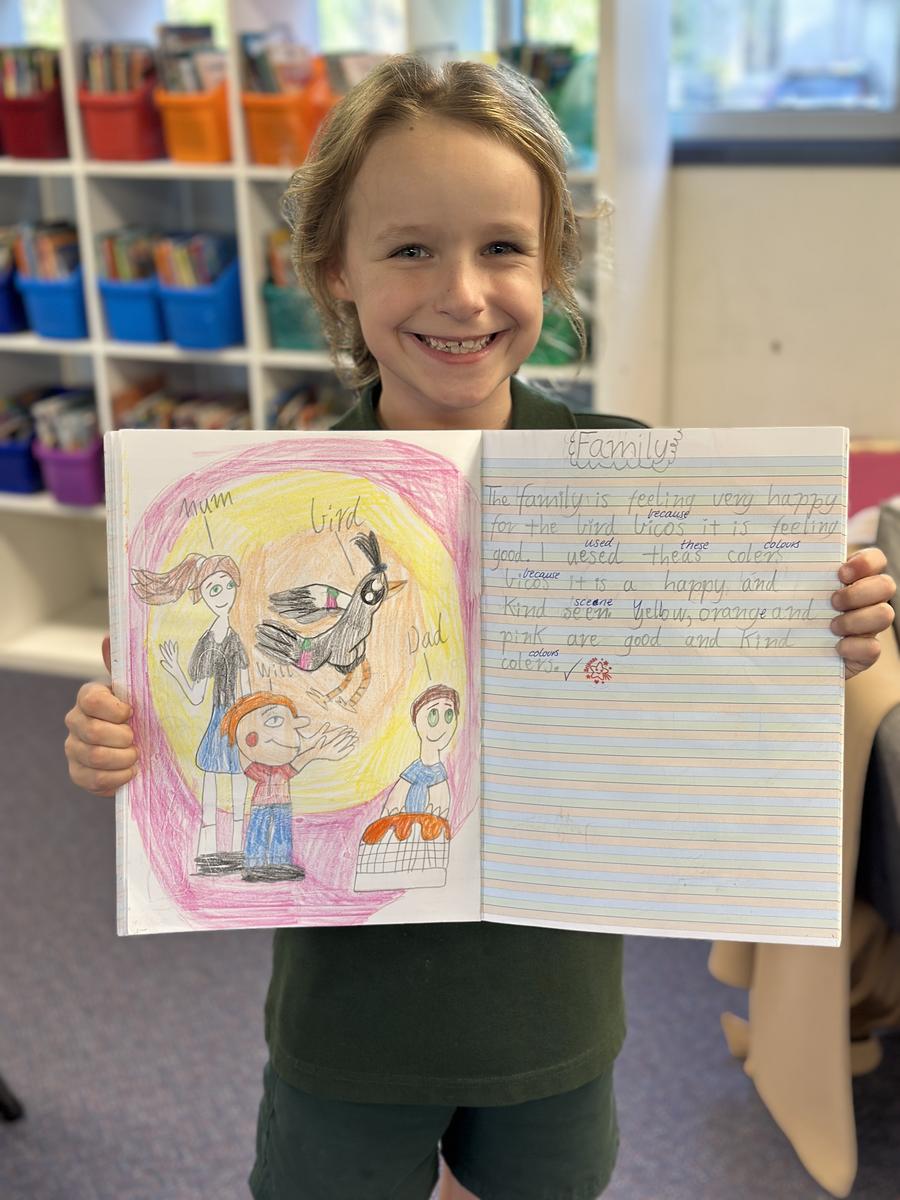
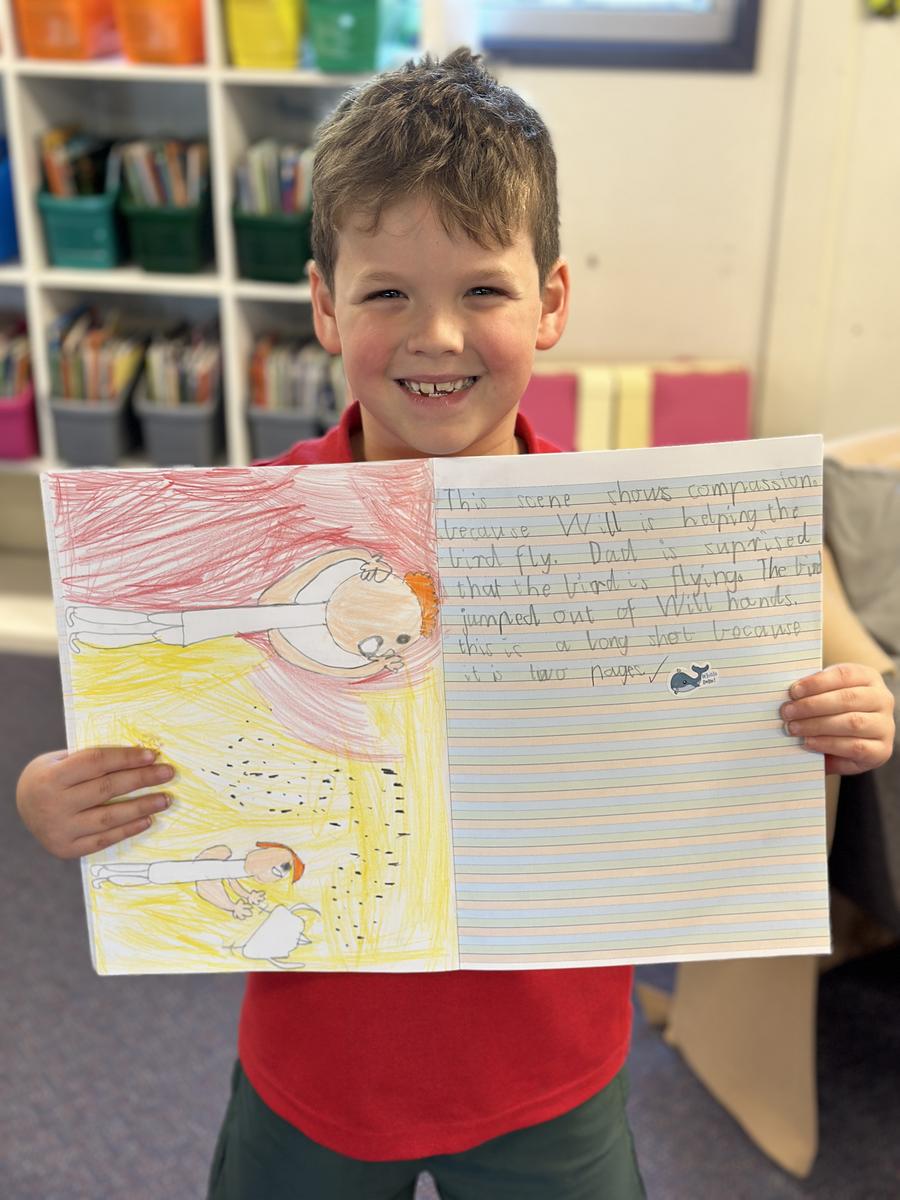
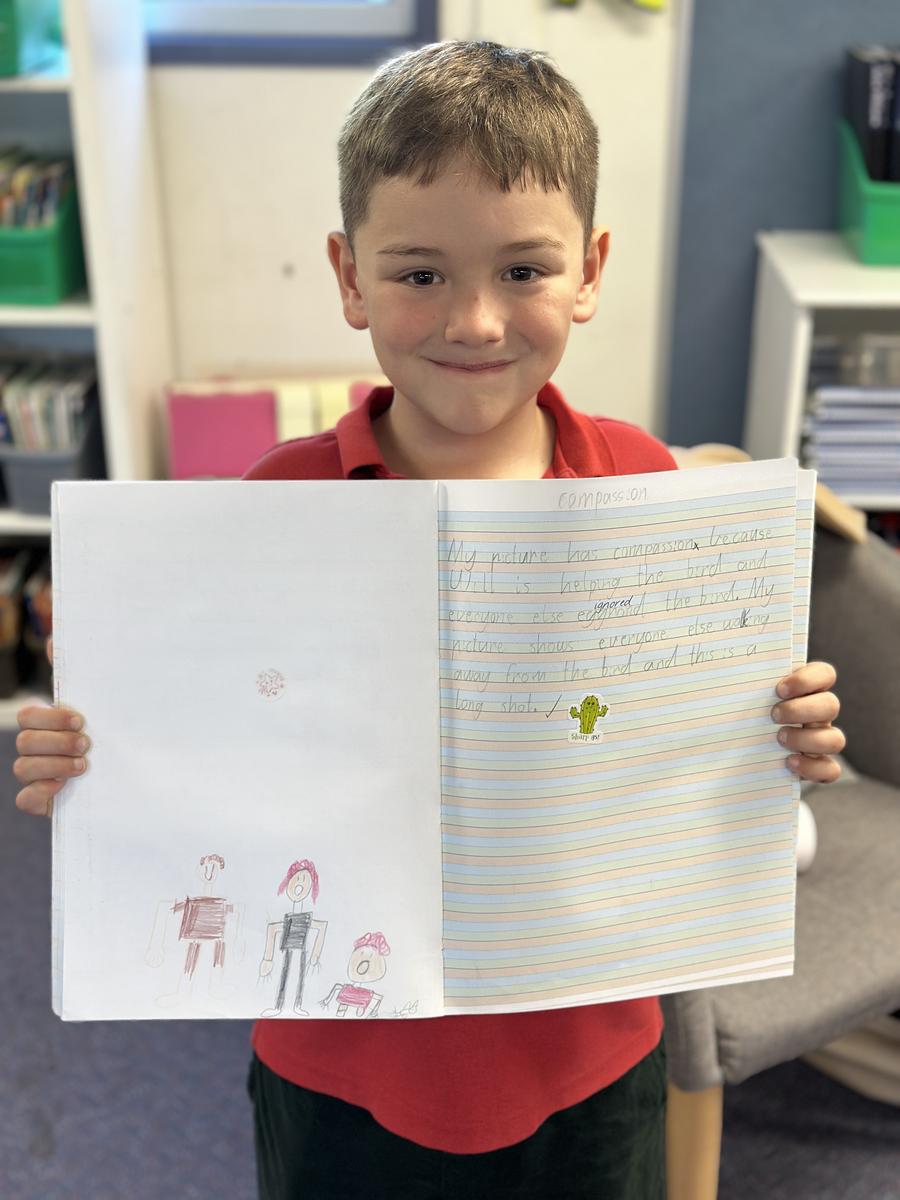
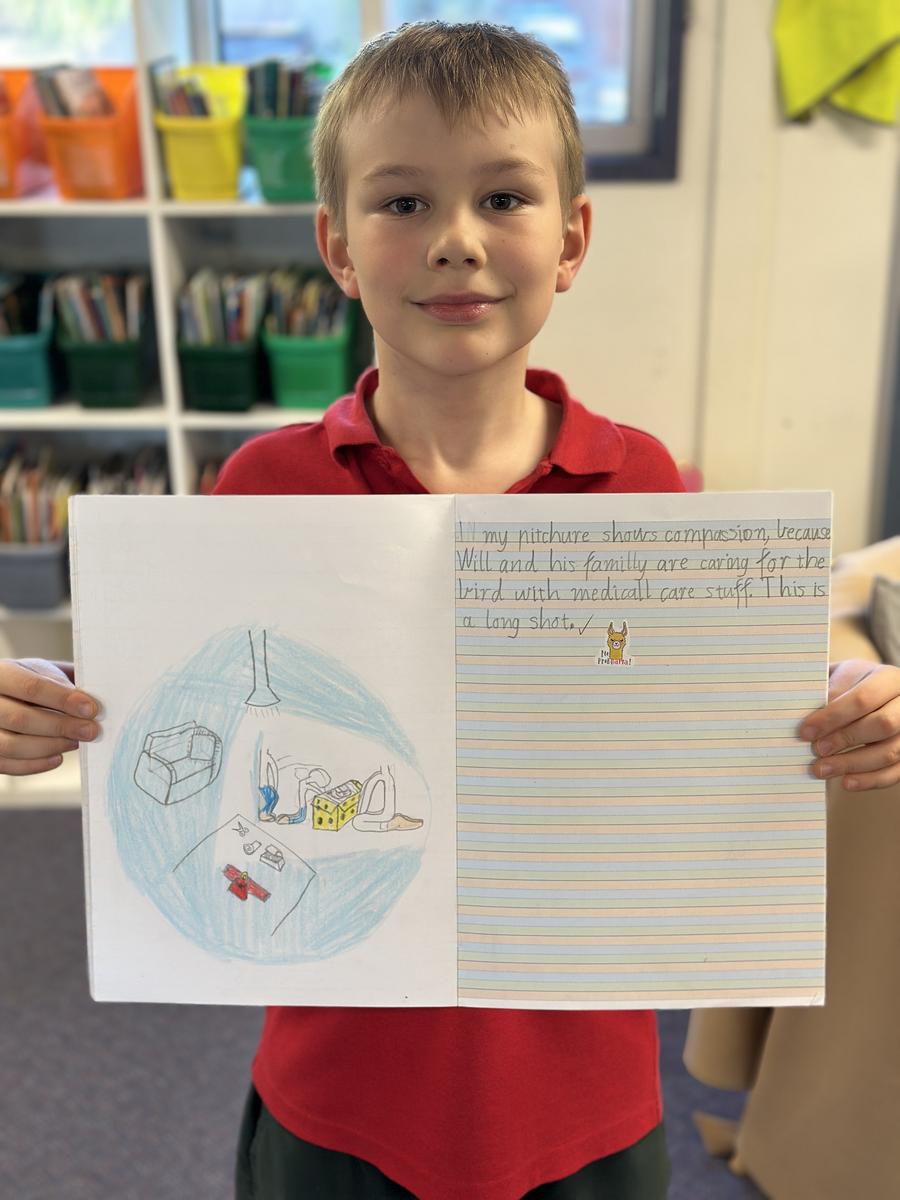
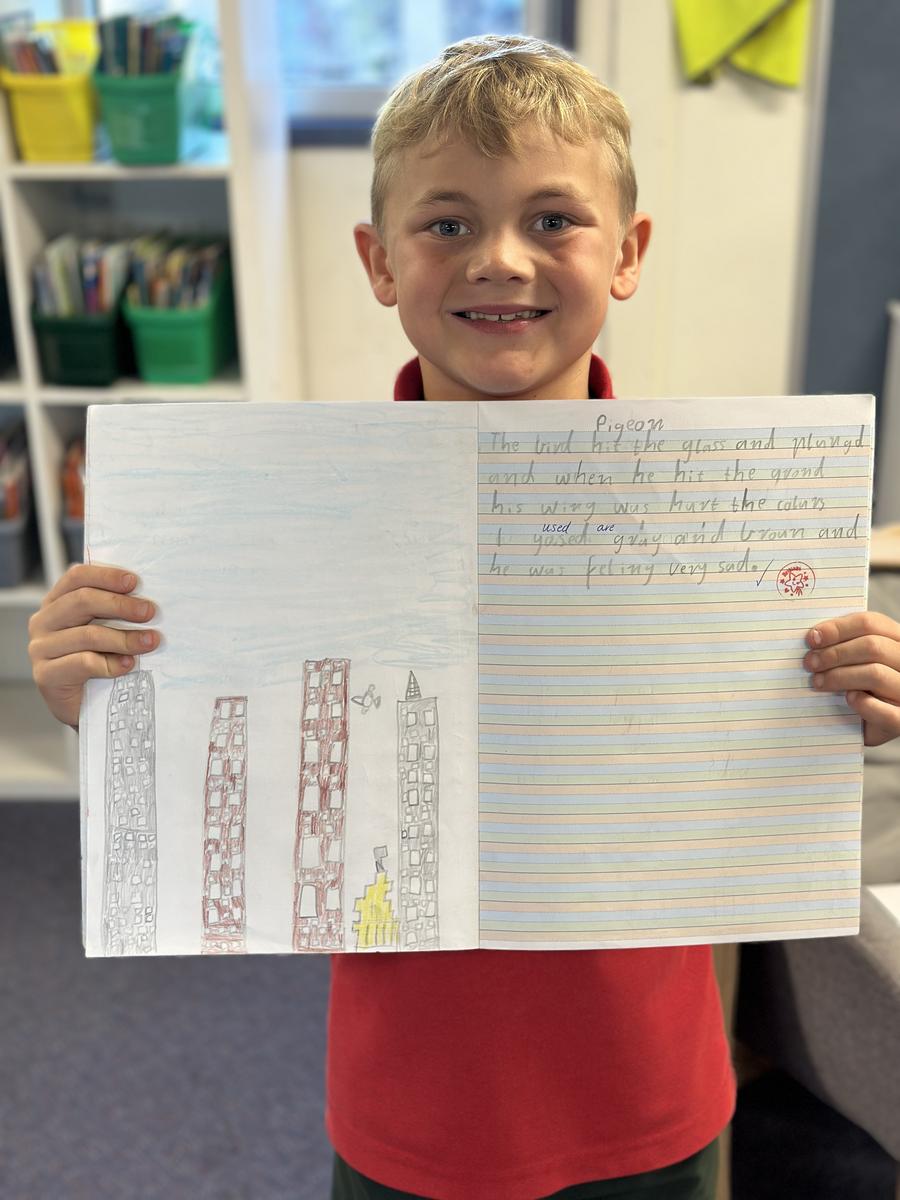
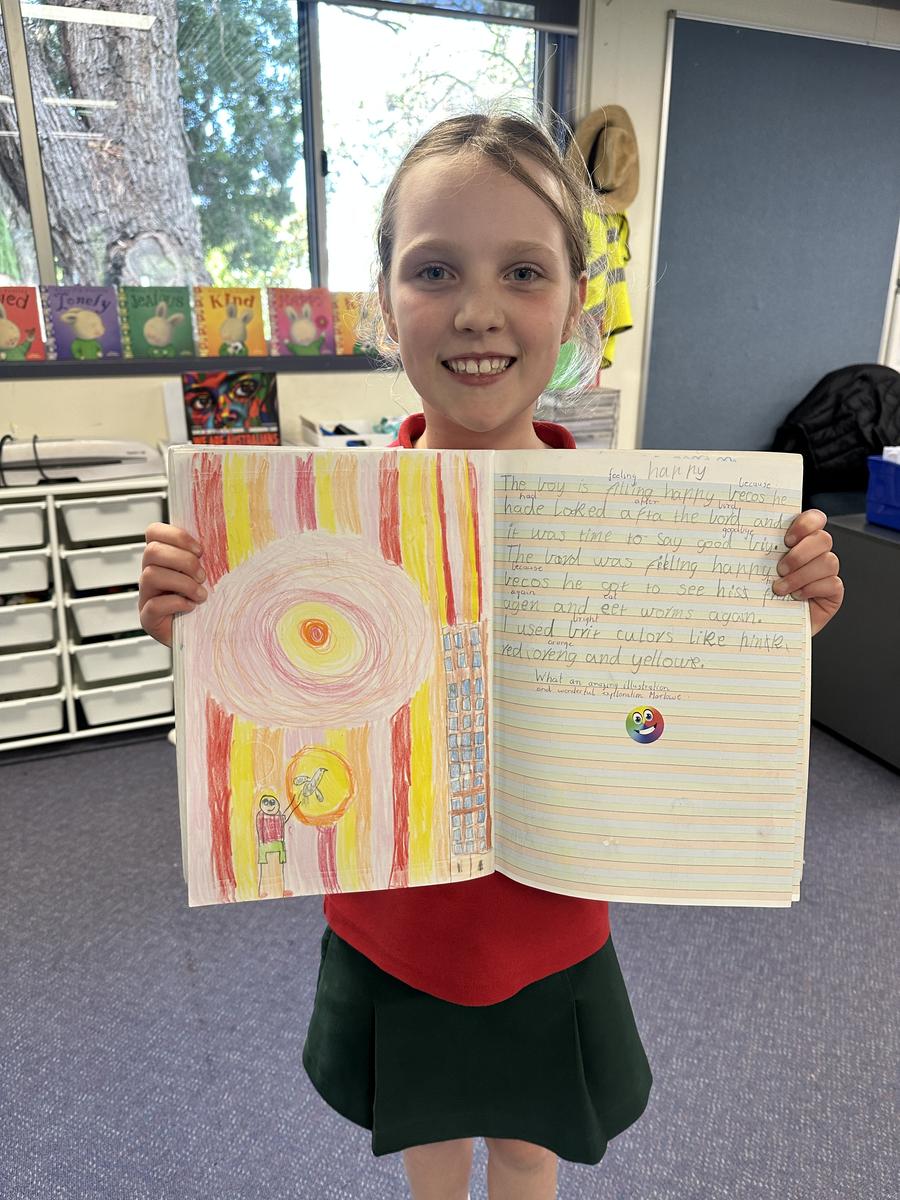
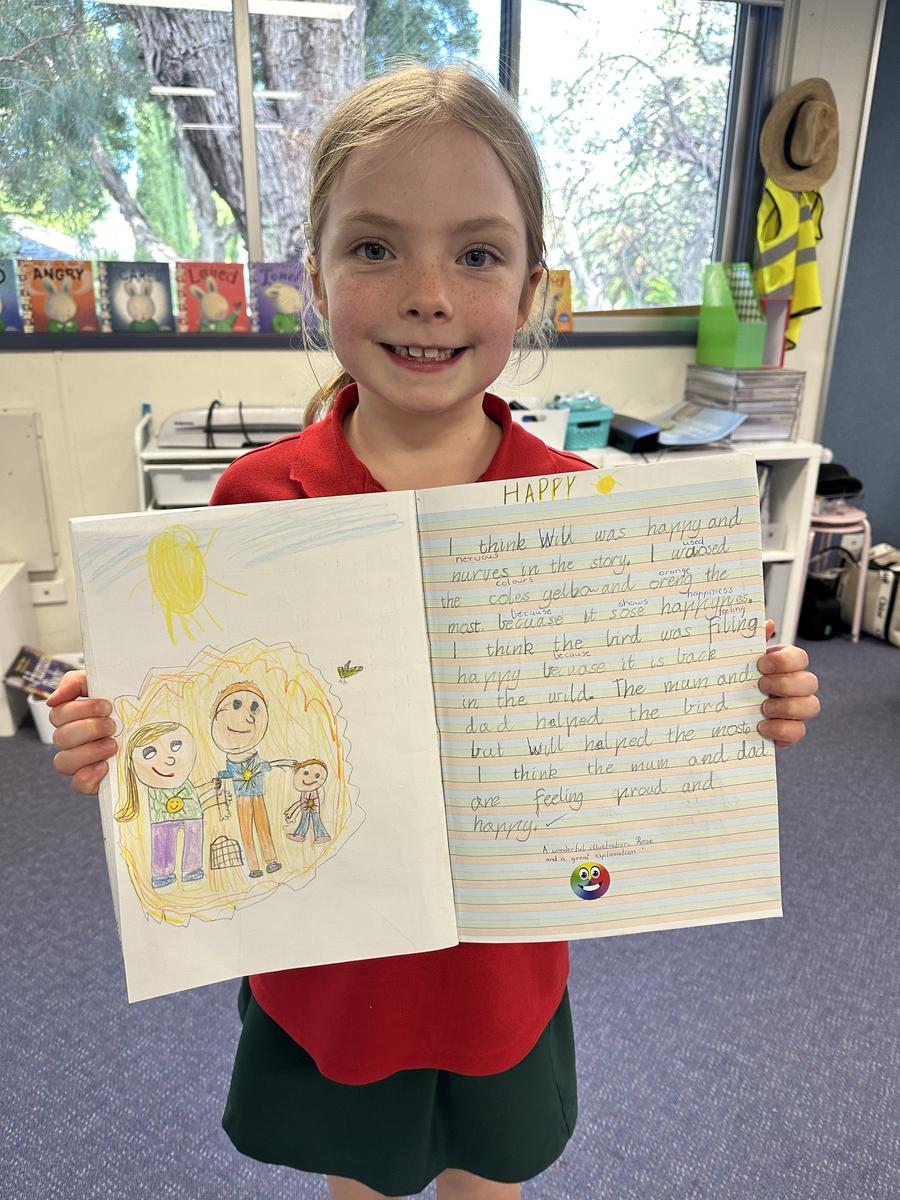
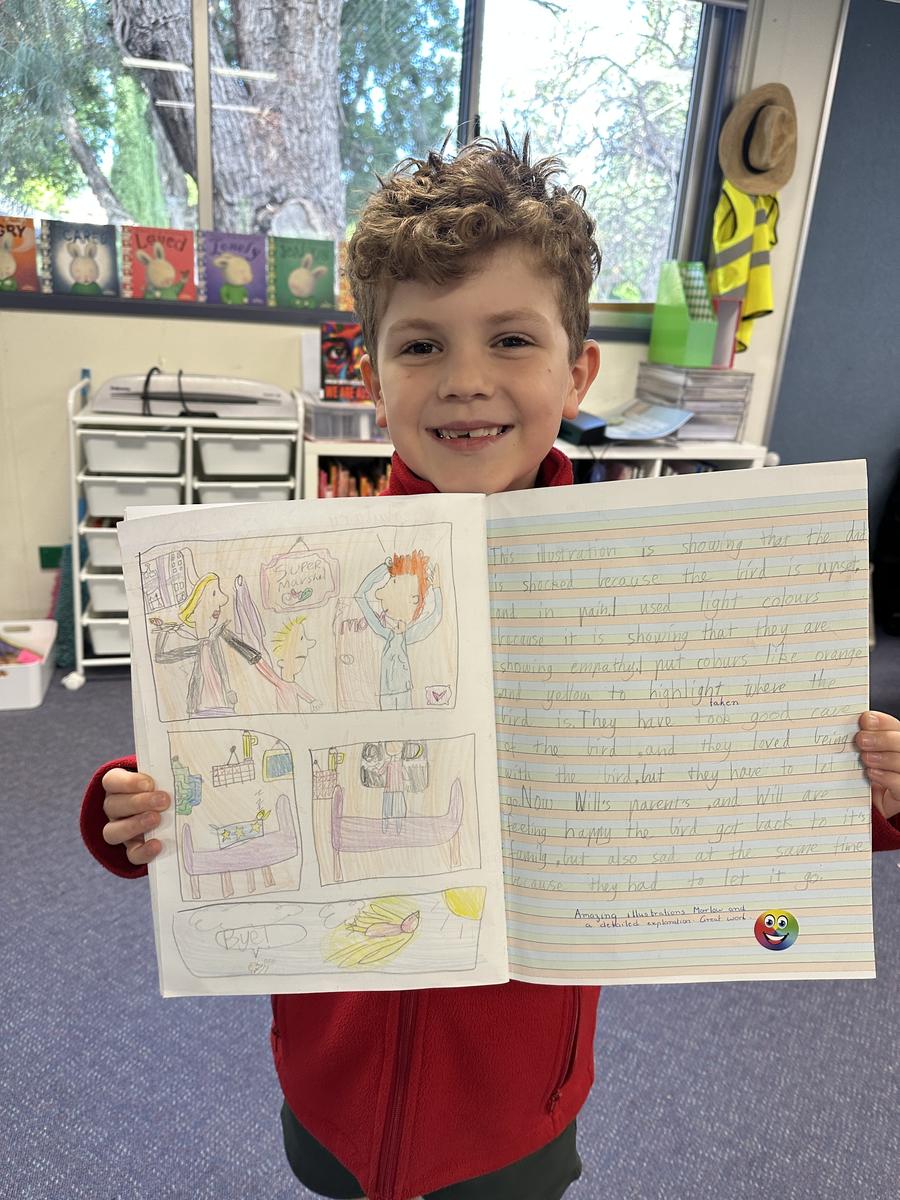
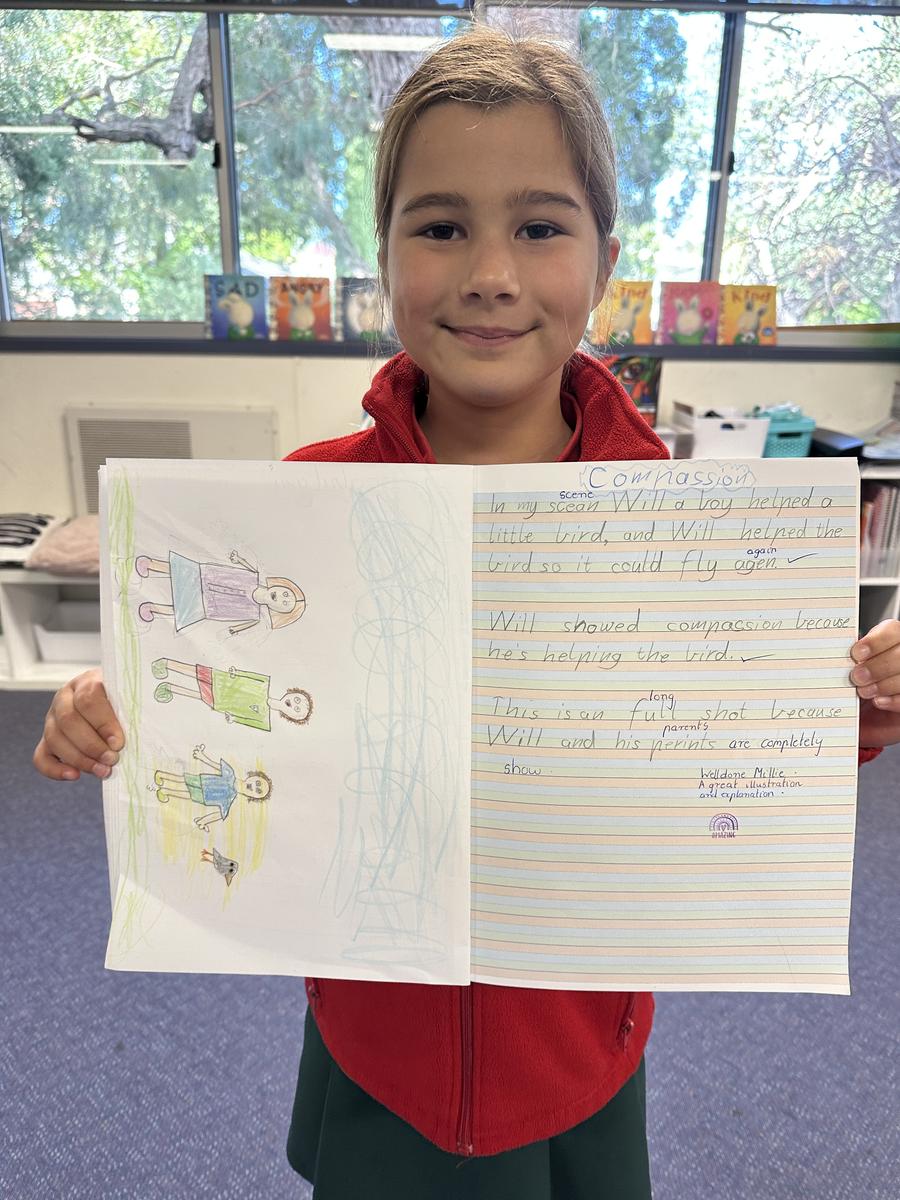
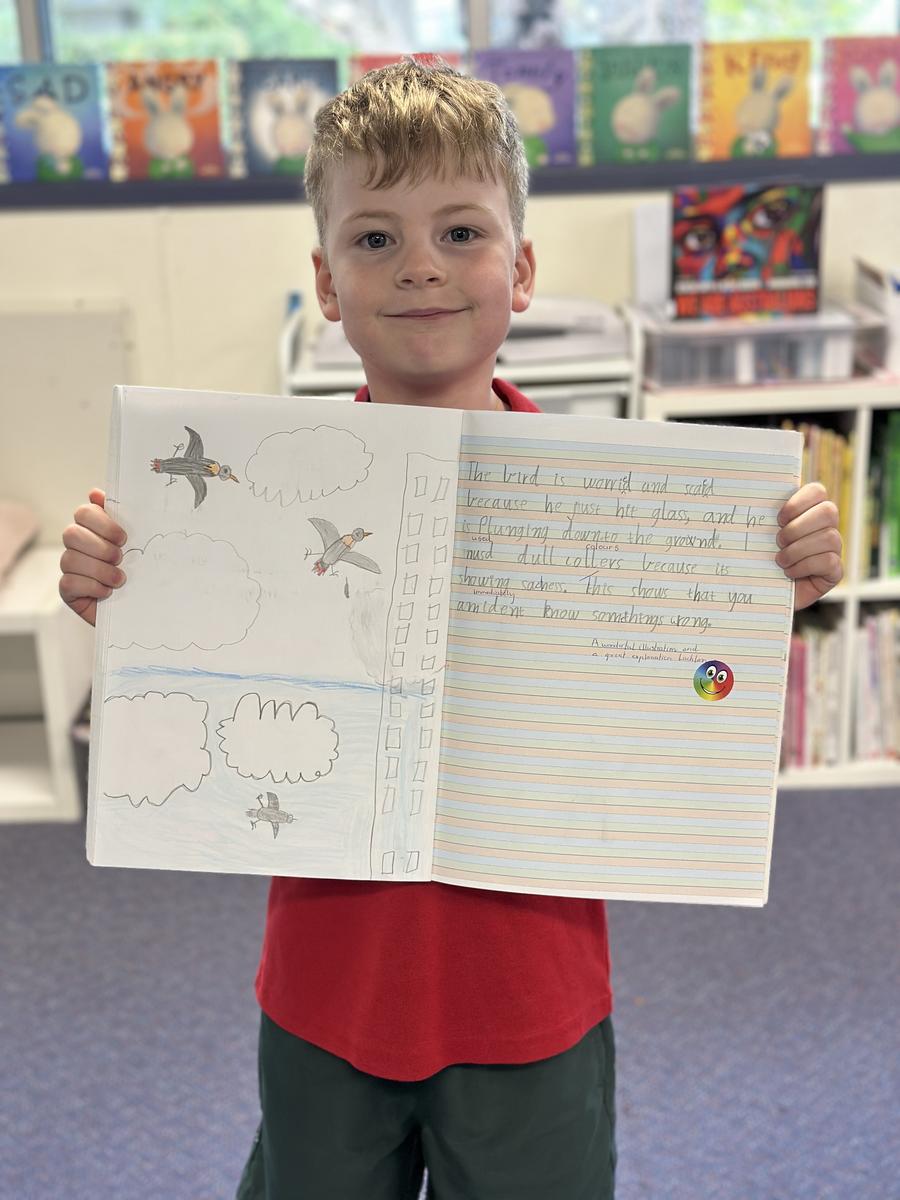
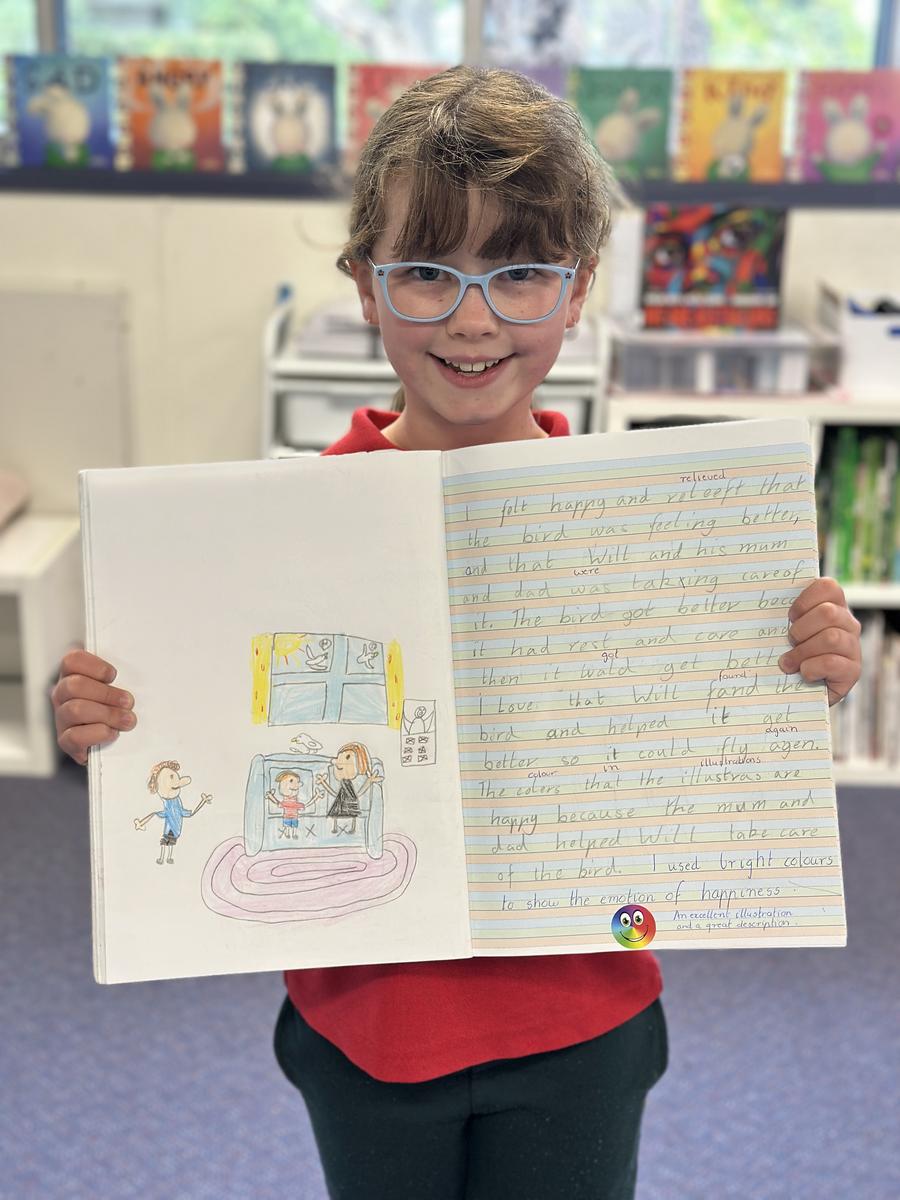
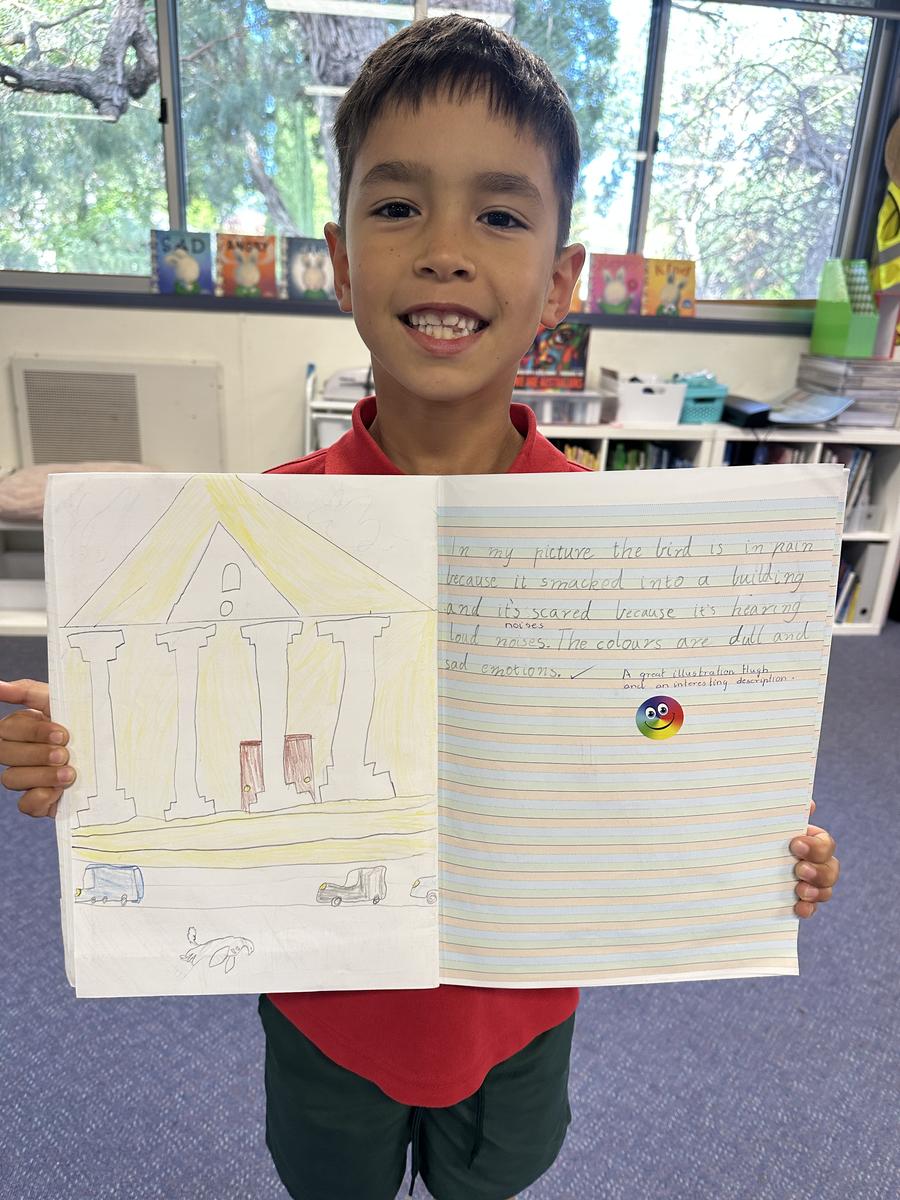
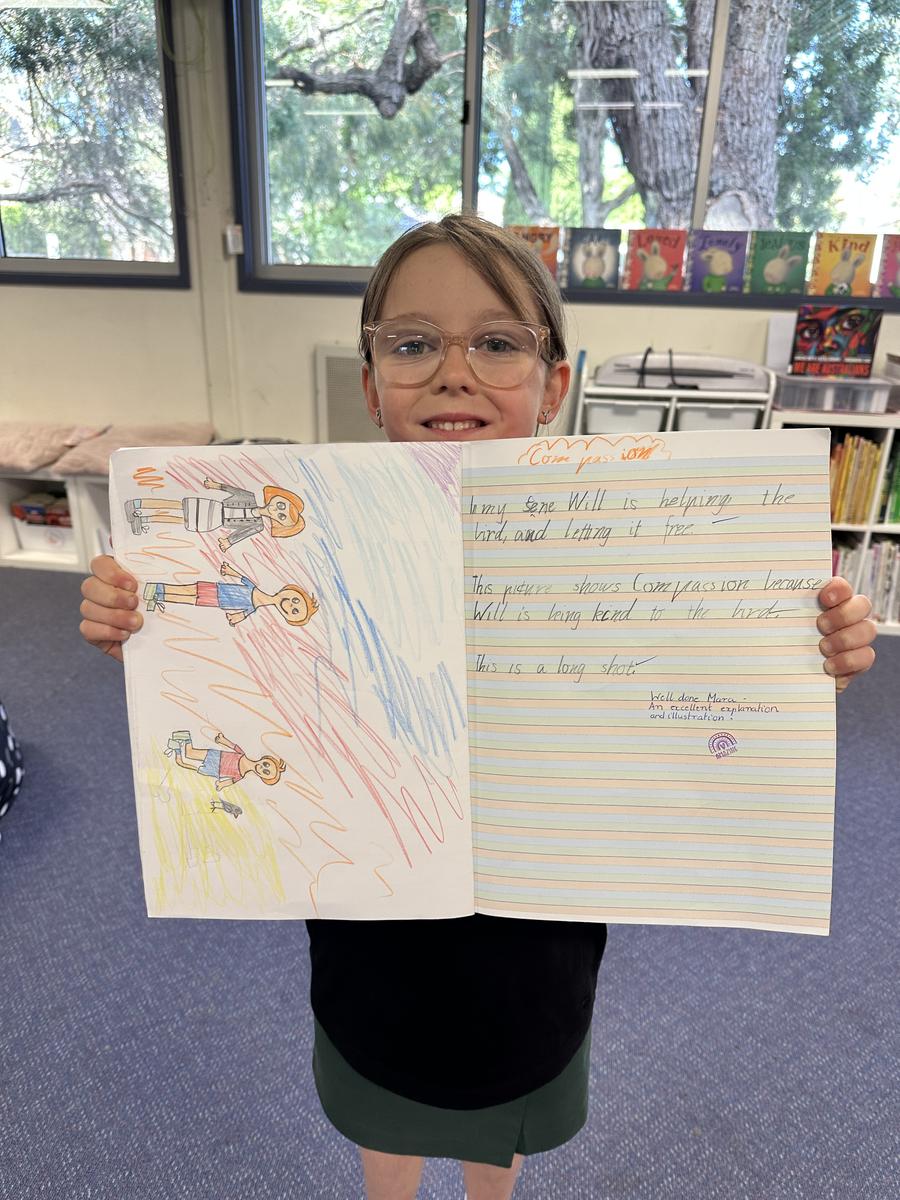
As part of our learning on How to Heal a Broken Wing, students focused on identifying the emotions of the bird and other characters throughout the story. We modelled how the bird may have felt at different points in the text—sad when its wing was hurt, loved when the child cared for it, and happy when it was able to fly again. Students were encouraged to think deeply about these emotions and how they change across the narrative.
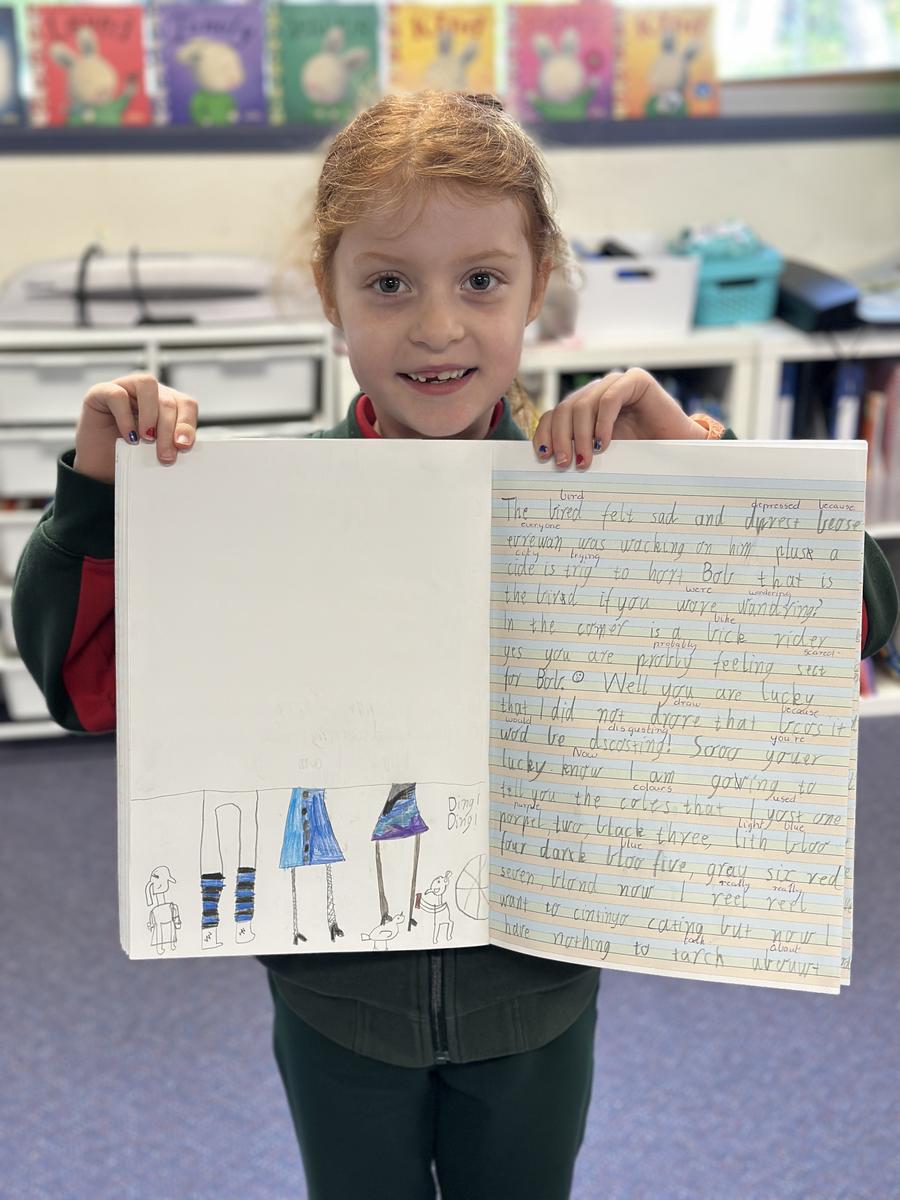
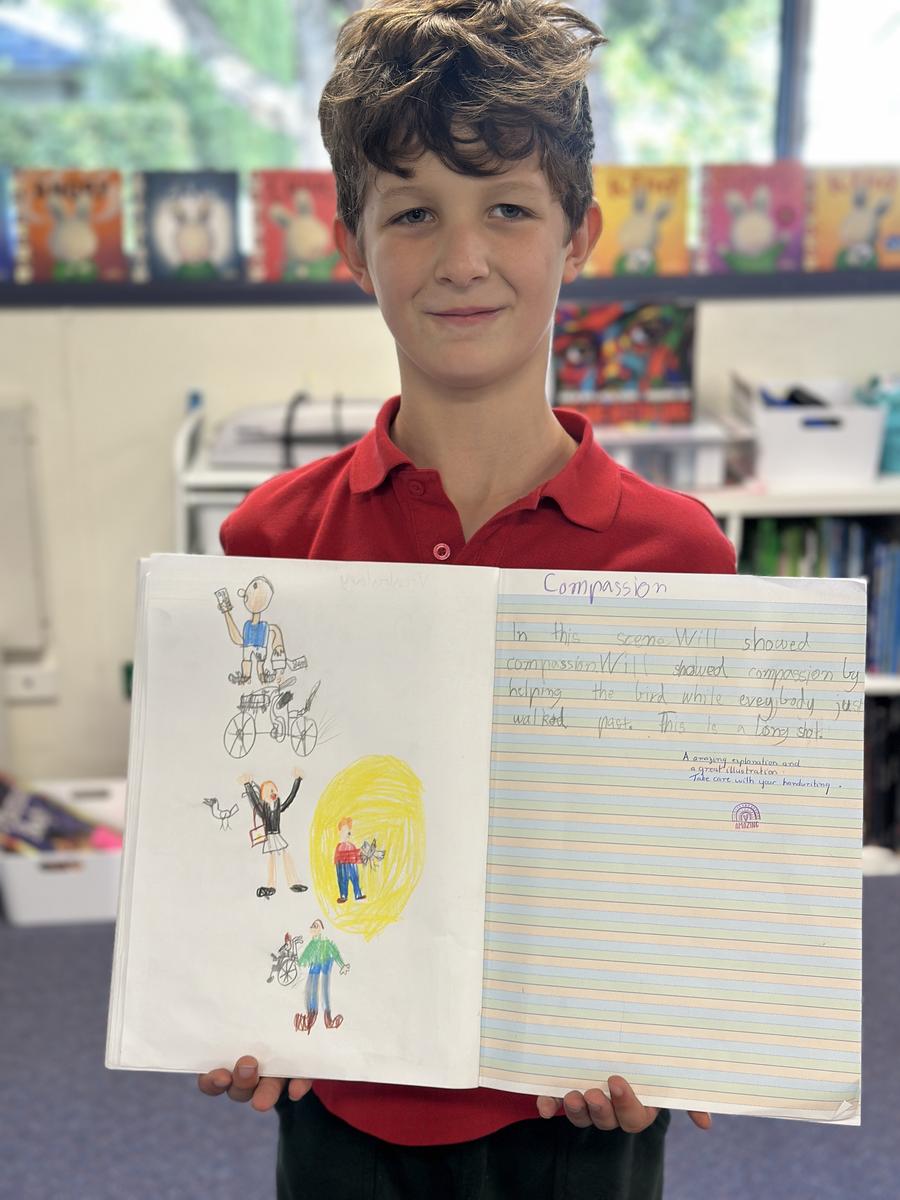
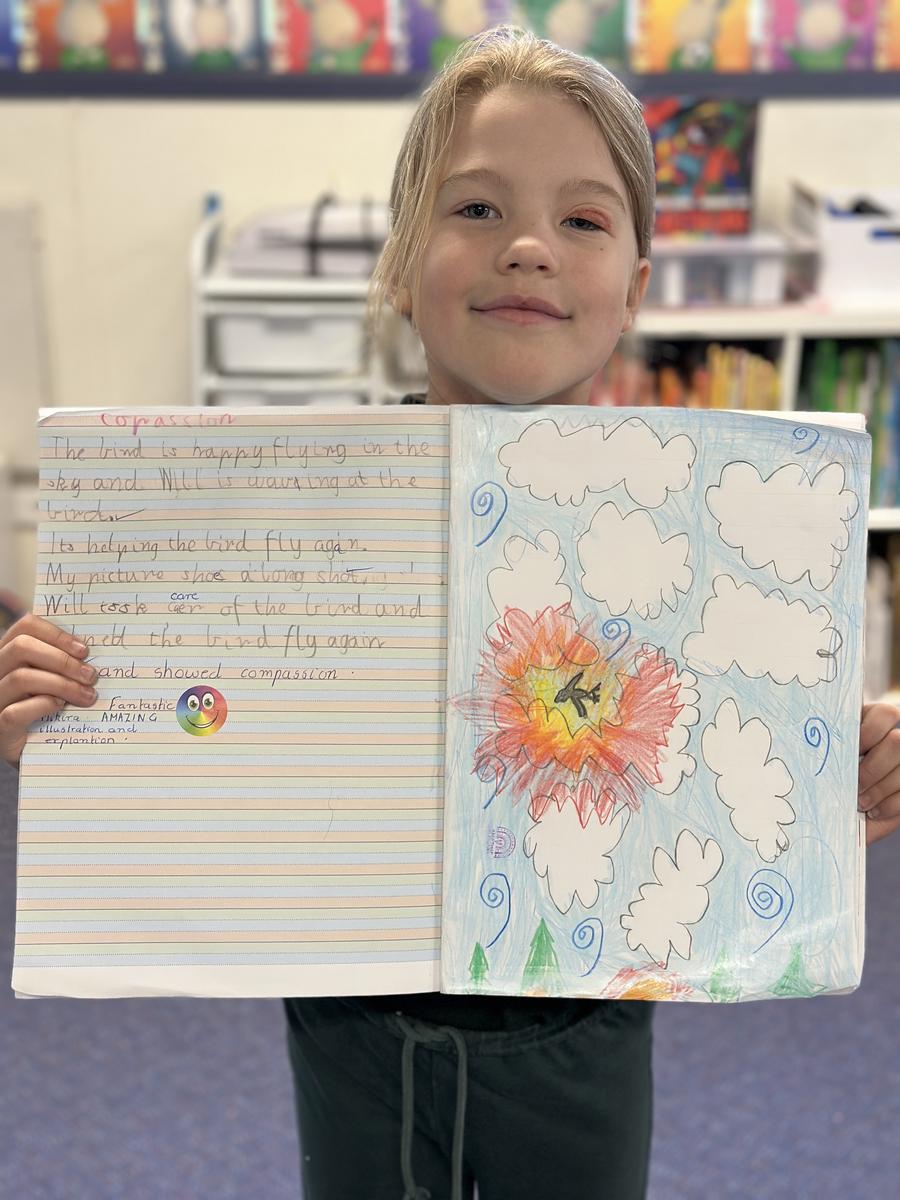
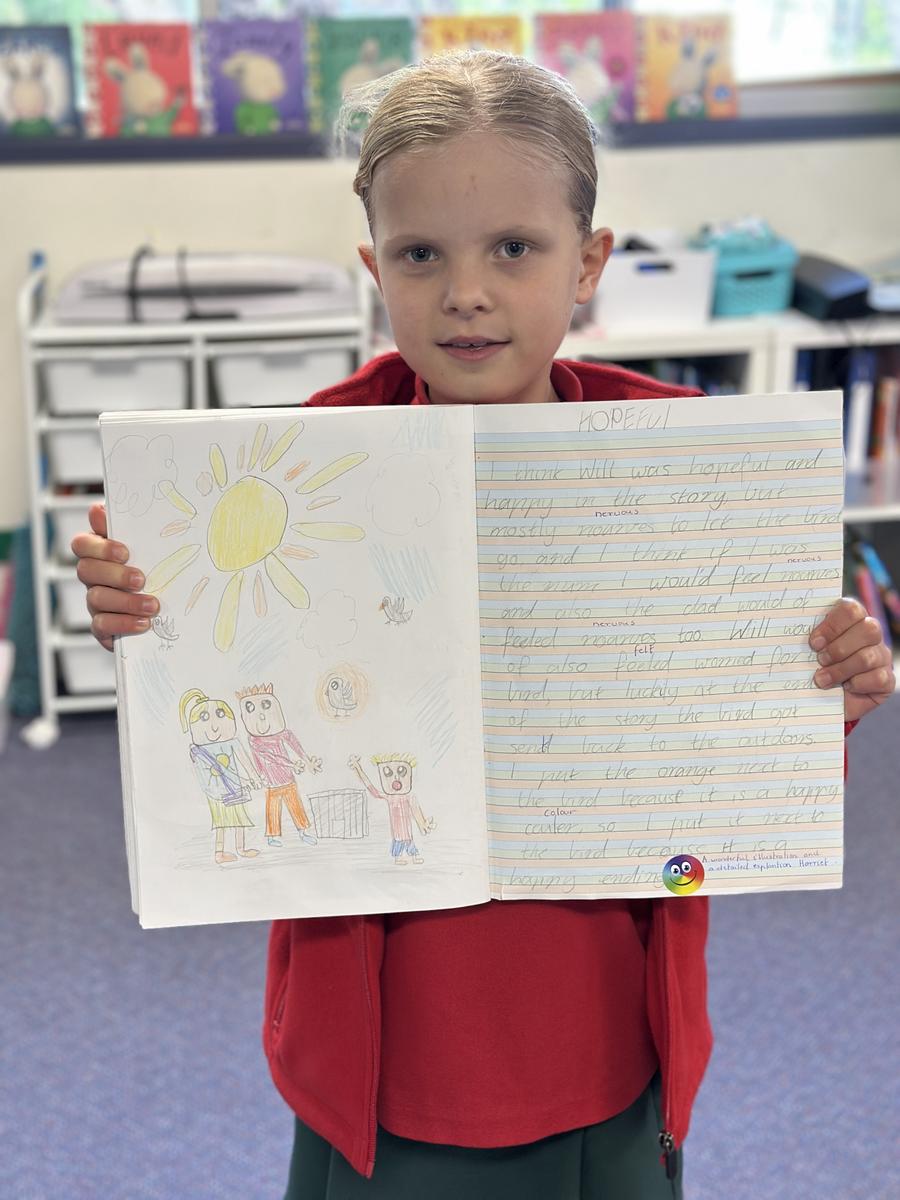
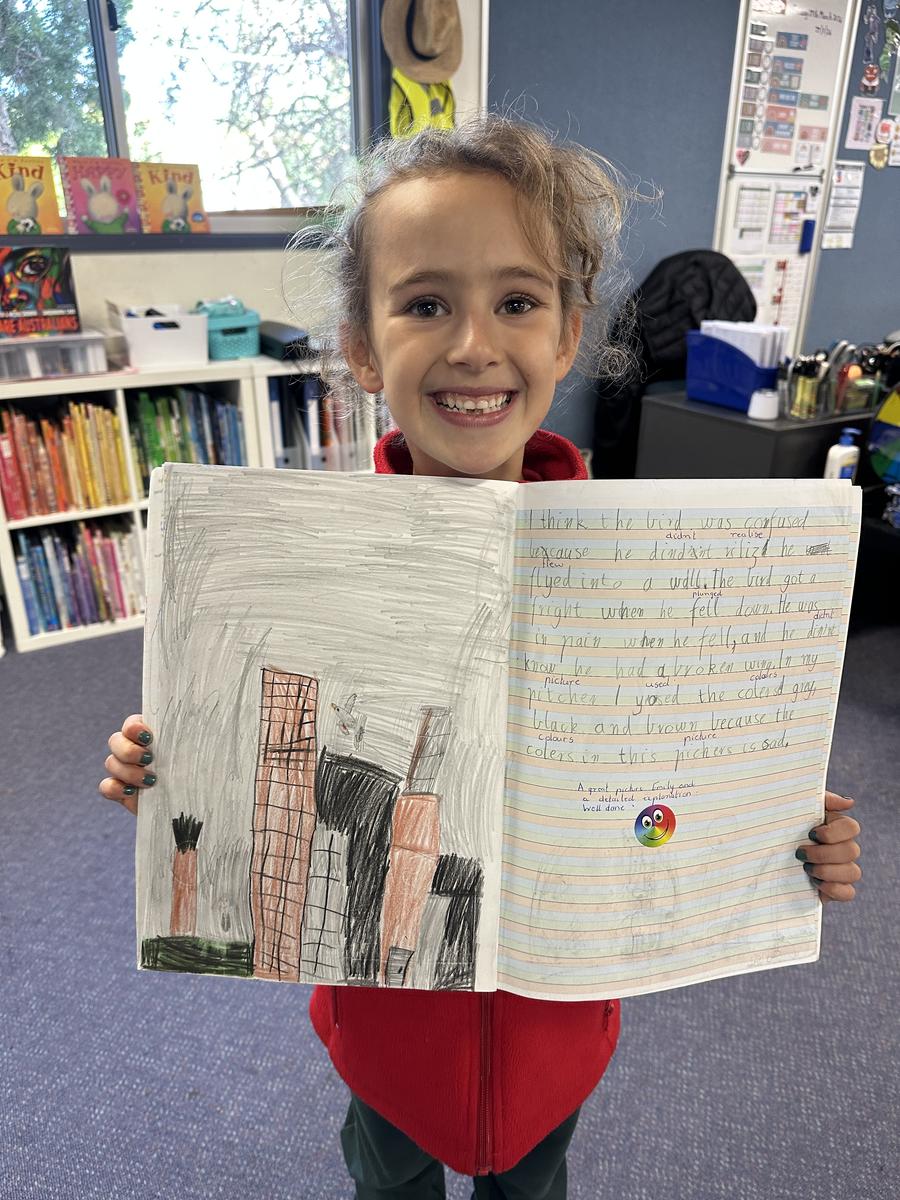
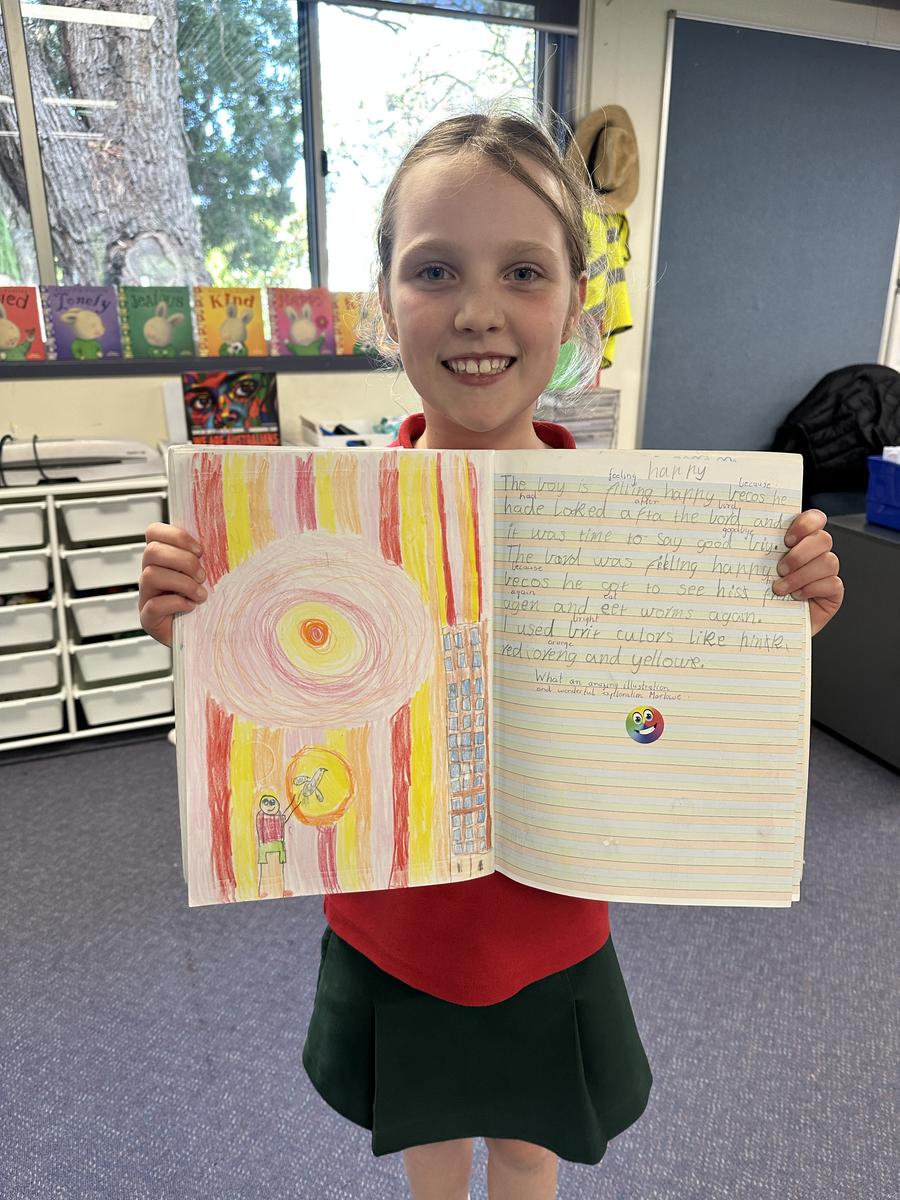
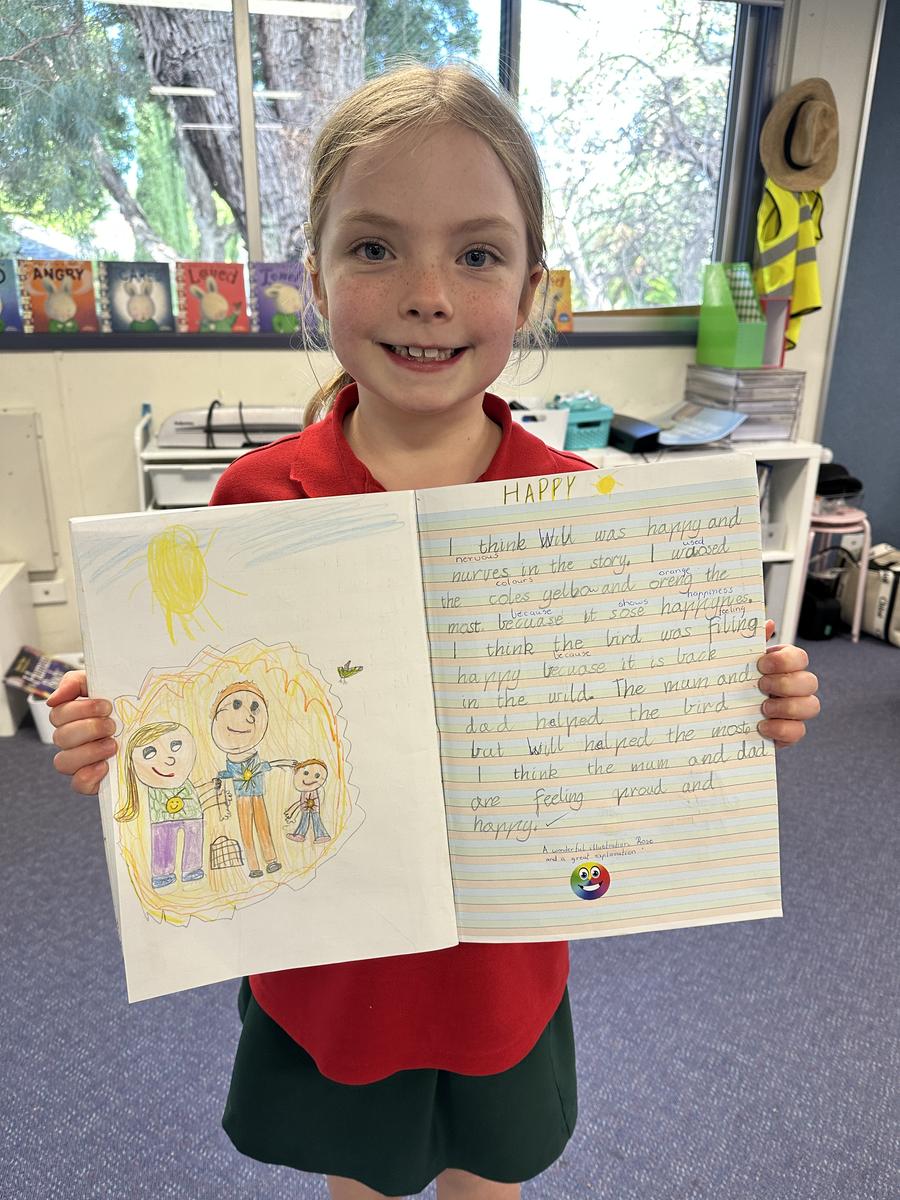
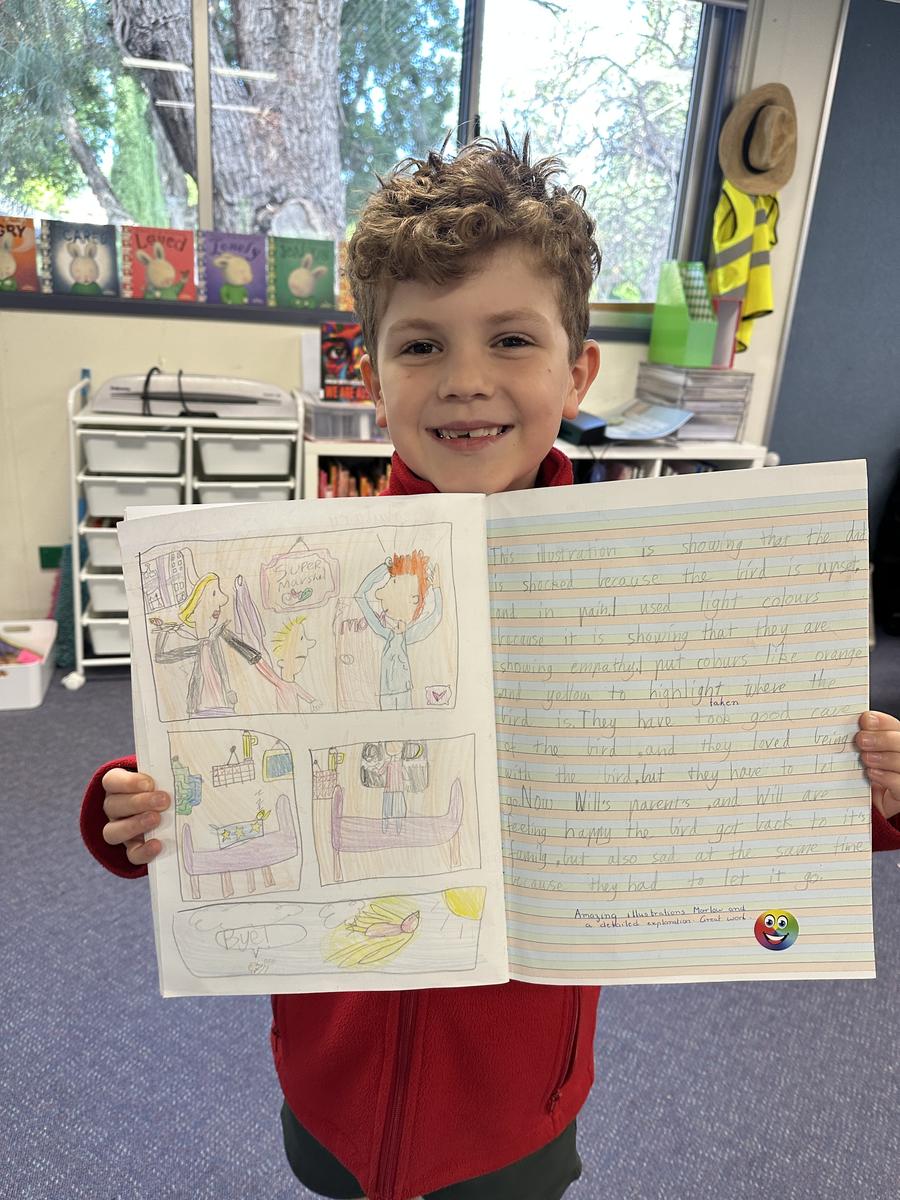
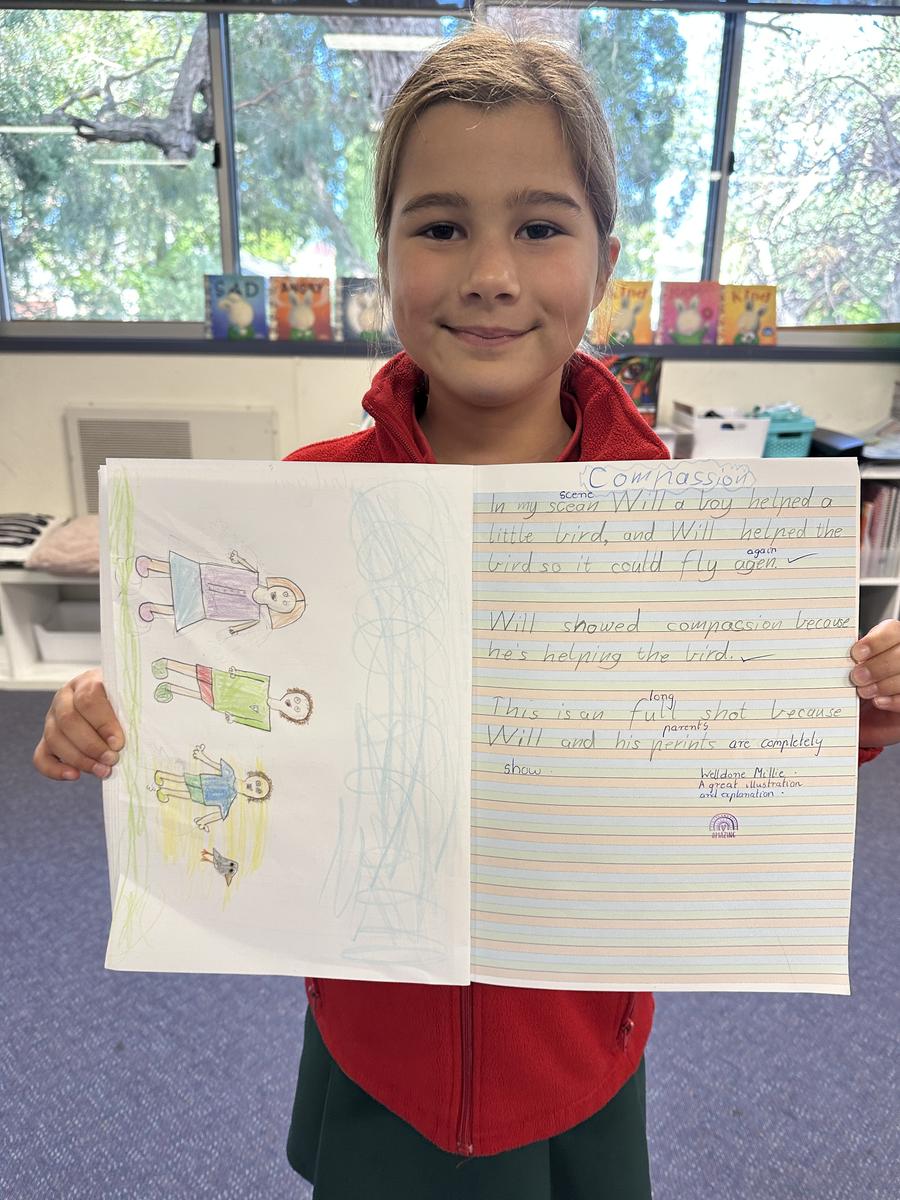
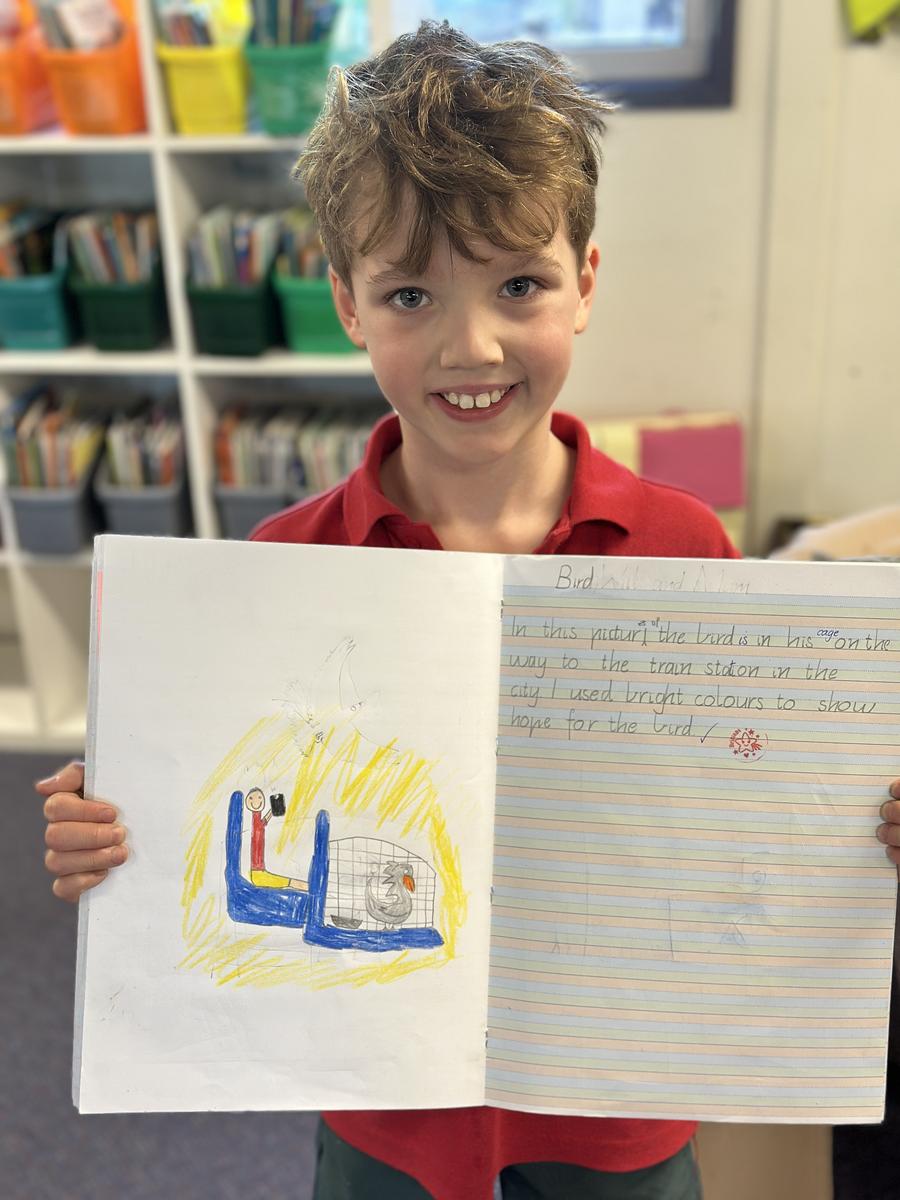
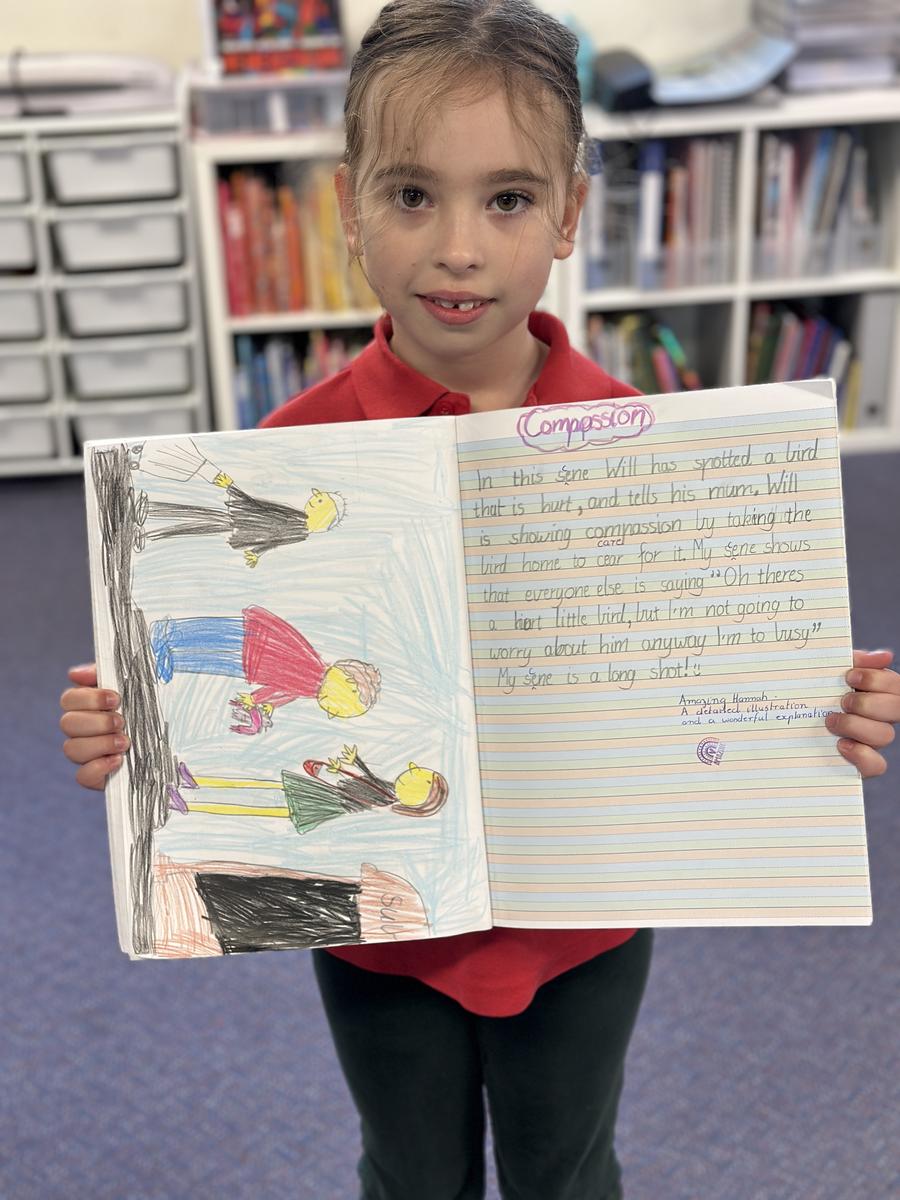
Students then selected a scene from the story to illustrate, carefully considering how to represent the character’s feelings through their drawings. For example, many chose the final scene of the bird flying away, using bright, happy colours to reflect a sense of freedom and joy. Before beginning, students participated in a Pair-Share to discuss their chosen scene, the emotion they would focus on, and how they would show this in their illustration.
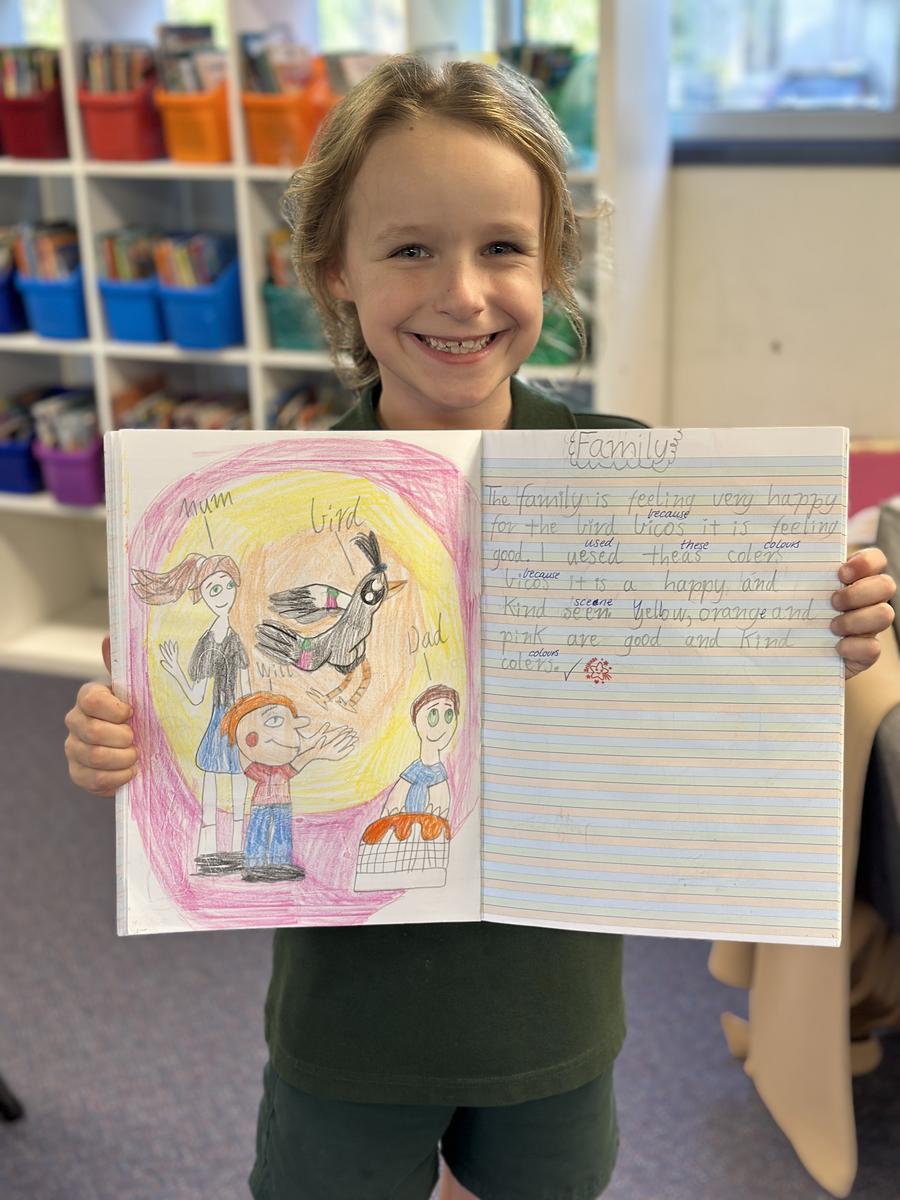
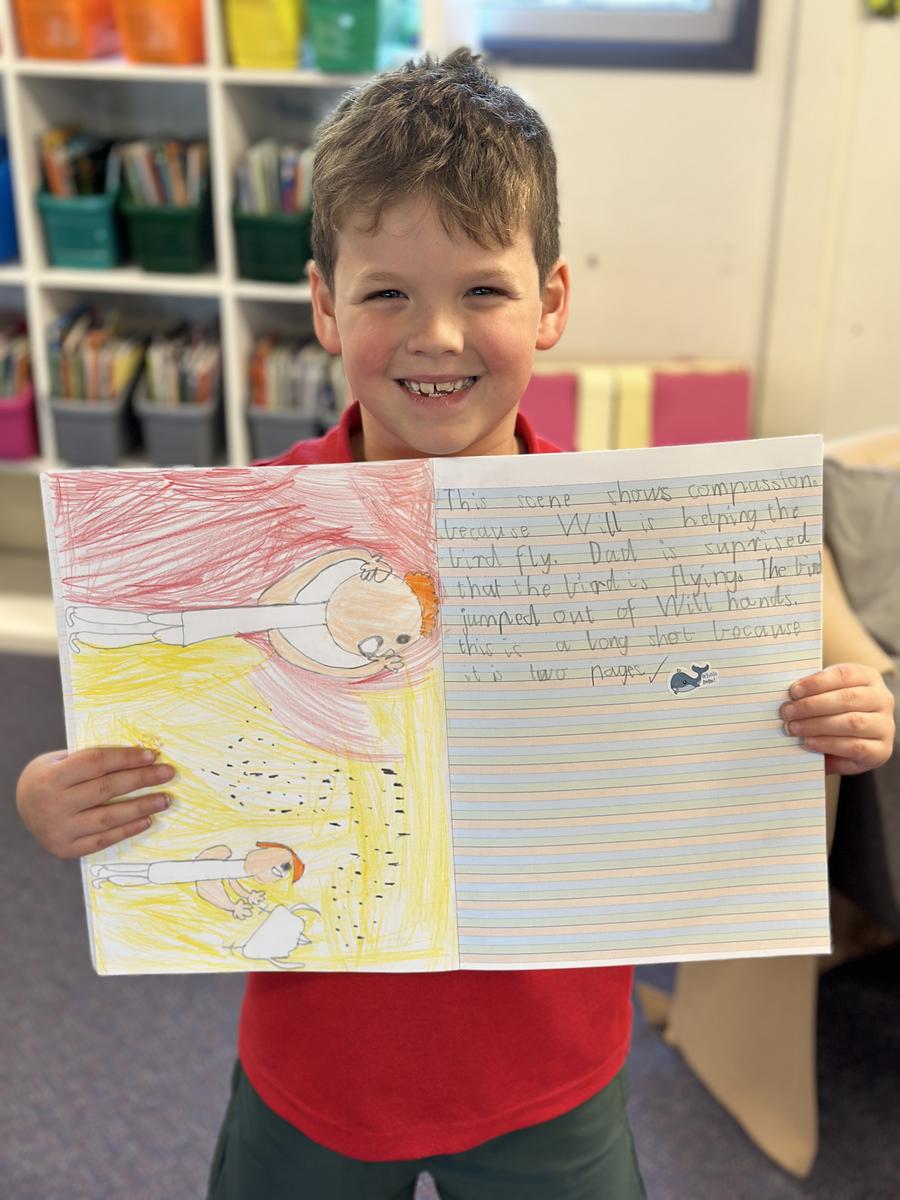
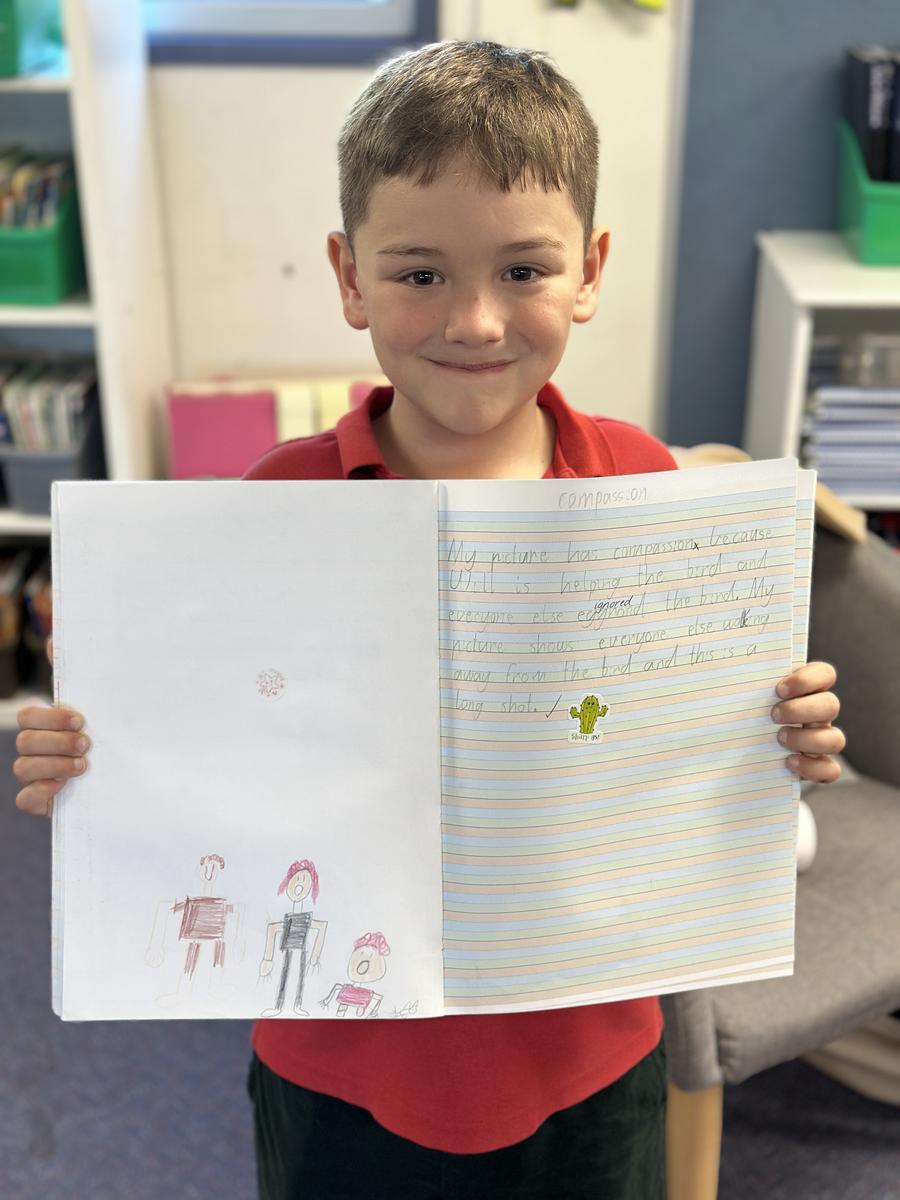
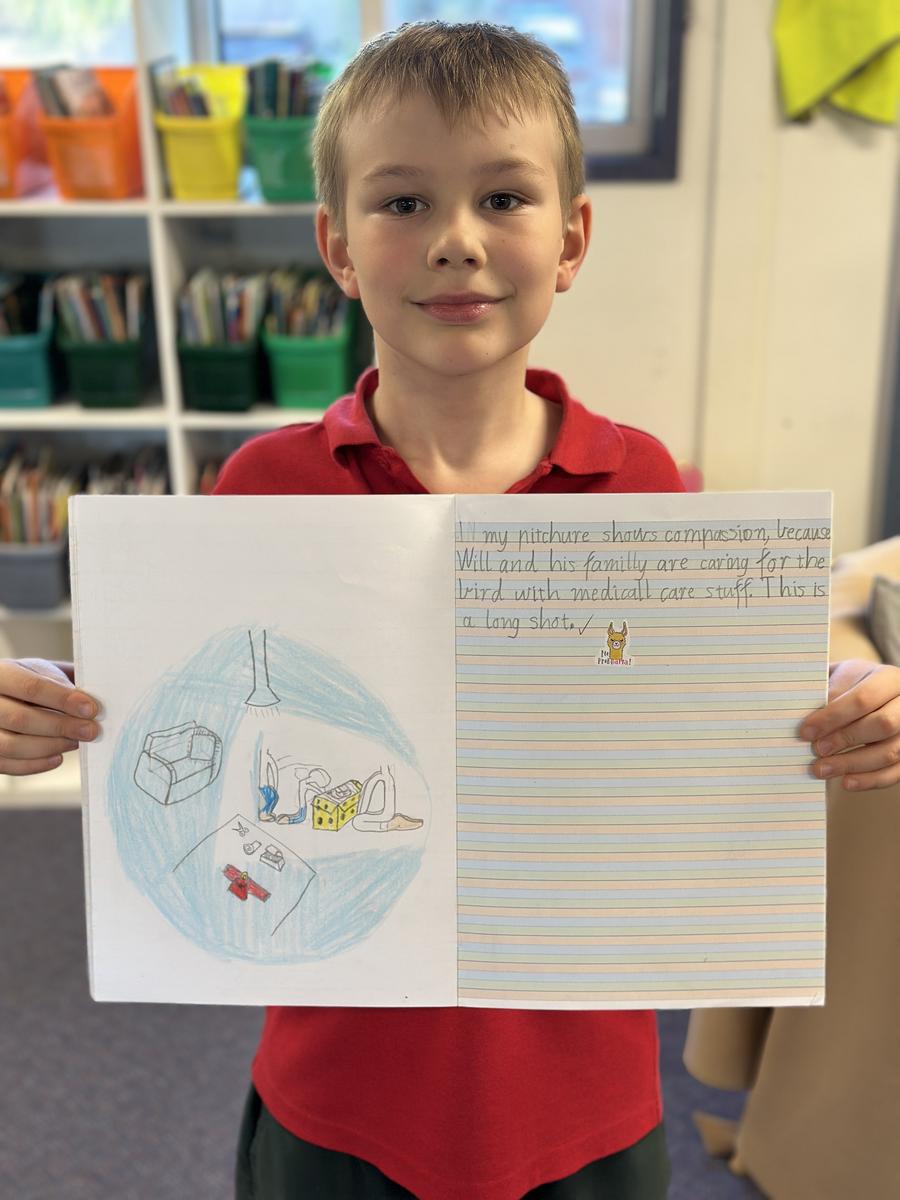
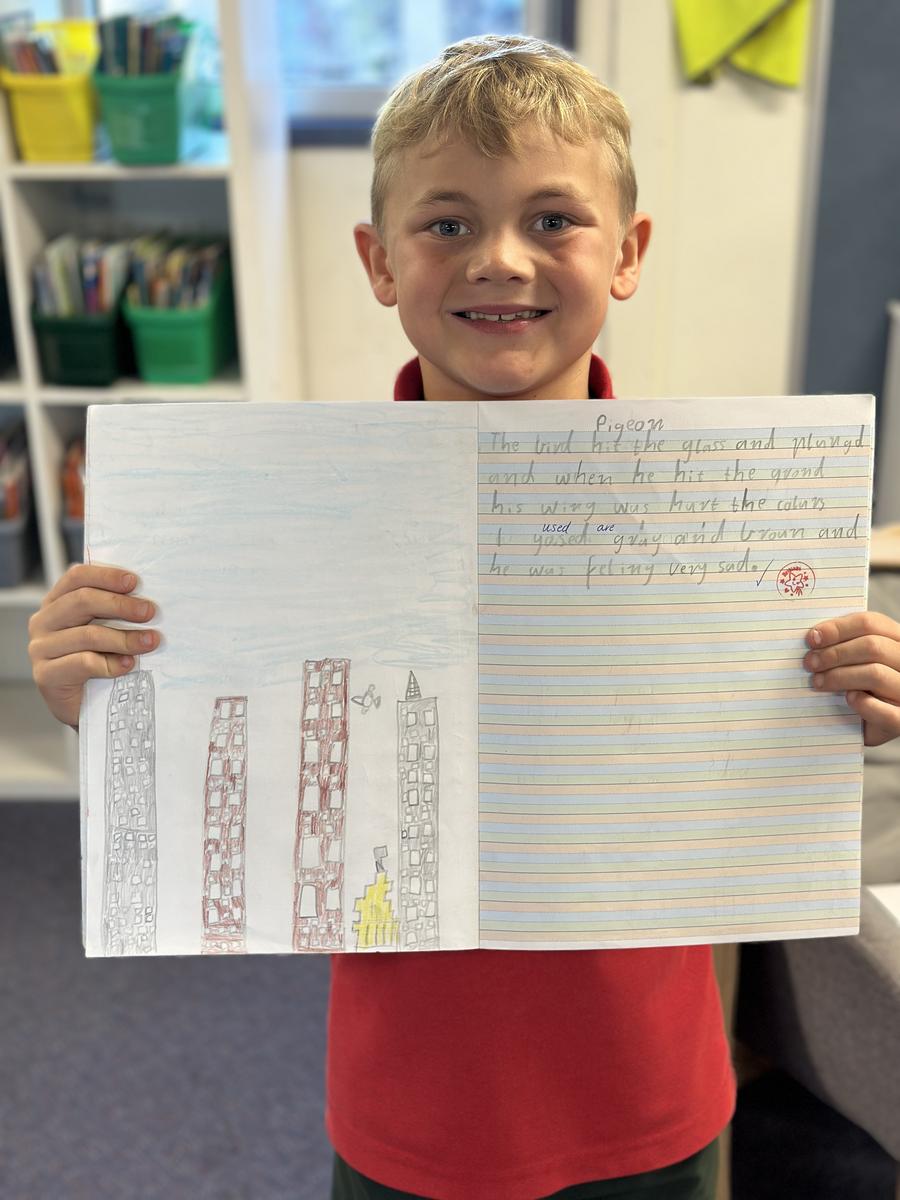
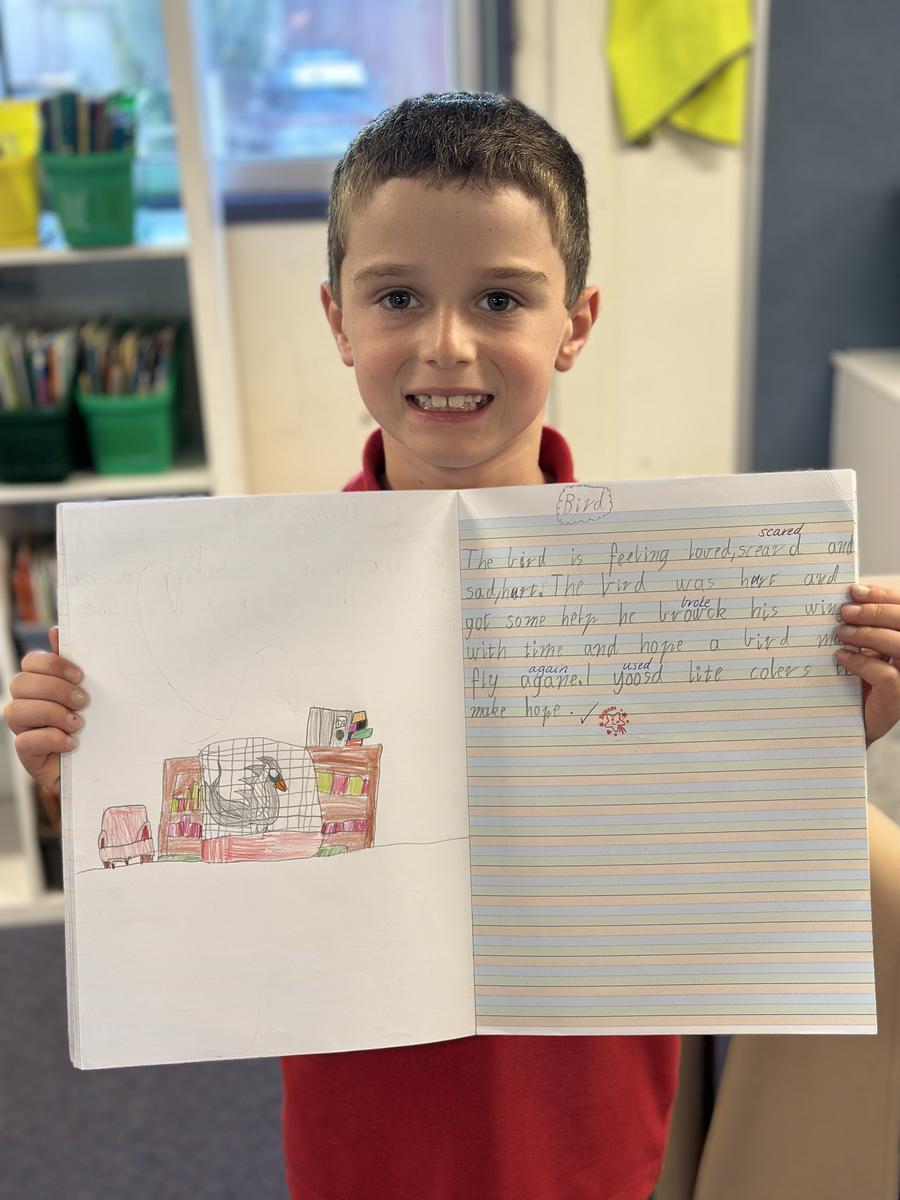
It has been wonderful to see students engaging so thoughtfully with the text and expressing their understanding in both words and images.
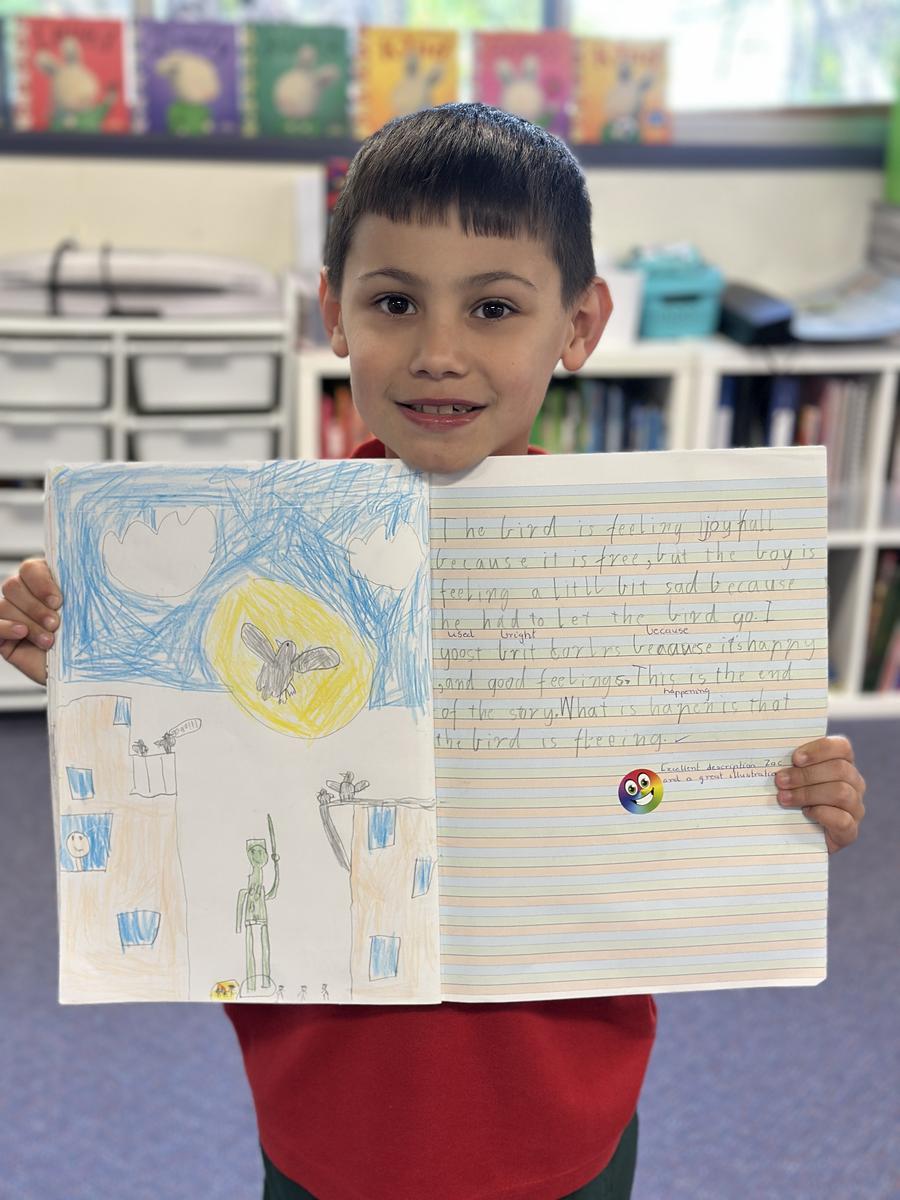
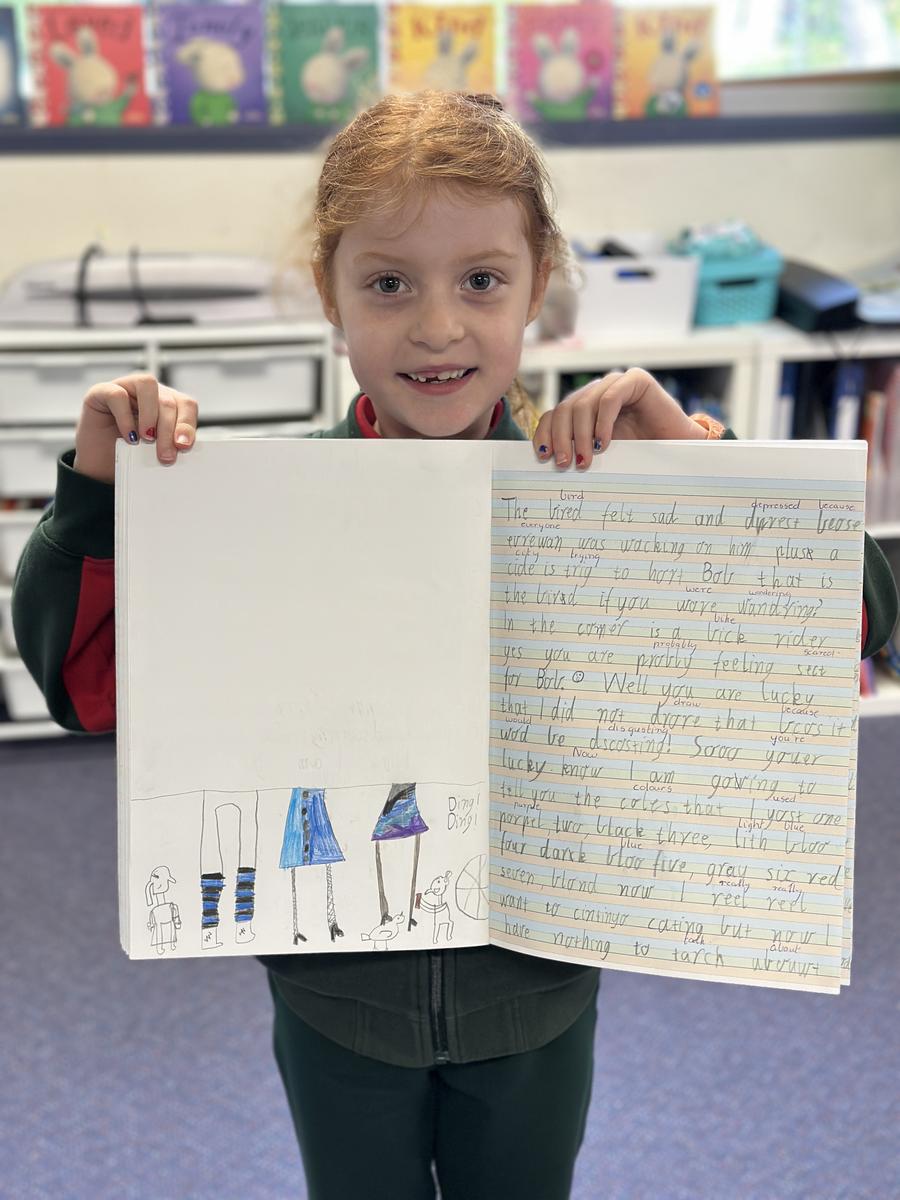
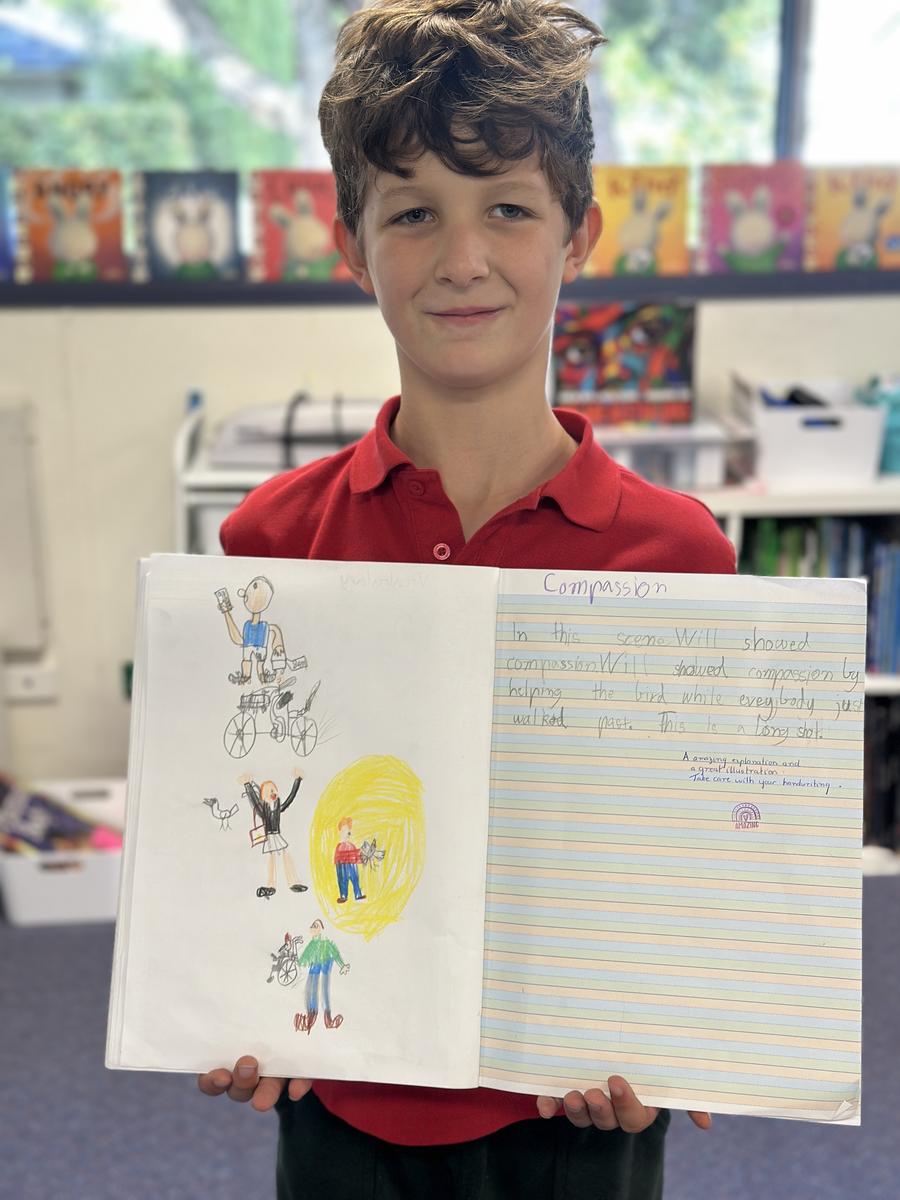
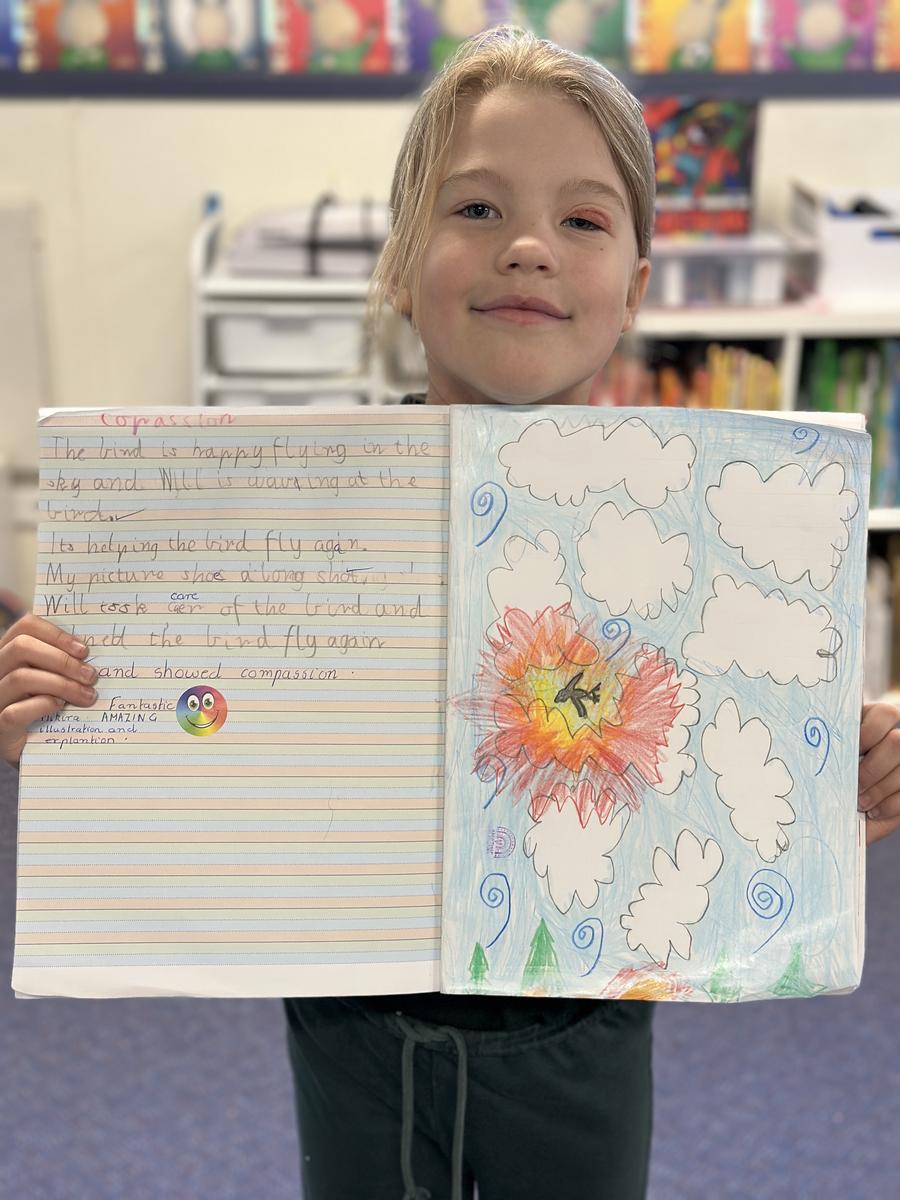
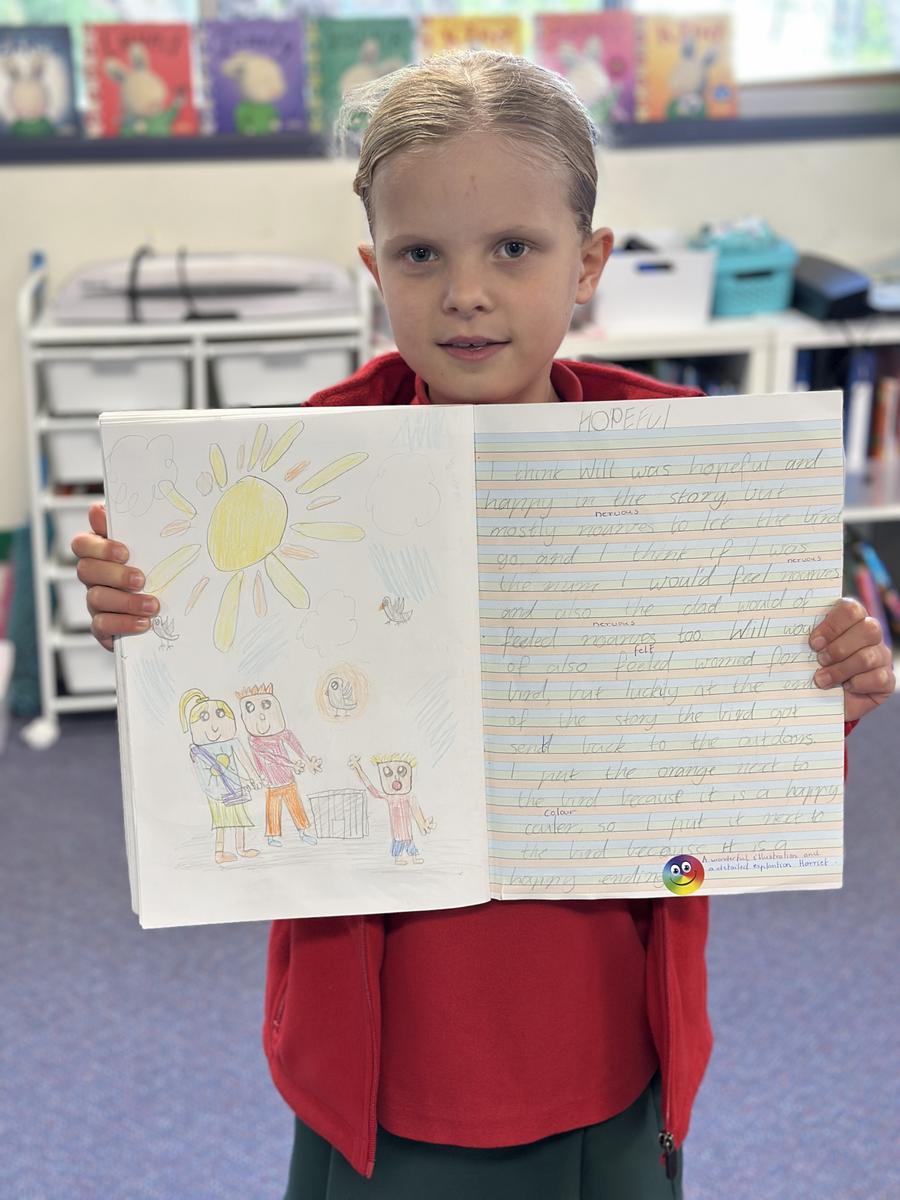
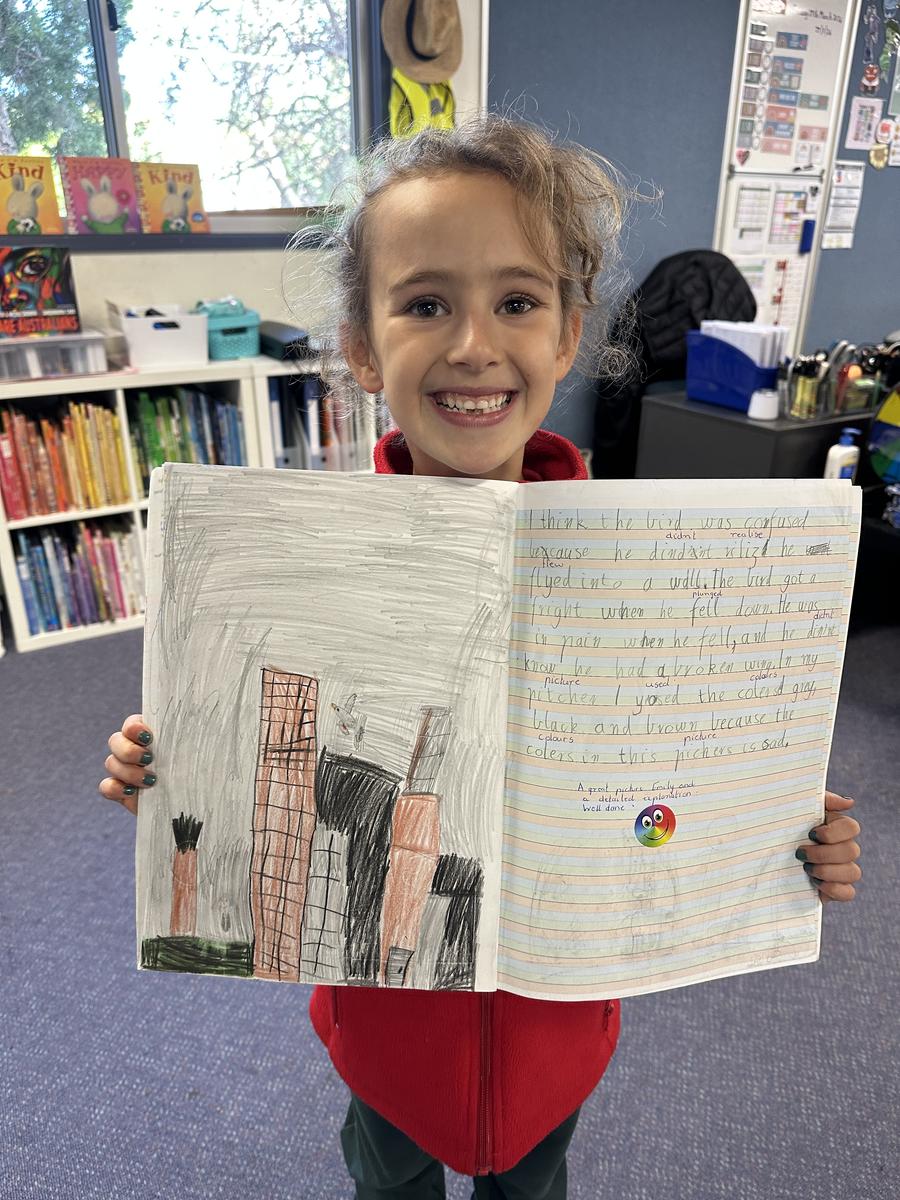
This term we our beginning our text study on two more Bob Graham books. The Concrete Garden and Jigsaw Puzzle in the Post. We will be exploring how images complement a story, identifying how the layout of images enhances the events in a narrative and using images as a means to develop a plot timeline.
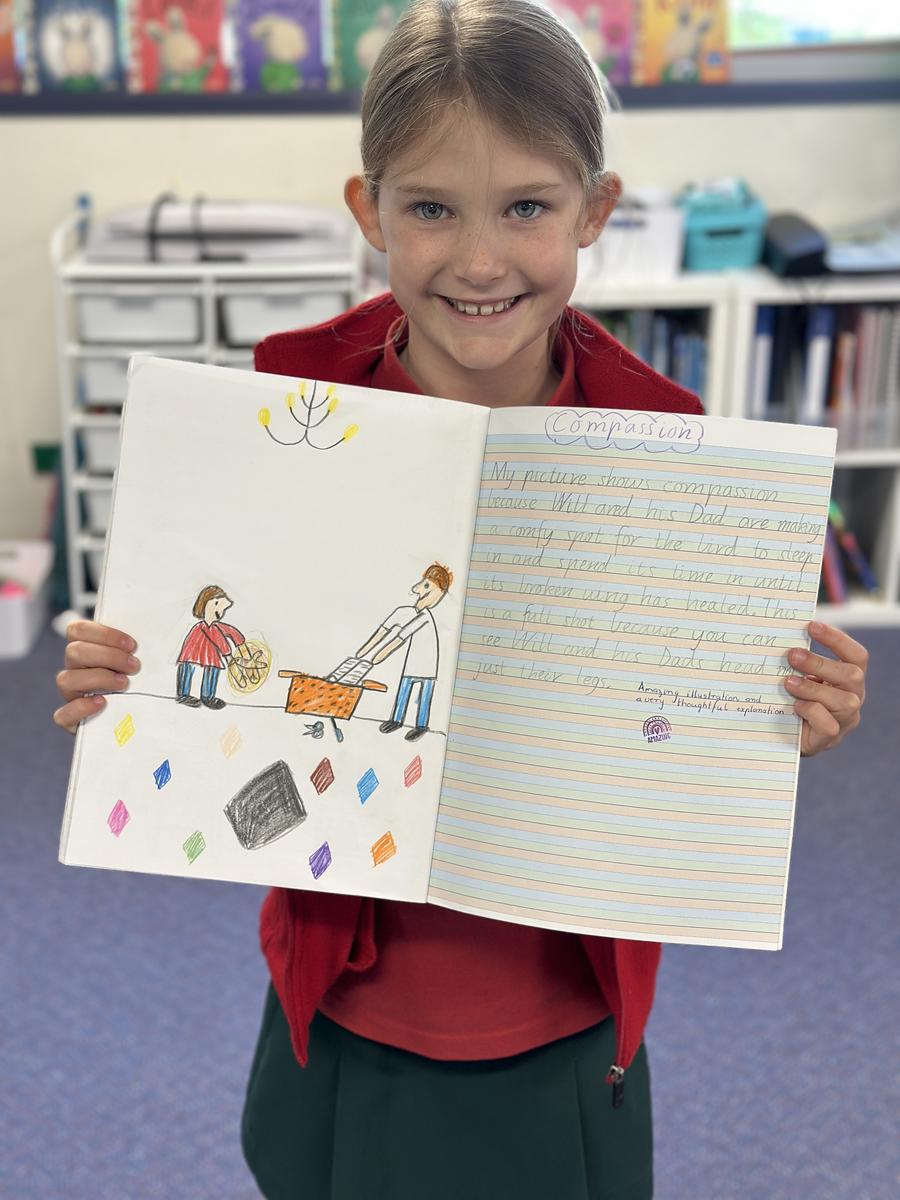
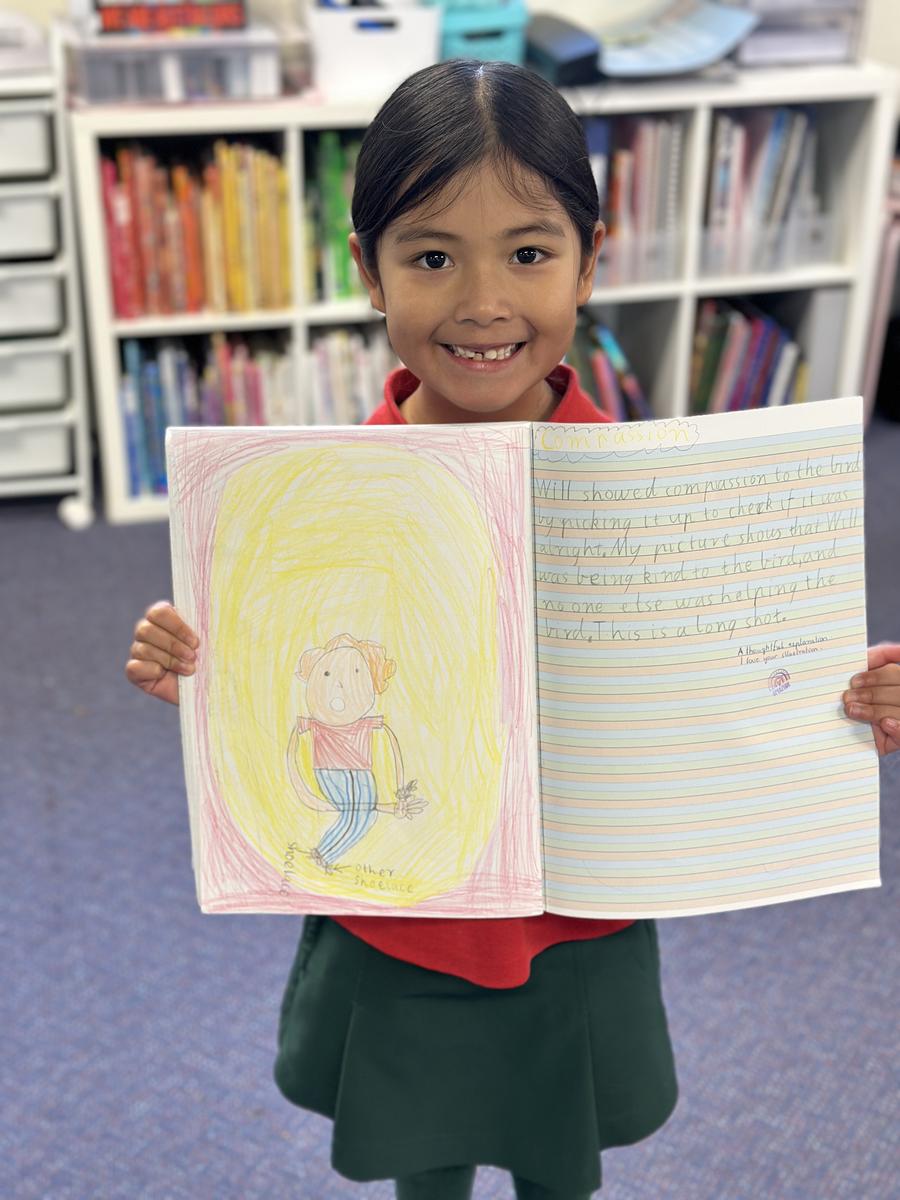
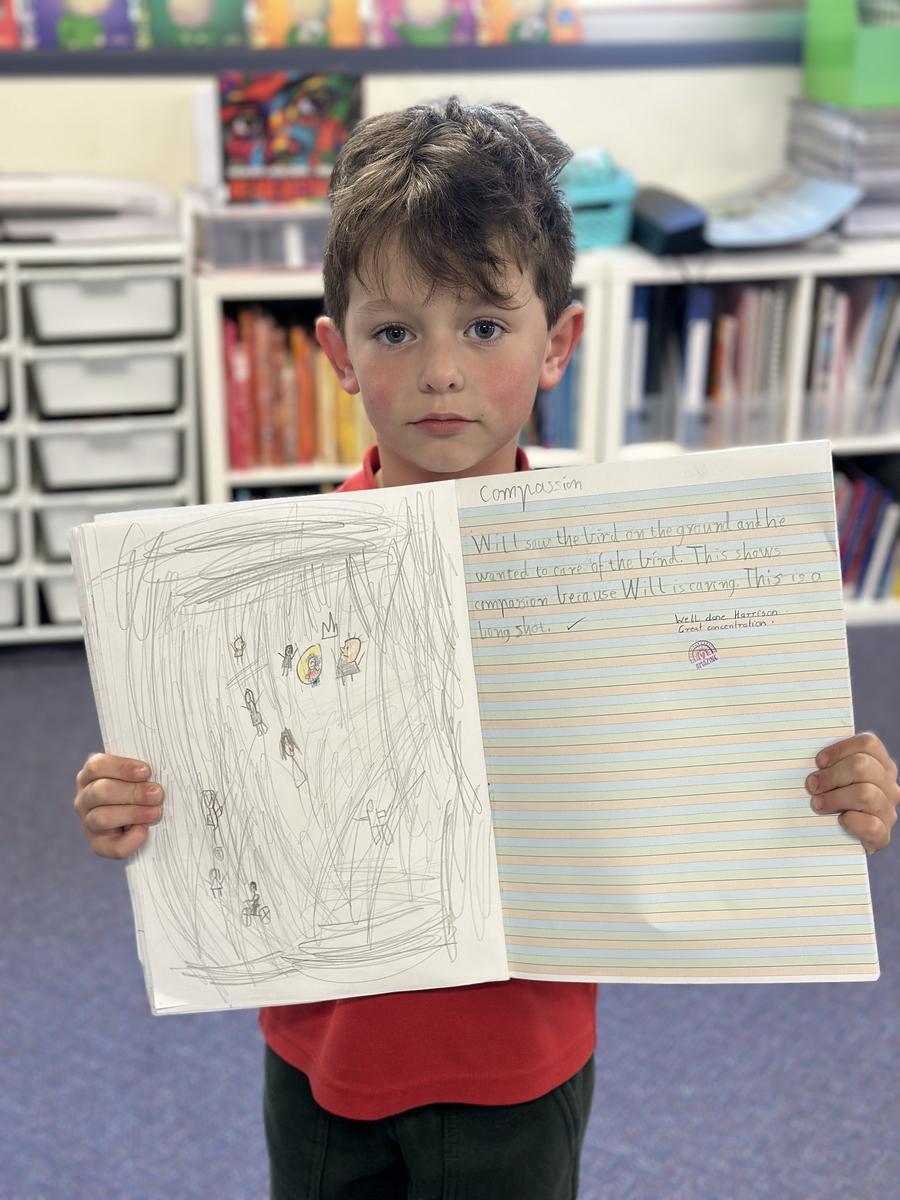
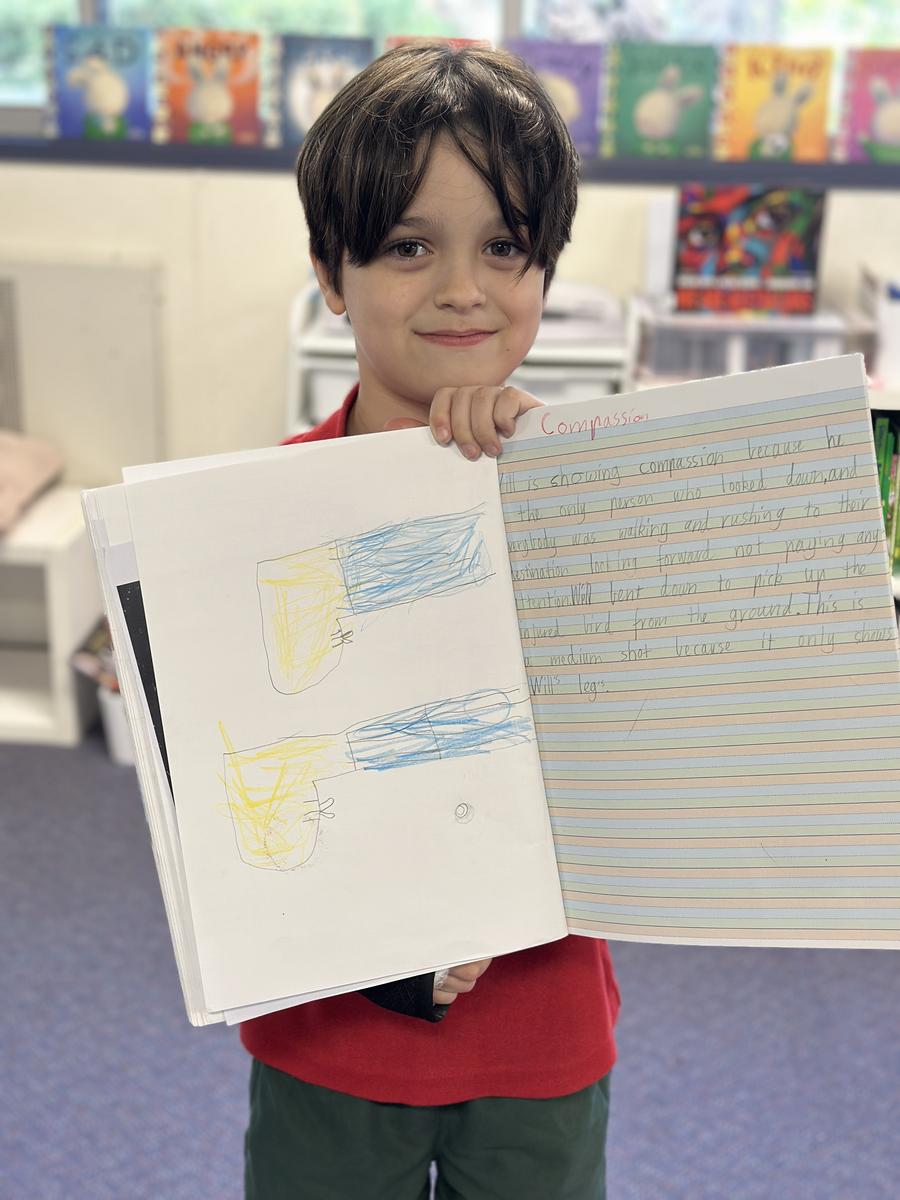
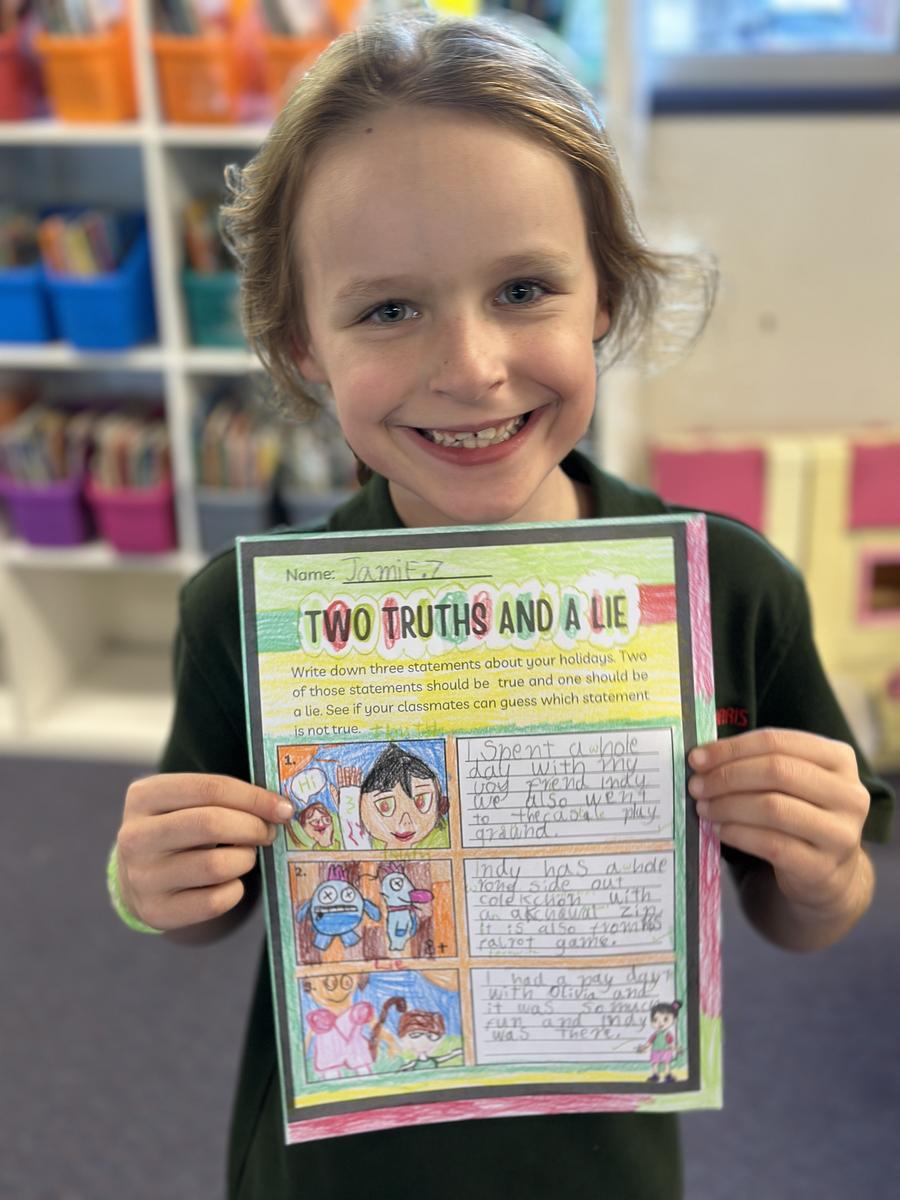
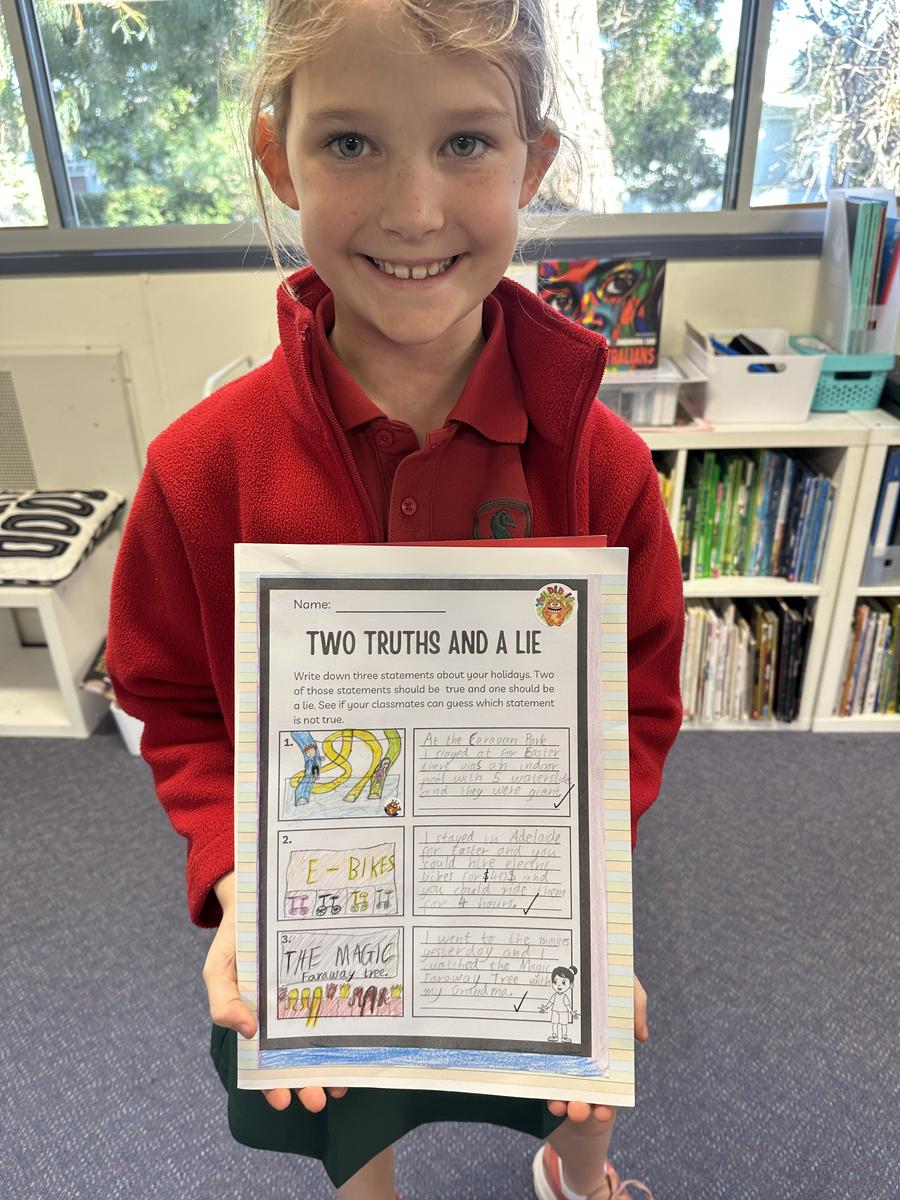
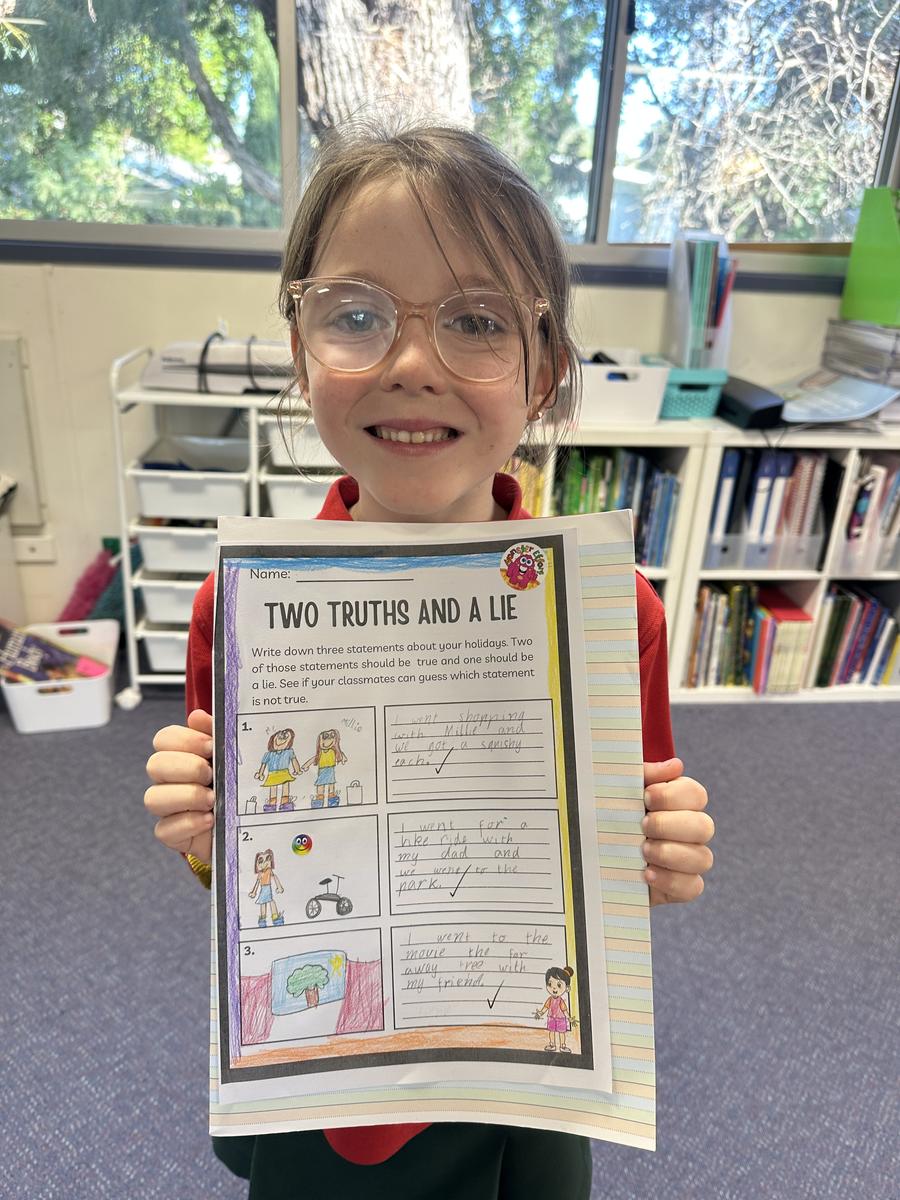
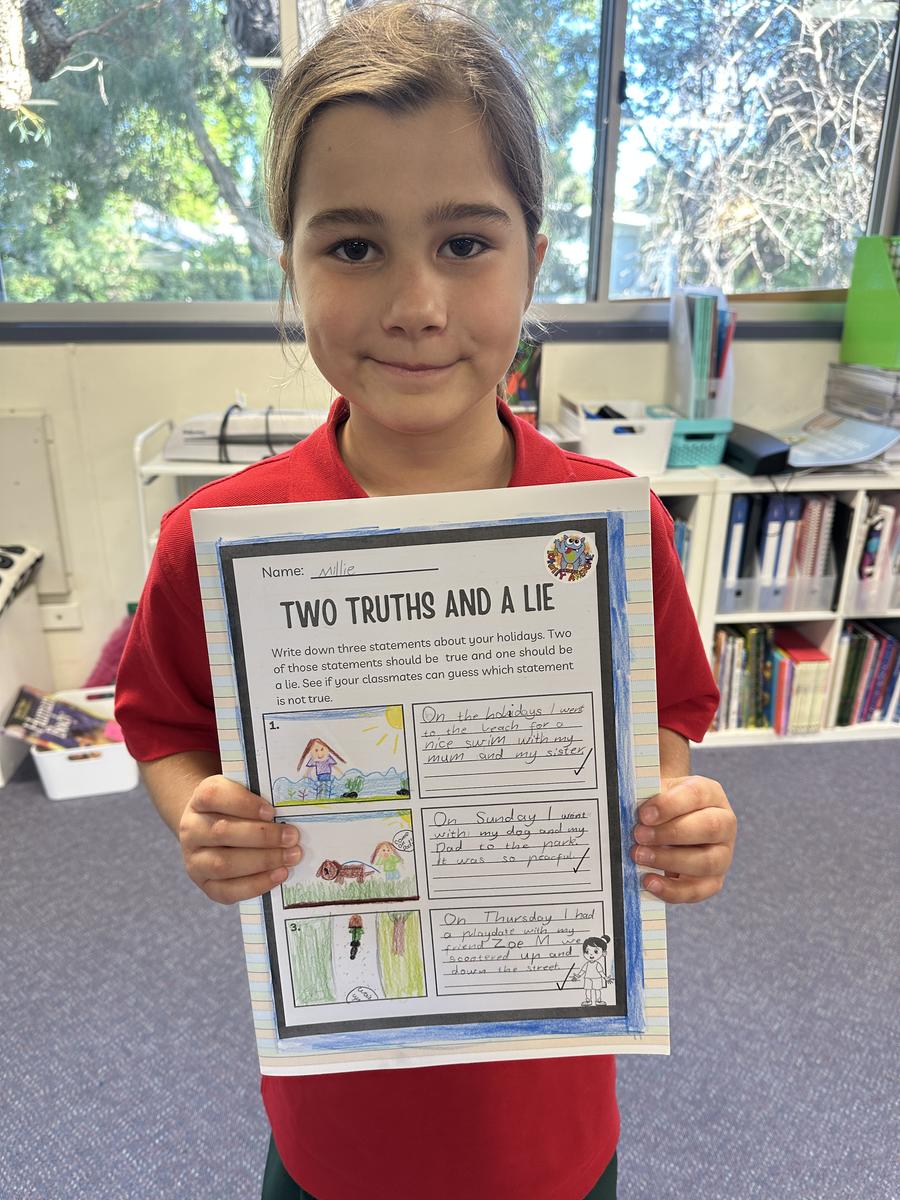
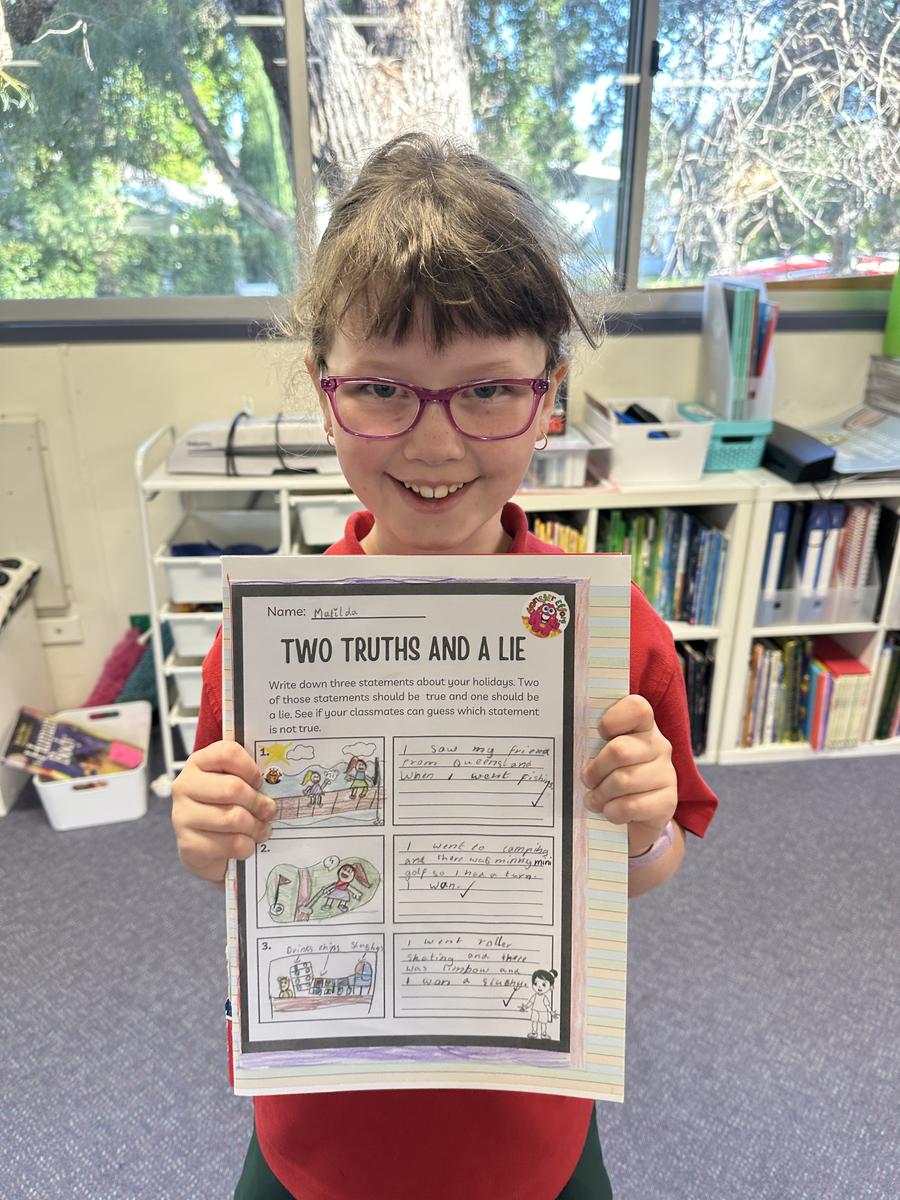
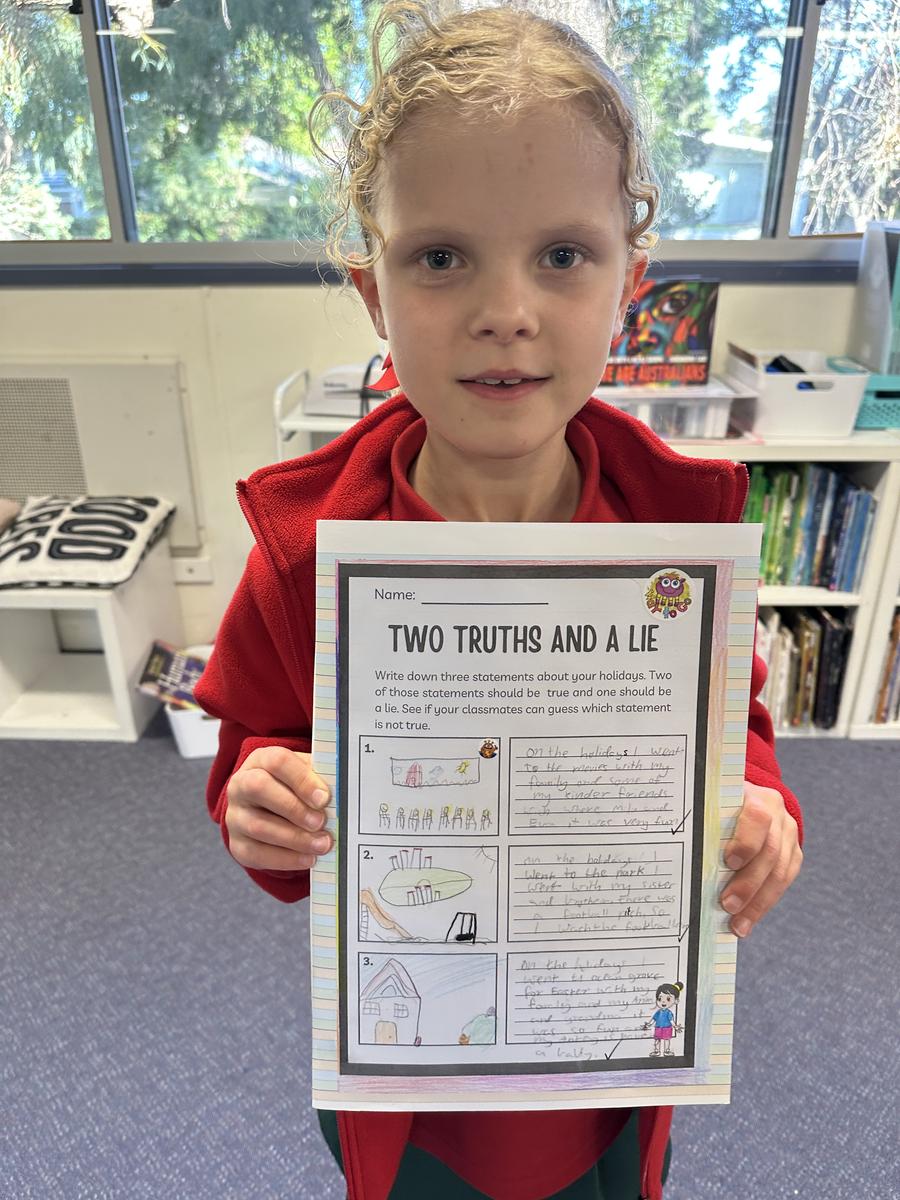
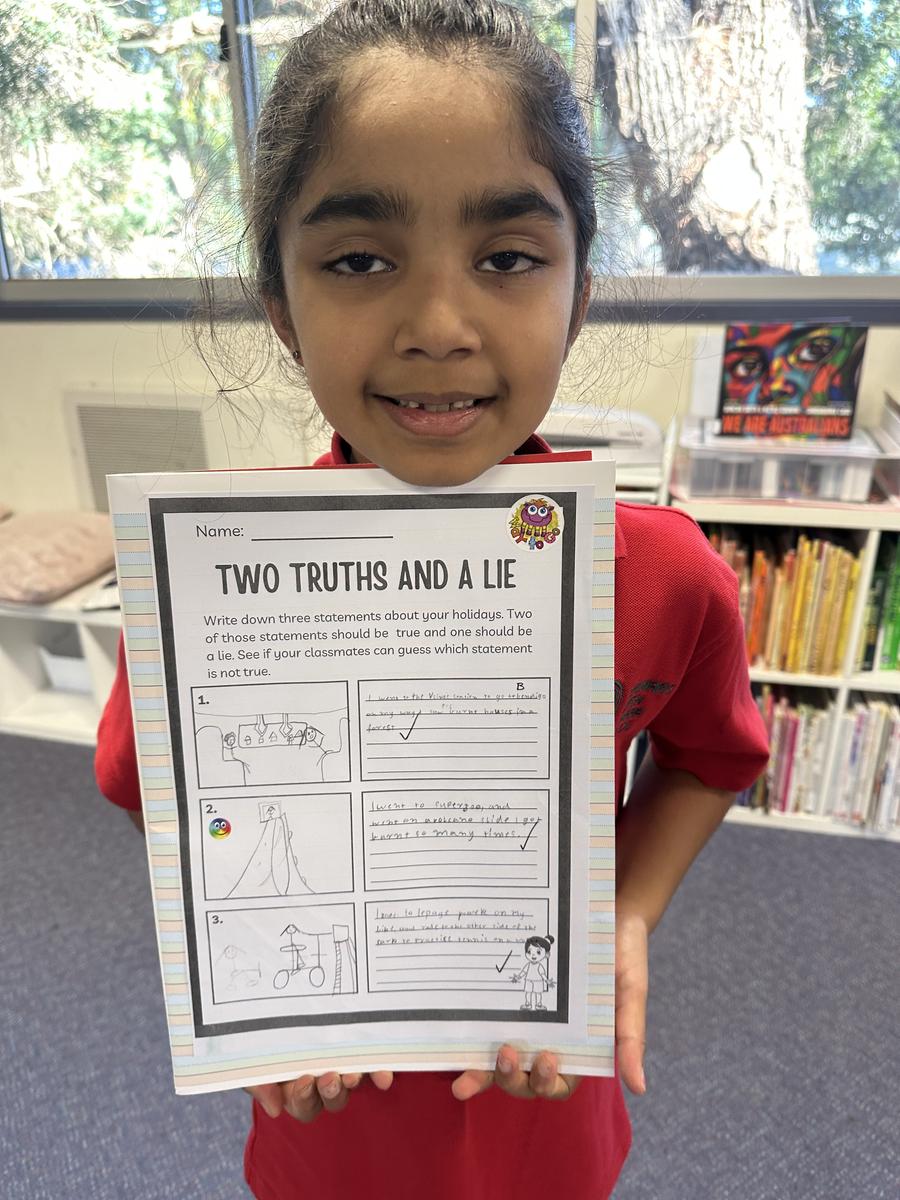
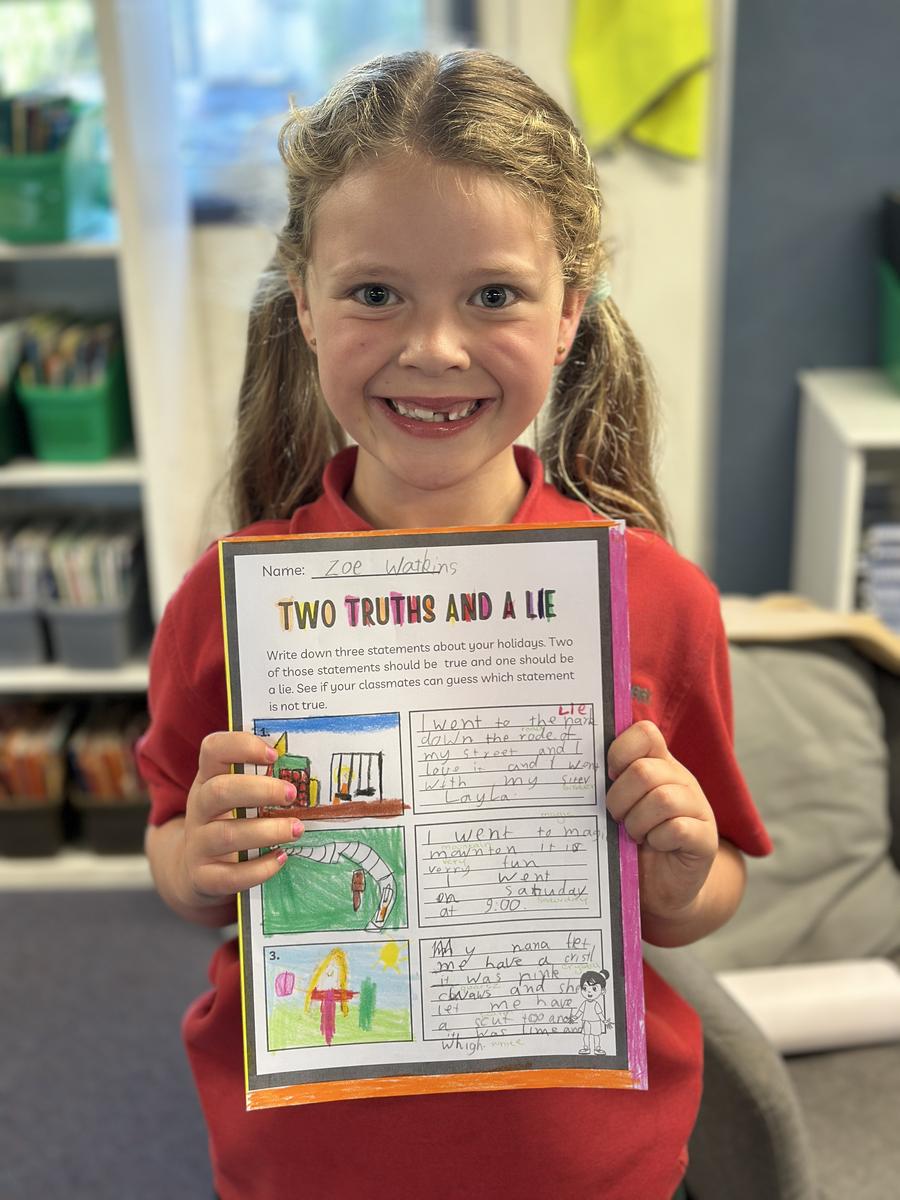
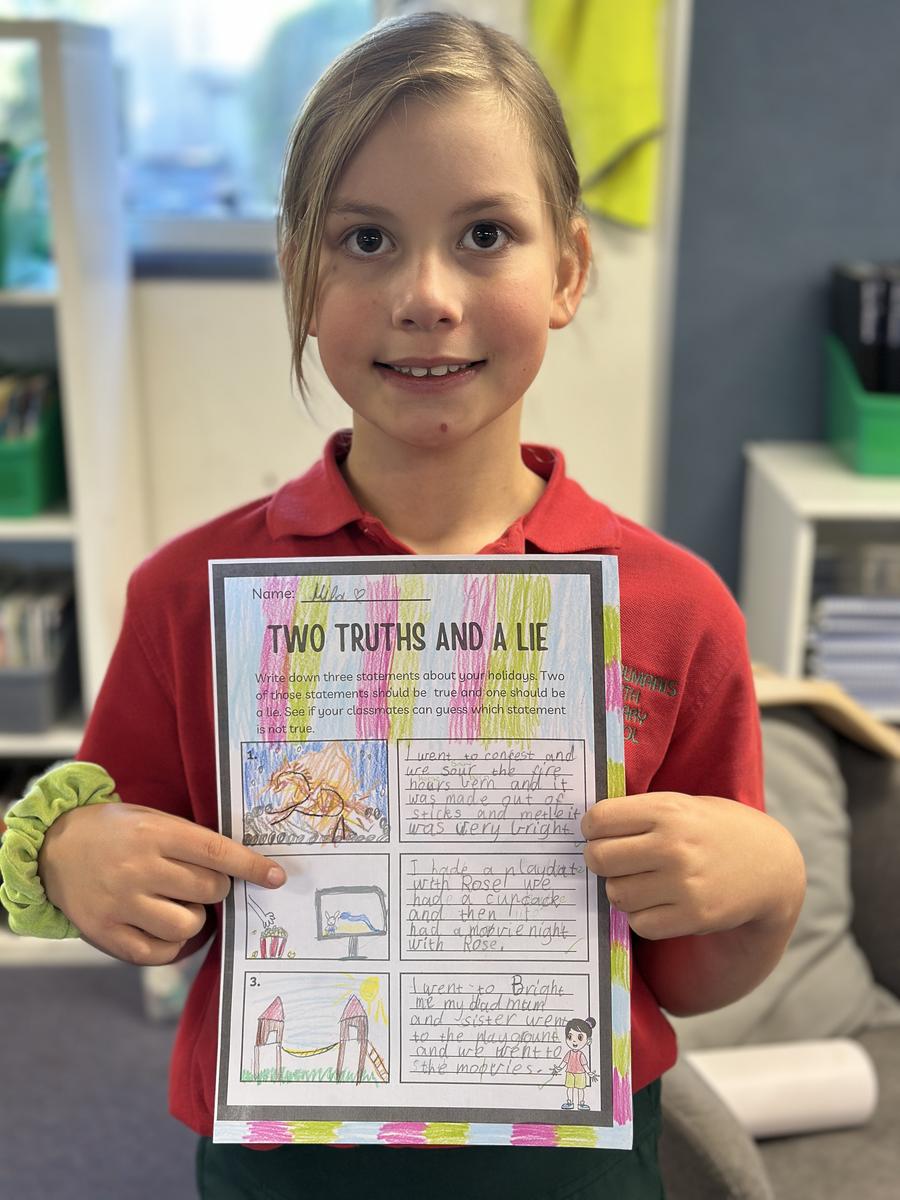
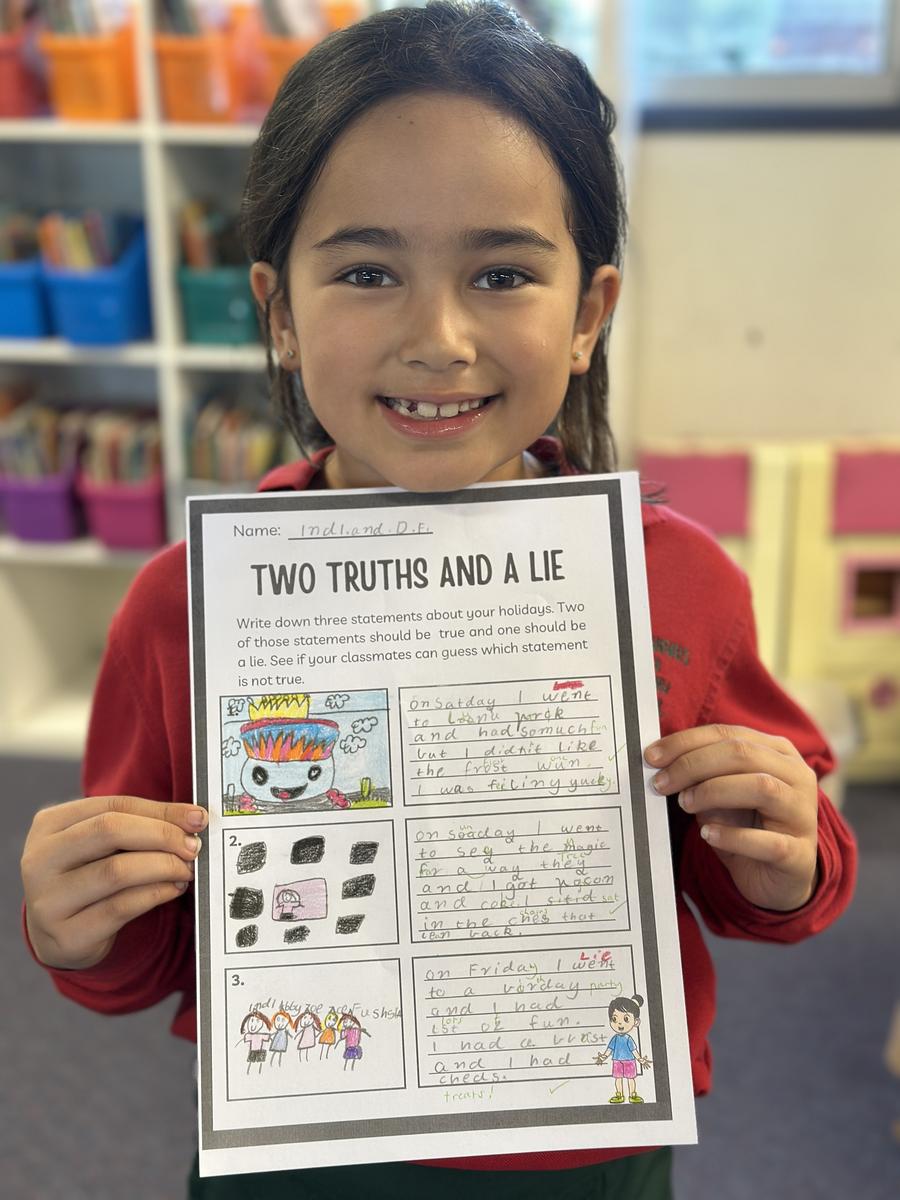
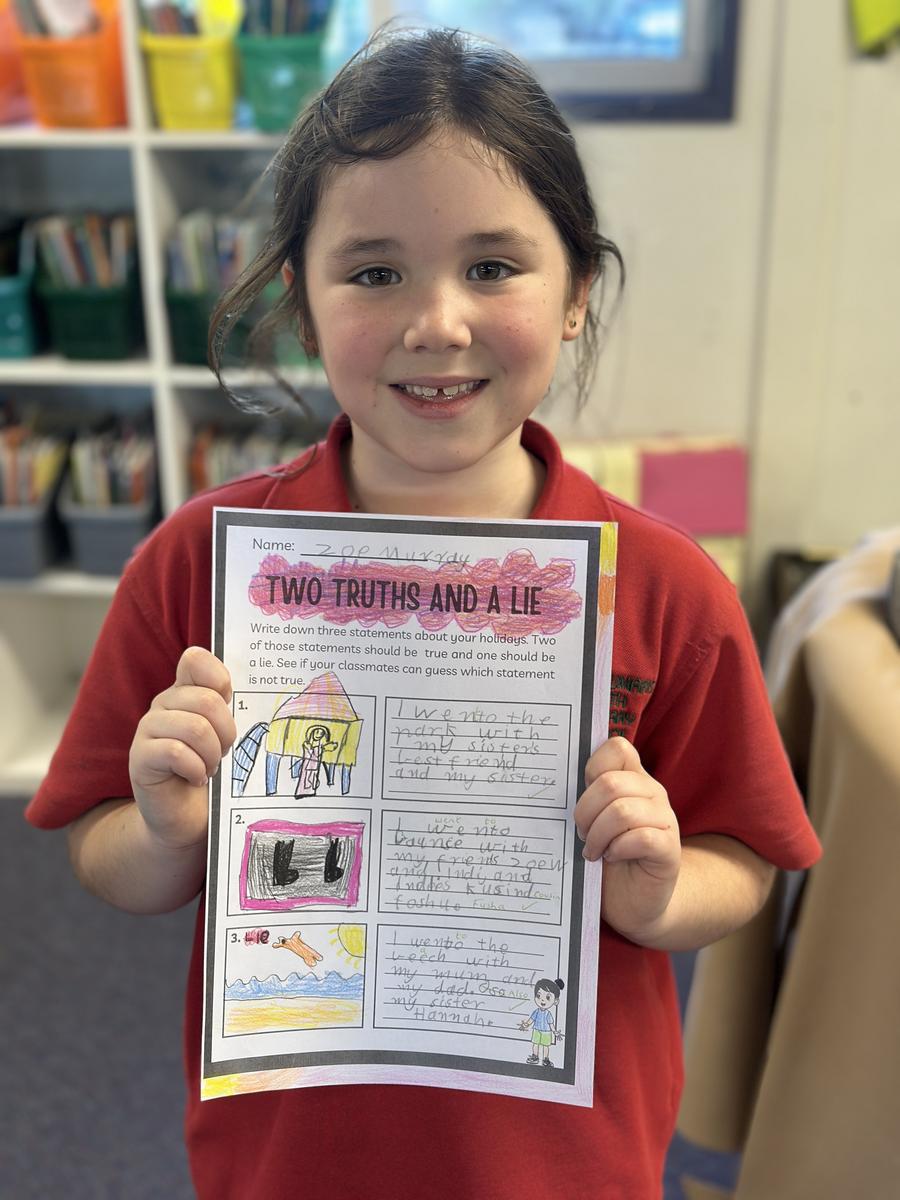
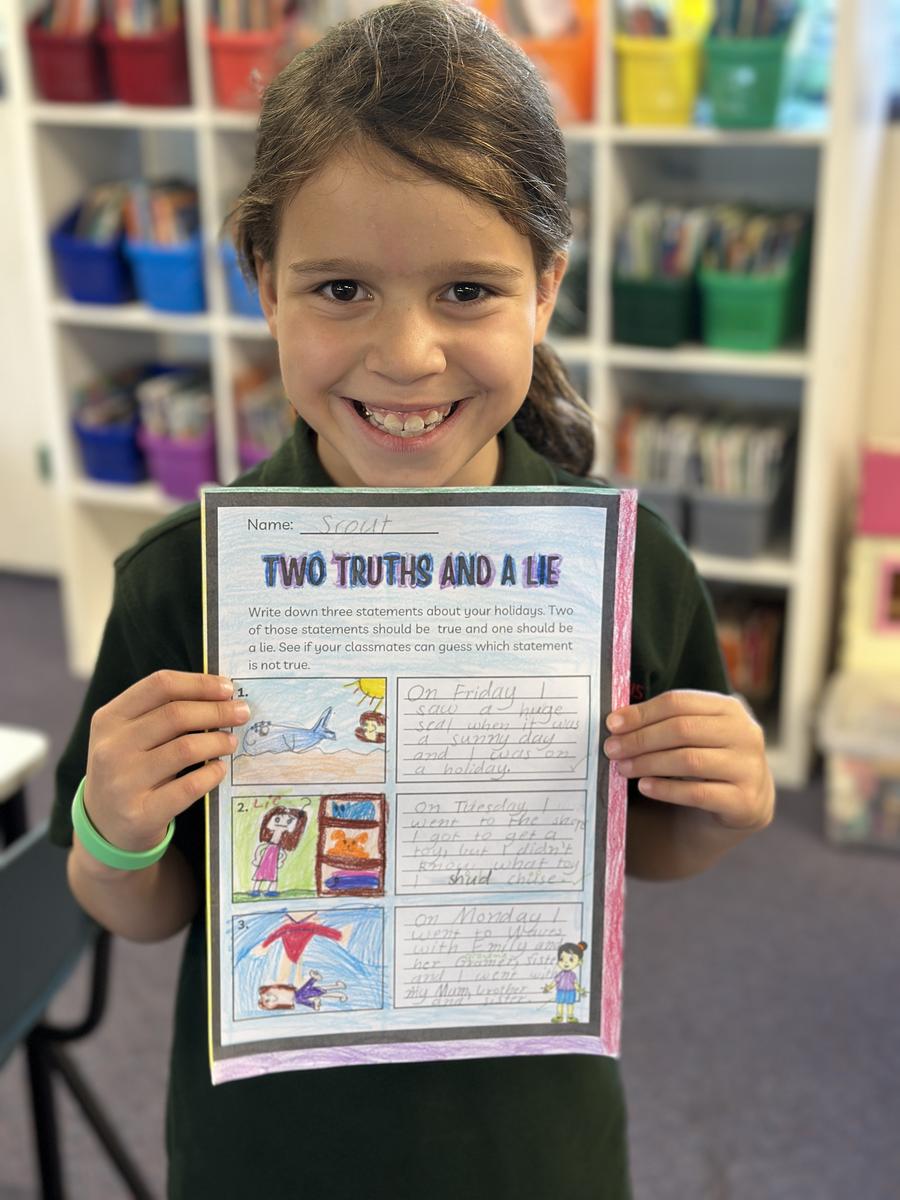
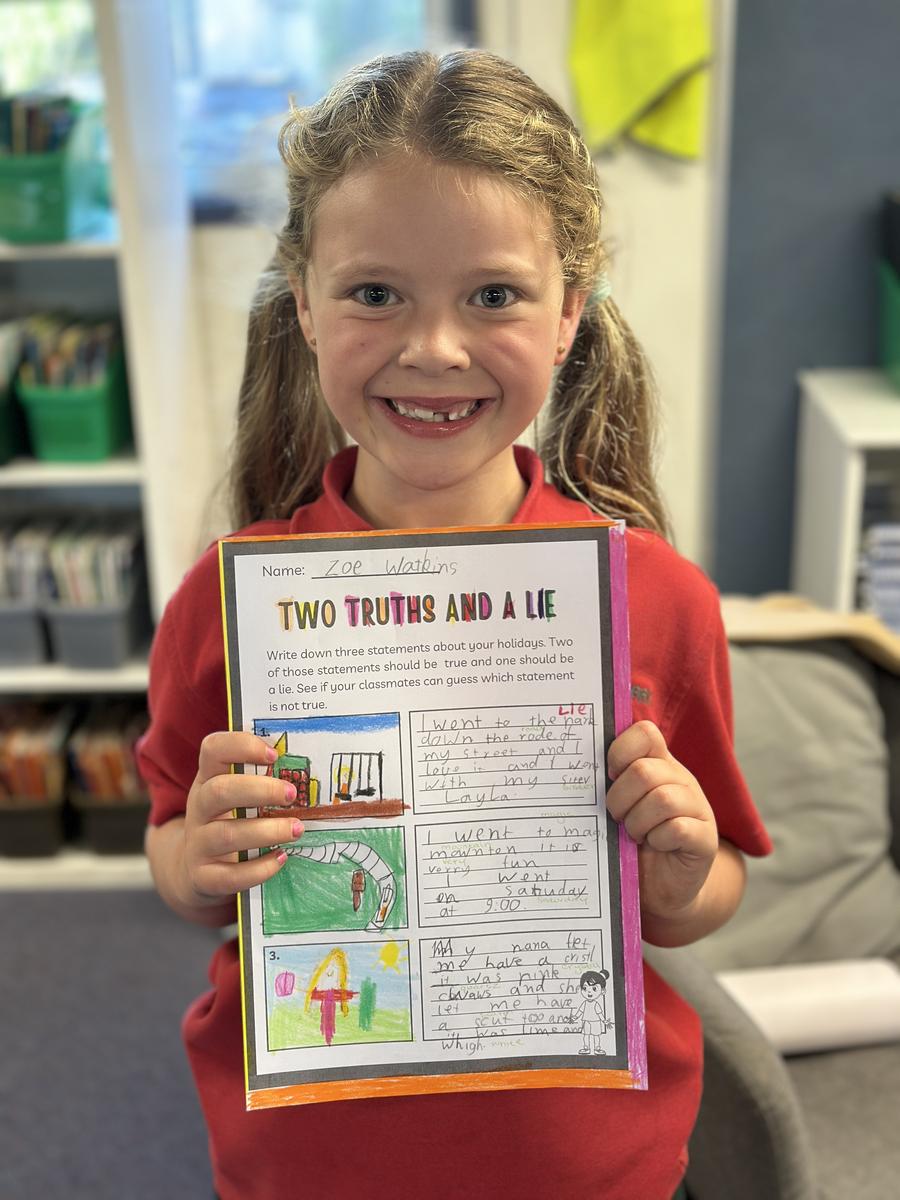
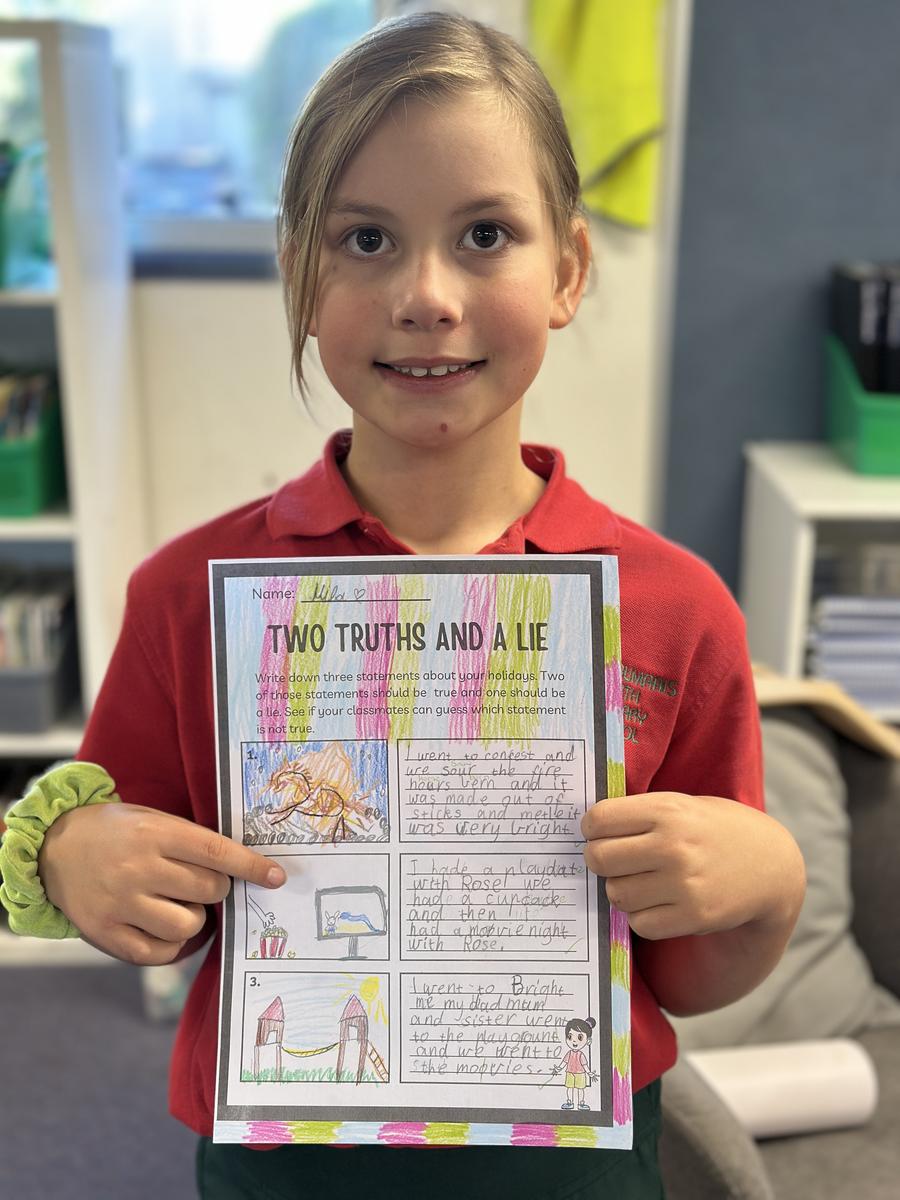
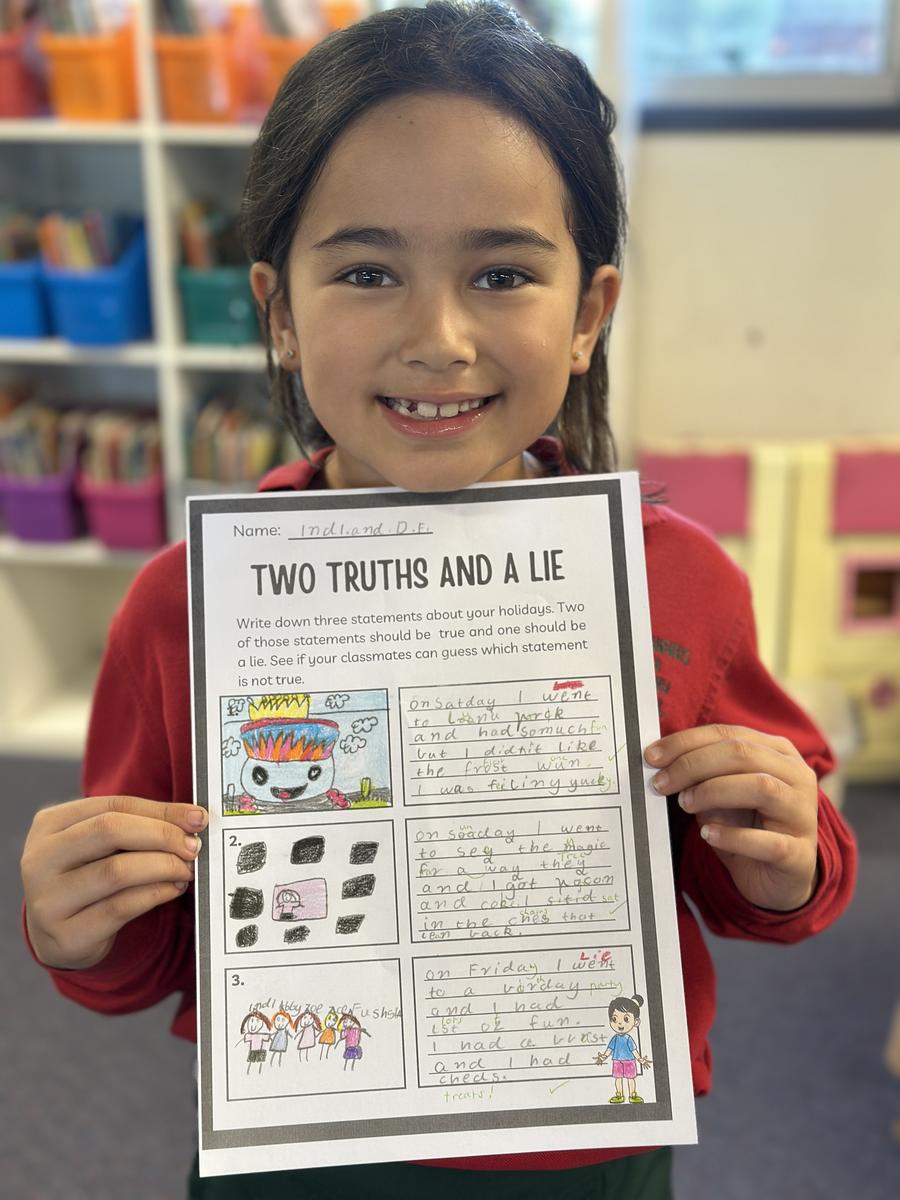
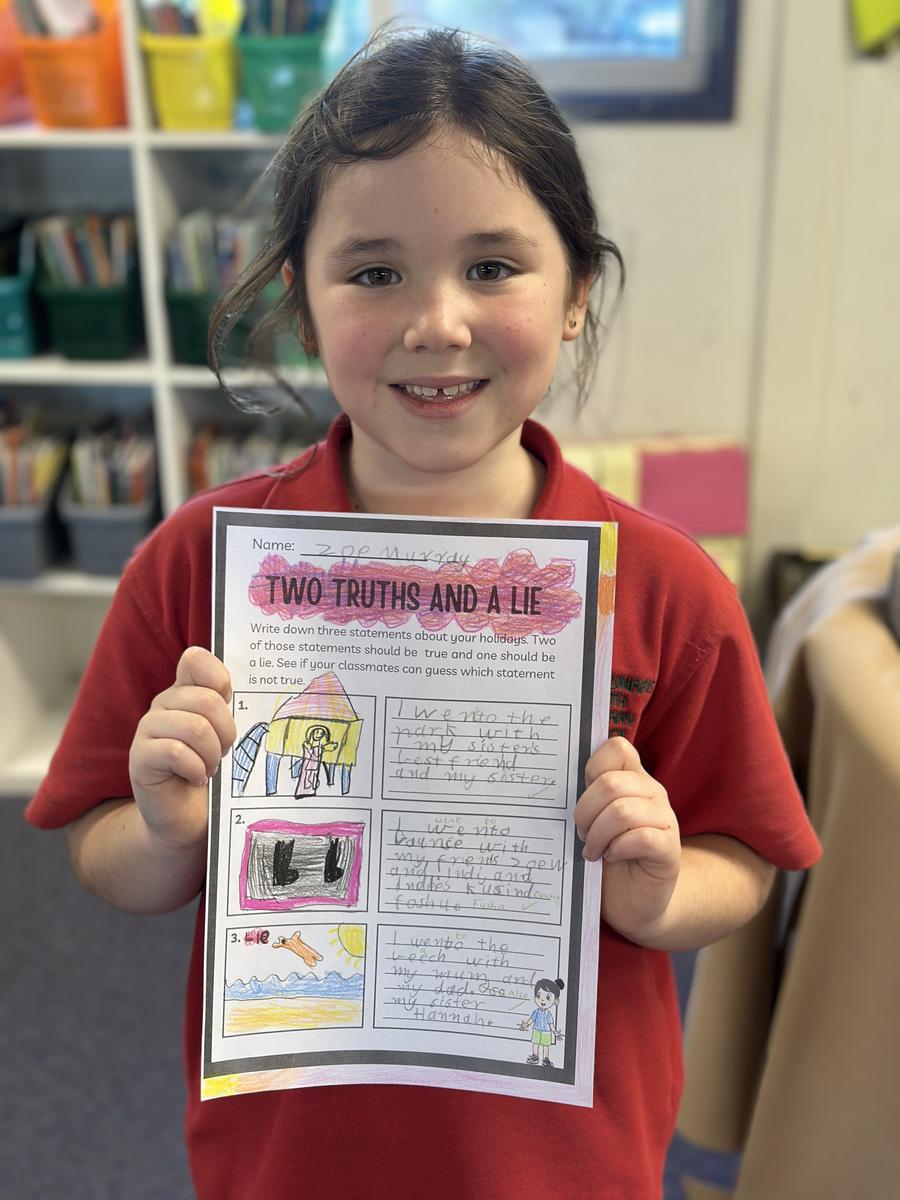
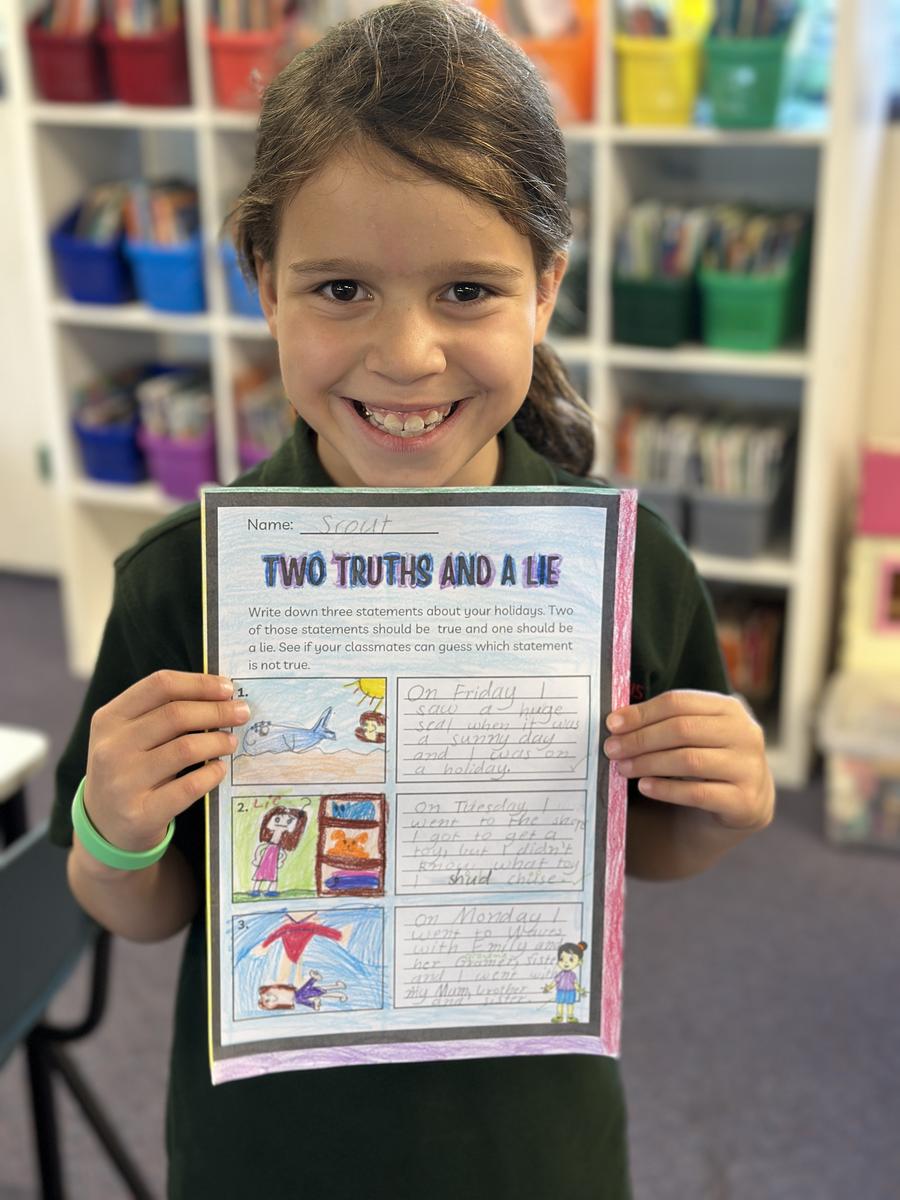
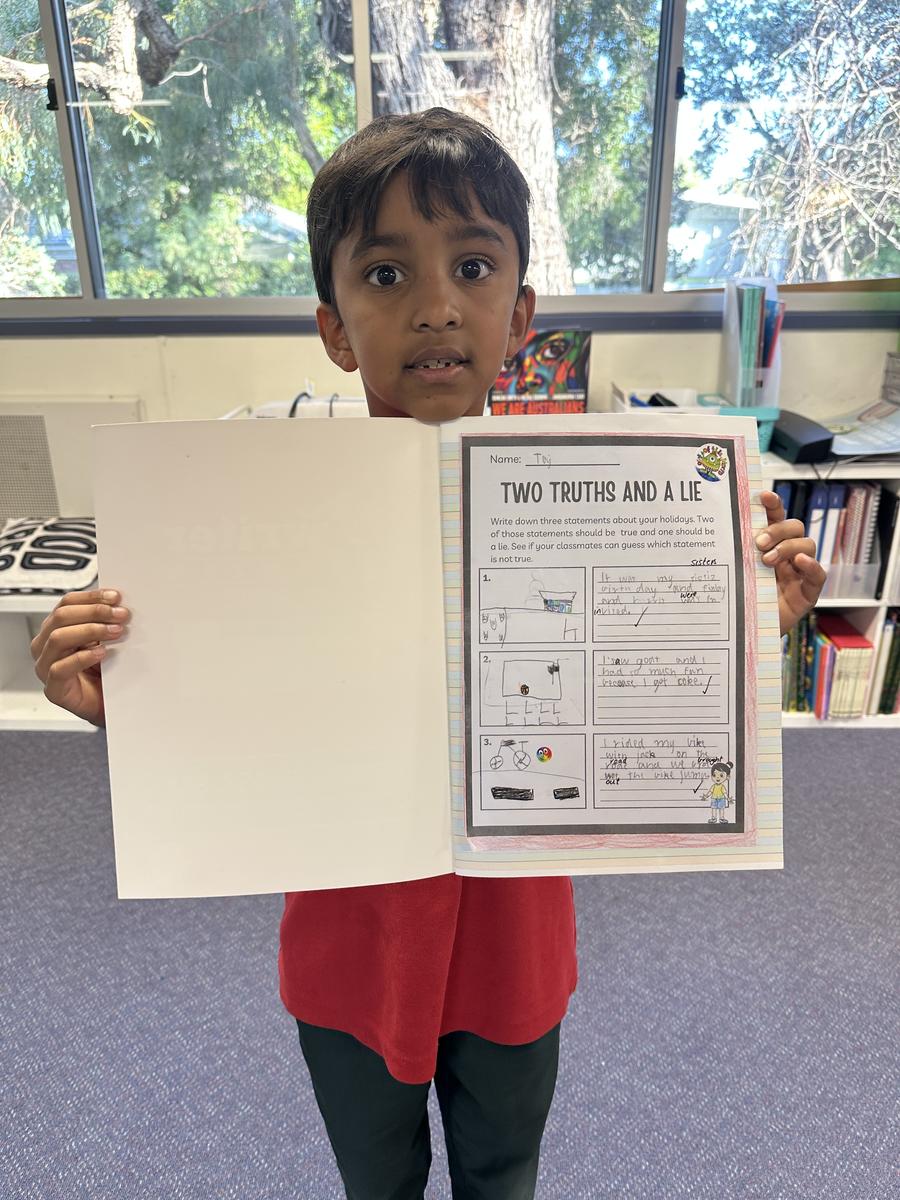
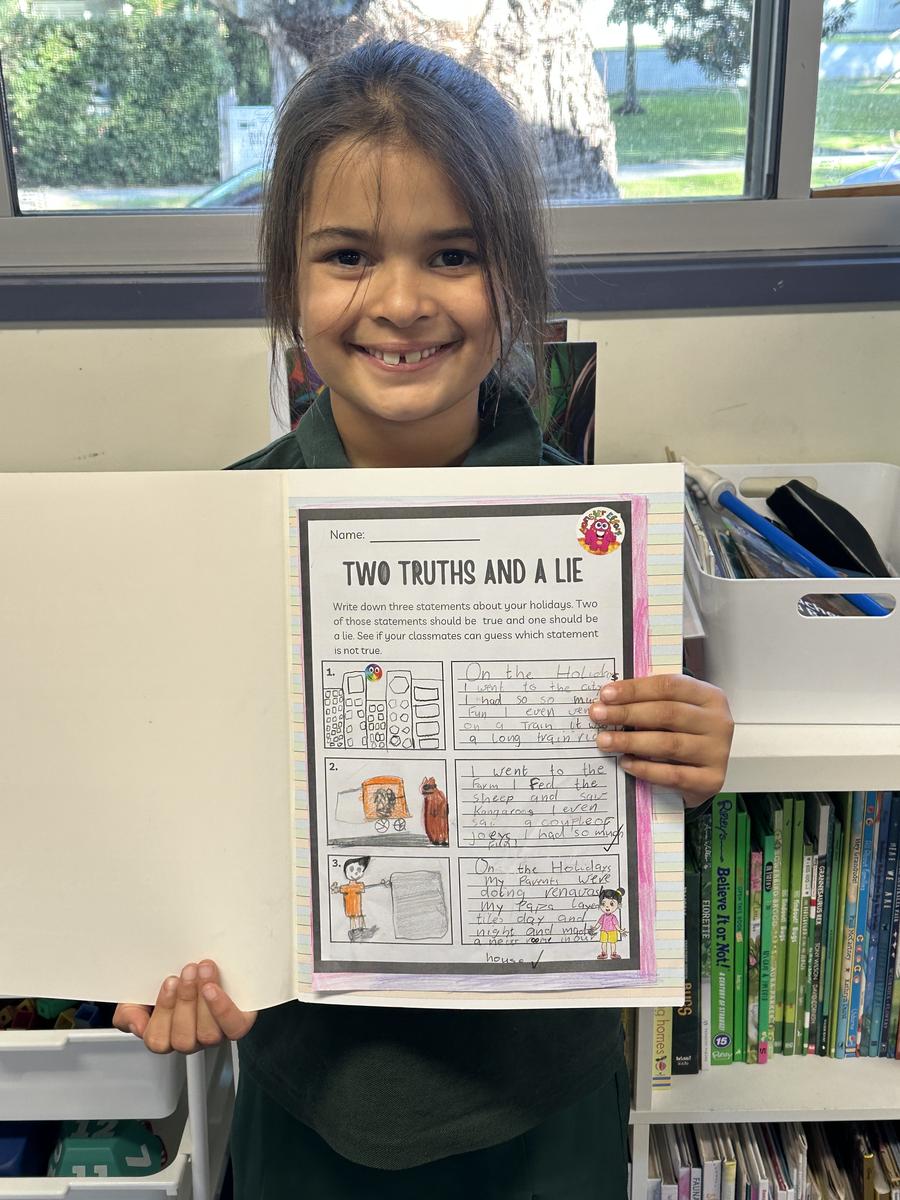
In week 1 the students began with a writing activity called Two Truths and a Lie. They had to write about two activities they did on the holidays and make up another activity. It was an engaging and entertaining activity. The teacher certainly had a challenging time guessing the lie.
Unit of Inquiry
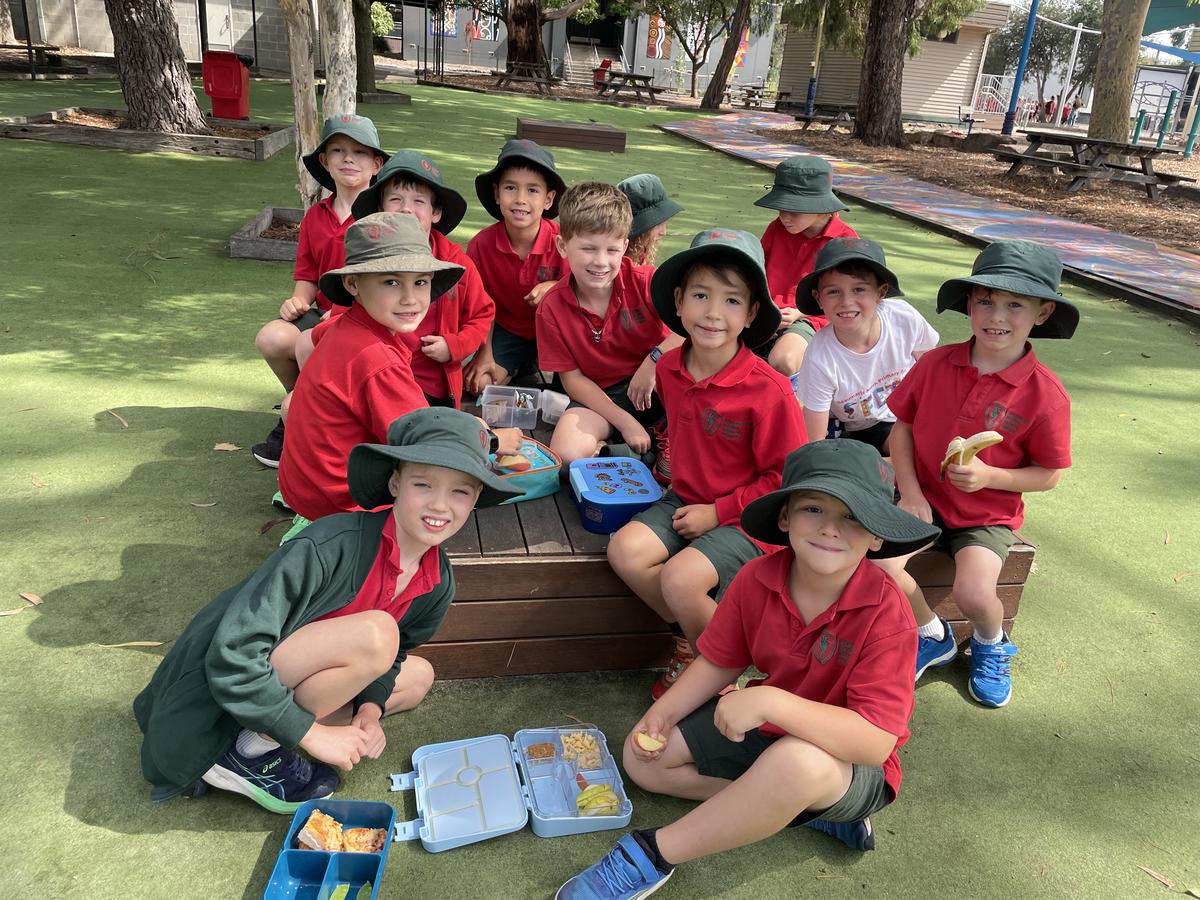
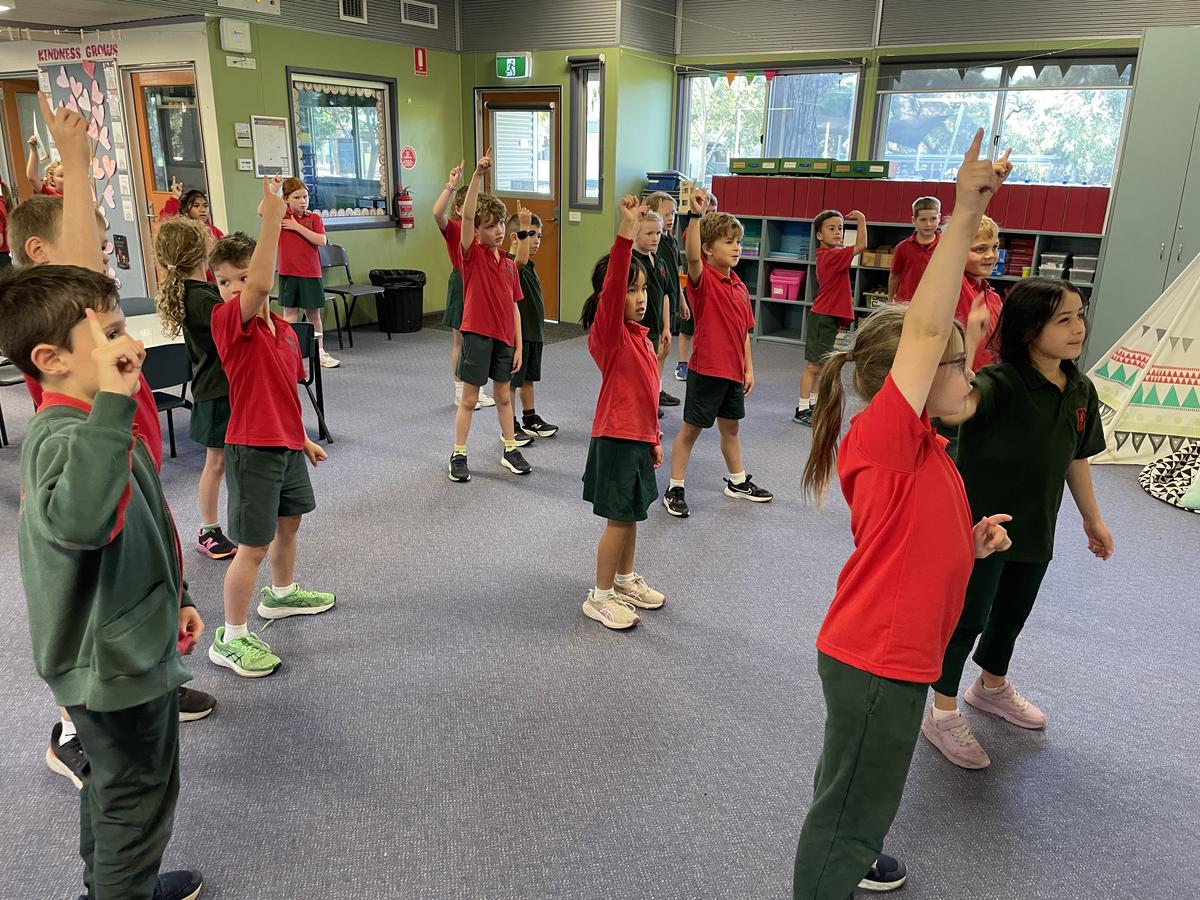
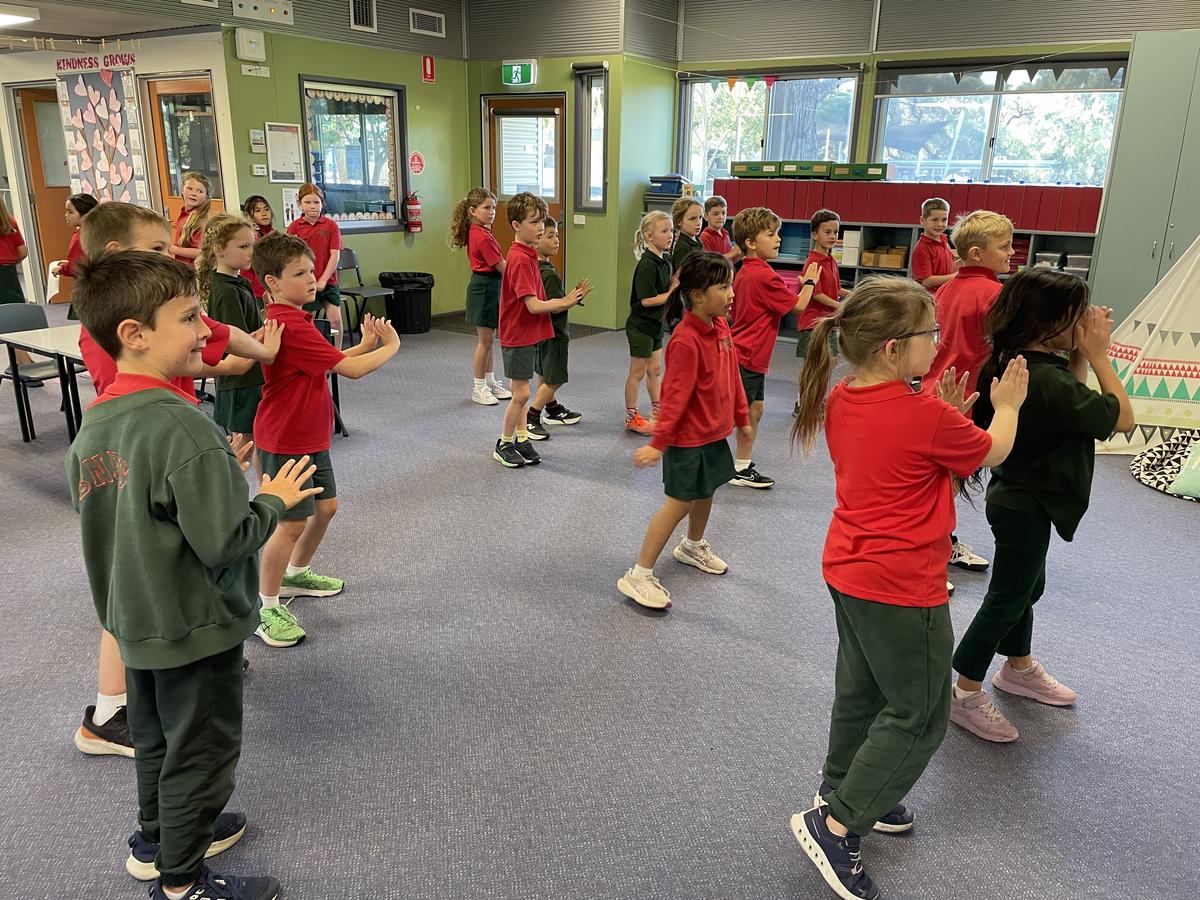
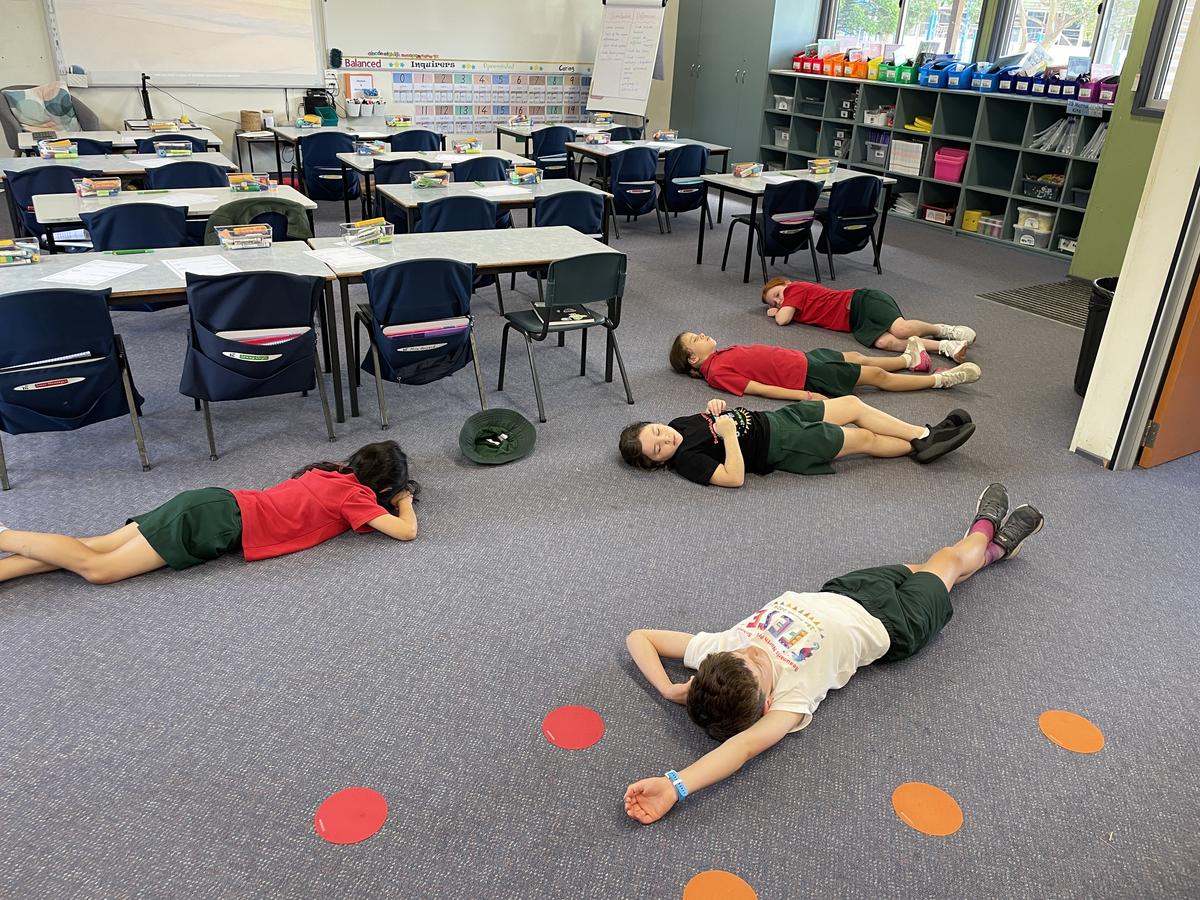
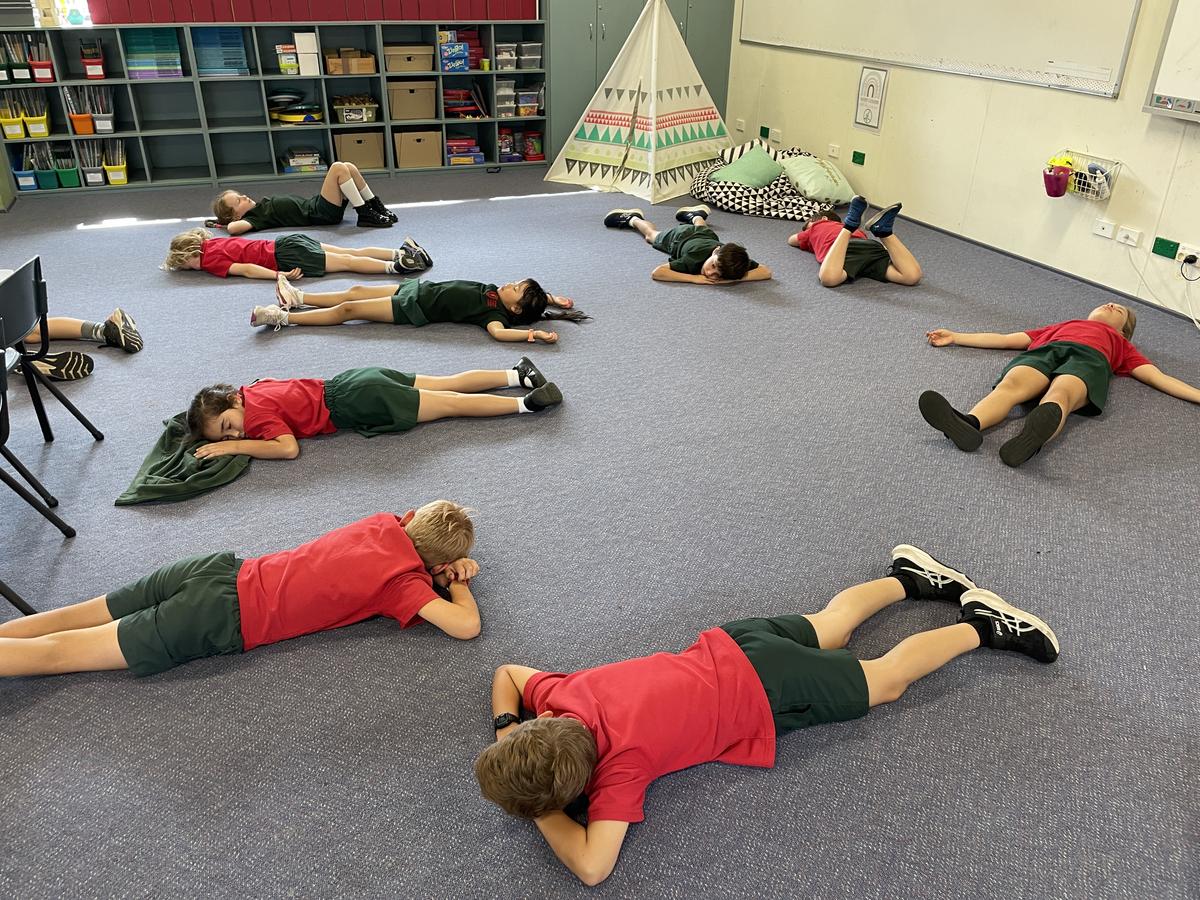
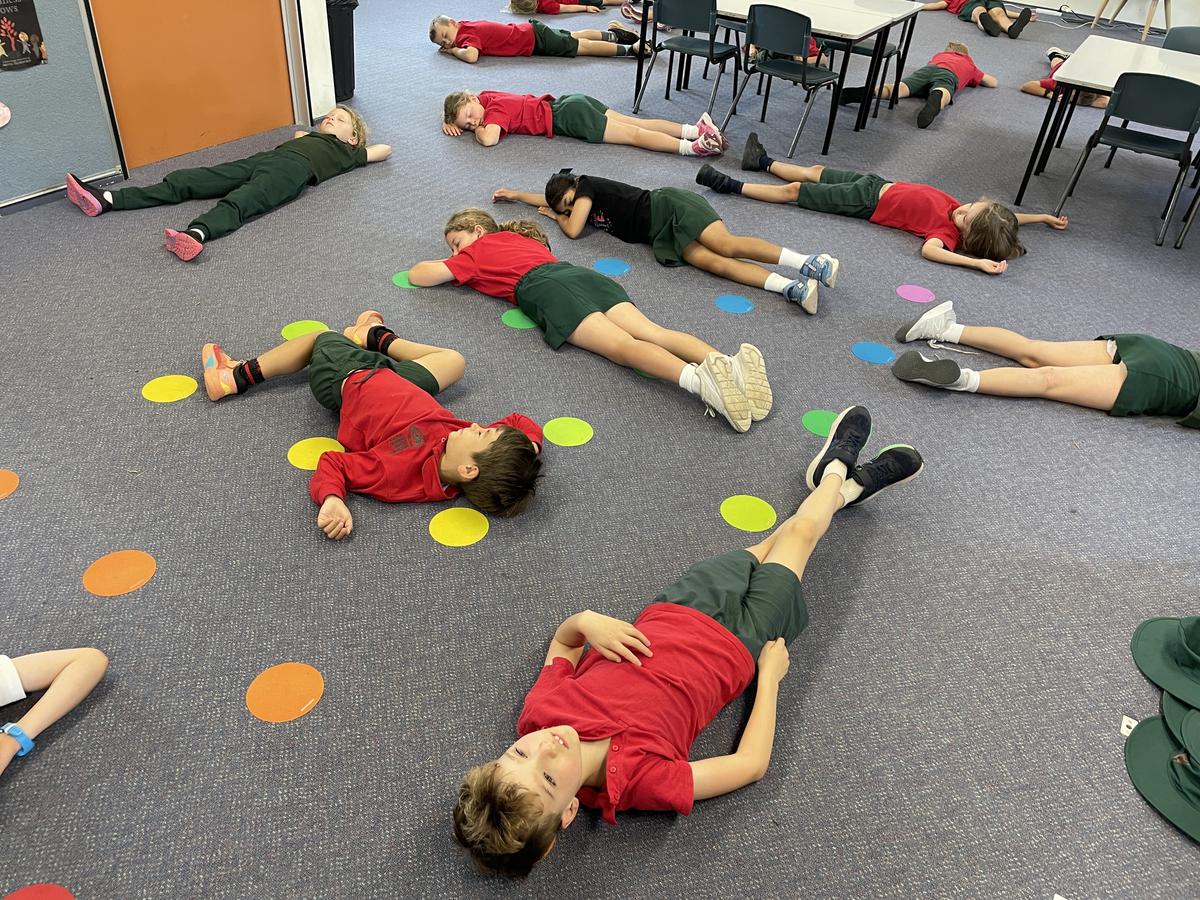
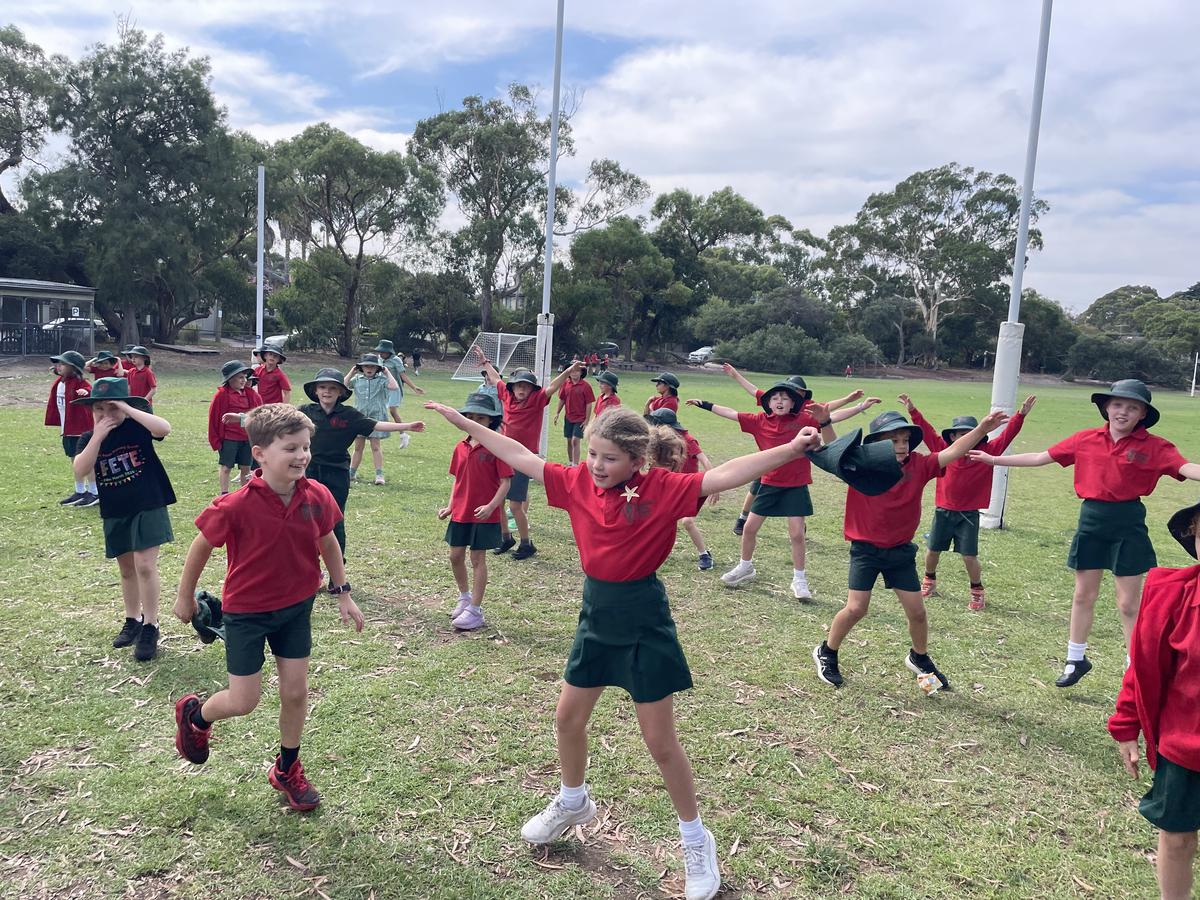
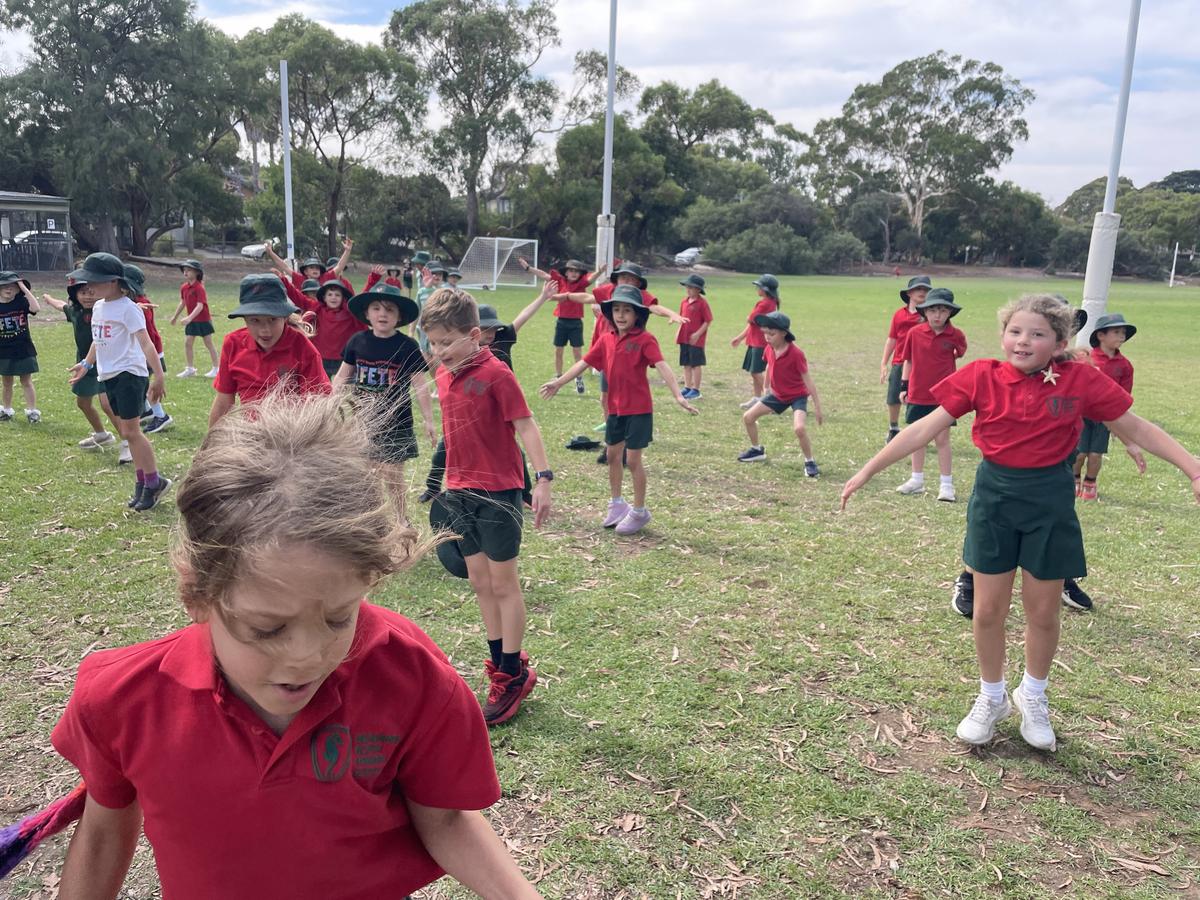
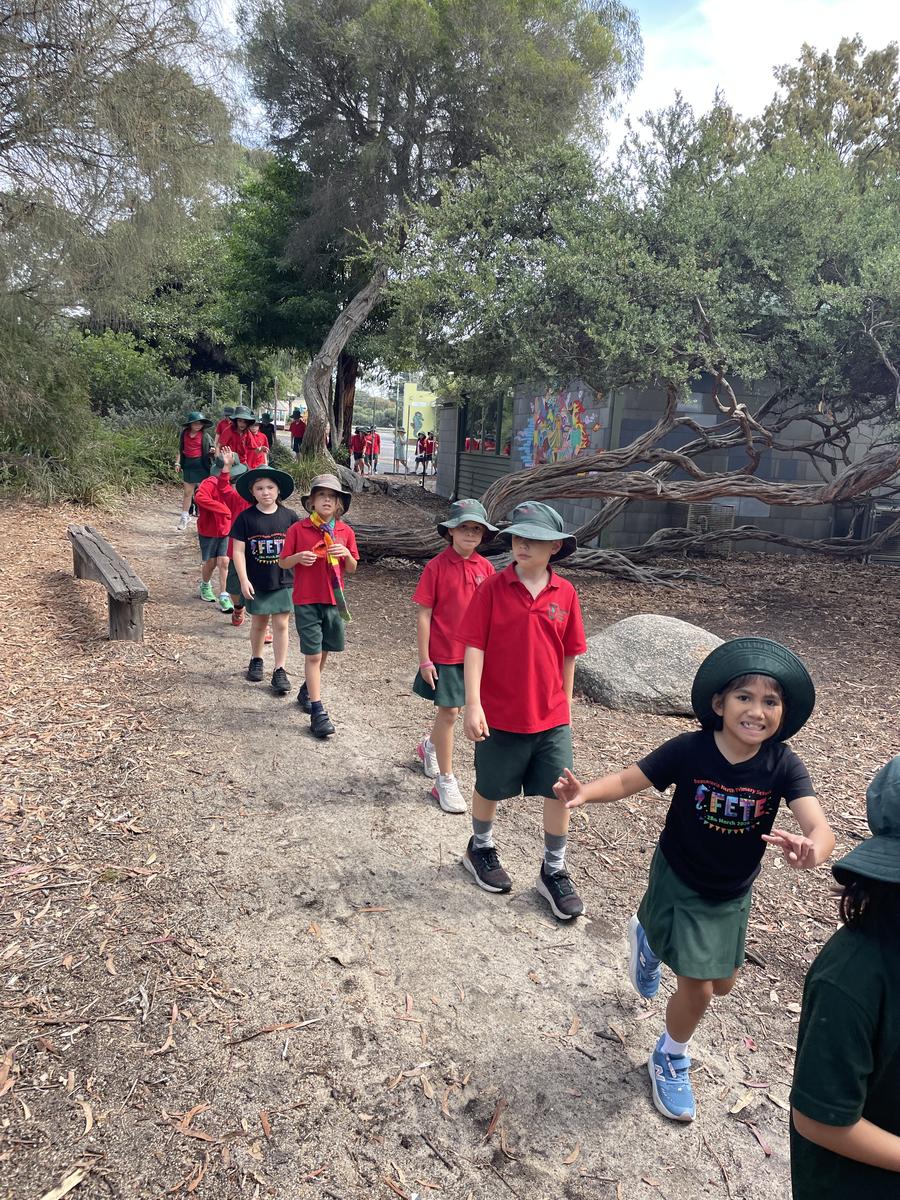
Who we are: A balanced lifestyle is influenced by the choices people make.
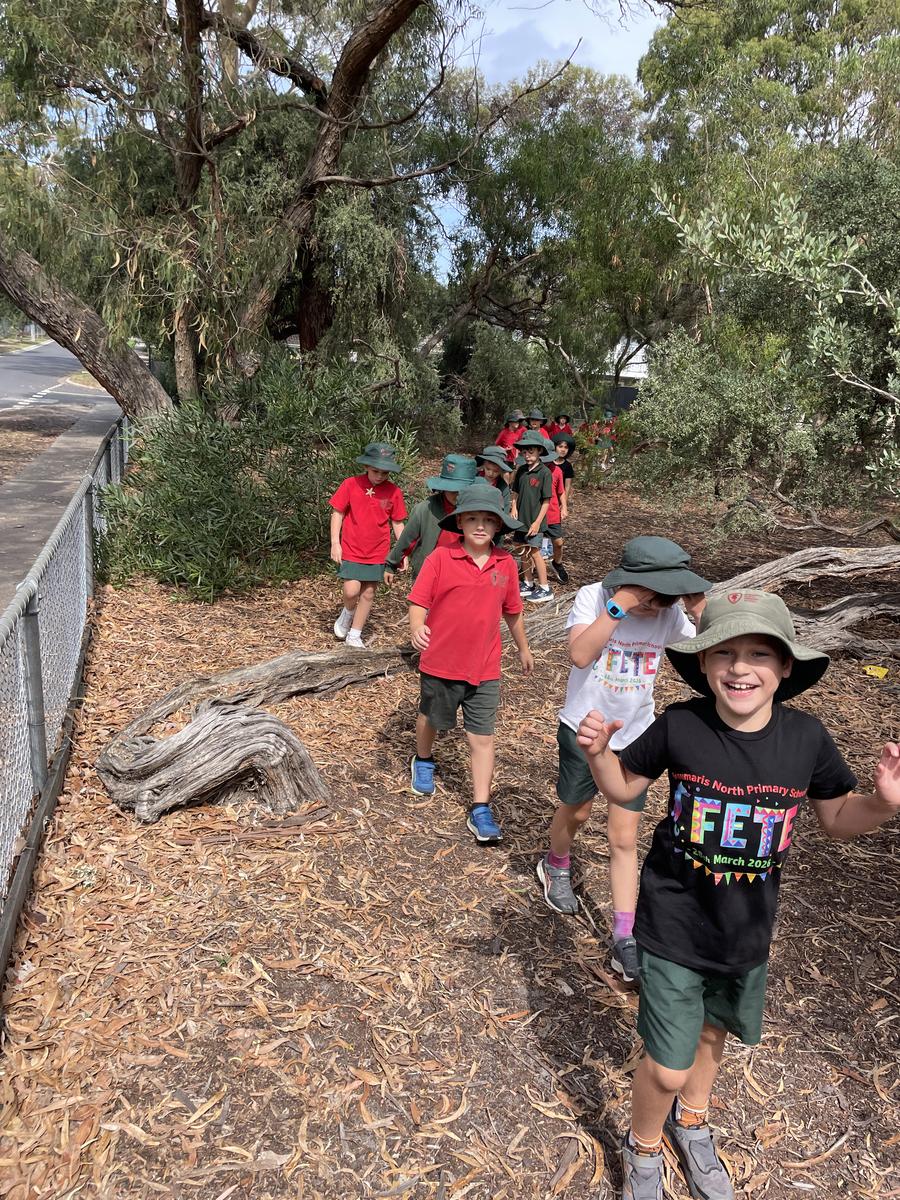
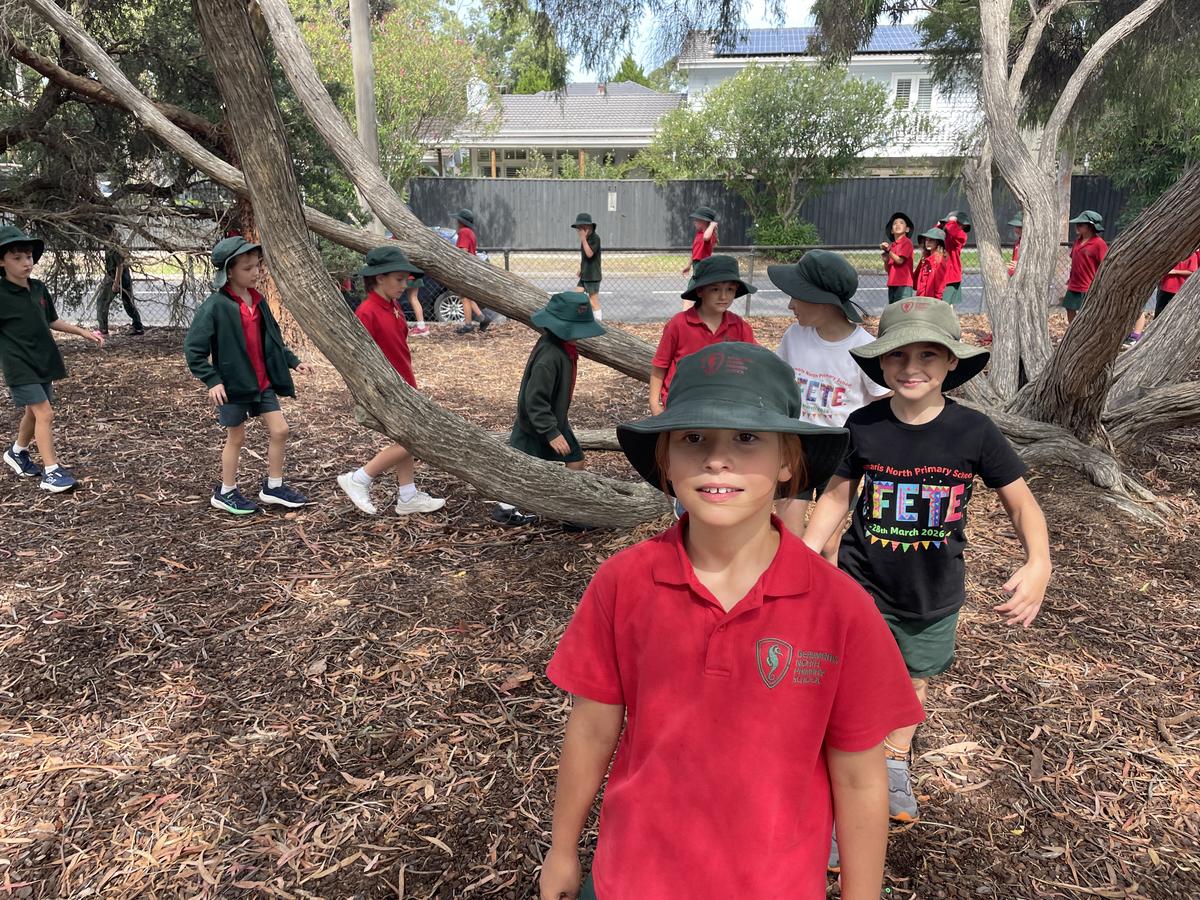
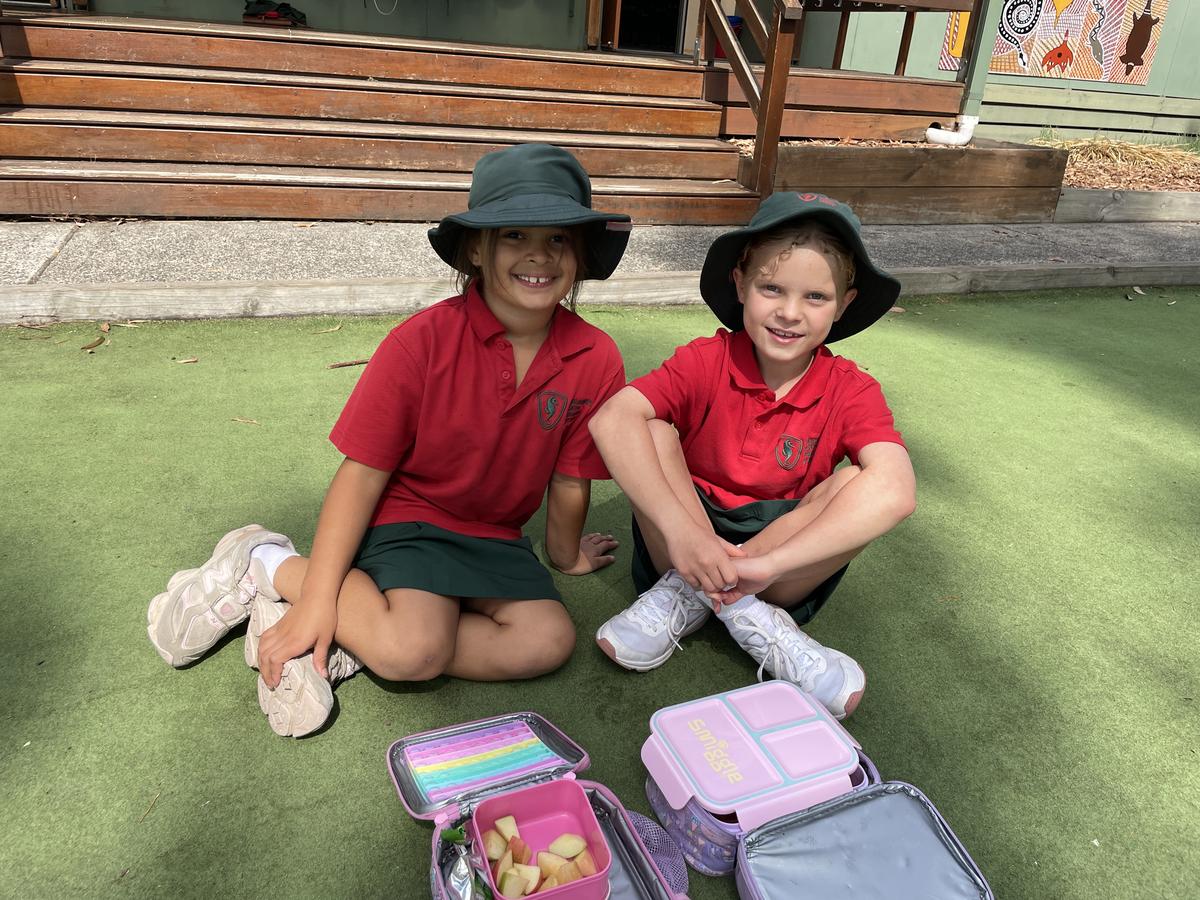
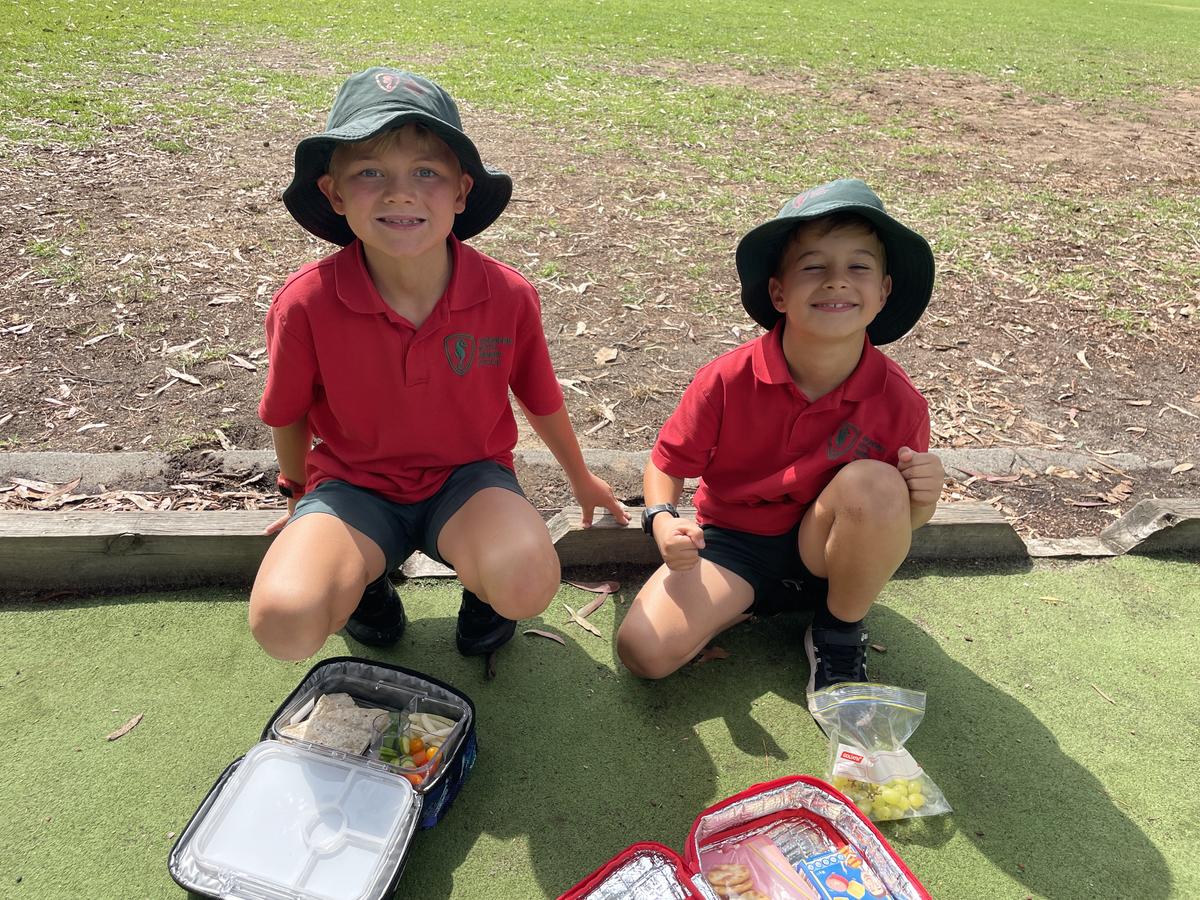
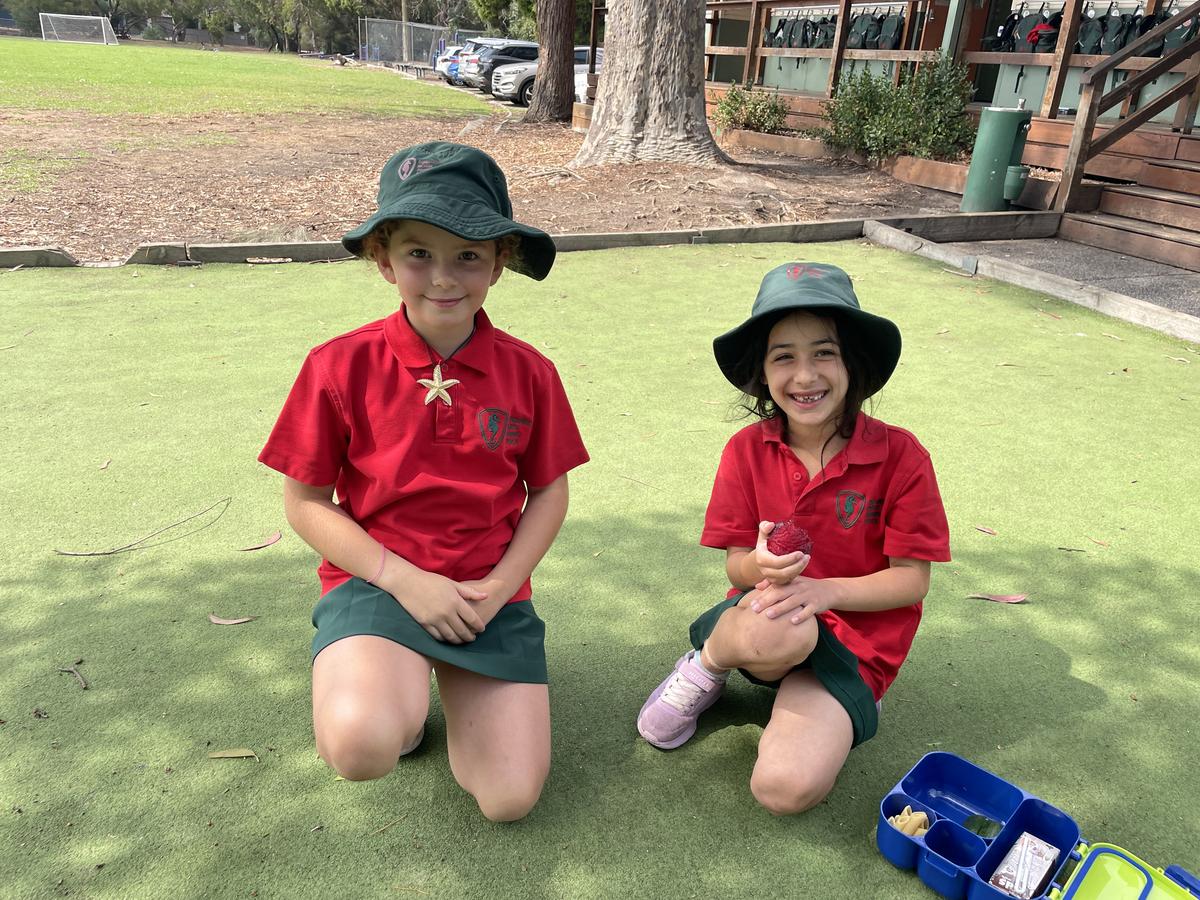
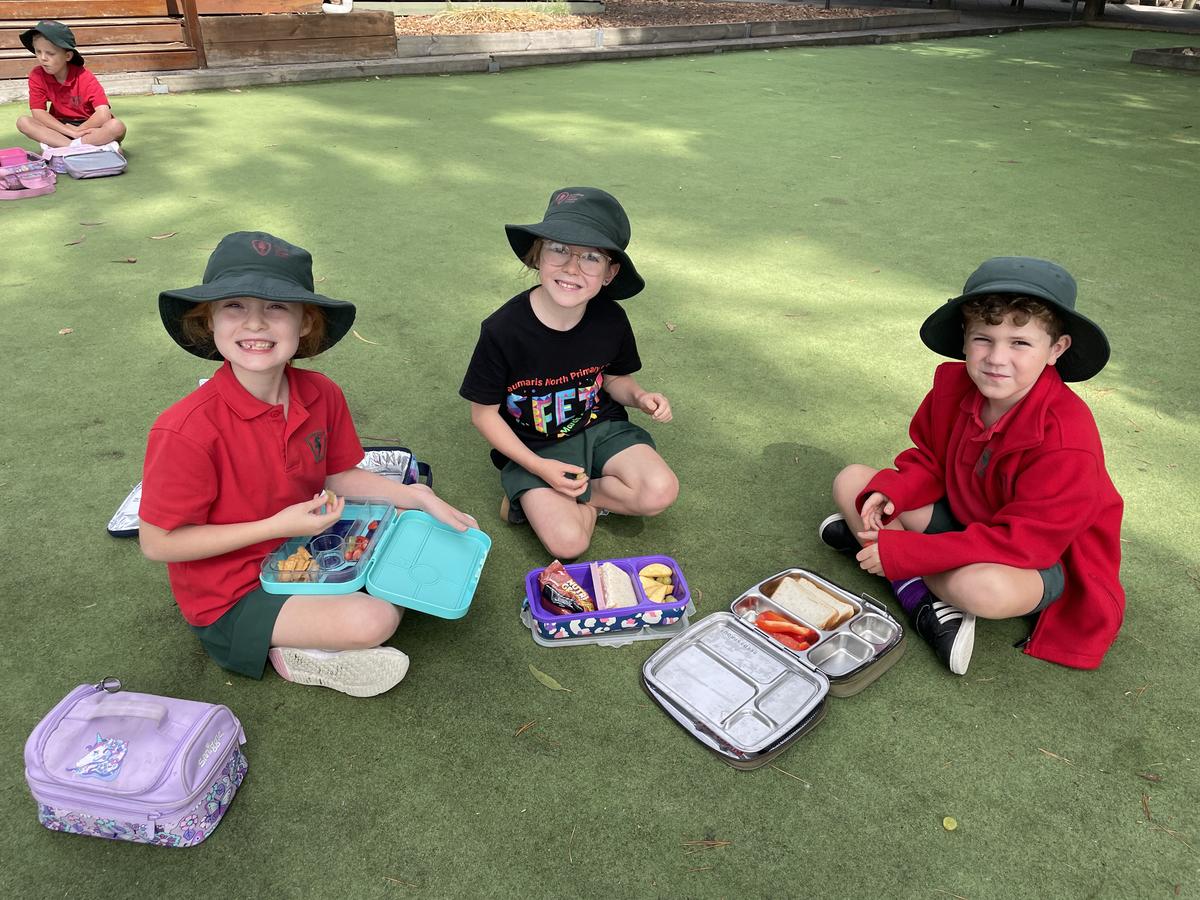
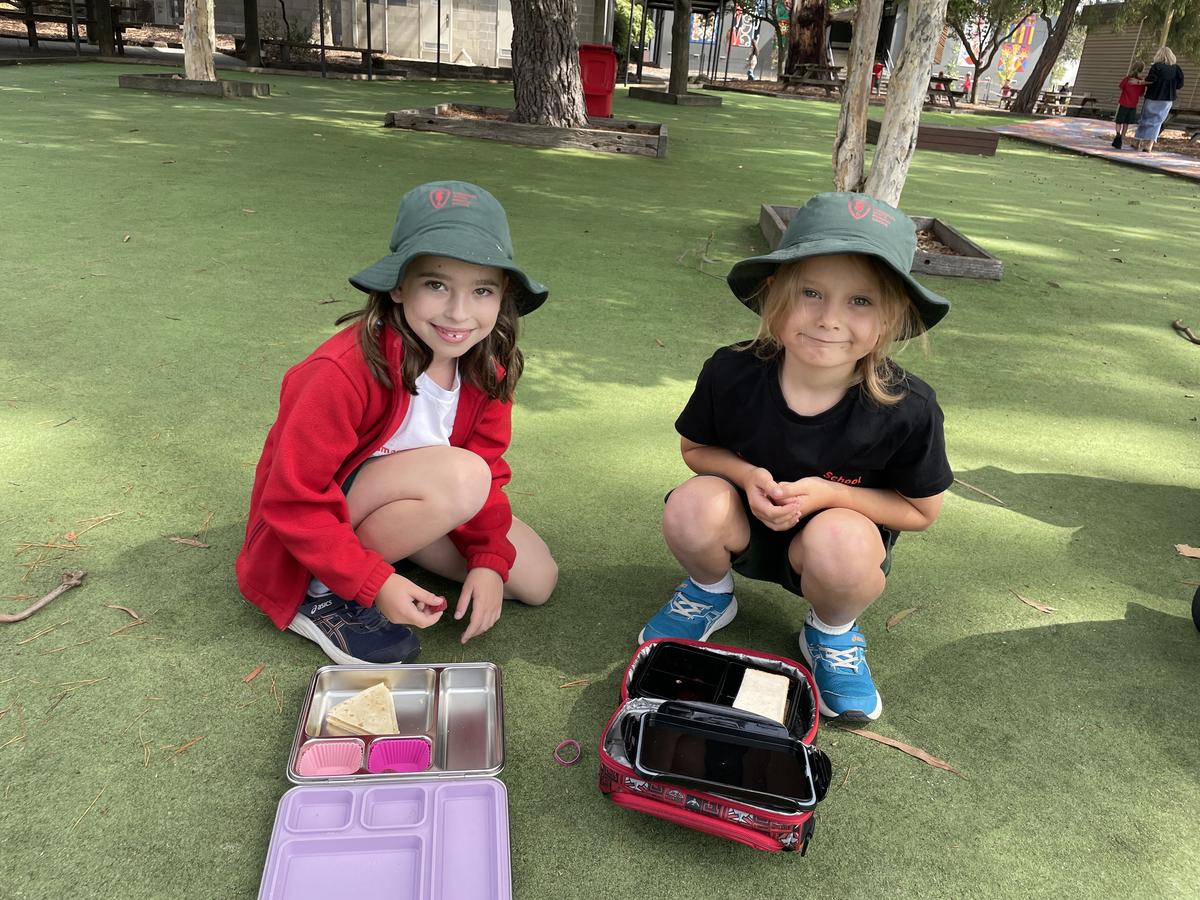
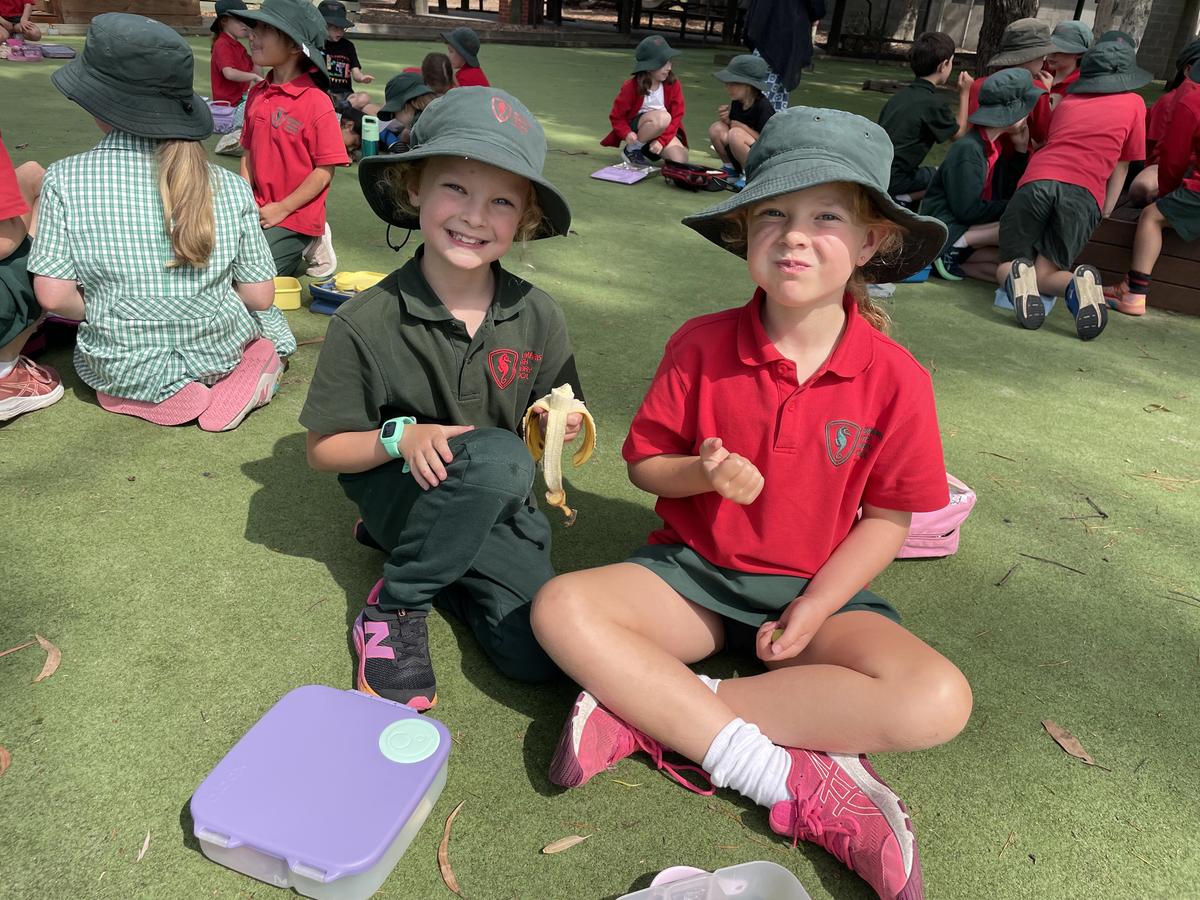
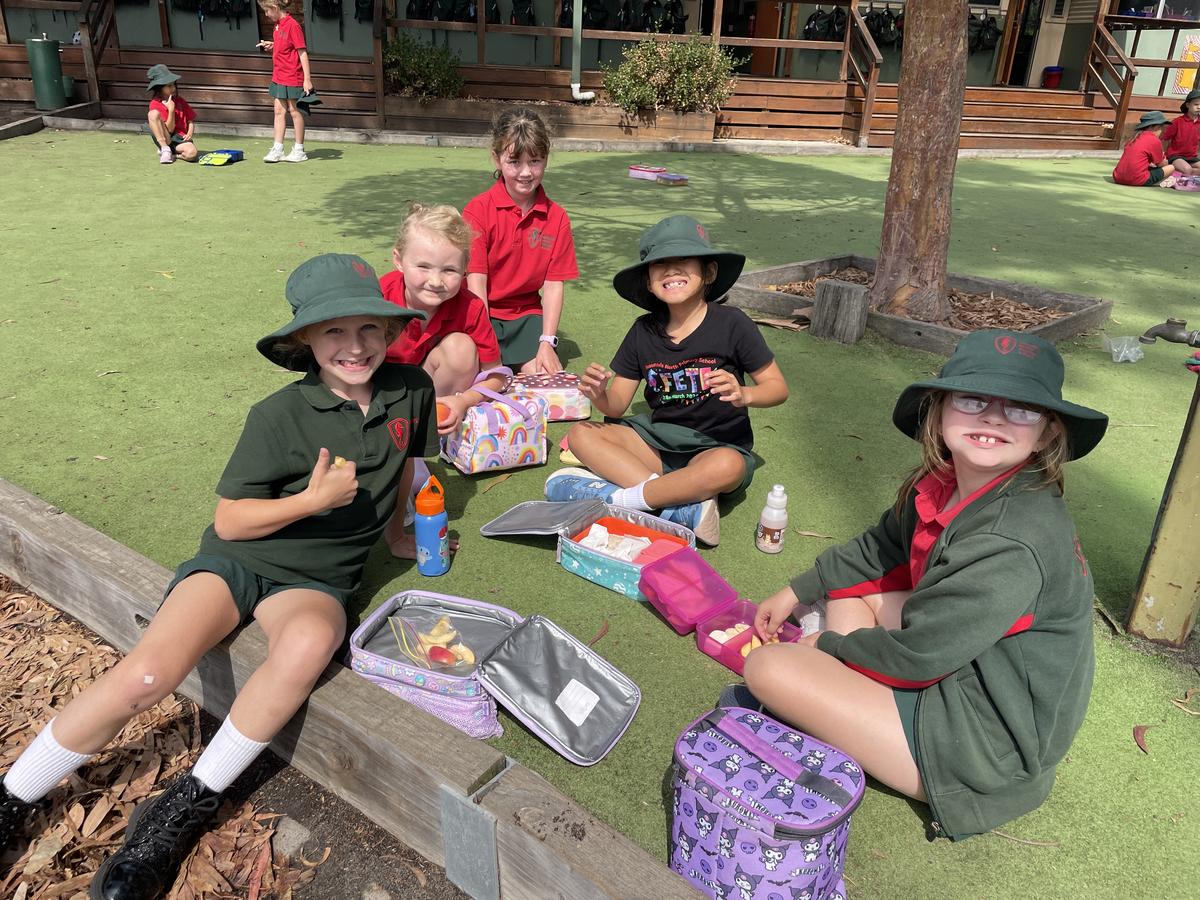
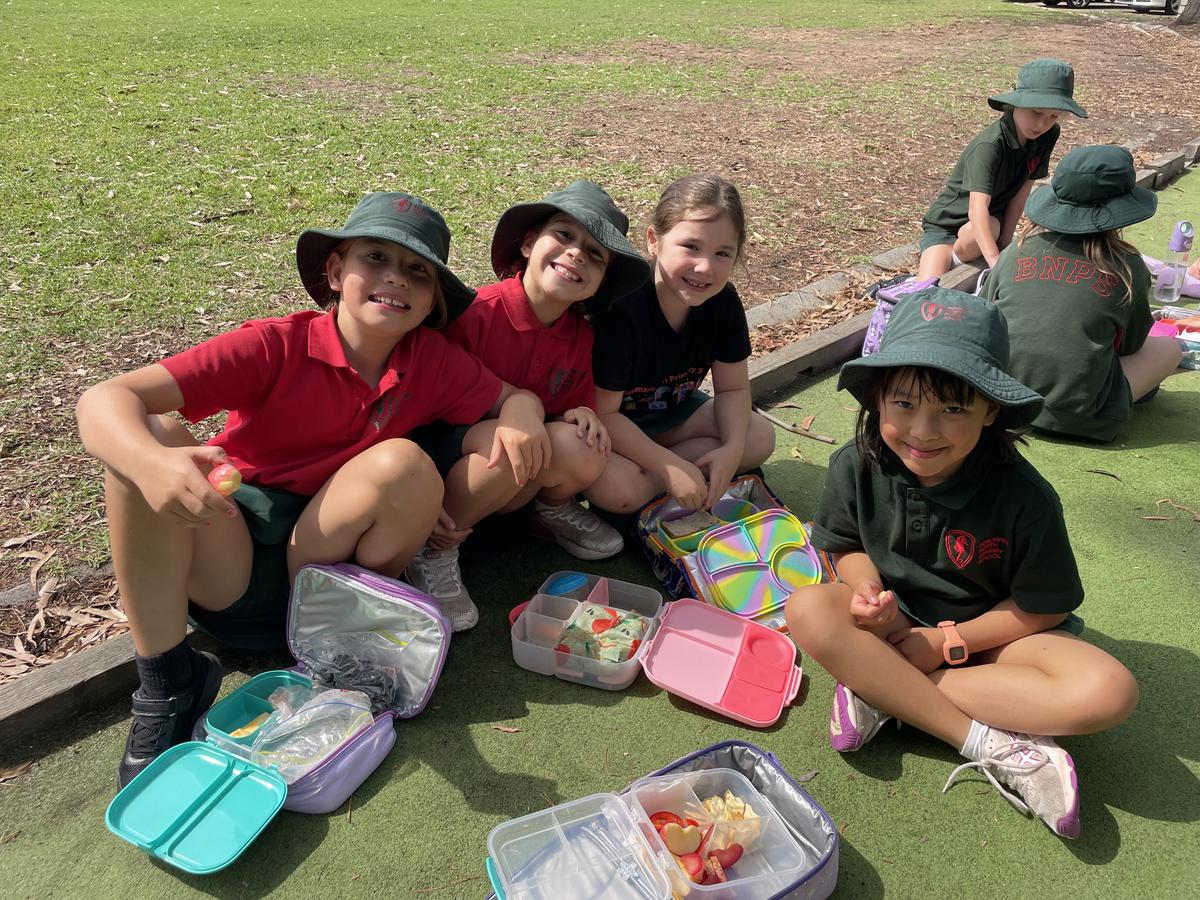
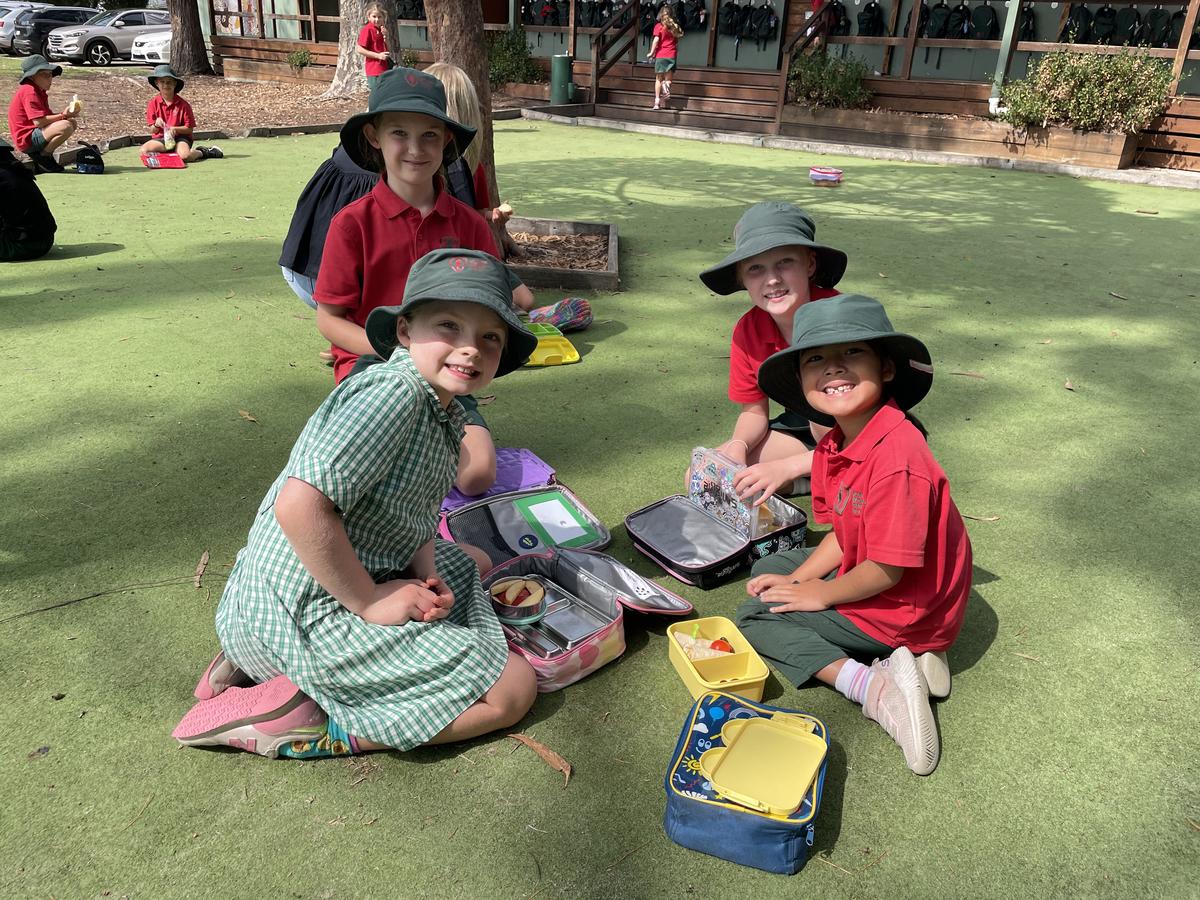
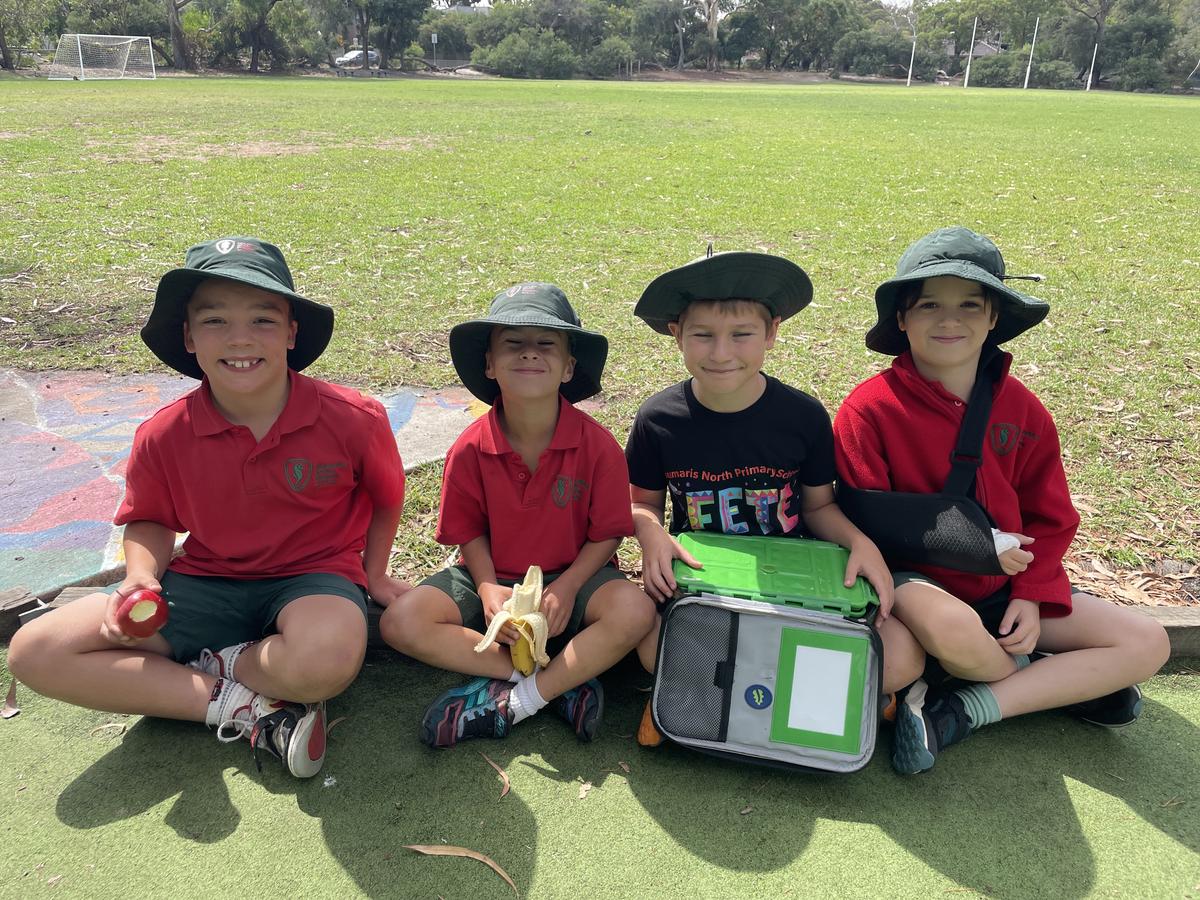
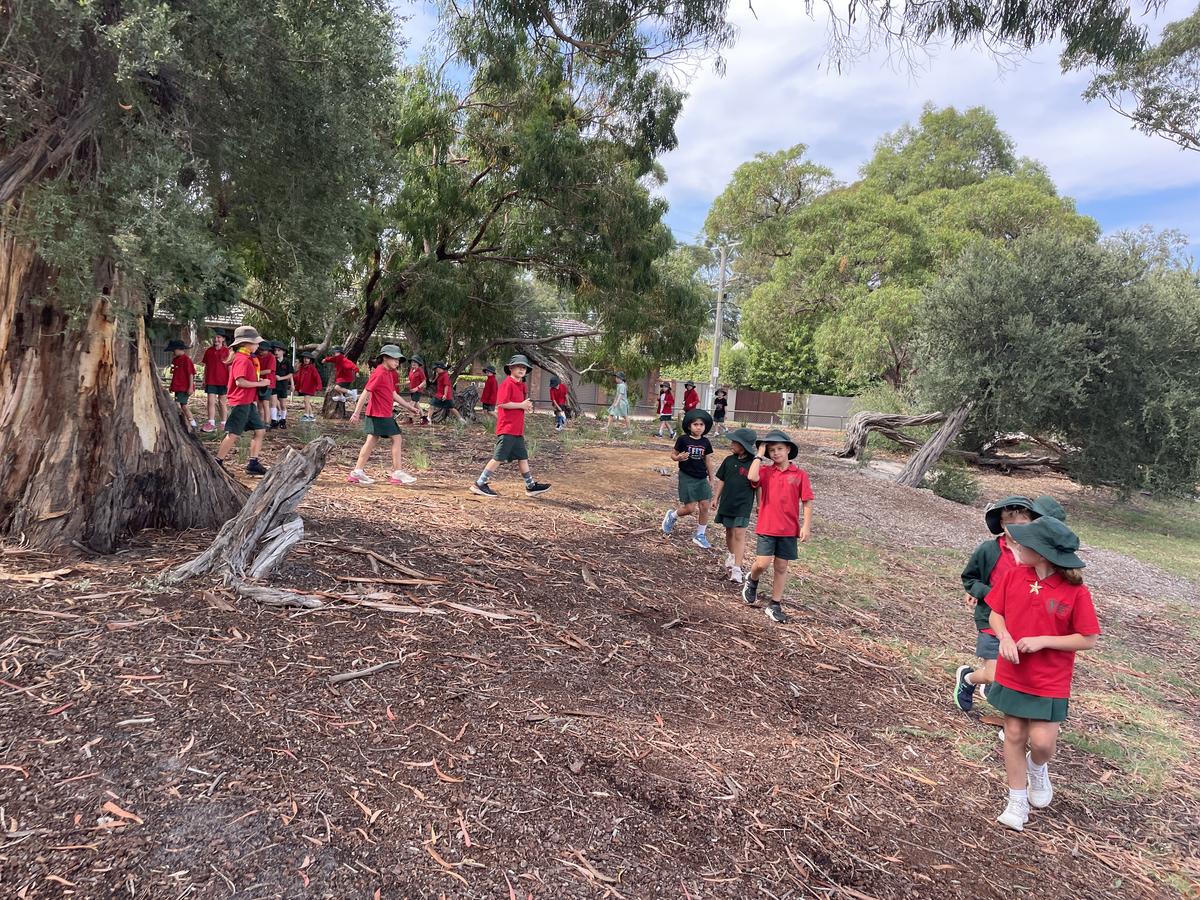
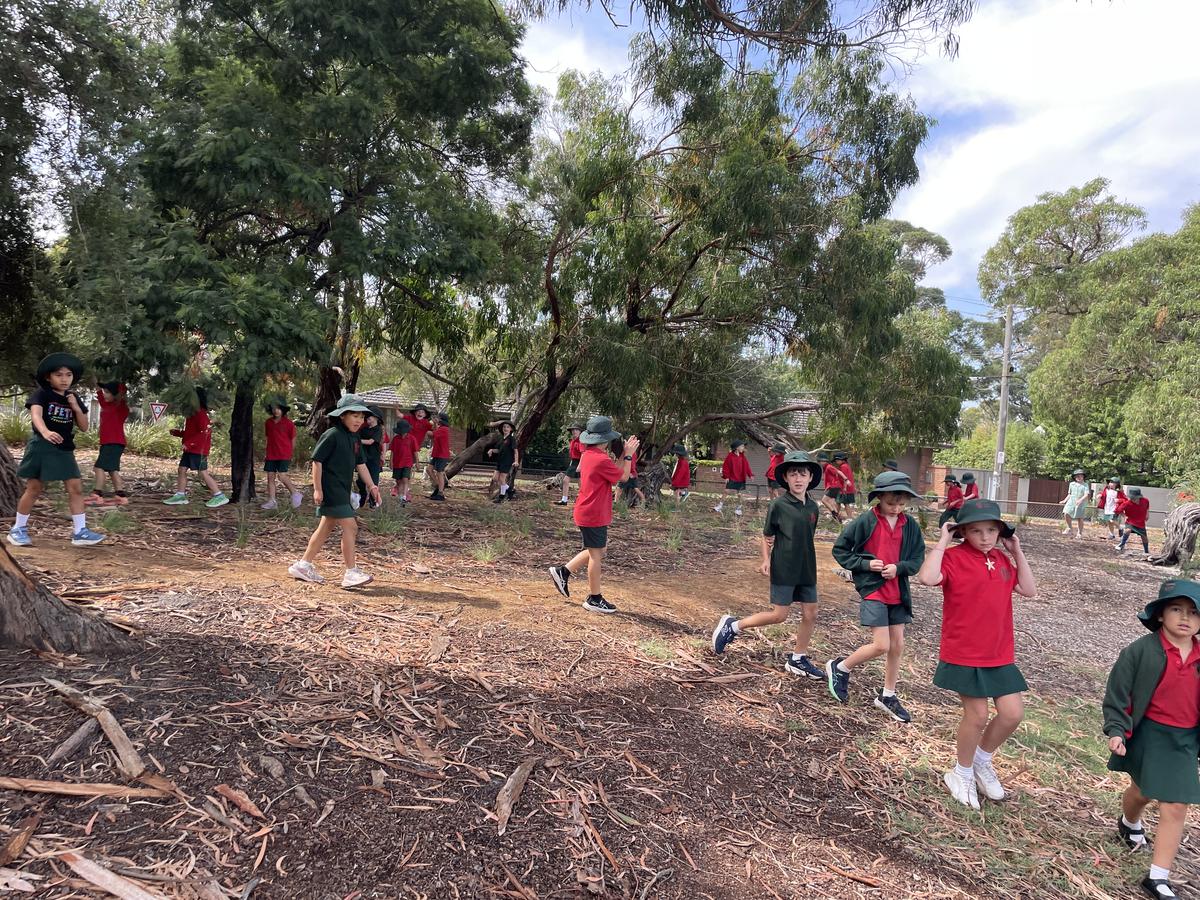
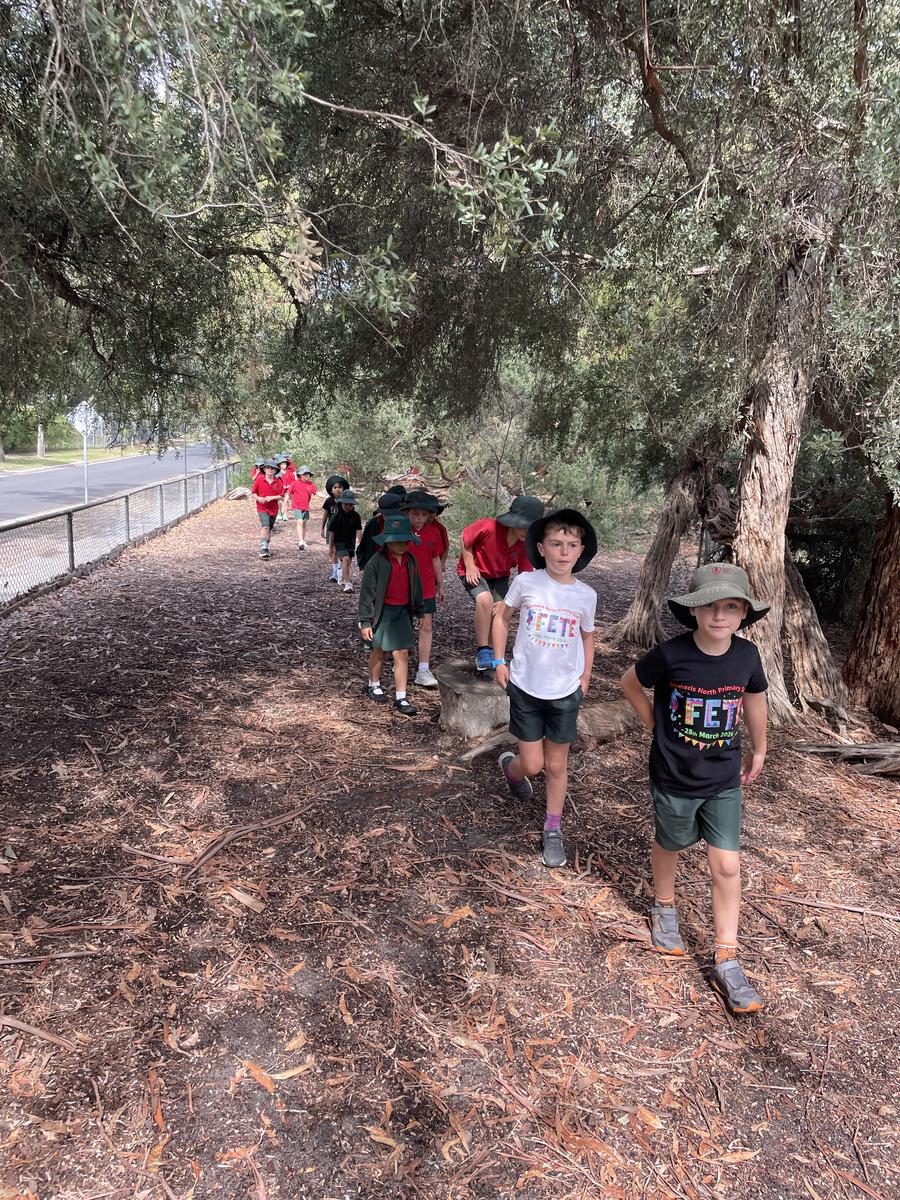
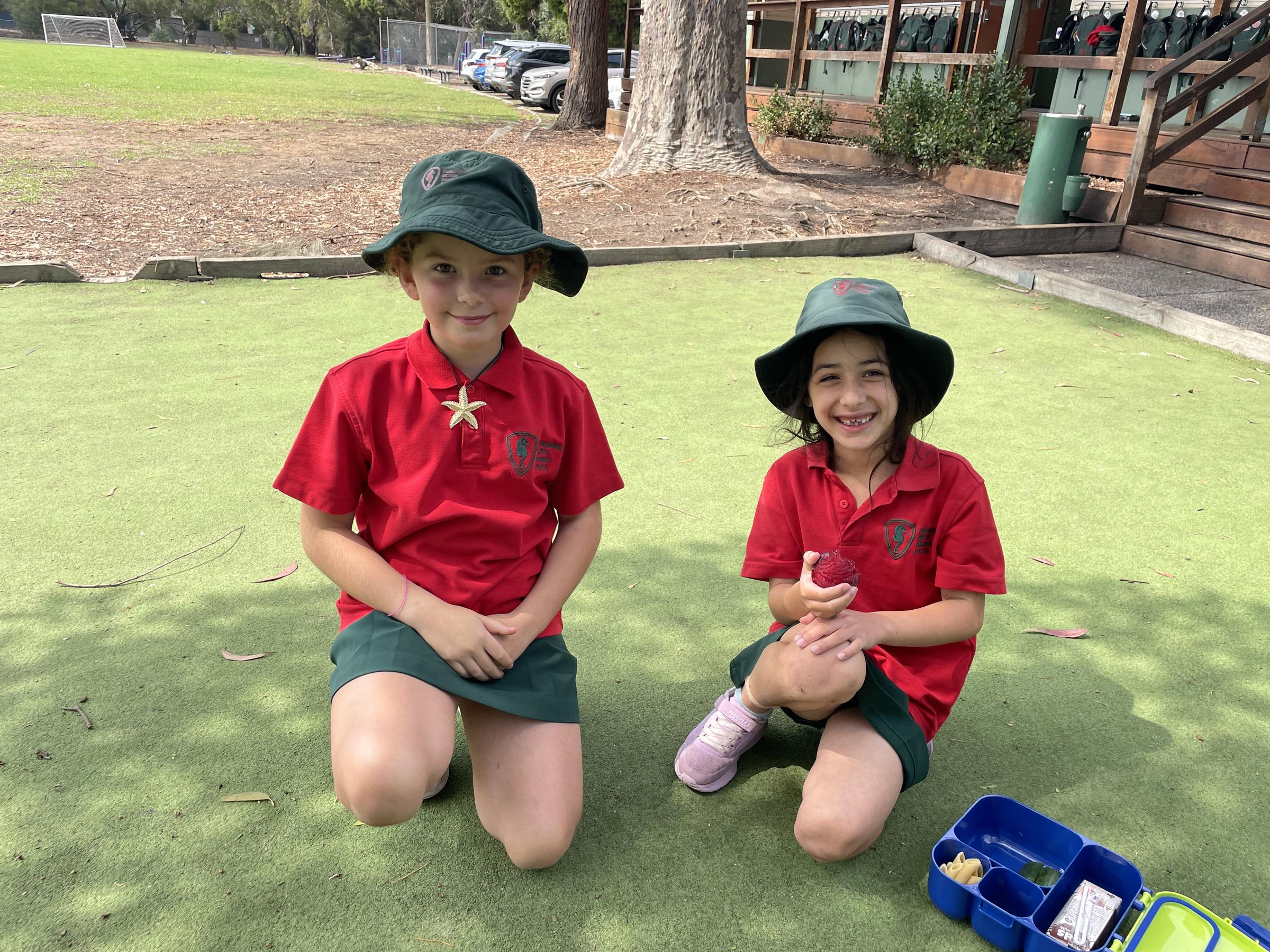
We are continuing our Unit of inquiry for the first three weeks of this term. Our students are learning about being balanced. Last week the students enjoyed doing a variety of exercising activities including running around the oval and a Just Dance sequence. They reflected on the changes in their body during these activities. We have also considered the different nutrients different foods provide our bodies and experienced various forms of relaxation which the children might like to use at home to help them calm down before bed or after a busy day at school.
The students will be completing an oral presentation on a sport in the coming weeks. We will spend class time preparing and practising to ensure all students are successful in their presentation.
What We Are Learning Next
Phonics Plus
Grapheme–phoneme correspondences (GPCs): oa, ow, o_e
Text Study
The Concrete Garden and Jigsaw: Puzzle in the Post by Bob Graham
We are:
- Identifying how images complement a story
- Identifying how the layout of images enhances events in a narrative
- Using images as a means to develop a plot timeline
- Sequencing events, connecting visual elements to story plot
- Identifying how images add to or complement the written text
Punctuation and Grammar
- Editing sentences for boundary punctuation
- Introducing the subordinating conjunctions ‘before’ and ‘after’
- Completing sentences with subordinating conjunctions
- Writing sentences with subordinating conjunctions
- Editing sentences with subordinating conjunctions
EMP
We are:
- identifying and describing directions of turns as left turn, right turn, clockwise or anti-clockwise
- Reviewing writing regrouped place value facts
- Comparing 3-digit numbers
- Considering seconds, minutes and hours and the duration of familiar activities with relation to these units of time