Ruby Saltbush News
Dierdre Aila & Farishta Yousafz
Ruby Saltbush News
Dierdre Aila & Farishta Yousafz
Growing Independence in the Early Years
From the very beginning, young children are on a quiet but determined journey toward independence. We see it in the baby reaching for the spoon, and in the toddler insisting, “I do it myself!” These early efforts are more than sweet moments, they’re the foundations of confidence, resilience, and a strong sense of self.
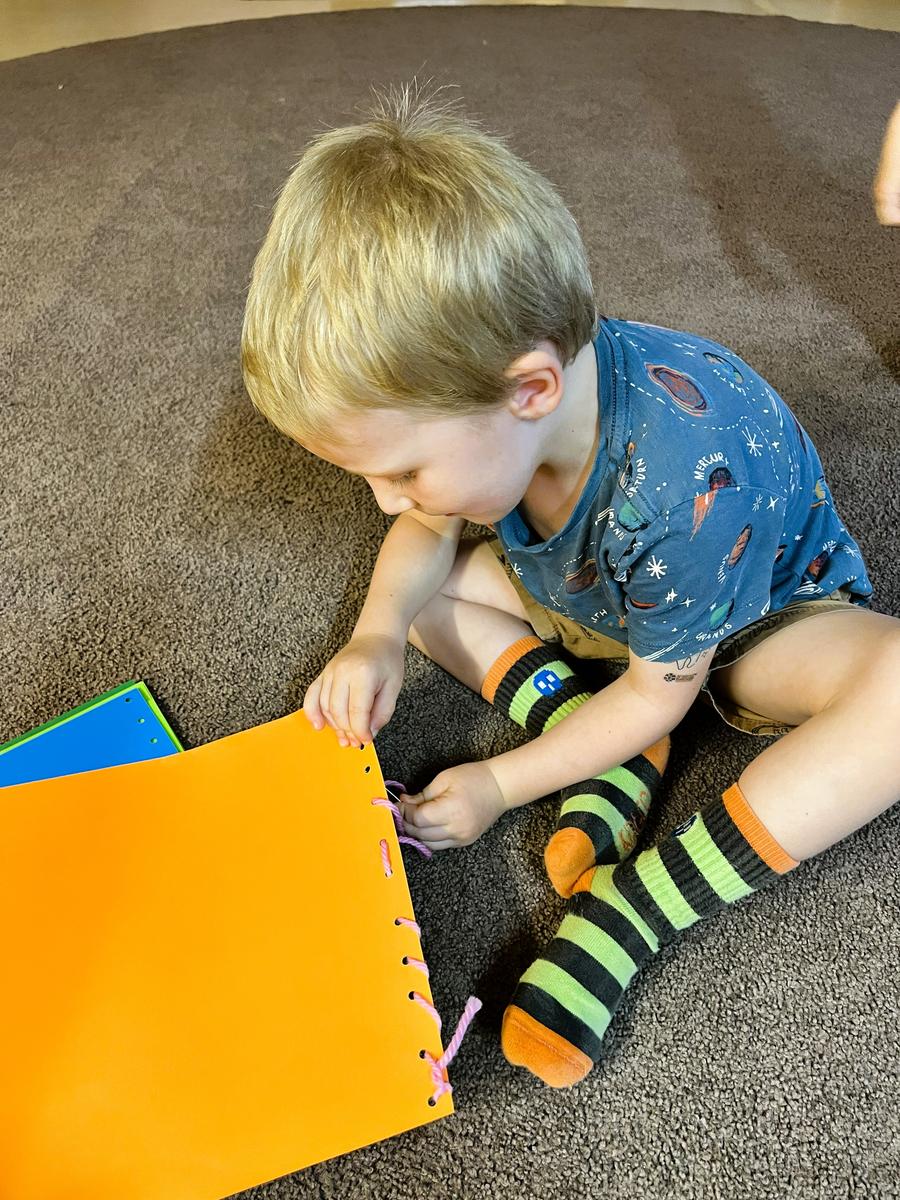
At preschool, self-help skills are woven into the fabric of each day. When children dress themselves, prepare food, or care for their environment, they’re not just developing coordination and practical skills, they’re learning to plan, persevere, and trust in their own abilities. These small, everyday achievements build deep self-esteem and a genuine pride in contributing.
In the Early Childhood program at Alice Springs Steiner School, we place great value on nurturing this growing independence.
Meaningful participation in daily life
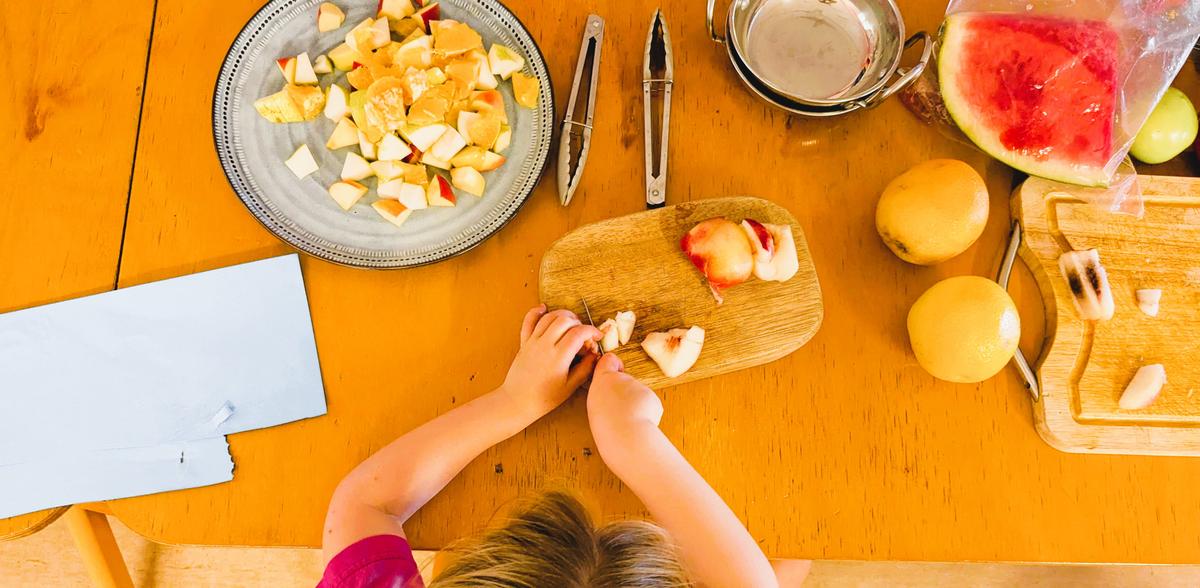
Each day offers opportunities for children to participate fully in their world. During morning fruit time, children help to chop fruit, arrange it on shared platters, and serve themselves using tongs. Afterwards, they carry their bowls to the sink to be washed. These simple, purposeful tasks allow children to experience themselves as capable and helpful members of the group.
A predictable and reassuring rhythm
A gentle and consistent daily rhythm supports this process. With predictable routines, children feel secure and know what to expect. This sense of certainty gives them the confidence to take on responsibilities, whether it’s packing away, setting the table, or helping a friend.
Simple language and clear guidance
We also support independence by keeping instructions simple and familiar, often using familiar songs or gestures rather than many words.
Step-by-step learning
In the preschool, helpers are chosen each day to set the table with cups and even fill each cup with water from the large jug. Letting children carry out tasks often means that the task will take twice as long and be three times as messy. While this can take a little more time, and occasionally involve a spill or two, the rewards are evident in the children’s growing competence and pride. Soon there are less spills, and a group of capable and confident helpers!
Time and space to try
Importantly, we allow children the time they need. It may be quicker for an adult to step in to quickly put a child’s shoes on, but when we pause and give space and encouragement, children learn to work through challenges such as frustration and develop perseverance and resilience, soon learning to do it themselves.
Creative and open-ended experiences
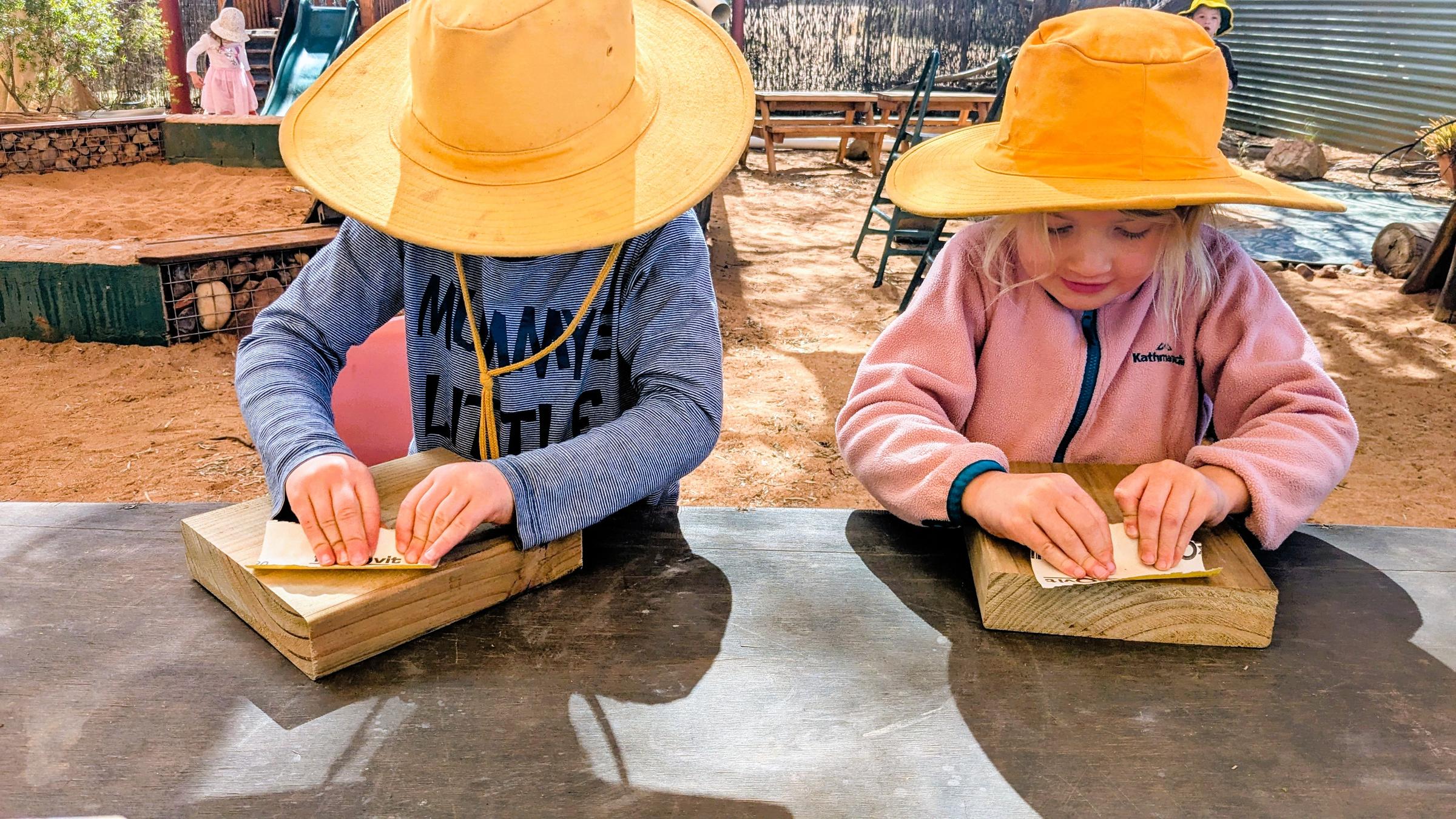
Creative activities such as painting, modelling, and craft further strengthen this inner capacity, encouraging focus, patience, and a sense of accomplishment. Alongside this, extended periods of unstructured play give children the freedom to explore, imagine, problem-solve, and develop social skills in their own way.
Where home and school meet
Families can support this growing independence in simple ways at home and during drop-off: encouraging children to carry their own bag, unpack their belongings, and take responsibility for their things. These small acts send a powerful message: “I trust in your ability.”
By nurturing independence in these early years, we are helping children build not only practical skills, but also the confidence and resilience they will carry with them into all future learning and life experiences.
Warmly,
Dierdre and Farishta