
Primary News
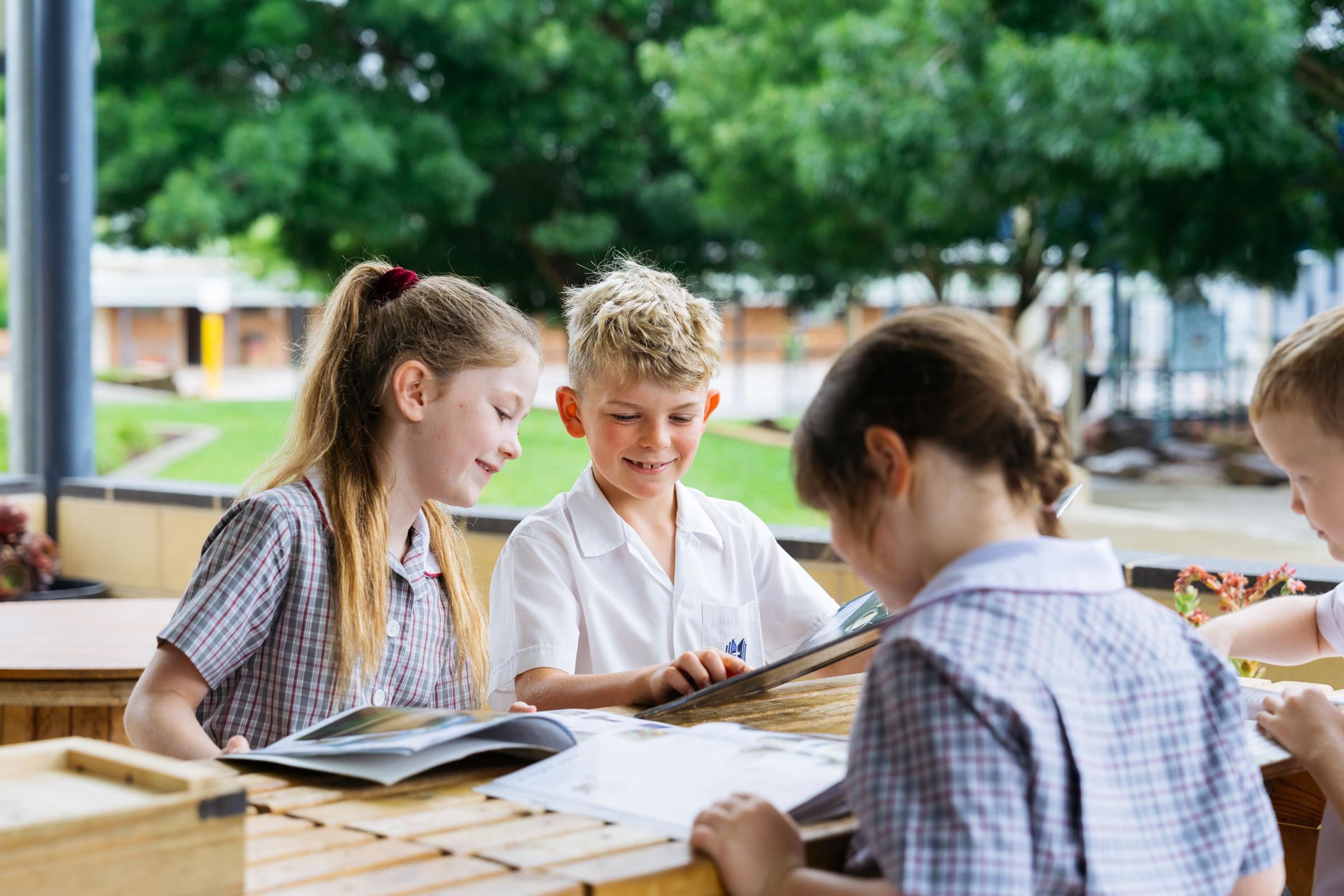
A skeletal-ton of creativity from Year 3!
Learning and creativity came together this week for our Year 3 students!
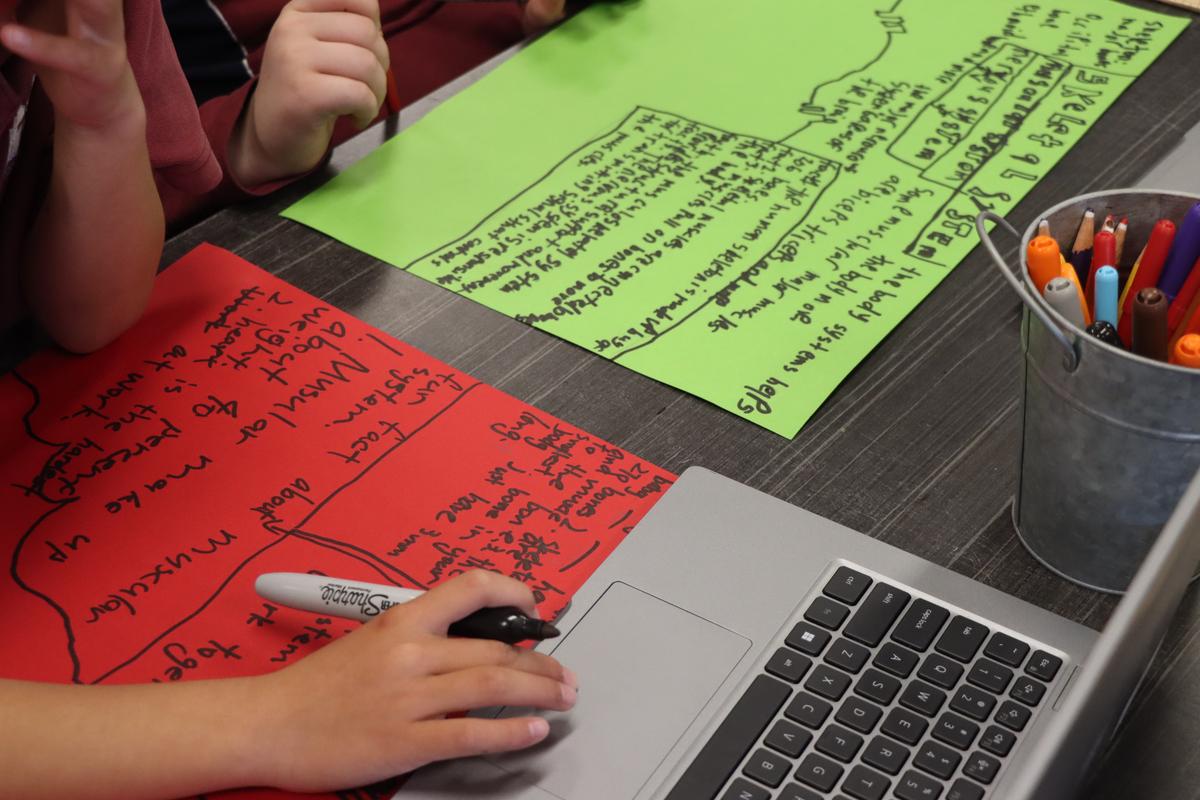
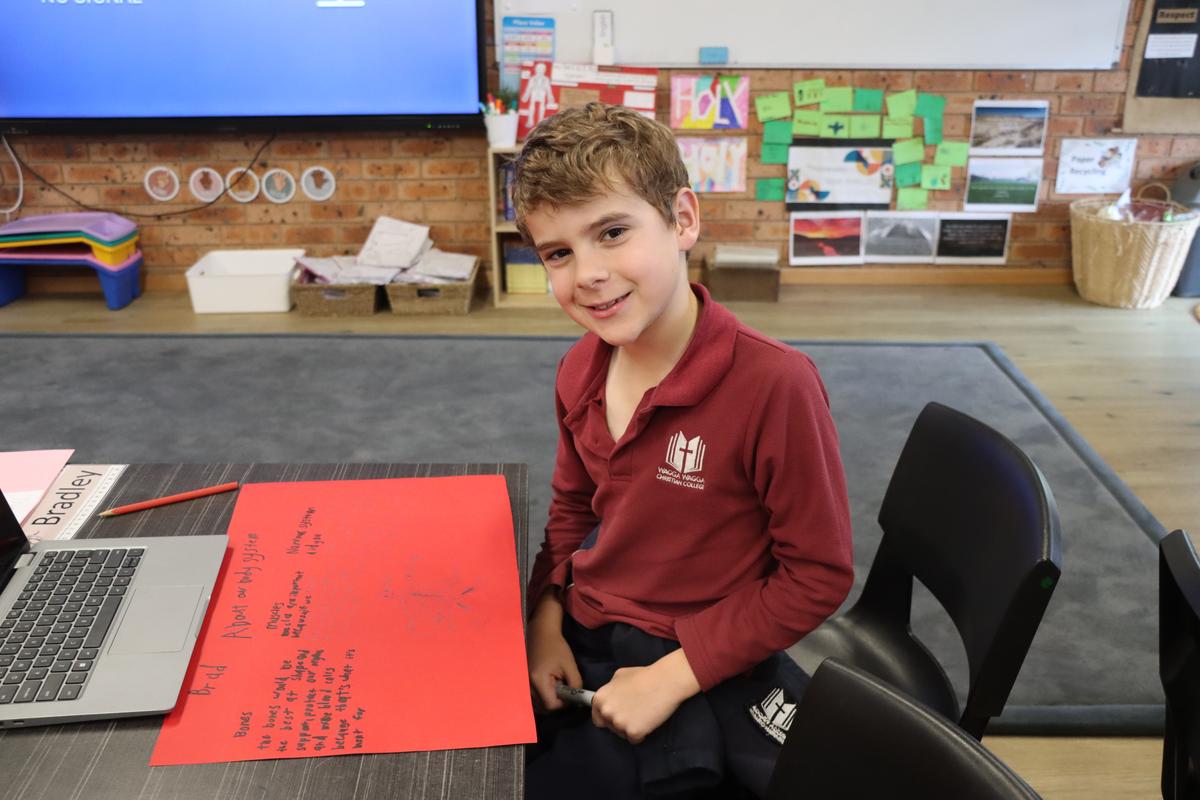
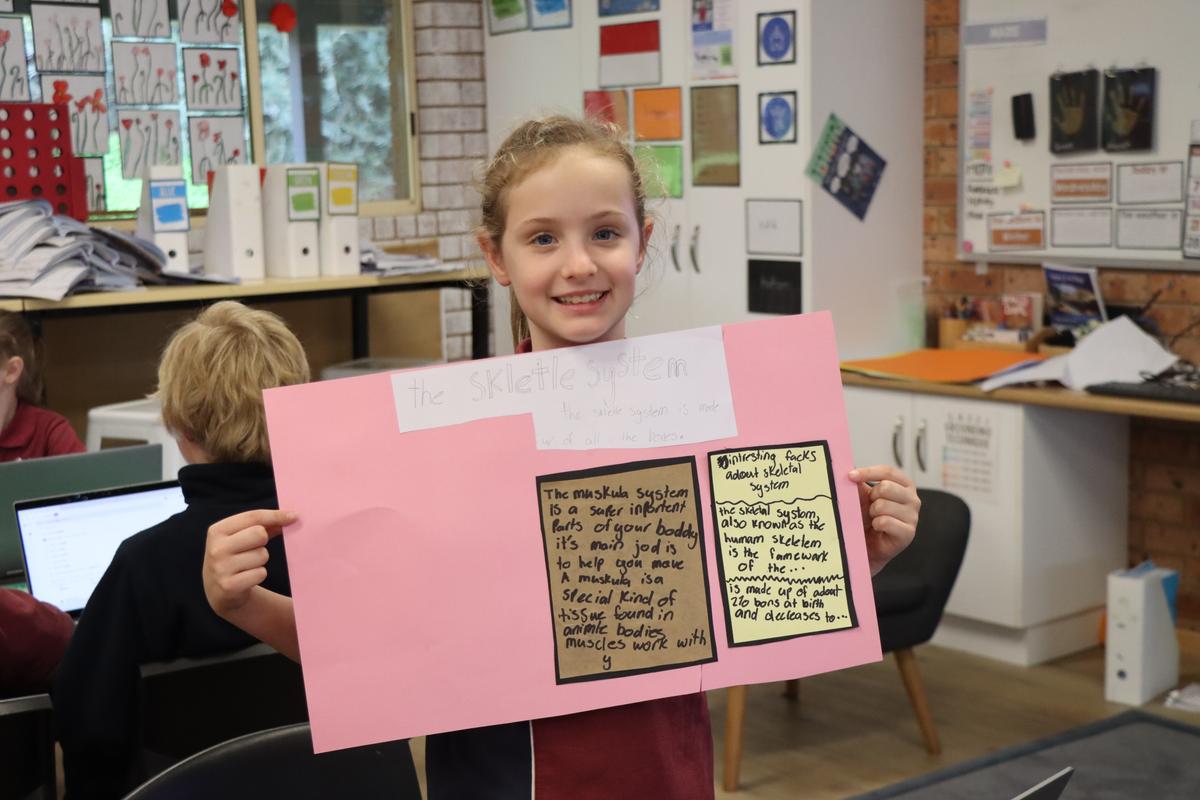
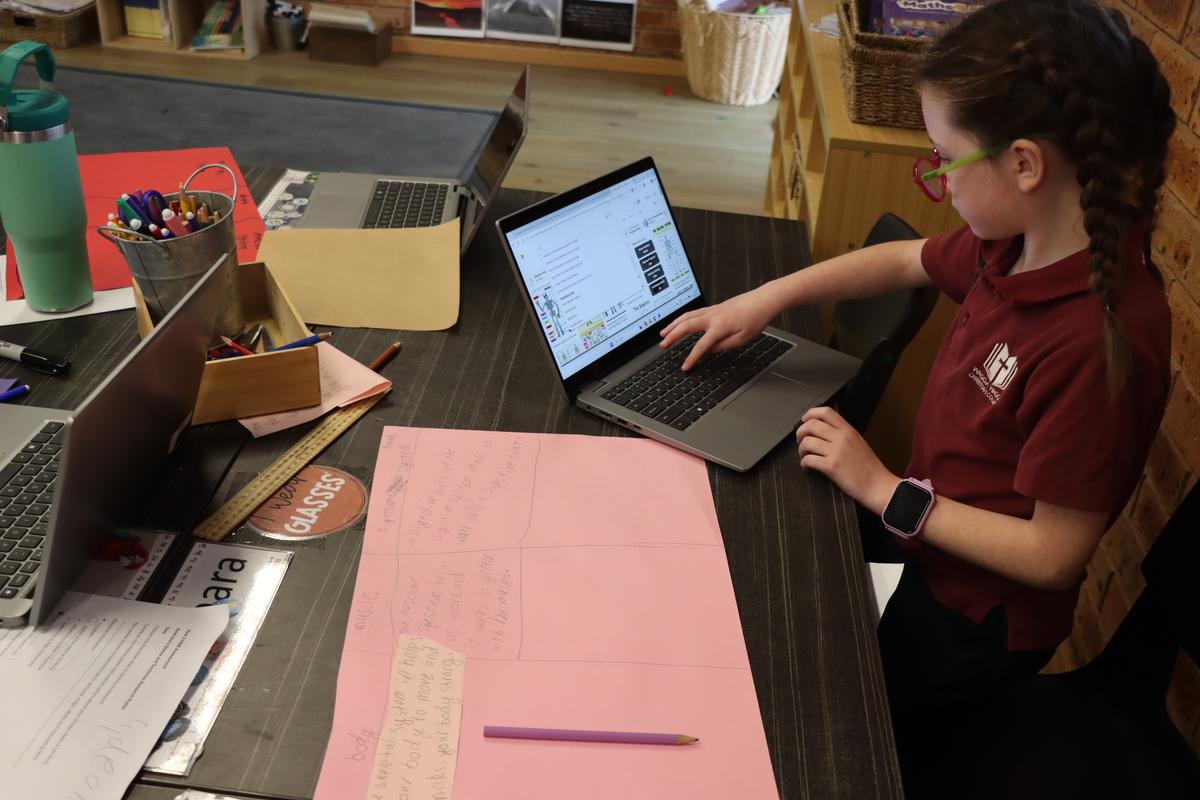
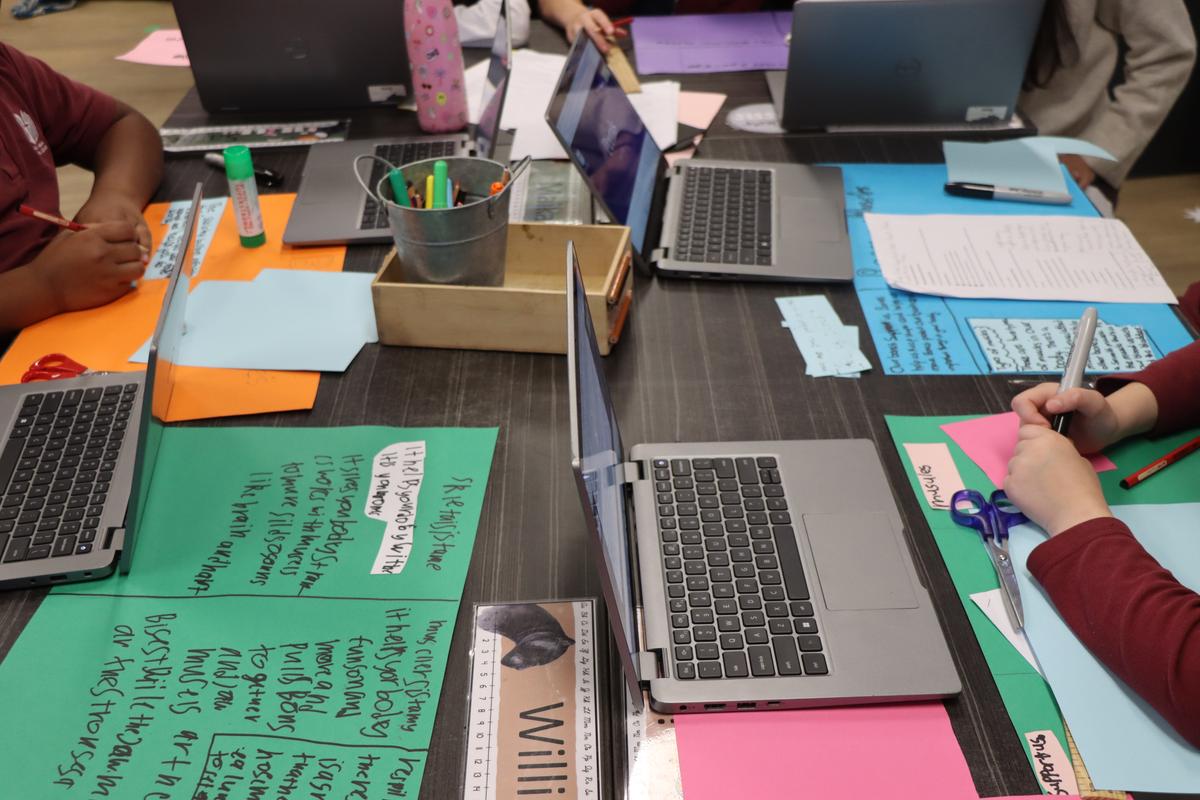
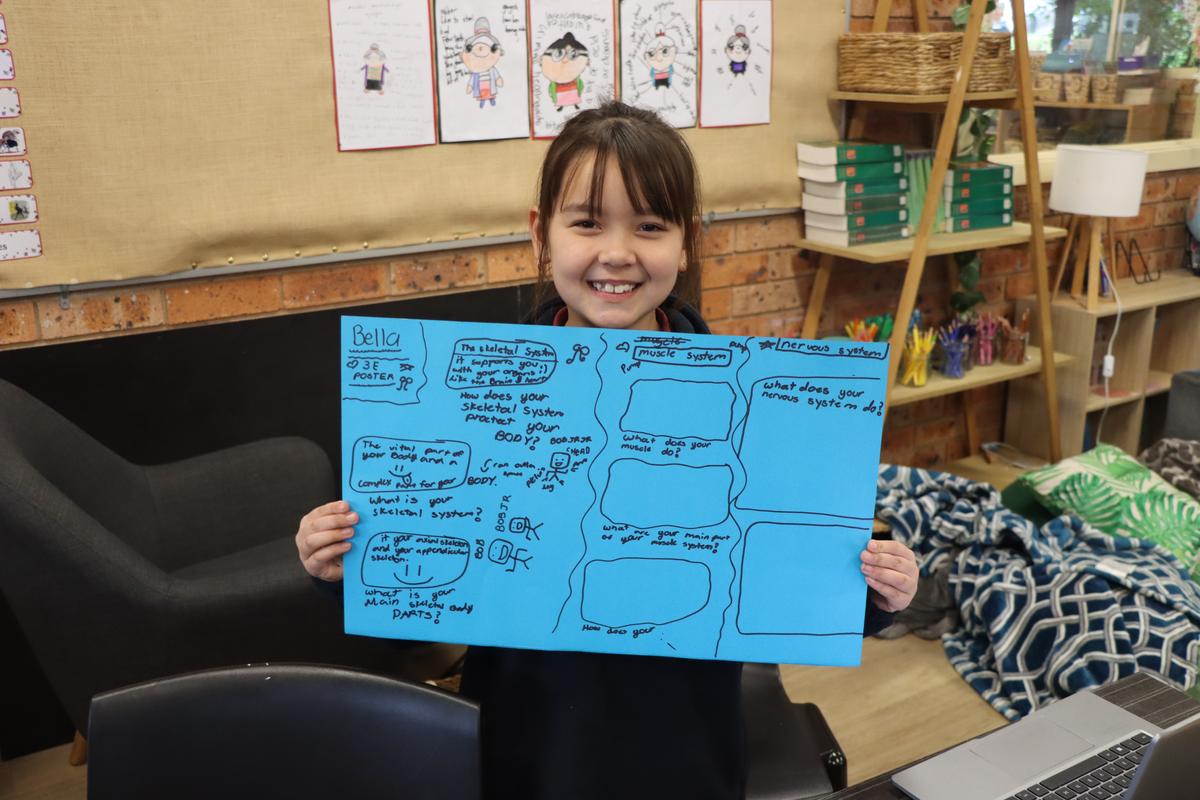
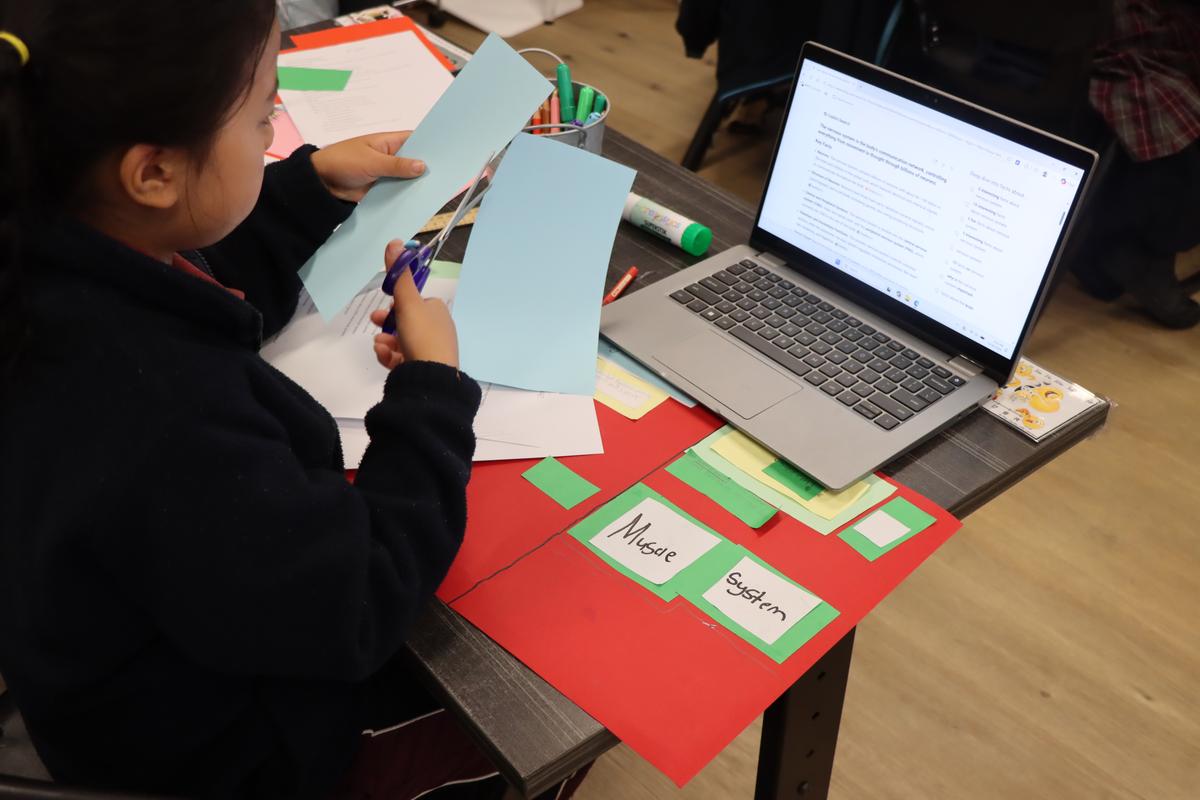
3E are working away at developing their poster-making skills on their science projects, exploring the muscle, skeletal and nervous systems.
Working with their hands and creating every element themselves, students explored new ideas, problem-solved creatively and proudly showcased their understanding through colourful and engaging displays.
Friendship Challenges, Conflict and Bullying
As we reach the middle of the year, it is quite normal to see some friendship challenges emerge amongst children. The excitement of a new school year has settled, friendship groups have formed, and children are spending many hours together each week. Sometimes this means disagreements, misunderstandings, hurt feelings and conflict.
As adults, it can be difficult to watch our children navigate these situations. We all want our children to feel included, valued and happy at school. However, learning how to manage friendship difficulties is an important part of growing up.
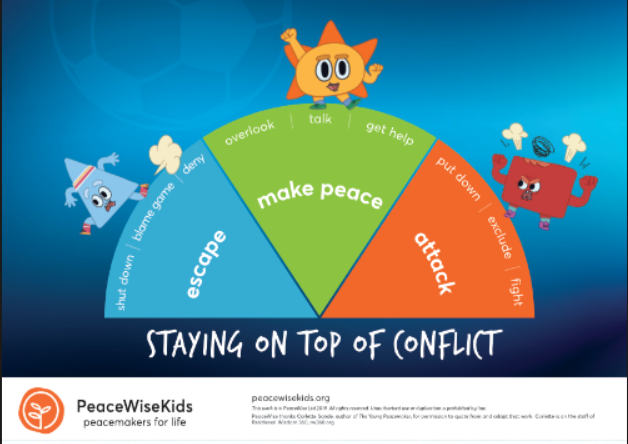
One of the key ideas we teach through our PeaceWise Kids program is that conflict is inevitable. Wherever people live, learn and work together, conflict will occur. The goal is not to avoid conflict, but to learn how to respond to it in helpful, God-honouring ways.
Through PeaceWise, we teach students that when conflict happens, they generally have three choices: escape, attack or make peace.
Sometimes children try to escape the problem by avoiding it. Other times they attack by blaming, arguing or trying to 'get even'. Neither response usually solves the issue. Instead, we encourage students to make peace through listening, talking respectfully, taking responsibility, forgiving others and seeking help from a wise adult when needed.
PeaceWise uses a visual tool called the Slippery Slope to help children understand these choices. Over the coming weeks, I'll share different parts of the PeaceWise program in future newsletters so families can better understand the language we use at school and help children practise these skills at home.
One area that can sometimes become confusing is the difference between conflict and bullying.
Conflict occurs when children have a disagreement, argument or friendship issue. While feelings may be hurt and support may be needed, conflict is a normal part of relationships and often provides valuable opportunities for growth.
Bullying is different. Bullying is behaviour that is deliberate, repeated over time, and involves a misuse of power. It is intended to cause harm, fear or distress and often leaves a child feeling unable to defend themselves.
While friendship conflict can be upsetting and should never be dismissed, it is not necessarily bullying. Helping children understand this difference is important because it allows them to use the strategies they have been taught. Sometimes they need to have a brave conversation, show grace, seek forgiveness or work through a disagreement. Other times they need immediate adult support because bullying is occurring.
We would love your support in reinforcing this language at home. When children understand the difference between conflict and bullying, they are better equipped to solve smaller problems themselves while also recognising when they need help from an adult.
Please be assured that we take bullying very seriously. When concerns are raised, we investigate carefully and work closely with families to ensure all students feel safe, known and cared for.
Parent Assembly
A reminder that our next Parent Assembly will be held today at 2:20pm in the MPC.
Our Year 5 students will be performing, and we'd love to see you there if you are available. Parents, grandparents and family members are all warmly welcome.