
Wellbeing News
Melissa Bannister
Wellbeing Team Leader
Wellbeing News
Melissa Bannister
Wellbeing Team Leader
SECASA Workshops
During term two, our Year 8 and Year 10 students participated in the Respect, Protect, Connect workshops, facilitated by SECASA. These workshops explored important topics such as affirmative consent, family violence, pornography, and sexting. SECASA has provided a summary sheet for both students and parents, which I will share via Compass. If you would like to gain a better understanding of what was covered in the workshops (presented at age-appropriate levels), please do not hesitate to reach out to a member of the wellbeing team. I have included both flyers below for your reference; these may be useful if you have a young person at home or wish to familiarise yourself with these topics to support a friend or family member.
RESPECT PROTECT CONNECT Key Messages for Parents and Teachers
RESPECT PROTECT CONNECT Key Messages for Students
Australian Muslim Women’s Centre for Human Rights
This term, a group of our female students participated in the Australian Muslim Women’s Centre for Human Rights (AMWCHR) program, facilitated by Farima. The program provided a safe, supportive, and empowering environment for young women to explore topics including identity, confidence, wellbeing, cultural values, and personal growth.
Through meaningful discussions and shared experiences, students were encouraged to strengthen their self-confidence, build positive relationships with their peers, and celebrate the diversity and strengths within their communities. The program also provided students with an opportunity to connect through shared experiences, fostering a strong sense of understanding, belonging, and community.
AMWCHR aims to empower young women to develop a strong sense of self, advocate for their needs and aspirations, and build the confidence and skills to thrive both within the school community and beyond. The Wellbeing Team would like to thank Farima for her support and work with our students.
Young Men, Influence and the Importance of Positive Role Models
Growing up in the modern era presents a unique set of challenges for today’s young men. Traditional “second spaces” (places outside the home and school where boys once found mentorship, belonging and guidance) have steadily declined. Men’s clubs, church groups, community organisations and youth groups such as Scouts once provided opportunities for young men to connect with positive role models and develop a sense of identity and purpose.
In the absence of these spaces, many young men are seeking guidance elsewhere. Increasingly, that search is taking place online.
Social media platforms such as TikTok, YouTube and Instagram have become powerful influences in the lives of young people. Through highly optimised algorithms, young men are often exposed to the so-called “manosphere”, a network of influencers who present themselves as authorities on masculinity, success and self-improvement.
On the surface, many of these influencers promote messages centred around health, fitness, discipline and financial success. However, beneath these appealing messages can be more concerning themes. The promotion of performance-enhancing drugs, peptides, steroids, cosmetic procedures and unrealistic physical standards has become increasingly common.
Alongside this, some influencers promote hyper-masculine ideals that discourage emotional expression, vulnerability and help-seeking behaviours.
For young men still developing their identities, these messages can have significant consequences. Research continues to show that rigid ideas of masculinity are linked to poorer mental health outcomes, increased risk-taking behaviours and lower rates of seeking support when struggling.
This modern phenomenon highlights the growing importance of positive influences in young men’s lives. Schools, sporting clubs, community groups and other “second spaces” have never been more important. These environments help shape how young men socialise, manage stress, build resilience and develop healthy support networks. They provide opportunities for meaningful connection that cannot be replicated by an algorithm.
Teachers in particular play a critical role. For many boys, a teacher may be one of the most consistent and positive adult role models they encounter. Through everyday interactions, teachers demonstrate healthy emotional expression, respectful communication, problem-solving and help-seeking behaviours. These lessons often extend far beyond the classroom.
As the saying goes: “Boys can’t be what boys can’t see.” If we want young men to become emotionally intelligent, respectful and resilient adults, they need opportunities to see those qualities modelled by the adults around them.
In an increasingly digital world, where online personalities often compete for young people’s attention, the influence of positive role models has never been more important. Supporting and strengthening the second spaces where young men can find connection, mentorship and belonging is not simply beneficial; it is essential for the wellbeing of the next generation.
During Men’s Health Week, the Wellbeing Team organised a range of activities aimed at raising awareness of men’s health, with a particular focus on physical health and wellbeing. These activities provided students and staff with opportunities to learn about the unique challenges many men face, including stigma surrounding help-seeking, emotional expression, and mental health concerns.
Staff were offered the opportunity to have their blood pressure checked through our Doctors in Secondary Schools program, promoting awareness of cardiovascular health and encouraging proactive engagement with their overall wellbeing. This initiative provided staff with a convenient health screening opportunity and reinforced the importance of regular health monitoring and early intervention.
IDAHOBIT Day
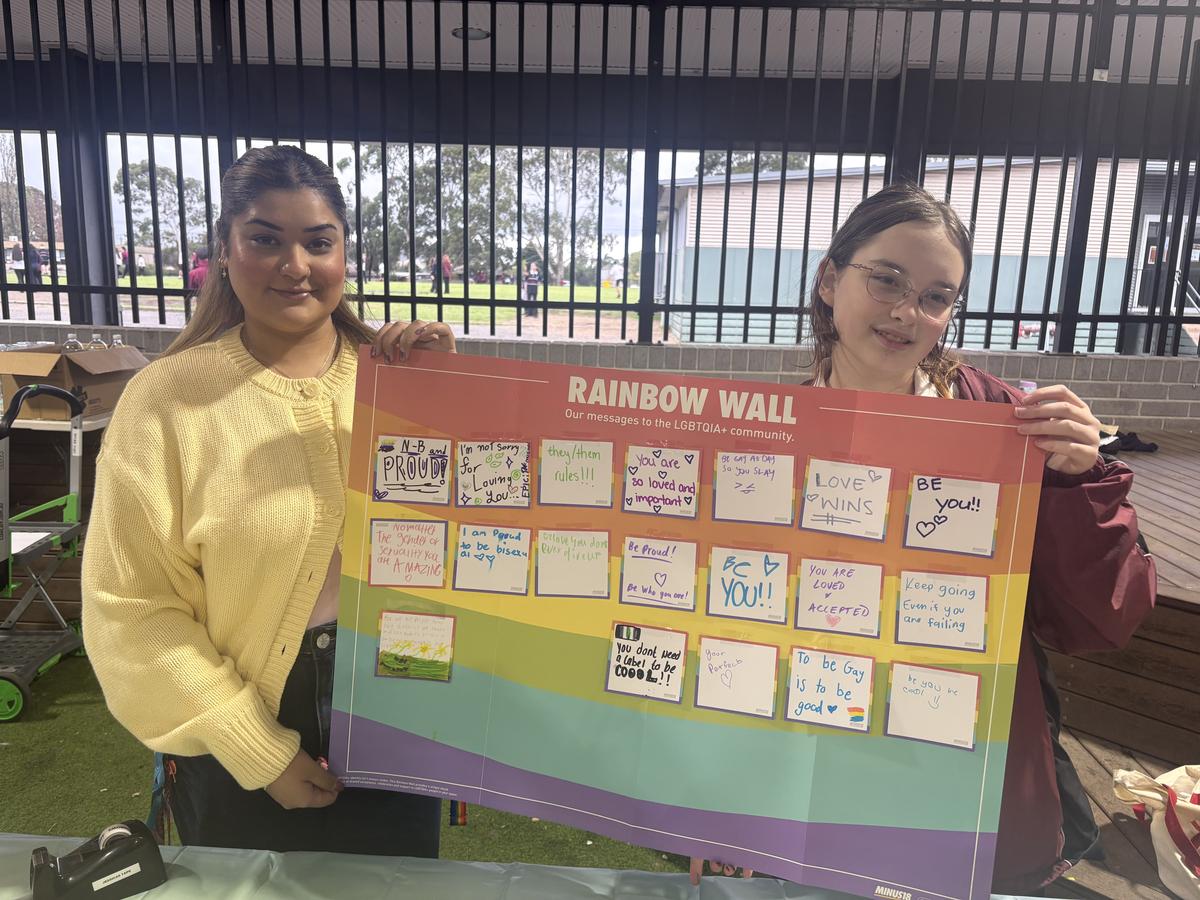
IDAHOBIT Day is an opportunity to stand against discrimination and show support for members of the LGBTQIA+ community. To celebrate IDAHOBIT Day, the wellbeing team organised a range of lunchtime activities for students. These included making bracelets, writing messages of support, and handing out lemonade and rainbow-coloured bookmarks promoting inclusion.
We also hosted an education stand where students were rewarded with a cookie if they could explain what IDAHOBIT Day means or describe what it means to be a supportive friend.
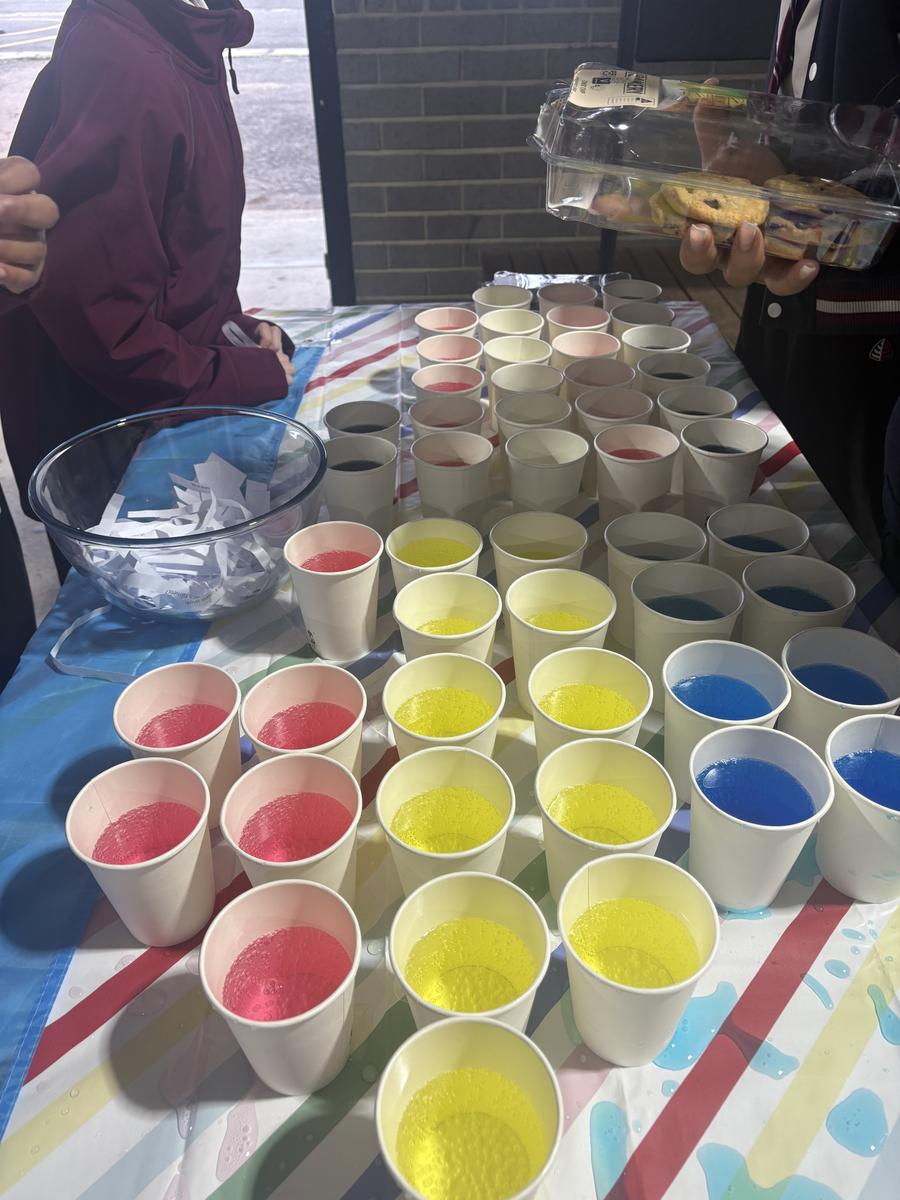
A special thank you to the students from the wellbeing committee who assisted on the day. Recently, the wellbeing team has come together to show their support and provide education around a range of important awareness days, helping to promote inclusion, understanding and respect across the college community. Thank you to the entire wellbeing team for their ongoing support and participation in these meaningful initiatives, and to everyone who attended and helped make the event such a wonderful celebration of community, kindness and respect.
Blue EDGE 🚔 🚔
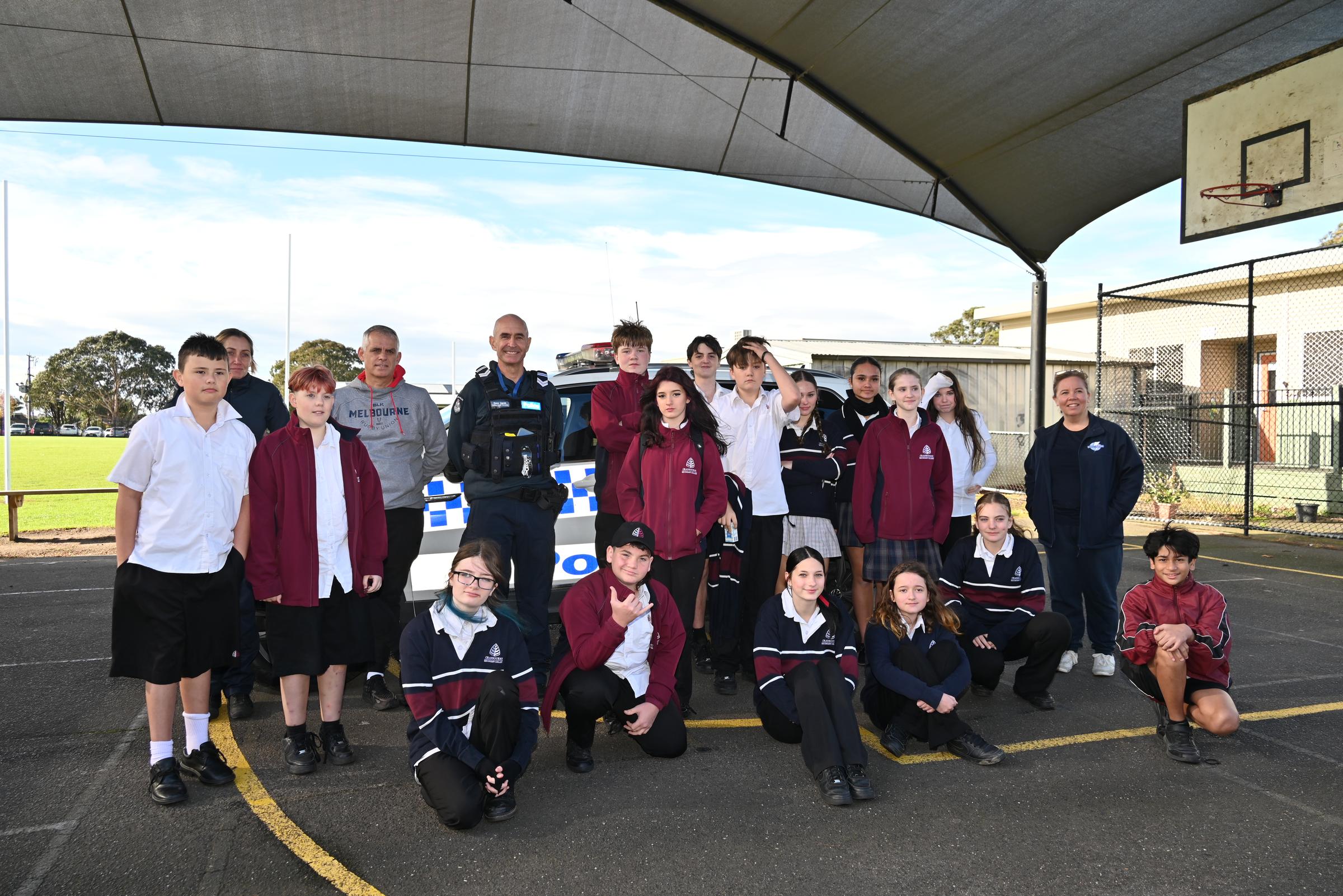
A select group of our Year 7 and Year 8 students involved in the Blue EDGE (Educate, Develop, Grow, Empower) program recently enjoyed an engaging session with members of Victoria Police.
Students had the opportunity to hear firsthand about policing careers, specialist roles, and the important work officers undertake to support and protect the community. The visit included an interactive presentation, a question-and-answer session, and a close-up look at a police vehicle, providing valuable real-world insights.
The experience encouraged curiosity, confidence, and positive community connections while giving students a greater understanding of the diverse skills and responsibilities involved in policing.
Life Choices
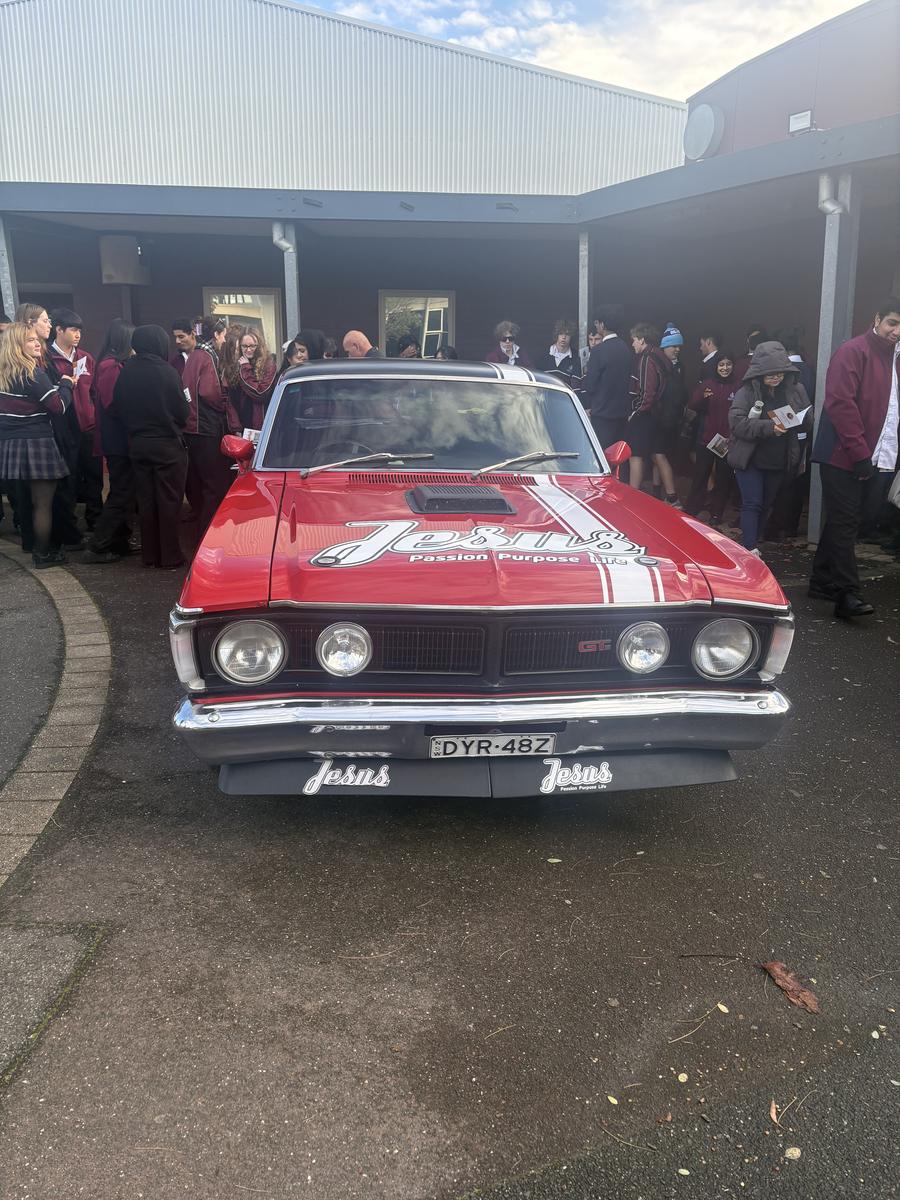
Andrew Fisher, the Life Choices High School Program challenges teens to stop and think through the consequences of some of life’s significant choices, for themselves. It encourages them to choose the path that is ‘right’ for them. The Program provides evidence-based information and real-life stories that inspire young people to stand firm in the face of difficulties and negative influences. The Year 10s were a great audience, and at the end of the presentation, the students joined Andrew outside to have a look at his car and get a picture and autograph.
Le Mana Pasifika (CMY)
This term, our Pasifika students have been part of the Le Mana Empower Pasifika group program, which provides a welcoming and culturally safe space for students to connect with their culture, celebrate their identity, and build meaningful relationships with their peers and the wider school community.
Throughout the term, students have had opportunities to strengthen their connection to their cultural heritage, share experiences, and acknowledge the traditions, values, and customs that have been passed down through their families and generations. The program encourages students to honour their roots, take pride in their cultural identity, and learn from one another in a supportive environment.
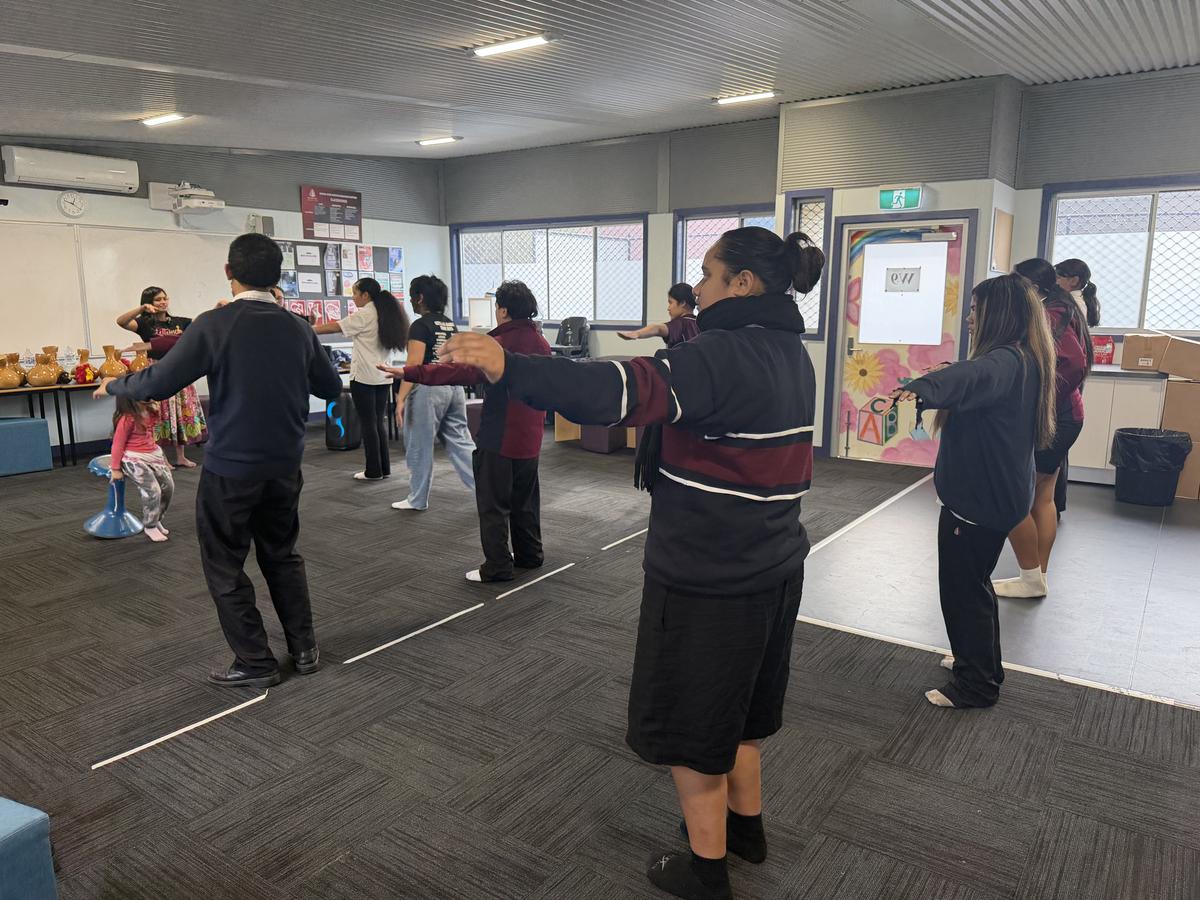
Through engaging activities, discussions, and cultural learning experiences, students have continued to develop confidence, leadership skills, and a strong sense of belonging. The Wellbeing Team would like to thank Le Mana Empower Pasifika for their continued support and valuable contribution to our Pasifika students and community at the college. Picture attached (part one email)Le Mana Pasifika Staff Professional Learning (CMY)
As part of our ongoing commitment to supporting students from all cultural backgrounds, Le Mana will be providing staff with a professional learning session. This session is designed to deepen staff understanding of the cultural context, experiences, and needs of Māori and Pasifika young people and their families.