
Parent Wellbeing

School Refusal
School refusal or ‘school can’t’ is an increasingly common issue parents are facing. There are many reasons why kids might not want to attend school, and it is important for us to understand the WHY, to help parents understand what could be changed to help reduce school refusal instances.
At Wantirna College we hope that going to school is an exciting and enjoyable event for students, but sometimes there are things going on in a student’s life which can make the thought of going to school distressing for them.
There are many factors influencing why young people might refuse to attend school:
New situations like the first day in a new class or the first day in a new school
Problems at school such as:
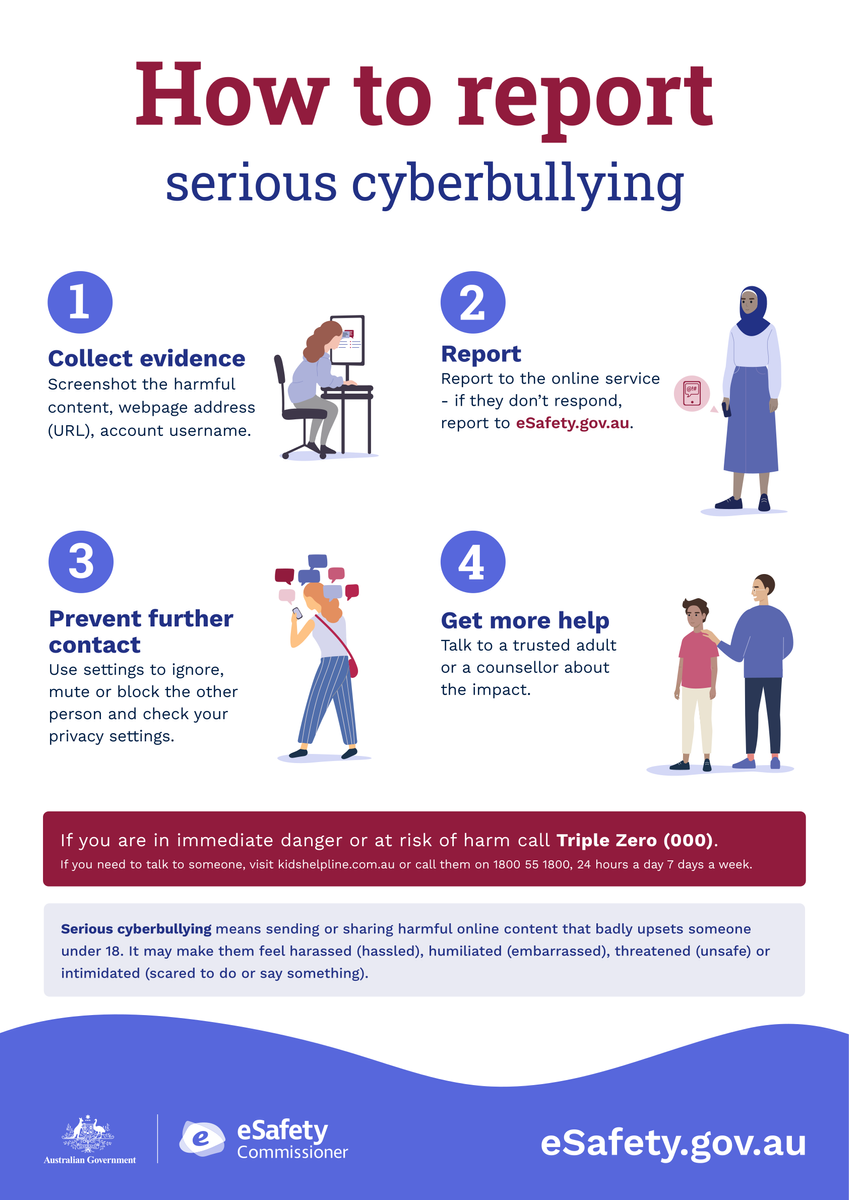
being bullied and/or cyberbullied
learning difficulties
social isolation, not fitting in and friendship conflicts
feeling lost at school
fear of getting into trouble
not getting along with a teacher
Failure – worry their schoolwork will be too hard, they won’t be able to keep up, or they won’t know the correct answer when called on in class.
Separation anxiety or fear of losing a parent – they may think something terrible will happen to a parent due to:
a parent being ill
family problems and arguments
parents separating
knowing another child who has lost a parent or whose family has broken up
Tools & Strategies for Parents
1. Be aware of early signs of distress. These may include:
Showing signs of anxiety or distress about going to school,
Teariness the night before school or complaints about physical illness,
Difficulties getting out of bed or leaving the house,
Easily distressed after school.
2. Be curious about stressors and barriers
Work with the student and school to understand the stressors and barriers so these can be addressed. Prioritise safety and connection with the young person so they feel able to tell you about the difficulties they are experiencing.
3. Seek support
Many families find it helpful to seek support and assessments for their child from: psychologists, paediatricians, occupational therapists, and disability advocates. These people can assist in identifying any unmet support needs that the young person may have.
4. Make sense of what has happened
It’s important to remember that chronic experiences of stress and barriers to education can impact mental health, leading to increased anxiety and depression. It is beneficial when those supporting the student are able to recognise signs of fight/flight/shutdown and have an understanding of the things that help a student feel safe and regulated.
5. Prioritise well-being over attendance
Children and young people who are distressed are not going to have the capacity to learn. If a child or young person’s health or mental health is severely impacted, then recovering their wellbeing should be the priority.
DO YOU NEED HELP?
Supporting a child or young person experiencing school refusal can be stressful and significantly impact parent carer well-being. If you need support we encourage you to avoid experiencing this in isolation. Reach out and talk to a teacher, wellbeing staff member or a peer if you are concerned about a young person. School Can’t Australia also runs an online peer support group for parents and carers. Find other resources at schoolcantaustralia.com.au
Need Support?
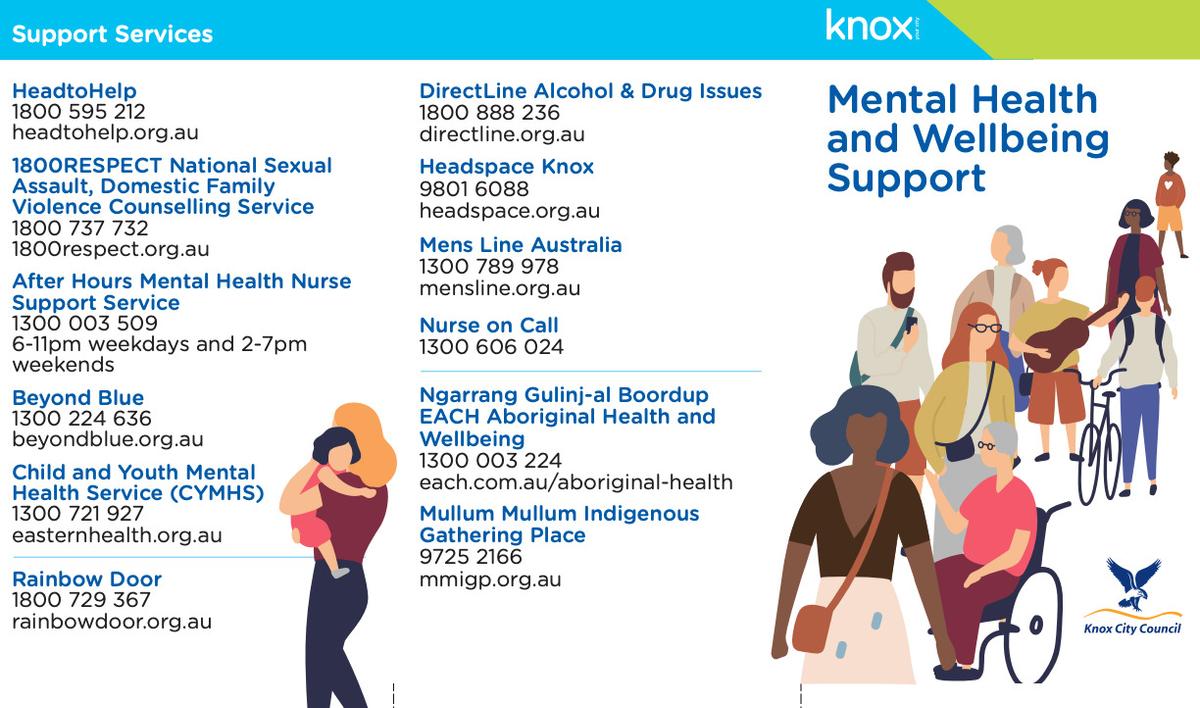
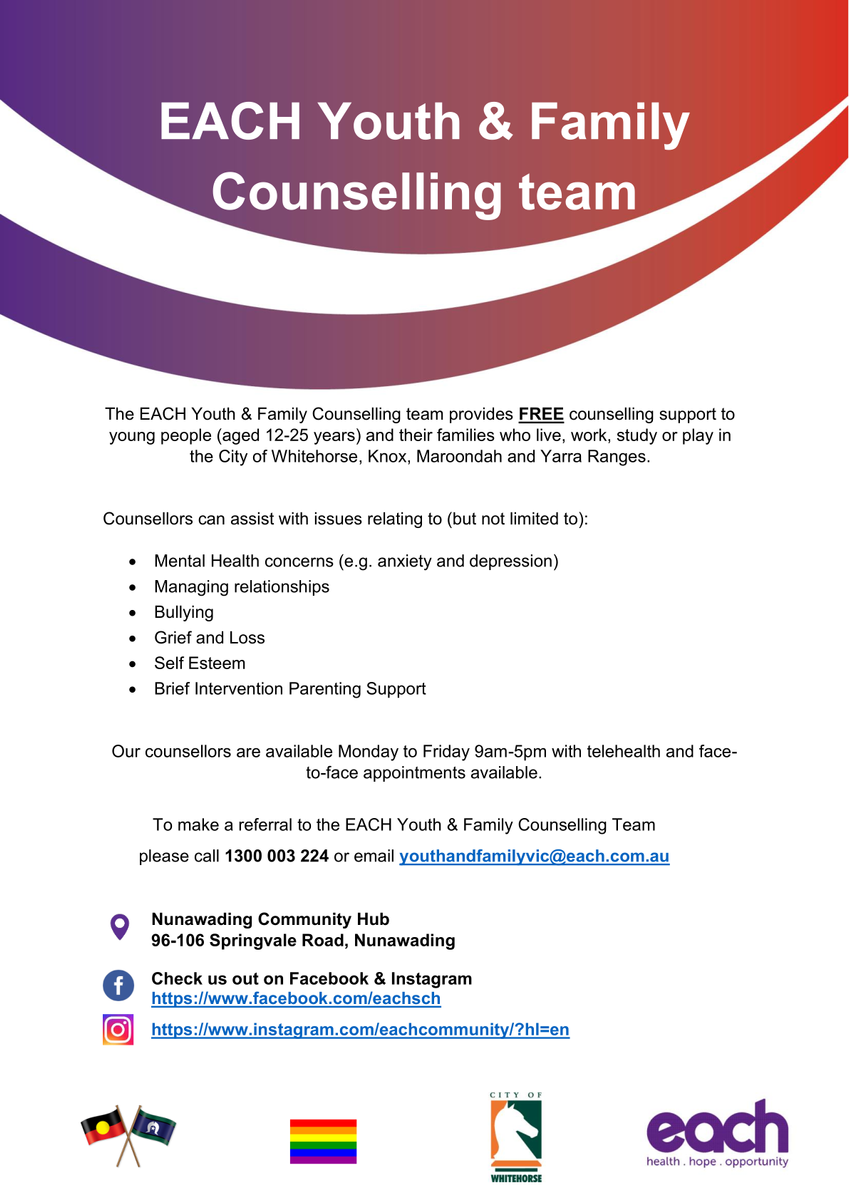
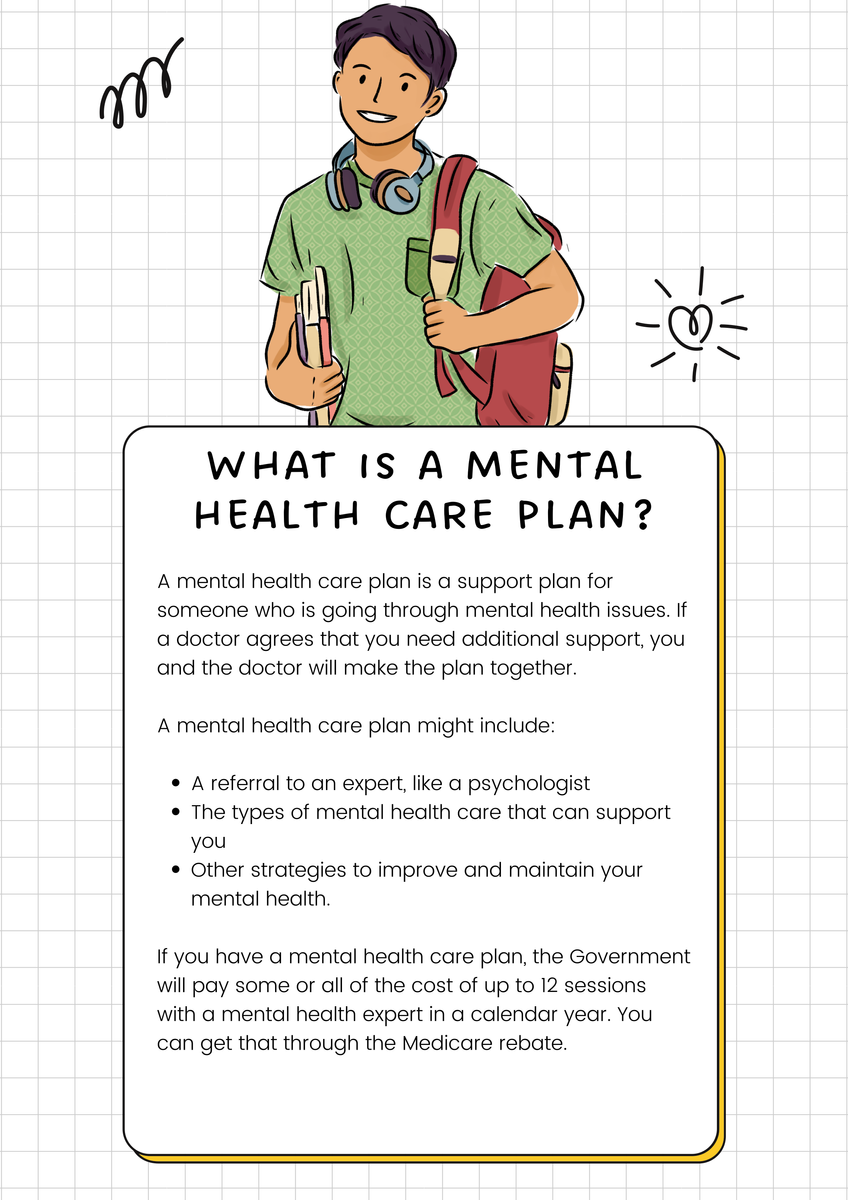
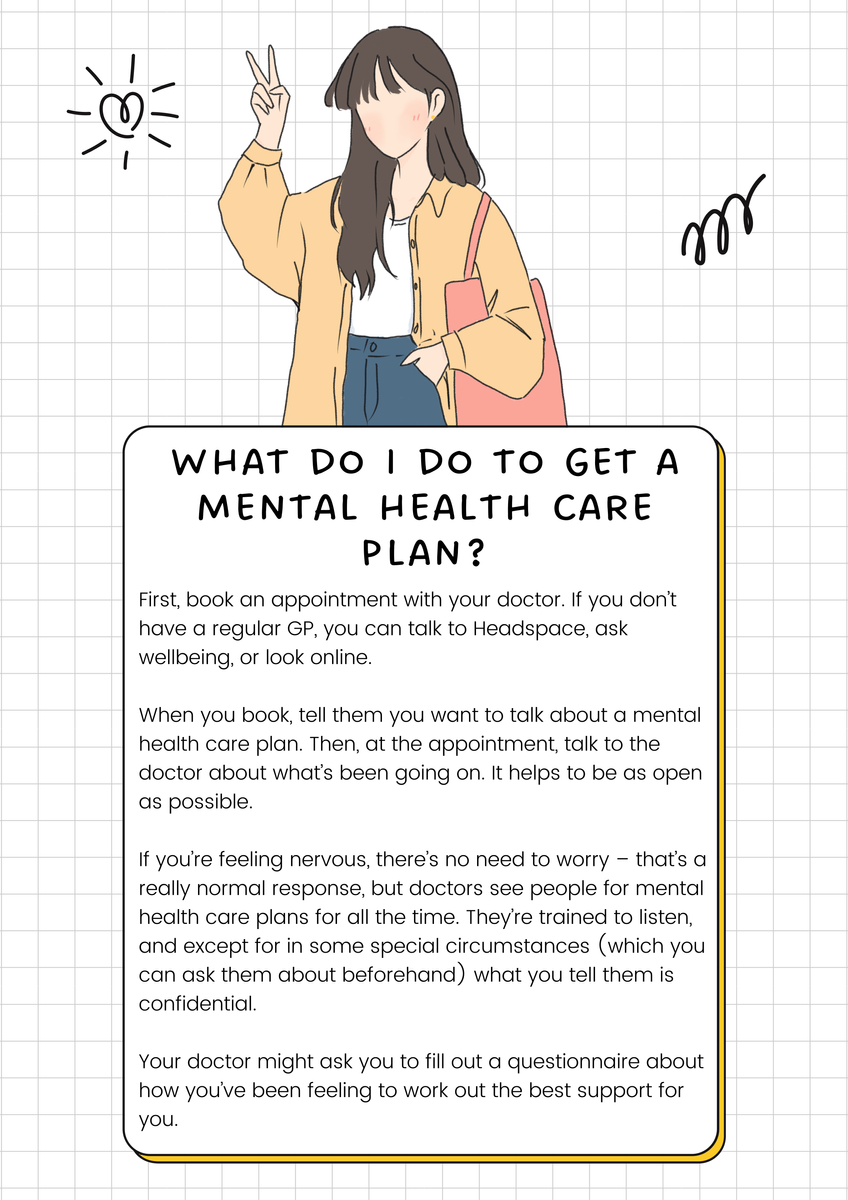
EACH - Health Services 1300 003 224
These services are free or low-cost.
93 Boronia Rd, Boronia
Youth Mental Health Services 9298 8469
headspace 1800 650 890
Safe Steps Family Violence Response Centre 1800 015 188 (24 Hours)
1800 Respect 1800 737 732 (24 Hours)
Nurse on Call 1300 60 60 24
The Butterfly Foundation 9822 5771
FriendLine 1800 424 287
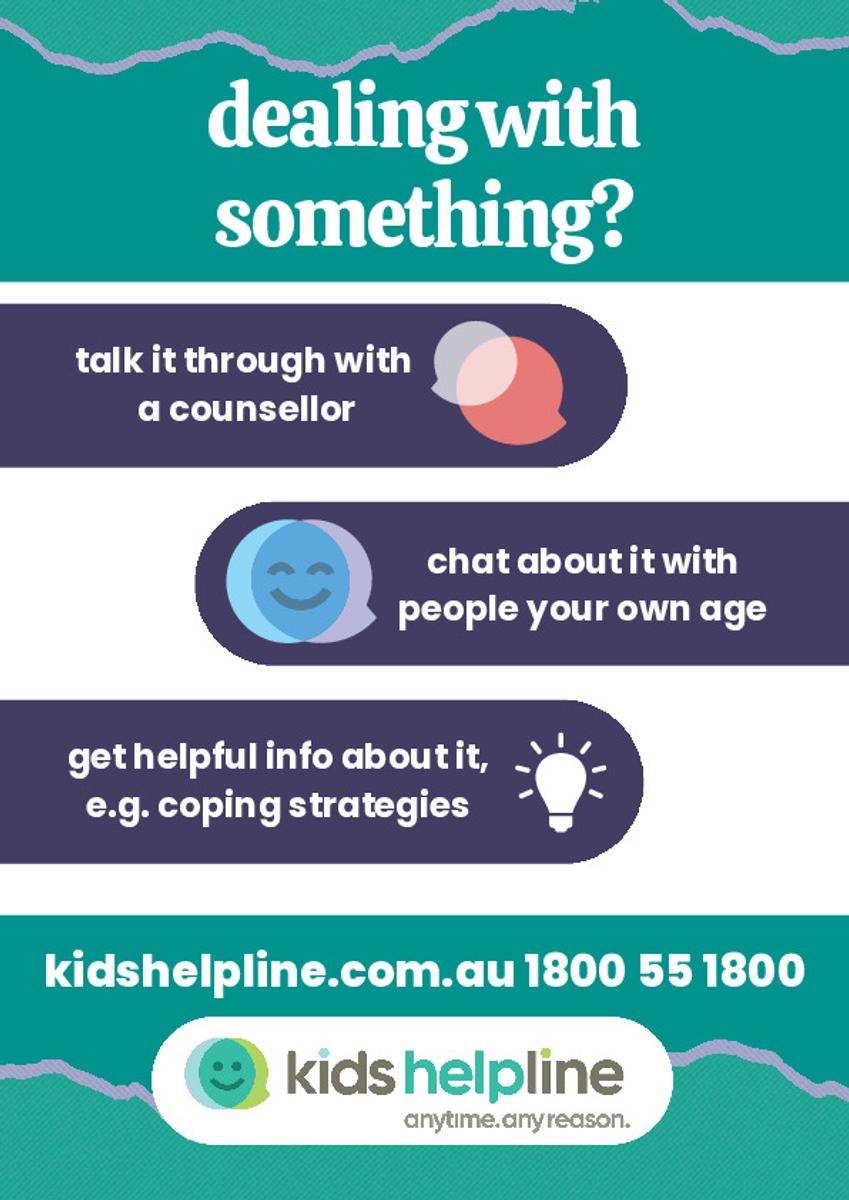
24/7 Mental Health Hotlines:
Kids Helpline 1800 55 1800
Lifeline - Call 13 11 14, text 0477 13 11 14 or chat online.
Suicide Call Back Service 1300 659 467 or suicidecallbackservice.org.au
Beyond Blue 1300 22 4636
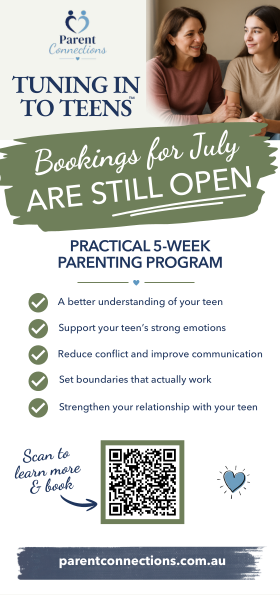
Parenting Workshops
There are a number of upcoming parent workshops and online sessions available to parents:

Student Wellbeing Team
Email: wellbeing@wantirnacollege.vic.edu.au
Chelsea Collings - Leader of Wellbeing
Guiseppe Relia – Wellbeing Counsellor
Sanela Avdic - Wellbeing Counsellor
Talea-Jane Simpson – Wellbeing Counsellor
Tajinder Wulff - Mental Health Practitioner 7-8