
Cultivating Inclusion
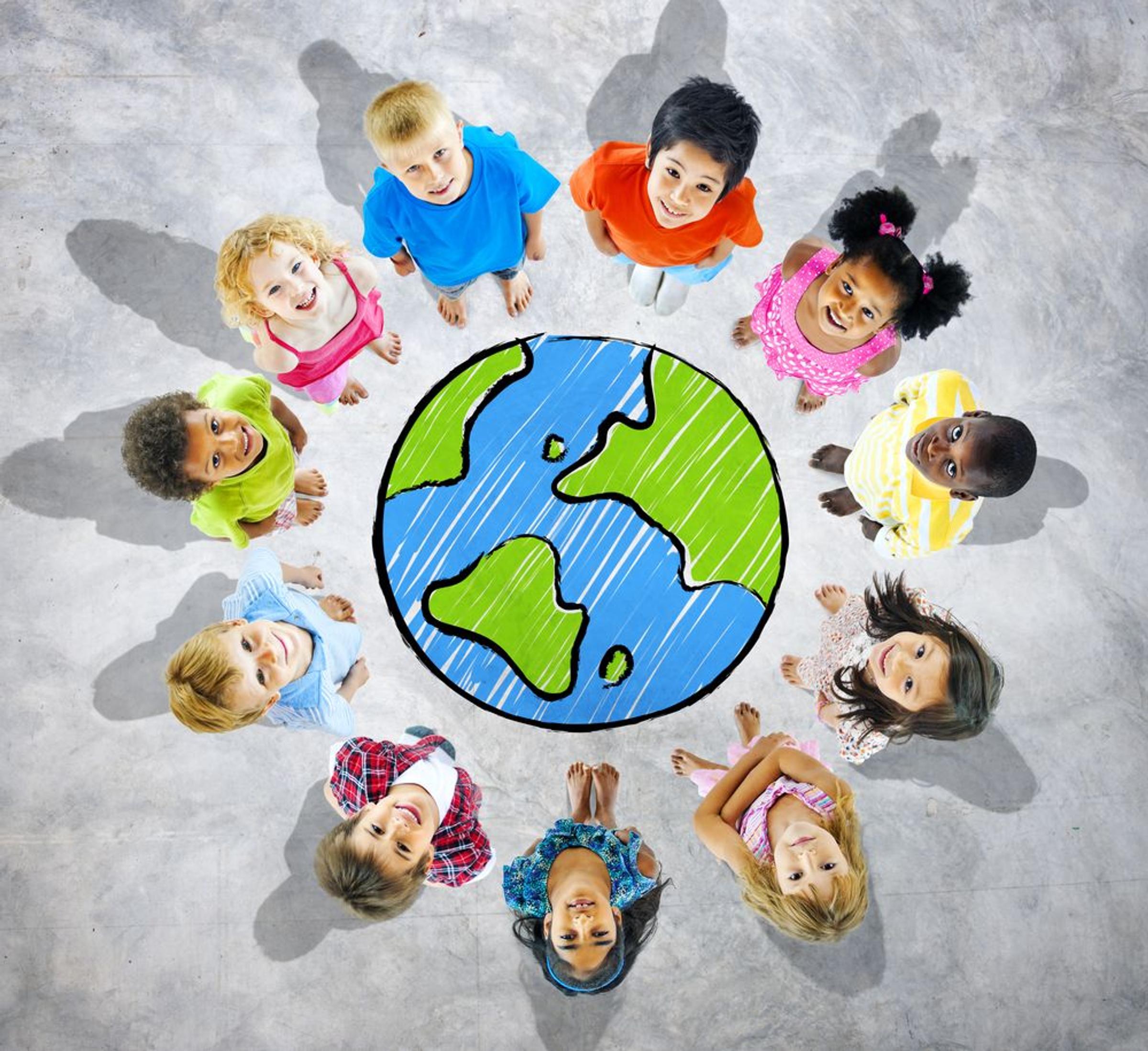
At Lyndhurst Primary School, equity is upheld and diverse needs are respected in policy and practice.
This month, the February dates to celebrate from our cultural calendar travel the world with exciting and significant events.
February 2 - TU B’SHEVAT (Tu Bishvat)
Religion - Judaism

Tu B’Shevat (Tu Bishvat) is the 15th day of the Jewish months of Shevat. This festival is also known as the “New Year for Trees” and is observed in Jewish communities in Australia. It marks a time for many Jewish people in Australia to engage in activities such as eating fruit or planting trees. The Torah praises seven “fruits”, in particular grapes, figs, pomegranates, olives and dates. Many Jewish people eat a new fruit, which can be any seasonal fruit. It is also customary for blessings to be recited as part of this ritual.
February 6 - WAITANGI DAY
Country-New Zealand

The national day of New Zealand, marks the anniversary of the initial signing of the Treaty of Waitangi
February 14 - VALENTINE'S DAY
International

Valentine’s Day, also known as Saint Valentine’s Day, is a celebration of love and affection. It’s a time when people express their feelings to their romantic partners, friends, family members, and even pets. Traditionally, it’s associated with the exchange of cards, gifts, and romantic gestures to show appreciation and affection.
February 17 - SHROVE TUESDAY
Religion - Christianity

Pancake Day, or Shrove Tuesday, is celebrated in many countries across the globe. It is the traditional feast day before the start of Lent on Ash Wednesday. Lent – the 40 days leading up to Easter. During Lent, Christians give up luxuries to remember when Jesus went into the desert for 40 days to fast and pray.
February 6 - Lunar New Year (Year of the Horse)
Various East and Southeast Asian Countries
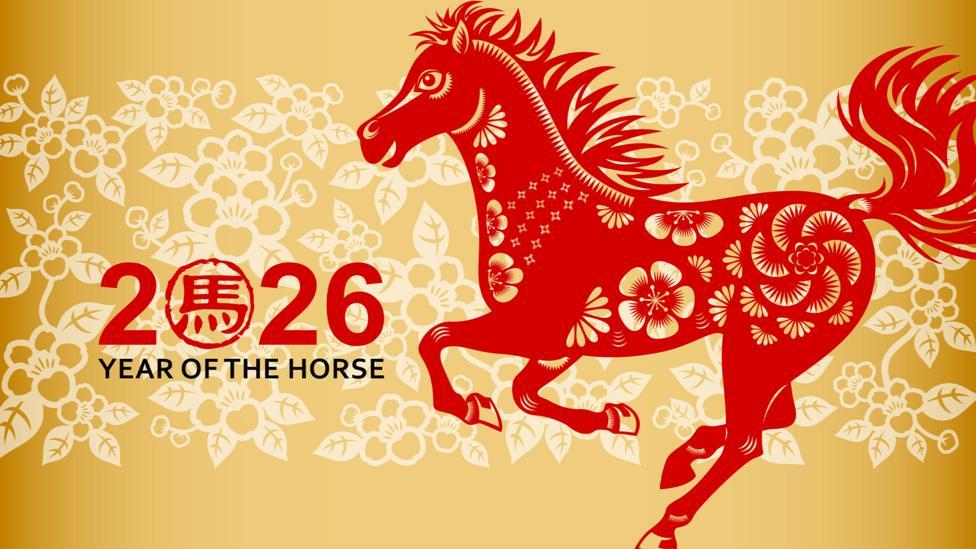
Lunar New Year, also known as Chinese New Year or Spring Festival, is a major festival celebrated at the beginning of the Chinese lunisolar calendar. Thought to have originated in ancient China around 3,500 years ago, it is one of the most important holidays in Chinese culture, marking the end of winter and the beginning of the new year.
February 6 - RAMADAN
Religion - Islam

In 2026, Ramadan is expected to begin on the evening of Tuesday 17 February 2026 and will conclude on the evening of Wednesday 18 March 2026, with the exact dates contingent upon the sighting of the moon.
Ramadan is the most sacred month of the Lunar Calendar for Muslims around the world. It is a month of fasting (from sunrise to sunset), prayer and reflection. Many will wake up before sunrise to eat a pre-fast meal known as Sahur (Suhoor). This meal often includes dinner like foods to sustain them. As the sun sets, families and friends eagerly gather for Iftar, a joyous feast that marks the end of the fast.
Fasting is an act of worship prescribed to teach self-discipline, gratitude and humility while earning blessings. It is meant to encourage spiritual reflection.