
Careers Update

What is Vocational Education?

Did you know that university isn’t your only option after leaving school? Vocational education is a great way to become skilled and ready for work, and is often faster than traditional university pathways. Read about some of the vocational pathways available to you, from school to the end of your career.
What is vocational education?
Vocational education focuses on teaching specific skills and knowledge required for a particular job or role. Much of the learning is hands-on and practical, and provides you with a direct route to a specific career or industry.
Lots of people still hold the belief that vocational education is only for trades, but that couldn’t be further from the truth: there are courses available in nearly every single industry, from health and technology to design, business, hospitality, science, and much more.
So what are some of the pathways you can take with vocational education?
The pathway to a qualification
Many vocational courses have no prerequisites for enrolment, meaning you can start no matter what your results are or which subjects you study. In fact, in some cases you can even study vocational subjects and courses while you’re still at school.
Want to start working straight away? You can also be paid while you learn by doing an apprenticeship or traineeship, which combines part-time work and vocational education.
The pathway to university
Obtaining a vocational qualification can also be a great pathway to university if you don’t meet the entry requirements straight out of school. Many universities will accept a vocational qualification for entry into some courses.
One benefit is that doing a vocational course first is a great way to get a feel for what tertiary study is like. By the time you start your university course, you’ll already have well-developed study skills and know what to expect.
Another benefit is that your vocational qualification can allow you to start working in a relevant field while you study at university part-time. For example, if you already have a vocational qualification in allied health, you can work in a hospital and gain practical experience while you study for your nursing degree.
The pathway to changing careers
If you work in the same job for a while but find yourself wanting something different, vocational education is a great way to get re-skilled into a brand new career. Some courses can be completed in as little as six months, meaning you can jump into your new job sooner.
And if you want to remain in the same industry or workplace, there are vocational qualifications that can help you climb the ladder into more advanced positions too. Sometimes your employer might even encourage you to upskill and pay the tuition fees on your behalf.
It doesn’t matter how young or old you are – anyone can study a vocational qualification.
Is vocational education right for me?
Whether or not you choose to follow a vocational pathway comes down to your individual circumstances and preferences. If you’re not sure yet, here are some questions to help narrow down your options:
- Do I prefer to learn by doing lots of reading and research, or would I rather learn through practical experience?
- If I already have a dream career in mind, is there a specific qualification I must earn before I can start work? If so, what is it?
- Do I want to start working straight away, or do I want to keep studying for a while?
- Do I have a fixed plan for my career, or am I more flexible and open to other options?
- How much am I willing to pay for a course, and how will I pay for it?
At the end of the day, the choice is yours – follow the pathway you’re most comfortable and happy with, even if it might not be the one your parents or friends think you should do.
SEVEN EXCITING CAREERS IN THE FOOD INDUSTRY!
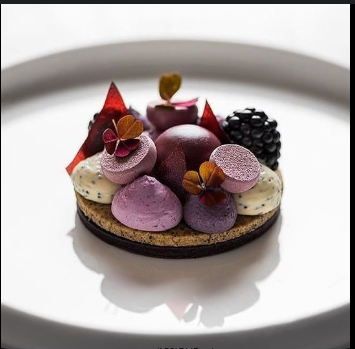
The food industry offers far more than the traditional roles that first come to mind. Whilst chefs, waiters and baristas play vital roles, there’s a whole world of fascinating careers waiting to be discovered by people passionate about food. If you’re considering a future in this dynamic sector but looking for something a bit more out there, these seven career paths might surprise you.
Craft Brewer
The craft brewing industry continues to grow strongly, creating opportunities for people who want to combine science, creativity and business savvy. Craft brewers develop unique beer recipes, manage the brewing process, and often work on brand development and marketing. Some focus on the technical aspects of fermentation and quality control, whilst others concentrate on sales and distribution strategies.
Getting started in this field typically involves completing specialised training. The Institute of Brewing & Distilling offers professional qualifications, and several vocational institutions provide beginners courses like a Certificate III in Food Processing, or a Certificate IV in Artisan Fermented Products . You could gain hands-on experience with brewing equipment, learn about different beer styles, and understand the chemistry behind fermentation. Many craft brewers start by working in established breweries before launching their own operations, so you could look for work experience or part time work near you.
Food Lawyer
Food law is a specialised legal field that addresses everything from food safety regulations to intellectual property rights. As a food lawyer you could be advising restaurants, food manufacturers, and agricultural businesses on compliance matters. Work on labelling requirements, help clients navigate international trade regulations, or advocate for workers in the industry.
This career requires a law degree and often benefits from additional qualifications in food science or public health. Food lawyers need to stay current with changing regulations and understand how legislation affects different parts of the food supply chain. It’s detail-oriented work that plays a crucial role in protecting public health and ensuring fair business practices.
If you’d like to know more about what a career as a food lawyer might look like, you can check out this article from National Geographic.
Food Stylist
Behind every appetising food photograph and advert is a skilled food stylist. These professionals arrange food to look its best for photography and video production. They work with chefs, restaurants, food brands, cookbook publishers and advertising agencies. Food stylists understand colour theory, composition and lighting. They know which ingredients photograph well and how to keep food looking fresh under studio lights, as well as lots of creative hacks to produce drool-worthy shots.
Building a career as a food stylist typically involves developing both culinary and photography skills. Many food stylists have backgrounds in cooking or fine arts. You’ll need a strong portfolio demonstrating your ability to make food look appealing. Some food stylists work freelance, whilst others find in-house positions with magazines or marketing agencies. Photography schools and culinary institutes now offer courses specifically in food styling.
If you’re interested in a career like this, you could follow food photographers online, start practising by taking shots of your own cooking or meals at home or in restaurants, find courses, workshops and tutorials to attend either online or in-person. Start growing your skills and putting together a portfolio.
Molecular Gastronomist
Molecular gastronomy is a blend of food science and culinary art to create all kinds of weird and wonderful concoctions. Using scientific principles and lab tools to create innovative dishes with unexpected textures, flavours, and fantastical presentation. From transforming liquids into spheres, creating foams from vegetables, or using liquid nitrogen to make instant ice cream. This approach requires understanding of chemistry, physics and traditional cooking techniques.
Many molecular gastronomists start with formal culinary training at institutions such as Le Cordon Bleu. Advanced programmes like the Hautes Études du Goût in Paris offer specialised education in taste, gastronomy and the Art of Fine Dining. A strong foundation in classical cooking is essentials before experimenting with molecular techniques, or you could end up with inedible results. This career path often leads to positions in high-end restaurants or research kitchens where innovation is valued.
Chocolatier
Chocolatiers craft handmade chocolates and confections. This career demands precision, patience and a thorough understanding of chocolate’s temperamental properties.
Working with chocolate requires controlling temperatures carefully, understanding how different ingredients interact, and developing a refined palate. Chocolatiers create everything from simple truffles to elaborate showpieces. The work is physically demanding and requires attention to detail, but it offers creative satisfaction and the chance to develop your own signature products.
Most chocolatiers begin their careers by completing baking or patisserie courses at vocational institutions. Some specialised chocolate schools like Ecole Chocolat offer advanced training in tempering techniques, flavour pairing, and business management. You could end up working in chocolate cafes, shops, hotels, or start your own business. The work can be physically demanding and requires attention to detail, but it if you love chocolate and being creative, this job could be very rewarding and see you own signature products on the shelves.
Cheesemaker
Cheesemaking combines traditional craft with modern food science. Cheesemakers oversee the entire production process, from selecting milk to ageing finished products. They monitor bacterial cultures, control humidity and temperature, and assess when cheese has reached peak flavour. Some cheesemakers work with large-scale operations, whilst others focus on small-batch artisanal production.
Starting in this field might involve taking short courses in cheesemaking basics, then gaining hands-on experience working in creameries. The Academy of Cheese offers professional qualifications that cover cheese science, production methods and sensory evaluation to become a Master of Cheer (seriously). Cheesemakers need physical stamina for the demanding work and patience for the long maturation periods. If the thought of creating, producing and selling cheese, or maybe even experimenting to create something new sounds fun, then this could be a career to explore.
Restaurant Designer
Restaurant designers create the spaces where people gather to eat. They consider flow patterns, furniture, colours, acoustics, lighting and atmosphere alongside practical concerns such as kitchen efficiency and compliance with building codes.
A well-designed restaurant supports staff workflow whilst creating an environment that attracts customers and enhances their dining experience. Restaurant designers work closely with owners, chefs and contractors to bring concepts to life. It’s collaborative work that requires balancing multiple stakeholders’ visions and practical constraints to successfully complete a project.
This career typically requires qualifications in interior design, architecture or related fields. Understanding both aesthetics and functionality is essential, so construction could even be a pathway in. You’ll need to know about materials, building regulations and accessibility requirements. Restaurant designers often build portfolios by working on smaller projects before tackling larger venues. It’s collaborative work that requires balancing multiple stakeholders’ visions and practical constraints. You might also like to check out some restaurants with noteworthy interiors.
Explore food careers further
These seven careers represent just a small sample of possibilities within the food industry. Each offers unique challenges and rewards for people passionate about food. Whether you’re drawn to the creative, technical or business aspects of food, there’s likely a career path that matches your interests.