Wellbeing
Mental Health in Primary Schools
Children’s mental health is fundamental to their development and learning. Good mental health means having a positive sense of wellbeing, coping with challenges and being able to realise individual potential. Unfortunately, not all children experience good mental health. Schools are an ideal platform for promoting children’s mental health. The Department of Education advocates that a school's work is to support children's wellbeing right alongside their learning.
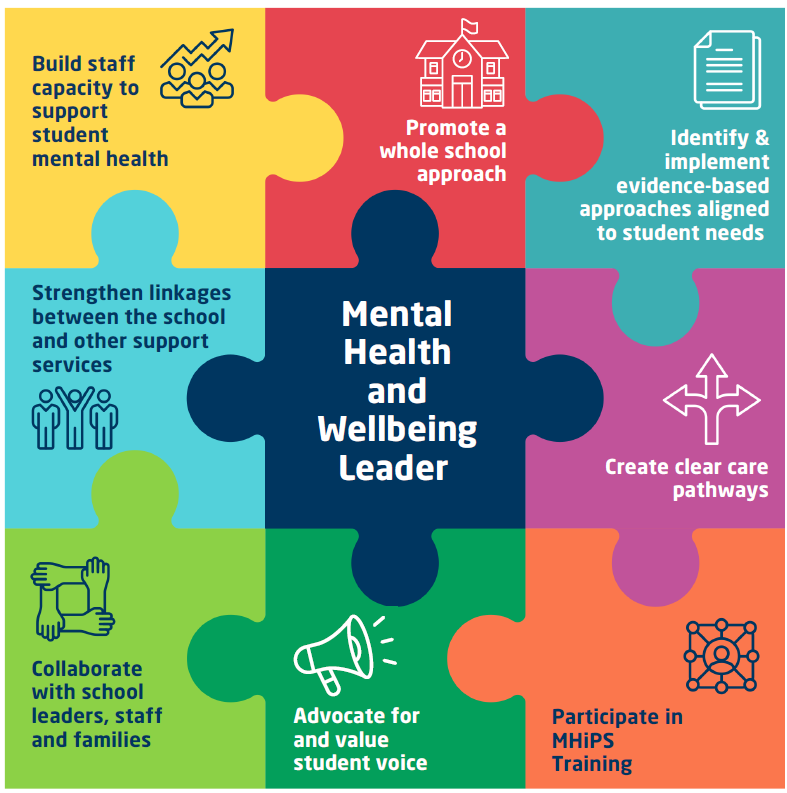
The Mental Health in Primary Schools (MHiPS) initiative upskills experienced teachers to become Mental Health and Wellbeing Leaders and aims to increase the capacity of Victorian primary schools to support the mental health of their students.
As the Mental Health and Wellbeing Leader at NPS, you'll notice me sending out information about our whole school wellbeing work. You might also find me supporting classroom teachers to help students and families with wellbeing concerns. Plus you'll see me as much as possible at the school gate - Jacqueline (Madame Lee)
SWPBS Update
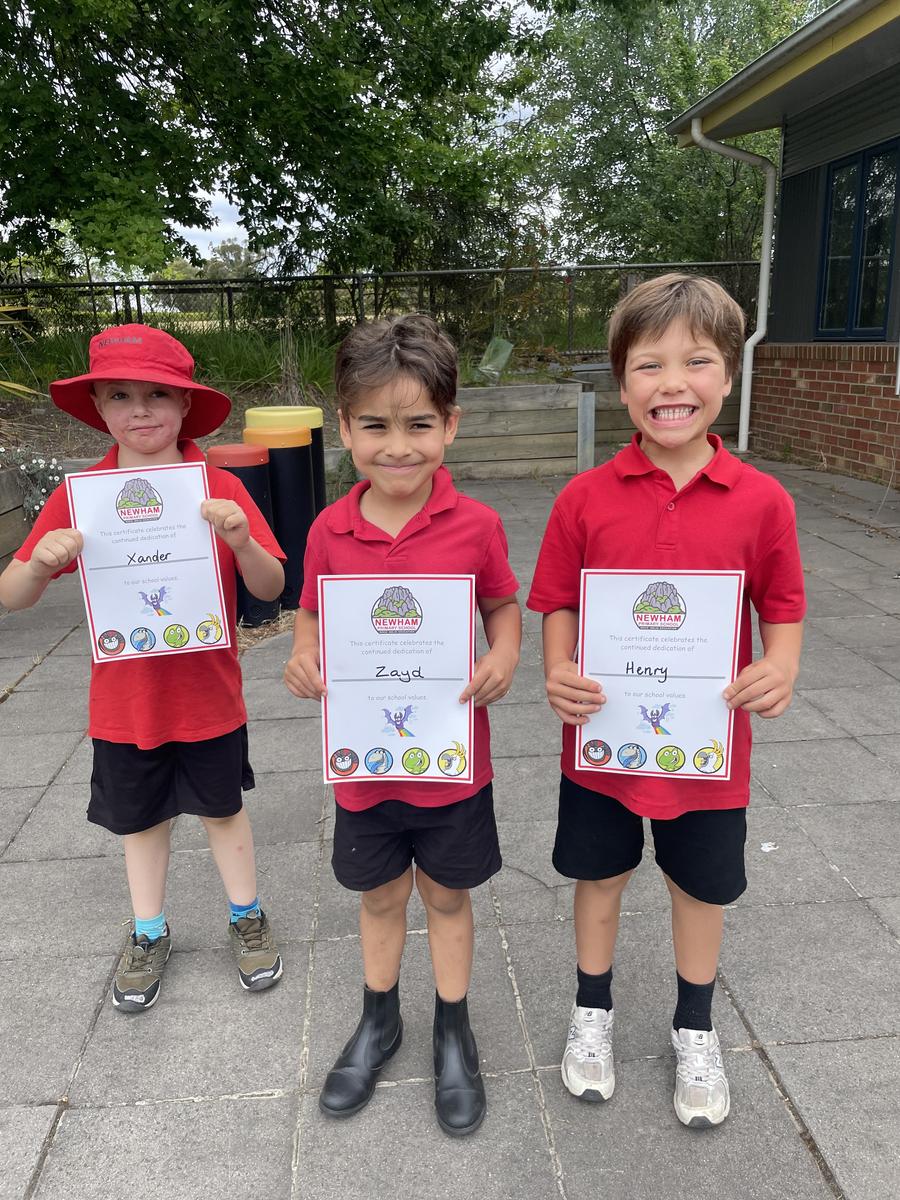
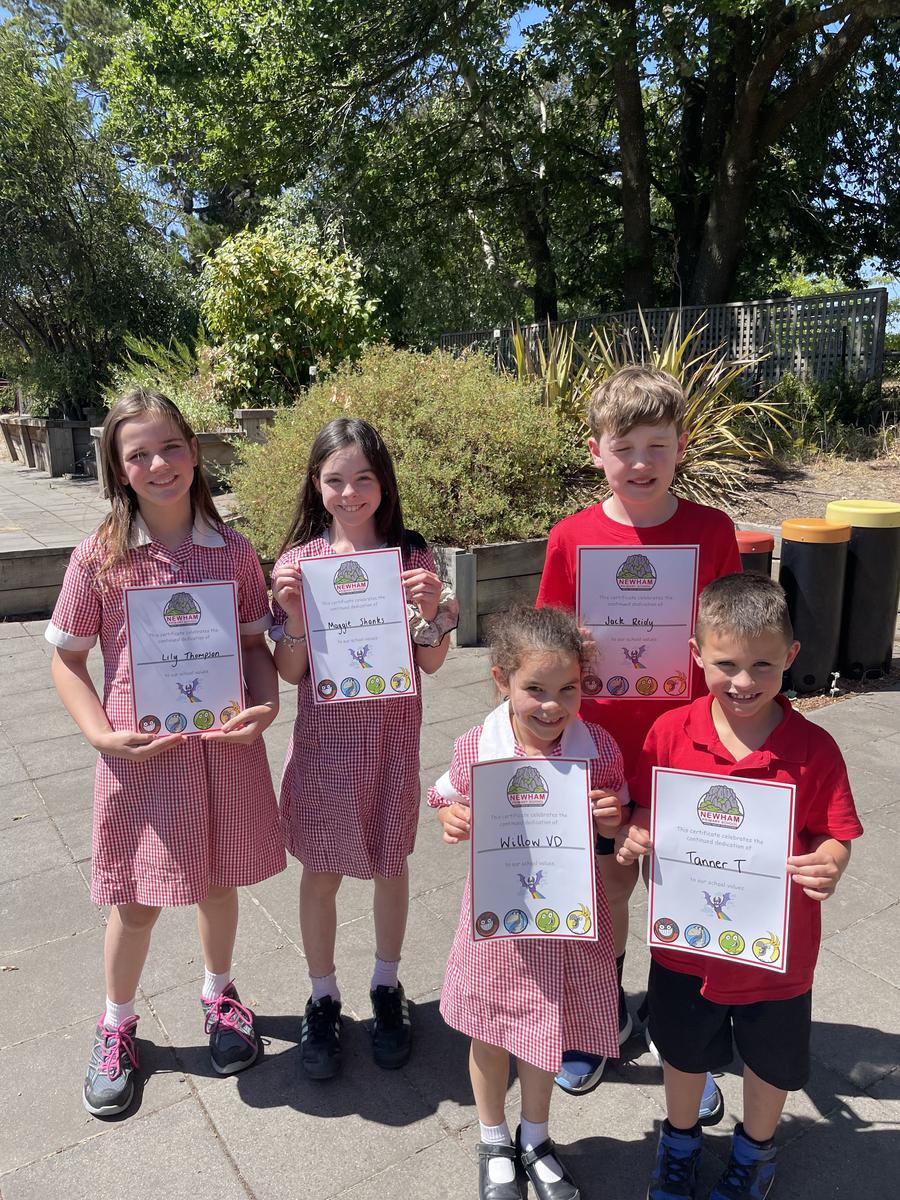
Congratulations to the wonderful students who received certificates at our last assembly of 2025, and first assembly of 2026! Students receive a certificate when they have earned 20 value cards, for demonstrating our expectations in the playground. We look forward to handing out many more certificates this year.
SWPBS Family Guide
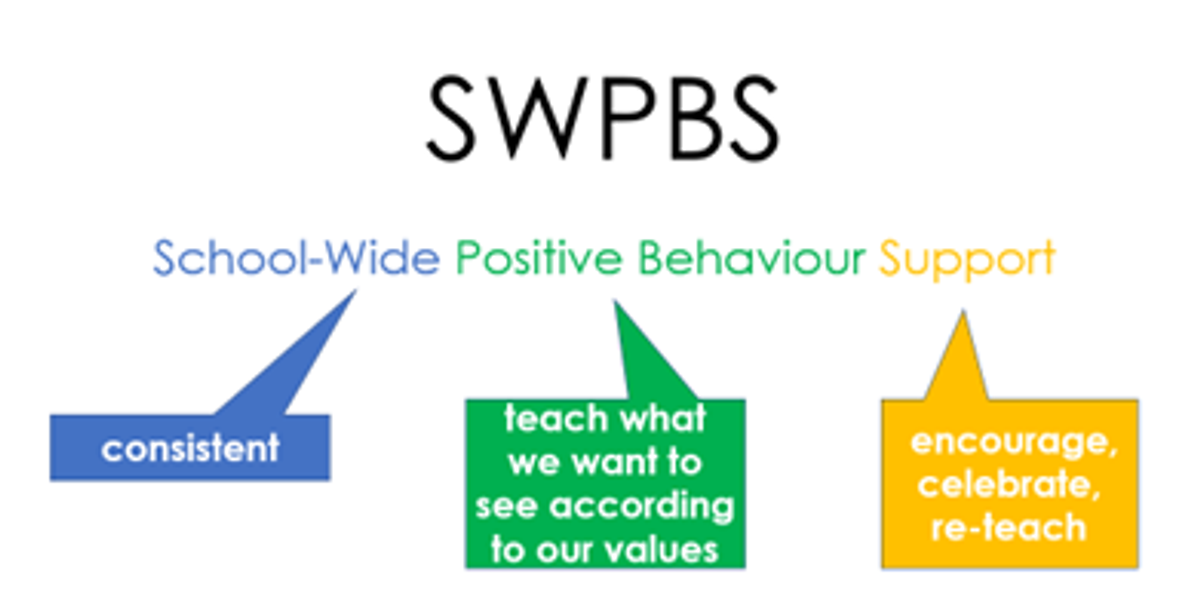
SWPBS is one of the pillars of our school's approach to supporting student wellbeing and a safe and calm learning environment. At the moment, staff are working hard to establish consistent, predictable routines and clearly teach and reinforce behaviour expectations. If interested, you can read the details of our SWPBS program in this guide for families...
Focus on: Respect
Each newsletter this term, we'll zoom in on the expectations for one of our values. In class, students are clearly taught and given opportunities to practise these expectations. Teachers aim to use this language to praise and reinforce students following expectations, and to remind and reteach when students aren't.
This week, we're looking at the expectations for students demonstrating Respect.
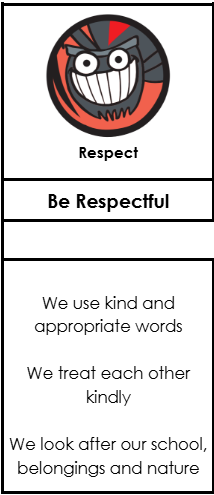
We use kind and appropriate wordscan mean...
- Being polite and using good manners
- Using helping words
Encouraging
We treat each other kindlycan mean...
- Taking care with each other’s bodies
- Giving each other time and space
- Accepting each other’s differences
We look after our school, belongings and nature can mean...
- Doing the right thing with waste
- Letting plants and animals live and grow
- Putting sports, sandpit, cubby equipment away at the end of recess and lunch
- Returning library books
- Keeping classrooms, desks, tubs and bag lockers tidy
- Leaving the toilets safe and clean
- Helping to tidy and clean
- Asking to borrow someone else’s belongings
- Thinking carefully about what you bring to school
Child Development & Wellbeing Information
We know being a parent is really complex and there's no guidebook, guru or course that's going to give you step-by-step solve-all instructions. This is also the case for teachers! But, as part of our jobs, we have access to learning and resources about child development and wellbeing that we'd like to share. This is information that might build awareness, affirm what you're already doing, or spark an idea your family might like to try out. We put some info in each newsletter, so to help guide us, we'd love to know what kind of topics you may be interested in. If you could fill out this short survey, we'd really appreciate it!
Child Wellbeing - Parent Information Survey
This week: Raising Children Network

Just highlighting this incredibly useful treasure trove of a website! Loads of useful tips on a huge range of topics.
Here's the section for children 5-8 years.
Here's the one for pre-teens 9-11 years.
Mental Health Support
If you or your child need confidential advice or someone to talk to, here are some readily available support services…
Kids Helpline
Call 1800 55 1800. Or webchat via kidshelpline.com.au
Kids Helpline is Australia’s free and confidential 24/7 online and phone counselling service for young people aged 5 to 25.
Beyond Blue
Call 1300 22 4636. Or webchat via www.beyondblue.org.au
Our free telephone and online counselling service is open 24/7 for everyone in Australia. No matter who you are, or how you're feeling, reach out to our free counselling services for support – we'll point you in the right direction so you can get the help you need.
MensLine Australia
Call 1300 78 99 78. Or webchat via mensline.org.au
MensLine Australia offers free professional 24/7 telephone counselling support for men with concerns about mental health, relationships, anger management, family violence (using and experiencing), stress, and suicidal thoughts.
Family Relationships Advice Line
Call 1800 050 321 Mon-Fri 8am to 8pm; Sat 10am- 4pm
Anyone can call the Advice Line, a national telephone service about family relationships. They help with strengthening family relationships, helping families stay together and assisting families through separation. More information here: www.familyrelationships.gov.au/talk-someone/advice-line