
Student Services
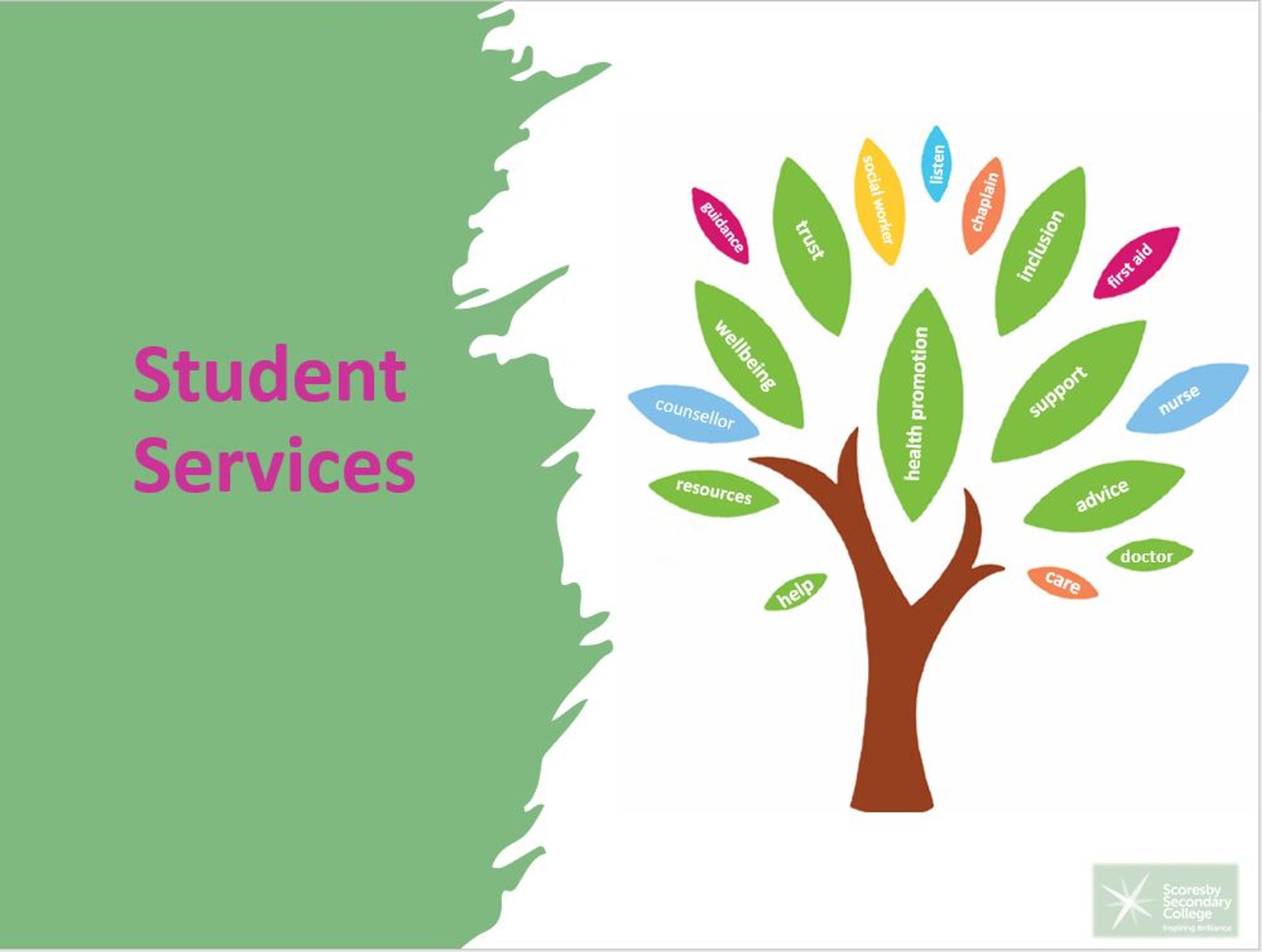
Supporting Student Wellbeing
At school, student wellbeing is just as important as academic success. Young people face a wide range of social, emotional, and mental health challenges, and having the right supports in place can make a significant difference to their wellbeing, engagement, and learning.
Our Wellbeing Team works collaboratively with students, families, teachers, and external services to provide support. Below is an overview of the role of the Wellbeing Team, the supports available, and how families can access additional mental health support in the community.
What Does the Wellbeing Team Do?
The Wellbeing Team supports students experiencing emotional, social, behavioural, or mental health concerns that may be impacting their learning, relationships, or engagement at school.
- The wellbeing team exists to foster engagement and provide targeted therapeutic support not to act as an alternative supervision space for students avoiding learning.
- Wellbeing support is designed to build capability, not provide alternative supervision for class avoidance.
Our role is to remove barriers to learning, not to manage students who are simply opting out of classroom attendance.
Accessing External Mental Health Support
Sometimes students and families may benefit from additional support outside of school.
Below are several local services that provide counselling and psychological support.
Local Mental Health Supports
Headspace Knox
2 Capital City Boulevard, Wantirna South VIC 3152
Phone: (03) 9801 6088
Cost: Free
EACH Ferntree Gully
1063 Burwood Highway, Ferntree Gully VIC 3156
Phone: 1300 003 224
Cost: Free
Dakota Pirruccio Psychology
Phone: 0435 036 555 Email: dakotappsych@gmail.com
Approximate cost: $220 per session with Medicare rebate available through a Mental Health Care Plan
Fernhills Clinic
Level 1/157 Scoresby Road, Boronia VIC 3155
Phone: (03) 9758 4144
Fees vary depending on the practitioner
Jessica Dehaan
13 Clyde Road, Berwick VIC 3806
Email: jessdehaan.socialworker@gmail.com
Medicare rebates available
Brain Helpers Psychology
13 Clyde Road, Berwick VIC 3806
Phone: 0435 100 605
Medicare rebates available depending on practitioner
Emerald Psychology
Locations:
- 382 Belgrave-Gembrook Road, Emerald
- 1090 Wellington Road, Rowville
Phone: 5905 2811
Fees vary depending on practitioner
How to Access a Mental Health Care Plan
Many families ask how to access psychological support through Medicare.
A Mental Health Care Plan can help reduce the cost of sessions with psychologists, social workers, and other mental health professionals.
Step 1: Book an Appointment with Your GP
When making the appointment, let the clinic know you would like to discuss a Mental Health Care Plan for your child. This allows the doctor to schedule enough time for the appointment.
Step 2: Discuss Your Child’s Wellbeing
During the appointment, the GP will talk with your child about what they have been experiencing emotionally, socially, or mentally.
Doctors regularly support young people with mental health concerns, and these conversations are handled sensitively and confidentially, except where safety concerns require further action.
The GP may:
- Ask questions about mood, stress, anxiety, or behaviour
- Use questionnaires to better understand concerns
- Recommend strategies or supports
Suggest a follow-up appointment before finalising a plan
In some cases, the GP may refer your child to a paediatrician or psychiatrist for additional assessment.
What Support Can a Mental Health Care Plan Provide?
A Mental Health Care Plan may provide Medicare rebates for:
- Individual psychology sessions
- Group therapy sessions
- Sessions with accredited social workers or allied health practitioners
It is important to know that Medicare generally covers part of the session fee, not always the full amount. Any remaining amount is referred to as the “gap” fee.
Some clinics also offer reduced fees for:
- Students
- Healthcare card holders
- Concession card holders
Families are encouraged to discuss fees directly with providers when booking appointments.
Typically, an initial referral provides access to six sessions. After this, families can return to the GP for a review to determine whether additional sessions would be beneficial.
Student wellbeing is a shared responsibility between schools, families, and the broader community. By working together and accessing support early, we can help young people build resilience, strengthen coping skills, and feel supported both inside and outside the classroom.
If you have concerns about your child’s wellbeing or would like guidance around available supports, please reach out to the Wellbeing Team.
Ms Alcia Alpium and Ms Su-Nhi Kim
Wellbeing Team
Talking Colds and Flu
What We Know
- Autumn and winter seasons are the time when the spread of respiratory illnesses such as influenza and RSV is more prominent
- When it is colder, people often spend more times in doors in heated environments which may increase the spread of these viruses
What we can do
- Get a flu vaccination from your local pharmacy or GP clinic
- Stay at home and away from others when you are sick (sore throat, cough, runny/blocked nose, sneezing, headache)
- Covering your mouth and nose when sneezing or coughing
- Washing your hands or using hand sanitiser after eating, wiping your nose or coughing into your hand


Maree Warren
Practice Nurse
Doctors in Secondary Schools Program