Principal's Update
Per Vias Rectas
Principal's Update
Per Vias Rectas
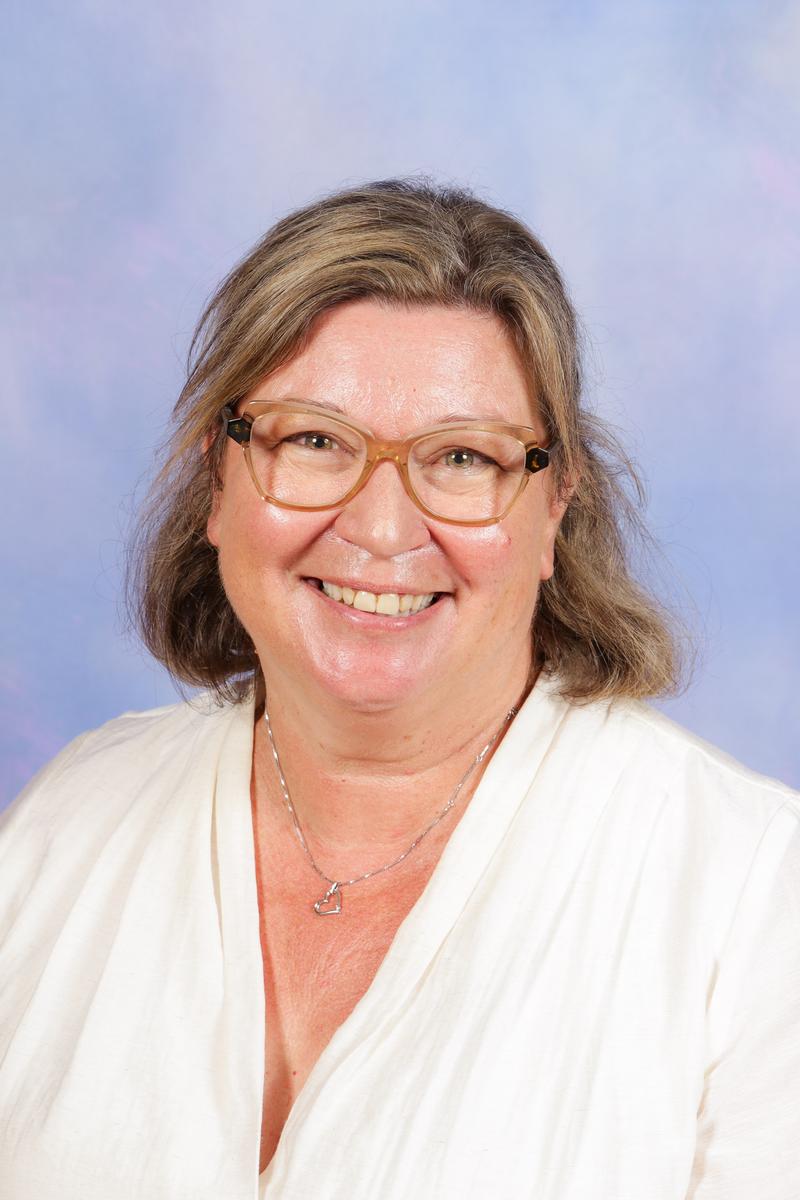
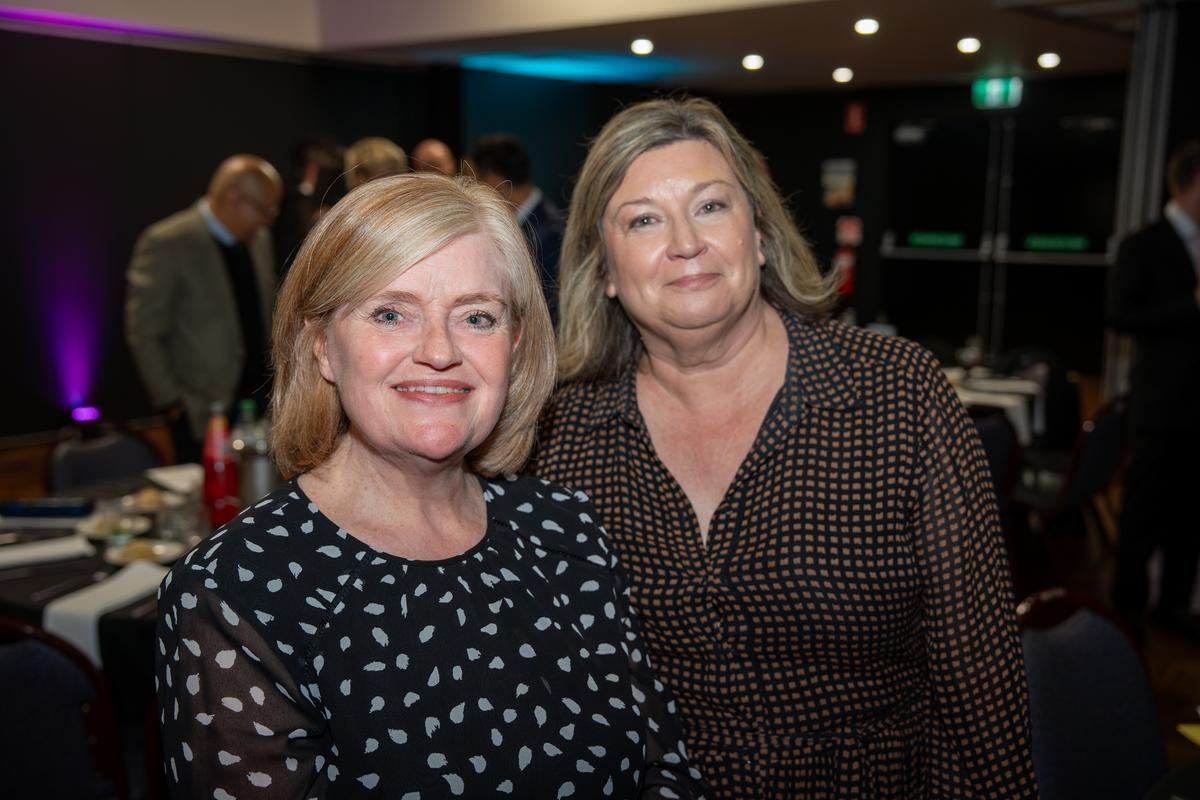
I wish to share some significant news regarding a long-standing pillar of our St Bede’s community. Rachael Cracknell, our Deputy Principal – Strategy, has tendered her resignation as she prepares to embark on an exciting new chapter, as the Head of Education, with Mercy Education at the beginning of May 2026.
Rachael has been an integral part of the fabric of St Bede’s College for over 30 years. For the vast majority of that time, she has served in leadership capacities, navigating the complexities of school life with poise and precision.
Throughout her tenure, Rachael has worn many hats, including:
Timetabler: Managing the intricate "puzzle" of the College day (including manually prior to computers!)
Deputy Principal – Staff: Supporting the professional lives and wellbeing of our team.
Deputy Principal – Strategy: Shaping the medium to long-term vision of the College.
Outstanding Mathematics Teacher: student focused and patient.
While many see the results of her work, much of Rachael’s greatest impact has occurred behind the scenes. She possesses a rare talent for identifying potential hurdles before they arise, working proactively to ensure the College runs seamlessly. Whether it was a logistical challenge or a strategic shift, Rachael’s foresight has saved us from many "rainy days."
We share our congratulations to Rachael on this significant appointment at Mercy Education.
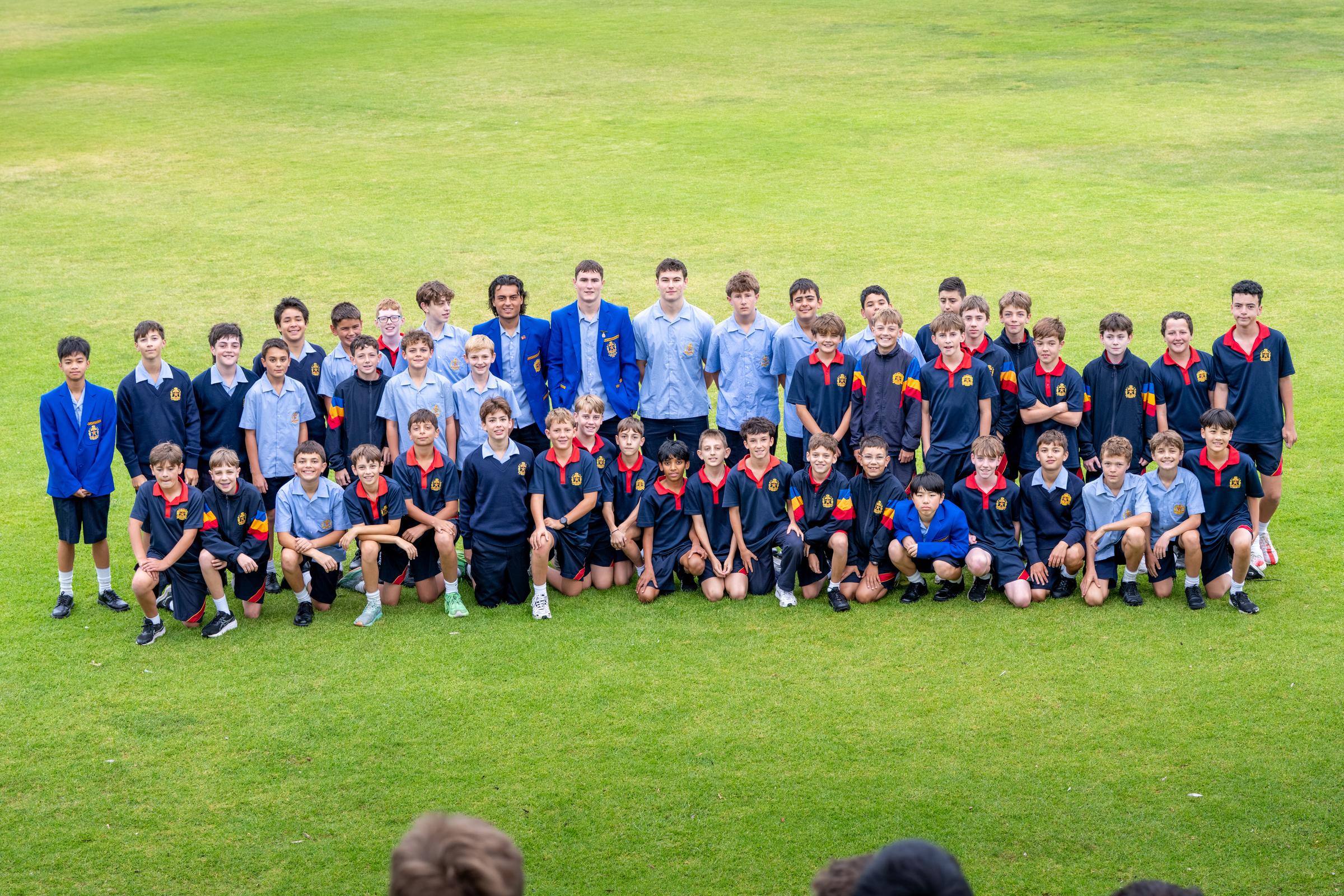
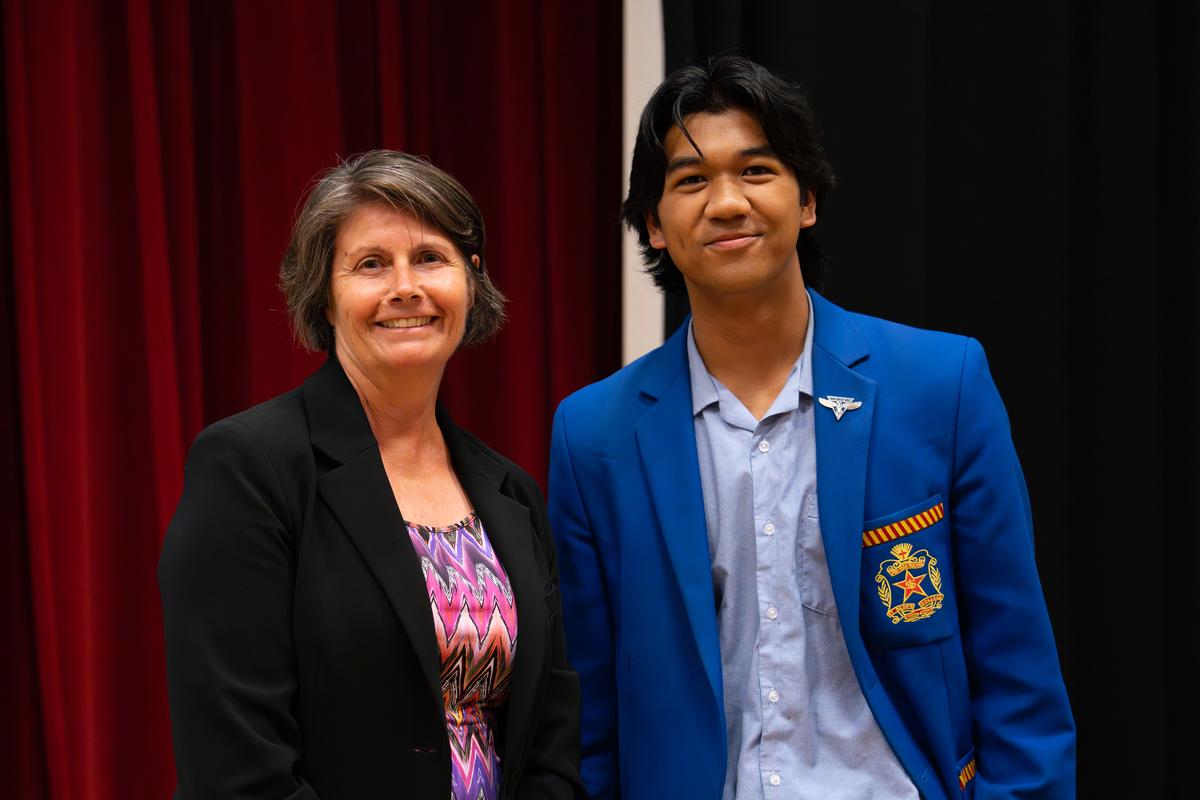
To Oscar Del Castillo (Year 12) announced as our Production Captain for the year. Among other things, Oscar will lead the cast and production team in Joseph and the Amazing Technicolor Dreamcoat, our 2026 College Musical Production in collaboration with our friends, Kilbreda College.
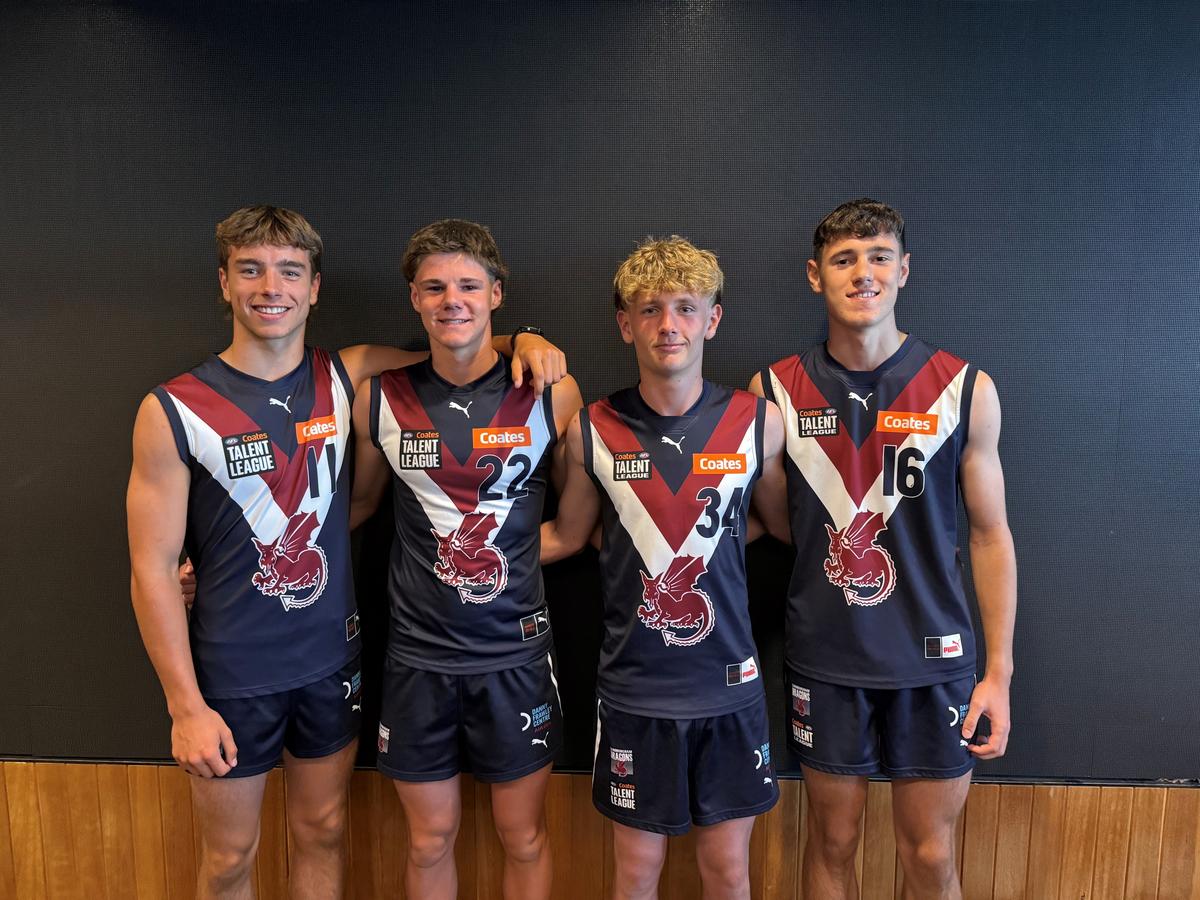
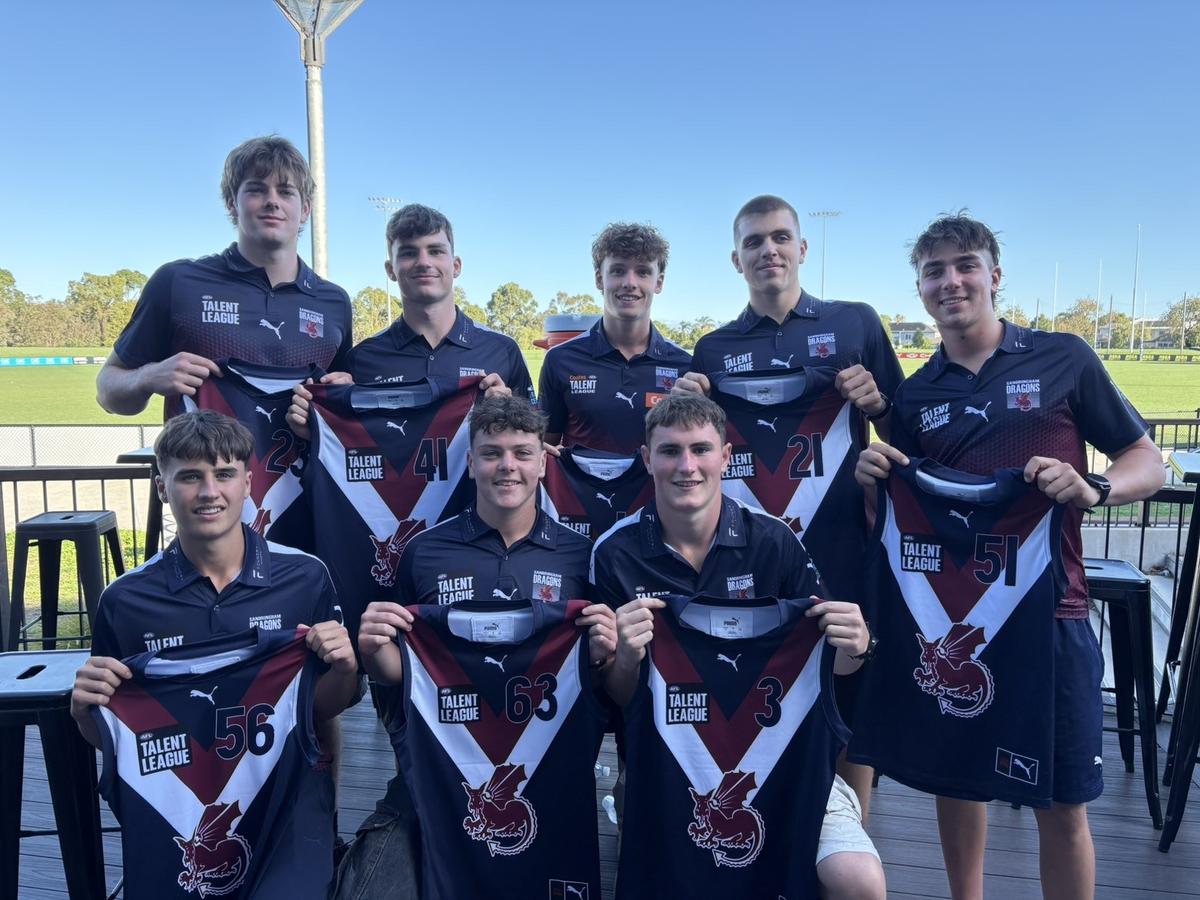
Congratulations to Sam C, Will C, Harrison C, Pav D (Year 10) and Max M (Year 11) who have been selected for the final U16 / U17 squad for the Sandringham Dragons in their 2026 competition.

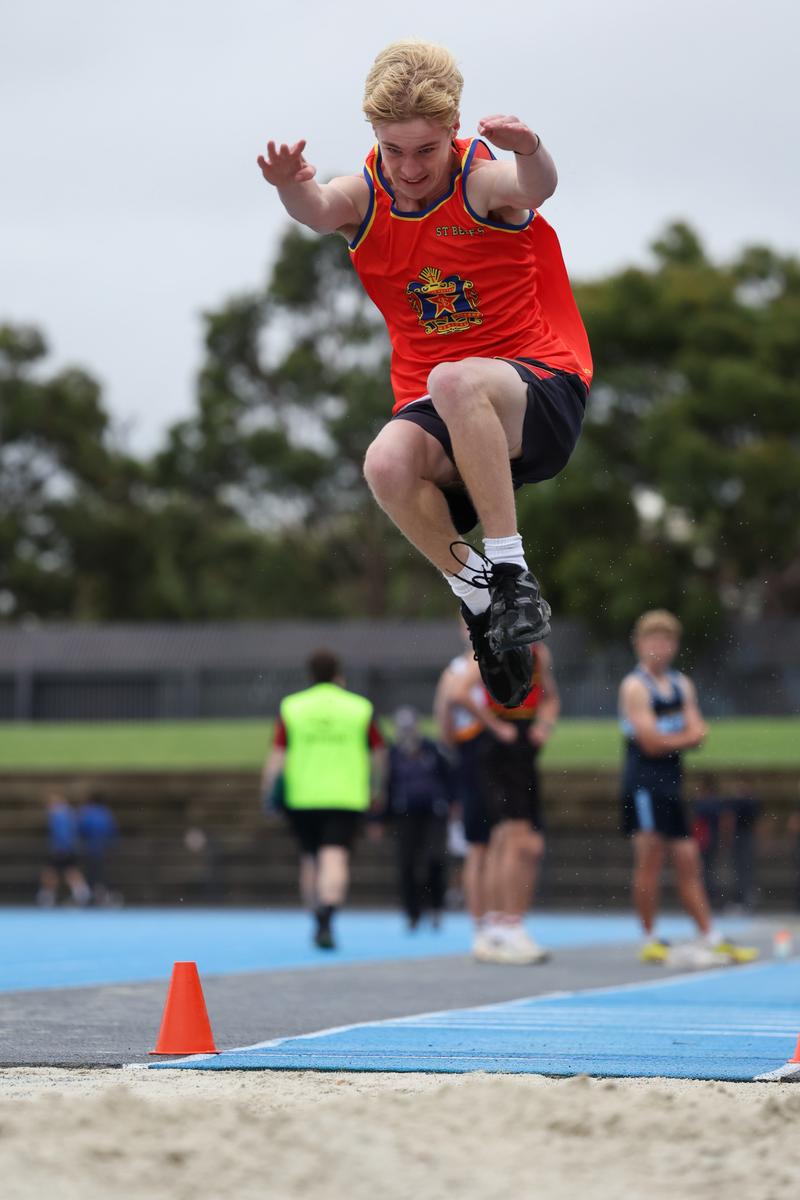
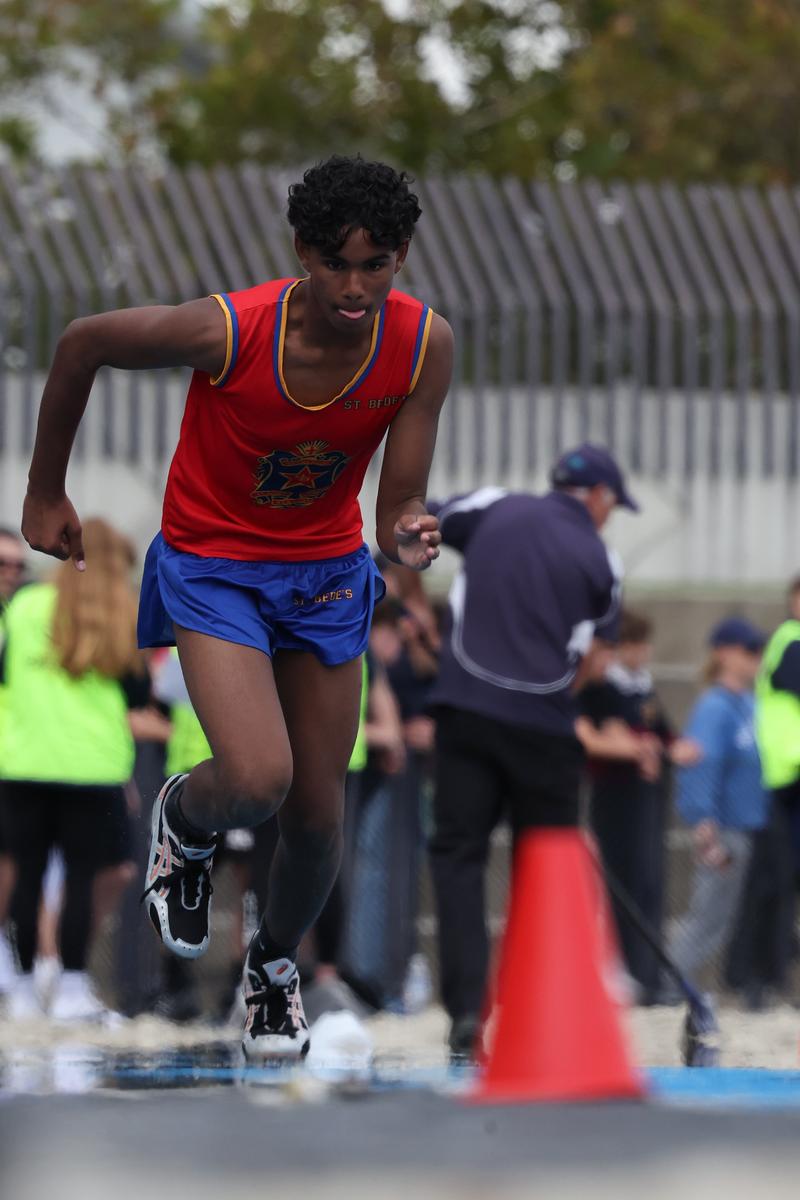
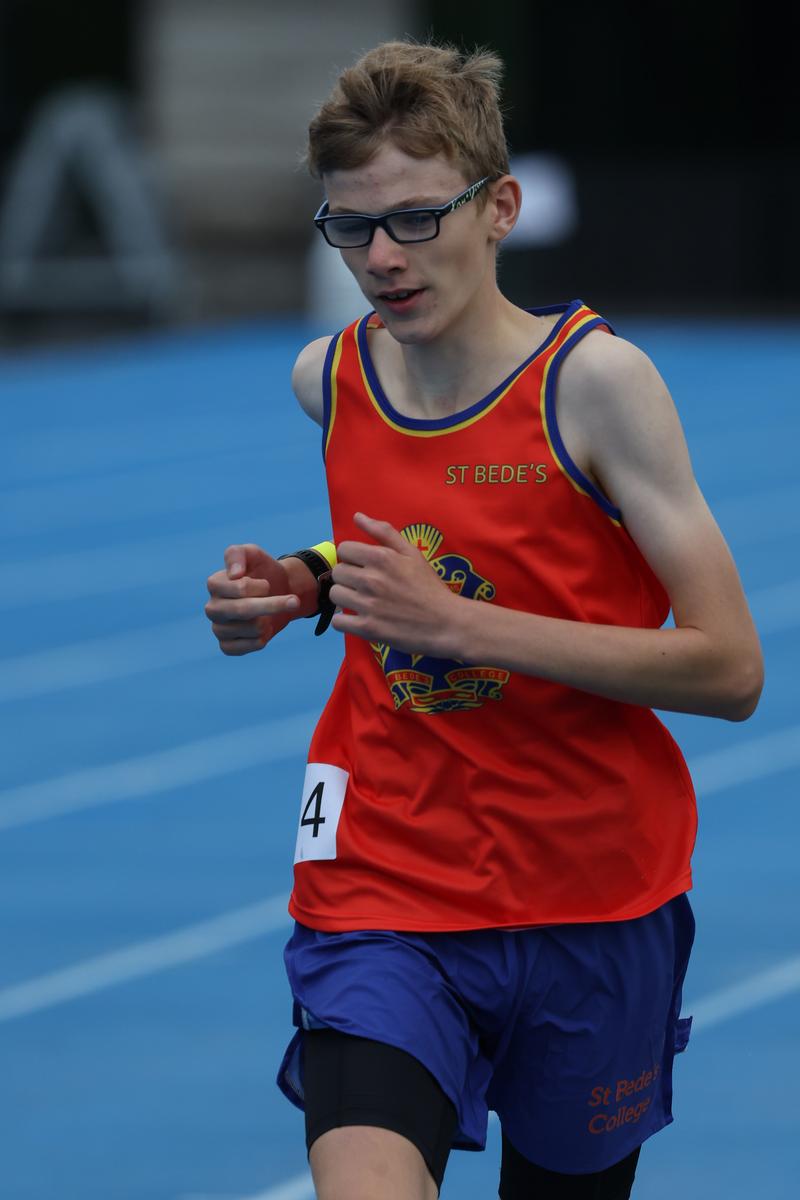
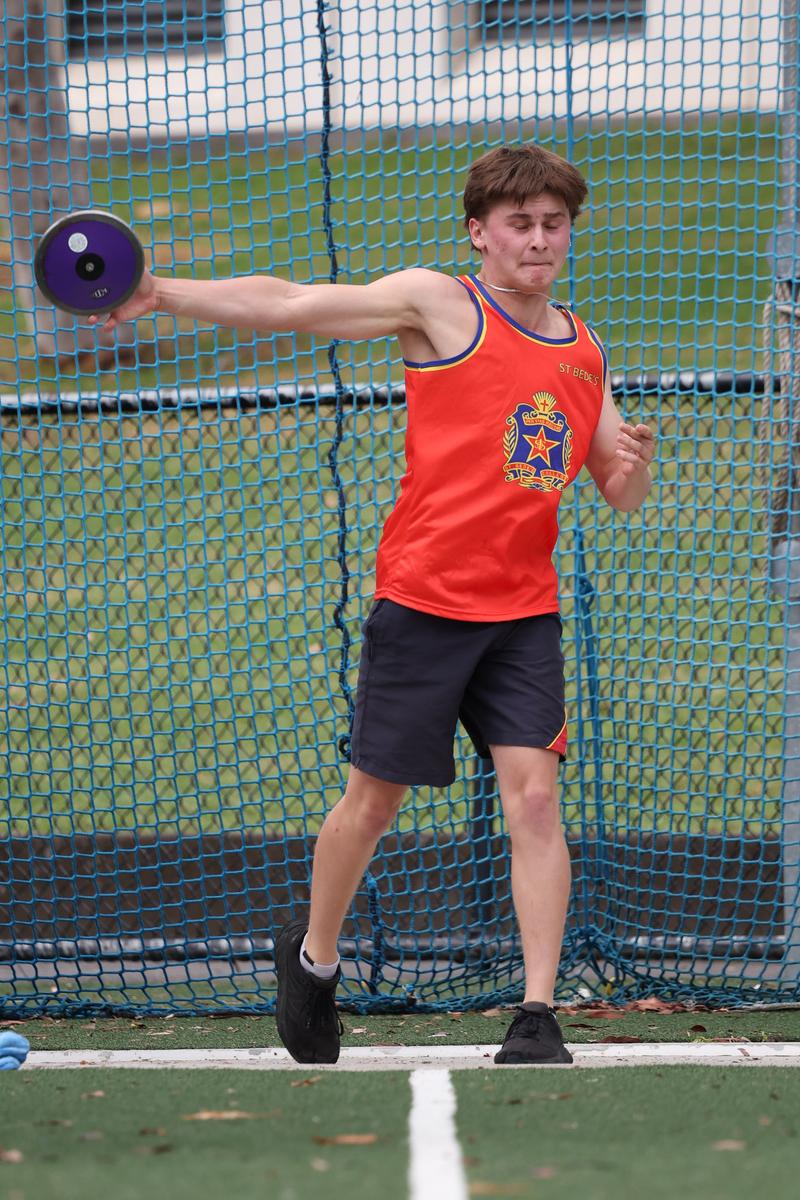
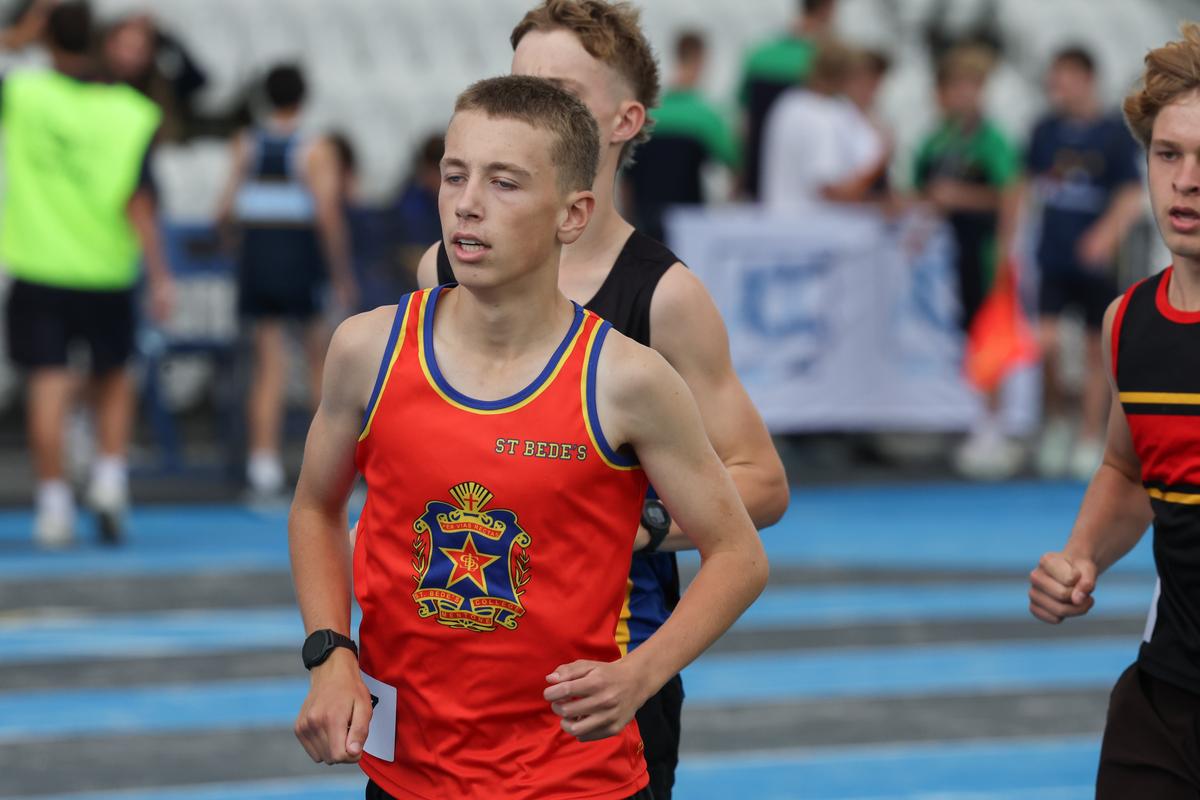
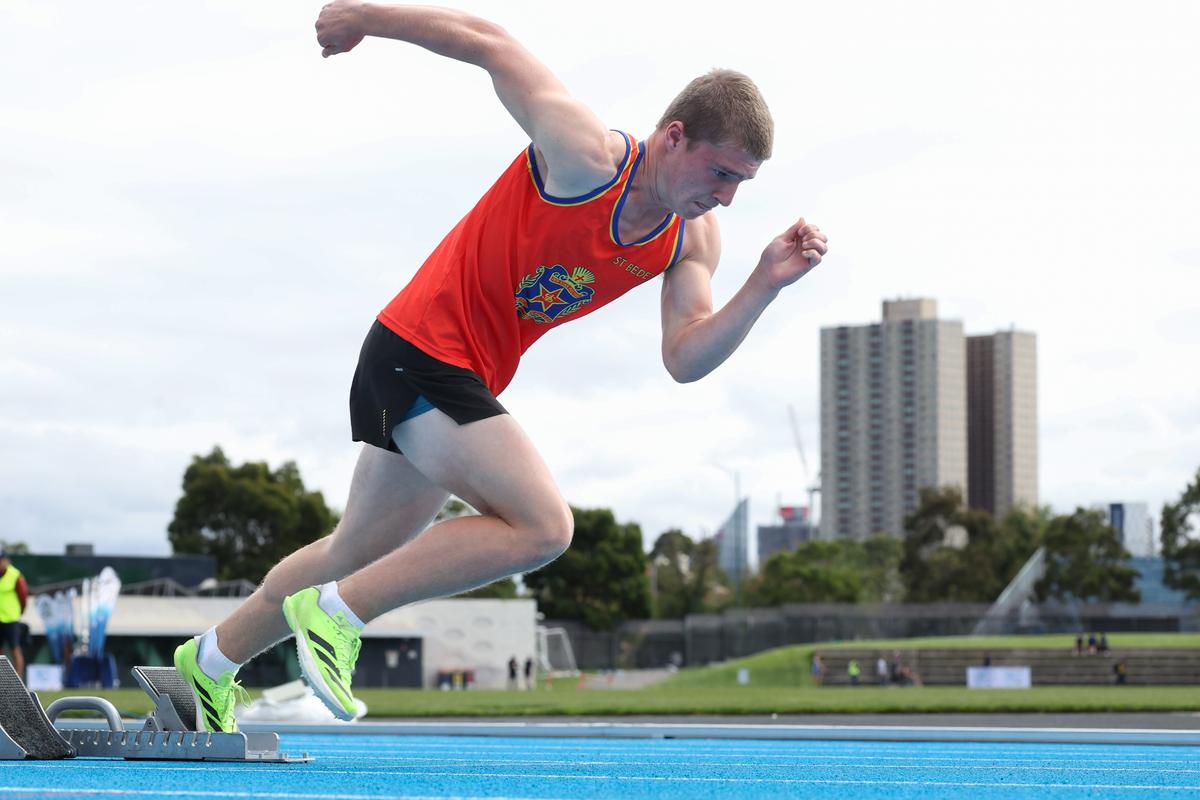
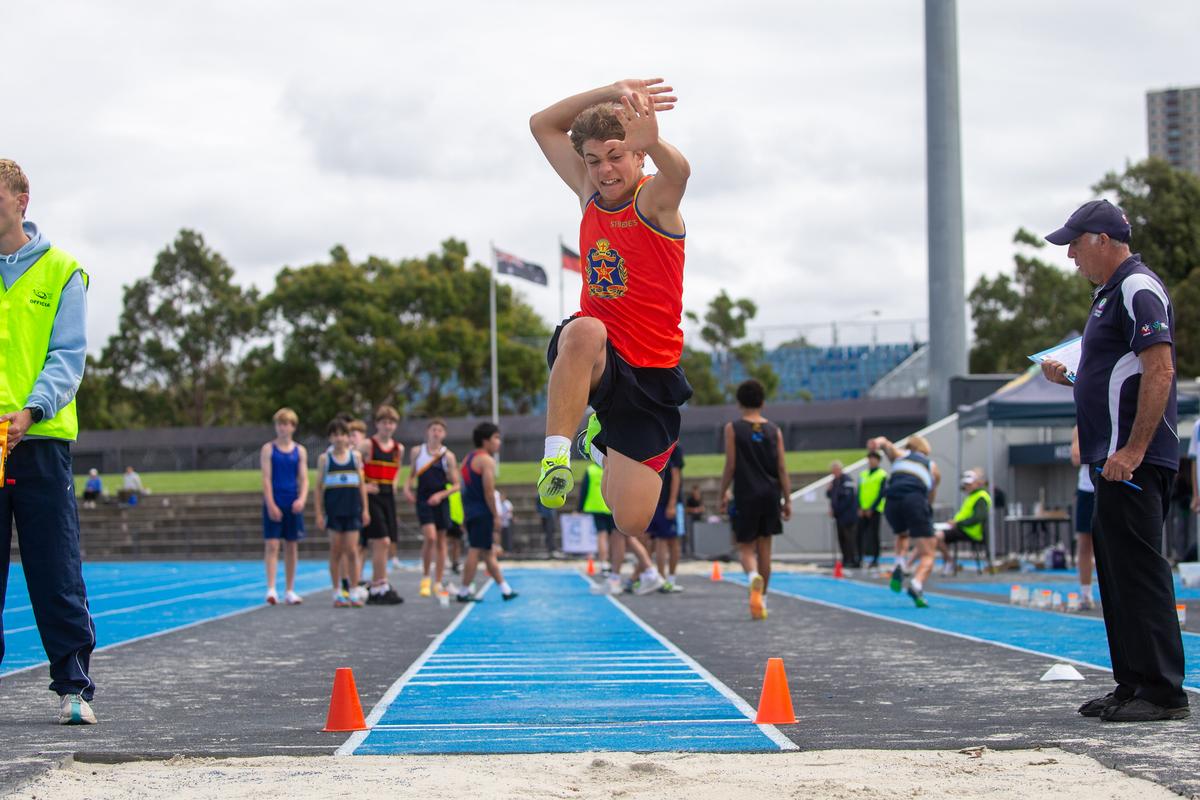
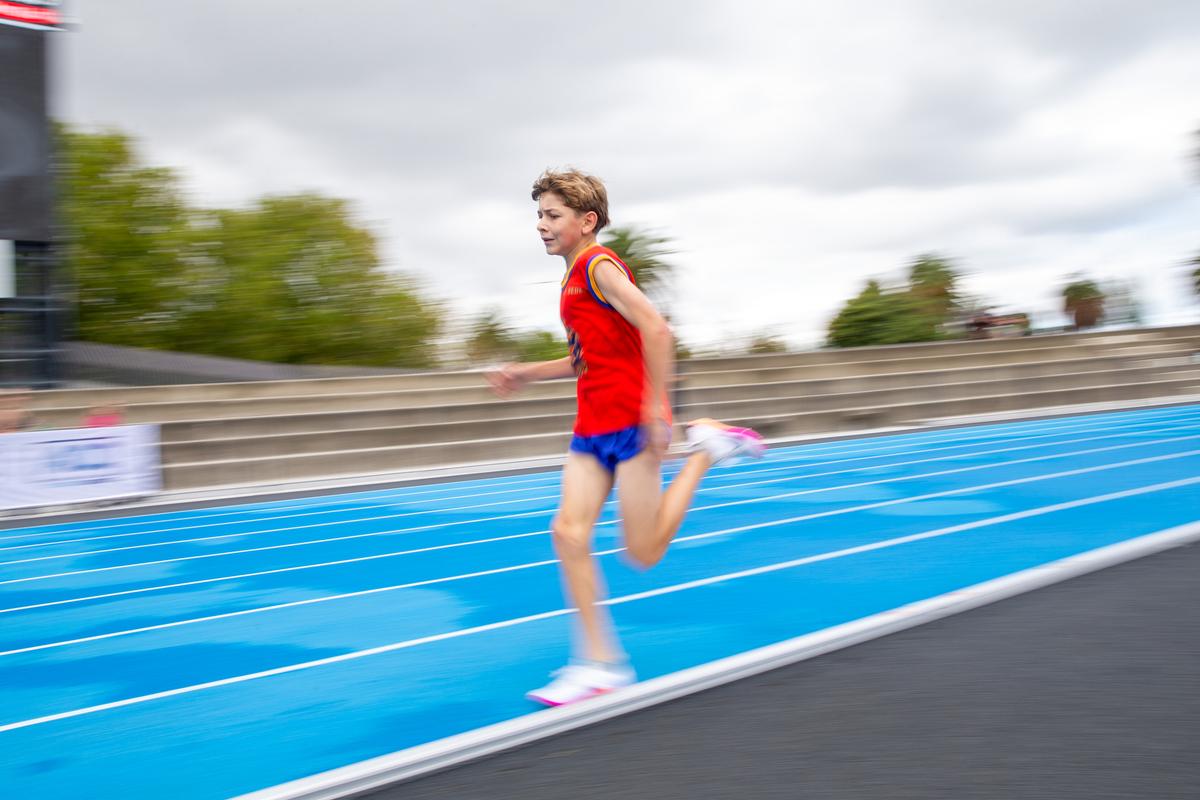
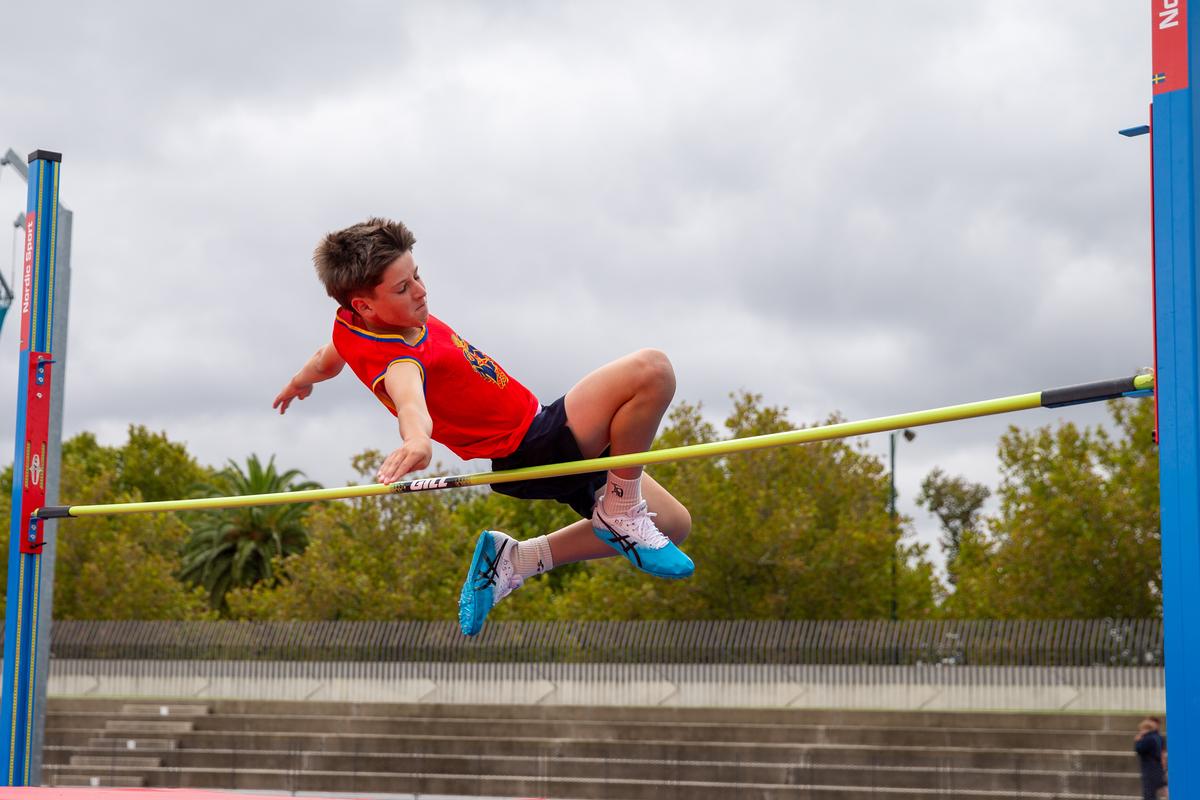
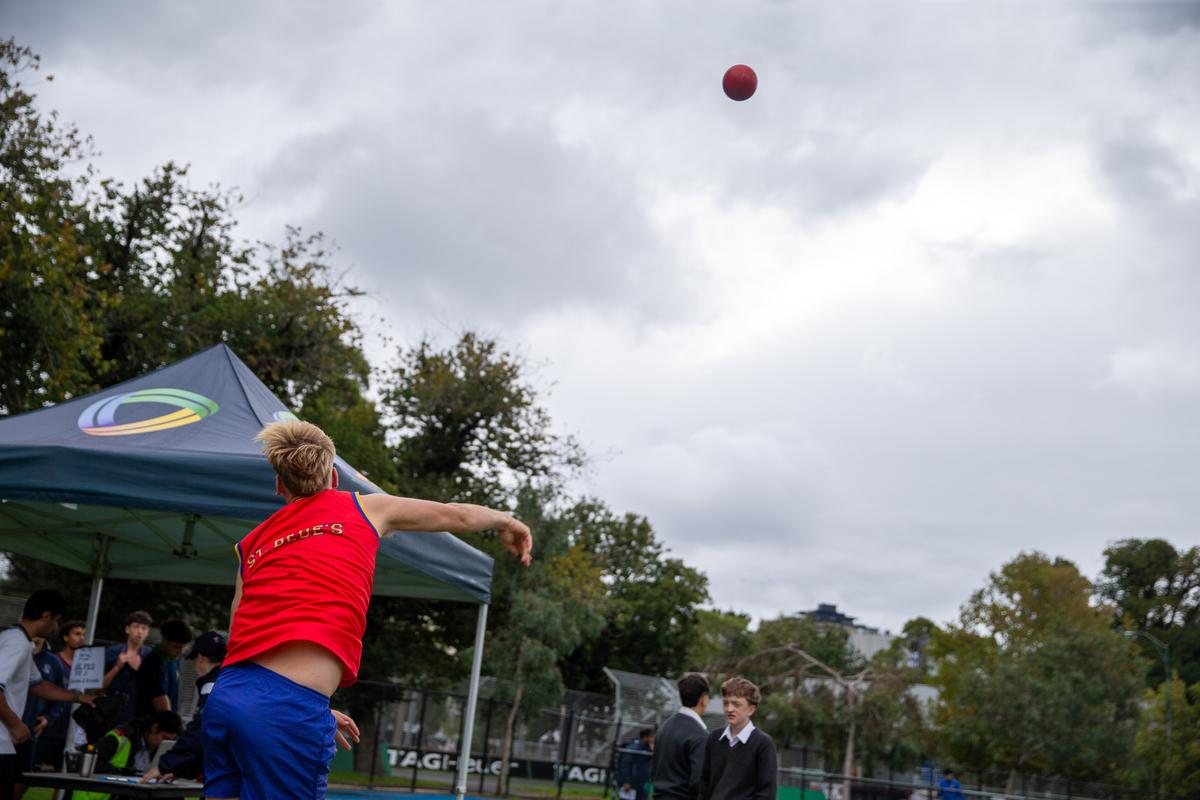
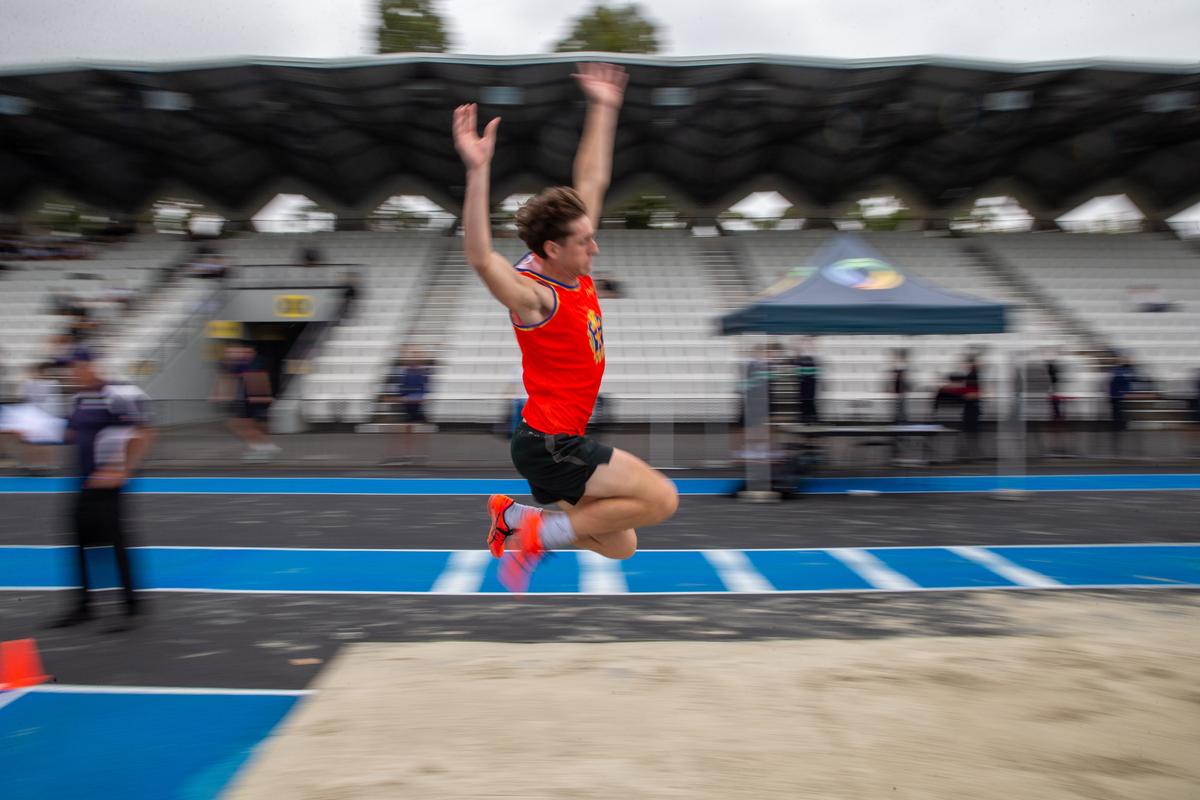
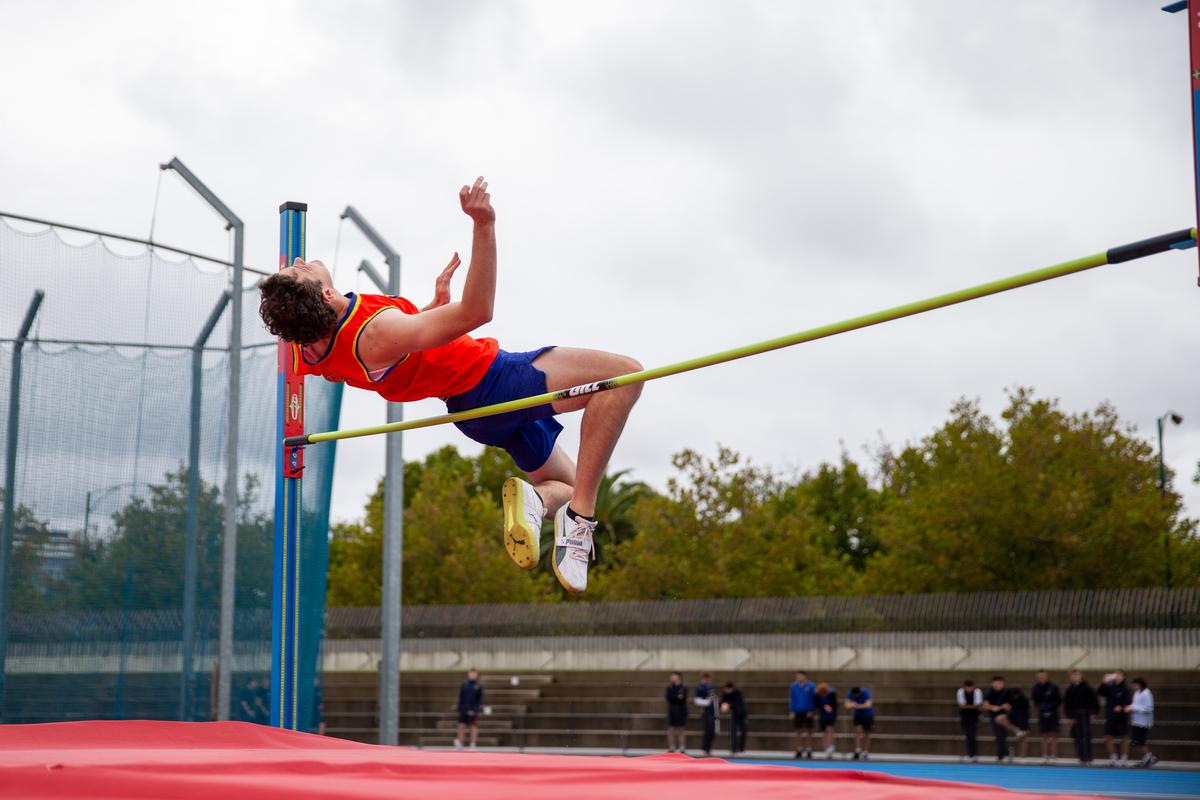
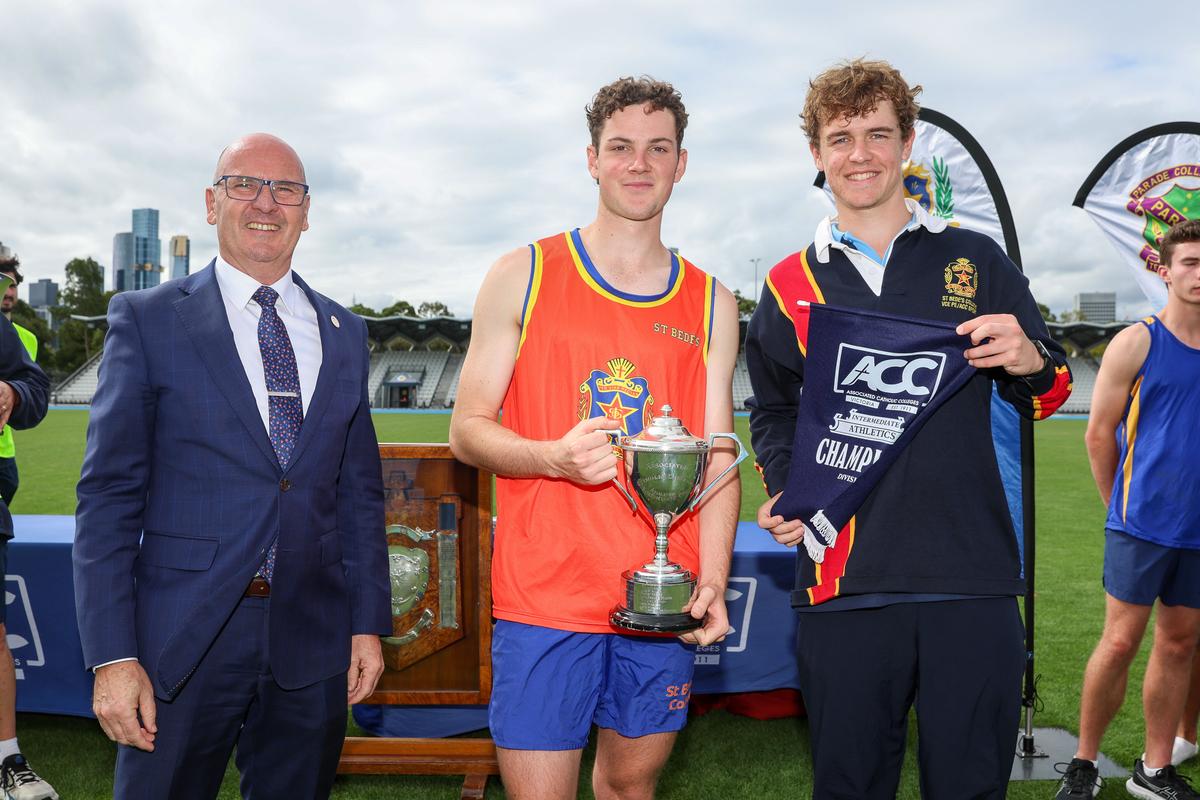
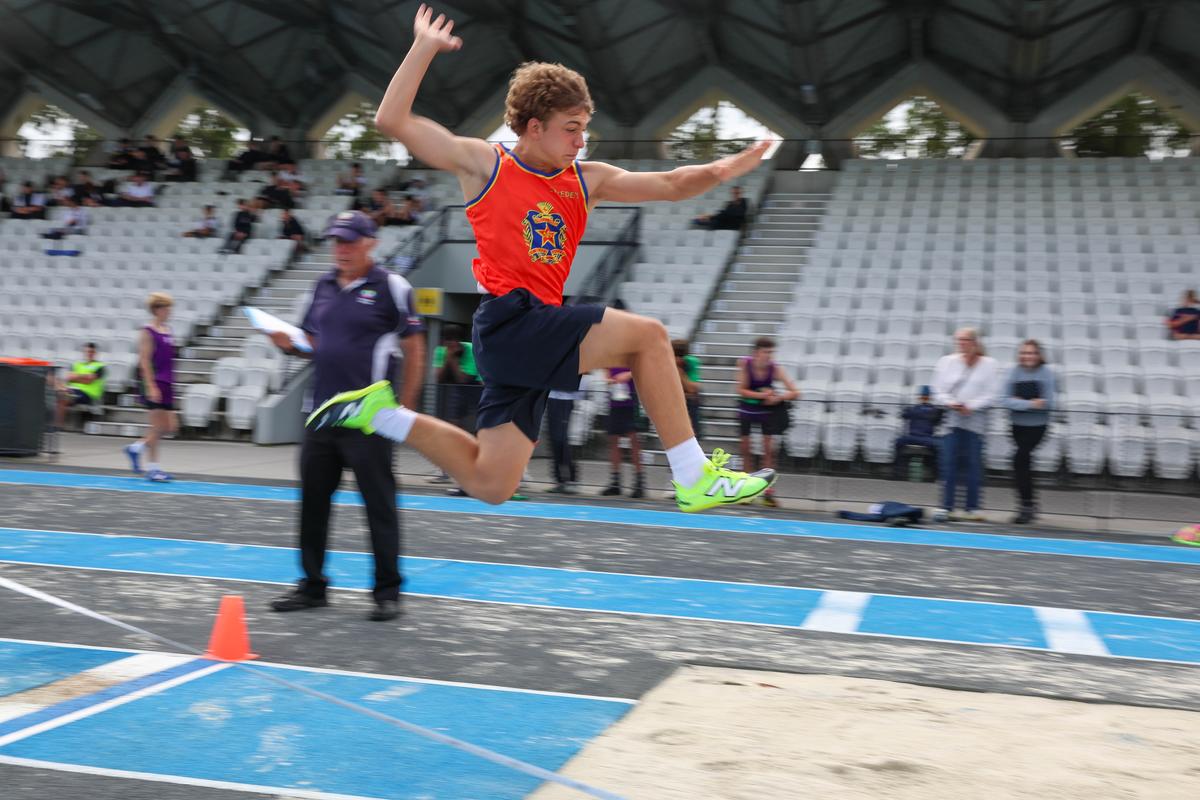
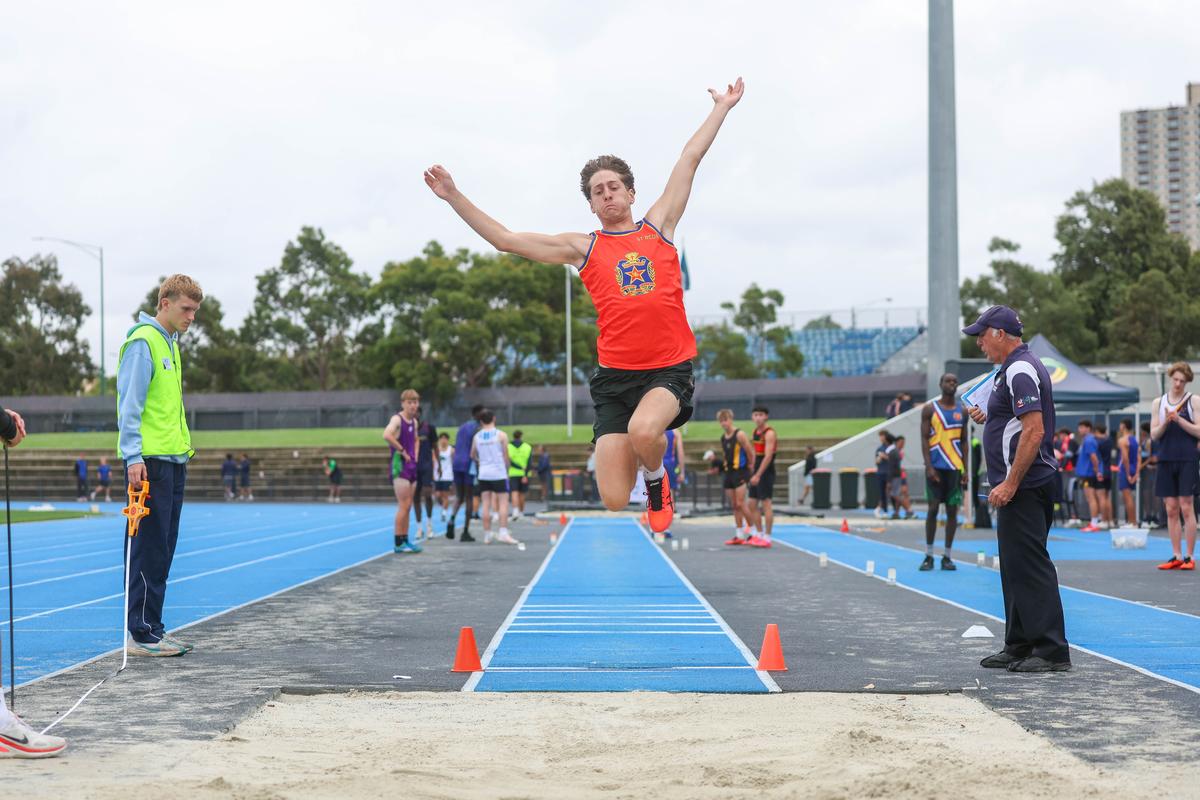
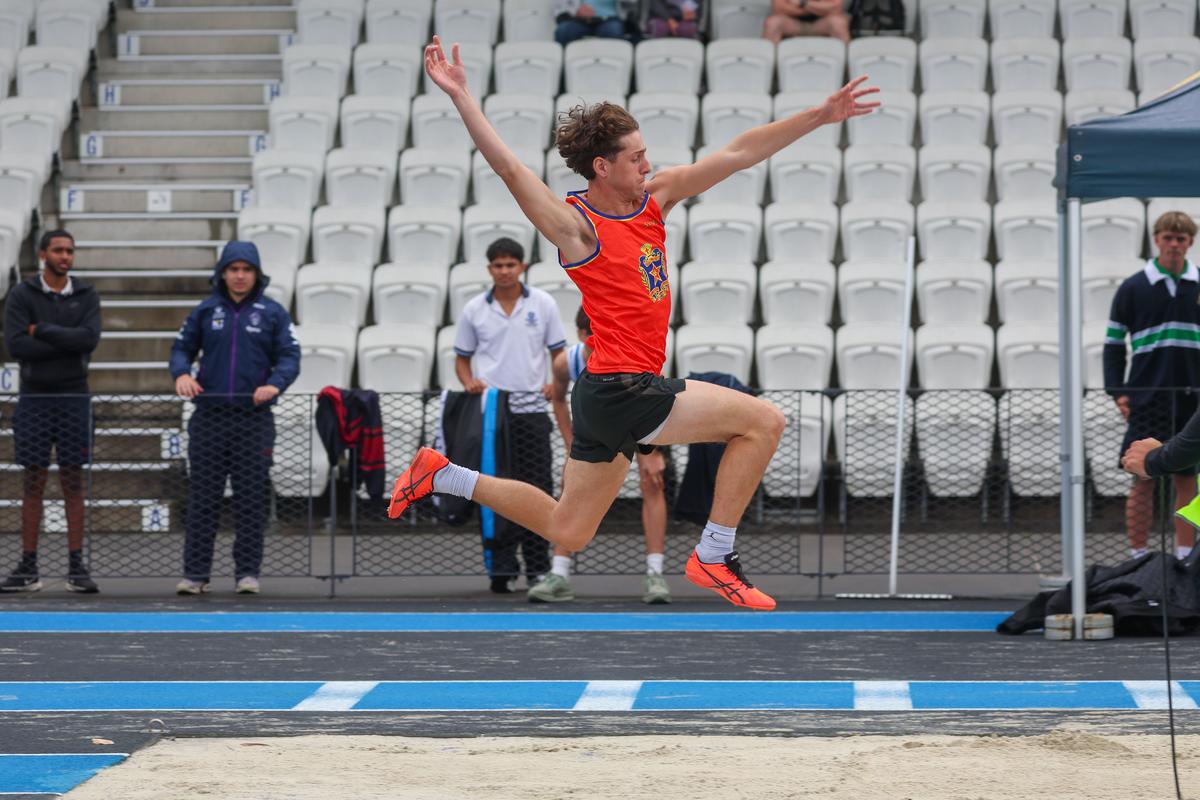
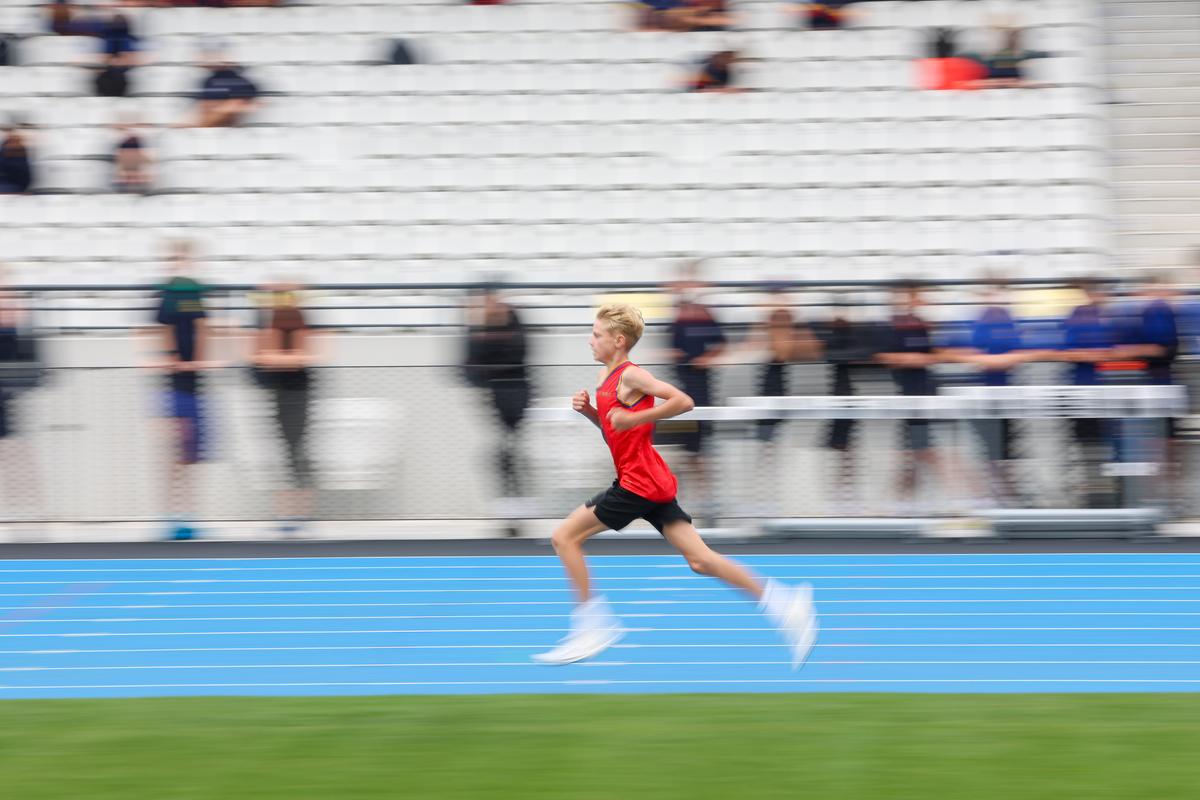
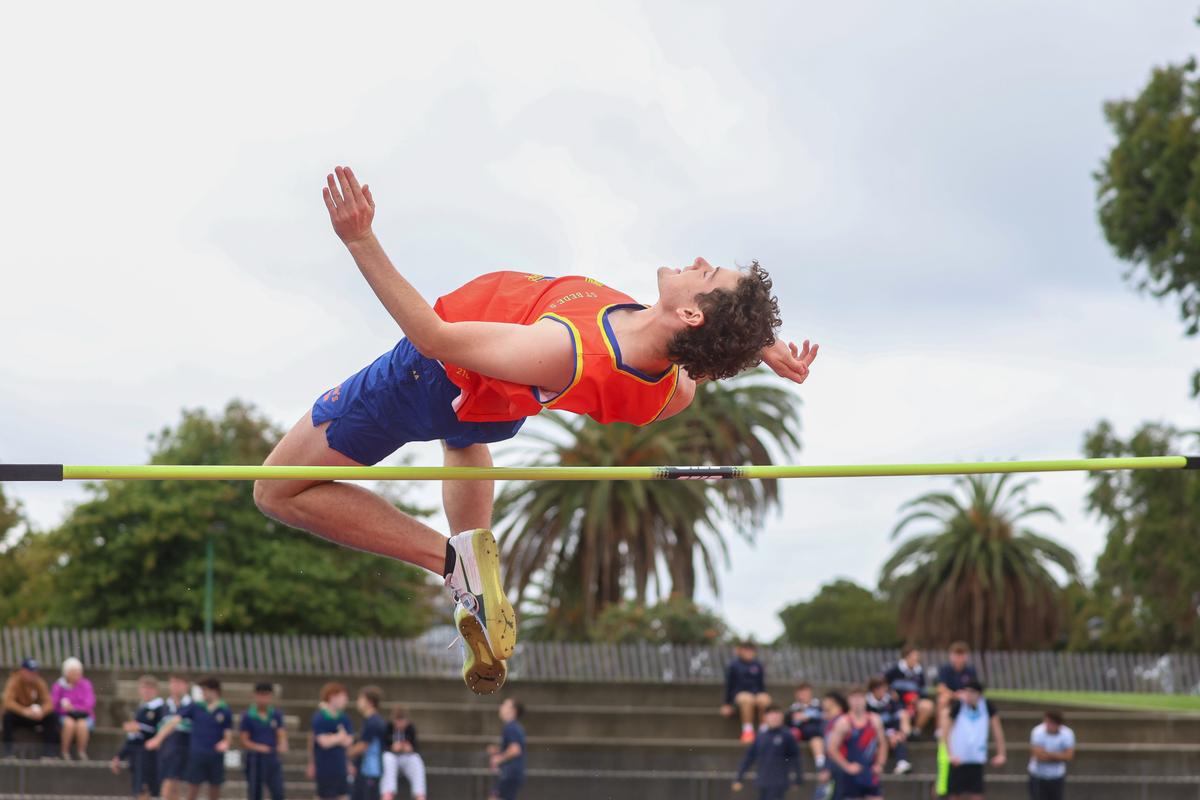
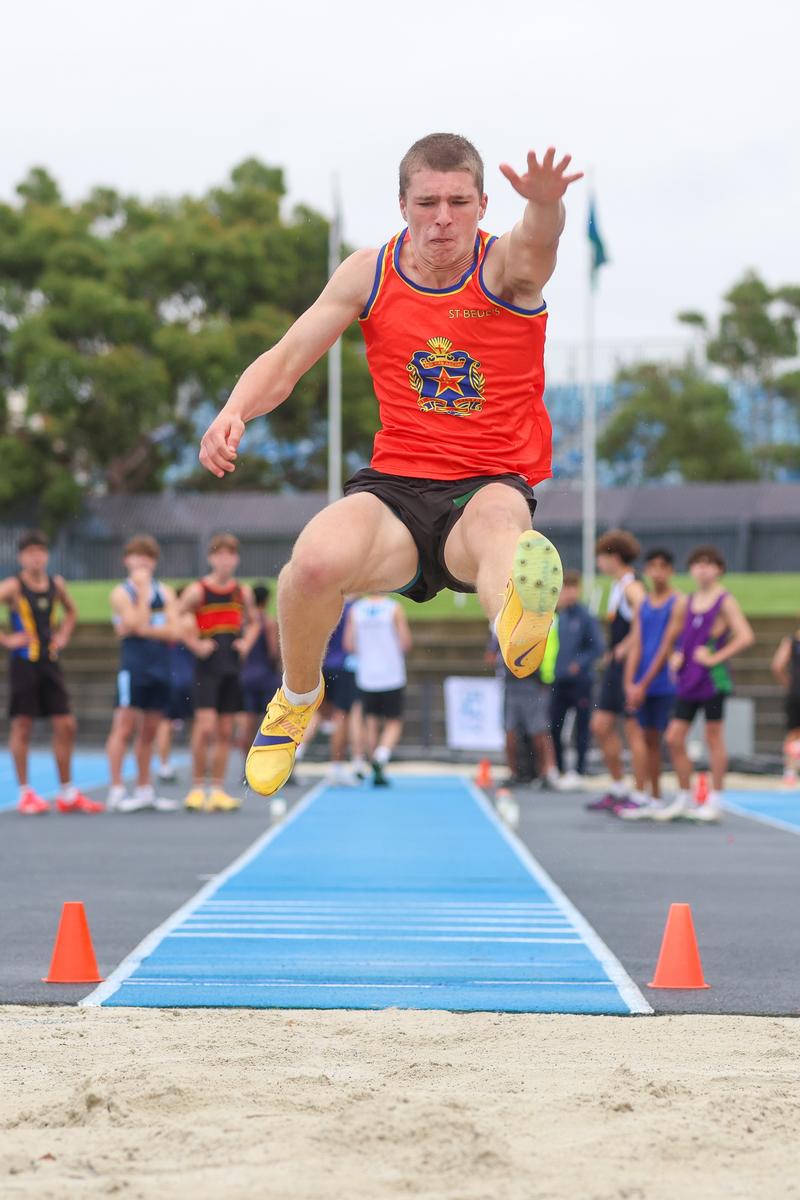
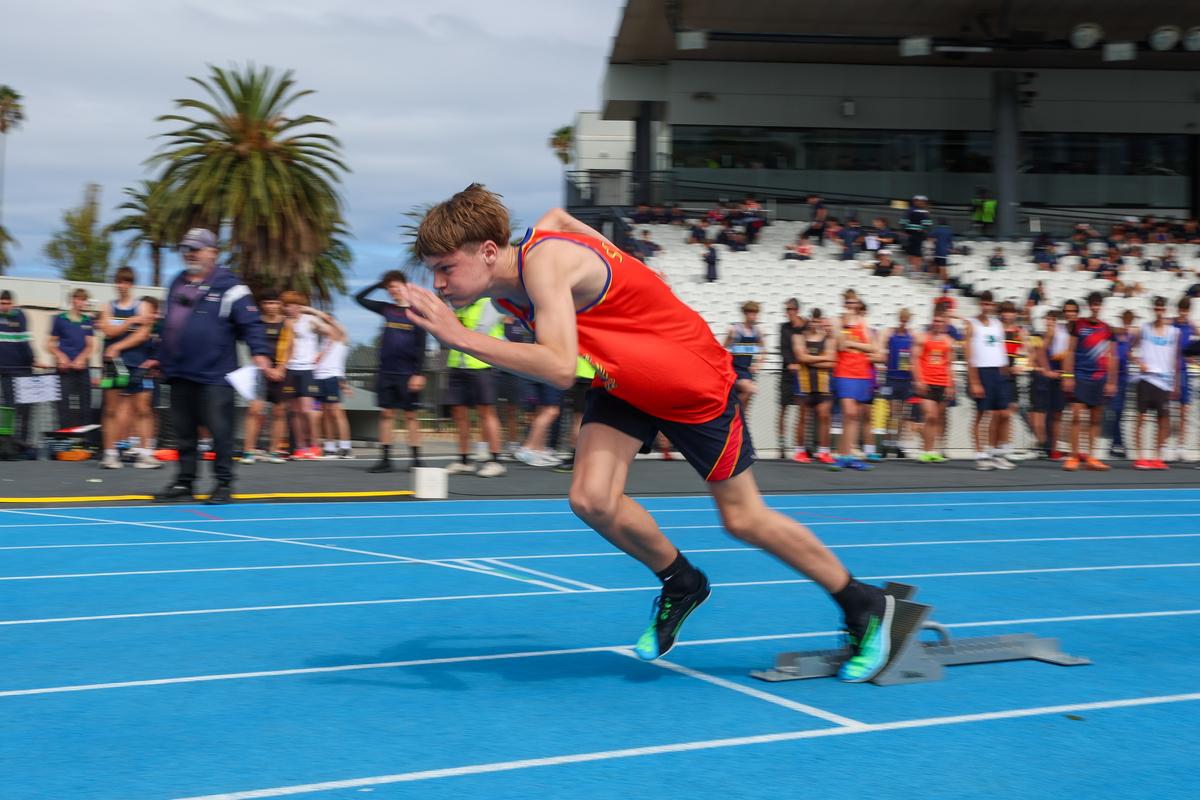
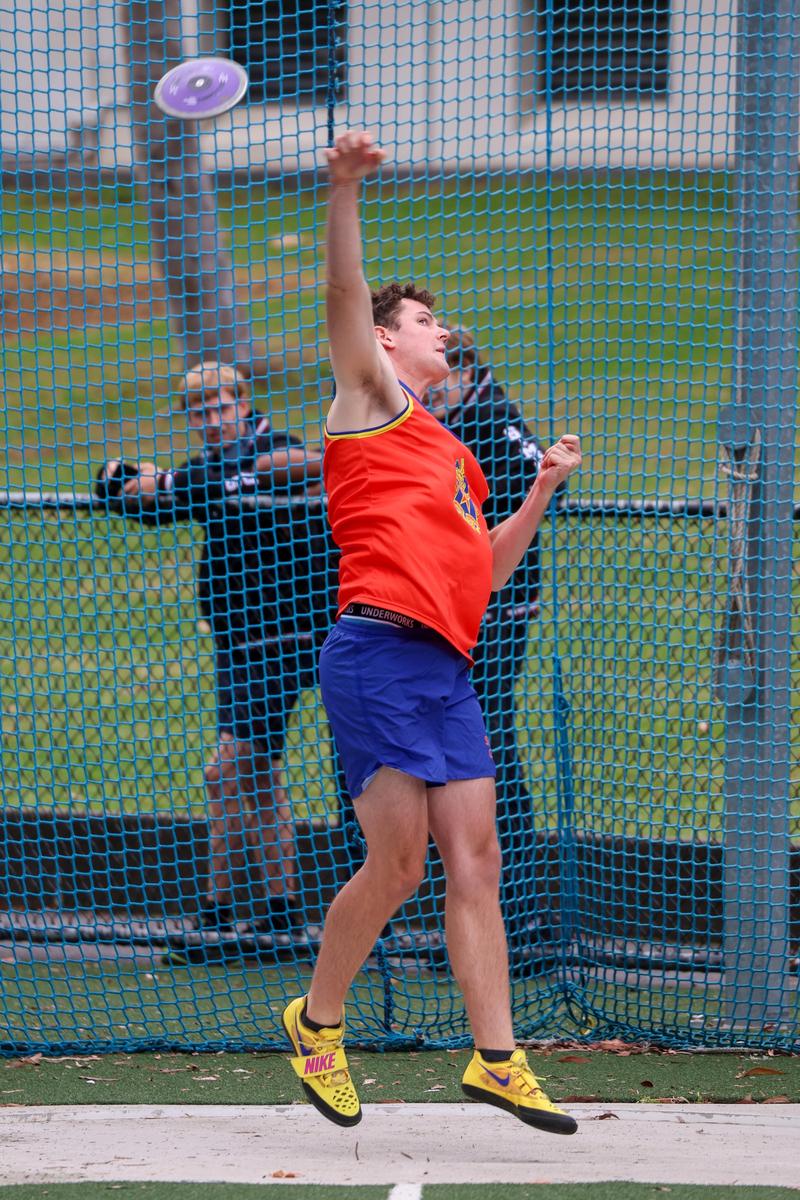
To all squad members, coaches and parents of the Athletics team for their excellent individual and team performances at the ACC Athletics Carnival. Their efforts resulted in a Division 1 First Placing for St Bede’s College (our first for almost 40 years!)—reward for the early morning training.

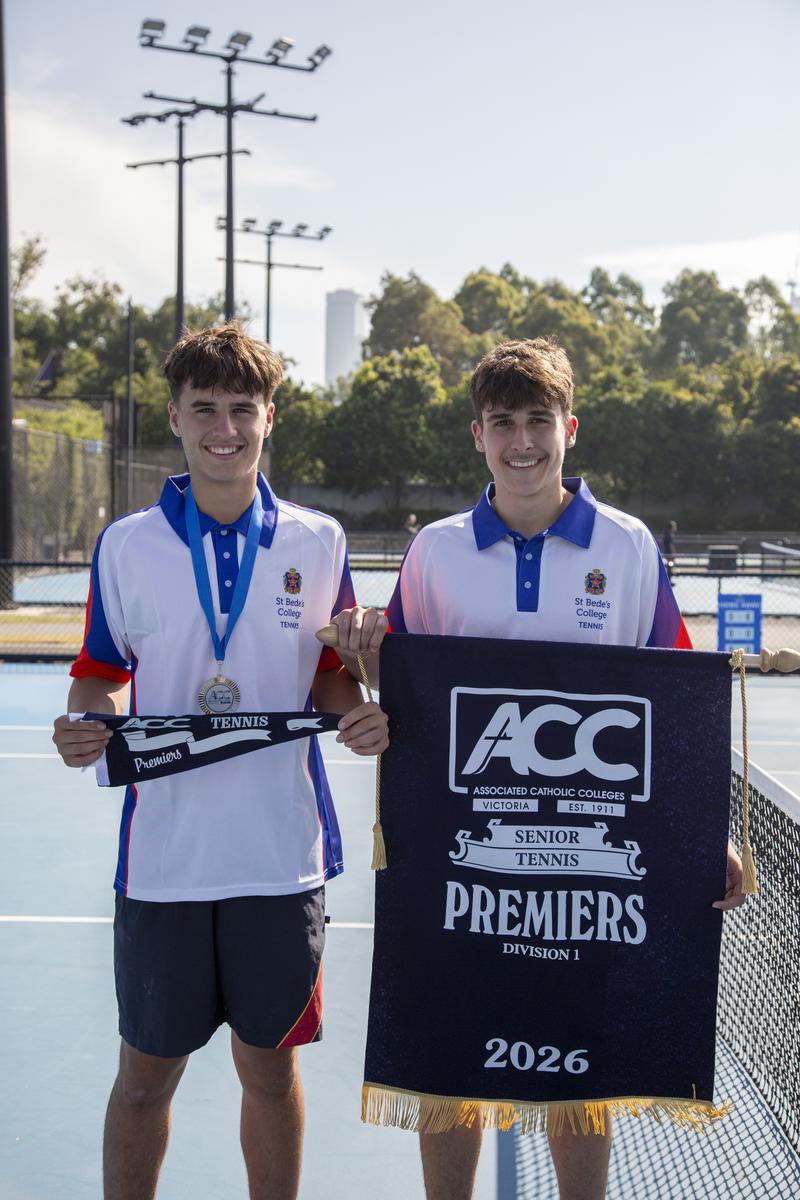
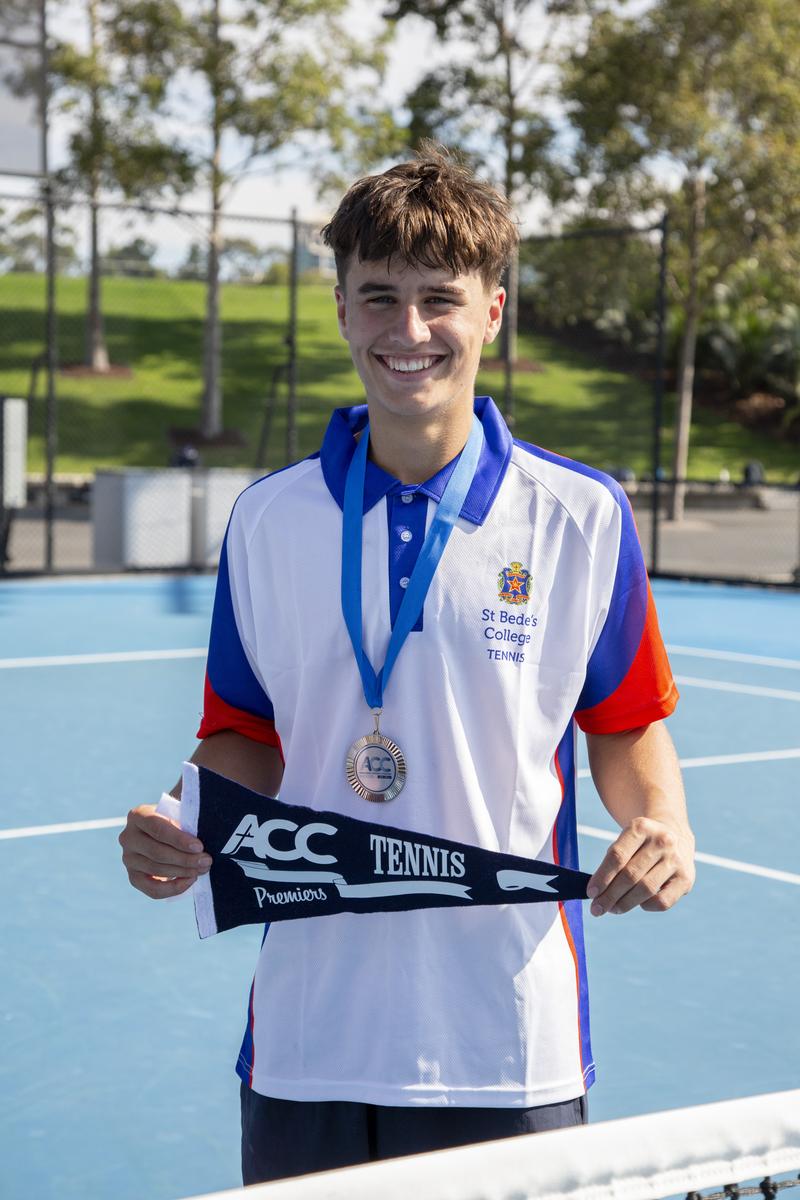
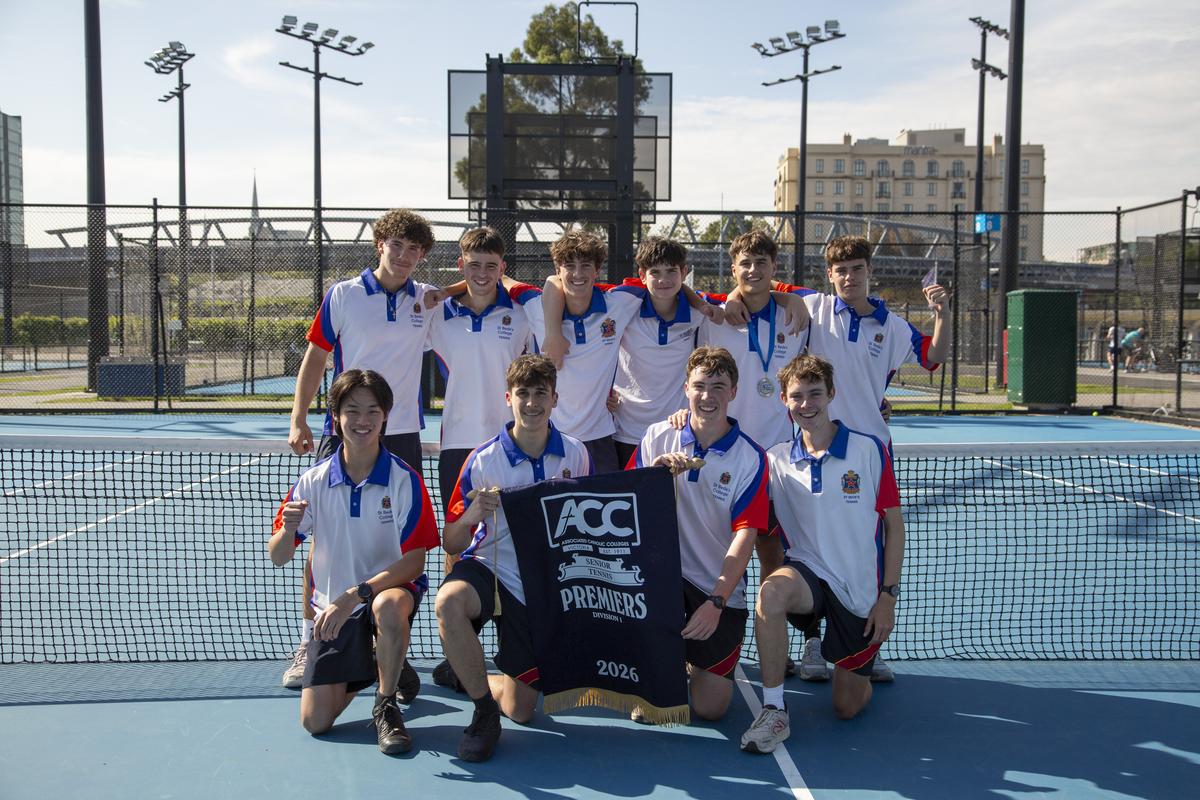
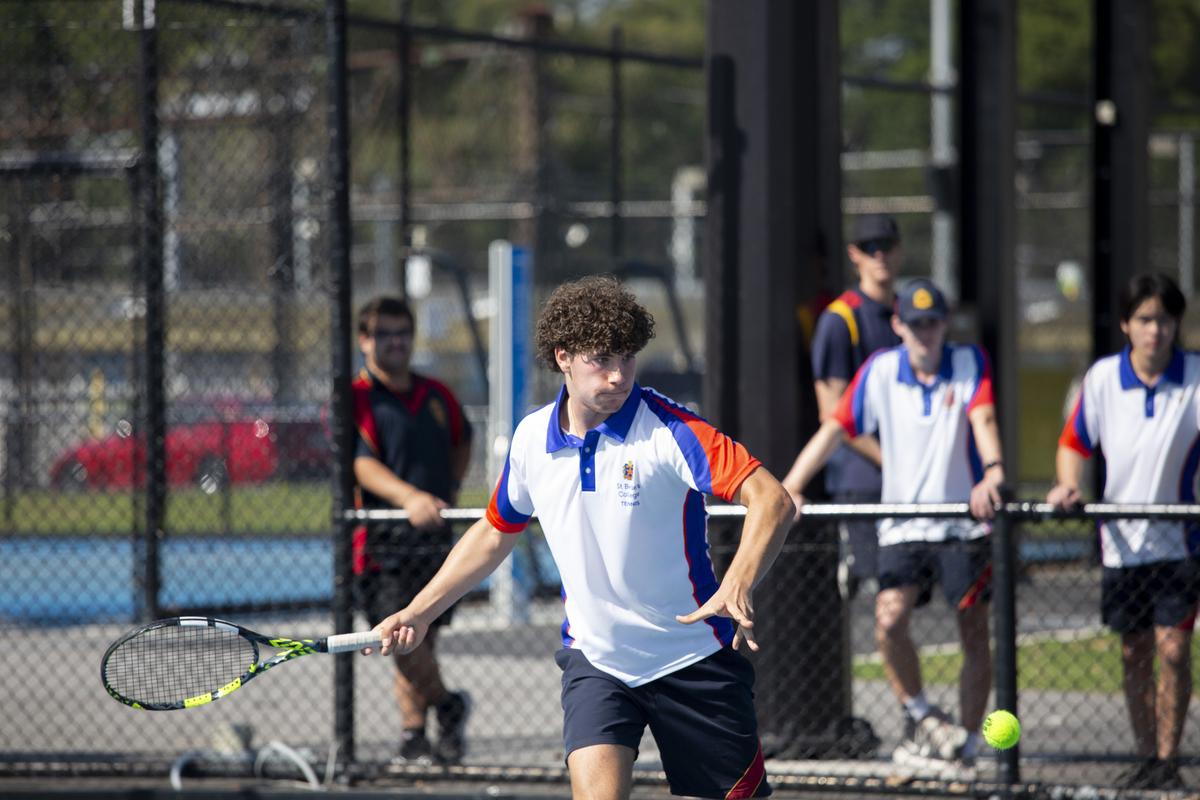
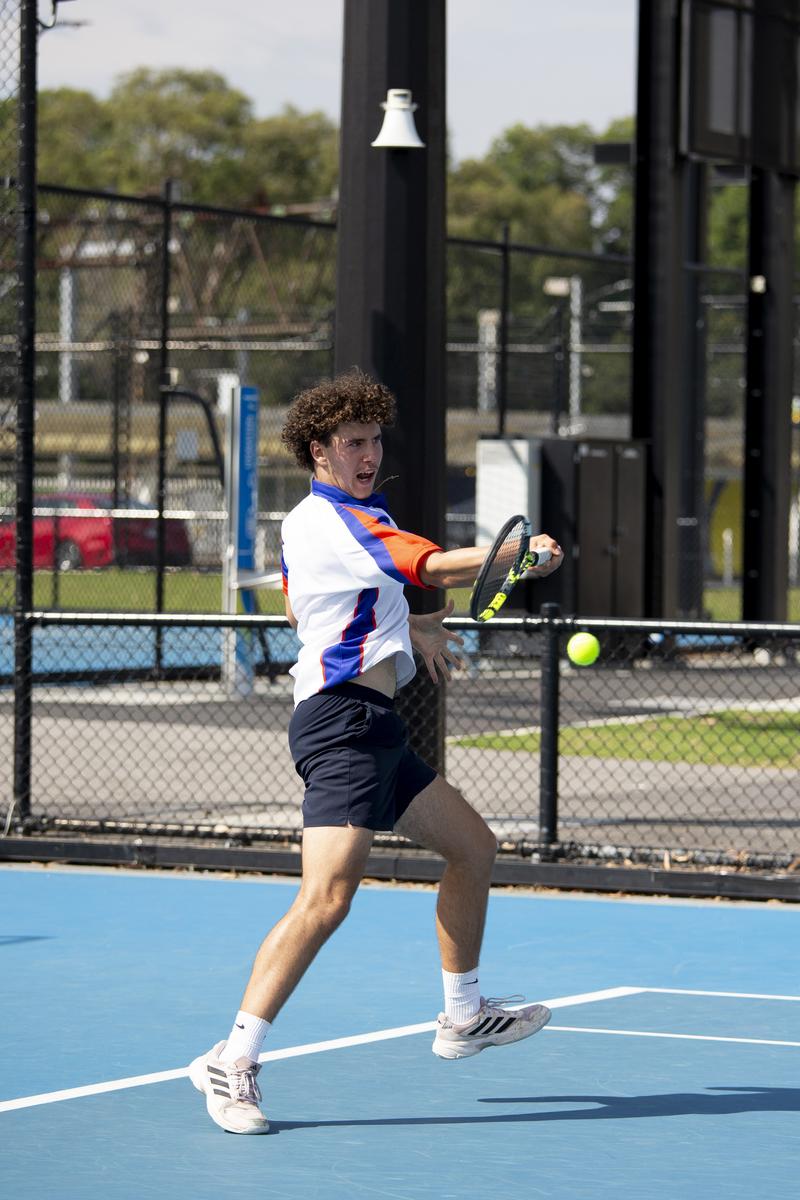
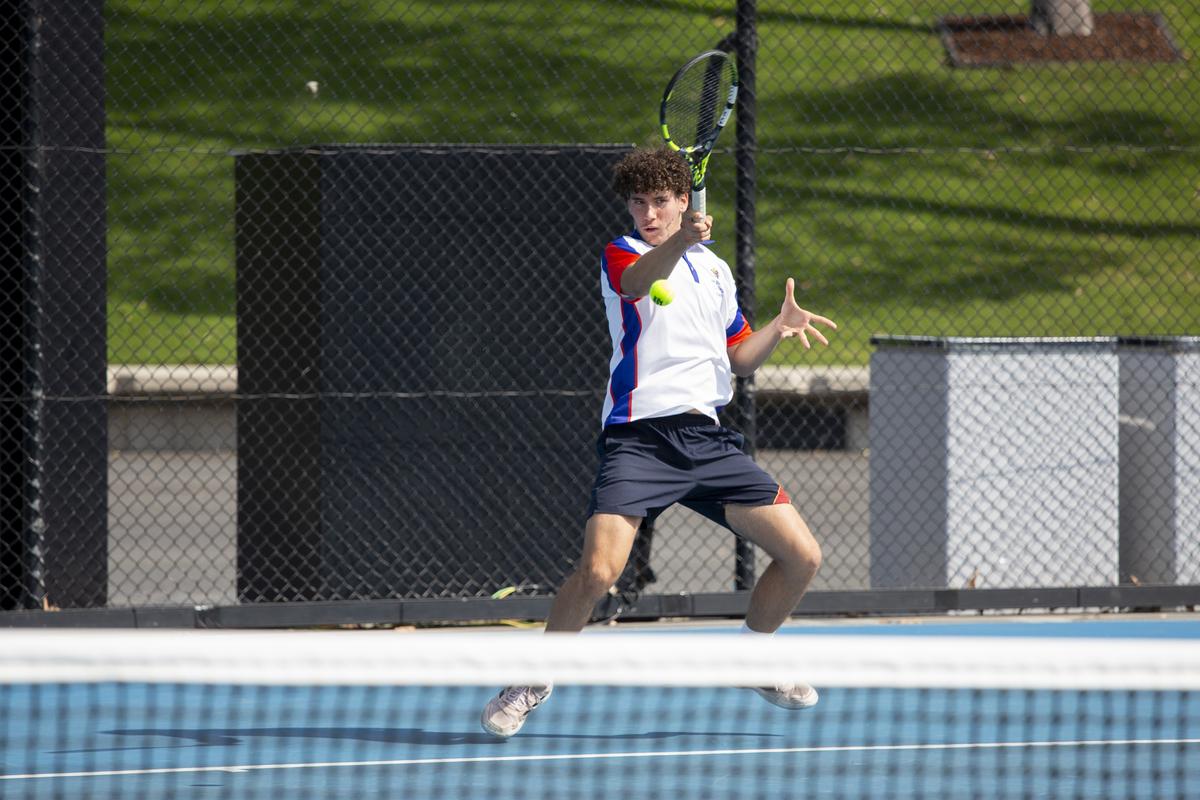
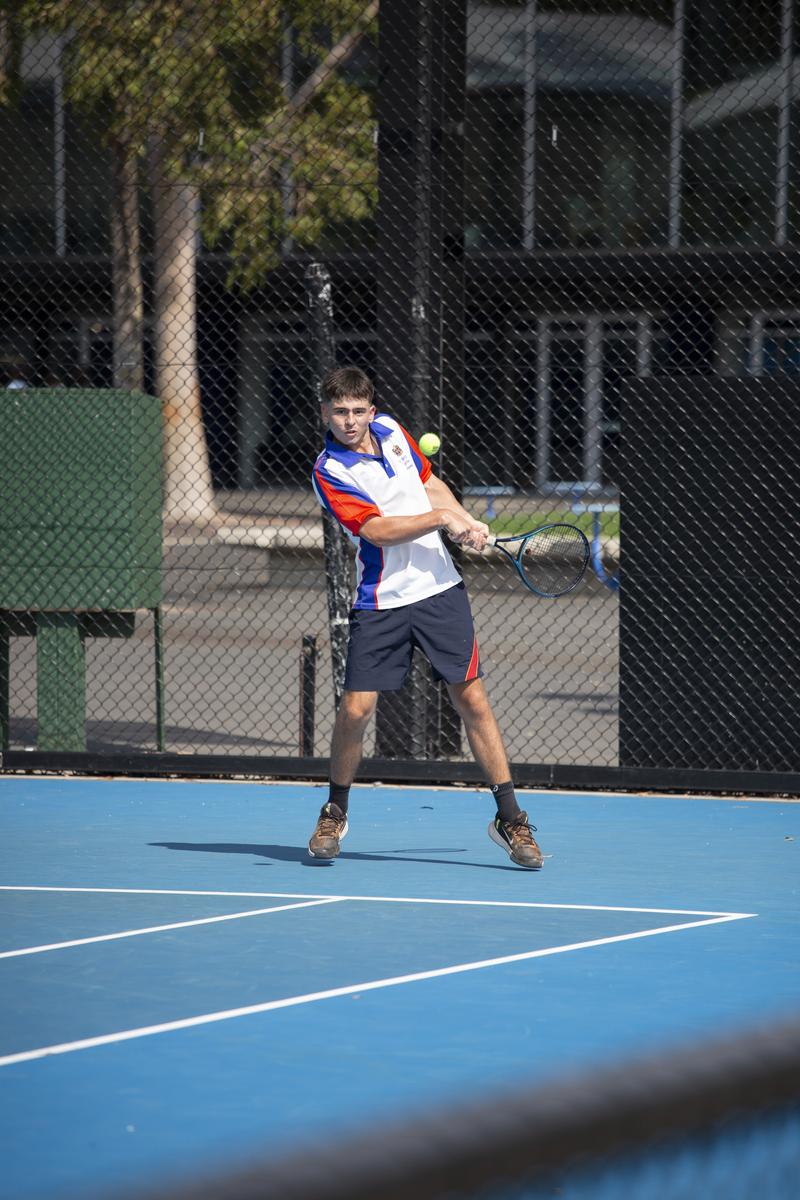
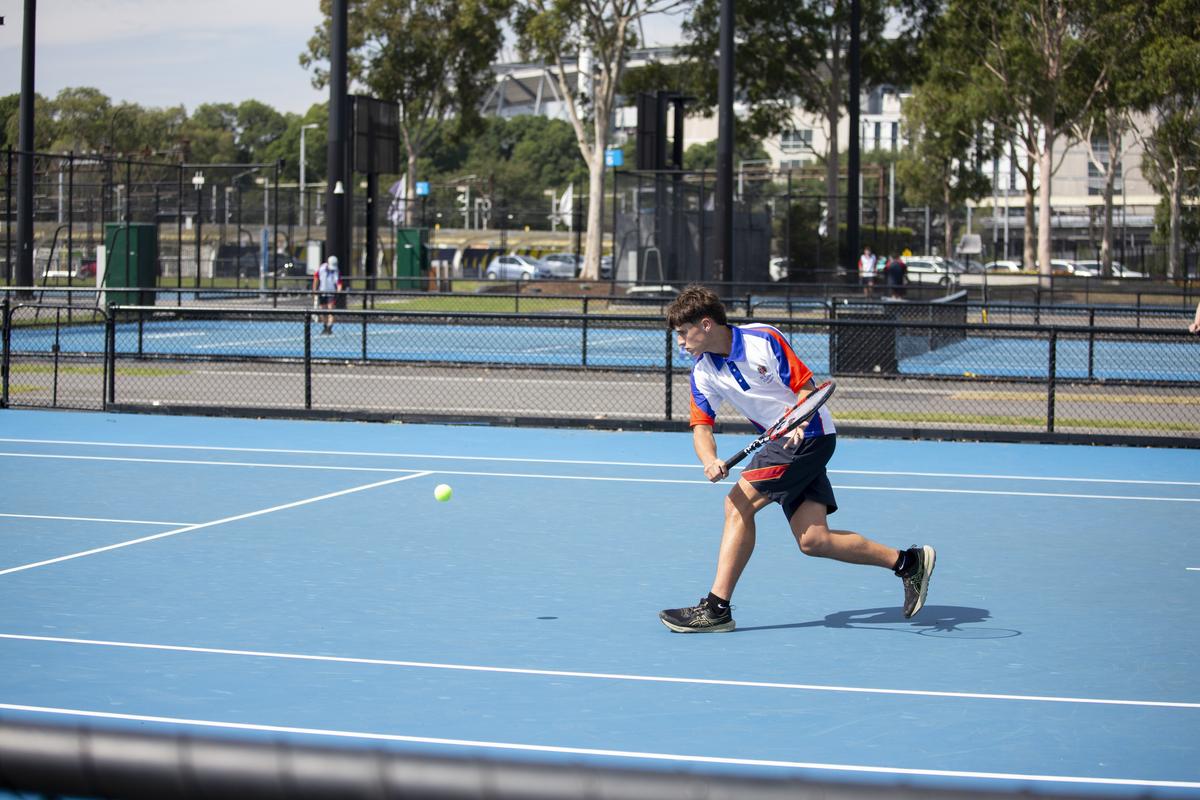
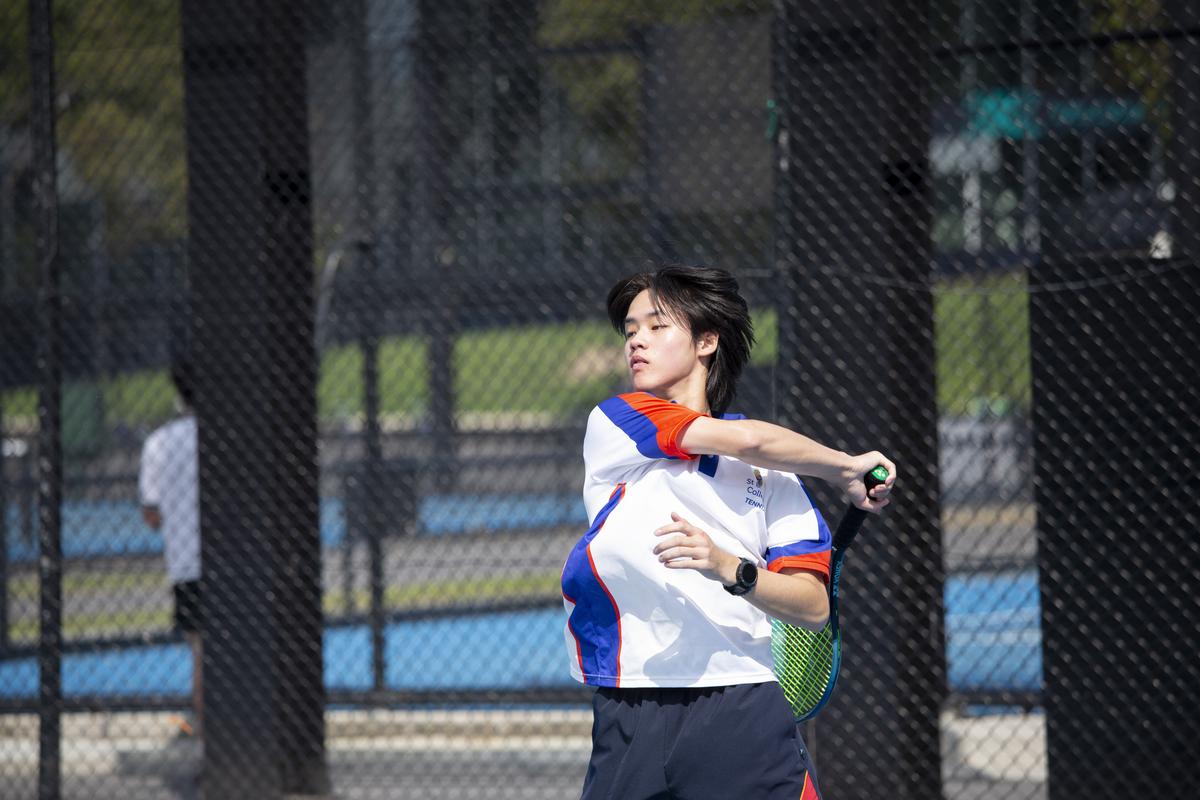
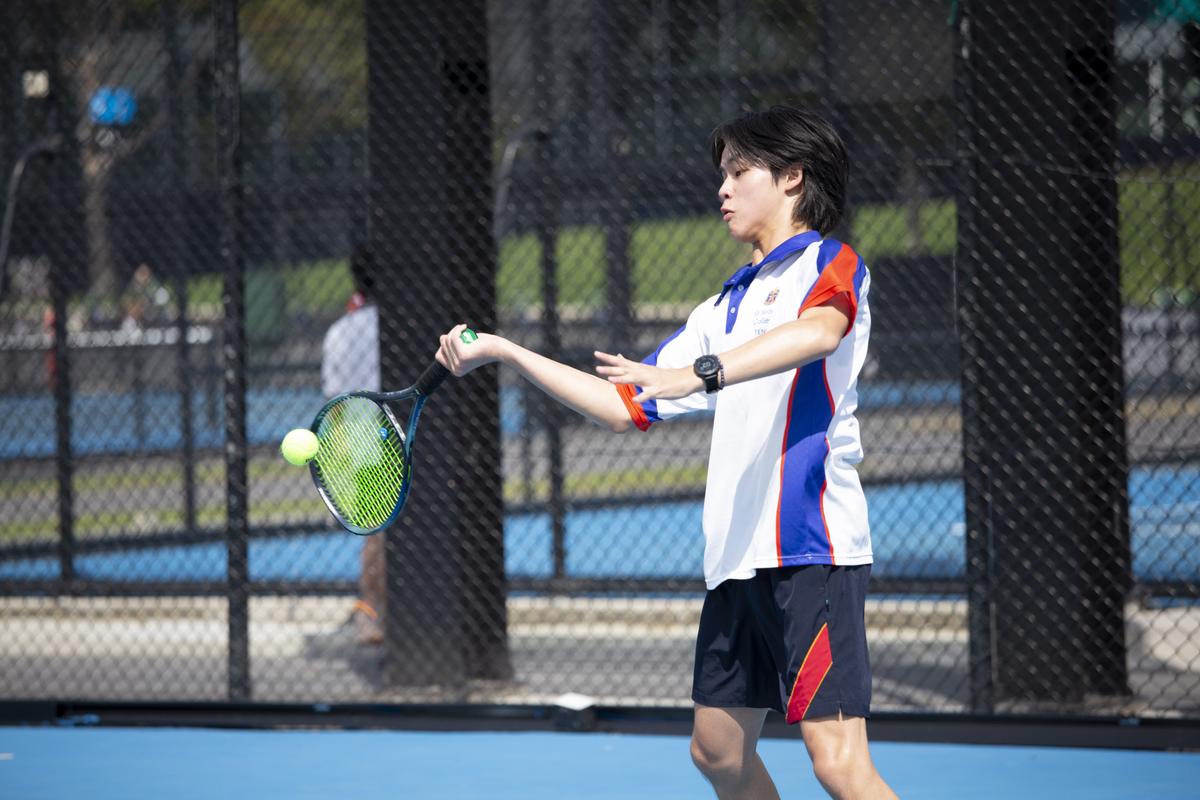
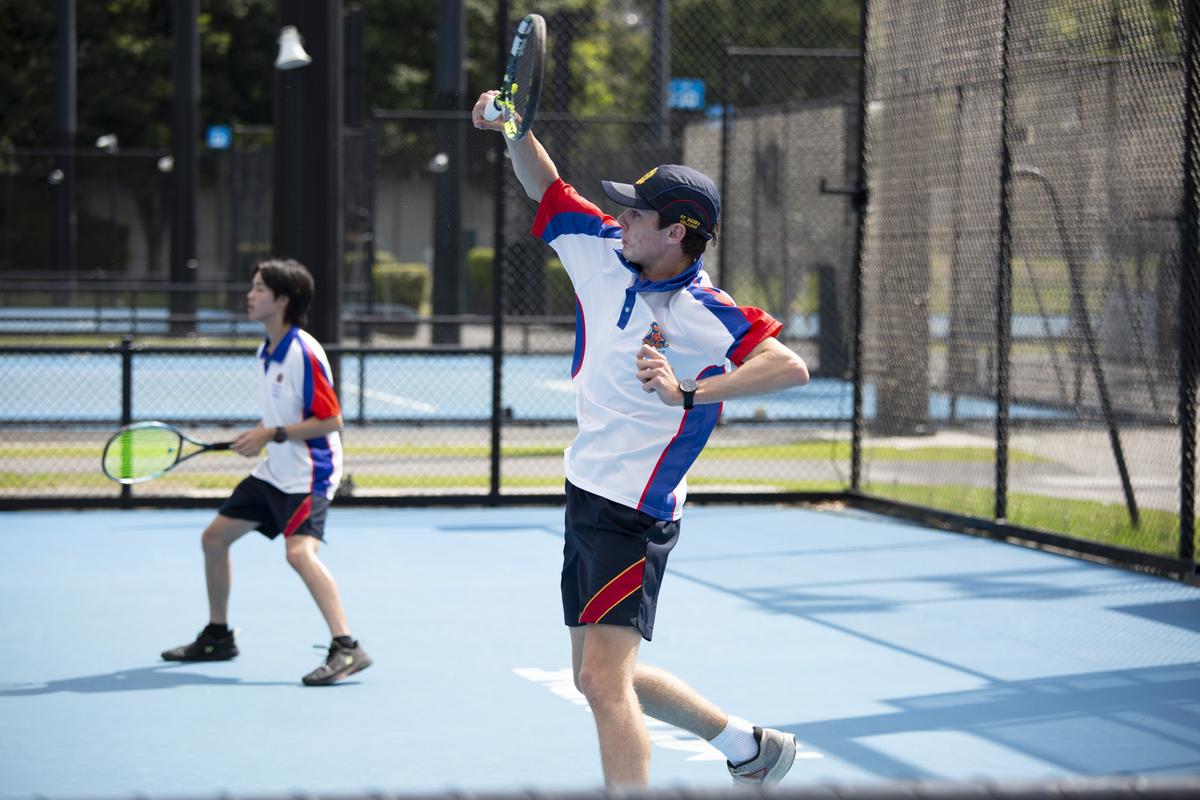
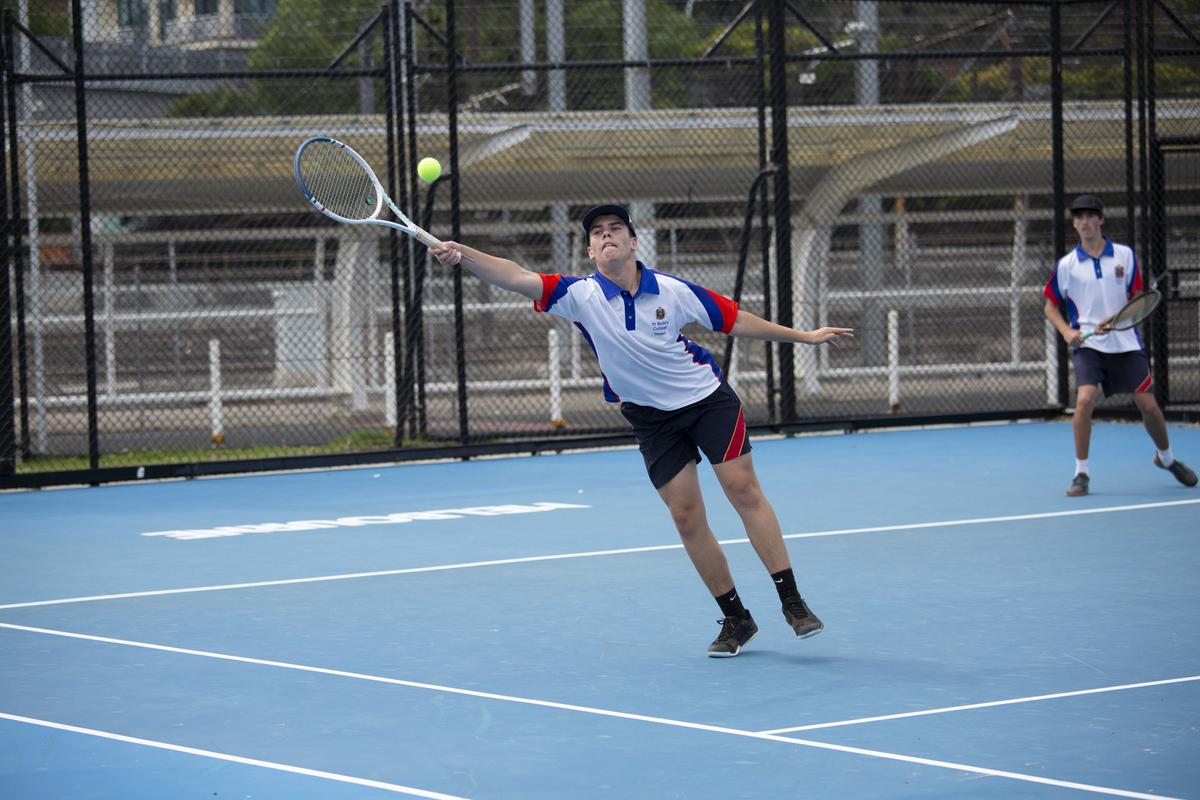
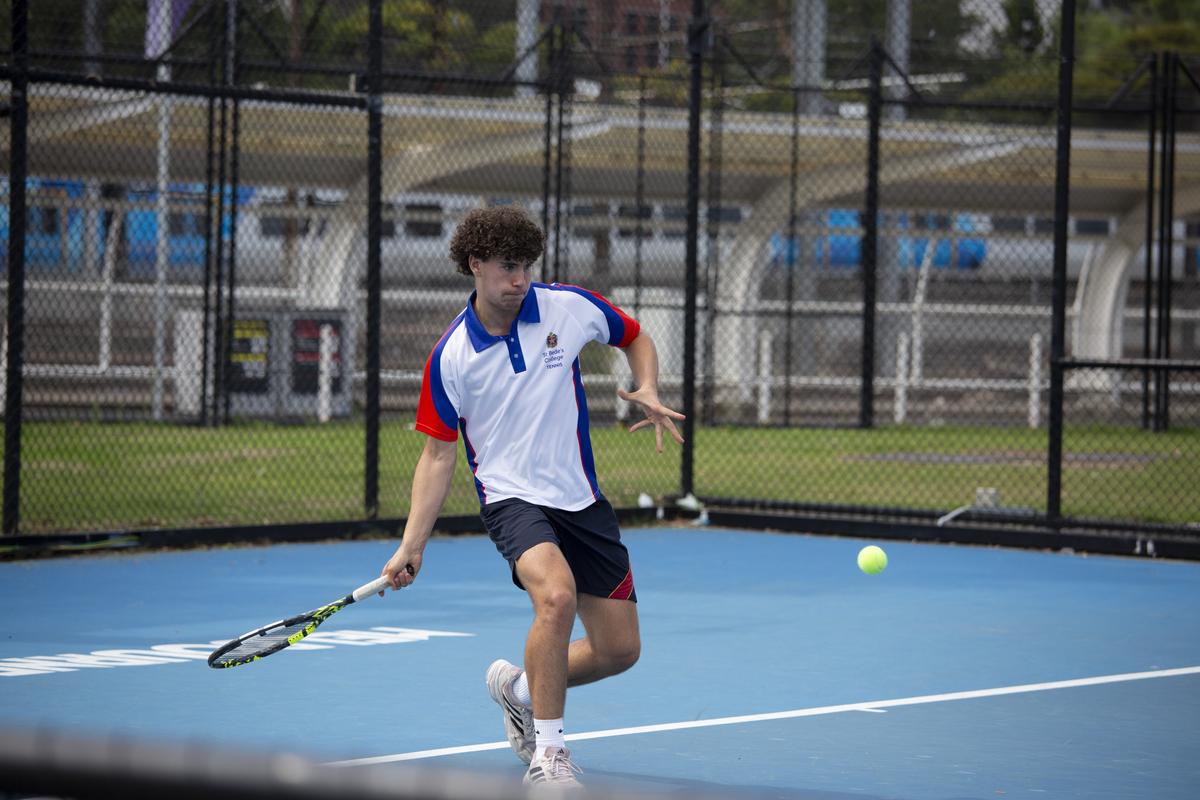
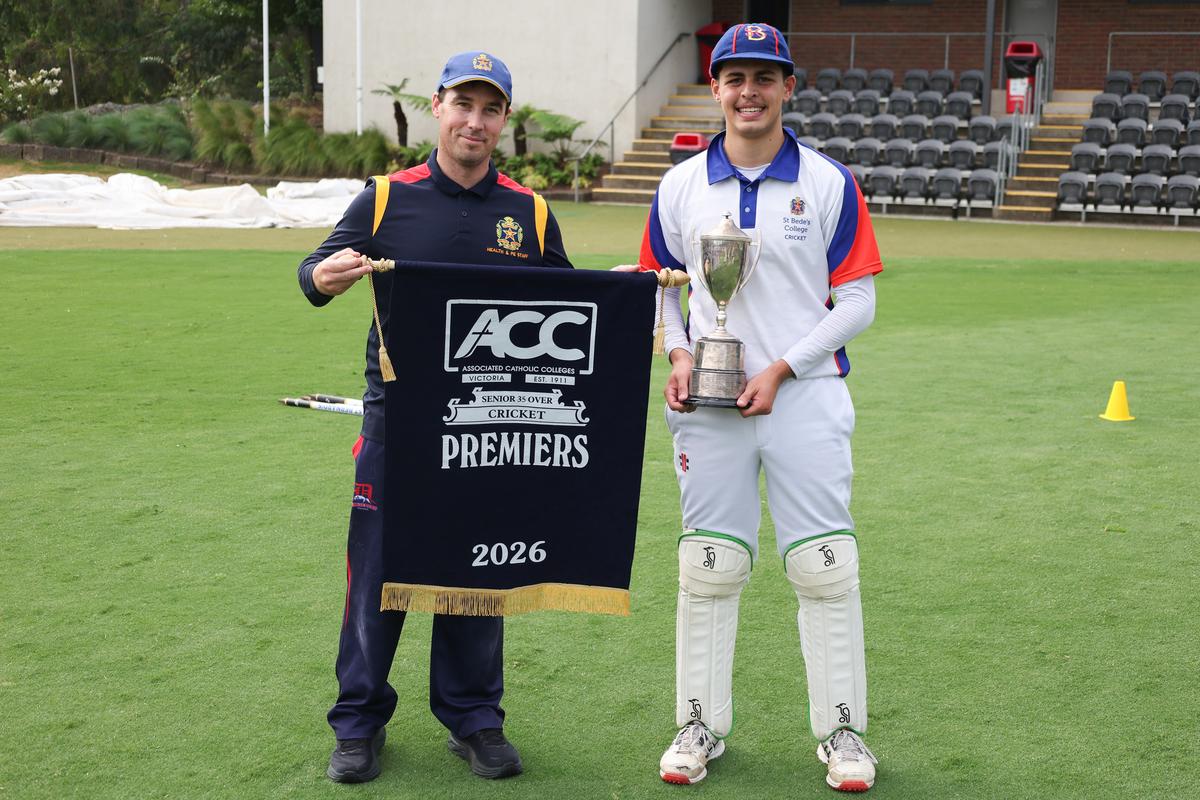
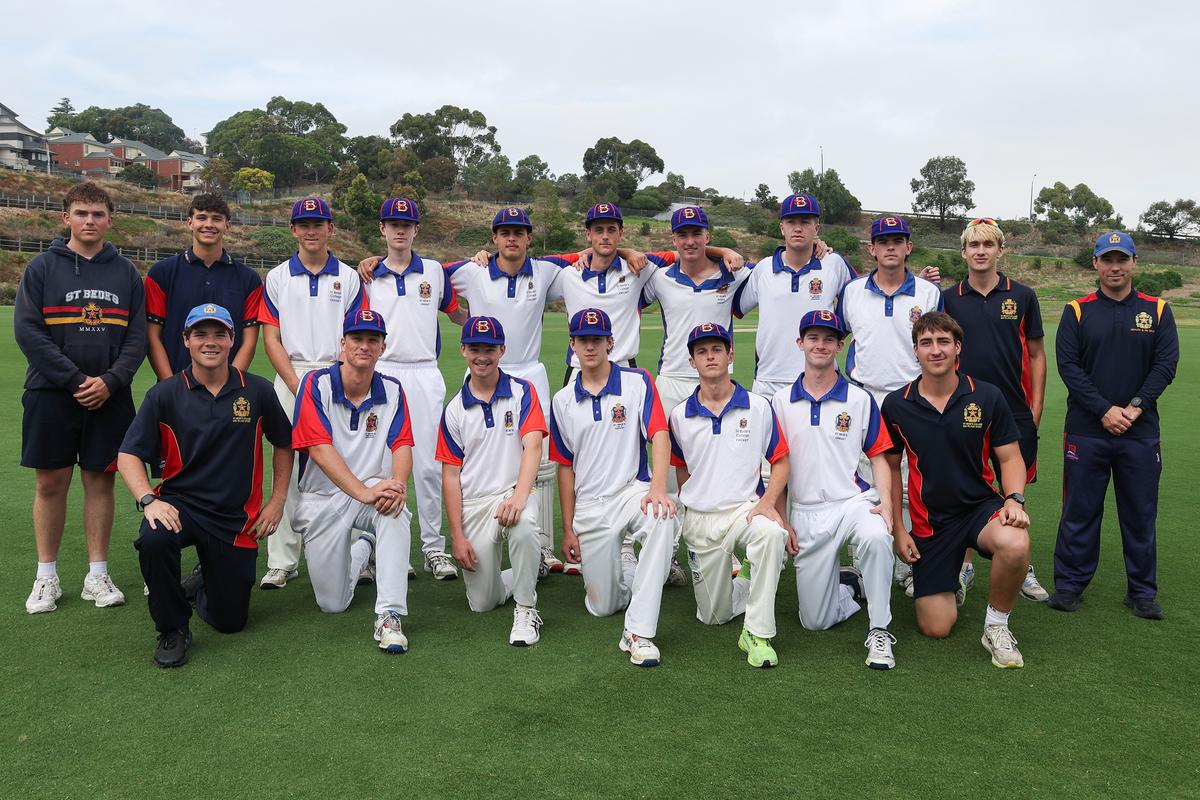
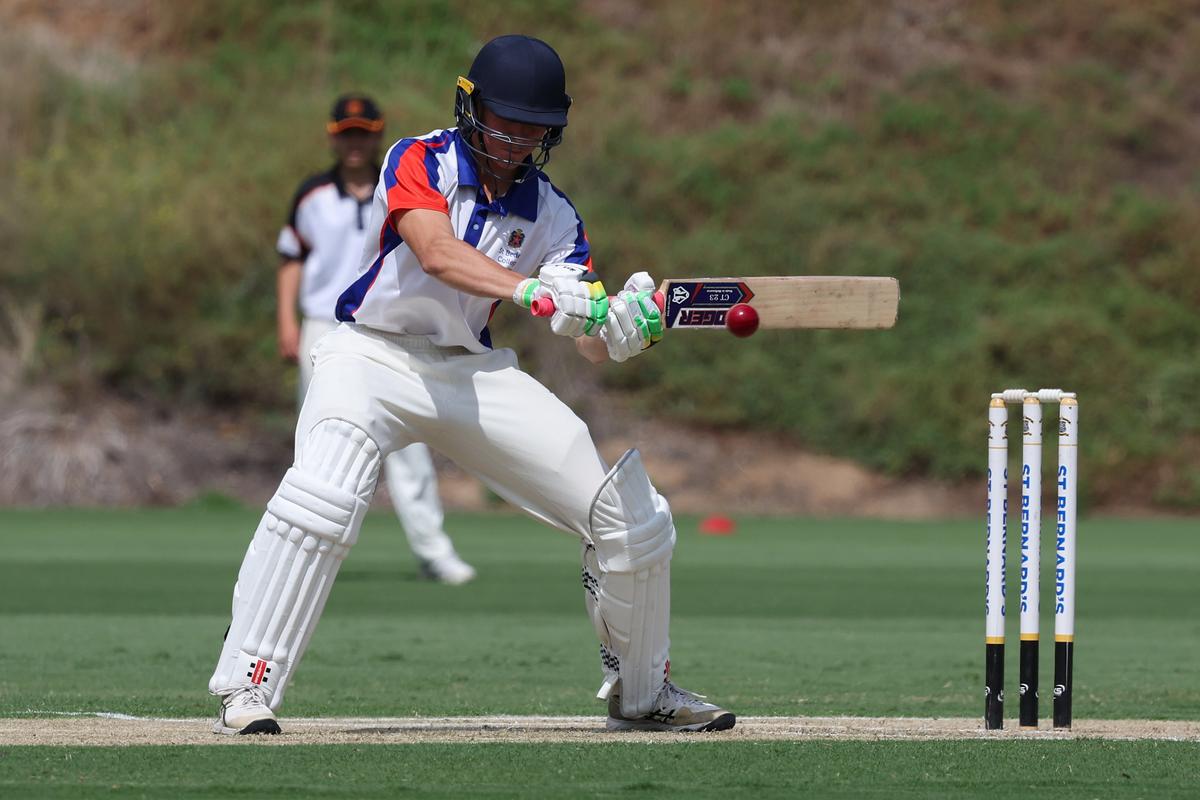
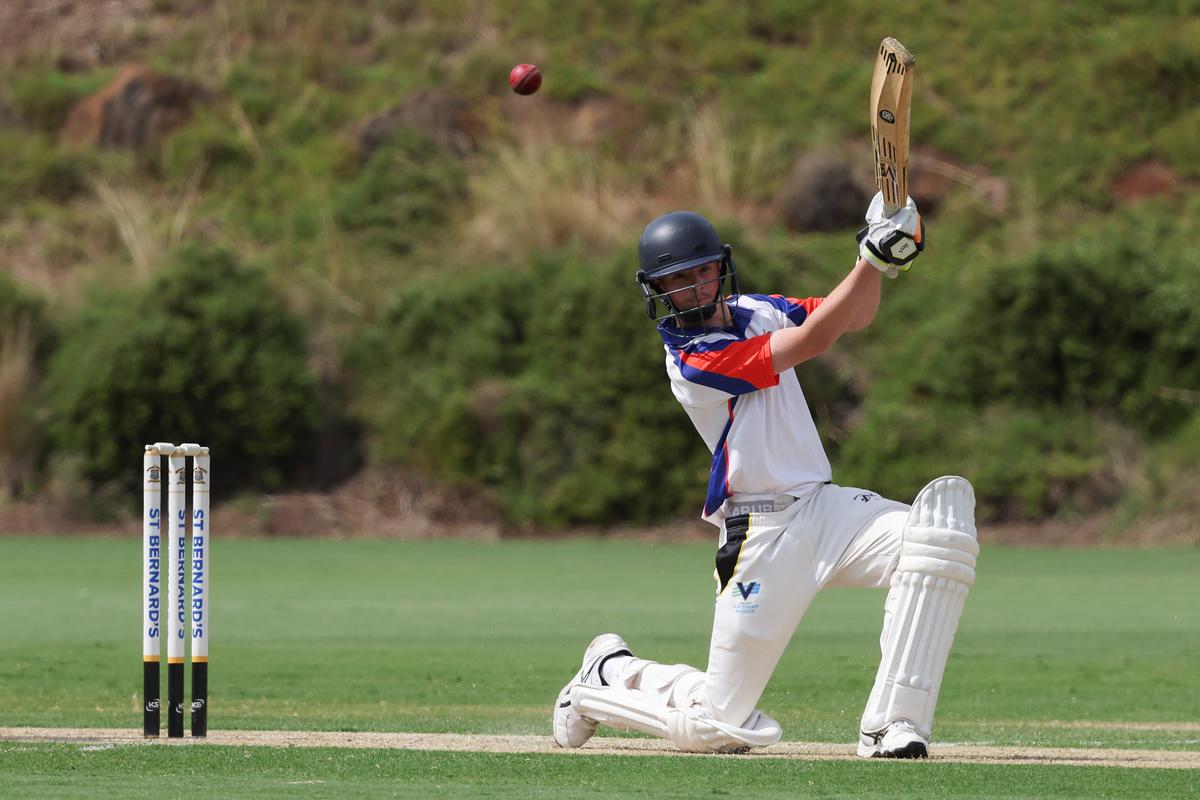
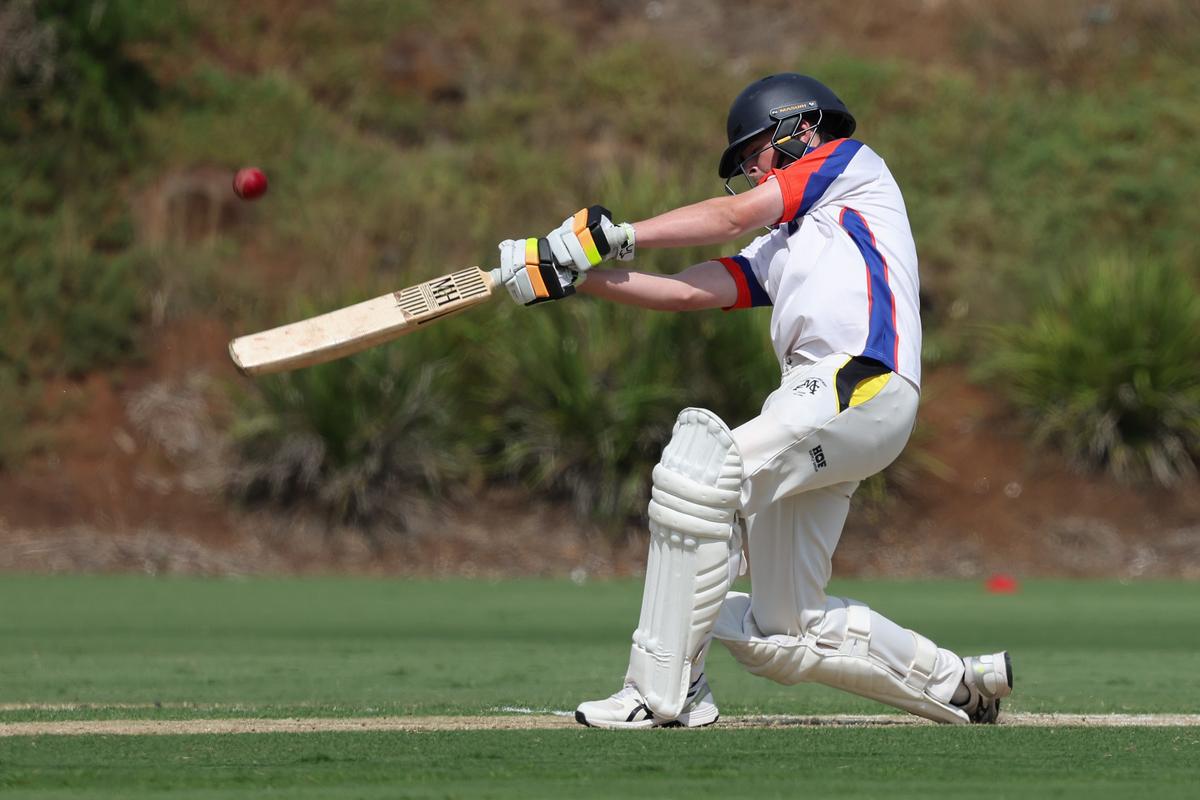
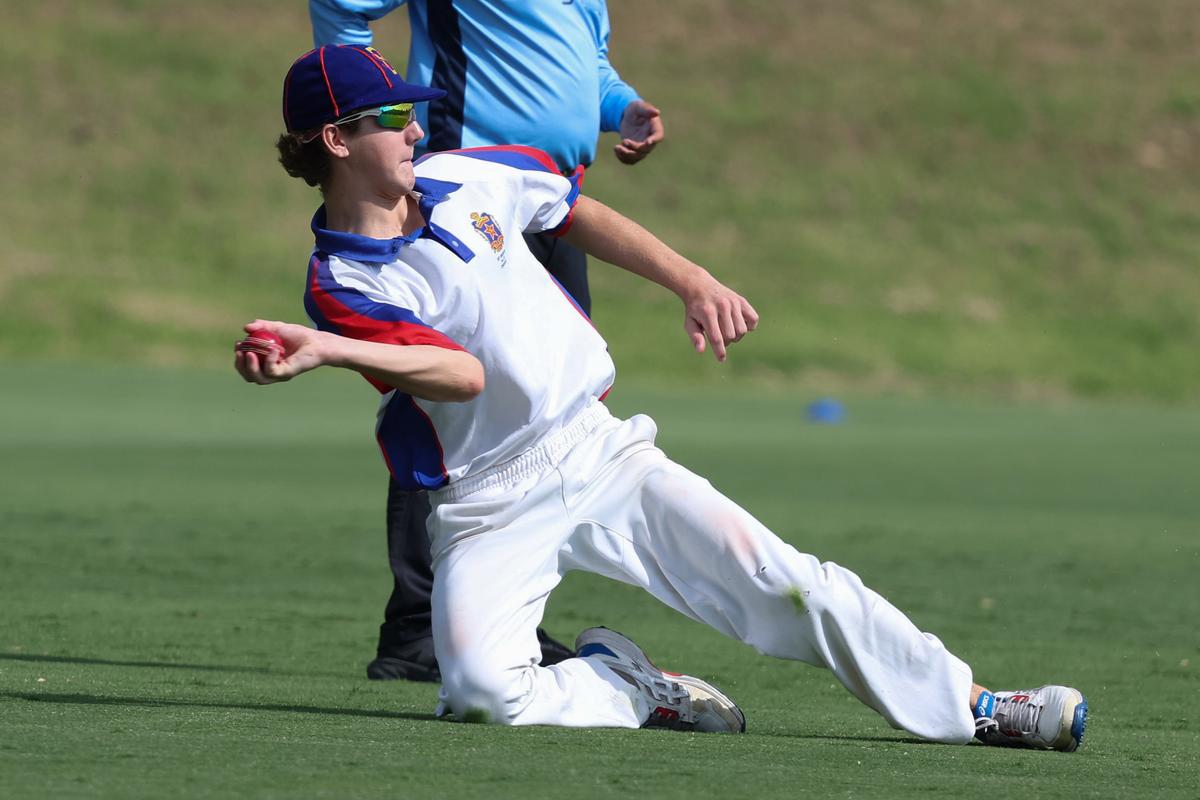
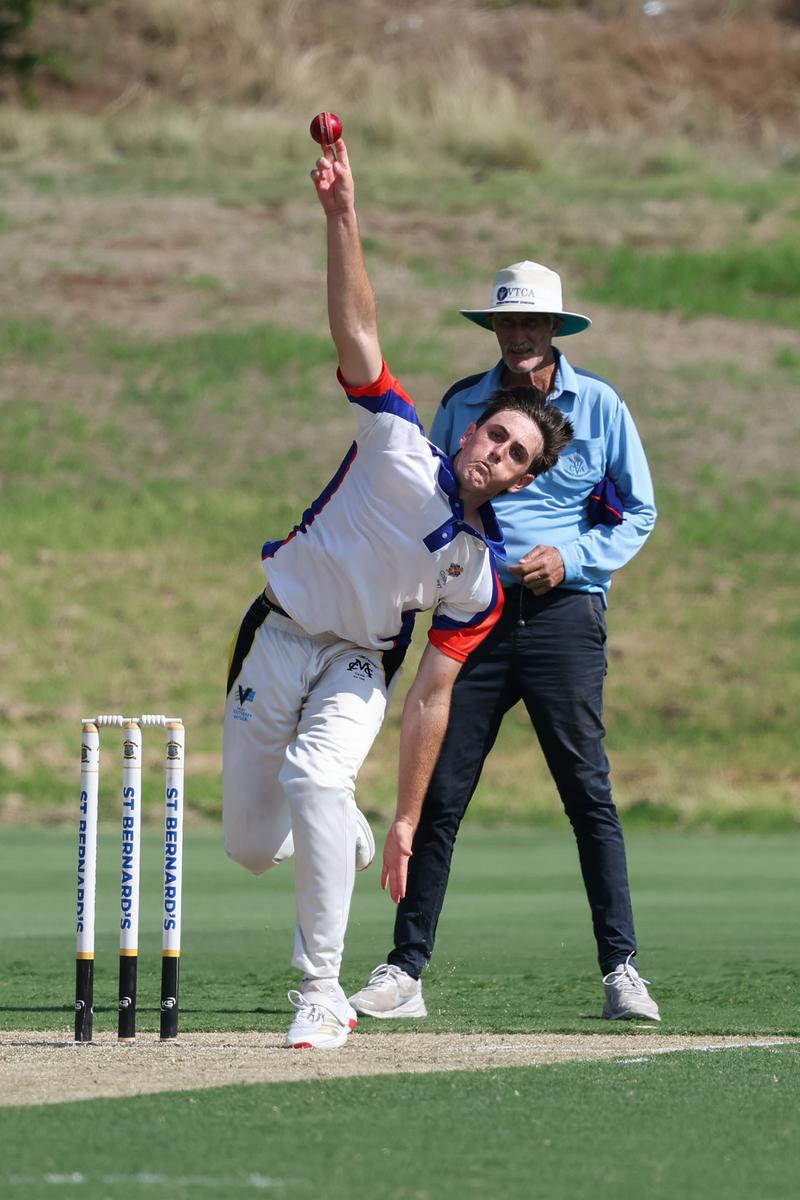
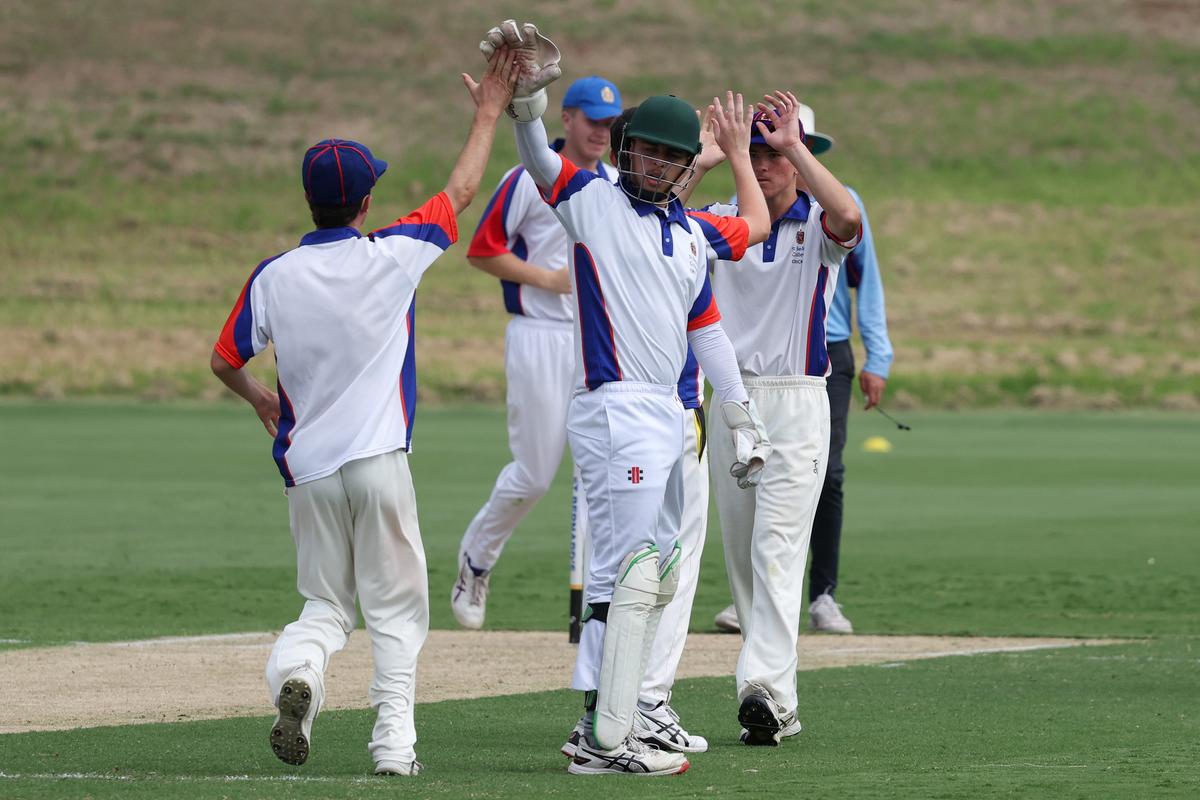
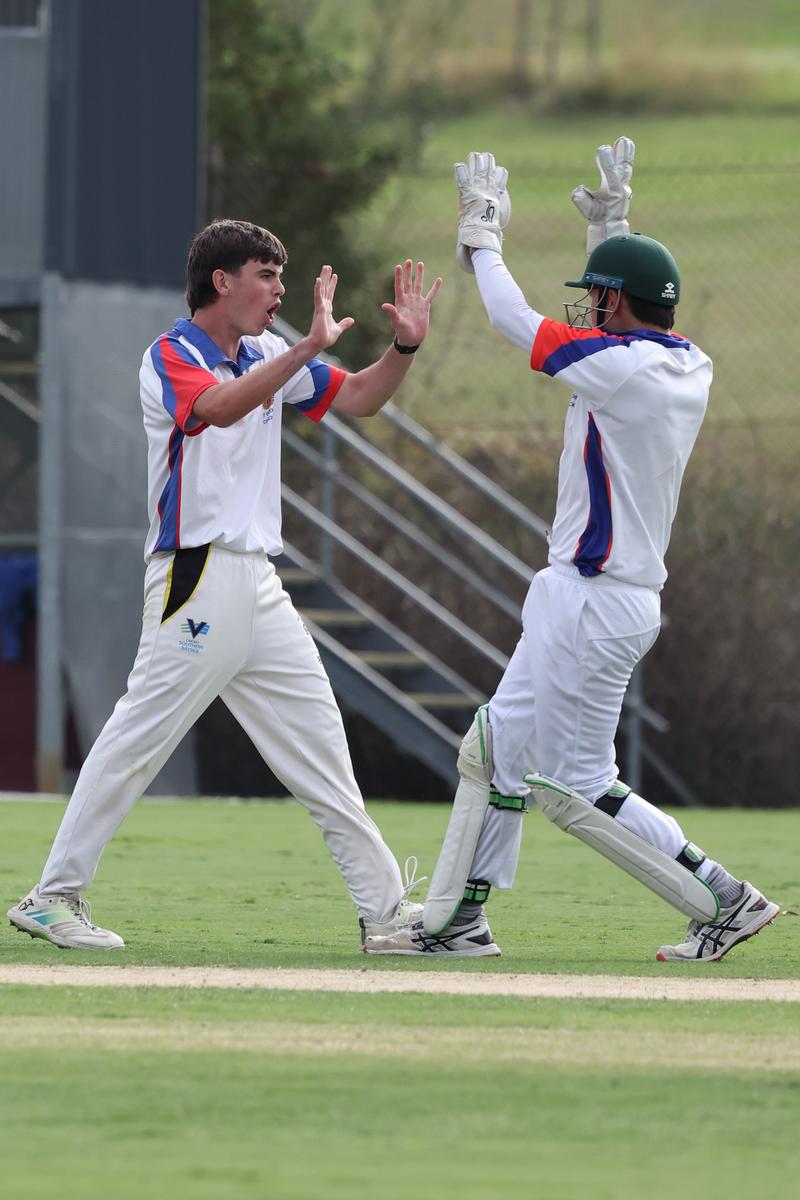
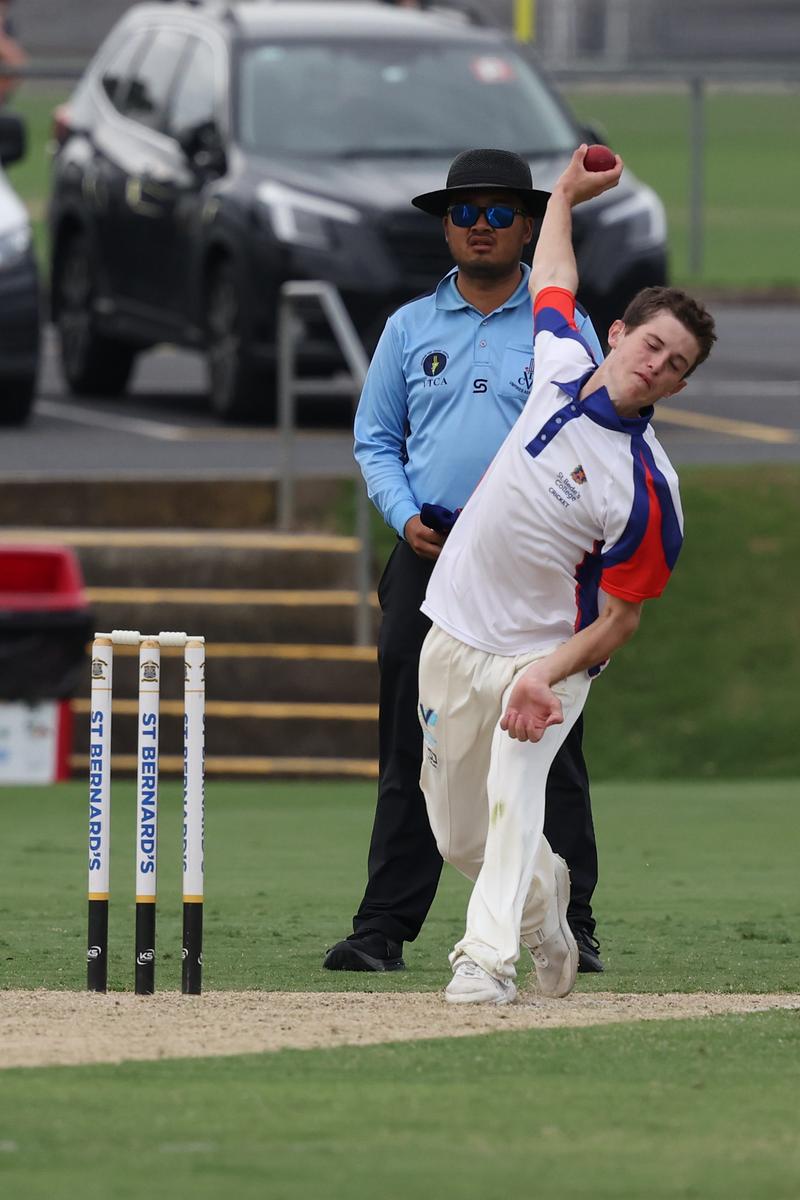
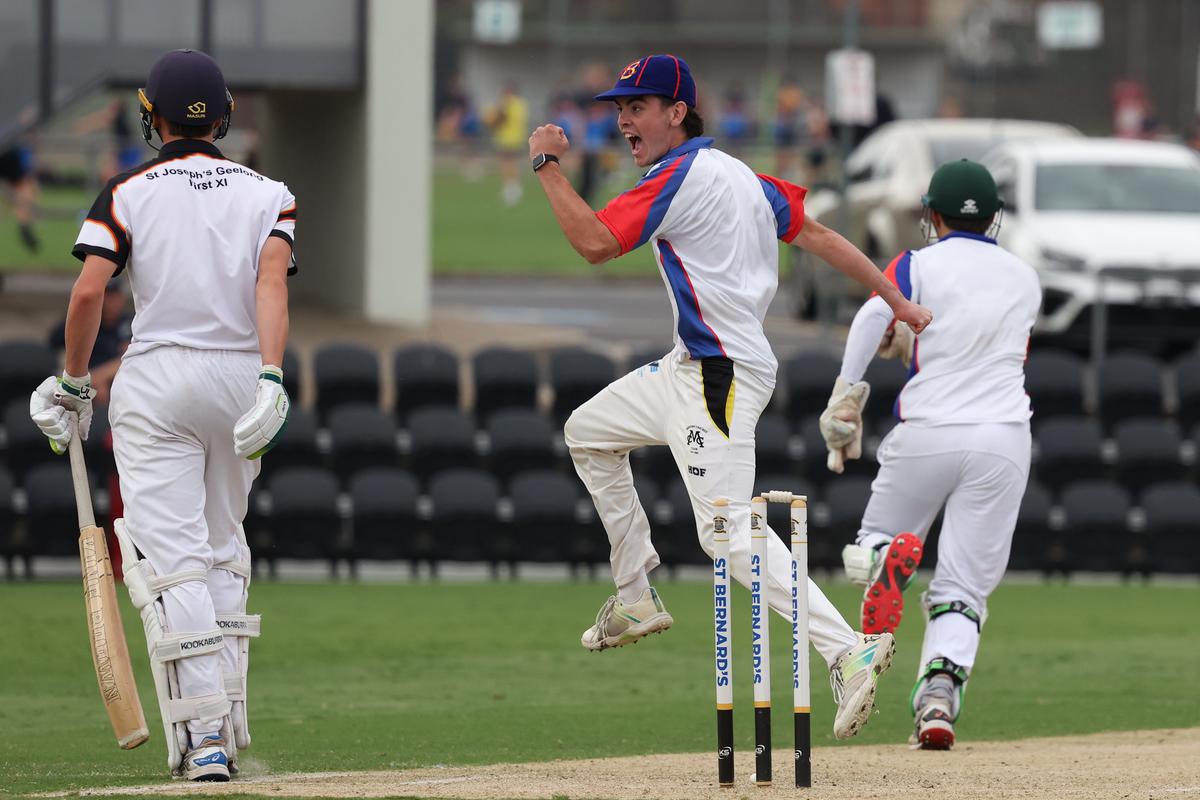
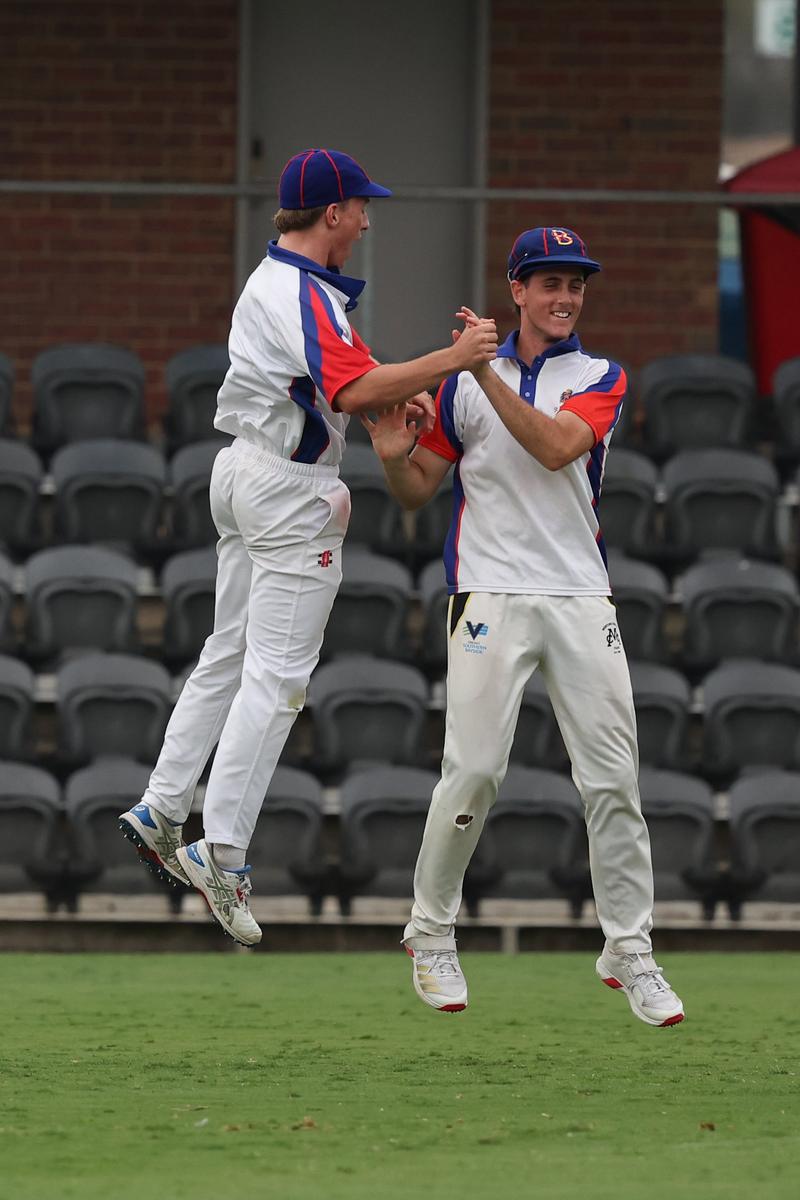
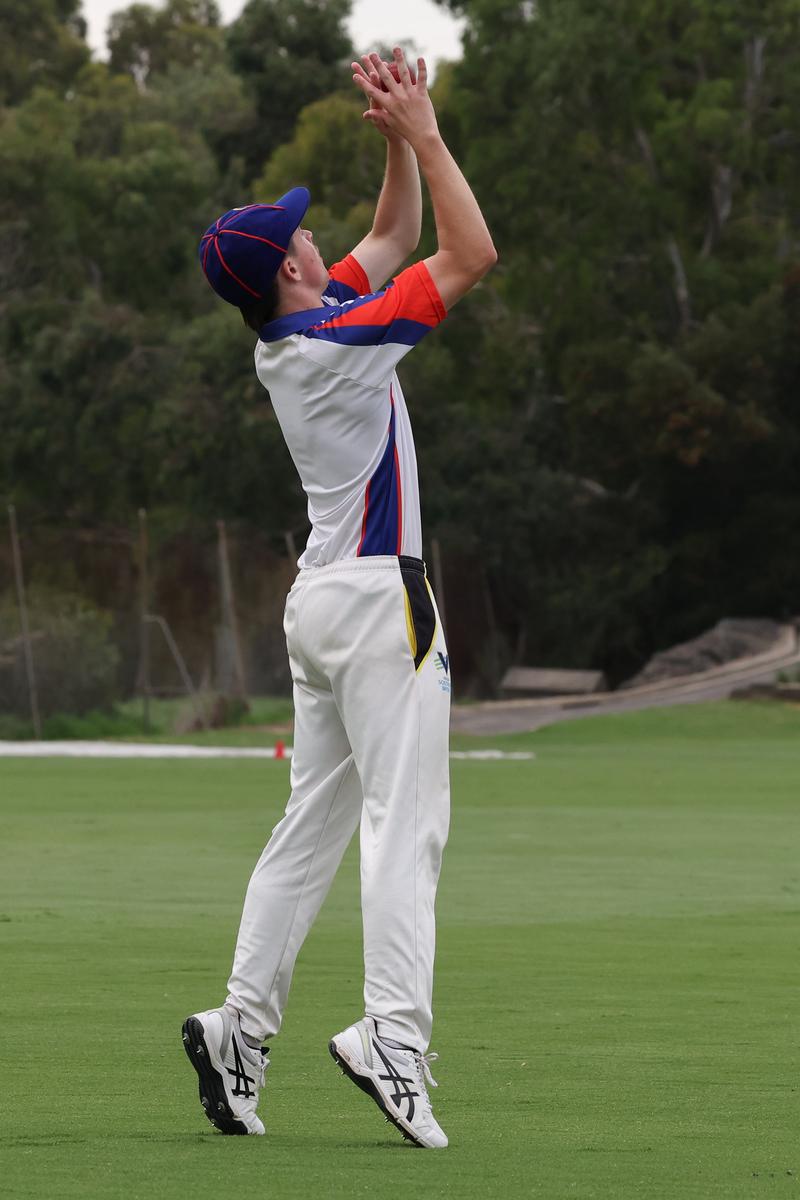
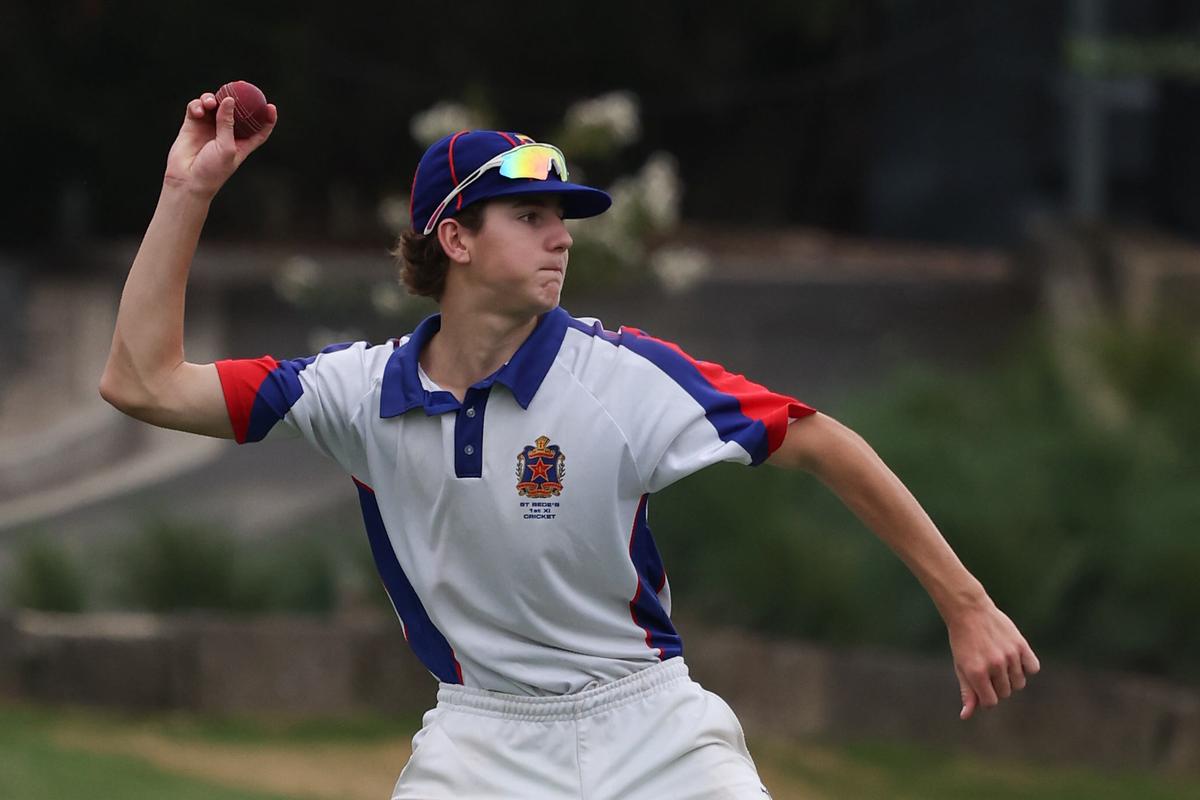
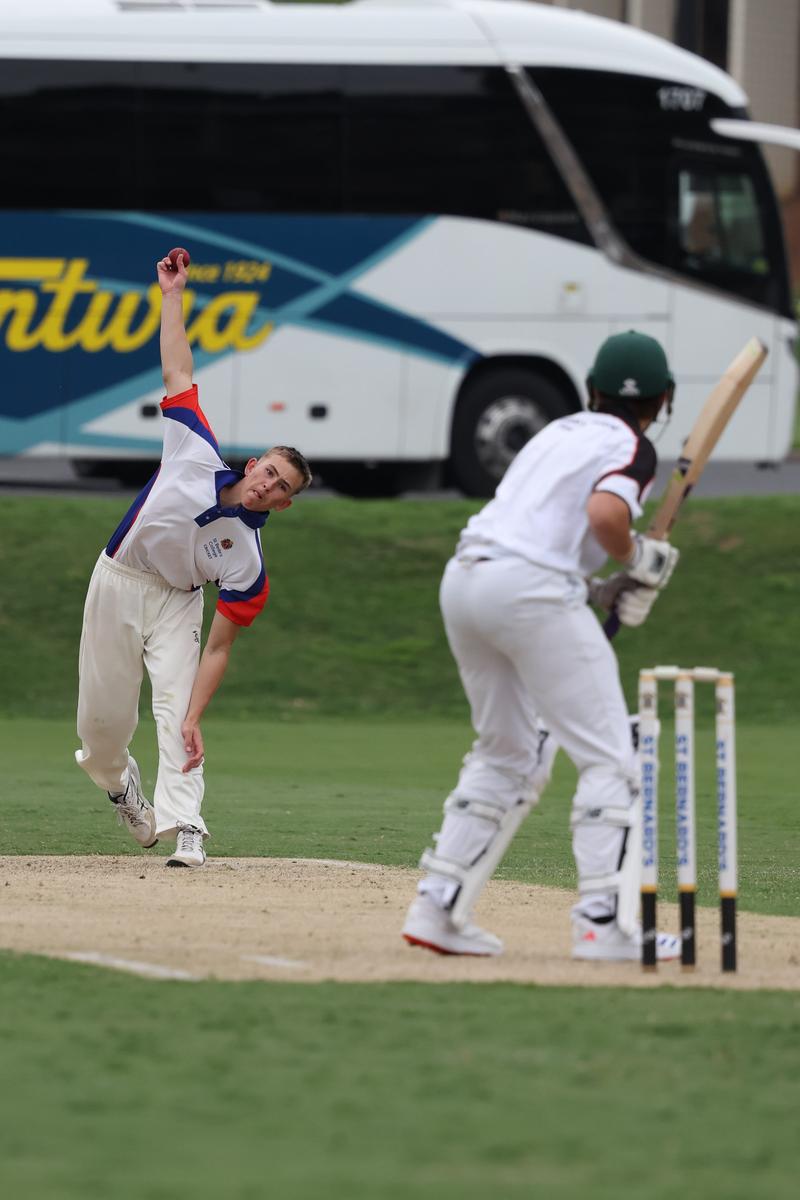
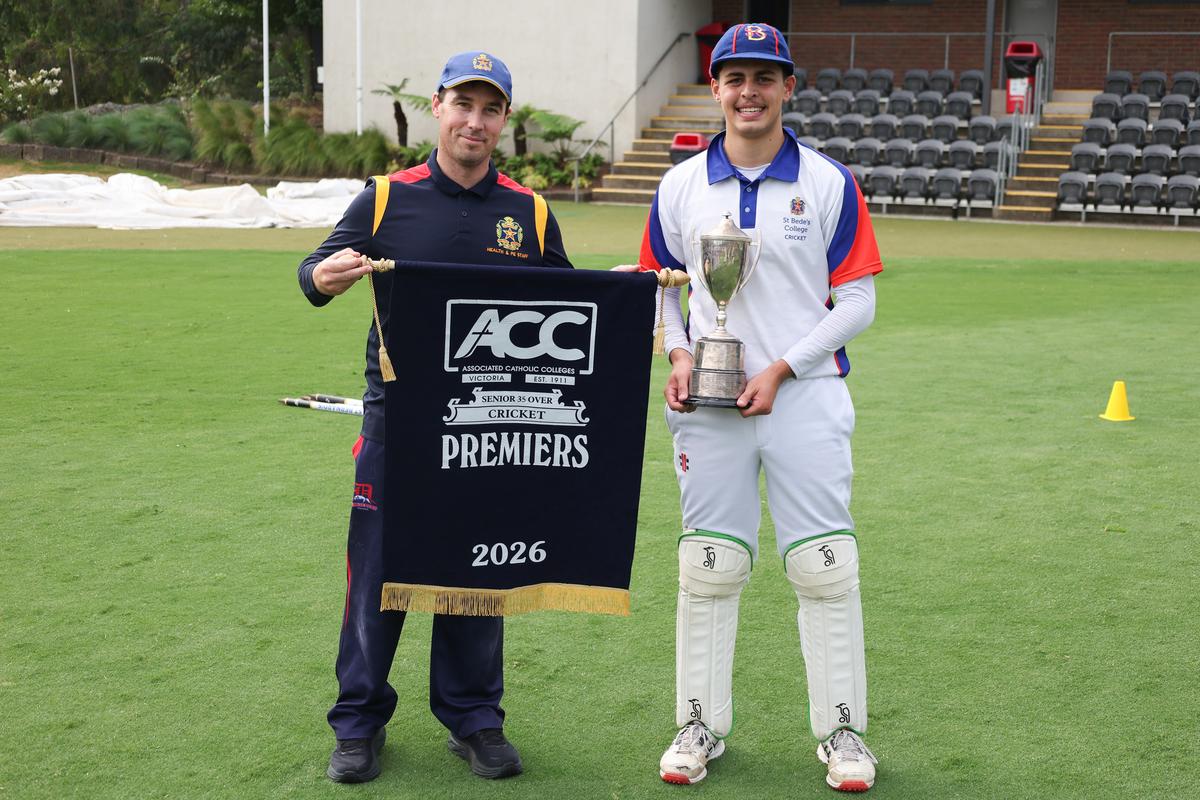
ACC Sports finals—to our Firsts Tennis team and First XI (35 over) Cricket team, both of whom went through the season undefeated to win the premiership in their respective sports.
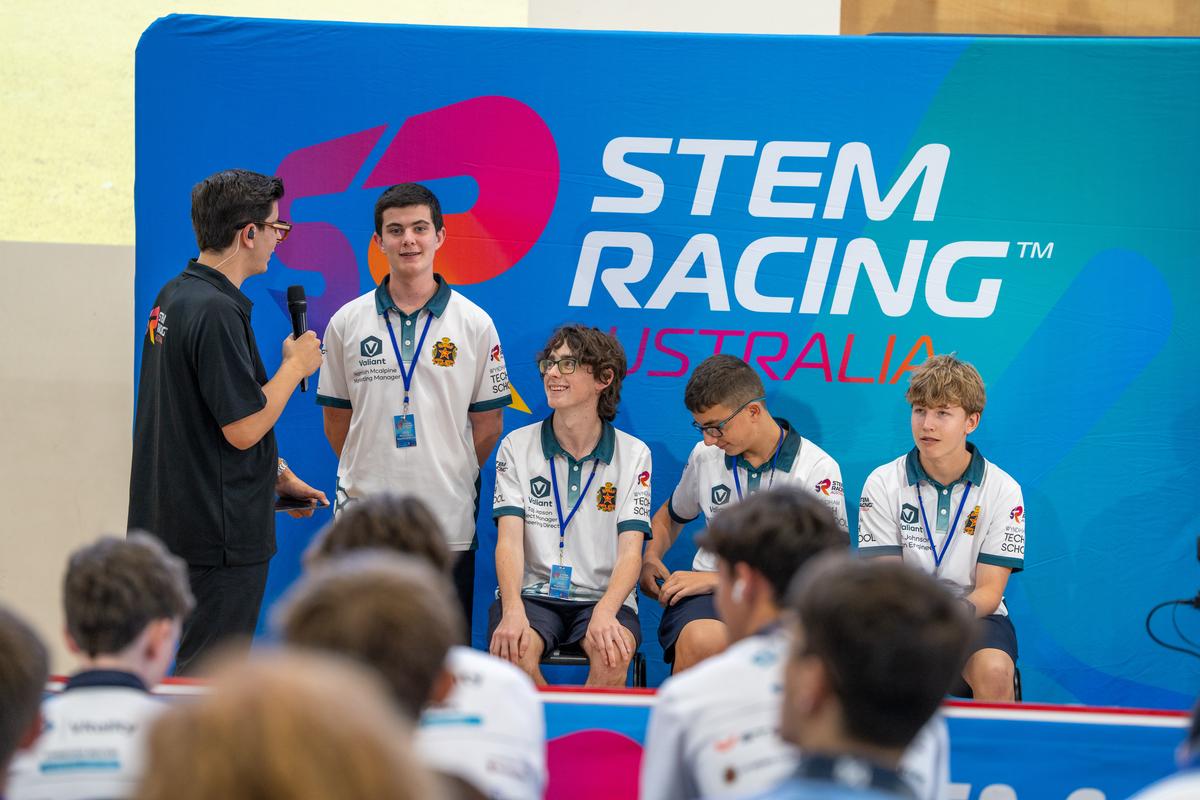
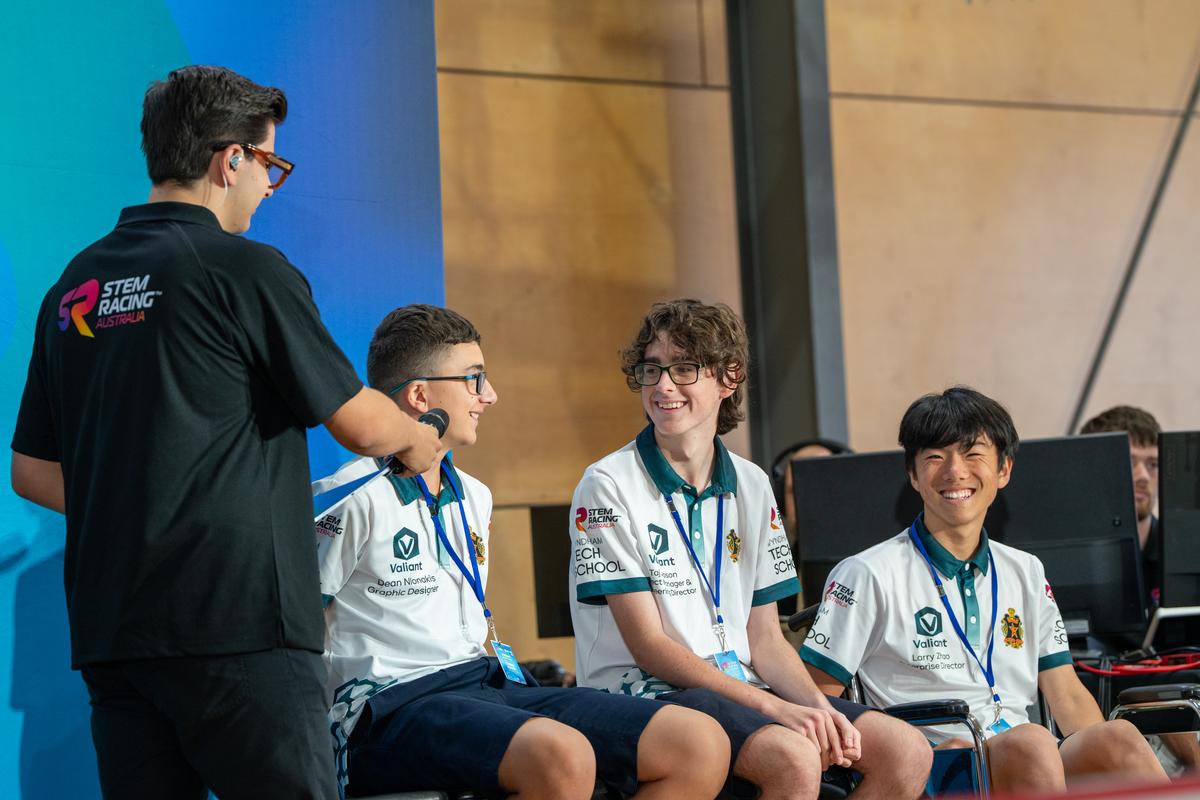
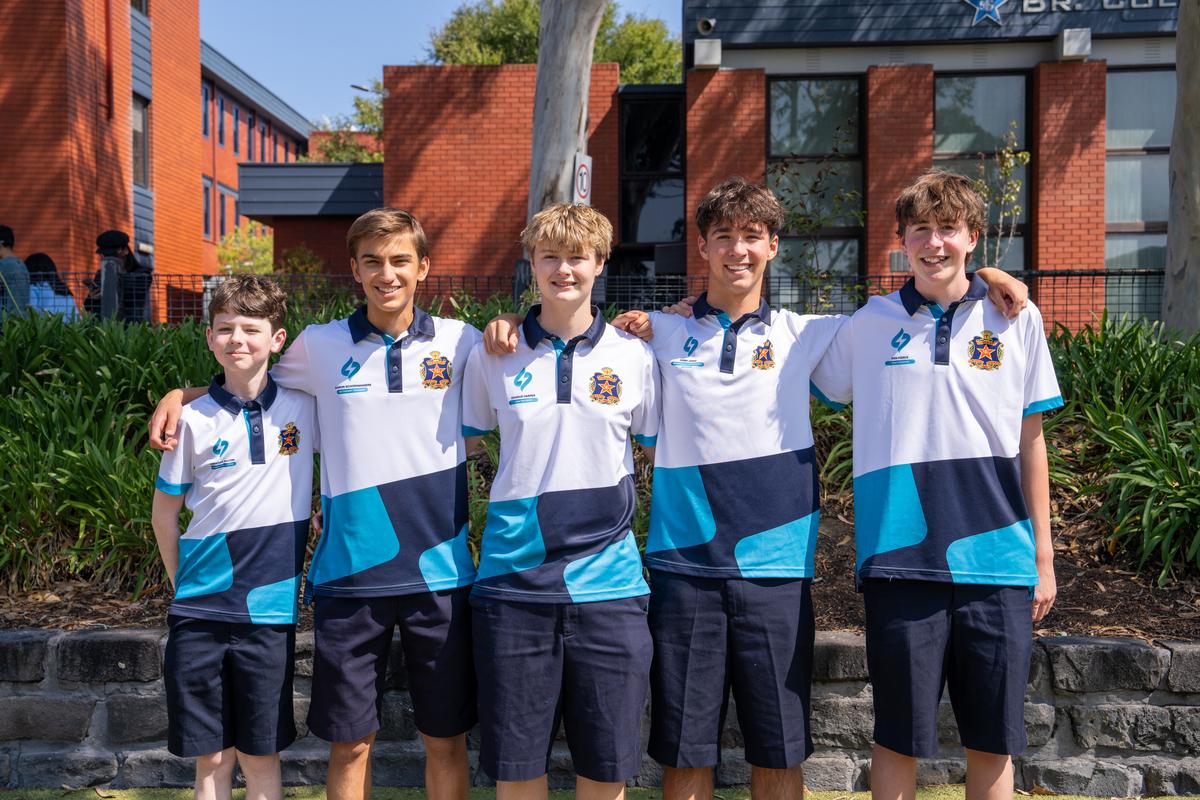
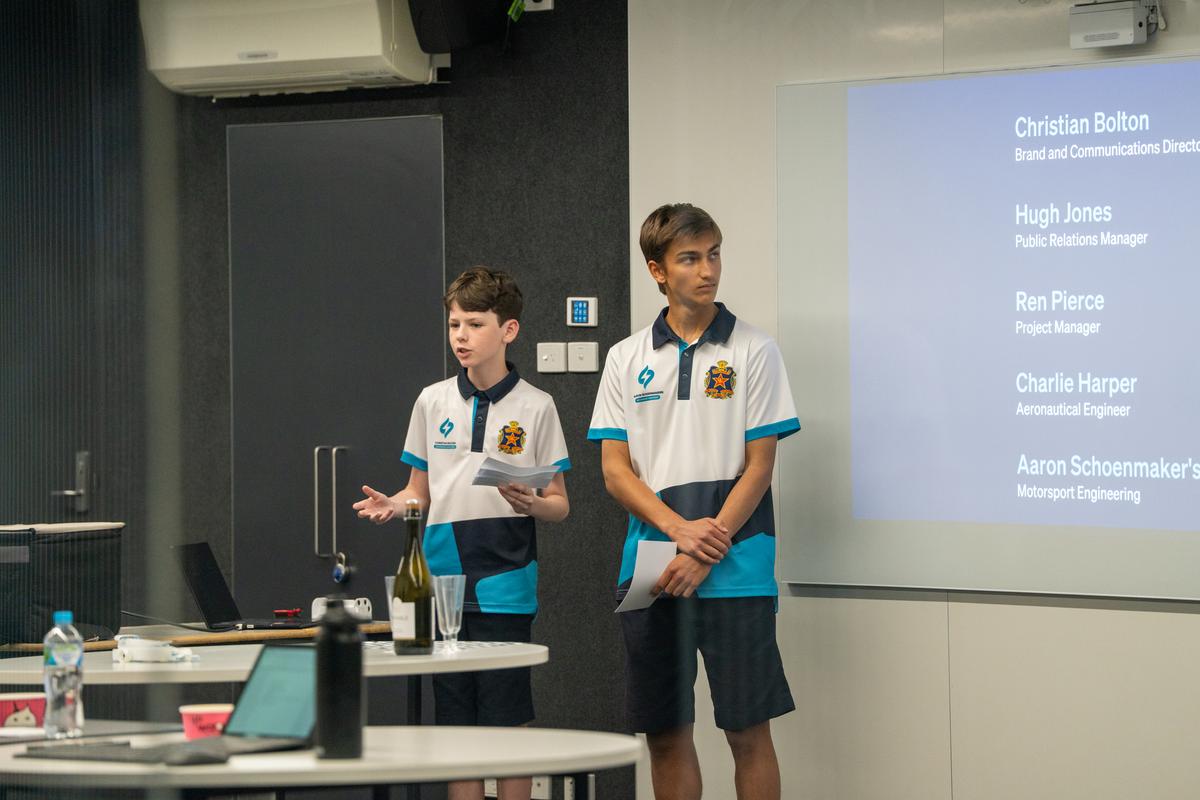
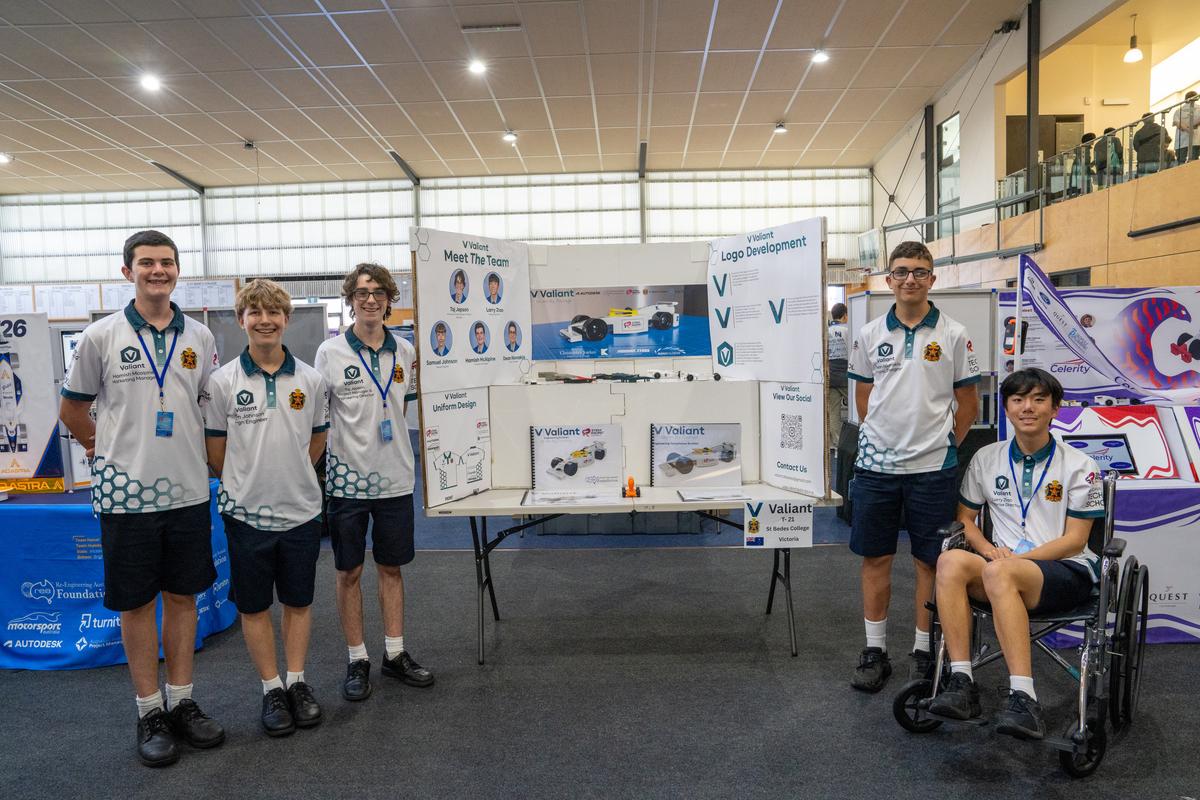
To our teams Valiant and Vitality for their performances in the 2026 STEM Racing National Finals held at the College over the last weekend. Thank you to their supporters, mentors and to all who assisted in the conduct of this significant national school’s event.
Best wishes to our Swimming Squad and coaches for the ACC Swimming Carnival to be held next week. We're hoping for our 7th consecutive title and look forward to cheering the boys on at MSAC for the big day.
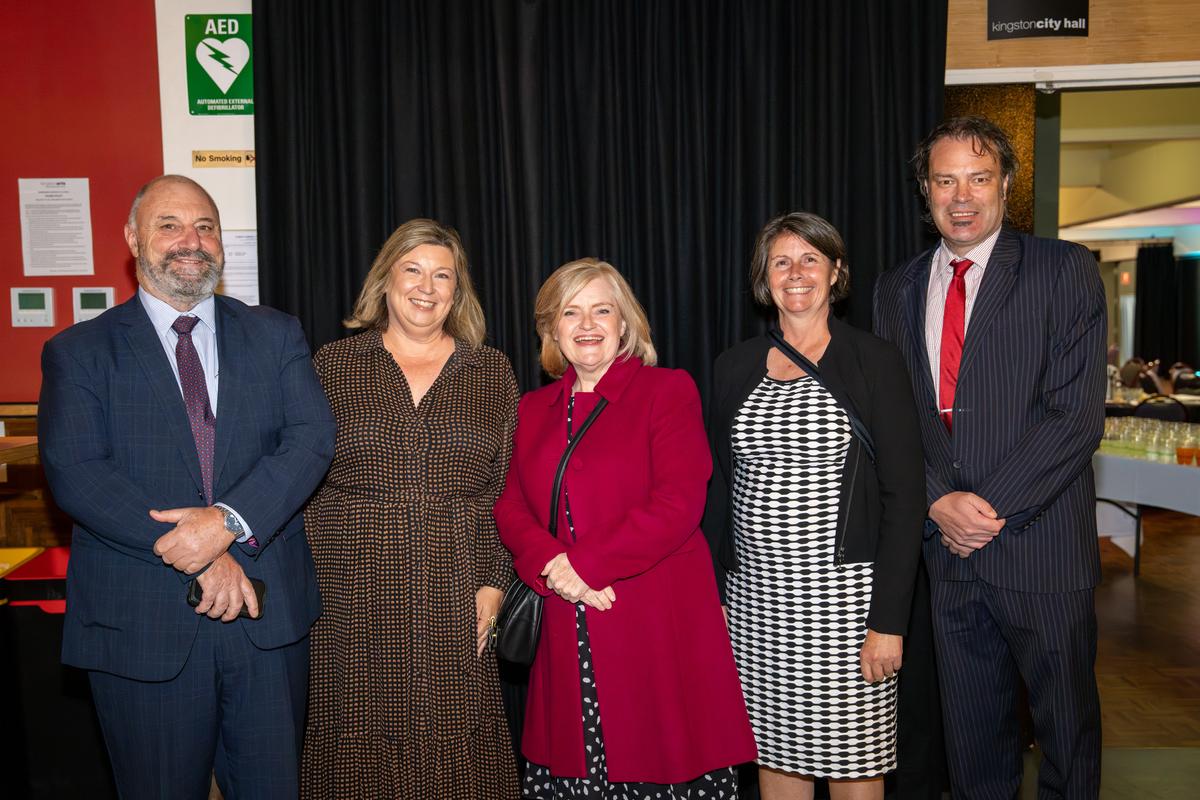
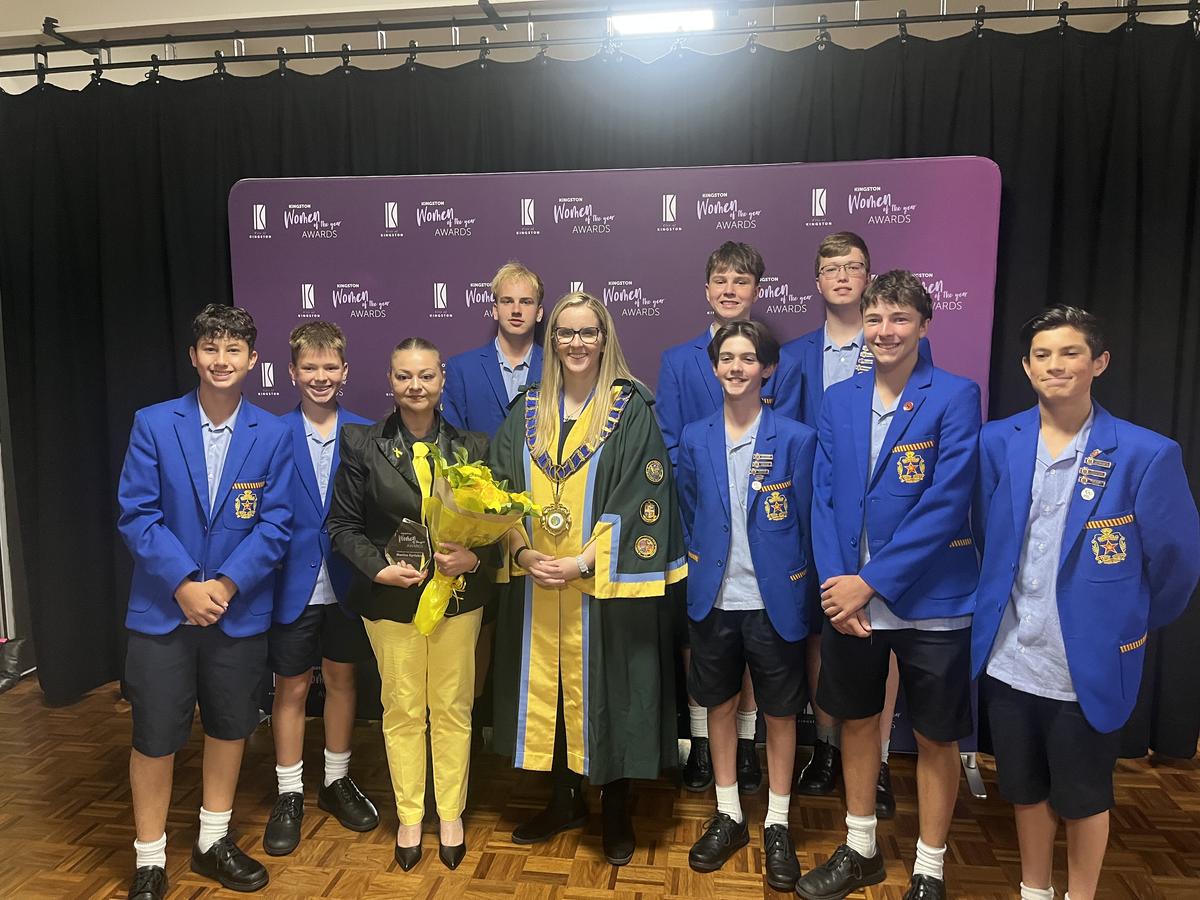
To our Year 9 Captains who attended International Women's Day at Kingston Women Of The Year. This annual event honours the extraordinary women who shape our community and offers a vital opportunity to reflect on the importance of gender equality and empowerment. Our students represented the College with immense pride, even joining the proceedings on stage for a group dance activity. A highlight of the event was the formal acknowledgement of our student leaders by Mayor of Kingston, Cr Georgina Oxley.
"Thank you to your staff and student leaders for accepting our invitation to attend and celebrate International Women’s Day 2026 at Kingston’s Women of the Year event, held at Kingston City Hall. It was wonderful to see the enthusiasm of the young men who attended, particularly their willingness to participate in the dancing segment on stage. Their engagement was a great reflection of the importance of encouraging young people of all genders to be involved in recognising and celebrating the achievements of women. This annual event honours the extraordinary women who contribute to and shape our community, while also providing an opportunity to reflect on the ongoing importance of gender equality and empowerment. We hope the staff and student leaders who attended found the event both enjoyable and inspiring, and that hearing from the remarkable women recognised on the day left a lasting impression."
To our staff - Br Denis, who joined the Brothers 60 years ago and celebrates his Diamond Jubilee. Thank you for years of selfless service, not only at St Bede’s College, but in places such as Papua New Guinea and South Sudan.
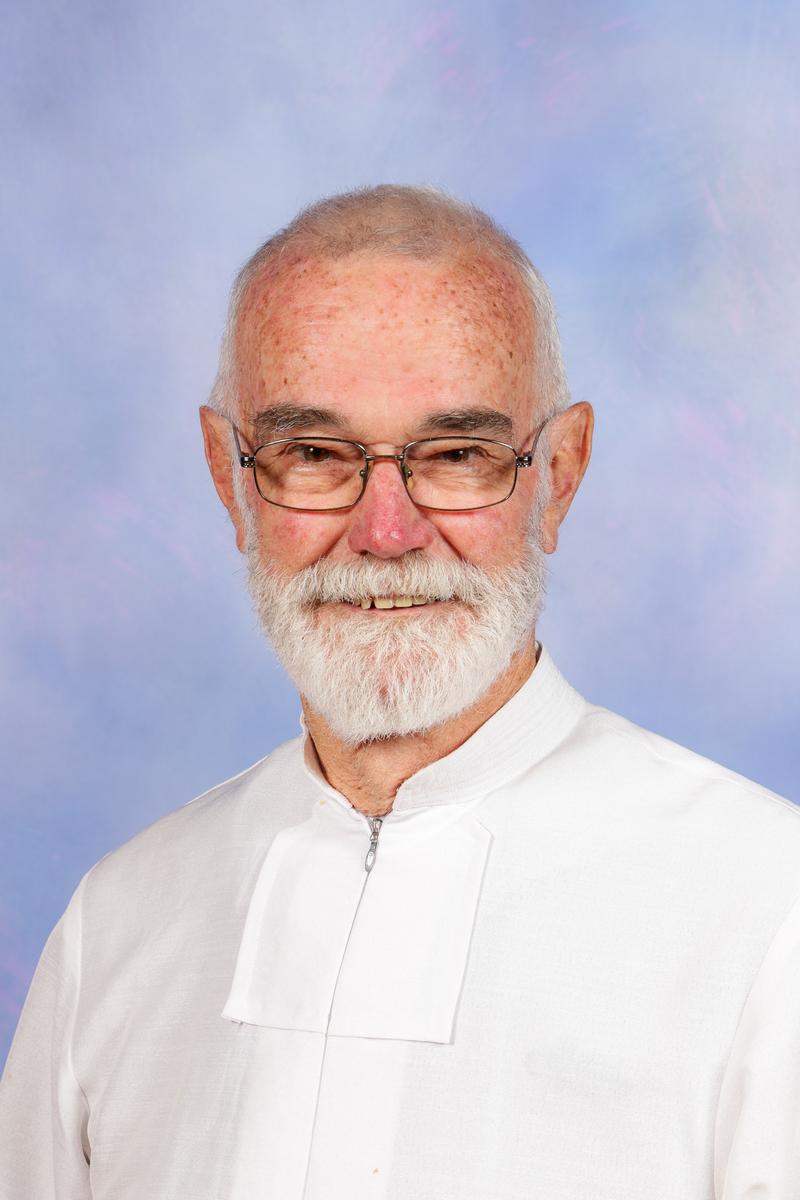
To our History and Geography teachers, Meaghan Ryan (Learning Area Leader - History) and Kirk Thomson, who have been invited to present a History Teachers’ Association of Victoria Masterclass on “Tips and Tools for Promoting History in your School”. You may remember that in 2025, both Meaghan and Kirk received the HTAV Award for Excellence in History Teaching.
"We are really excited and honoured to be asked to present a HTAV Masterclass next term which will share with other teachers some of the amazing opportunities our students have at St Bede's College to learn and extend themselves in Humanities. We are grateful to work in an amazing community who support and work with us in our goal of growing History engagement and enrolments."
Wishing Kirk and Meaghan all the best for their Masterclass on May 27.

Our Years 7 and 9 students have recently completed the National Program in Literacy and Numeracy Tests – Online (NAPLAN). Four tests were completed to assess Reading, Writing, Grammar & Punctuation and Numeracy. You will have seen the media surrounding the issues that schools faced in delivering NAPLAN this year. Congratulations to our Teaching and Learning Team and our ICT/AV Team on the troubleshooting and flexibility shown to ensure we delivered NAPLAN to our Year 7 and 9 students with integrity and minimum disruption.
NAPLAN testing is conducted annually across all schools and provides a nationally recognised standardised test that gives valuable information on student progress. We regularly see various reports in the media, often presenting very conflicting views that begin to question the validity of such testing. Many such commentaries contend that NAPLAN testing becomes the sole focus of teaching programs in some schools and can cause undue stress for students, while other reports question the capacity of schools to correctly interpret NAPLAN results or address any perceived learning deficiencies. Invariably, the media looks to utilise the data (often with data incorrectly used) to provide some form of NAPLAN “league table.”
Outside of any media attention, we broadly support any testing that provides schools, educational systems and governments with consistent and reliable data upon which future policy direction can be determined—this was the original, and continued purpose of National literacy and numeracy testing. NAPLAN results are just one “point in time” data source of student progress and we also derive further data from our other forms of testing. We engage in an analysis of what may be revealed about our school through this process of standardised testing. f a deficiency is discovered in any particular year cohort, or for a particular group of students, it is important to acknowledge and address this. In NAPLAN, we pay particular attention to student growth from Year 7 to Year 9.
Currently at St Bede’s College, your son’s teacher has access to the NAPLAN and Alwell standardised testing of students, over time, as well as the current and past years’ performance on every formative and summative assessment undertaken. Student progress can be clearly monitored, and the teacher can see whether the performance on any assessment is “below,” “at” or “better than” the student’s expected level.
The NAPLAN “season” provides me an opportunity to raise with parents and students the very important linked skills of reading and writing and how we might achieve desired growth in boys’ writing. NAPLAN results for boys tend to vary widely in each of Reading and Writing, and to be generally at a lower level than for girls.
A State English Syllabus starts with the following statement of intent: Language and text shape our understanding of ourselves and our world. This allows us to relate with others, and contributes to our intellectual, social and emotional development. Through interrelated practices and experiences in understanding and creating texts, students learn about the power, purpose, value and art of English. The development of these interconnected skills and understandings supports students to become confident communicators, critical and imaginative thinkers, and informed and active participants in society.
The skills and practices of understanding (reading) and creating (writing) texts are inextricably “interrelated.” While AI will be increasingly used by many to present proper grammar and expression, it will never replace critical thinking, interpersonal skills and nuanced writing. Being a capable reader does not guarantee that a student becomes a proficient writer; however, being an accomplished reader is essential to becoming a competent and thoughtful writer. Good writers and good speakers invariably pick up thoughts, turns of phrase, new words and their meanings and ideas drawing on the work of the writers that they have read themselves. Writing is an active and creative process, regardless of the purpose of that writing. Good writing needs the solid foundation that comes from the practice of reading for meaning.
Unfortunately, many boys read only to absorb the knowledge they are currently seeking and to understand the world around them—a textbook, because they must, a magazine of special interest, a new skill they are trying to master. They read to pick up information. They do not always read to learn the mechanics of writing, to comprehend meaning and develop their understanding of the grammar used, the turns of phrase and the unique styles of authors.Instead of just reading as a source of content knowledge, student reading needs to become a more active process of understanding the construction of meaning in the English language. This includes recognising aspects of grammar, vocabulary, structural elements and forms and features of language that come together to create meaning. Essentially, students need to read as if they are writers. They should take aspects of their reading and look to use some of these ideas and expression in their own writing. Reading in a range of contexts and engagement with a broad variety of texts, will lead to improved writing efficacy.
We must continue to encourage boys to see the value of an active reading process, not simply because it gives general and subject knowledge, but because, by reading, they see and learn how to write well and create statements of clarity and cohesion.
Tomorrow is our annual Mission Action Day (MAD). Thank you to the College Captains and other student leaders who have been planning for the day’s events and to parents who have been supporting their sons for this day.
MAD is a significant way of expressing our Lasallian identity. It is a day where our College Community stands in solidarity with those at the margins, raising vital funds for projects in outback Australia and our partner missions in India, Thailand, Pakistan and Papua New Guinea. Funds raised provide the essentials to some fellow Lasallian school students--educational supplies, school maintenance, healthcare, and clean water. The targets set this year by our College Captains are high: $90,000 and 100% student participation.
Following a short liturgy, students and staff will participate in a sponsored 10km walk or run along the bay, followed by our Founder's Day celebrations, complete with carnival rides, and other fun activities. Enjoy the day!
Harmony Day coincides with the United Nations International Day for the Elimination of Racial Discrimination, on March 21. The Theme of “Everyone Belongs” emphasised inclusiveness, respect, and a sense of belonging for all Australians, regardless of cultural, language or religious background.
Building on over 65,000 years of First Nations cultures, Australia has become home to migrants from nearly 300 different ancestries. In 2026, more than half of Australian residents are migrants or the children of migrants. So many St Bede’s College families and teachers are migrants or children or grandchildren of migrants.
In 2025, Australia marked the arrival of our 1 millionth refugee. All the people and communities who have shaped who we are as Australia, have added immeasurably to the richness and diversity of our modern nation.
Next week, our boys will be engaged in Holy Week liturgies prior to breaking for the Easter holidays. It is appropriate to share an historical reflection on Holy Week written by Fr Andrew Hamilton, SJ.
The week from Palm Sunday to Easter Sunday is the richest and busiest time of the Church year. It took many centuries to take its present form. In the very early Church each Sunday was seen as a celebration of Jesus’ rising. Later Christians wanted a special feast to mark Jesus’ death for us and accompanied it by a long fast. For many centuries the Eucharist was celebrated only on Sundays, while people also gathered to pray on other days of the week.
Holy Week as we knew it developed after Christians were free to practice their faith openly. In Jerusalem they could follow the path of Jesus in his last week, beginning with his entry into Jerusalem through his Last Supper with his disciples, and concluding with his crucifixion and resurrection. For Christians it was a week full of processions through the city. It began on Palm Sunday when the weekly Sunday Mass was preceded by a procession from the Mount of Olives during which people sang as they walked with palms into the Church. They gathered again in the church for prayers on Monday, Tuesday and Wednesday.
On Thursday afternoon, in memory of the Last Supper, they celebrated the Eucharist at which public penitents were reconciled with the Church. The Eucharist was followed by a procession to the Mount of Olives and an all-night vigil focused on Jesus’ agony there. Friday was devoted to a service to venerate the Cross, which had recently been discovered by St Helena. An afternoon service to recall Christ’s Passion was also held, followed by another vigil. Saturday, during which people also gathered for prayer, concluded in an all-night Vigil in Jerusalem celebrating the rising of Christ. It culminated in the Easter Eucharist at which new Christians were baptised.
You can see from this description that for devout Christians, Holy Week in Jerusalem was strenuous, sleepless and largely foodless. Their observance of Holy Week soon spread through the whole Church. The absence of a Eucharist on Good Friday was not an innovation. It reflected the normal practice of celebrating it only on Sundays. The celebration of the Eucharist on Holy Thursday, and much later the other days of the week, marked a change in Church practice influenced largely by monastic life.
The history of Holy Week shows that during it, Christians have always gathered to pray, to reflect and to act out the heart of our faith. This is Jesus’ death and rising. It invites us to enter imaginatively and through our actions as well as our thoughts the story of Jesus’ last days. Holy Week draws us beyond thinking about our faith from outside to feel with Christ as he endures his Passion, to be humbled when we see him wash our feet and feed us in the Eucharist on Holy Thursday, to stay with him as he hangs on the Cross on Good Friday, and to share his joy and life as he rises from darkness to light on Easter Sunday. Holy Week is a time for praying with our legs, eyes and heart as well as with minds and words.
It is heart time.
Our students and staff break for the Easter/Term 1 holidays on April 2, with classes resuming on Monday 20 April.
Best wishes to you all for a Holy and Happy Easter and a restful break from the routine of school life during these next couple of weeks.
Per Vias Rectas
Deb Frizza
Principal