
Wellbeing
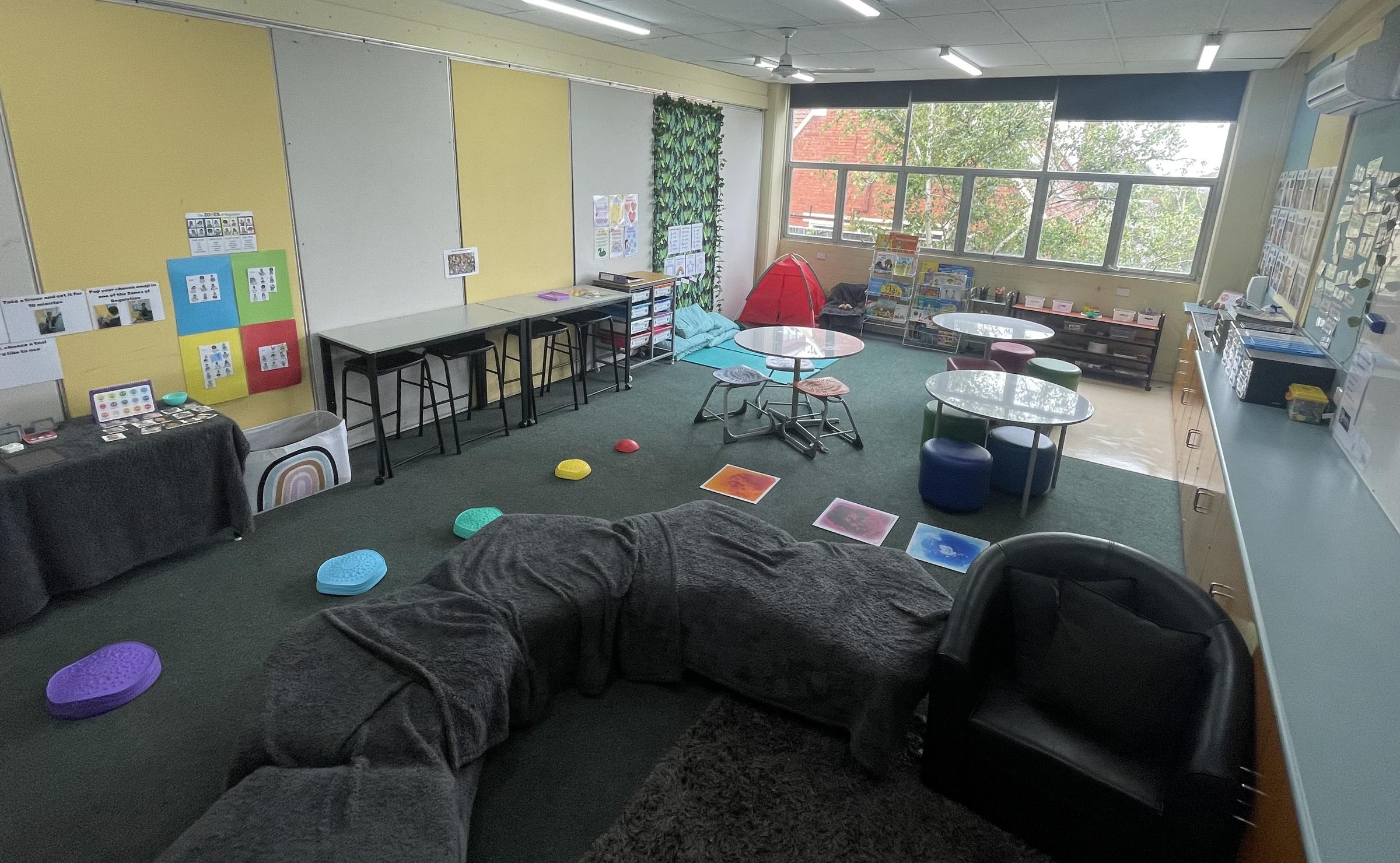
The beginning of the school year is always focused on building positive relationships. One of the key ways we do this is by establishing clear routines and expectations that create predictability, safety and trust.
Clear expectations and routines are powerful because they:
- Build confidence and independence
- Lower anxiety
- Promote predictability and trust
- Create more time for learning
- Reduce distractions and uncertainty
- Promote emotional wellbeing
Strengthen physical and psychological safety.
Children thrive in predictable environments. When expectations are consistent, students feel secure because they know what will happen next and what is expected of them. This predictability reduces anxiety and helps children feel safe.
From a wellbeing perspective, routines create a sense of belonging. When all students respond to shared expectations, it builds community and reinforces that “this is how we do things here.” That shared understanding strengthens connection and trust.
Cognitive science tells us that our brains have limited working memory. Every decision we make uses part of that capacity. When expectations are unclear, children must constantly decide what to do next, which increases cognitive load and can raise stress levels. Clear routines remove this uncertainty and help students feel calm and secure.
Over time, routines build emotional regulation, self-discipline and independence. Students begin to manage themselves because the structure around them is consistent and secure. Importantly, independence is not built by removing structure. It is built through consistent structure that children internalise.
This year, Galilee has begun its Positive Behaviour for Learning (PBL) journey. PBL focuses on explicitly teaching the behaviours we want to see. Our first priority has been establishing clear, school-wide expectations. Every fortnight, we focus on one expectation, teach it explicitly, practise it consistently and reinforce it positively.
We started with lining up routines. Students were explicitly taught where to sit, what respectful behaviour looks like and why this matters for everyone’s learning. As lining up has become a consistent routine, transitions have become quicker and classrooms are settling more calmly and efficiently, allowing learning to begin sooner.
We are now focusing on our school rallying calls. When students hear a rallying call, they stop, look and show they are ready to receive an instruction. This shared response helps gain attention quickly, creates unity and ensures minimal disruption to learning.
These expectations are taught through social stories that explain the behaviour and why it matters, checklists that break behaviours into clear, manageable steps, modelling and guided practice and positive reinforcement. By explicitly teaching these routines rather than assuming children already know them, we create clarity, confidence and consistency across our school community.
How Parents and Carers Can Support
You can strengthen independence by reinforcing routine-thinking both at home and at school.
At Home
Create predictable daily patterns
- Bags packed the night before
- Uniform prepared in advance
Homework at the same time each day
Use consistent language
Simple, calm reminders, visuals and checklists can mirror school routines.
Explain the “why”
Children are more likely to commit to routines when they understand the purpose. For example:
- “We pack your bag at night so mornings feel calm.”
- “We tidy up straight away so we have more time later.”
- “We walk calmly into school so we don’t disturb learning.”
Supporting Independence at School
Parents and carers also play an important role in helping children follow routines independently at school.
You can support this by:
Encouraging independence at drop-off
- Allowing children to carry their own bags
- Encouraging them to follow morning routines independently
- Using a confident, short, positive goodbye
This communicates trust and builds self-reliance.
Reinforcing school expectations at home
- Speaking positively about school routines and expectations
- Praising independent behaviour when children follow routines without prompting
When children see that home and school share the same message, routines become stronger, more secure and easier to follow.
If your child finds a routine challenging, try asking questions like:
- “What is the expectation at school?”
- “What could you do next time?”
These prompts encourage your child to take ownership of their behaviour and decisions, rather than relying on adults to manage them.
We understand that maintaining routines both at home and at school can be challenging, especially during busy weeks. Remember, small, consistent steps each day make a big difference and help routines become lasting habits that support your child’s independence and confidence.
Strong, consistent routines give children the security and structure they need to thrive, helping them develop the independence, resilience and confidence to succeed both in school and beyond.
Holly Evans
Mental Health and Wellbeing Leader