
From the Assistant Principal
A Sense of Calm and Predictability
The sun is shining, and we’re back for another year!
The first few days back with students in their new classrooms are always a funny time to be a school leader. You don’t want to be invisible… but you also don’t want to be too visible. Teachers and students are busy forming new connections, and while a principal popping in is always friendly (and as much as everyone loves Carly and me), it has a habit of straightening spines and turning heads.
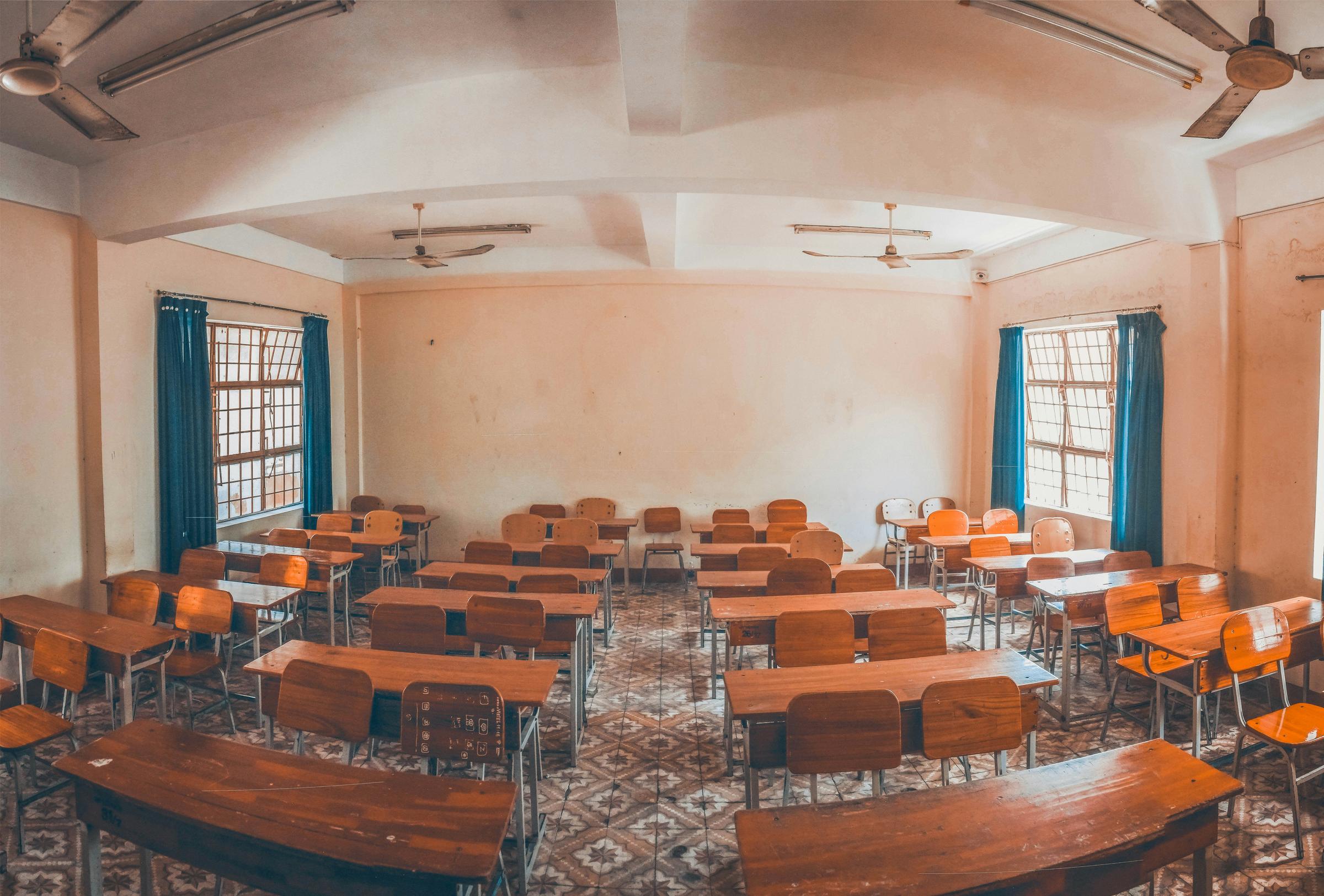
Early in the year, as routines are being established and expectations around learning, behaviour, and how we treat each other are being agreed upon, each classroom starts to form its own little community, within our wider school community. I try to give those spaces the room they need to develop naturally. By the end of the year, everything feels much more settled and relaxed - but right now, that early work really matters.
This year, that work has felt particularly smooth. There have been the occasional tricky drop-off moments and a tear or two about not having a best friend in the same class, but overall, we couldn’t have hoped for a better start.
That sense of calm and predictability didn’t happen by accident - and it’s something I was reminded of over the summer holidays.
In January, I spent a few weeks in South Australia with my partner and our dog, Otis. Otis, it turns out, does not care whether I am on holiday. Every morning was exactly the same:
6:30am. Wake up. Time for a walk.
He’d scratch at the doona, completely unsatisfied until this sacred ritual was complete. Once we returned, breakfast followed - only then could Otis truly relax. Changing locations was fine. Changing the morning routine? Absolutely not.
Now… wait. No. I’m not comparing dogs to kids.
Or… maybe I am.
No. I’m talking about routines.
Strong routines are being set across the school right now, and they matter more than we sometimes realise. Well-established routines;
- create predictability and structure in the classroom
- help students monitor and manage their own behaviour
- increase learning time by preventing common behaviour disruptions
- contribute to a positive, collaborative classroom culture
- and free up students’ working memory and reduce cognitive load, allowing them to focus on learning.
Whether it’s how students enter a room, where materials are kept, how help is requested, or even how a class lines up, these small, consistent actions make a big difference. When routines are clear, students feel safe, confident, and ready to learn.
If you’re new to our school - welcome. You may quickly discover that my newsletter pieces can feel a little random and rambling. They’re my opportunity to unpack some of the less visible parts of schooling: the things that are often obvious to teachers, but not always to parents. I tend to throw the strands of an idea out quite far… but I promise, I usually pull them back together by the end.
(Usually.)
Welcome to 2026!
Mat Williamson
Assistant Principal (and ask me about my McLaren Vale winery recommendations)