Year 2
Term 1 2026

Year 2
Term 1 2026
Welcome back!
It has been a delight to see so many happy and excited faces each morning. The return to school after the holidays can be a challenge, but our Year 2s have been fantastic, turning up with dedication and determination!
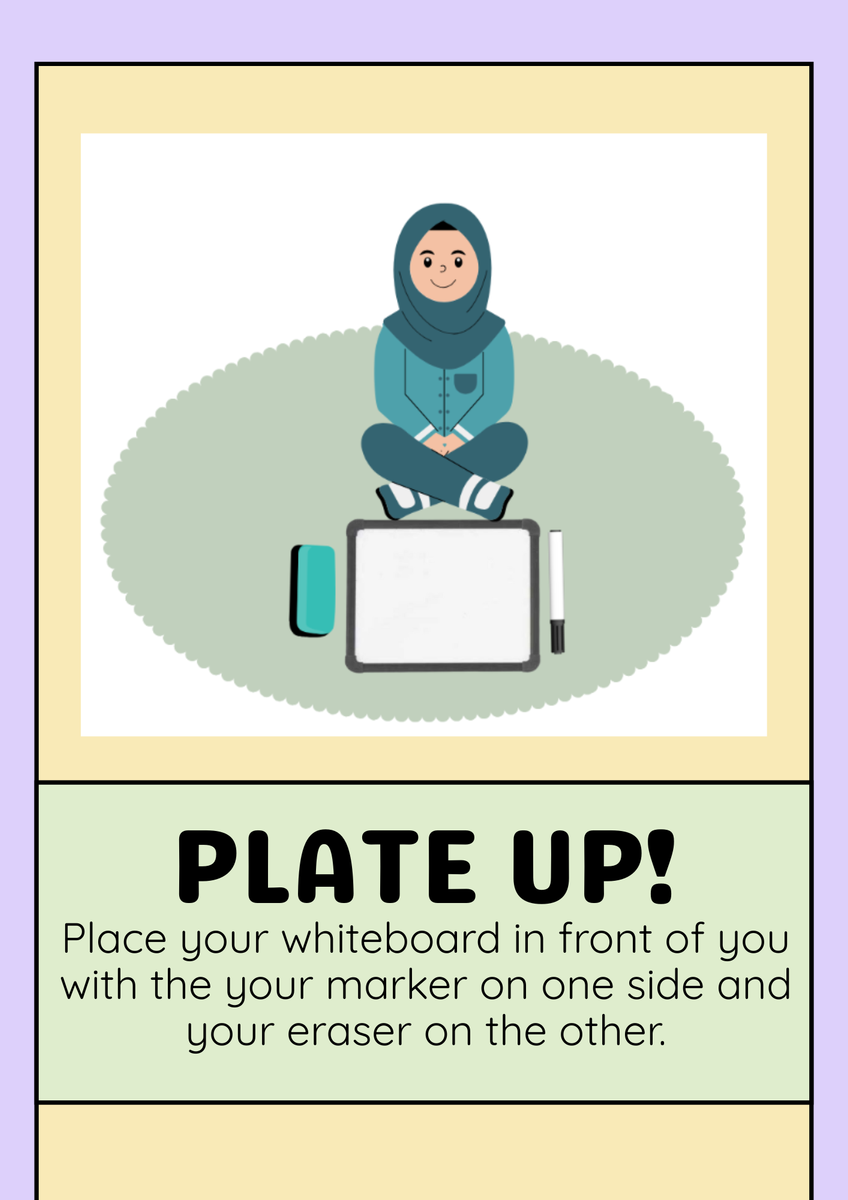

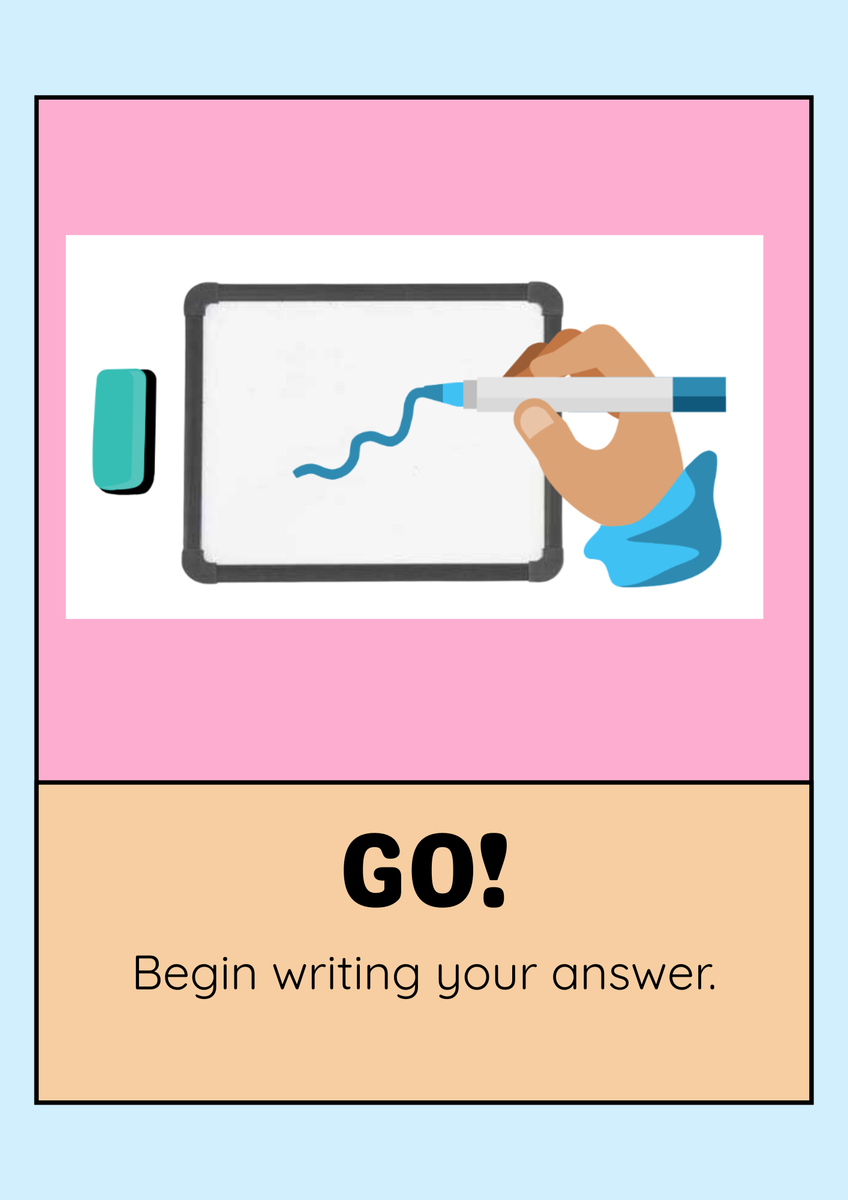

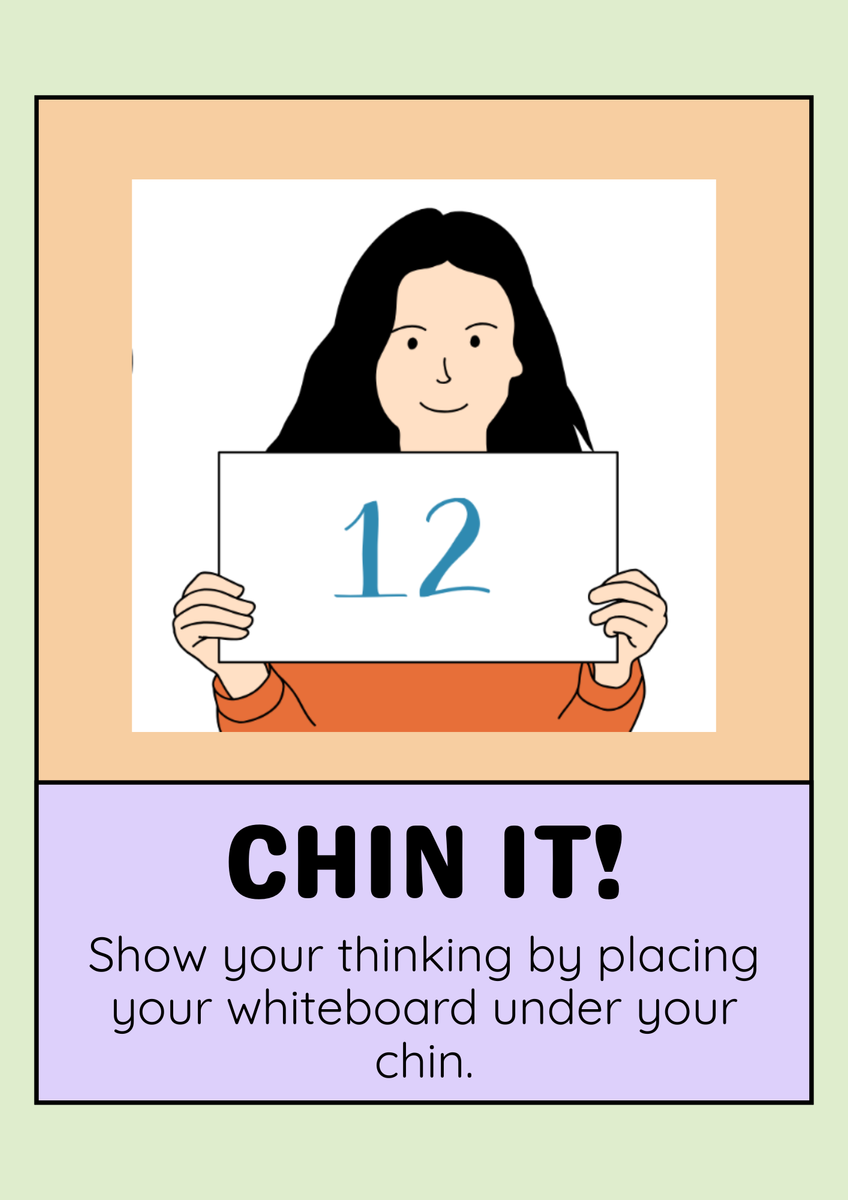
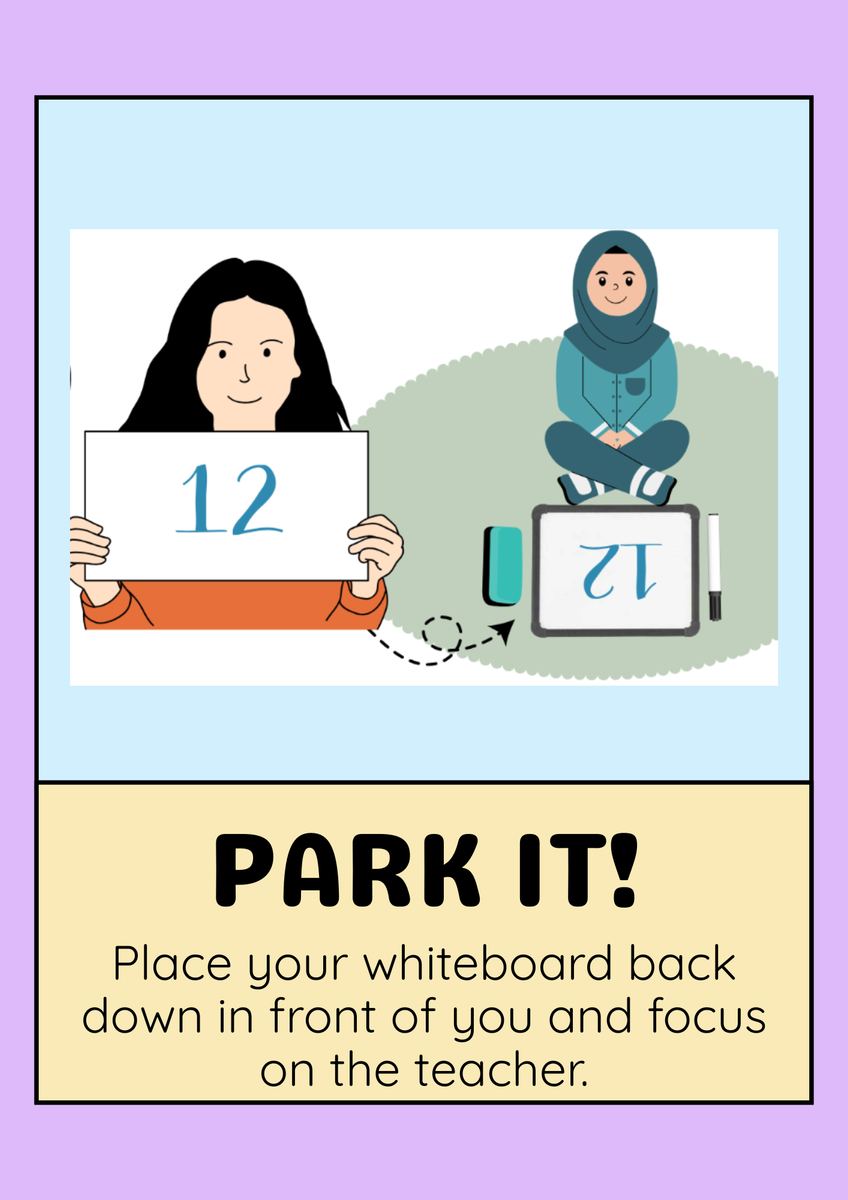
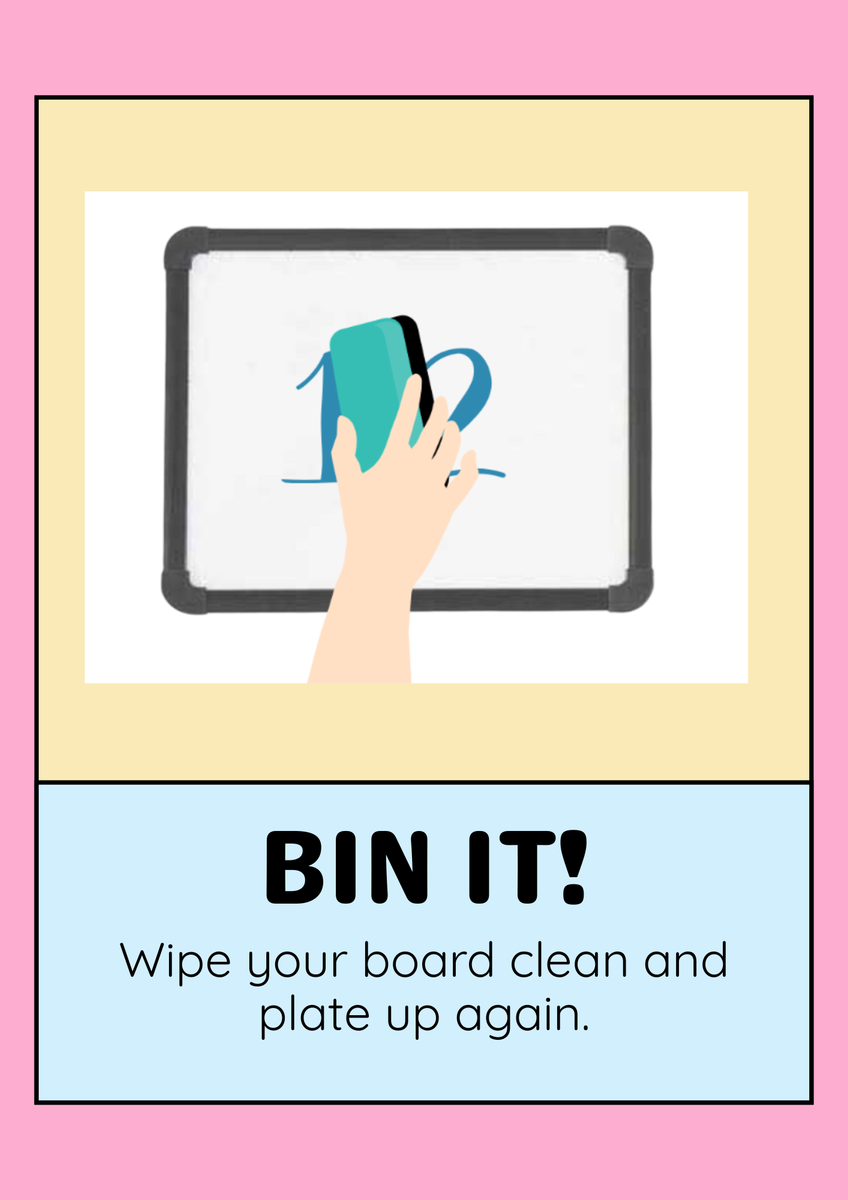
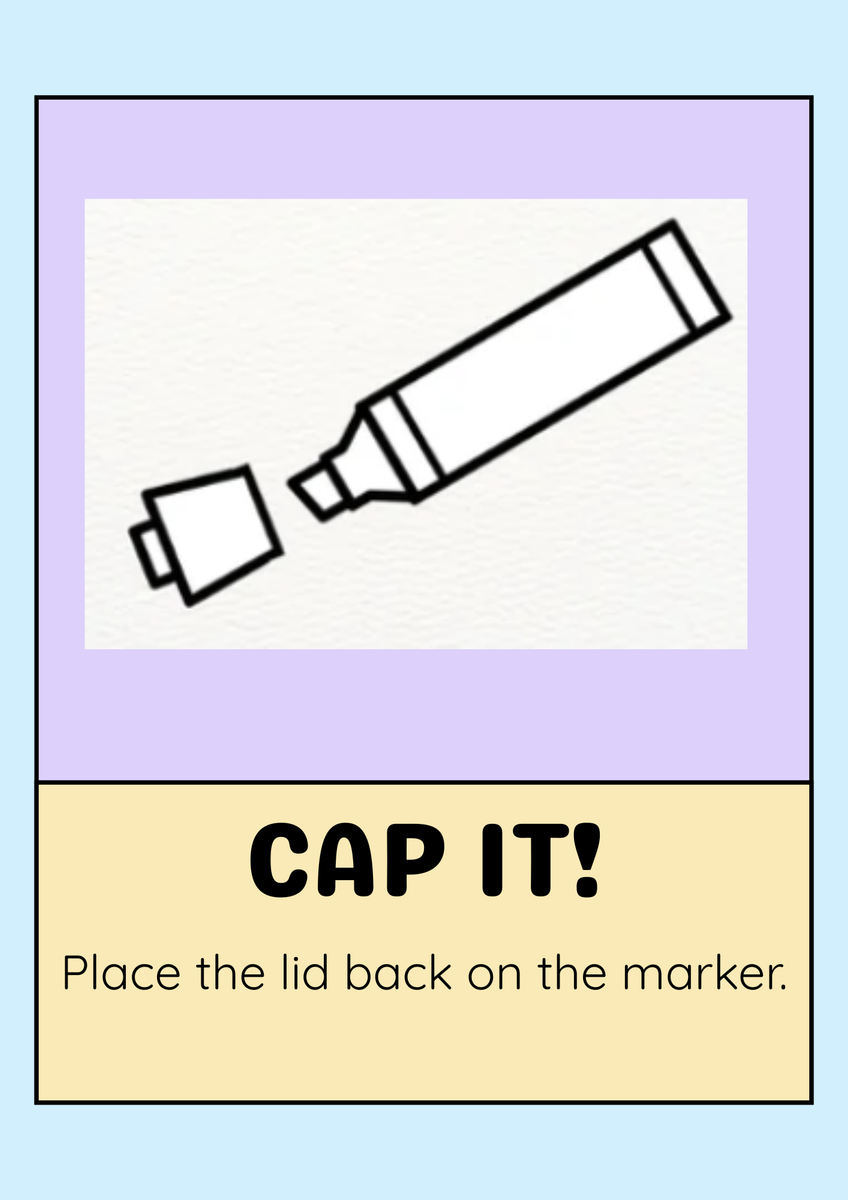
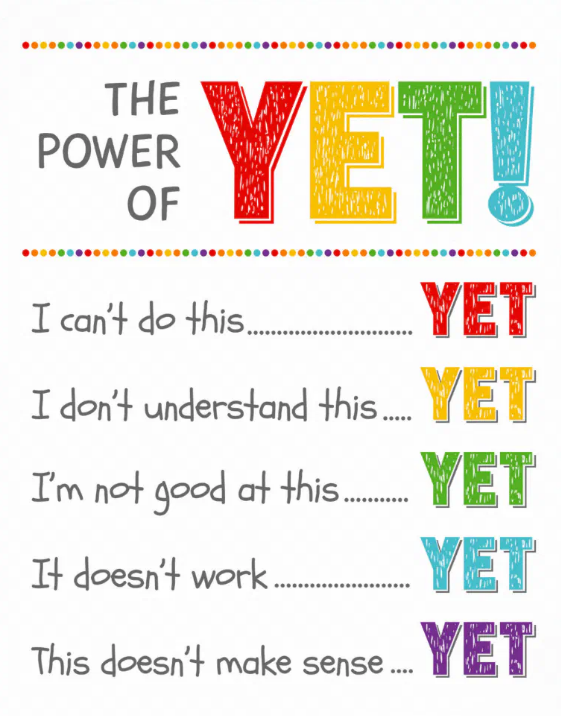
We have begun the year establishing routines and expectations within the classroom, which will set us up for a successful year. In particular, we have discussed the benefits of a growth mindset, looking at ways we can reflect on challenges and with the power of ‘yet’ we can view an impossible or difficult task as an opportunity to learn, grow and think outside the box. As we progress through the year, we’ll continue to reflect on our growth mindset and ways we can problem solve.

Reading
We use carefully chosen books (mentor texts) linked to our Inquiry topic Day, Night and Space.
This helps students become confident readers by:
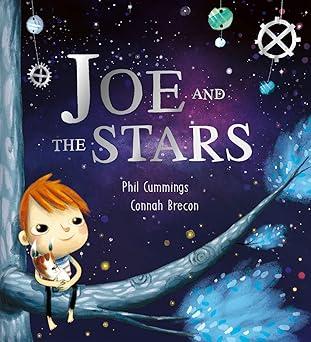
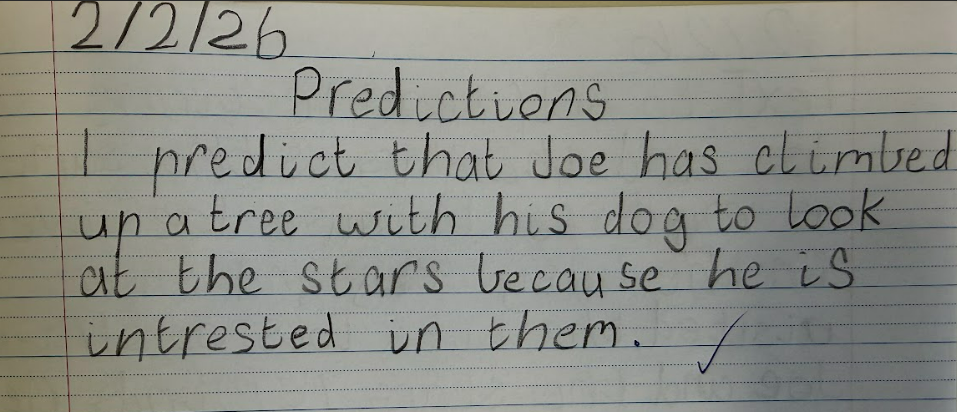
This teaches children to think deeply about texts by learning how to:
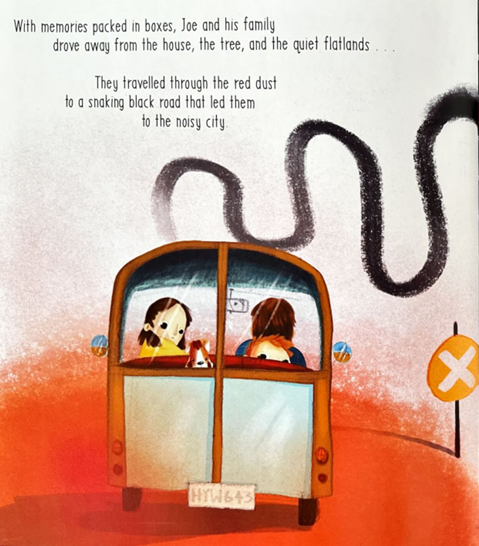
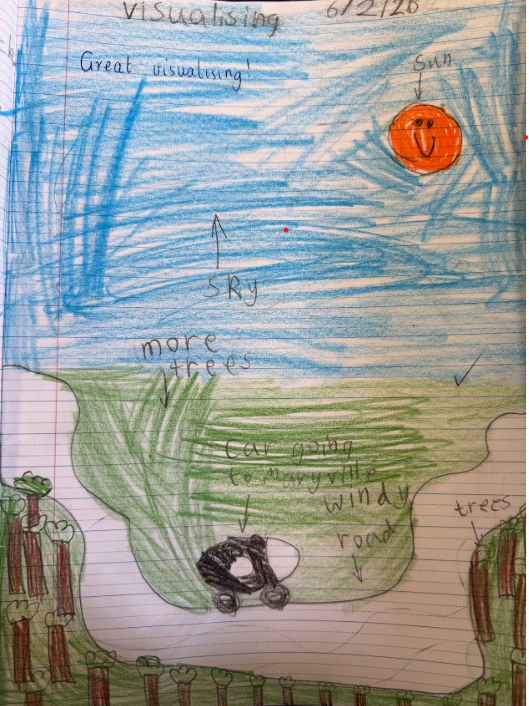
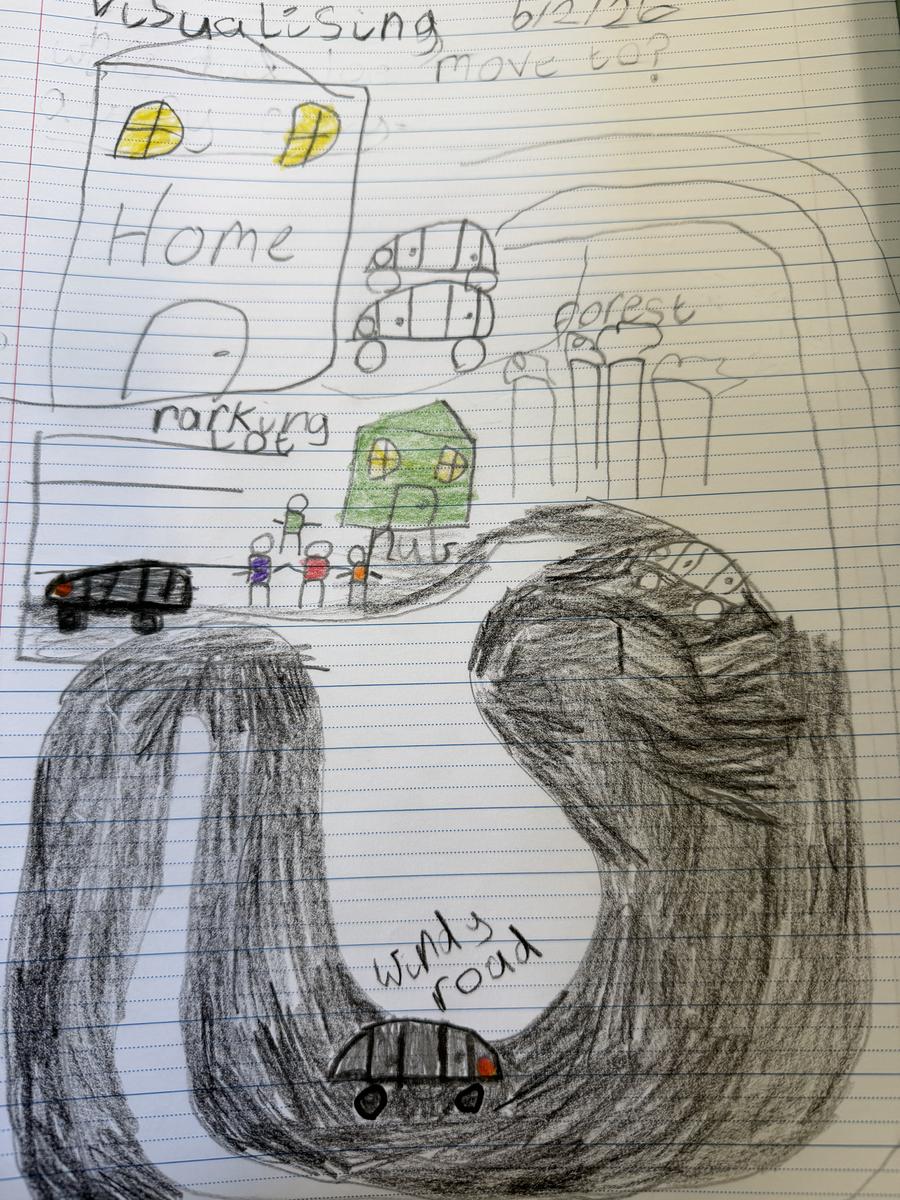
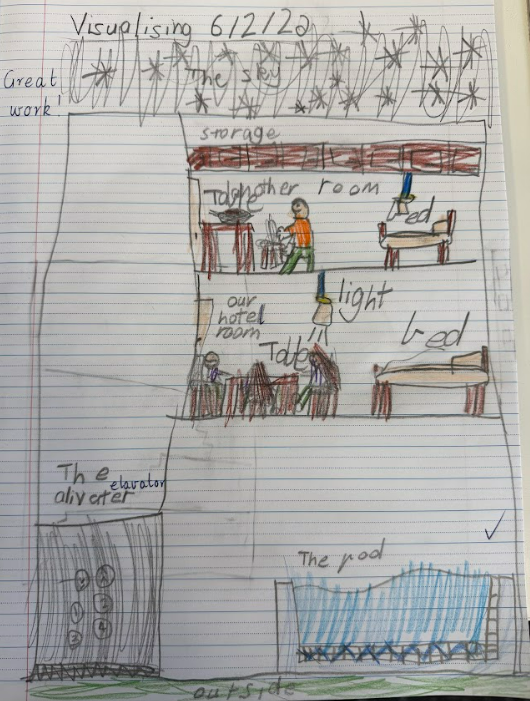
This supports students to answer questions in full sentences using the RACE strategy, helping them explain their thinking clearly and confidently.
Writing
Term 1 will focus on recount and narrative writing, helping students write engaging and meaningful stories.
This teaches children how to:
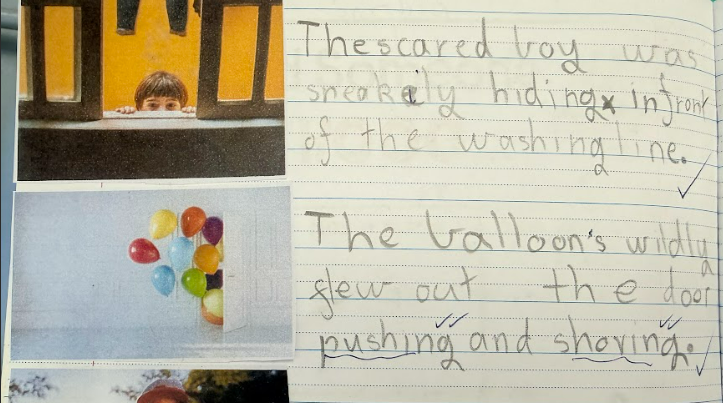
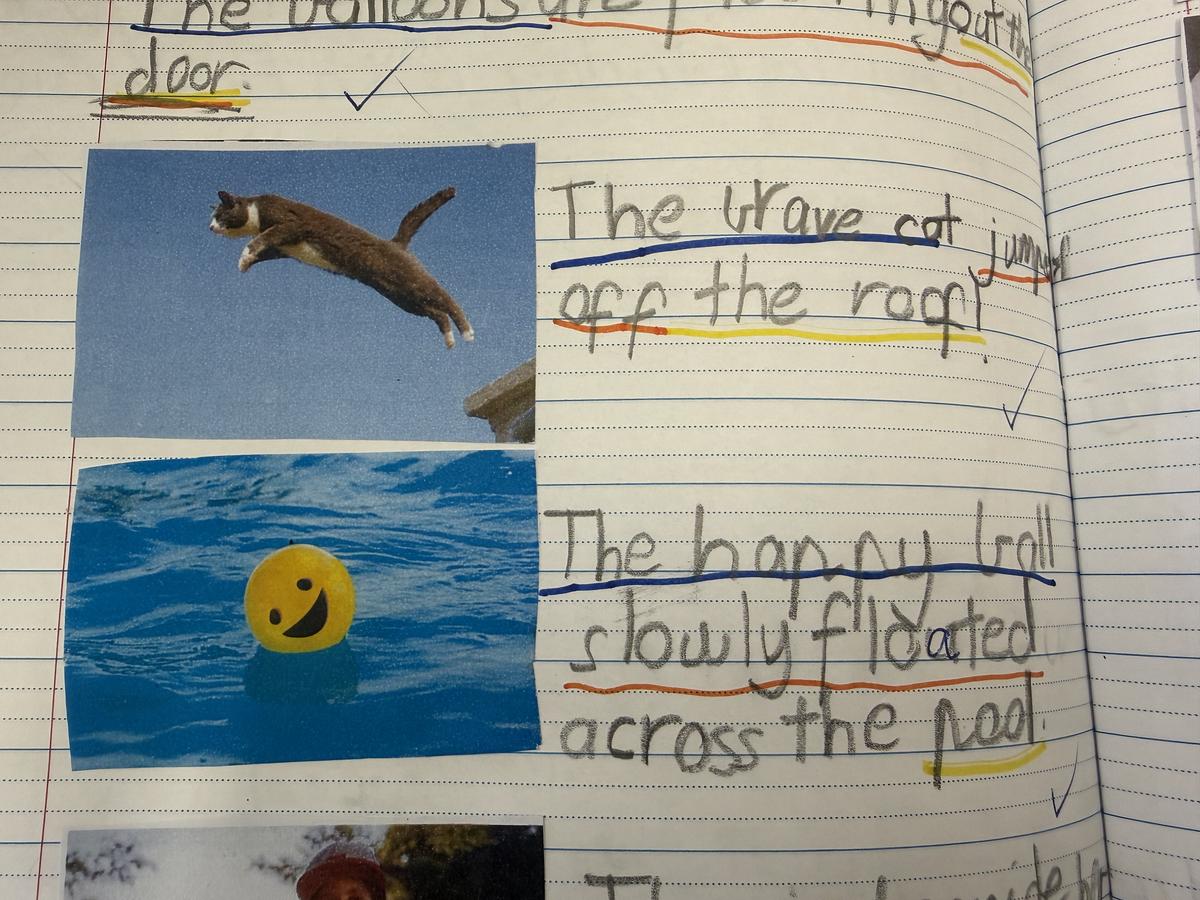
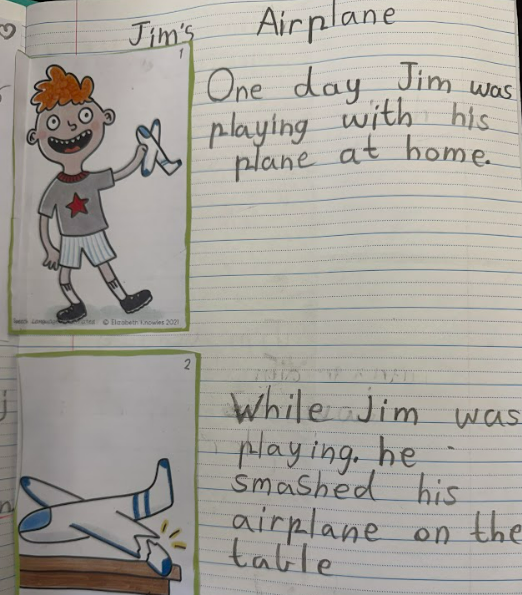
This supports planning and organisation through story maps, helping students include:
This helps students develop clear, well-structured writing that makes sense to the reader.
Mathematics
This term we will be exploring how numbers work and how they are connected. Students will be:
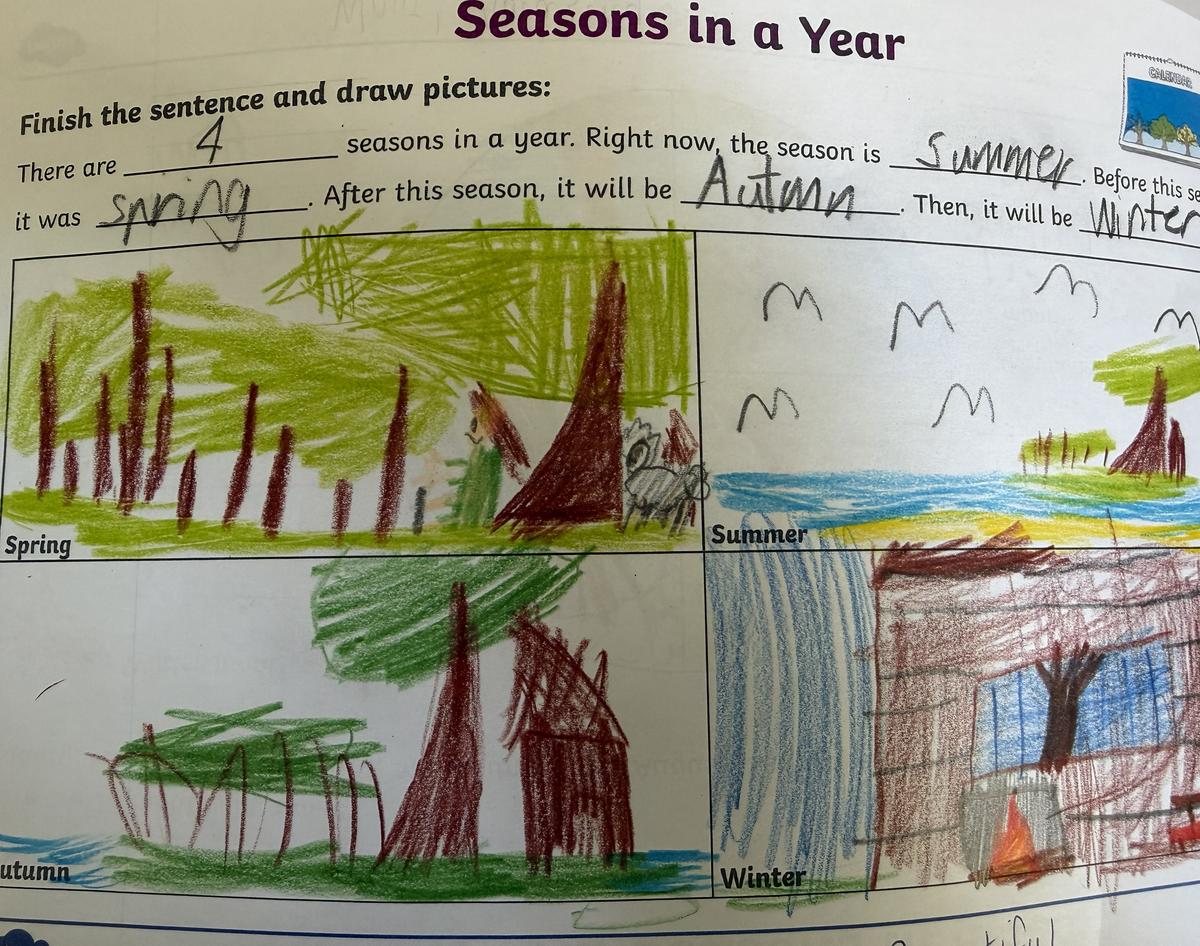
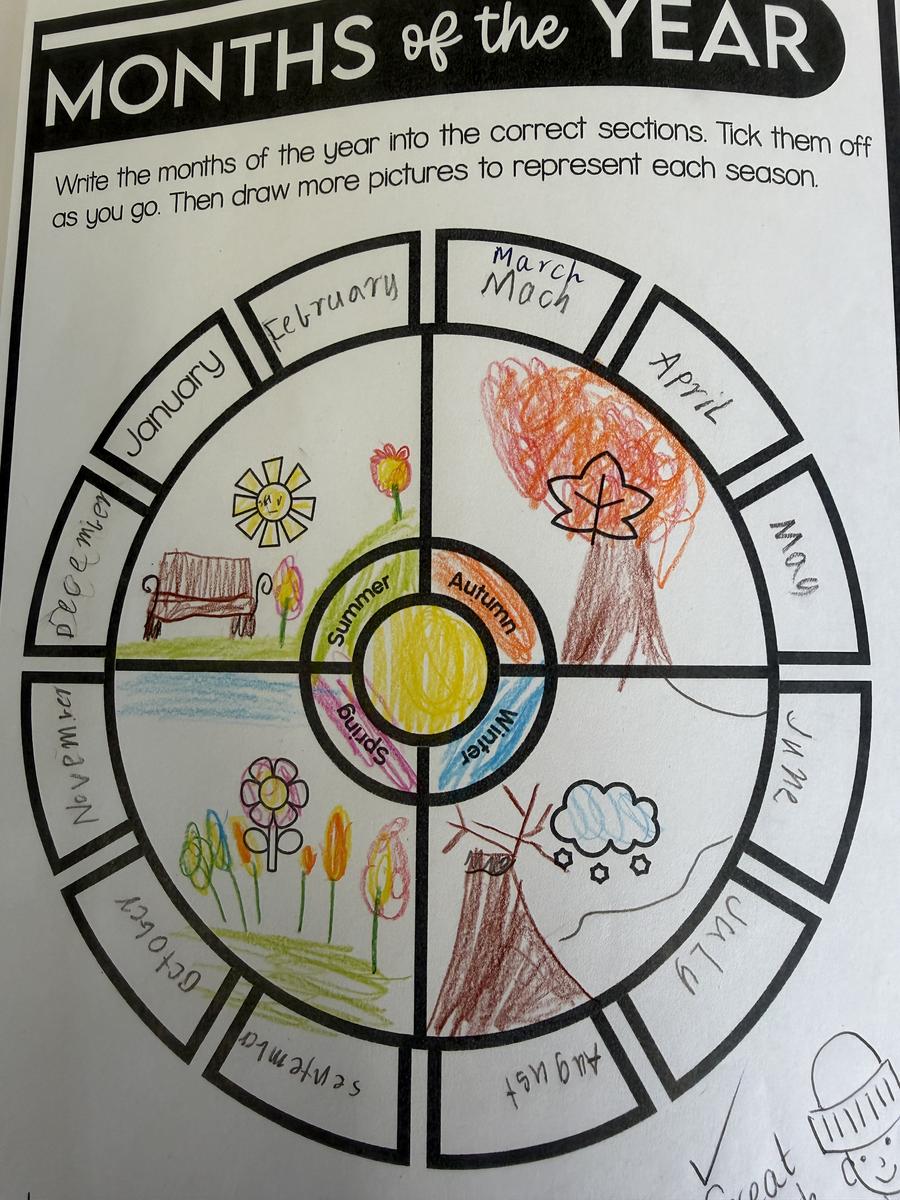
Students will collect and explore data by:
MSL
Our Year 2 students have made a wonderful start to the year, diving back into their Literacy lessons with great enthusiasm and focus. Our Literacy sessions will continue to incorporate a MSL approach.
Students are taught clear explanations of the relationships between phonics, spelling rules and the meanings of word parts (morphology) whilst simultaneously using multiple senses (auditory, visual and kinaesthetic-tactile) to form stronger neural pathways in the brain. This helps to embed learning in long-term memory.
This year we will introduce more complex sound and letter combinations, as well as new spelling rules that make up our English language. Students will learn, practise and apply these new skills to their reading and writing, whilst continuously consolidating their developing skills.
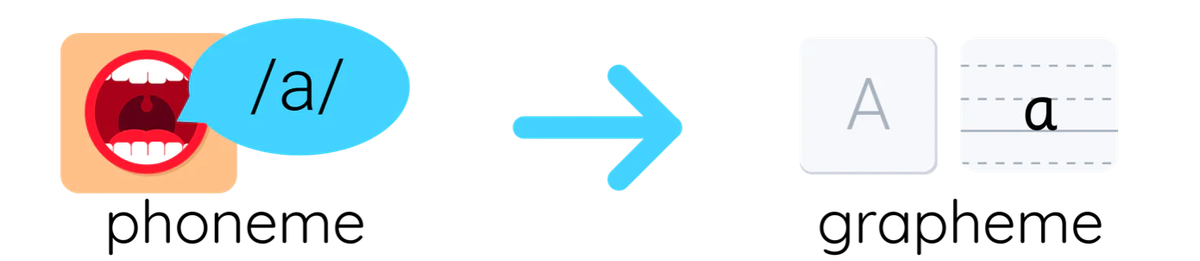
Term 1 will focus on:
Inquiry Topic - Day and Night
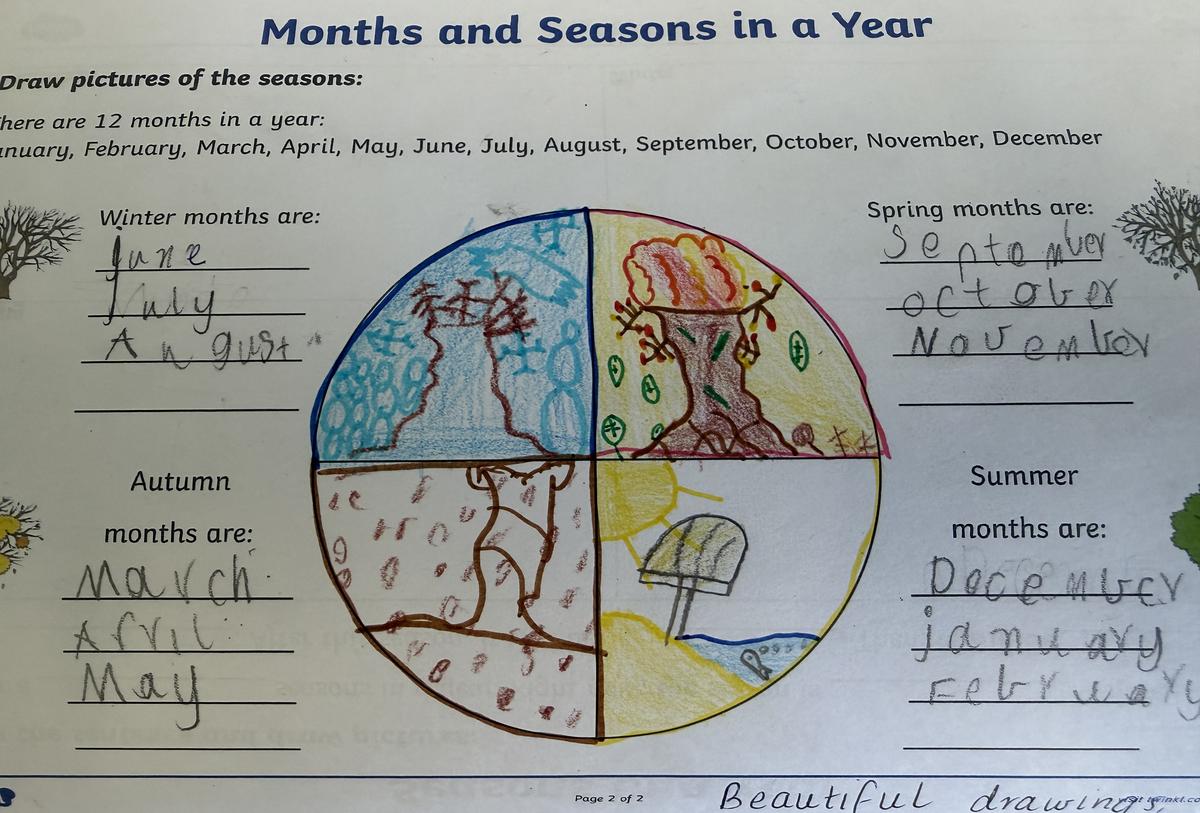
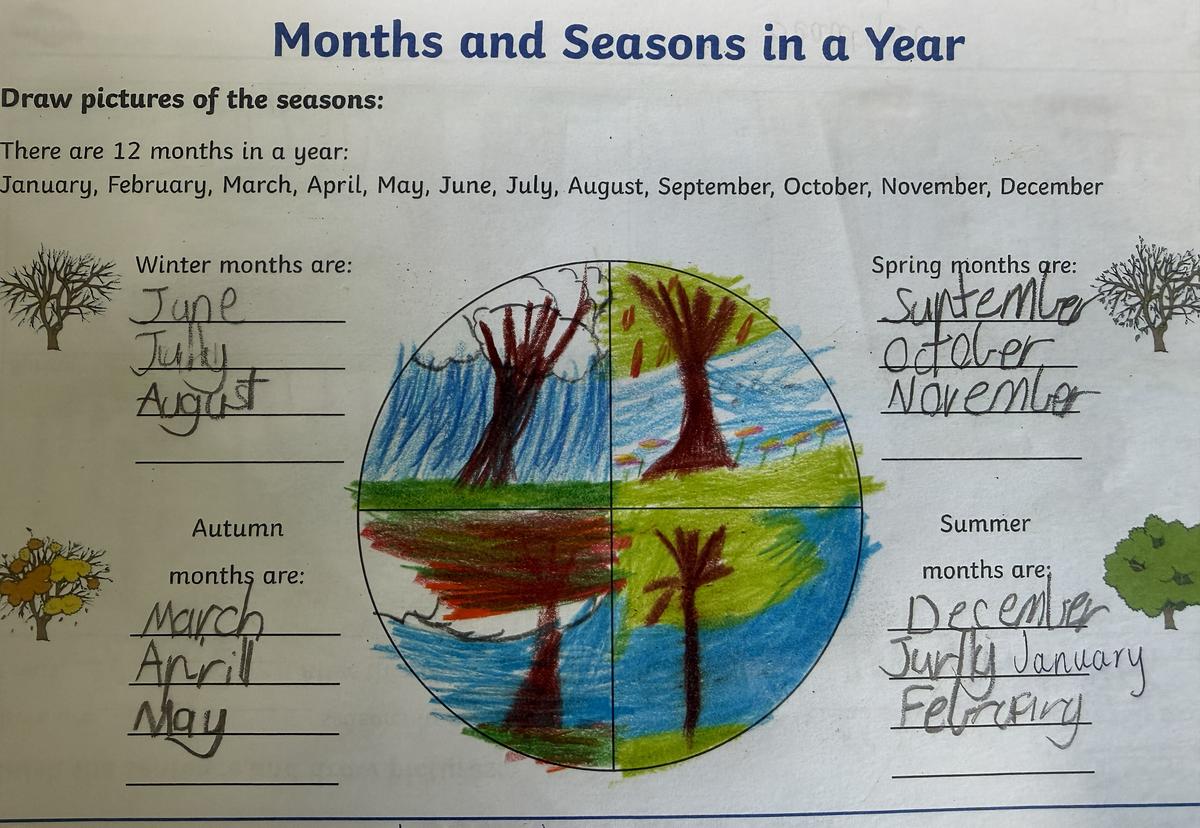
Our Inquiry topic for Term 1 focuses on observing and understanding the changes around us. Students will explore what causes day and night and what makes a year, learning about the Earth’s rotation and its orbit around the Sun. Throughout the term, students will observe, compare, and discuss how our environment changes, particularly across different seasons and weather patterns. As part of this learning, students will also learn that Earth is one of eight planets and observe the changing positions of the Sun, Moon, planets, and stars, supporting their understanding of day and night and Moon phases. This learning will be further supported by our Cosmo Dome incursion on Wednesday 4th March, which will help bring these concepts to life.
Zones of Regulation
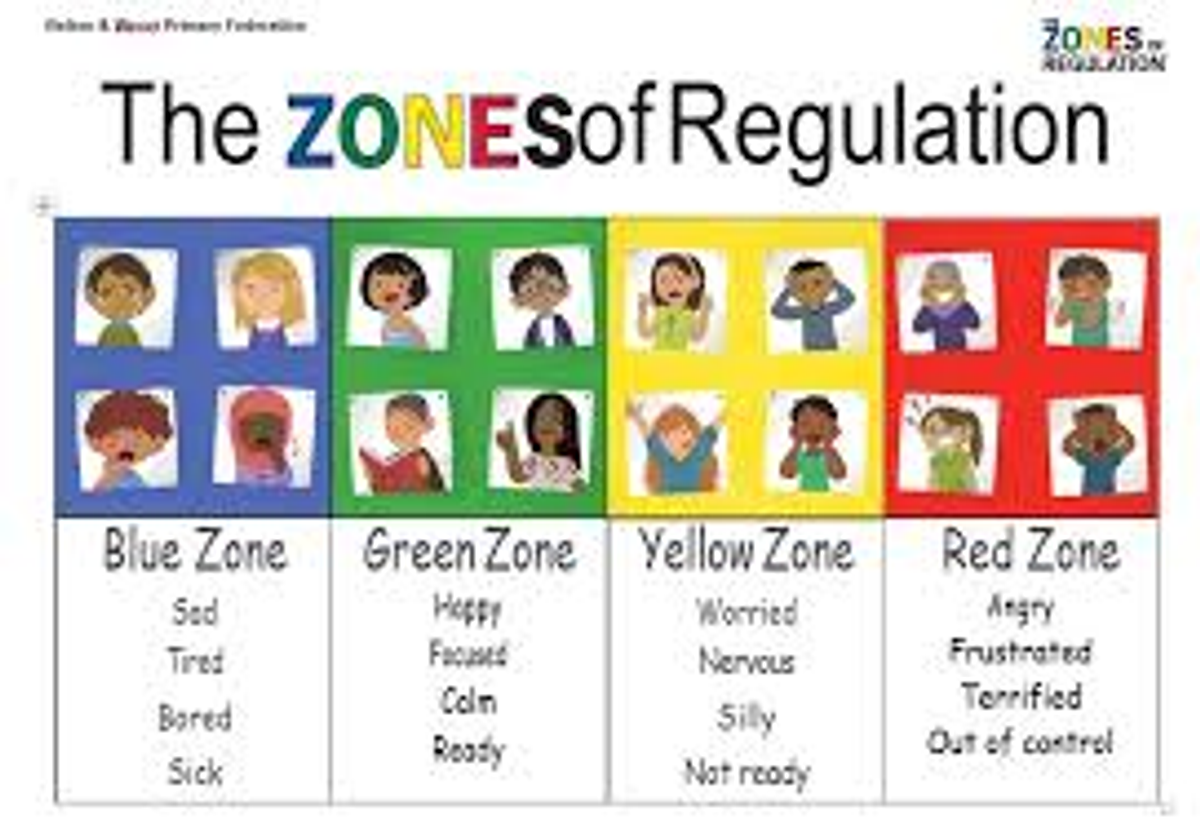
Students will learn to classify their feelings and energy levels into four coloured zones:
Students are being encouraged to identify which zone they are in and start to use tools to be in the appropriate zone for the moment.
Take Home Reading
From Friday 13th February, Year 2 Daily Reading will commence. Students will bring home two reading books, and we ask parents/ guardians to read for approximately 10 minutes with their child and record the title and pages read in the ‘My Home Reading Book.’ These will then be returned to school each Friday, when new books will be selected. At school, the students have been focussing on reading with fluency (not too fast, not too slow!), accuracy (reading exactly what is written on the page) and expression (reading with feeling). We would appreciate you also encouraging these reading skills at home.
Things to Remember! School Values!

Hats must be worn for all outdoor activities- outdoor play times, PE, walking to and from school. Clearly labelling with your child’s name is helpful.
Respect, Responsibility and Kindness are the Cheltenham Primary School Values. We have acknowledged many students who are living our values in the classroom and the yard!
Important Dates
Wednesday 4th March - Cosmodome Incursion
Monday 10th March - Labour Day Public Holiday
Tuesday 25th March – School Photo Day
Friday 4th April - End of Term 1
Meet Our Teachers!