Year 1
Term 1 2026

Year 1
Term 1 2026
Welcome back!
What an incredible start to the year! It has been fantastic to see the students return with so much enthusiasm, positivity, and excitement. Listening to their holiday stories and special memories has been an absolute highlight.
Our classrooms have already been buzzing with laughter as students build new friendships, strengthen old ones, and dive into engaging team-building activities. It’s been wonderful to watch their confidence grow as they settle into new routines and challenges.
Below, you’ll find some important information about our curriculum and an overview of the exciting learning experiences planned for this term. Please keep an eye out, this newsletter will be shared each term to keep you informed and connected to all the learning and fun happening in our classrooms!
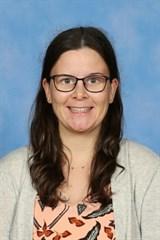
Meet the Teachers:



MSL
MSL is a scientifically researched, evidence-based approach that applies proven knowledge of how the brain works, how students learn and how students most effectively learn to read and write. It incorporates the 5 essential steps to reading and writing success: identifying letter sounds, sounding out words, fluency, accuracy and comprehension.
Teachers provide students with clear explanations of the relationships between phonics, spelling rules and the meanings of word parts (morphology) whilst simultaneously using multiple senses (auditory, visual and kinaesthetic-tactile) to form stronger neural pathways in the brain. This helps to embed learning in long-term memory.
Students will participate in MSL lessons, three times a week. These sessions will reinforce and consolidate their understanding of learned content.
This term, the spelling rules we will be learning and reviewing are:
Reader’s Workshop
In our classroom program, children will have the opportunity to build on their reading skills and delve into a variety of high quality mentor texts. These texts are usually above the students’ decoding level, but build knowledge and understanding of their world around them. These texts model what great writers do with by having a purpose, varying their sentence structure, and choosing specific verbs and adjectives. The students will have the opportunity to make predictions, connections, develop visualisation and add to their ever-growing vocabulary.
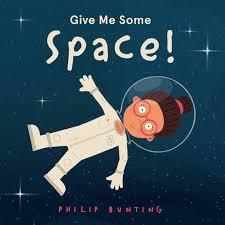
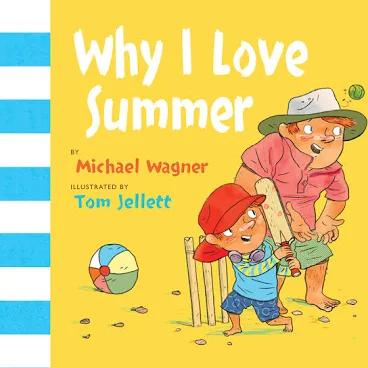
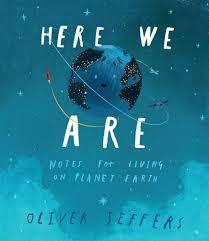
Our mentor texts for Term 1 will connect to our Inquiry topic ‘Day and Night’:
Writer's workshop
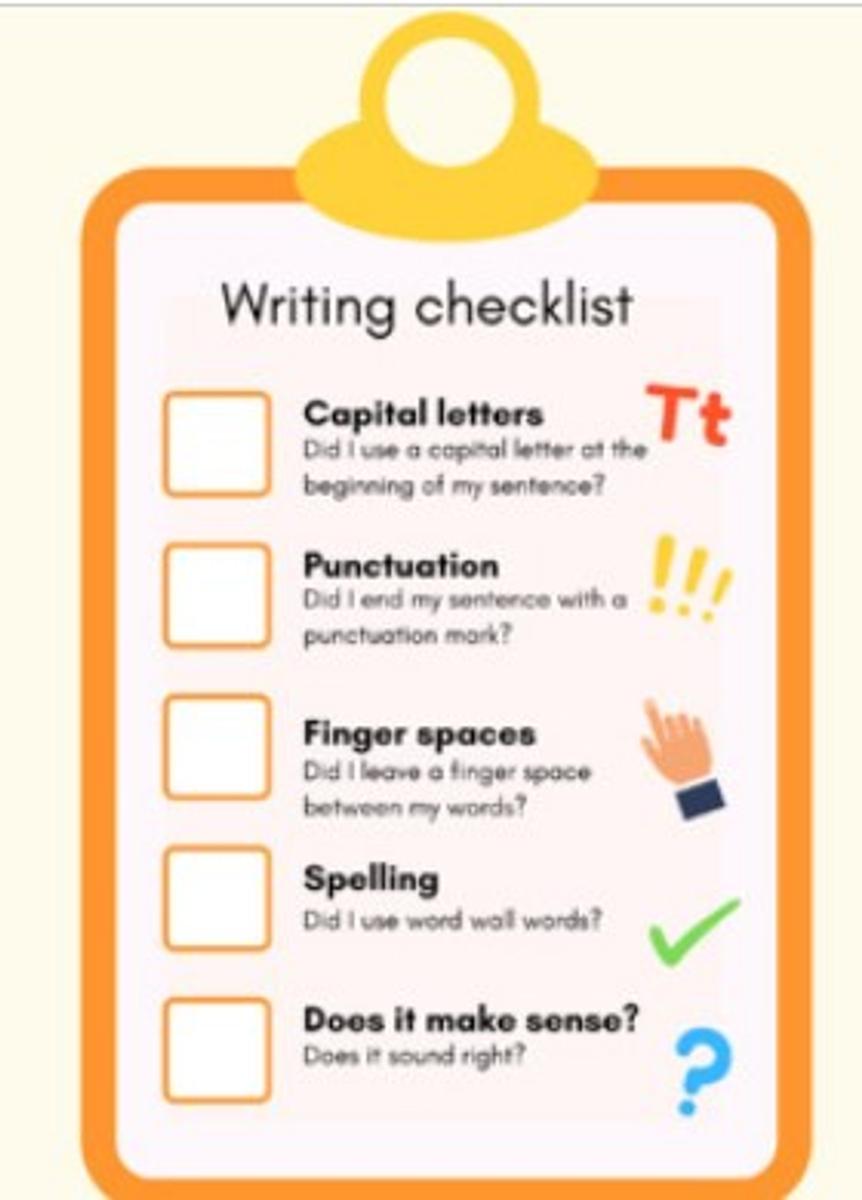
During Writing lessons, children will have the opportunity to build their knowledge of a simple sentence. They will identify and use nouns, verbs and adjectives in their writing, focusing on choosing specific vocabulary. For example, upleveling from selecting verbs such as ‘sprinted’, ‘jogged’, ‘skipped’ and ‘hopped’, rather than ‘went’. Students will also focus on using capital letters and full stops consistently and rereading their writing to check they have included the important elements.
When exploring a range of text types in reading, students will also have the opportunity to write:
Handwriting
Handwriting is also an important component of writing instruction in Year 1. Being able to correctly form letters supports students to read back their writing and increase their writing stamina. We are practising our letter formation on dotted thirds, and if you are looking for some extra activities for your child to do at home, we encourage you to give this a try.
Our focus this term will be on counting and the place value of numbers to 100. Students will:
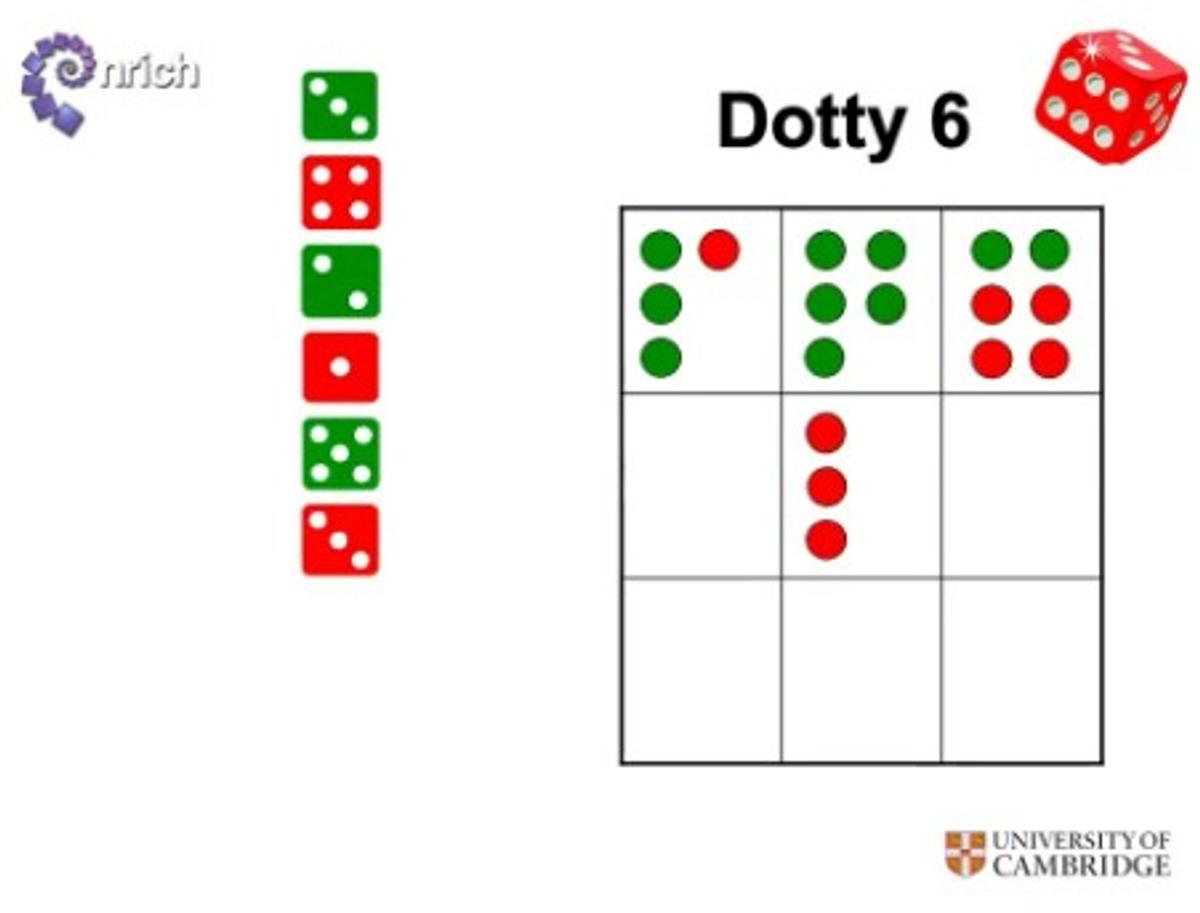
Each week, we will have a ‘Maths Game of the Week’ in class. A copy of the game will be placed in your child’s black folder every Friday. Most games require only a deck of cards, a pencil, dice, and/or a worksheet (which will be provided if needed). These activities focus on building your child's speed and accuracy in recalling basic number facts. It’s also a great opportunity for your child to share what they have been learning at school and teach the rest of the family how to play a new game.

Our Inquiry topic for Term 1 is Day and Night. This unit focuses on observing and understanding the changes that happen in the world around us. Students will investigate what causes day and night and what creates a year, developing their understanding of the Earth’s rotation and its orbit around the Sun. Throughout the term, they will observe, compare, and discuss changes in our environment, with a particular focus on different seasons and weather patterns. As part of this learning, students will also discover that Earth is one of eight planets in our solar system and will observe the changing positions of the Sun, Moon, planets, and stars. Our learning will be enriched by the Cosmo Dome incursion on Wednesday 4th March, providing an engaging, hands-on experience to bring these concepts to life.
If you have any books on Space please send them in with your child/ren to share with the class. Thank you to those that have sent some in already.
Zones of Regulation
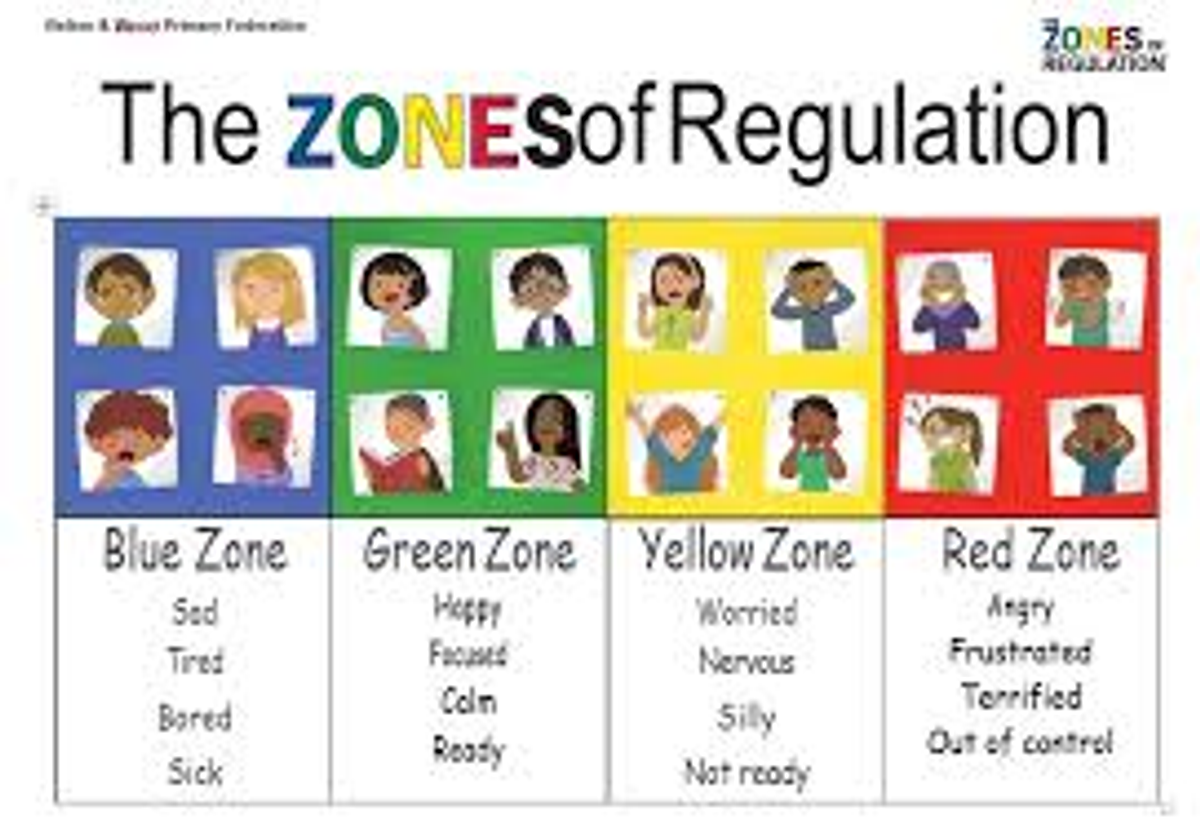
The Zones of Regulation is a learning framework that supports children in recognising, understanding, and managing their emotions, sensory needs, and self-regulation skills.
Through this program, students explore their feelings and levels of alertness using four coloured “zones”:
Students are encouraged to recognise which zone they are experiencing and to use a range of strategies and tools to help them move toward the most appropriate zone for the situation
Play Is The Way
Play is the way is a social and emotional learning (SEL) methodology that uses physically interactive games and guided activities to develop personal and social capabilities in children. By fostering empathy, self-regulation, and resilience, it helps primary school students learn to manage emotions and build positive relationships.
Parent Meet and Greet Meetings
Parent meetings are scheduled for Week 5. Further information of when and how to make bookings has been communicated through Compass. If you are unable to attend please contact your child’s teacher to arrange an alternative day/time.
If you have already met with your classroom teacher, another meeting will not be required at this point in the year.
Important dates to remember
Remember to refer to the school newsletter and Compass throughout the term for updates.
Kind Regards,
Year 1 Teachers
Amy Midson (1A), Meg Nicholas (1B) and Jessica Kennedy and Rachel Scott (1C).