
Teaching and Learning
By Trudy Gau
Teaching and Learning
By Trudy Gau
Learning from the Statewide Government School Principals Conference
Last week, Jane and I had the opportunity to attend the Statewide Government School Principals Conference, which brought together school leaders from across Victoria to explore current research, best practice and the future direction of teaching and learning in our state schools.
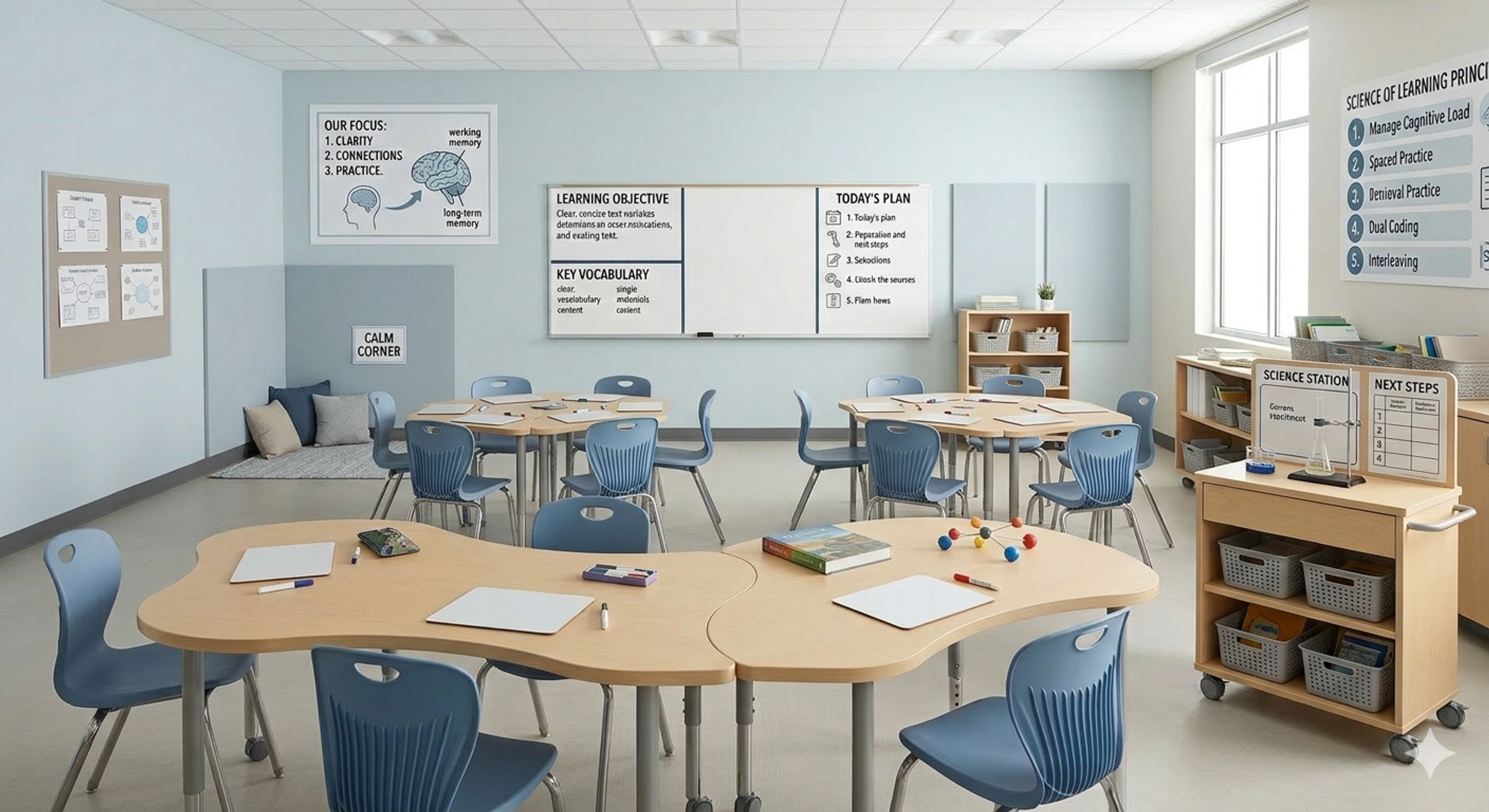
A strong theme throughout the conference was the importance of schools having a clear, shared and evidence-informed approach to learning. Presenters highlighted the need for consistent whole school practices, strong curriculum planning, explicit teaching, regular checks for understanding and opportunities for students to revisit and apply important knowledge over time. This aligns closely with the work we have been undertaking at our school through the Victorian Teaching and Learning Model 2.0, our focus on the Science of Learning, and our continued strengthening of explicit instruction across classrooms.
One of the key messages was that learning is not simply about completing activities. Deep learning occurs when students build knowledge over time, make connections, practise important skills and are given opportunities to retrieve and apply what they have learned in different contexts. This was particularly evident in sessions focused on reading comprehension, where schools shared how a knowledge-rich curriculum, strong vocabulary development and carefully sequenced texts can significantly support student understanding.
It was also reinforced in mathematics sessions, where schools highlighted the importance of coherent curriculum planning, daily fluency practice, strong Tier 1 instruction and screening tools to identify students who may need additional support.
It was valuable to hear from other schools about the practical steps they are taking to improve student learning and engagement. At the same time, it was reassuring to see that many of the approaches being discussed across the state are already reflected in the work we are doing at our school. Our focus on explicit teaching, Number Fluency, retrieval practice, responsive teaching, checking for understanding and building a more coherent curriculum are all strongly aligned with current research and system-wide priorities.
The conference was also a reminder that improvement is an ongoing journey. As a school, we will continue to reflect on our practice, learn from other schools and use evidence to guide our decisions. Most importantly, we will continue to focus on what makes the greatest difference for our students: high expectations, strong relationships, clear teaching, and learning experiences that help every child grow with confidence.