Leaders of Learning
From the Instructional Speciliast and K-2 and 3-6 Leaders of Learning
Leaders of Learning
From the Instructional Speciliast and K-2 and 3-6 Leaders of Learning
Congratulations to all students that completed the holiday reading challenge. A special
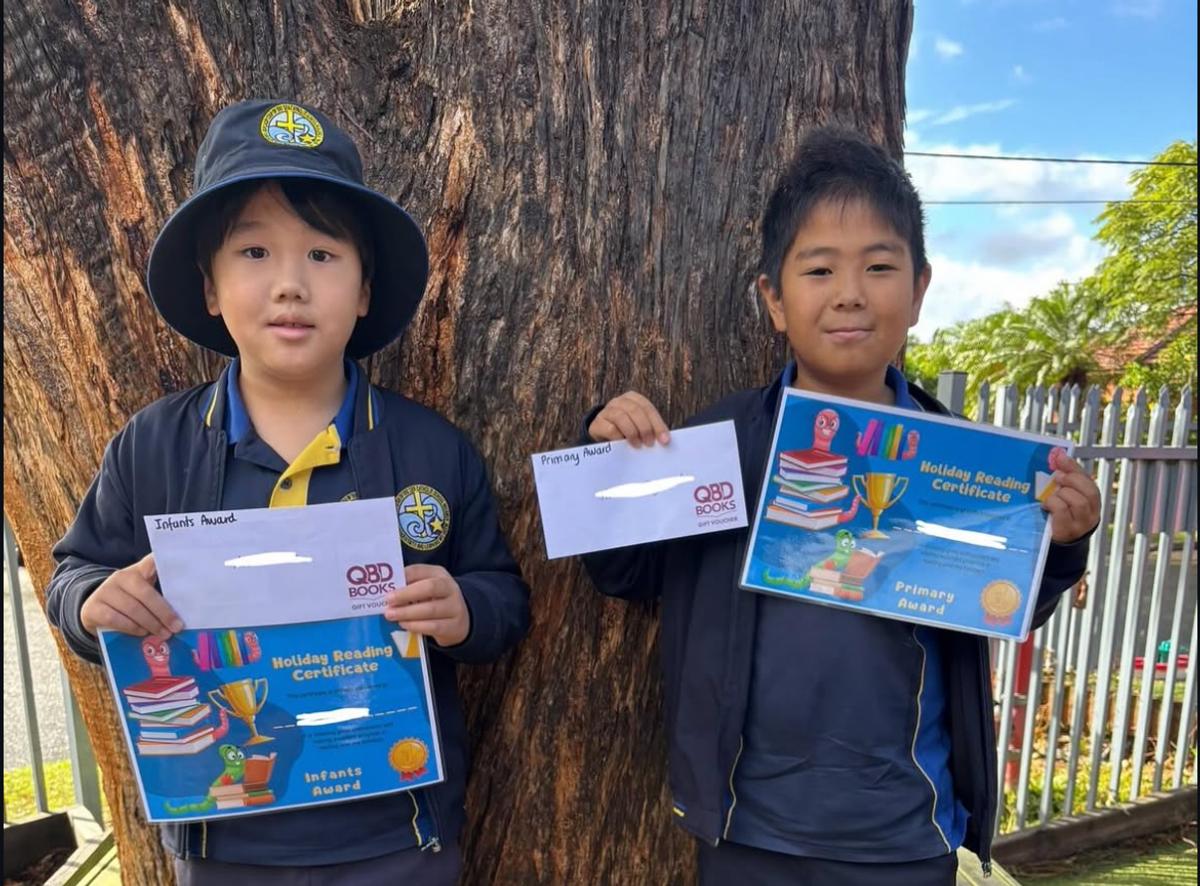
mention to Aiden and Addision who were the winners of our Book Raffle!
Did you know that reading at home is one of the most powerful ways you can support your child's learning?
Recent Australian research from the Gonski Institute for Education highlights that children who are regularly read to at home show stronger literacy skills, improved concentration, and greater overall academic success. Even just 10 minutes a day can make a lasting difference!
More than just decoding words, reading together fosters imagination, curiosity, and a love for learning. Whether it's a bedtime story, a favourite picture book, or your child reading aloud to you — every moment counts.
Let’s work together to grow a love of reading. Make it fun, make it regular, and make it part of your daily routine!
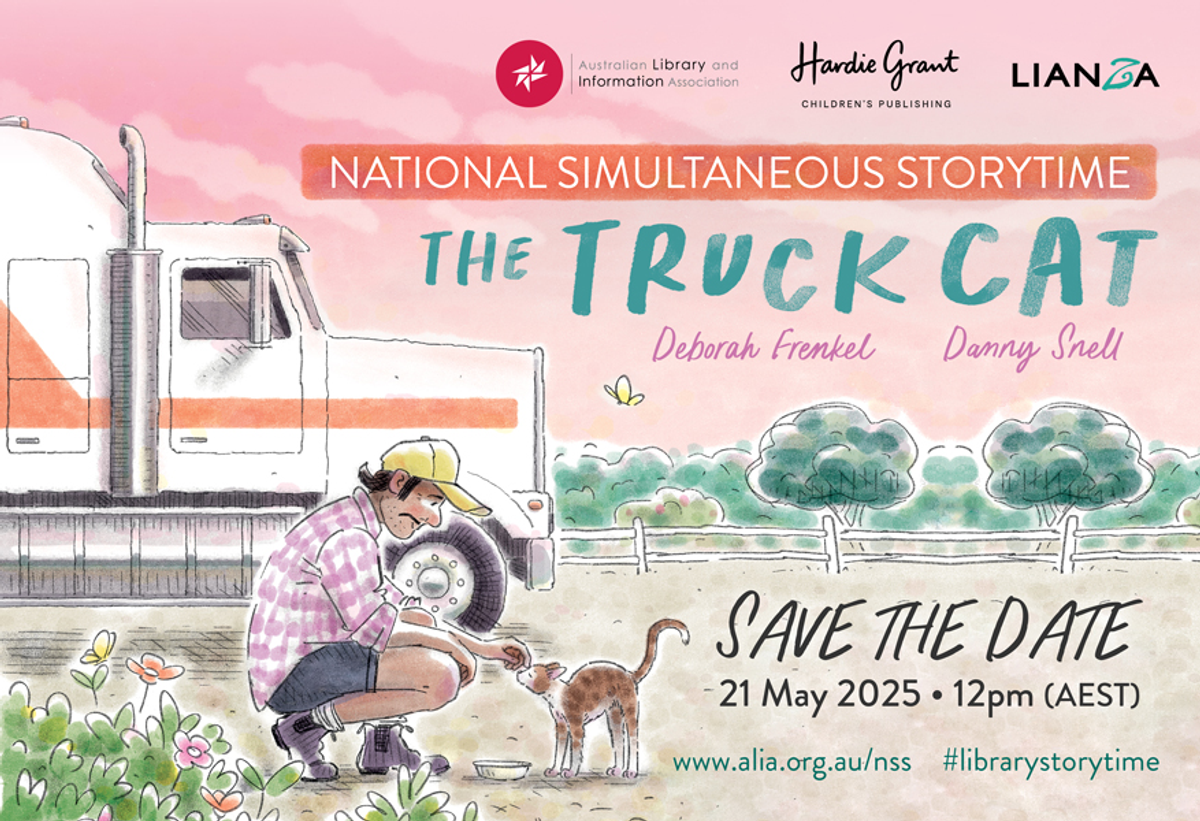
We’re also excited to confirm that our school will be participating in National Simultaneous Storytime (NSS) on Wednesday 21st May.
Please have a read of this great ‘Learning through play’ blog article written by Chris Hutchinson, Senior Consultant, Parenting and Early Years Program at Australian Childhood Foundation.
We know that play is one of the most beneficial ways children can spend their time.
Play is fun, flexible, voluntary, and intrinsically motivated; it involves active engagement and often incorporates make-believe.
“Play is naturally pleasurable and generally thought to be the organising activity that shapes the child’s physical, social, emotional, and cognitive perceptual view of the world.” Gaskill & Perry, 2012, p.42)
Play is the language of children, and through play, children learn, express emotions and thoughts, have fun, solve problems and discover their world.
During playtime, children learn to work with others toward a shared goal. One child may lead play but must learn to be perceptive of others’ needs. Through play, children learn to be assertive, negotiate, cooperate and share. This collaborative skill is important in developing social skills and building friendships.
Through play, children learn to work through their emotions.
Even before they can speak, they express their feelings through physical play, storytelling, art, and other activities. If they experience a negative feeling, they may repeat that experience through play.
These social skills are also a vital part of language development. Language is so much more than simply spoken words.
Through play, children are developing important speech and language skills as well as listening skills.
Physical play also helps develop important motor skills and helps children work through stress and emotions.
First, children develop motor skills such as running, throwing, and pedalling. Then, fine motor skills such as writing, colouring, and buttoning are developed.
Skipping takes balance, climbing monkey bars builds strength, and sports activities involve coordination.Carefully stacking blocks into towers is not only learning about gravity and balance but also developing hand-eye coordination.
When children can feed and dress themselves, they will gain a sense of independence, which creates confidence.
Creativity happens when children’s critical thinking and skill development combine to produce something new or different. Pretending or imaginative play is one of the foundations of a child’s world, and they begin demonstrating this skill around the age of two.
Children may use anything in their world to spur their imagination, including common household objects, because they are learning symbolism – that one thing can stand for many other things.
They may pretend a drink coaster is a biscuit or transform a stick into a sword. And they will not only use objects for pretend play, but they will also assume various roles. They may be a superhero one day, a doctor the next, and a daddy the day after. This allows children to explore a variety of different scenarios, reactions and conclusions. Children can also explore their emotions through pretend play.
Miss Matilda Raper
Instructional Specialist
Mrs Alison Poole
Kindergarten - Year 2 Leader of Learning
Mrs Lucy Chigioni
Years 3-6 Leader of Learning