
Wellbeing & Inclusion
Screens, Sleep & Safety: What Families Need to Know
As part of our wellbeing focus this term, I recently attended the MACS eSafety Summit 2025, a powerful professional learning event dedicated to supporting online safety and digital wellbeing in Catholic schools. The summit explored current research, student trends, and practical strategies to help families and educators navigate the digital world with confidence.
One key update from the summit is the new national legislation coming into effect on 10 December 2025:
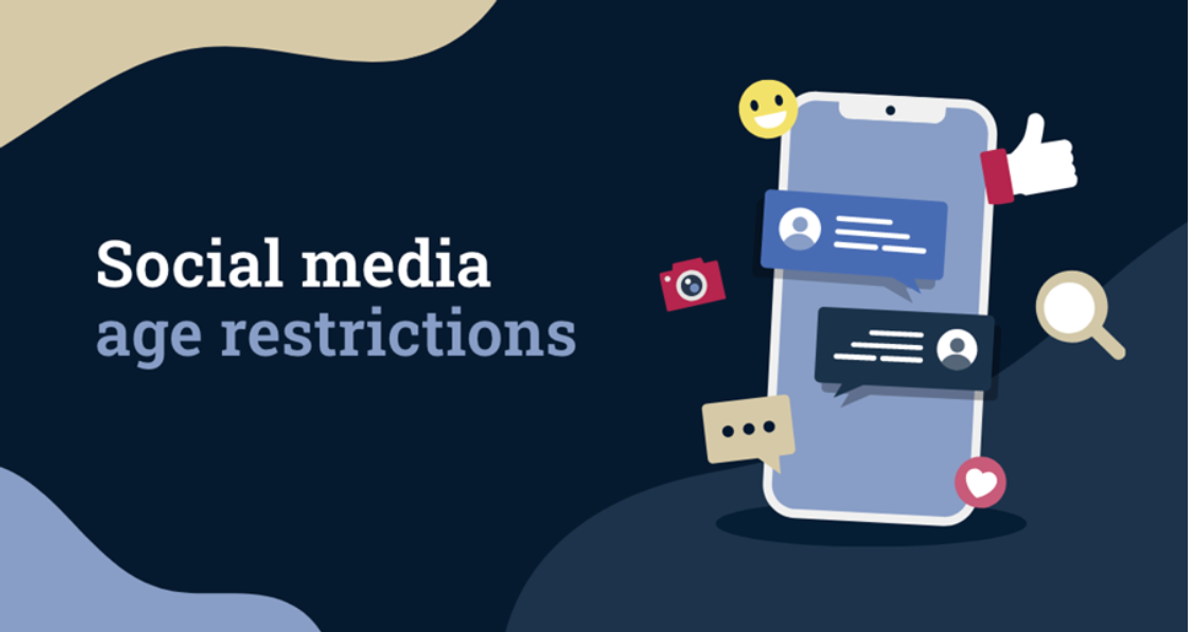
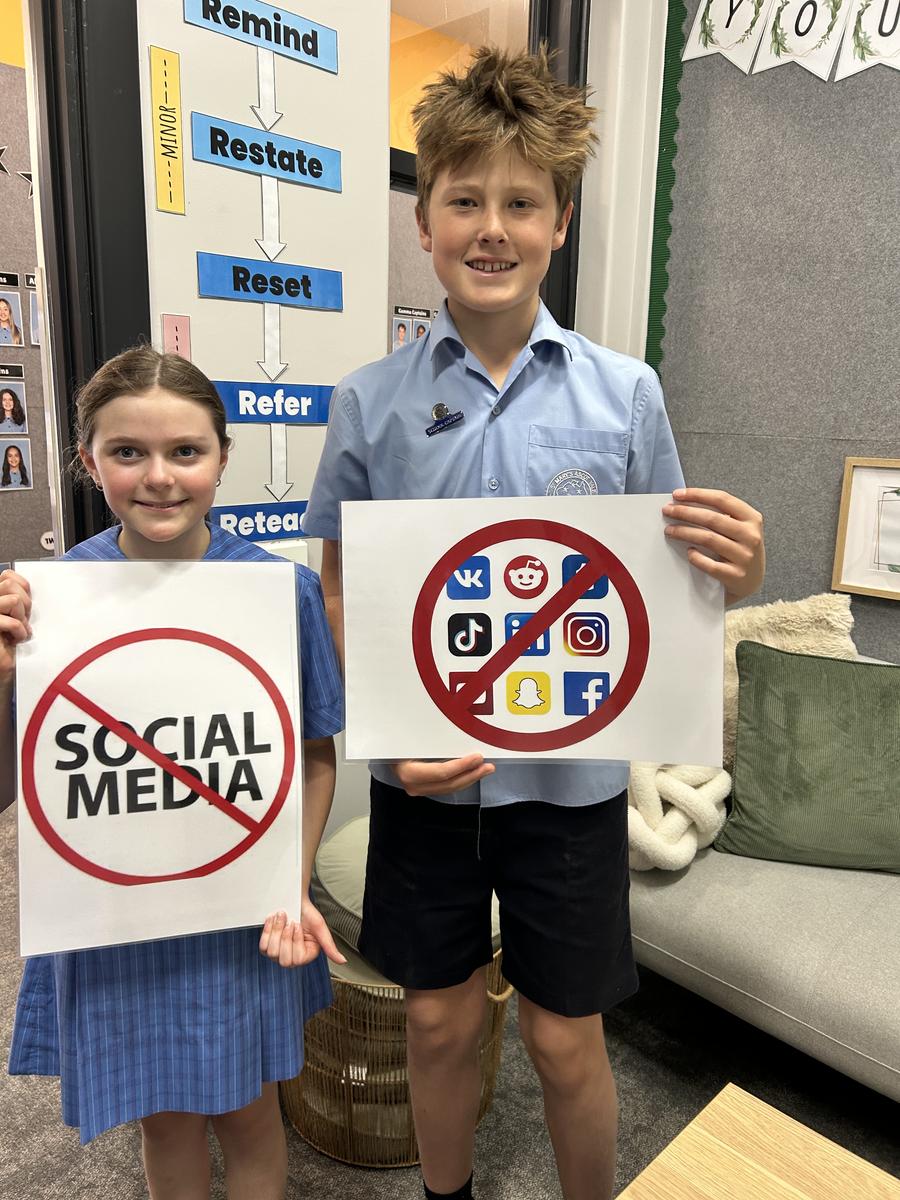
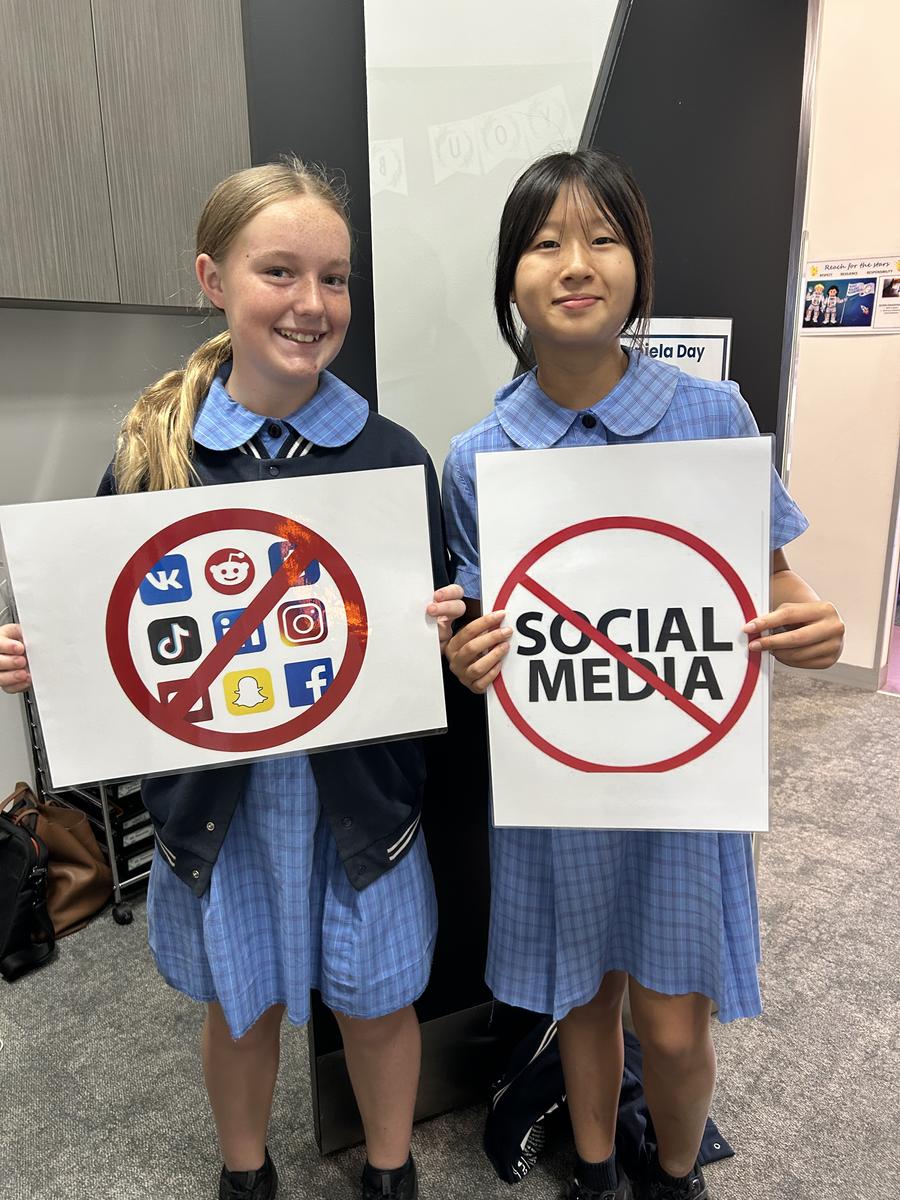
Social Media Age Restrictions From this date, children under 16 will no longer be able to create or maintain accounts on platforms like Instagram, TikTok, Snapchat, YouTube, Facebook and X. This change aims to give young people more time to develop digital literacy, emotional maturity, and protective skills before engaging with social media.
- Under-16s will still be able to view public content without logging in.
- Educational platforms like Google Classroom and YouTube Kids are not affected.
Schools may need to adjust how we communicate with students and families online.
What This Means for Families: This is a great time to start conversations at home about online safety, digital boundaries, and respectful technology use. The eSafety Commissioner has created helpful guides and webinars for parents and carers to support this transition:
- Social Media Age Restrictions and Your Family
- Get-Ready Guide for Parents and Carers
- Register for eSafety Webinars
Other Key Insights from the Summit
- 1 in 4 eight-year-olds have already encountered harmful content online
- Excessive screen time is linked to poor sleep, reduced resilience, and mental health challenges
- Passive screen use (scrolling, streaming) tends to have more negative effects than creative or purposeful use
- For younger children, high screen use is associated with delays in expressive language and social development
Recommended Screen Time
- 0–2 years: No screen time
- 2–5 years: Up to 1 hour/day
- 5–12 years: Up to 2 hours/day
For more detailed information, please visit: www.esafety.gov.au/parents/social-mediaage-restrictions
Reflection on 2025: Celebrating Your Child’s Growth
As the school year comes to a close in the coming weeks, it’s a wonderful time to pause and reflect with your child. Ask:
“What can you do now that you couldn’t do last year?"
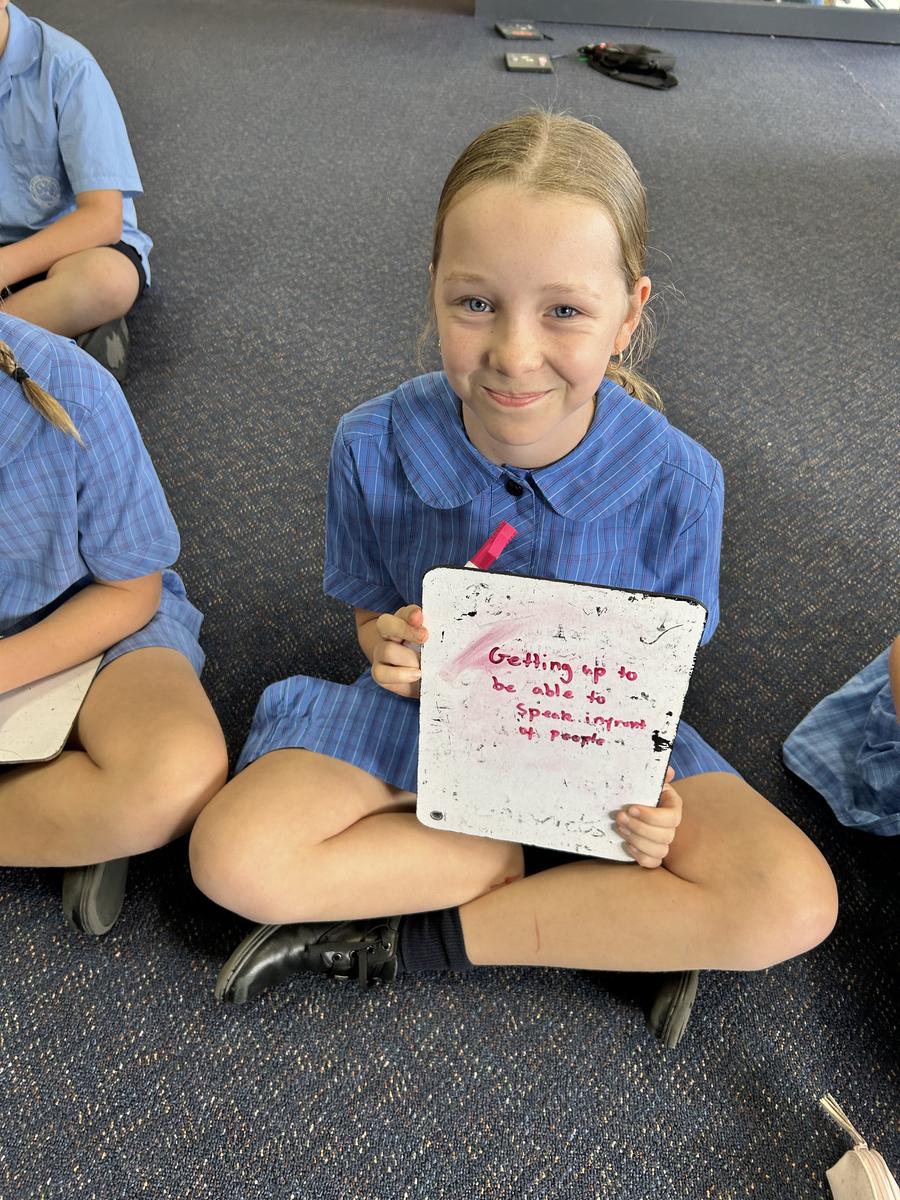
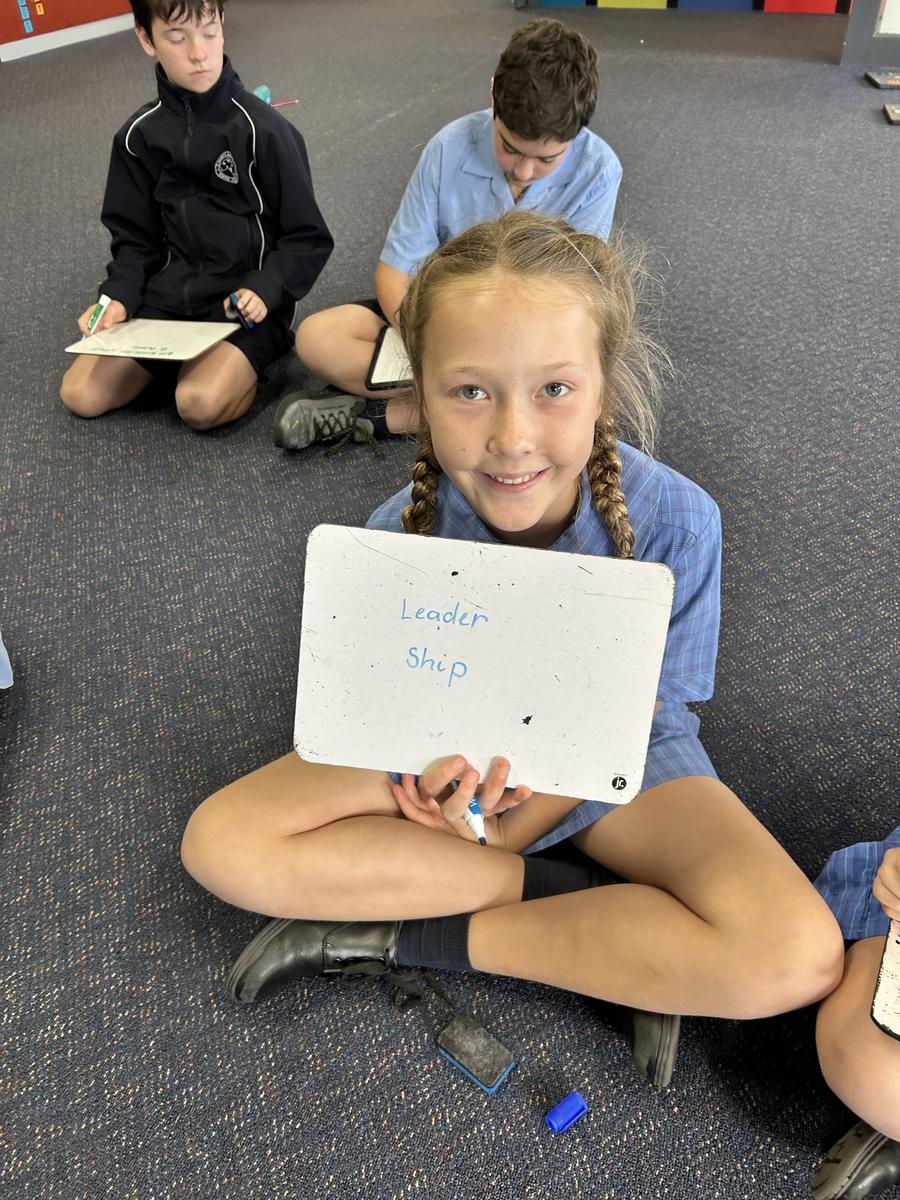
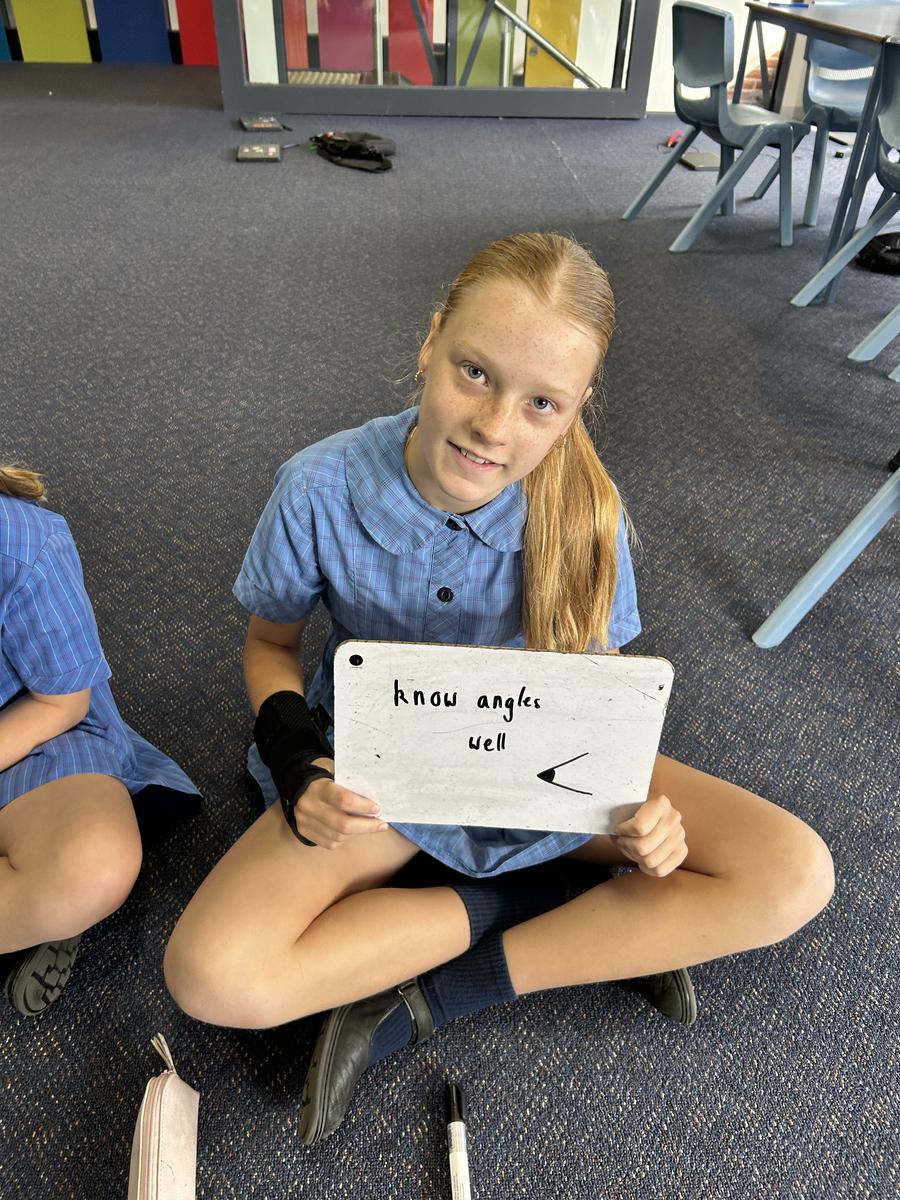
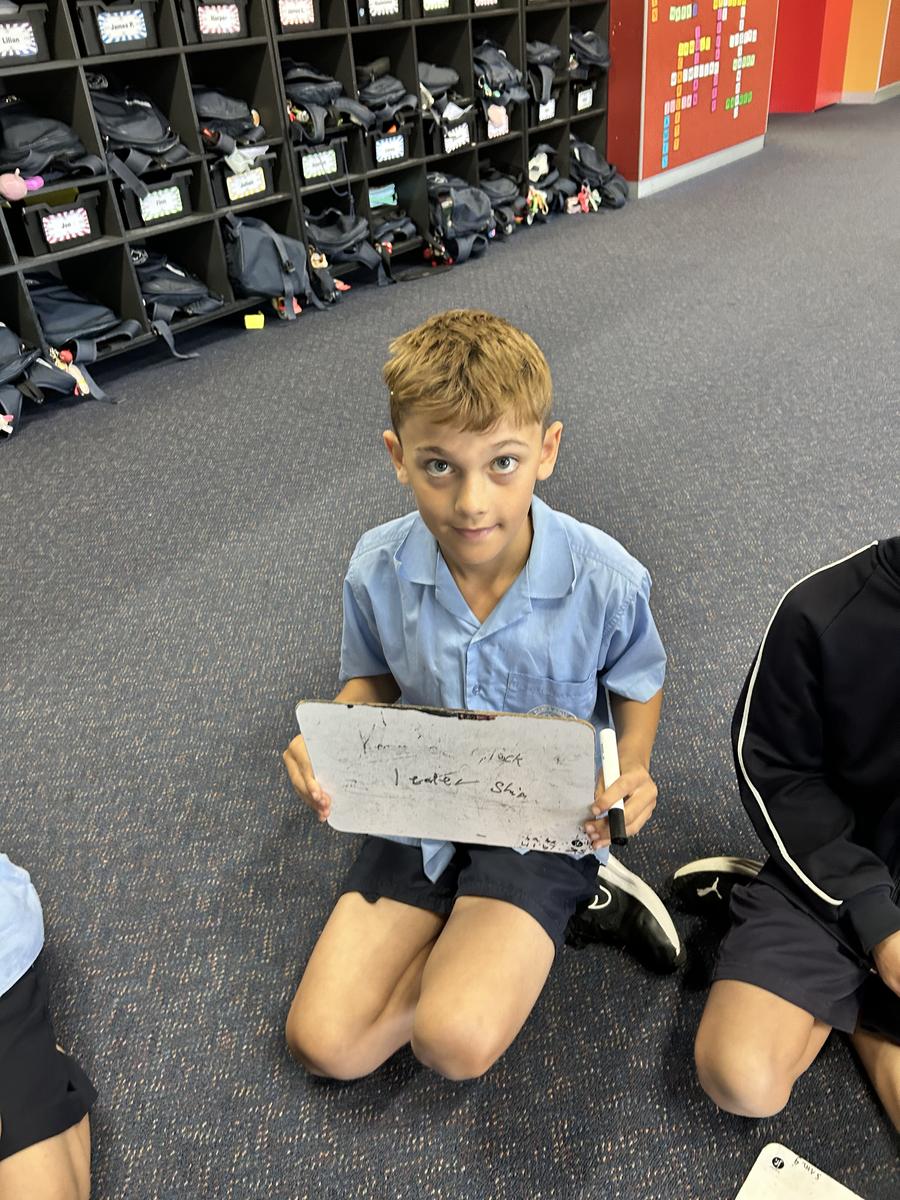
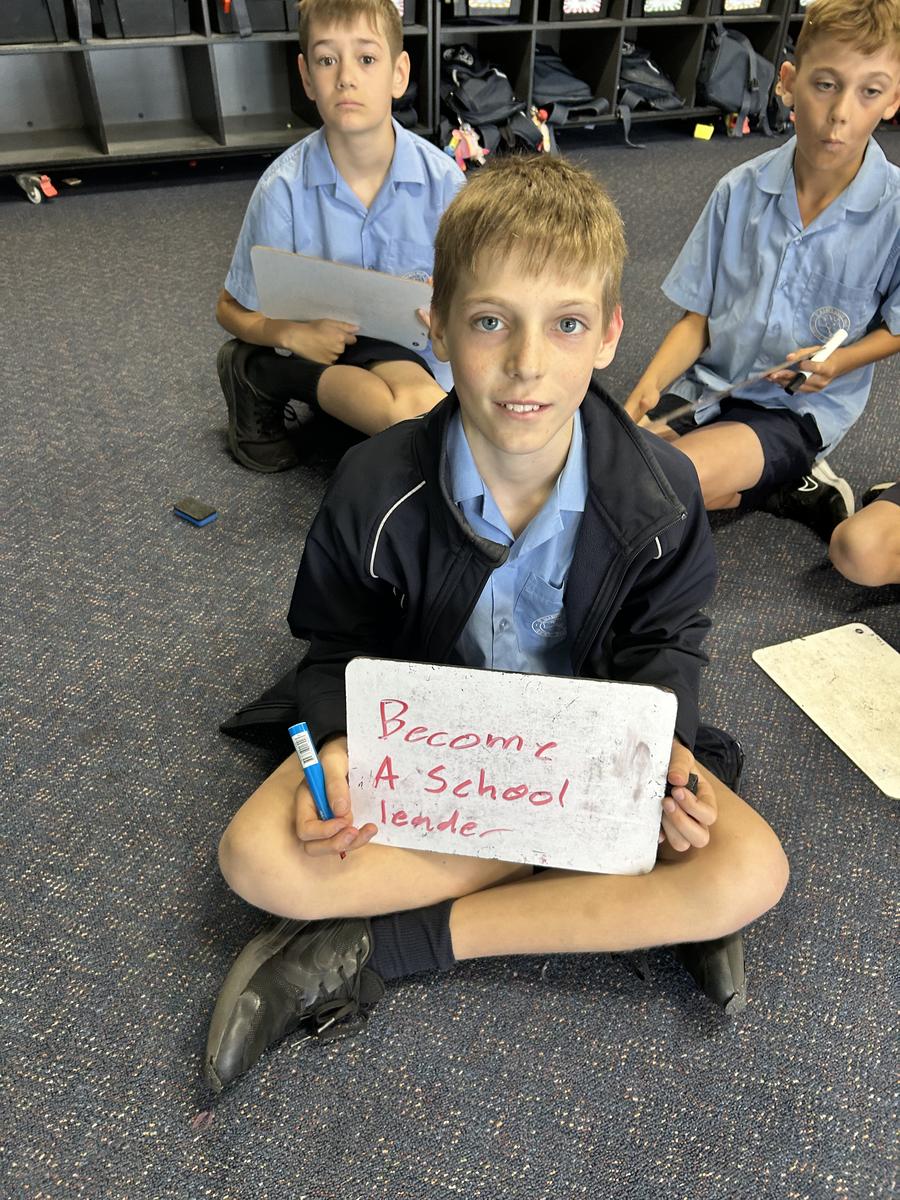
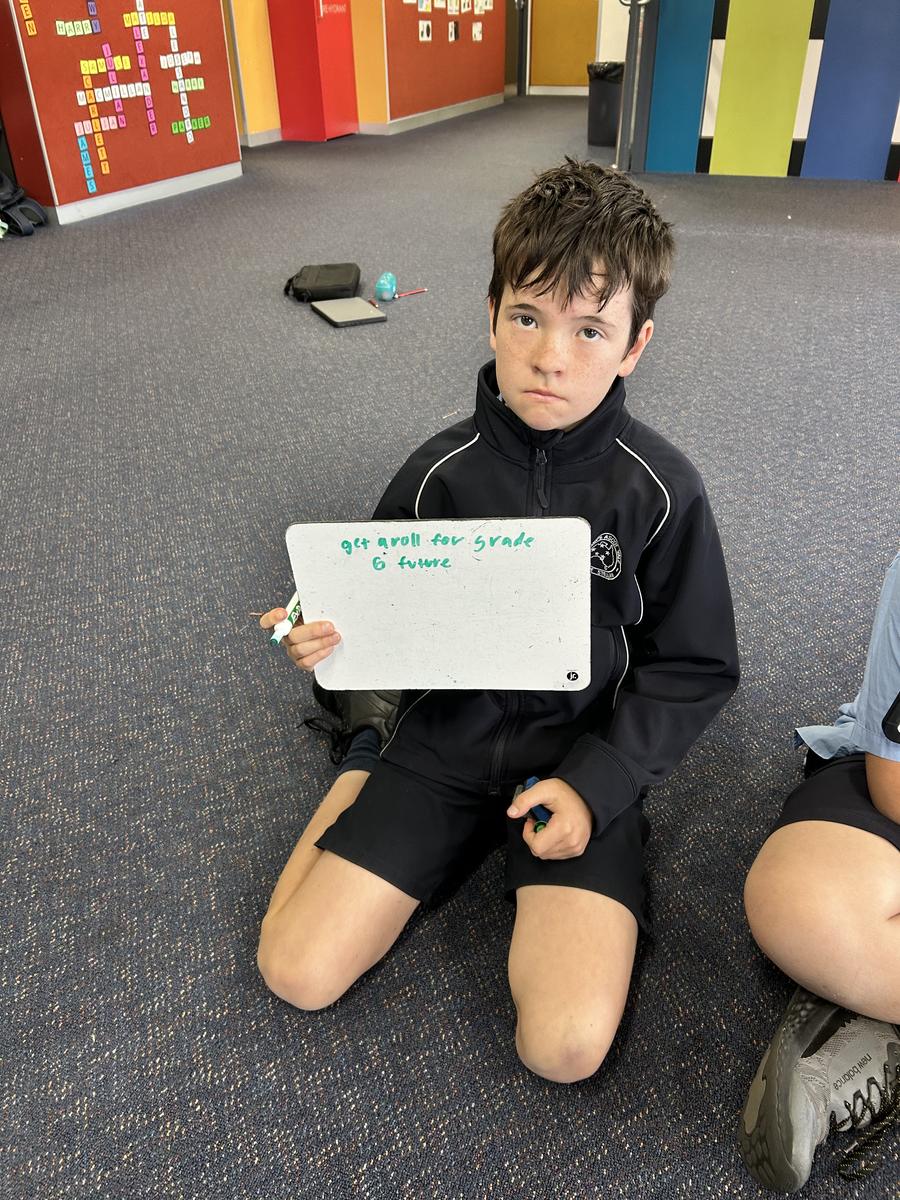
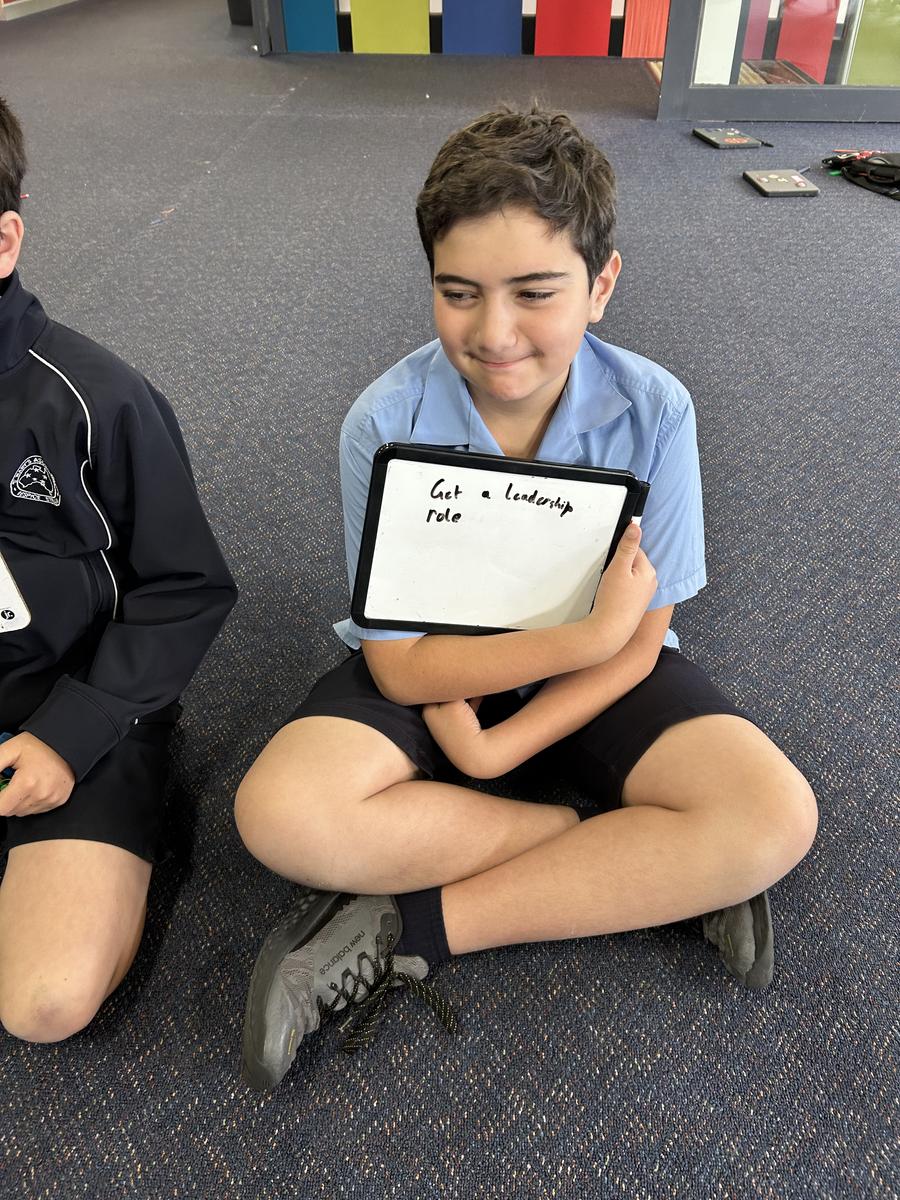
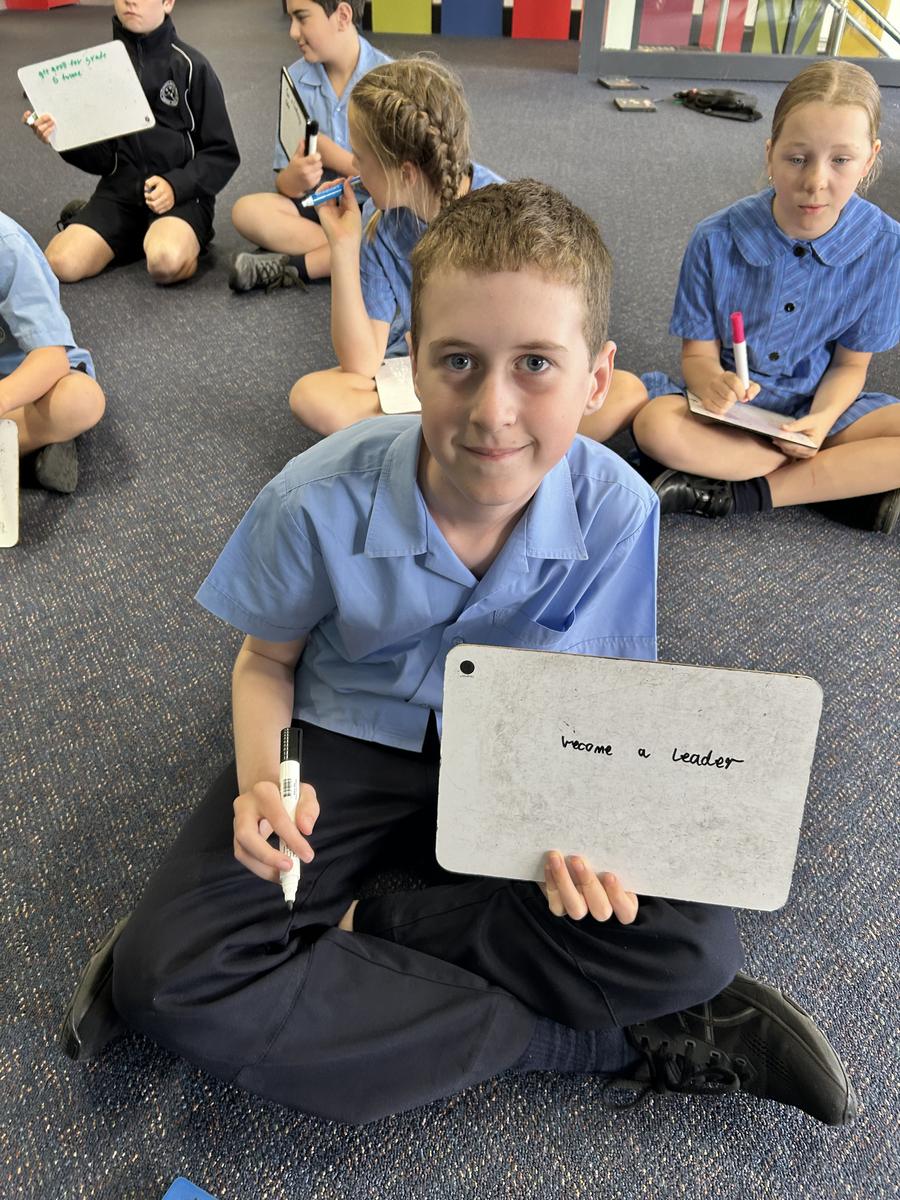
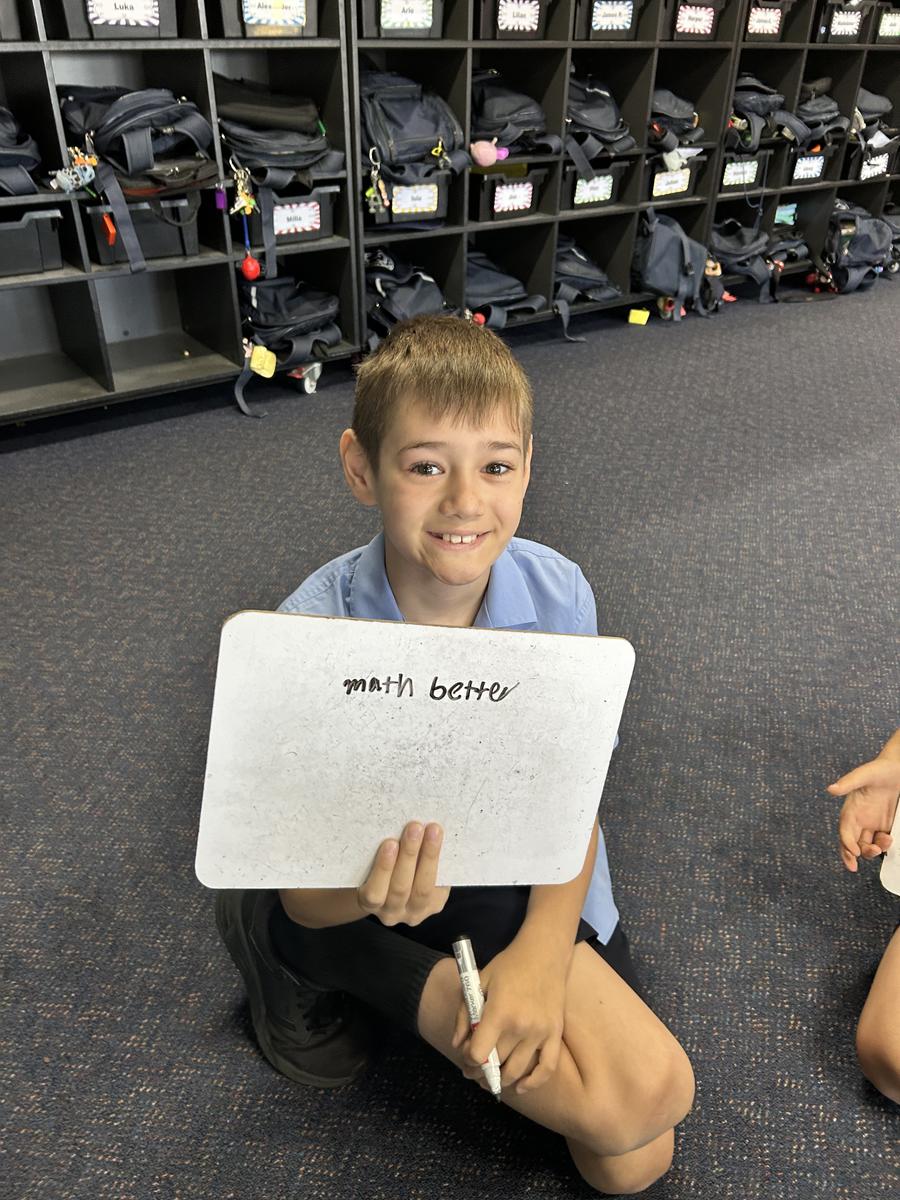
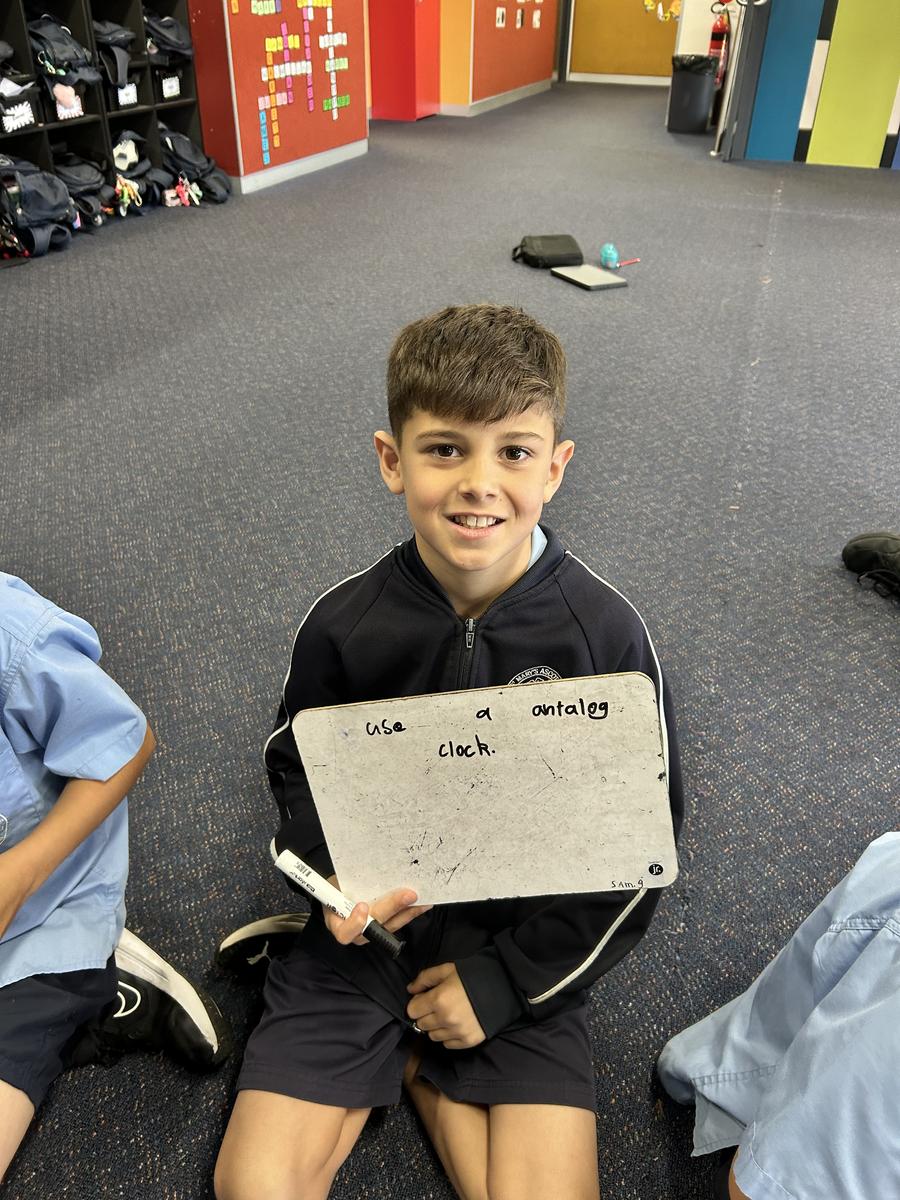
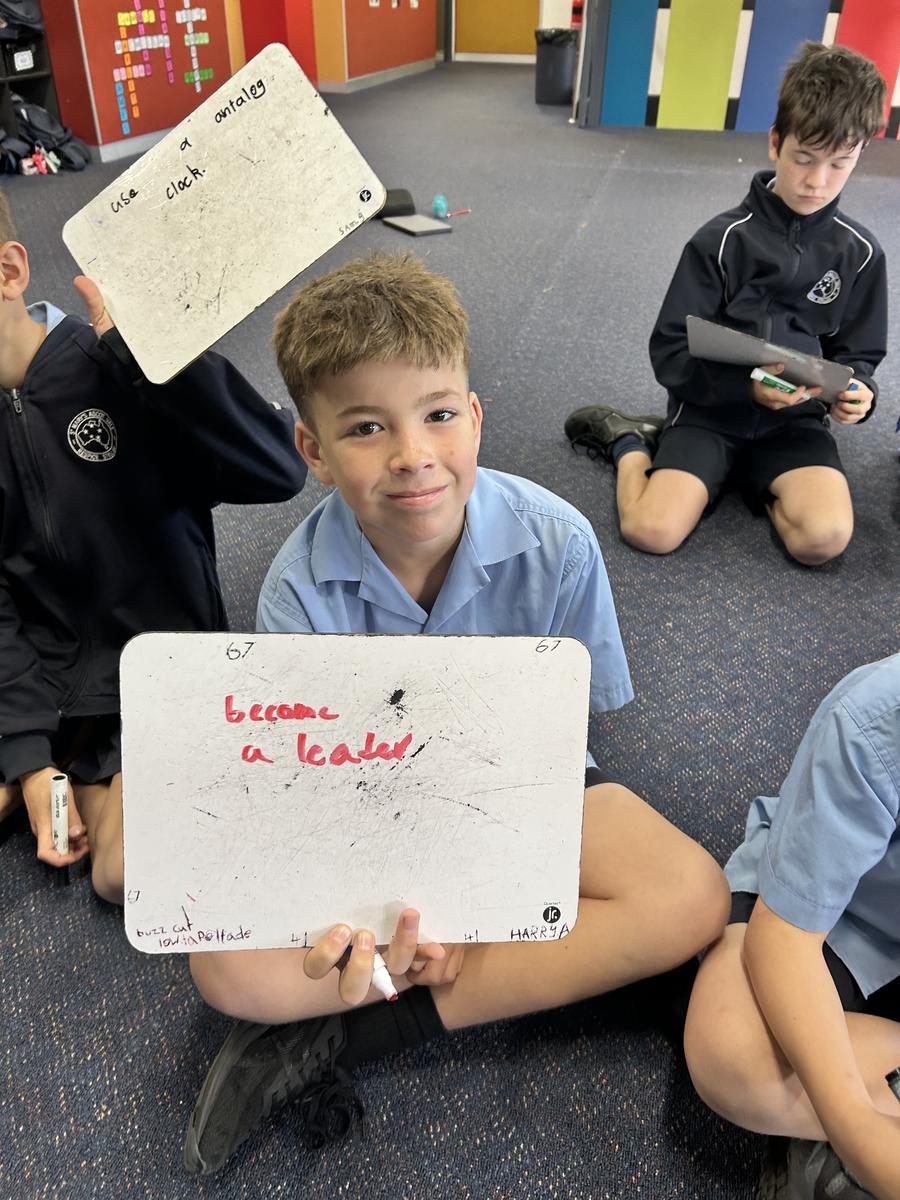
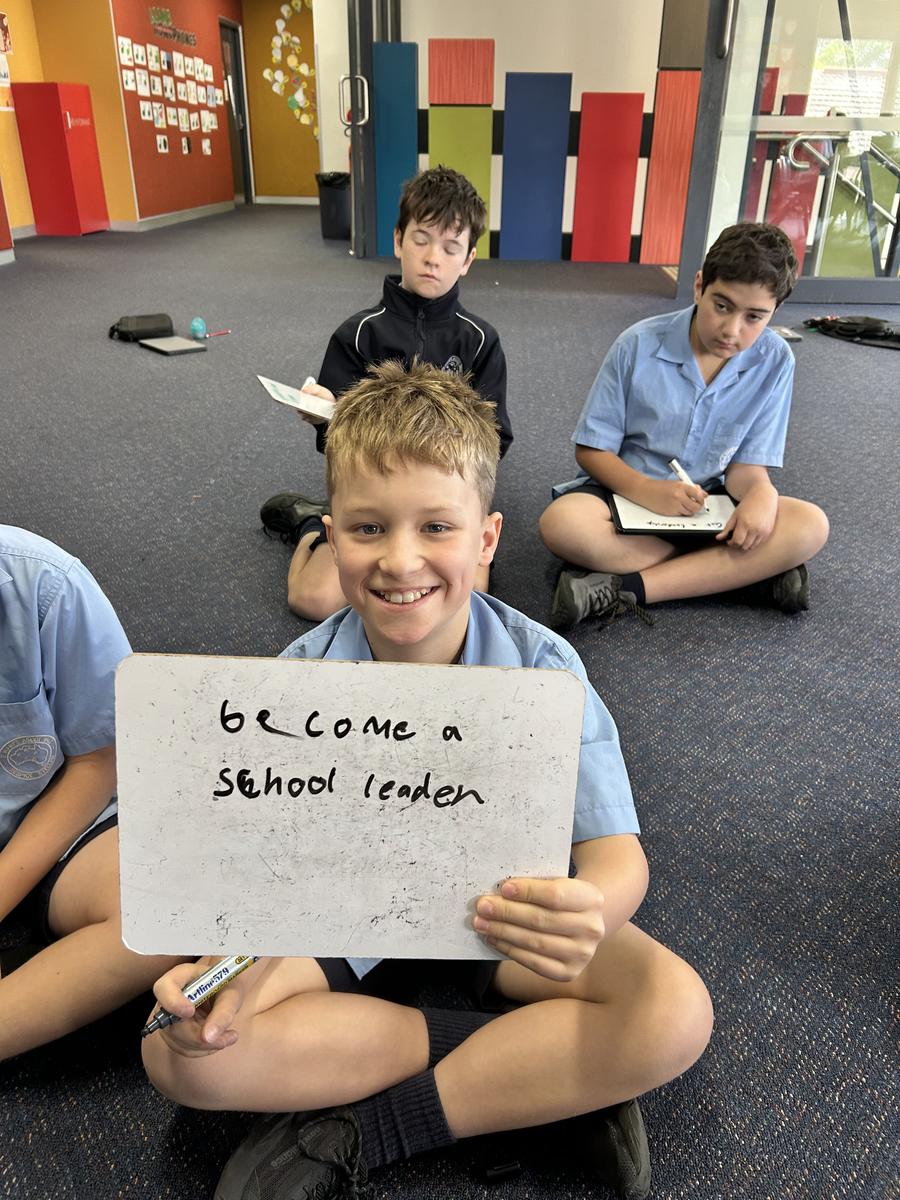
“What are you most proud of achieving in 2025?”
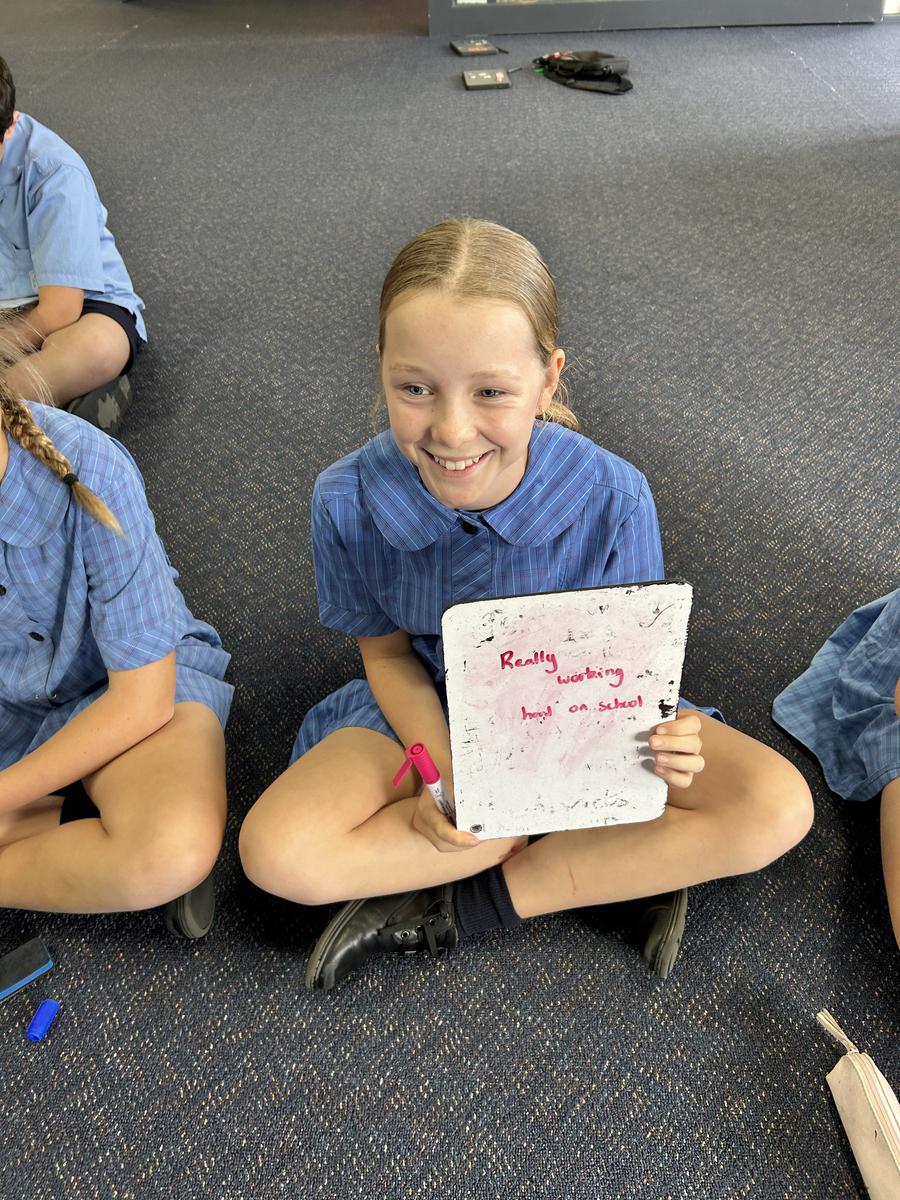
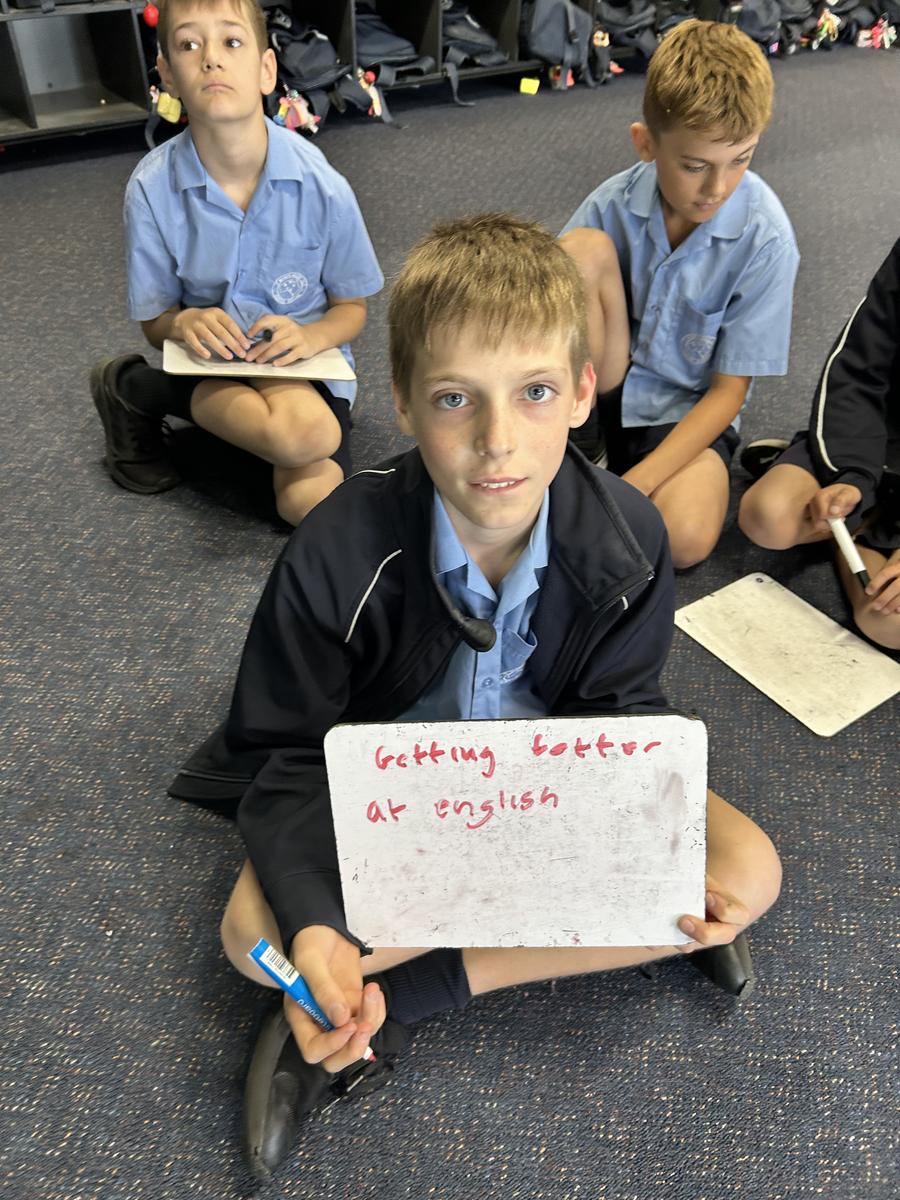
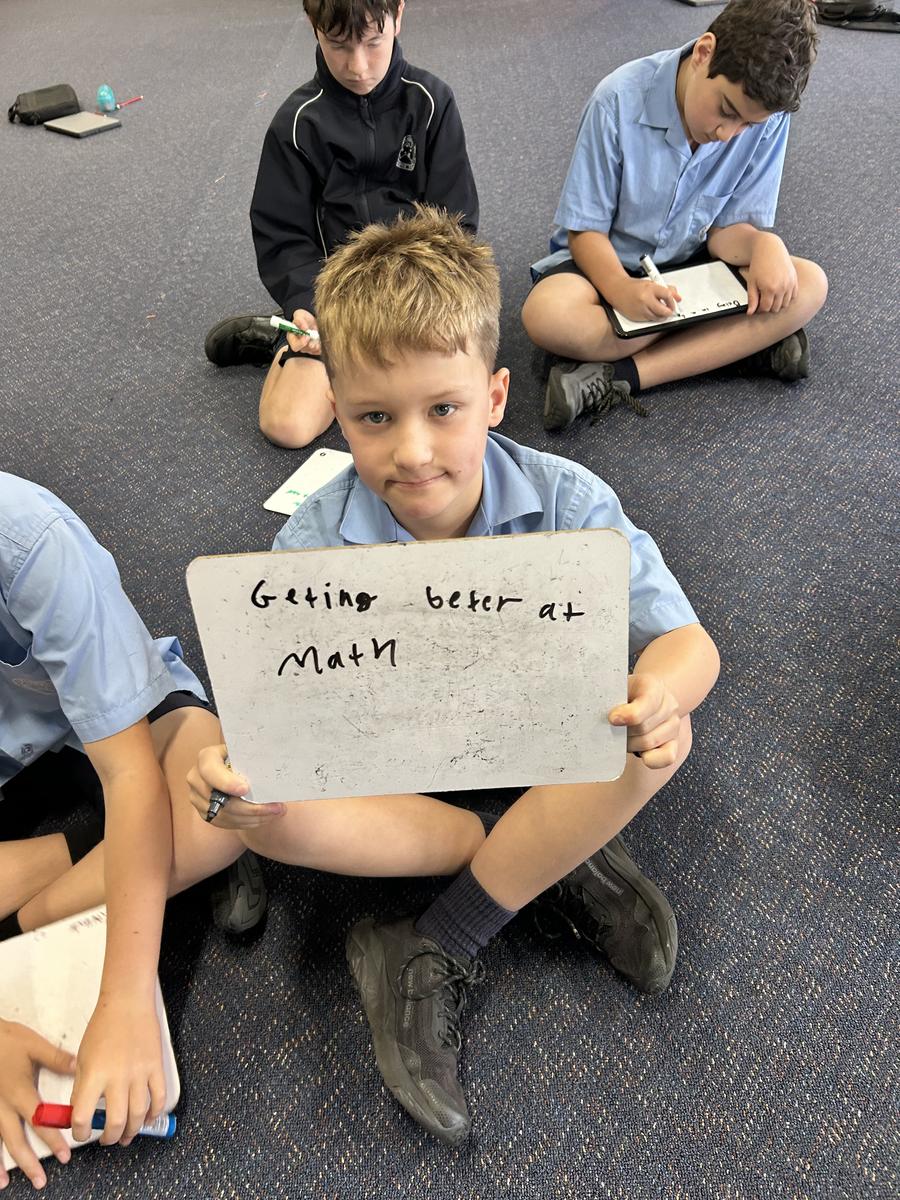
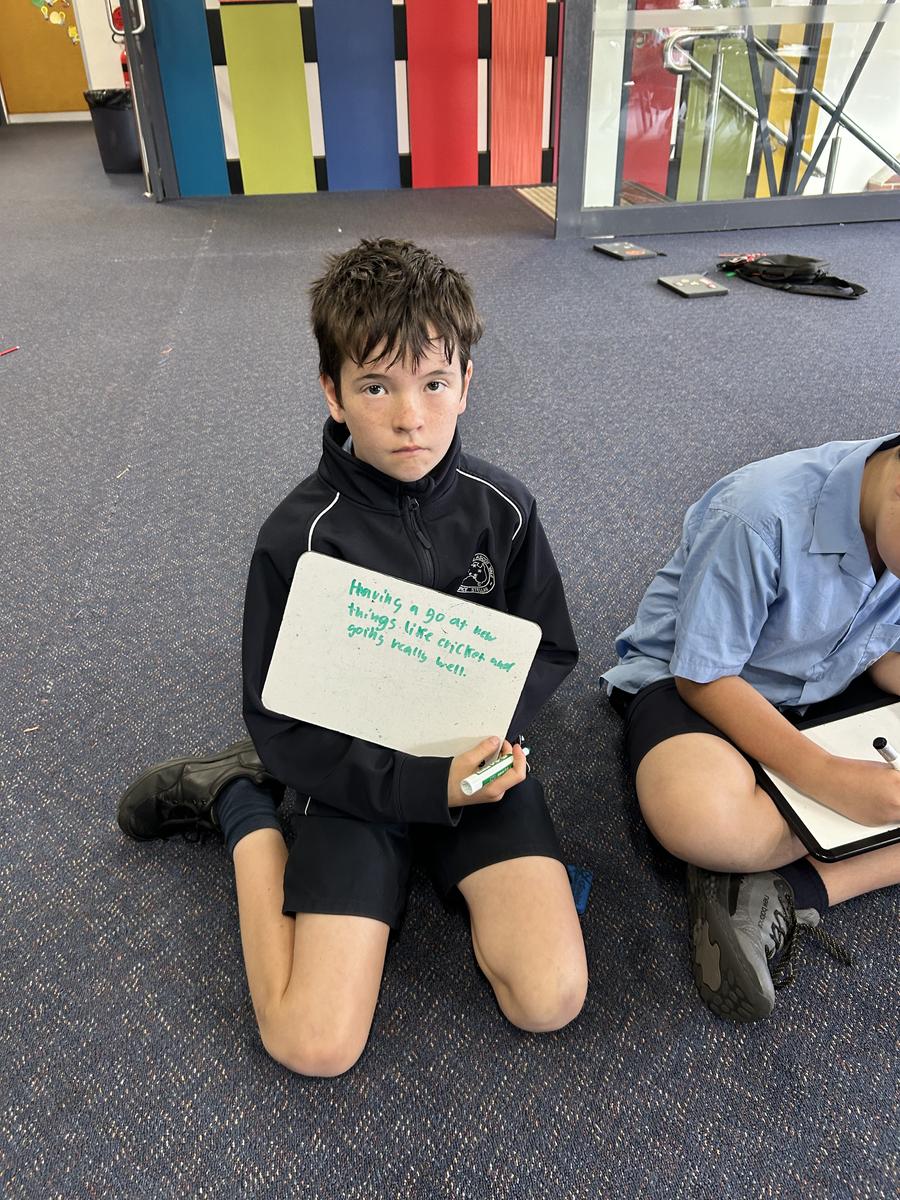
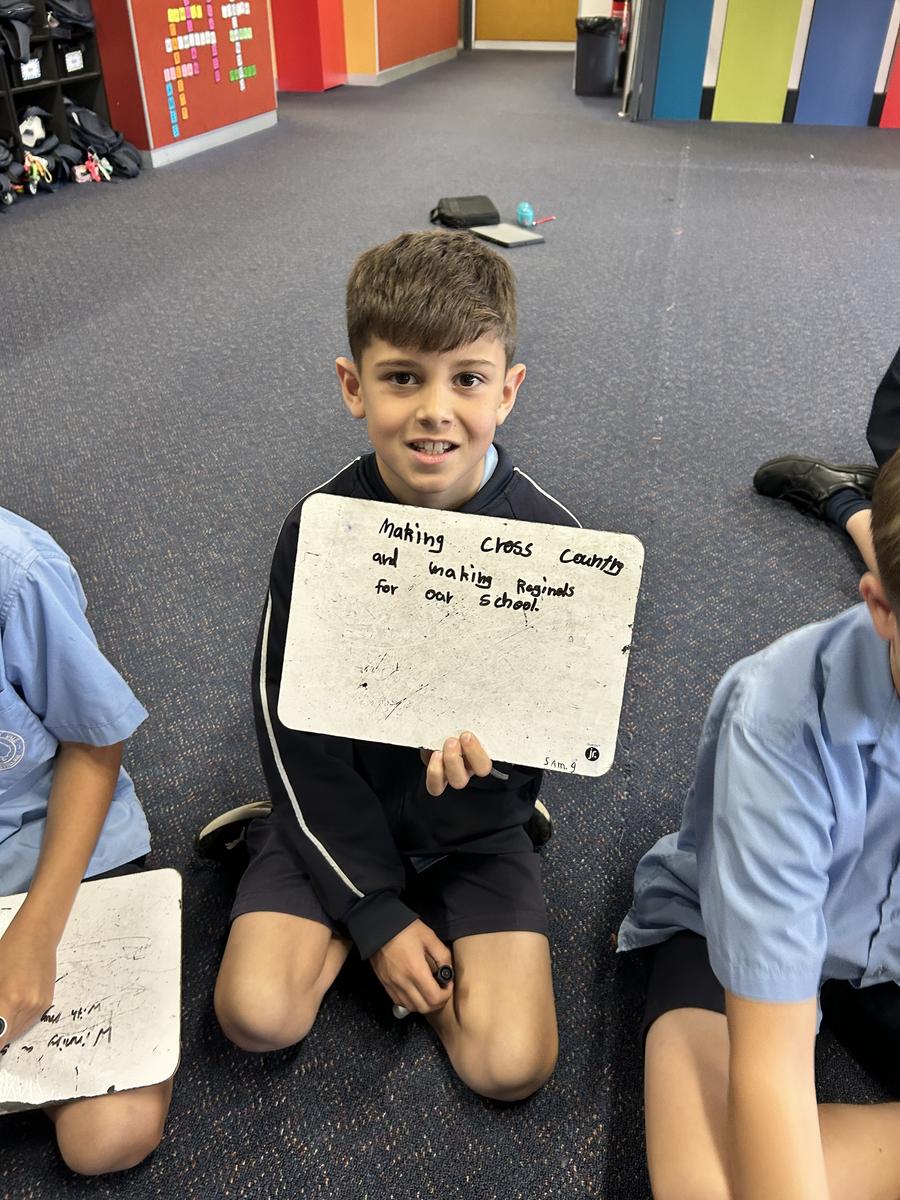
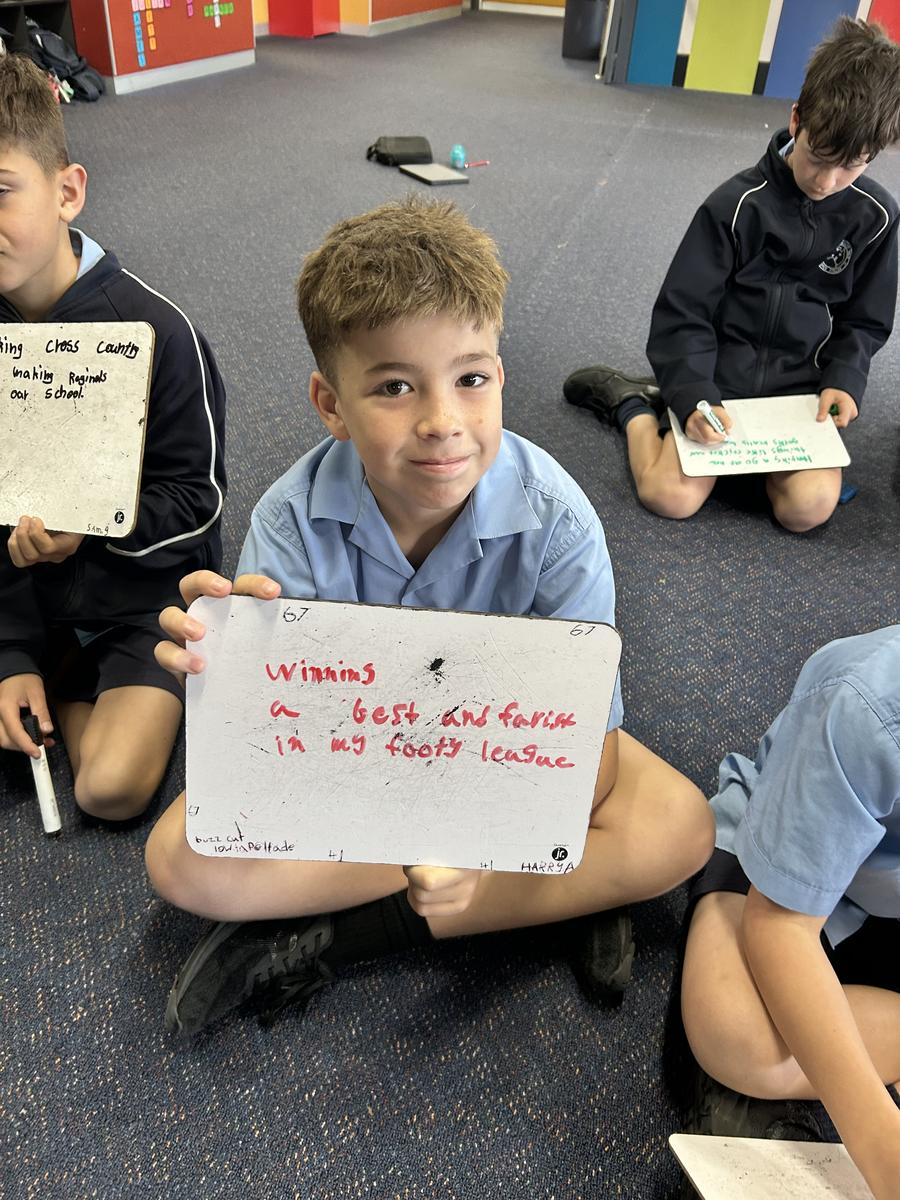
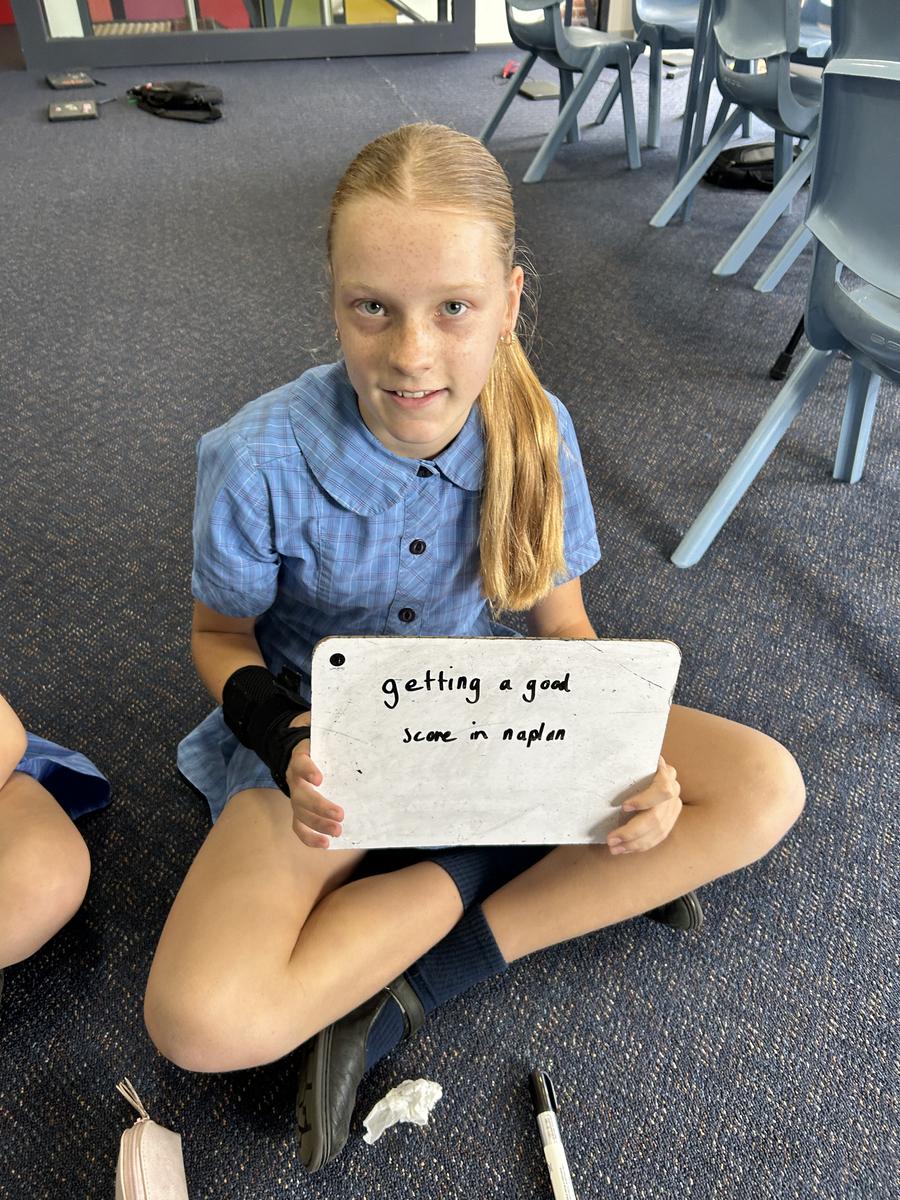
“What helped you grow the most this year?”
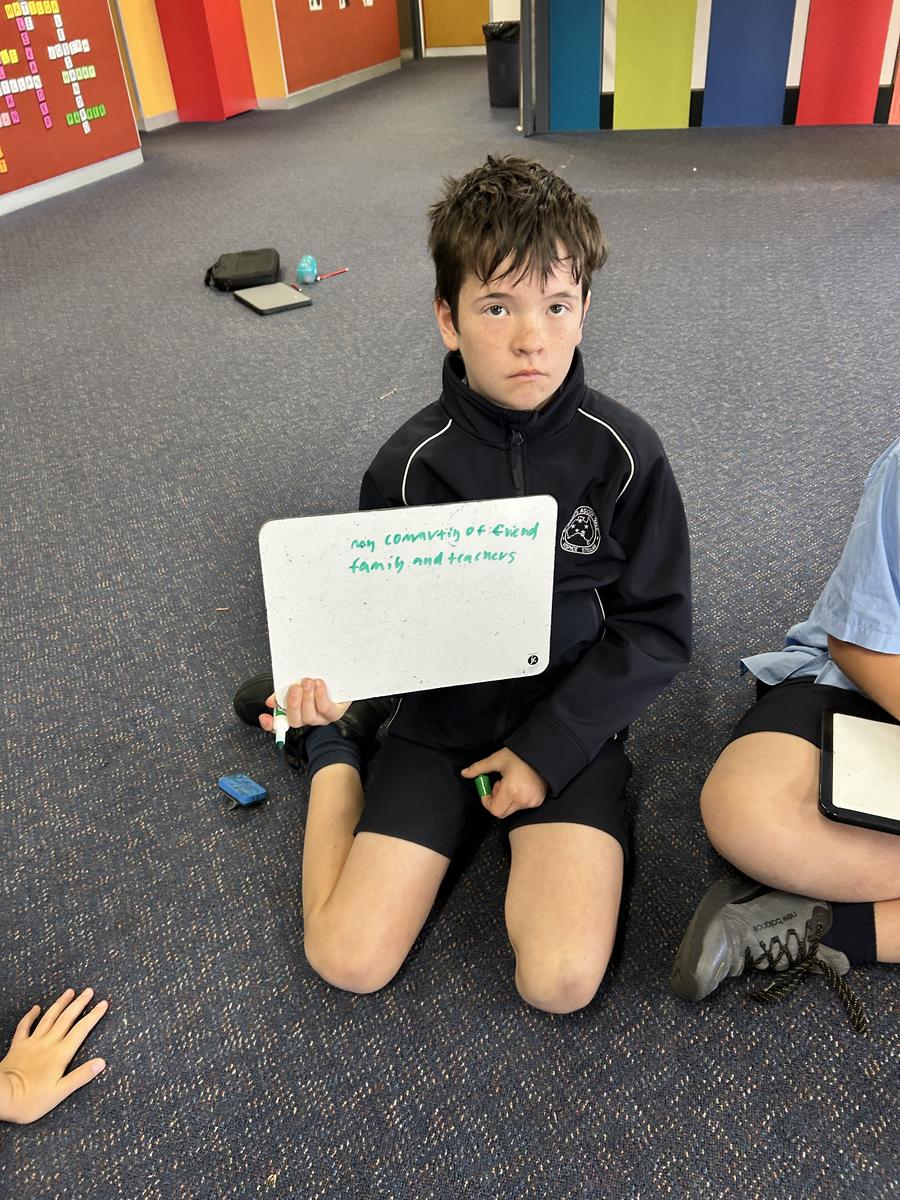
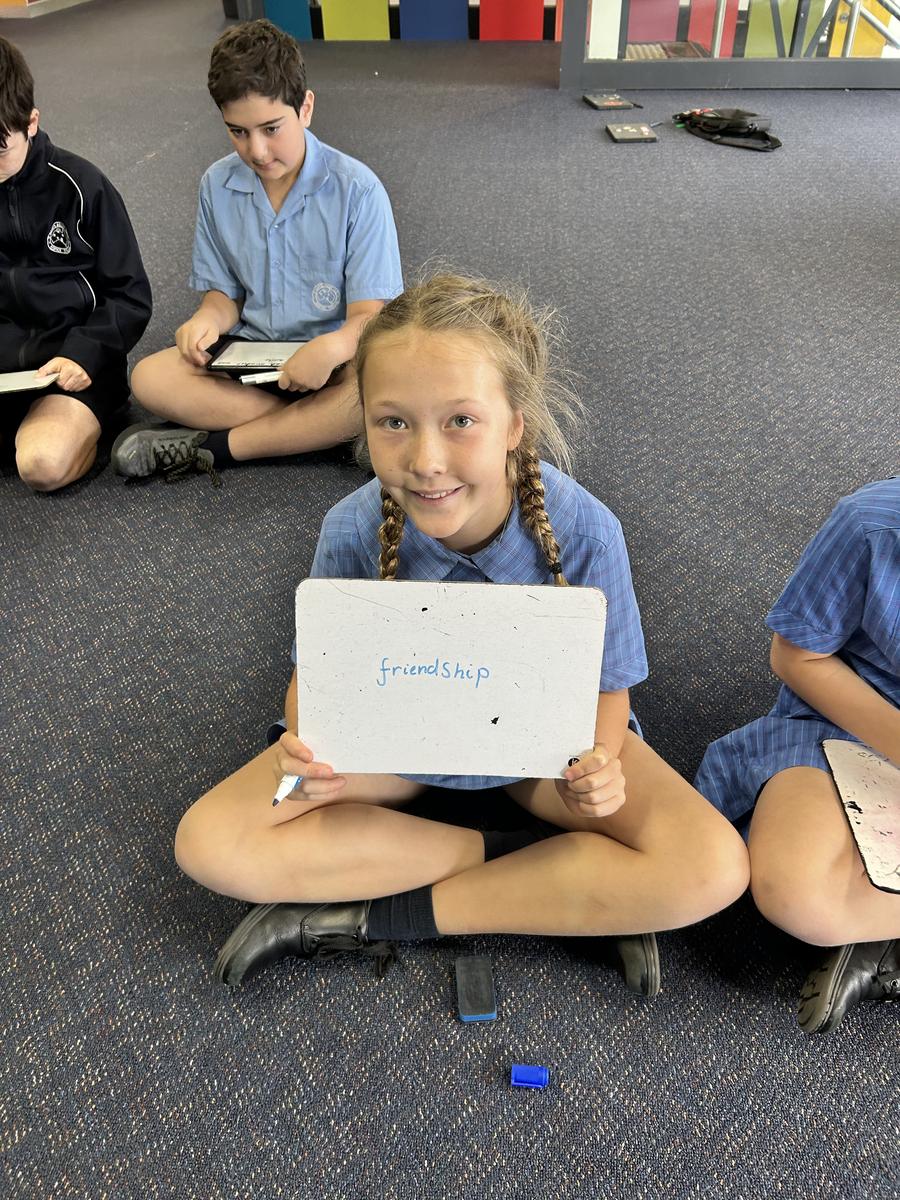
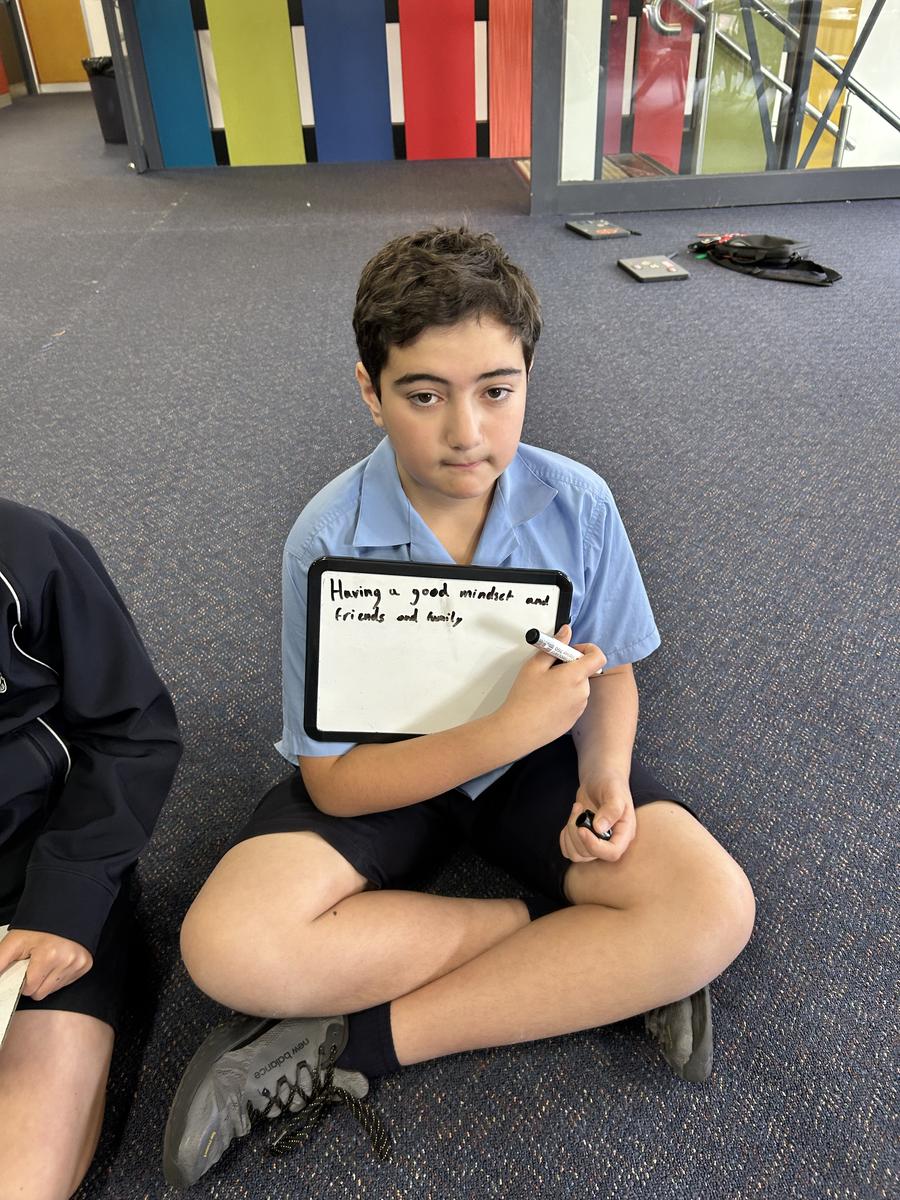
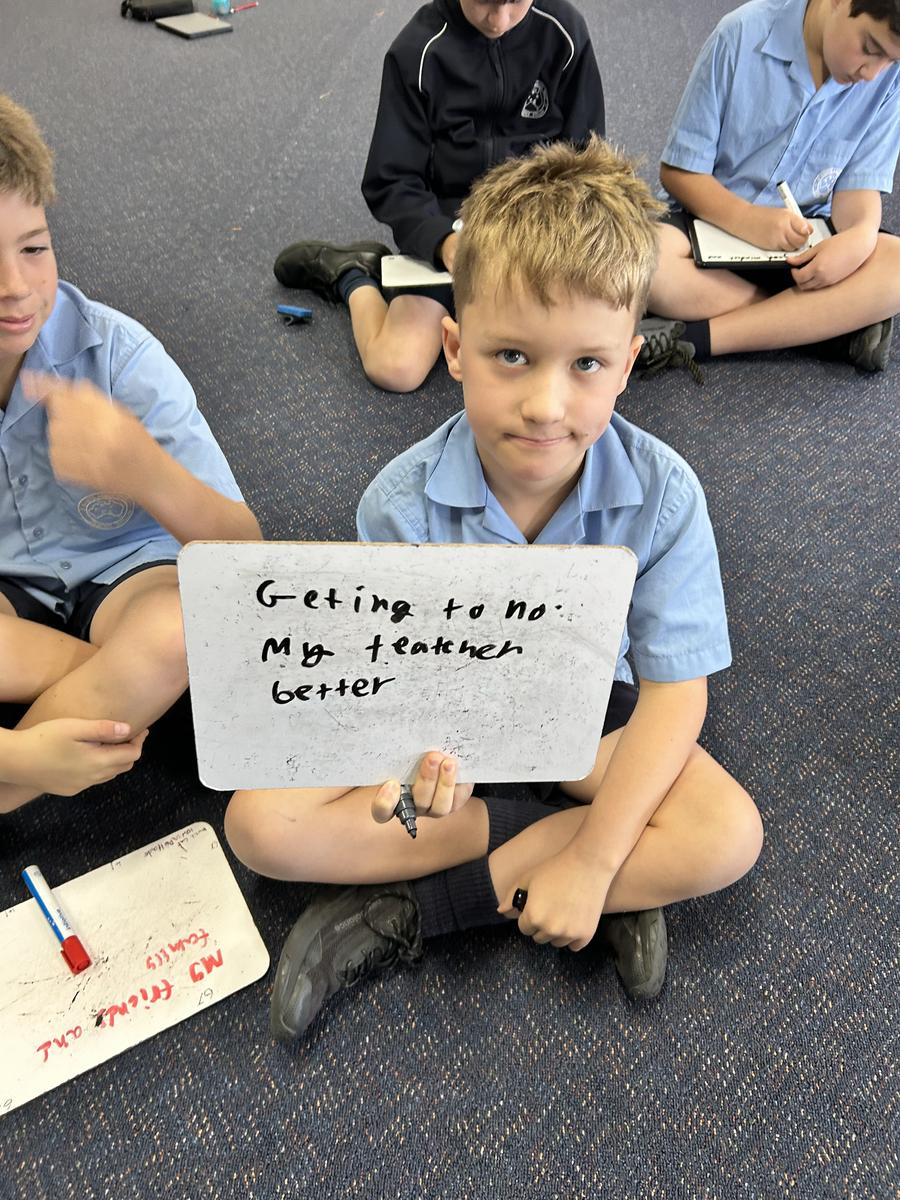
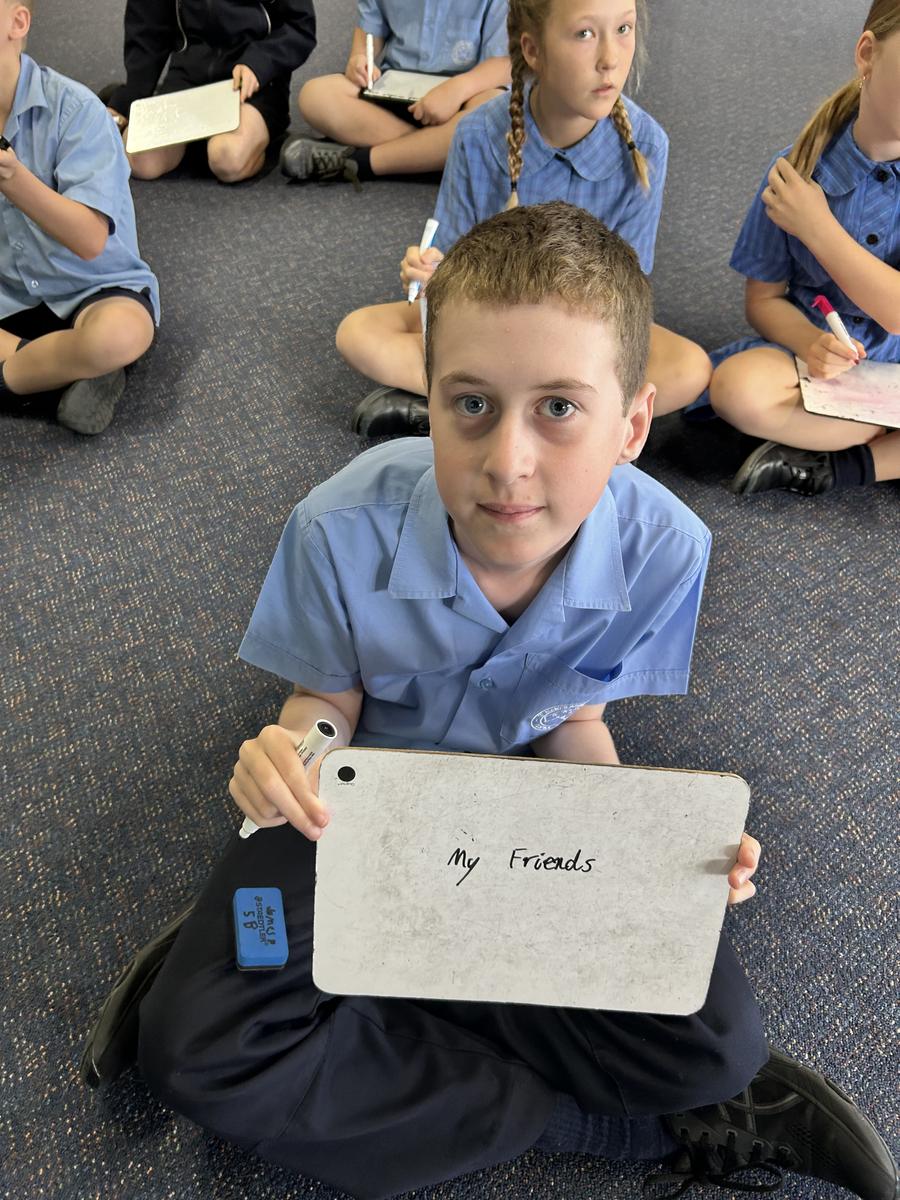
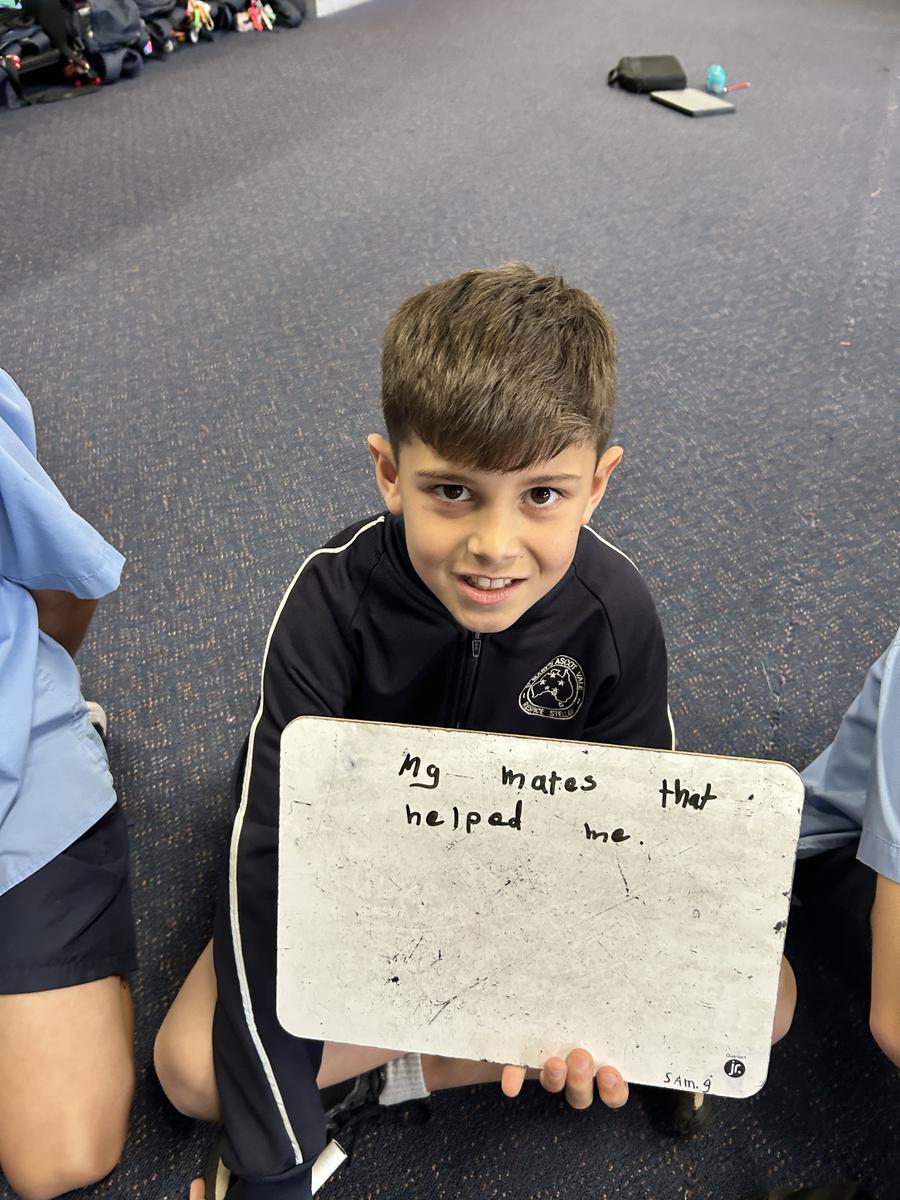
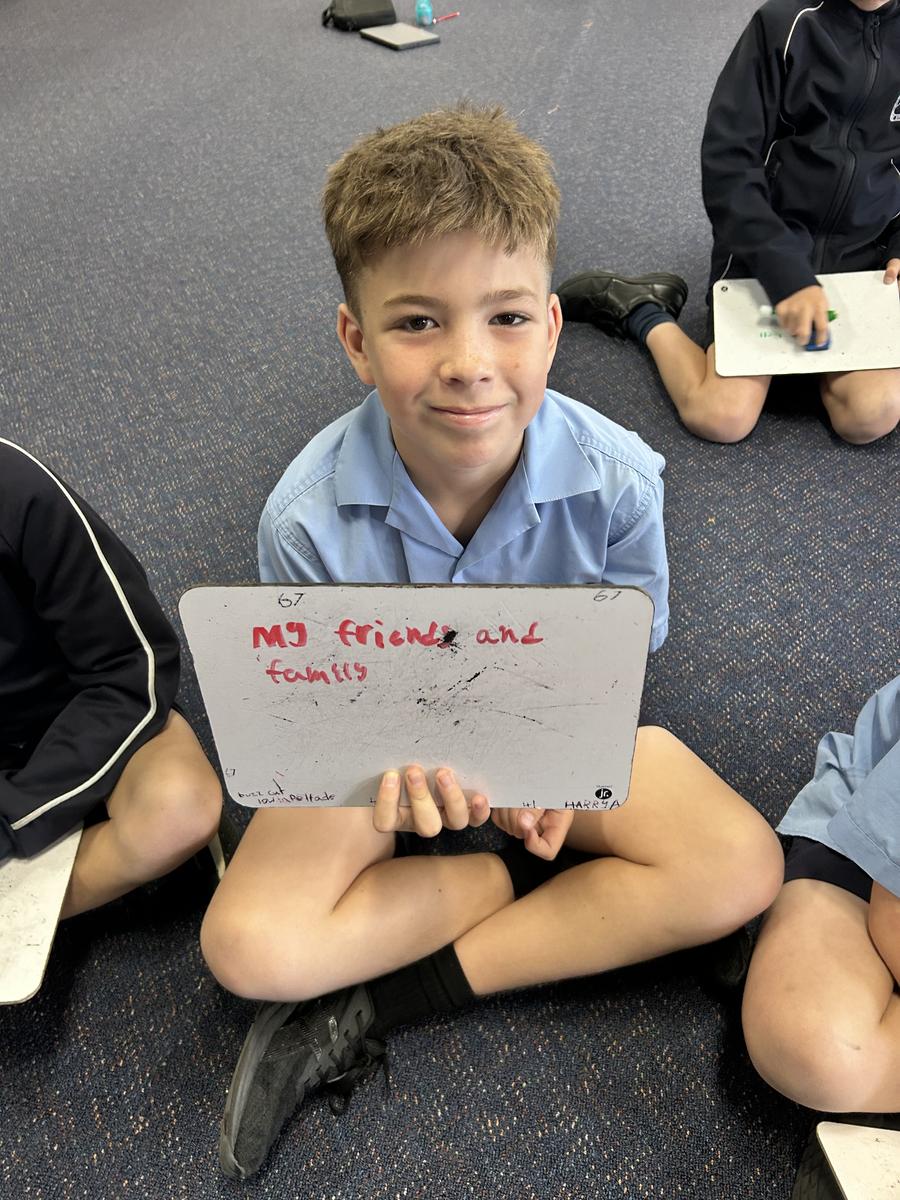
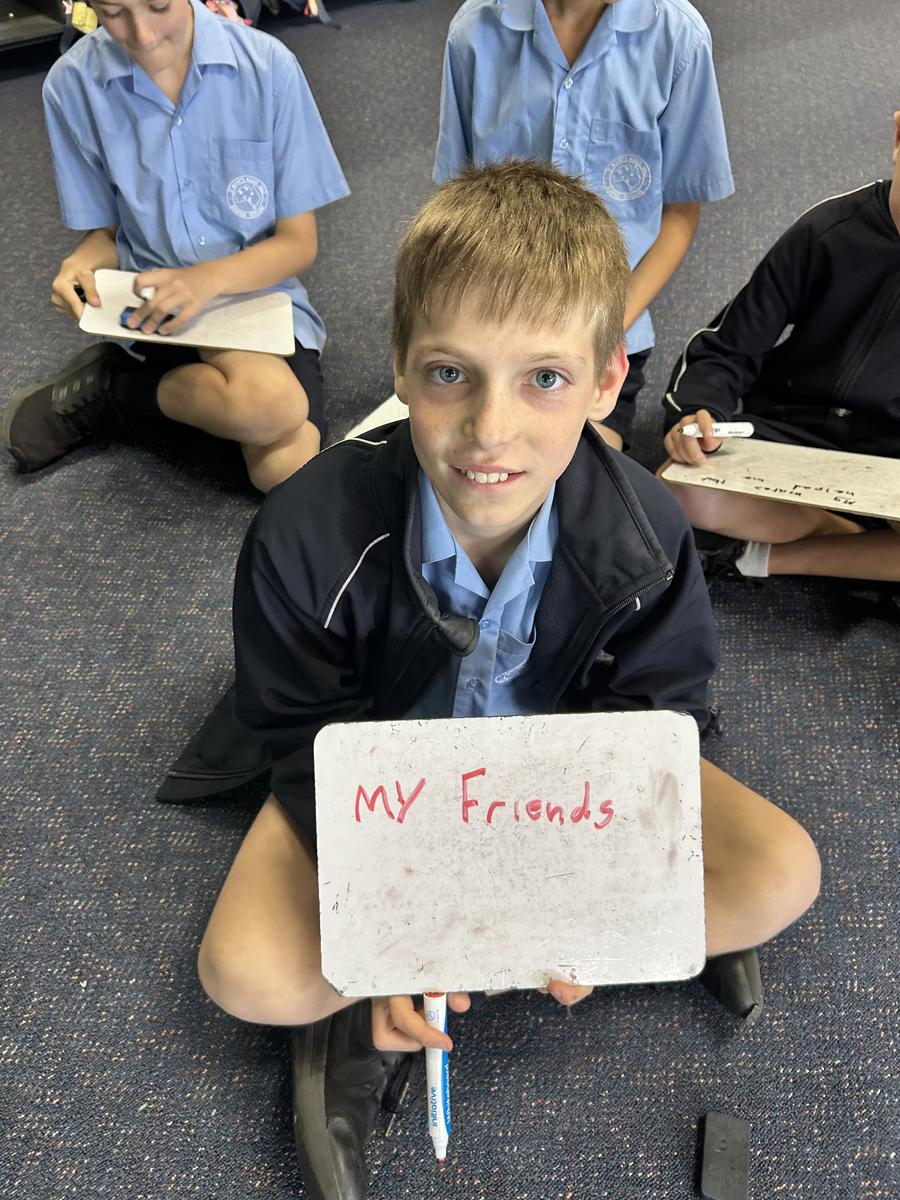
Encouraging these conversations helps children recognise their progress, build confidence, and see that learning is a journey.
End-of-Year Wellbeing for Students
- Mixed emotions are normal: Students often feel proud of their achievements but may also feel tired, anxious, or uncertain about moving into a new grade or school. Acknowledging these feelings helps them feel supported.
- Celebration and reflection: Encouraging students to reflect on their growth and celebrate milestones fosters resilience and a sense of accomplishment.
- Routine and predictability: As routines shift, maintaining some familiar structures (like class rituals or wellbeing check-ins) can ease the transition.
- Connection matters: Strong relationships with peers and teachers provide a sense of belonging that carries into the next school year.
Helpful Resources for Transition
Here are some practical, evidence-based resources tailored for Australian schools and families:
- Student Resilience and Wellbeing Resources – Department of Education – National frameworks and tools to build positive learning environments
- Primary to Secondary School Transition Resources – VIC Government – Strategies and templates for Year 5–6 teachers and leaders
The end of the school year is not just about finishing, it’s about preparing for what’s next. By focusing on wellbeing, connection, and strengths, we can help every student step into the new year with confidence and joy.