Grade 1 News

Dear Year 1 Parents/Guardians,
Learning Focuses- Below is what we have been focusing on with our learning the past three weeks.
English
Phonics
Our focus has been on revising sounds with alternative spelling patterns to strengthen students' reading and writing skills. The English language is made up of many sounds, some of which can be tricky because they can be spelled in multiple ways.
Recently students have been learning about the placement of alternative spellings patterns for the long a sound /ay/. This includes /ay/, /ai/, /a_e/ and /a/
Morphology
We have been learning about some of the rules of morphology, specifically how we modify base words when adding certain suffixes and prefixes. Understanding these rules helps students spell more accurately and boosts their reading comprehension.
One who does
When adding the suffixes -er, students have learnt that it can be used to indicate someone or something that does something.
- Farm + er = farmer
- Banker + er = banker
- Rule + er = ruler
- Click + er = clicker
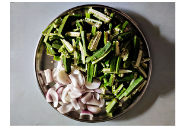
Prefix - pre When adding the prefix pre-, students learned that it can be used to indicate before.
- Precut - This means the vegetables were cut before cooking started
- Predict - This means the person thinks about what will happen in the story before reading it.

Syntax
Students have been learning about identifying different sentence types and practising how to write statement, question, command and exclamation sentences.
Statement sentence - This type of sentence tells you an idea and ends in a full stop.
e.g. The Werribee Zoo is a place where you can see different habitats and animals.
Question sentence - This type of sentence asks something and ends with a question mark.
e.g. Where is the park?
Exclamation sentence - This type of sentence shows strong feelings and ends with an exclamation mark.
e.g. I love playing outside with my friends!
Command sentence - This type of sentence tells someone to do something, it starts with a doing verb and can end with a full stop or exclamation mark.
e.g. Get your pencil out of your pencil case.
Story Champs
We’ve been exploring the key components of a non-fiction text, students are helping break down each part of an overall information report. Here’s what we’ve been focusing on:
Main idea: Tell us what the text is about. E.g. This nonfiction text is about Kangaroos and their features.
Key details: Provide us with important information about their nonfiction text. E.g. Physical features of a Kangaroo, Habitat, Food and other interesting facts.
New term: Include any new vocabulary which is related to the text. E.g. A mob is a group of kangaroos.
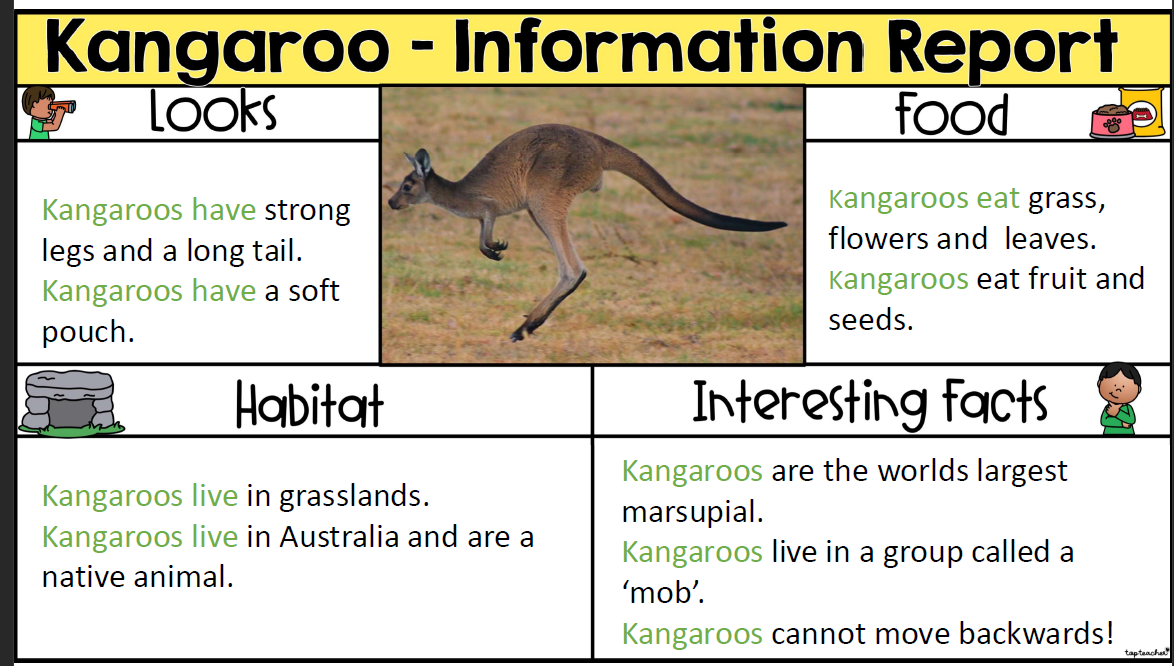
Retelling in Their Own Words: We encourage students to retell information using the key elements, which helps them improve their speaking and writing skills. They’ve been practising this in pairs, small groups, and even as a class.
Knowledge
In Knowledge students have been learning about Fairywrens and Animal Habitats.
Fairywrens: Students have been unpacking the story ‘Feathers for Phoebe’ and building our knowledge on various birds such as the Peahen and Toucan. Students practised making text to self-connections and used key vocabulary to create ‘noun phrases’ which included nouns and adjectives. We also explored using synonyms for the word ‘good’ to help improve the quality of a sentence.
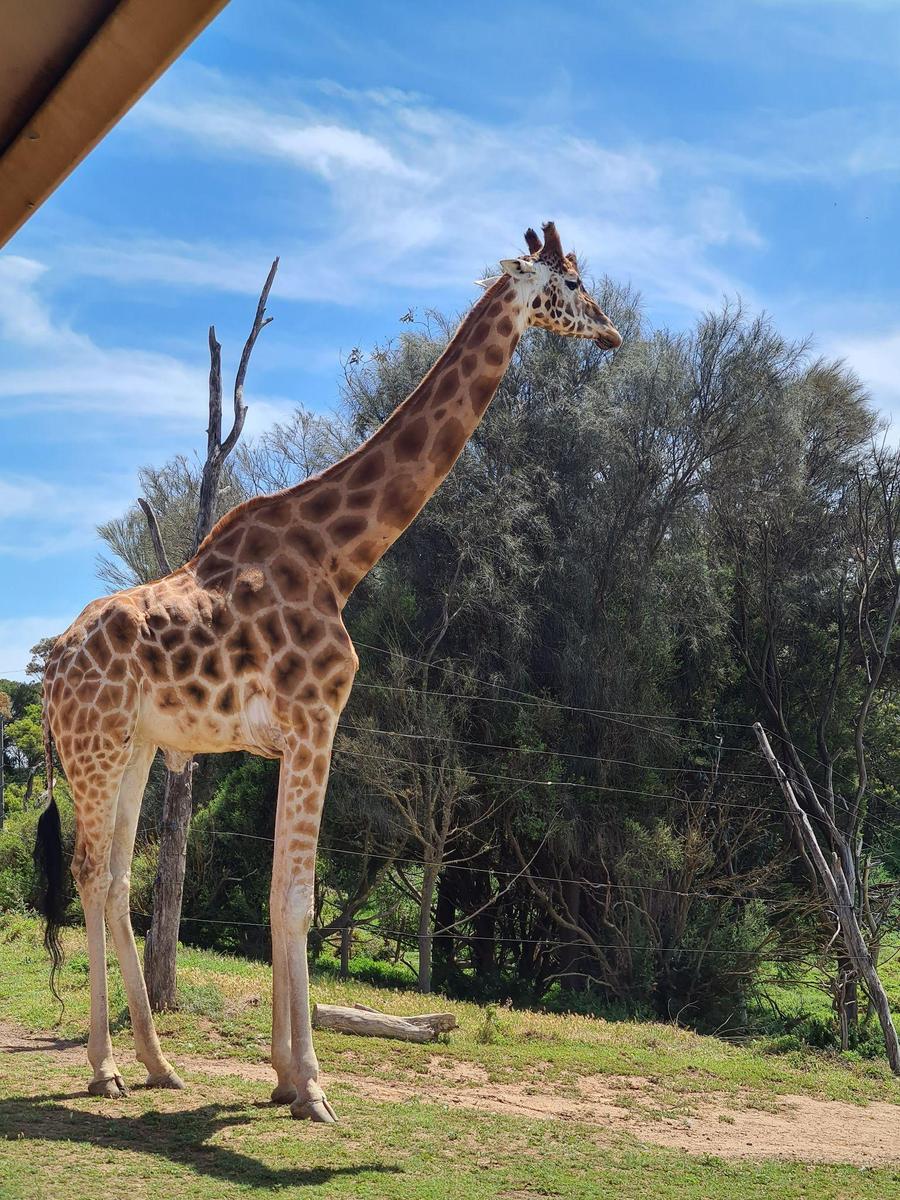
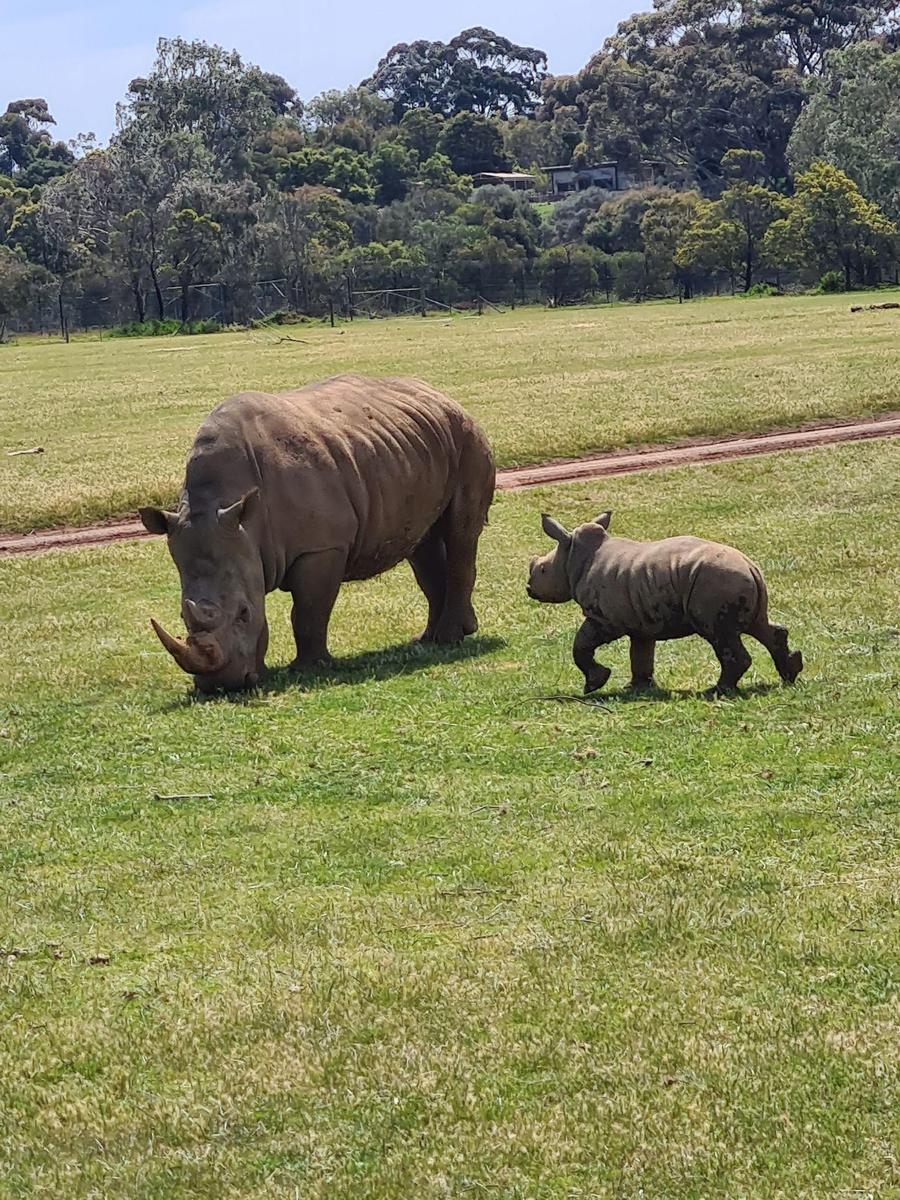
Animal Habitat: Students have begun exploring ‘Animal Habitats’ and recently had the opportunity to view different animal habitats at the Werribee Zoo. Students will further explore the necessities an animal needs to survive and thrive in the upcoming weeks.
Maths - In Maths lessons have been learning about location and Place Value.
- Location: Students explored directional language and navigating a series of maps with step-to-step instructions. e.g. Move forward 2, Move right 1, Move Back 3. Students also explored using verbal instruction to navigate a person from one location to another.
- Place Value: We have been identifying how many tens and how many ones are in a number and representing these numbers using MAB. We have been looking at what is one more and one less to these numbers as well as 10 more and 10 less.
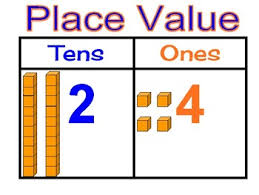
For example, we have the number 24, this means we have 2 tens and 4 ones.
One less is 23 and one more is 25.
Ten less is 14 and ten more is 35
SEL - In Social and Emotional learning students are learning how to be inclusive with their school peers and how to treat them nicely.
Home Learning Ideas
Some ideas of things you can work on at home this week:
Phonics
- Reading Together: Encourage your child to read a variety of books at home, paying attention to different spellings of familiar sounds. Point out tricky words and discuss the sounds and their spellings together. (Remember we have the LIttle Learners Online Platform)
- Sound Games: Play sound games such as “I Spy” with a focus on spelling patterns. For example, “I spy something with the sound /ay/.”
- Word Hunts: During reading or everyday activities, have your child spot words with the sounds they are learning. This reinforces their understanding of the sound-to-spelling connections.
Morphology
- Reading and Spotting Patterns: As you read together, point out words with these prefixes and discuss how the base word changes. This will help reinforce their understanding.
Syntax
- Sentence Practice: Challenge your child to come up with a statement, question, exclamation and command sentences, take turns creating sentences and see how many different sentences you can create
- Add the conjunction: Practise using the following conjunctions into a sentence. (but, because and so). e.g. The boy was tired because he was asleep
Story Champs
- Read and Retell: After reading a nonfiction text, ask your child to retell it using the key elements. You can prompt them with questions like, “What was the main idea?” or “What are some key details about the text?”
- Justifying the facts: Encourage your child to recall an important/interesting fact from a non-fiction text. Ask them to justify their thinking. e.g. Why do you think…?
Maths
- Play the robot game, take turns giving the other person (robot) instructions, your task is to use directional language to move the robot from one location to another.
- Students can play Mastermind practising place values up to three-digit numbers. Take turns guessing what the number can be, encourage your child to state the number and say the place value of each digit. e.g. 146 is 1 hundred, 4 tens and 6 ones.
- Use an assortment of materials at home, ask your child to make the number using these materials. Once completed, ask your child to add 1 more or 1 less and verbally explain the new number. Repeat for 10 more or 10 less.
- Remember that you can use Essential Assessment to support some learning at home through My Numeracy, Jetpack Algebra and Sunset Maths
SEL
- Remember to have conversations about the different ways we can support each other and include others in our community. Also discuss how we treat others nicely as that is the way we would like to be treated.