STEM News
STEM stands for Science, Technology, Engineering and Maths. These subject areas will be explored throughout the school year, with a change of focus in each term. STEM learning involves scientific and technological understanding, as well as practising hands-on skills through experimentation and design.
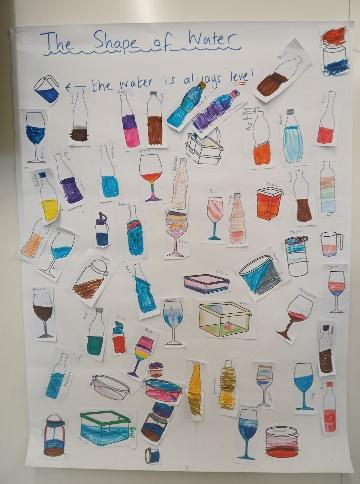
Foundation students are exploring water, including what it is used for and how it behaves. On Wednesday 16th October, students had an incursion from Great Western Water, explaining how water is used and detailing where water comes from. In class, students are participating in guided investigations, and making observations about the shape that water takes in a container and on a surface. They coloured in different shaped containers and added them to a chart to show their understanding of water levels.
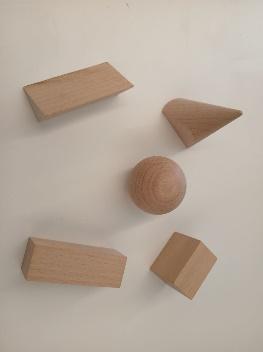
Grade 1 and grade 2 students are learning about forces - that objects can only move when a force is applied. Their investigations have led to them discovering that the size of the force, the shape of the object, and the surface that the object is on affects how an object moves. We remember these as the 3 S’s.
An excursion to the Lego Discovery Centre has been organised for grade 1 and 2 students, who will participate in an education workshop about push and pull forces in the form of a push car derby. Details are available to view on Compass events and payment/consent is required.
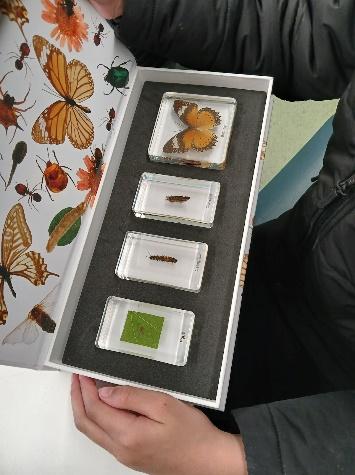
Grade 3/4 & 4/5 students have started their biology units, learning about living things. So far students have learned that all living things have life cycles - stages of development. There has been a lot of new vocabulary as students have discovered that each classification of living thing has its own unique life cycle.
We learned that there are two Australian animals that do not fit in with the expected mammal life cycle of embryo, infant, and adult. The platypus and the echidna are mammals that lay eggs!
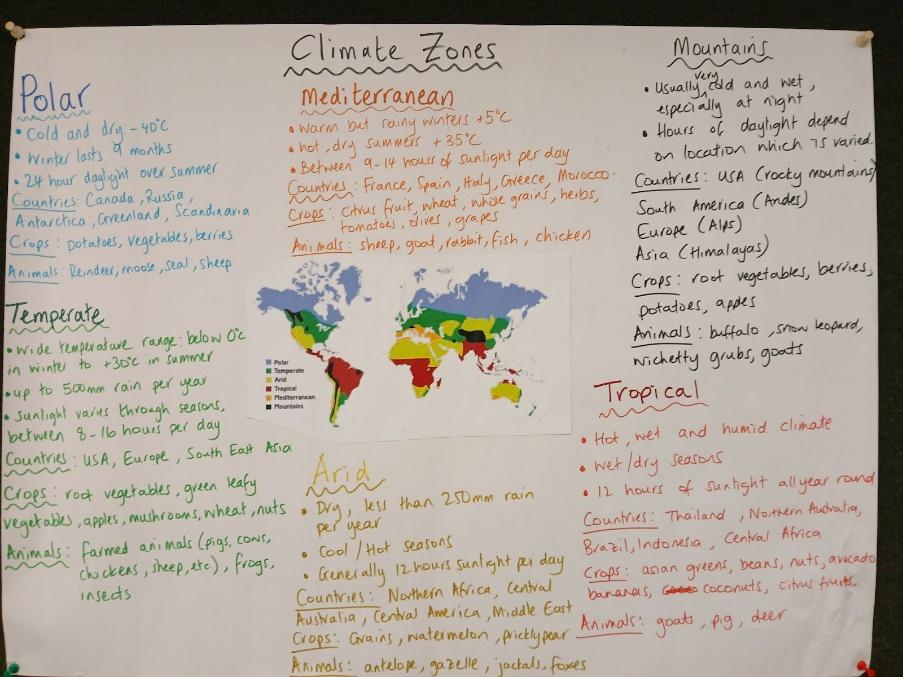
Grade 5/6 students have begun their design technology unit of food and fibre production. So far, students have researched world climate zones to find out the types of food that are traditionally eaten and produced, summarised in the chart below. Students will then compare traditional farming practices in Australia with modern farming practices using a Venn diagram.
Kim Miter