
Principal's Report
Updates from the Teaching and Learning Team: David Yacoub, Ivanka Fiamengo and Tamara Ghazale



Our College’s Priorities in 2026
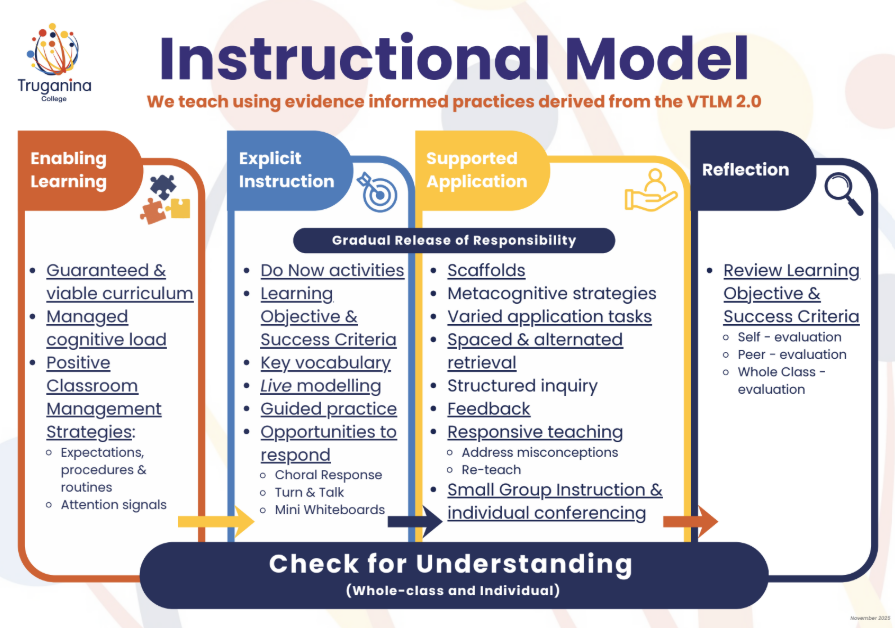
At Truganina P-9 College, we have recently developed and implemented a new Instructional Model which aligns with the Victorian Teaching and Learning Model 2.0. Our Instructional Model is designed to ensure consistency across the College, when our Professional Learning Communities meet collaboratively on a weekly basis to plan for and deliver learning experiences.
The Instructional Model consists of four stages:
- Enabling Learning
- Explicit Instruction
- Supported Application
Reflection
The Enabling Learning phase comprises to ensure that we have a Guaranteed and Viable Curriculum across our College. Positive Classroom Management Strategies such as familiar procedures, routines, expectations and attention signals are in place to enable learning to occur.
As part of Explicit Instruction, students partake in short Do Now activities which support reviewing previous material learnt, activating prior knowledge and settling students. Each lesson commences with a learning objective and success criteria. Students observe live teacher modelling where they have several opportunities to respond and ask questions.
During Supported Application, students are provided varied application tasks which they are required to complete either independently or collaboratively. Students are provided with spaced and alternated retrieval, so that they have multiple exposures to learn a new concept. There is a gradual release of responsibility as part of the learning process, which occurs as students have several opportunities to learn new knowledge, skills and concepts. Small group instruction and individual conferencing occur during this part of the learning experience, where students are provided feedback aligned with their learning.
The final phase of our Instruction Model is reflection, where the learning objectives and success criteria are reviewed. Some examples of how this occurs include self-evaluation, peer-evaluation and whole-class evaluation. Across all four stages of our Instructional Model, an emphasis has been placed on checking for student understanding through both a whole-class and individual lens.
Coaching with Learning Specialists
Our teachers work closely with Learning Specialists through regular coaching cycles. They receive ongoing support, regular feedback and professional learning to refine and improve their practice. Through coaching we are able to strengthen evidence based teaching strategies, use student data to guide instruction and ensure consistency in classrooms of high impact instructional practices.
Clear Learning Environment Guidelines and Learning Walks
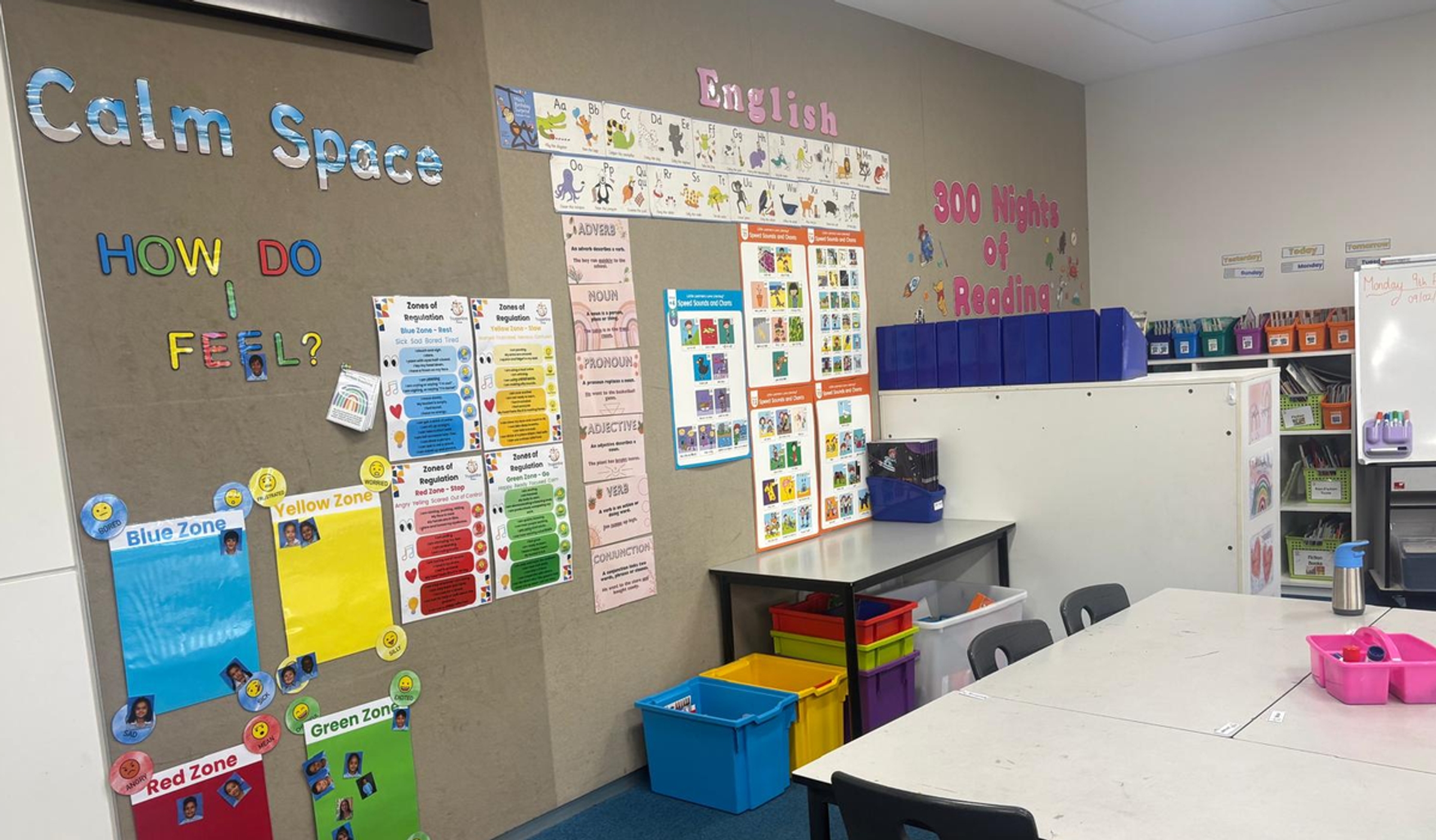
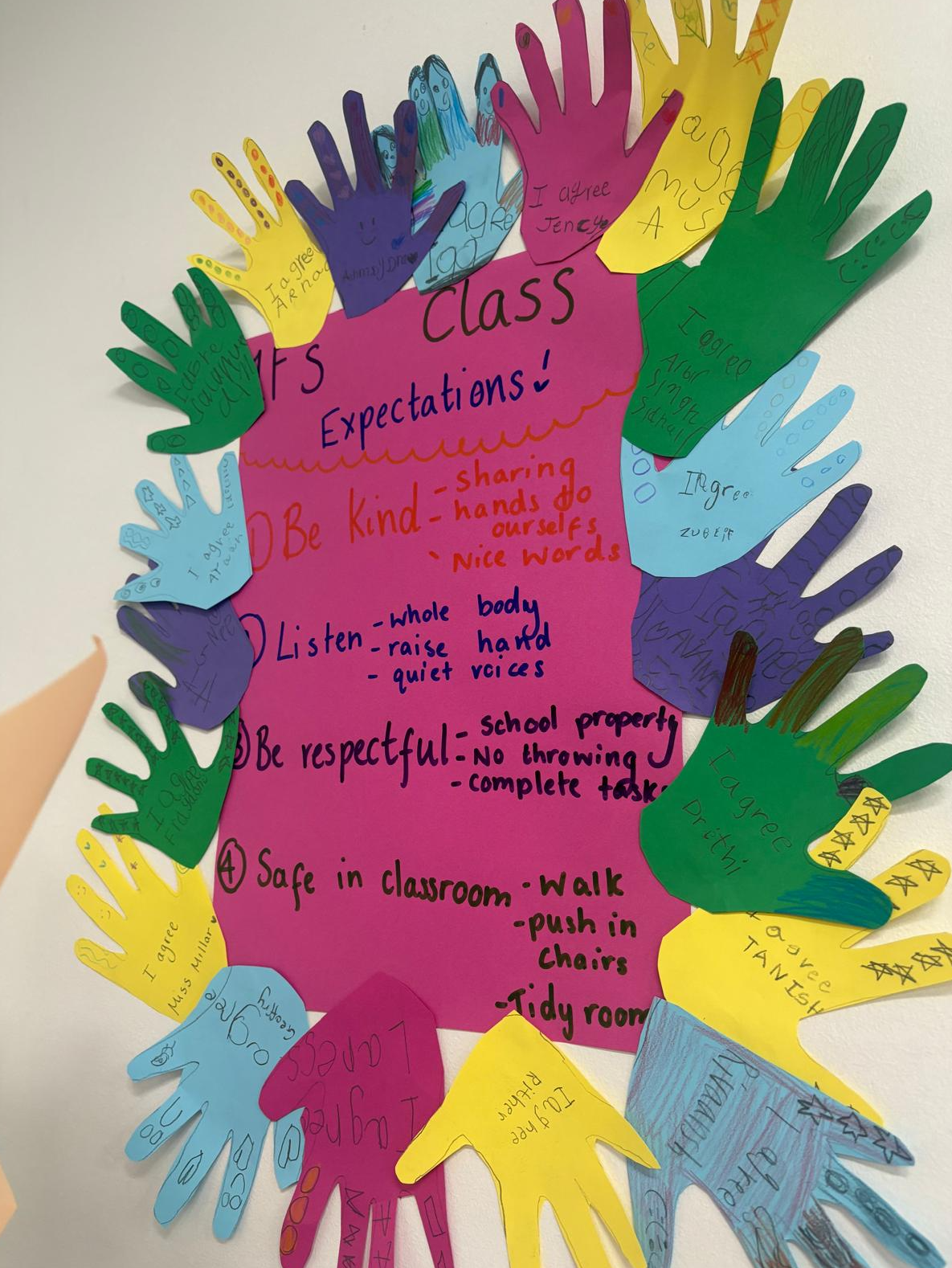
We are implementing consistent learning environment guidelines across our College to ensure every classroom is calm, safe and organised to foster learning. This includes clear expectations for behaviour, visible displays in classrooms and consistent entry and exit routines.
A predictable and supportive learning environment helps students to feel secure and ready to learn.
Assistant Principals regularly participate in Learning Walks through classrooms to observe teaching and learning in action. This helps us to celebrate learning, ensure consistency across classrooms, identify areas for growth and provide feedback for students and teachers.
Positive Classroom Management Strategies
The PCMS consists of 8 evidence-informed instructional practices designed to create safer, purposeful learning environments. These practices support student learning and wellbeing through teaching positive behaviours.
The practices are based on the guiding principle that behaviour can be taught with explicit teaching and positive reinforcement and disciplinary measures alone do not teach students what to do.
In 2025, as a College we implemented the first 3 strategies:
1. Classroom Expectations
2. Classroom Procedures and Routines
3. Encouraging Expected Behaviour
This year, we continue to practise and embed these into our everyday interactions with staff, students, families and the learning environment as we introduce the next 5 strategies:
4. Discouraging Inappropriate Behaviour
5. Active Supervision
6. Opportunities to Respond
7. Activity Sequence and Choice
8. Task Difficulty
We are strengthening consistent entry and exit routines in every classroom. These routines set the tone for learning, maximise instructional time, help students transition into lessons and reinforce learning.
Together these priorities create a consistent, supportive and high quality learning experience for every student.
Supporting Learning at Home: A Shared Partnership
Supporting a child’s learning does not stop at the school gate. When families and schools work together, students are more likely to feel confident, motivated, and supported in their learning. Learning at home reinforces what happens in the classroom and helps children develop positive habits such as organisation, persistence, and independence.
At Truganina P-9 College, we see learning as an ongoing partnership between home and school, where shared expectations and consistent routines make a meaningful difference for students.
A key whole-school focus is our 300 Nights of Reading goal. Regular reading at home builds vocabulary, background knowledge, comprehension skills, and fosters a lifelong love of reading. Students record their reading in their planners, and teachers provide weekly feedback to encourage consistency and growth.
Families can support learning at home by:
- Encouraging regular reading routines
- Asking children about what they are learning at school
- Supporting the use of planners to track reading
- Celebrating effort and persistence, rather than just outcomes
Together, strong home and school partnerships support students to thrive academically and develop lifelong learning habits.