
Secondary School News
Secondary School News
Dear Collingwood College Community,
I would like to thank you for supporting your child with returning to school - it has been an amazing start to the school year!
My office is now located on the second floor amongst students and I have really enjoyed seeing students positively transition to their next year of learning.
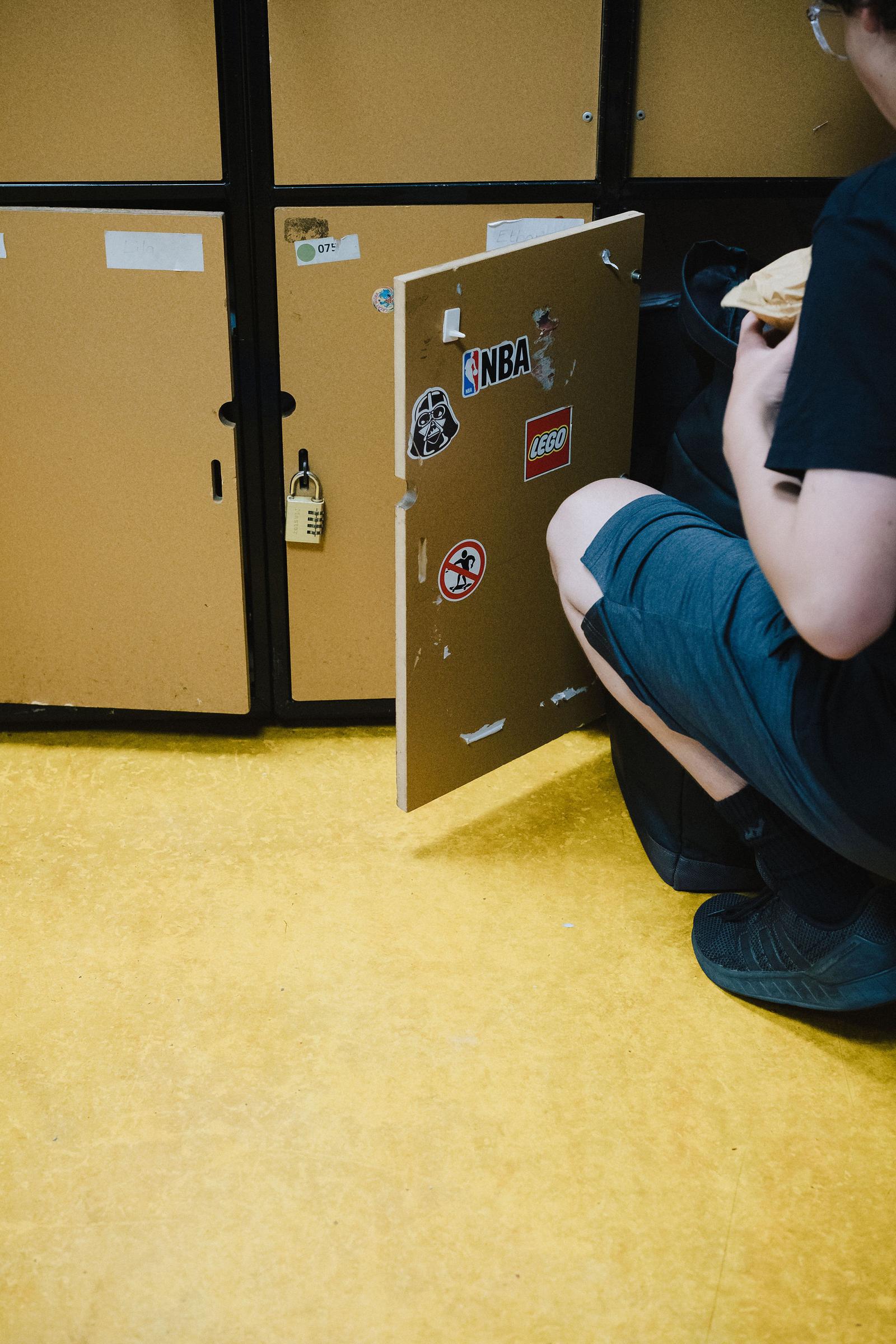
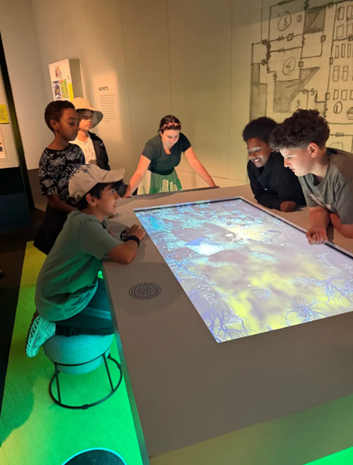
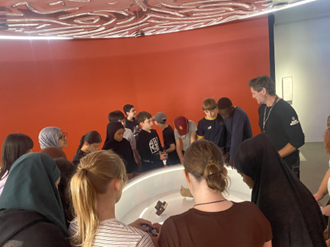
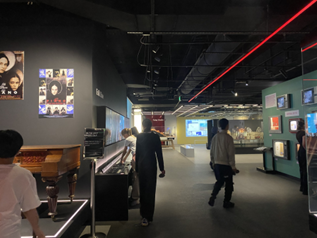
I would like to especially acknowledge the efforts of our Year 7 students who have shown curiosity and resilience as they have been navigating the changes that come with starting secondary school - various things such as new learning spaces, lockers with combination locks, and different subjects and teachers! It has also been wonderful to see friendships form, and students interacting and having fun in different situations like the dinner and trivia as part of the two day Year 7 City Experience.
Year 7 City Experience
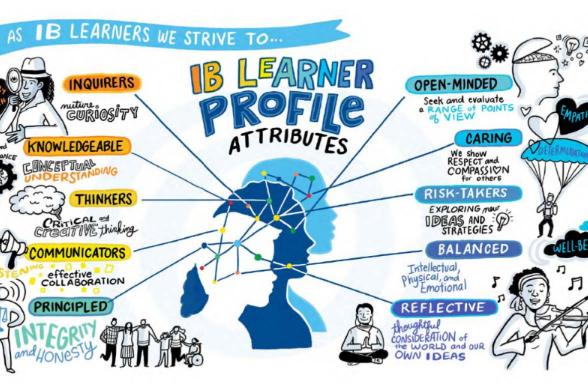
Mainstream students undertaking the Middle Years Program have been introduced to the Learner Profile and have started to consider these positive attributes in themselves and others in Home Group activities. You may have already received a Positive Recognition email/text from your child’s subject teachers!
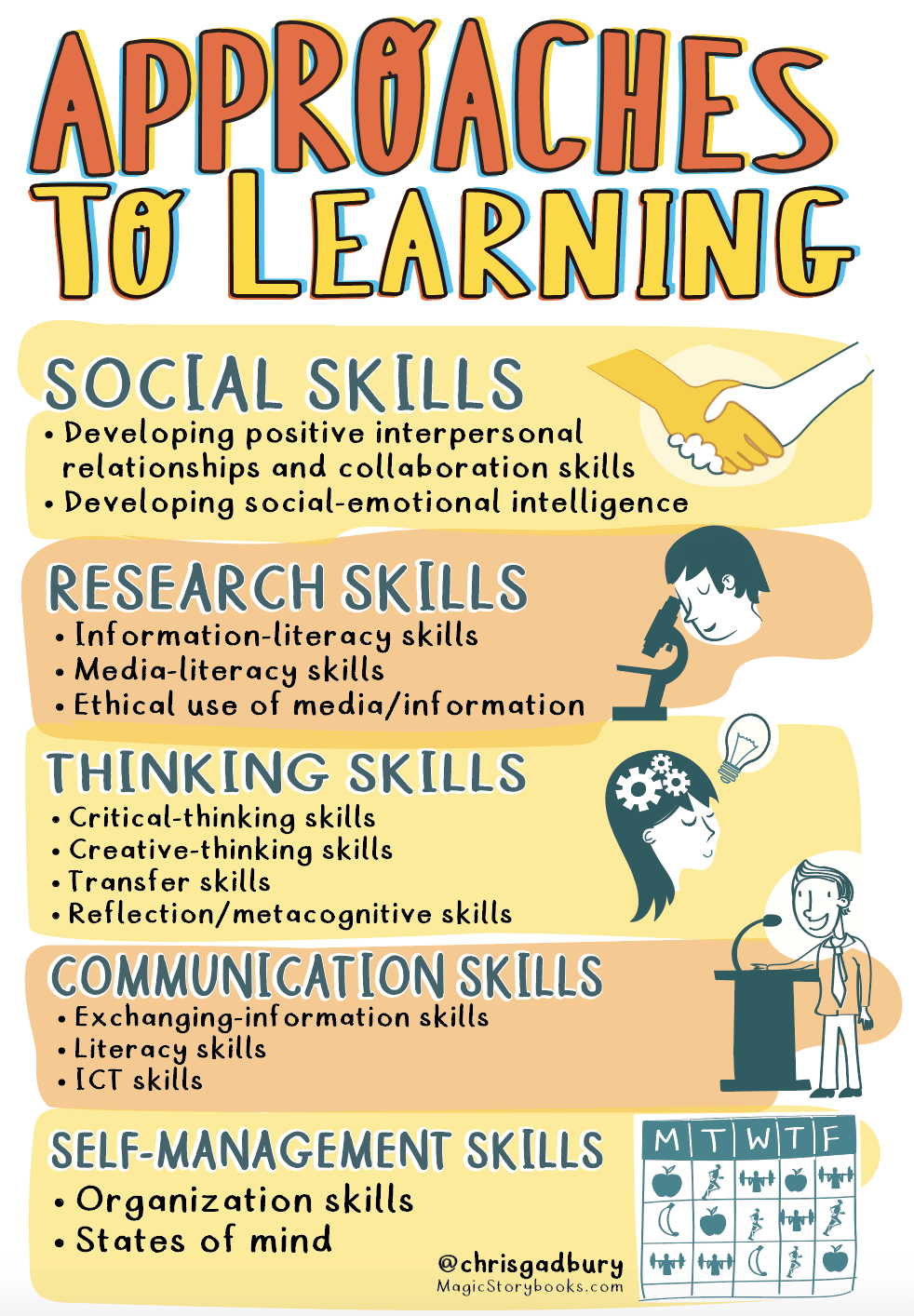
Approaches to Learning (ATL)
Students have also started to think about the different skills that support learning - Social skills, Research skills, Thinking skills, Communication and Time-Management skills,
During Week 9 (March 26 and 27), our college will undergo a Verification Visit for the Middle Years Program which is the final stage in the authorisation process to become an IB World School. This will take place over two days and will allow IB verification members to meet with leadership, School Council President, teachers, and both parents and student focus groups to discuss various aspects of the program.
I would like to remind families of the support that our Homework Club ( Learning Hub) can provide. Students have access to experienced and qualified tutors who can provide support with revising content, practising skills and completing learning tasks. Now offered Tuesday, Wednesday and Thursday every week in the Library from 3.15 to 5.15.
I’m delighted to have received positive feedback from parents for the recently introduced policy of Tech Free Tuesday and Thursday in the library. This is to encourage a range of alternative activities that do not involve screens such as reading, individual/collaborative study and games. *this new policy coincides with our overall ‘No devices during recess and lunchtimes on school grounds.’
As an English teacher, I love the idea of encouraging students to read for pleasure and peruse the books in the library, and believe this to be a proactive step to increase young people’s interest in reading. We are very fortunate to have an experienced and passionate school librarian who listens to students in terms of the books they want to read, but also purchases a wide selection of reading material to introduce students to different authors and genres. Please encourage your child to borrow books from our school library and embed reading into their weekly routine.
I look forward to undertaking the Assistant Principal role again this year and working with the Collingwood College community. It is a very exciting time at our college in terms of the teaching and learning that is taking place within Mainstream and Steiner classrooms.
Please do not hesitate to reach out should you have any questions related specifically to curriculum, and/or teaching and learning.
Kind regards,
Lori Michael
Assistant Principal - Teaching and Learning
Homework Club - Learning Hub
I would like to remind secondary families that Learning Hub is and excellent support available to families.
Lori Michael
Acting Assistant Principal - Teaching and Learning
Head Start Program
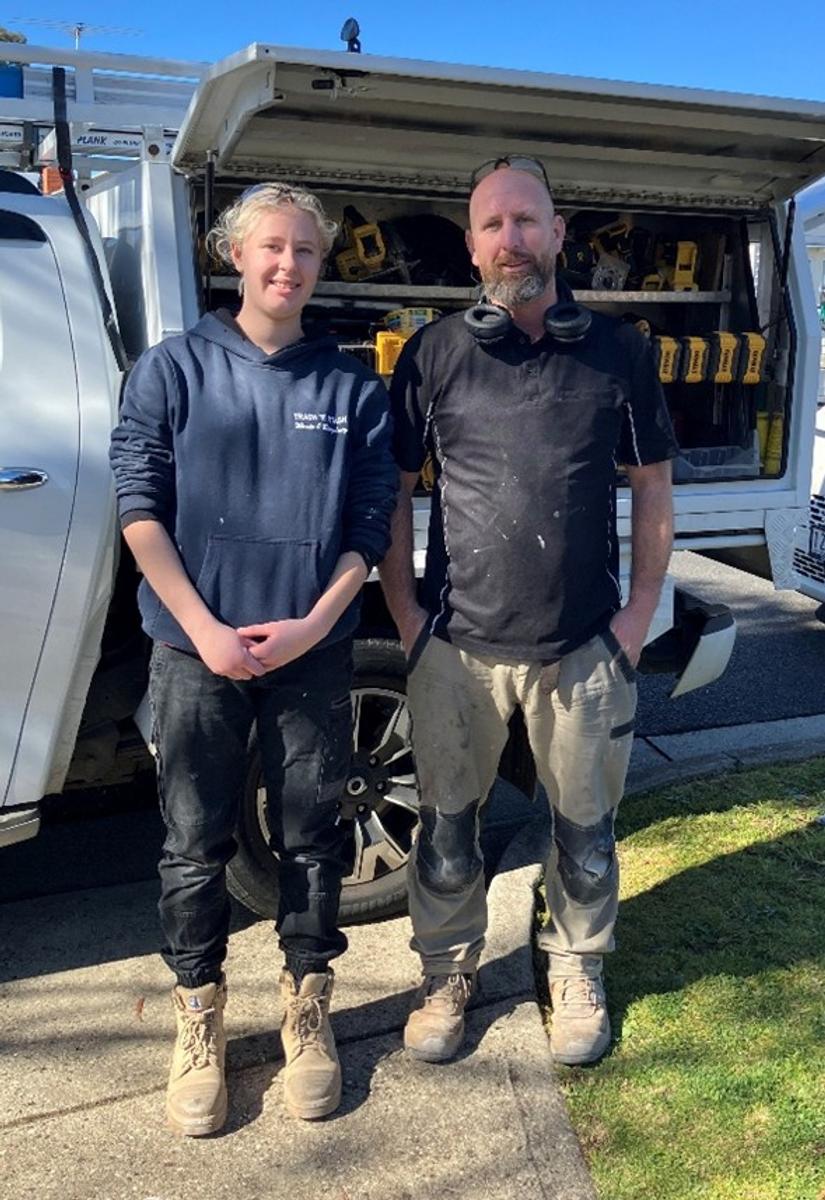
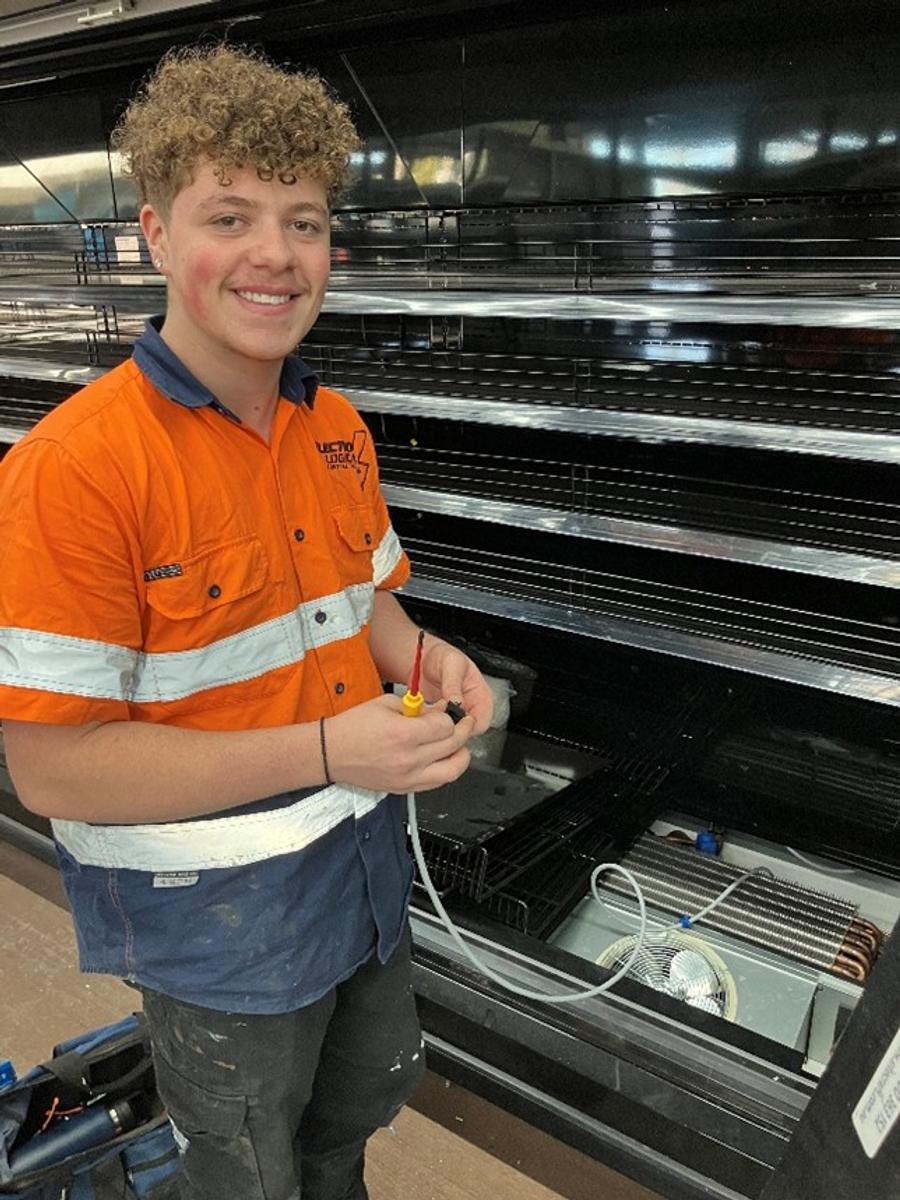
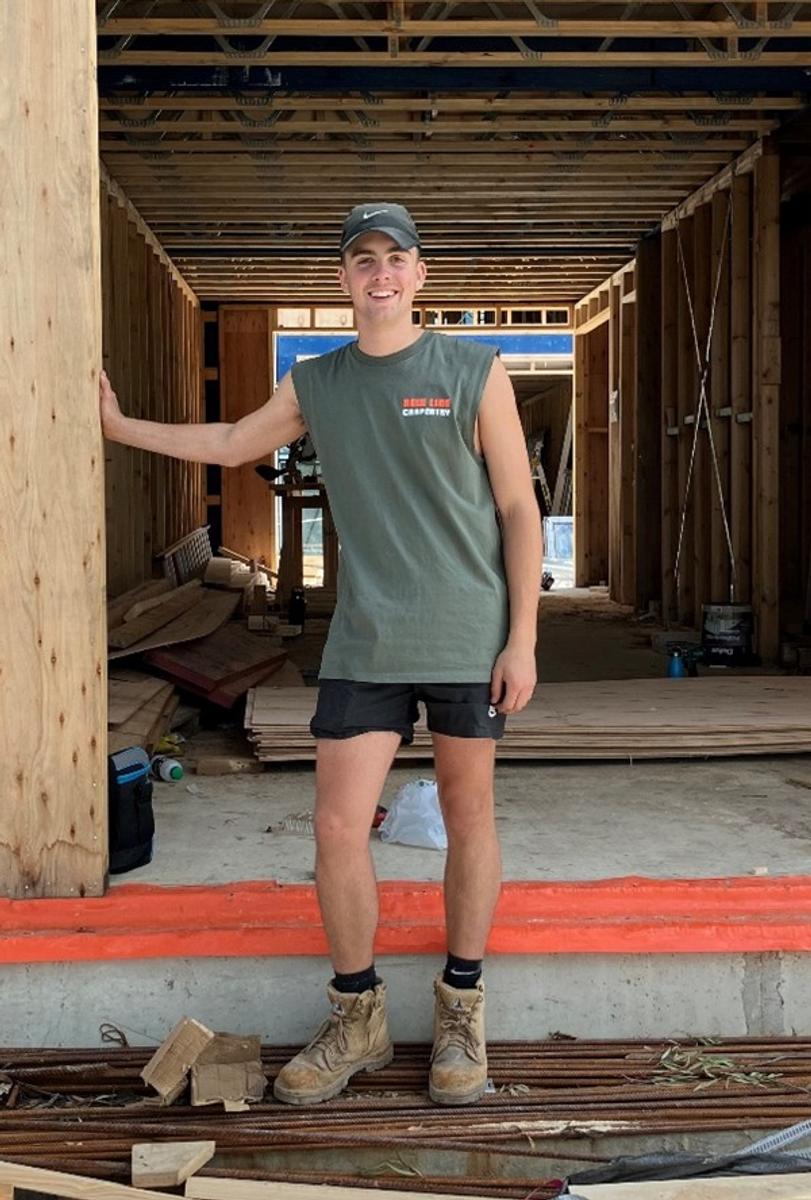
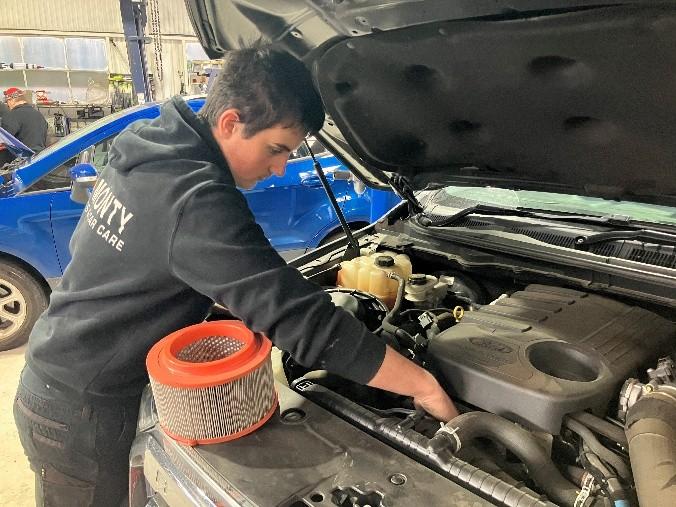
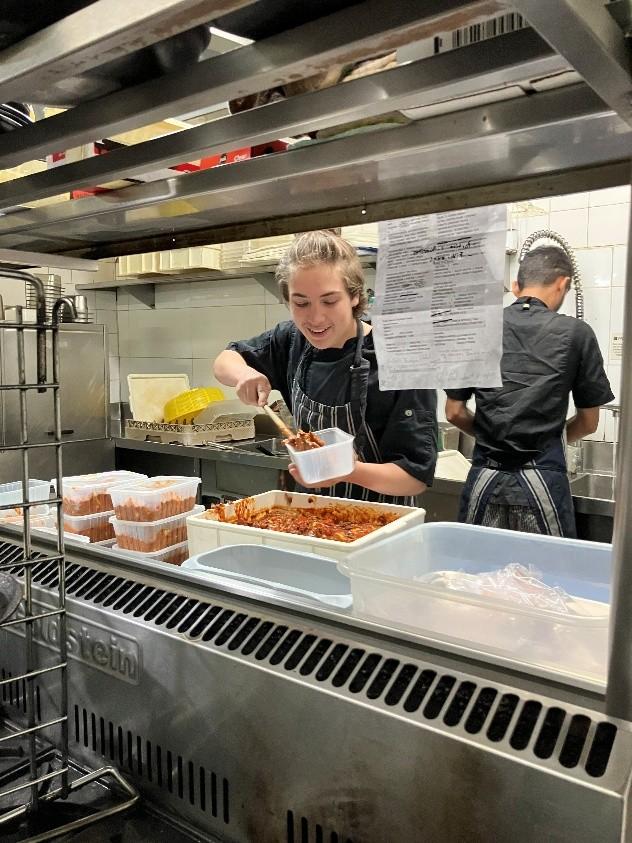
Get a Head Start with a School-Based Apprenticeships and Traineeships (SBATs)
Did you know that students enrolled in VCE can do an apprenticeship or traineeship and get credit toward their senior studies? It’s a great way to get into a career while completing Year 12. SBATs earn a wage, receive specialised training and complete their schooling all at the same time. The Head Start program is here to help.


Adam Hutterer
Head Start Program
Introducing Year 10 Digital Portfolios and the 5C Assessment System
At Collingwood College, we are committed to preparing our students for a world that is rapidly changing. While traditional subject knowledge remains important, the modern landscape demands more. Employers and universities are increasingly looking for "New Metrics" — evidence of a student's ability to think critically, collaborate, and adapt.
To meet this challenge, we are excited to announce the launch of our Student Digital Portfolios and the 5C Assessment System.
What are the 5Cs?
Rather than just focusing on a percentage on a test, our students will now be assessed on five core competencies that underpin all successful learning and professional life:
- Creativity: Generating innovative solutions and embracing new perspectives.
- Community: Building relationships and contributing to a positive environment.
- Communication: Expressing complex ideas clearly and interpreting information deeply.
- Commitment: Demonstrating perseverance, organisation, and a growth mindset.
- Cognition: Critical thinking, problem-solving, and developing domain expertise.
Work Hard, Get Smart, Be Kind
The 5Cs also link directly with our school motto:
- Show Up = Commitment + Community
- Work Hard = Creativity + Commitment + Cognition
- Be Kind = Community
Our new motto isn’t just a catchy phrase, it is a model of what we expect from every member of our community. This also links directly to our Learner Profile attributes (highlighted in this newsletter)
The Digital Portfolio: A Living Transcript
Every student has been given a personal Google Sites Digital Portfolio. This is more than just a website; it is a "Digital Vault" of their academic journey. Throughout the year, students will:
- Curate Work: Upload artefacts of the work they complete in each subject.
- Reflect on Growth: Document not just what they produced, but how they learned.
- Showcase Mastery: Curate the evidence that best demonstrates each of the 5Cs.
- Collect Level Patches: When students feel they are ready, they will complete questionnaires on each of the 5Cs and select a teacher to validate their current level. When they collect all 5 patches, they will receive a Master Profile that represents their current progress in the 5Cs.
A Shared Journey
This system gives you, as parents, a window into the classroom like never before. Instead of waiting for a bi-annual report card, you can browse your child’s portfolio to see the work they are proud of and the specific competencies they are mastering.
We are proud to be at the forefront of this "New Metrics" movement, ensuring that every student leaves our school with a rich, validated profile of who they are and what they are truly capable of.
Pro-Tip for Parents
Ask your child to show you their Digital Portfolio this week. Look at their subject pages and ask them which of the 5Cs they think their work so far demonstrates.
This work is being done in collaboration with Fitzroy High School, Lead Teacher Travis Mackenzie, and falls within our shared approach of having high expectations for success for our students.
Lori Michael
Assistant Principal - Teaching and Learning
The Learner Profile
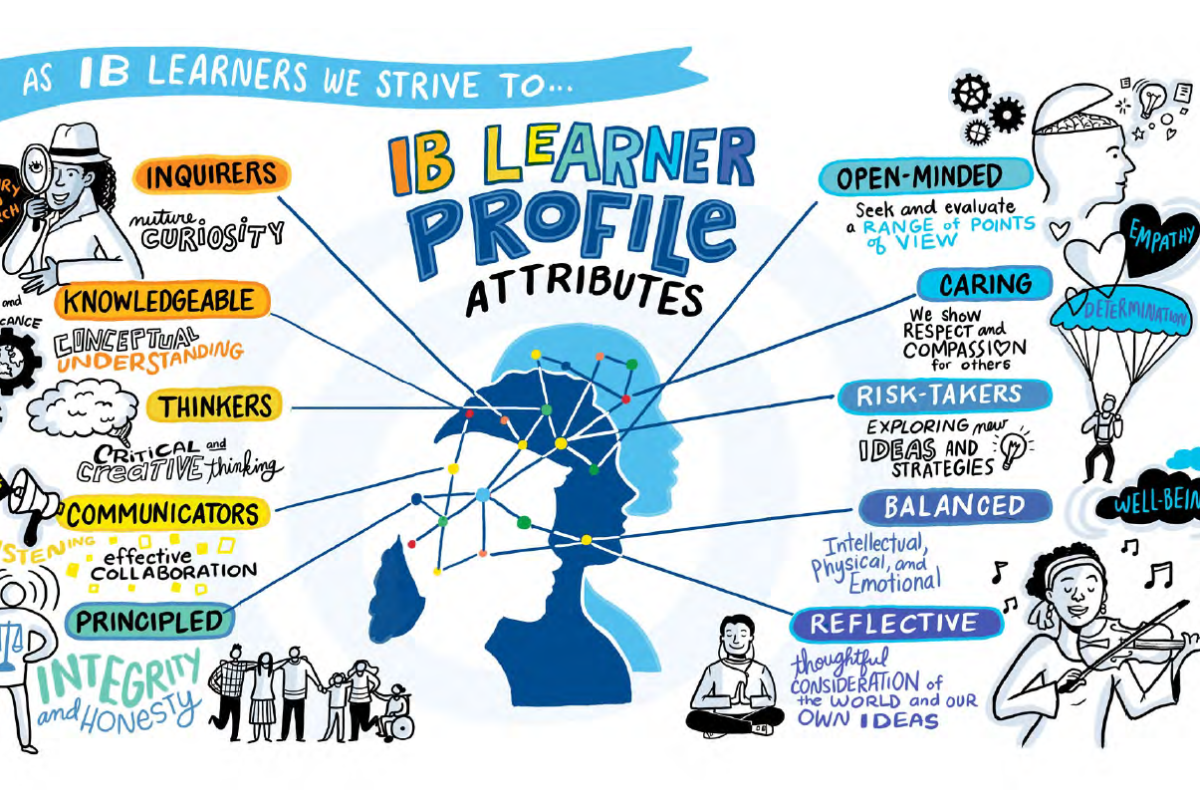
Below are a range of ways that you can promote the Learner Profile attributes at home within the family.
A simple approach is to model and recognise. Enjoy 🙂
| The Learner Profile |
| Inquirers | We nurture our curiosity. We know how to learn independently and with others. We learn with enthusiasm and value a love of life-long learning. |
|
| Open-Minded | We critically appreciate our own cultures and personal histories, and those of other people. We seek and evaluate a range of points of view, and we are willing to grow from the experience. |
|
| Thinkers | We use critical and creative thinking skills to analyse and take responsible action on complex problems. We exercise initiative in making reasoned, ethical decisions. |
|
| Caring | We show empathy, compassion and respect. We act to make a positive difference in the lives of others and in the world around us. |
|
| Knowledgeable | We develop and use conceptual understanding, exploring knowledge across a range of disciplines. We engage with issues and ideas that have local and global decisions. |
|
| Principled | We act with integrity and honesty, with a strong sense of fairness and justice, and with respect for the dignity and rights of people everywhere. We take responsibility for our actions and their consequences. |
|
| Balanced | We understand the importance of balancing different aspects of our lives - intellectual, physical and emotional - to achieve well-being for ourselves and others. We recognise our interdependence with other people and with the world in which we live. |
|
| Communicators | We express ourselves confidently and creatively in different languages. We collaborate effectively, actively listening to the perspectives of other individuals or groups. |
|
| Reflective | We thoughtfully consider the world and our own ideas and experiences. We work to understand our strengths and weaknesses in order to support our learning and personal development. |
|
| Risk-takers | We approach uncertaining with forethought and determination; we work independently and cooperatively to explore new ideas and strategies. We are resourceful and resilient in the face of challenges and change. We see making mistakes as a natural part of the learning process. |
|
Lori Michael - MYP Coordinator
COLLINGWOOD COLLEGE ON FACEBOOK AND INSTAGRAM
Collingwood College is online! Feel free to follow us on:
Instagram https://www.instagram.com/collingwood.college/ and like us on our Facebook page https://www.facebook.com/collingwood.vic.edu.au/ to keep up to date with everything that our school has to offer our students and the community.