
Wellbeing
Amanda Wilson | Assistant Principal
Wellbeing
Amanda Wilson | Assistant Principal
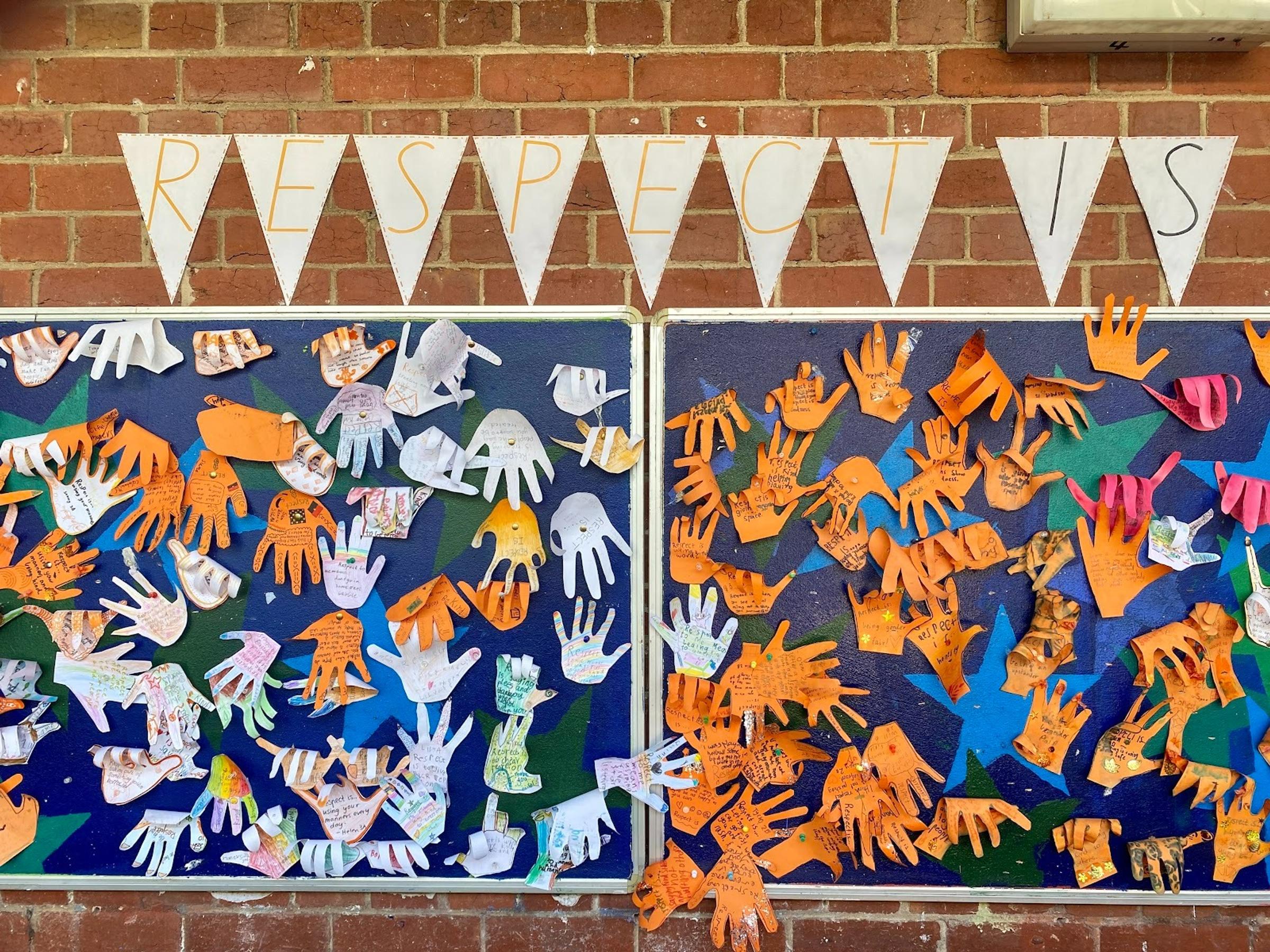
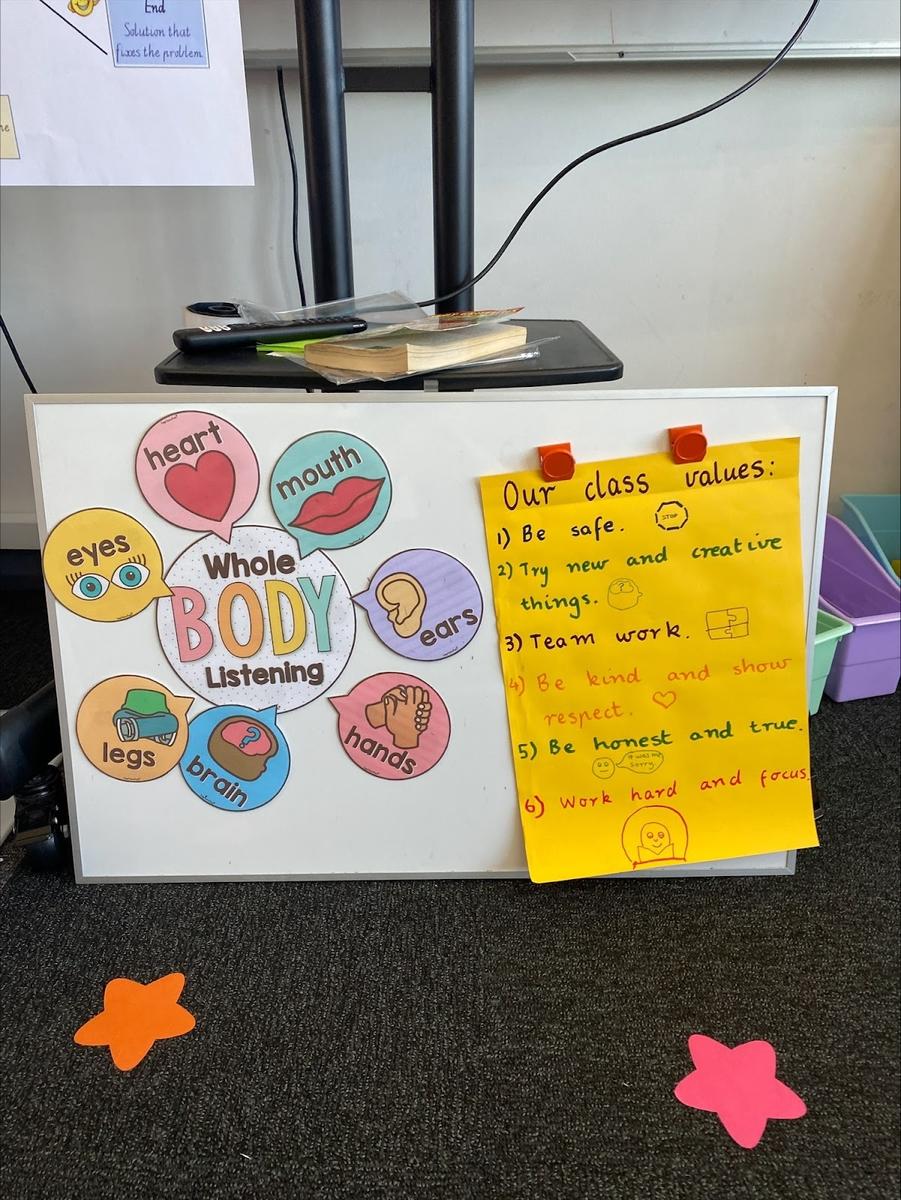
Have a glance to see what activities have been occurring in classrooms to reflect our Social, Emotional Learning Program in action as students have been settling into their 2026 classrooms.
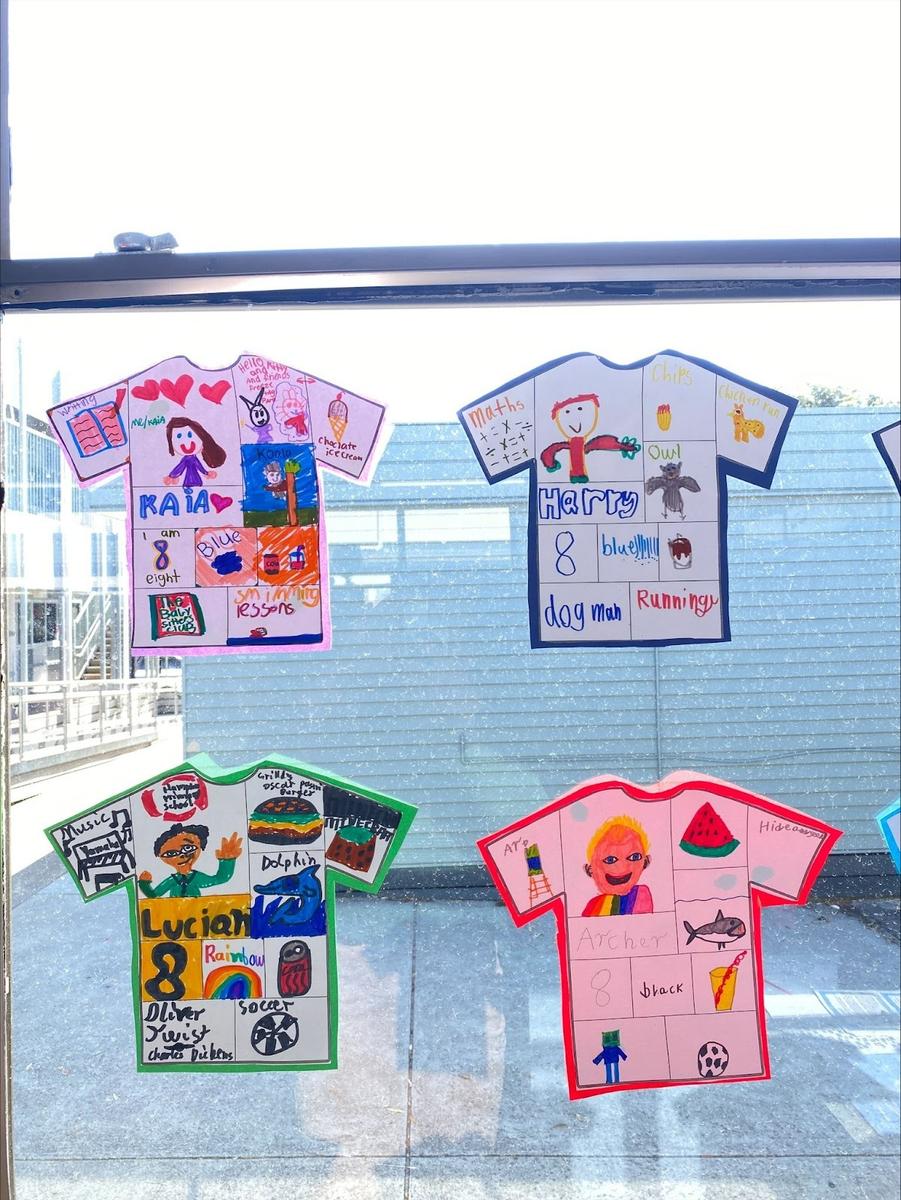
Learning about who we are with Grade Three
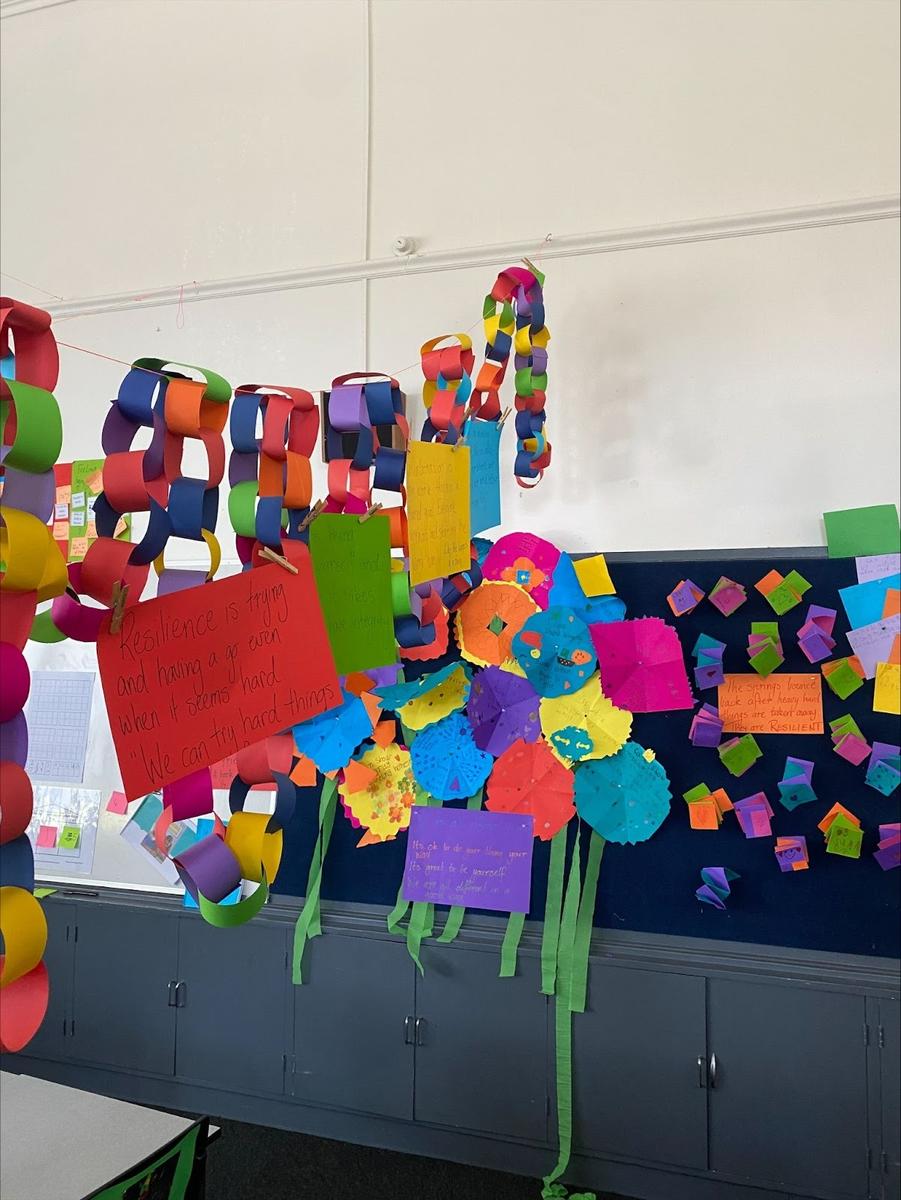
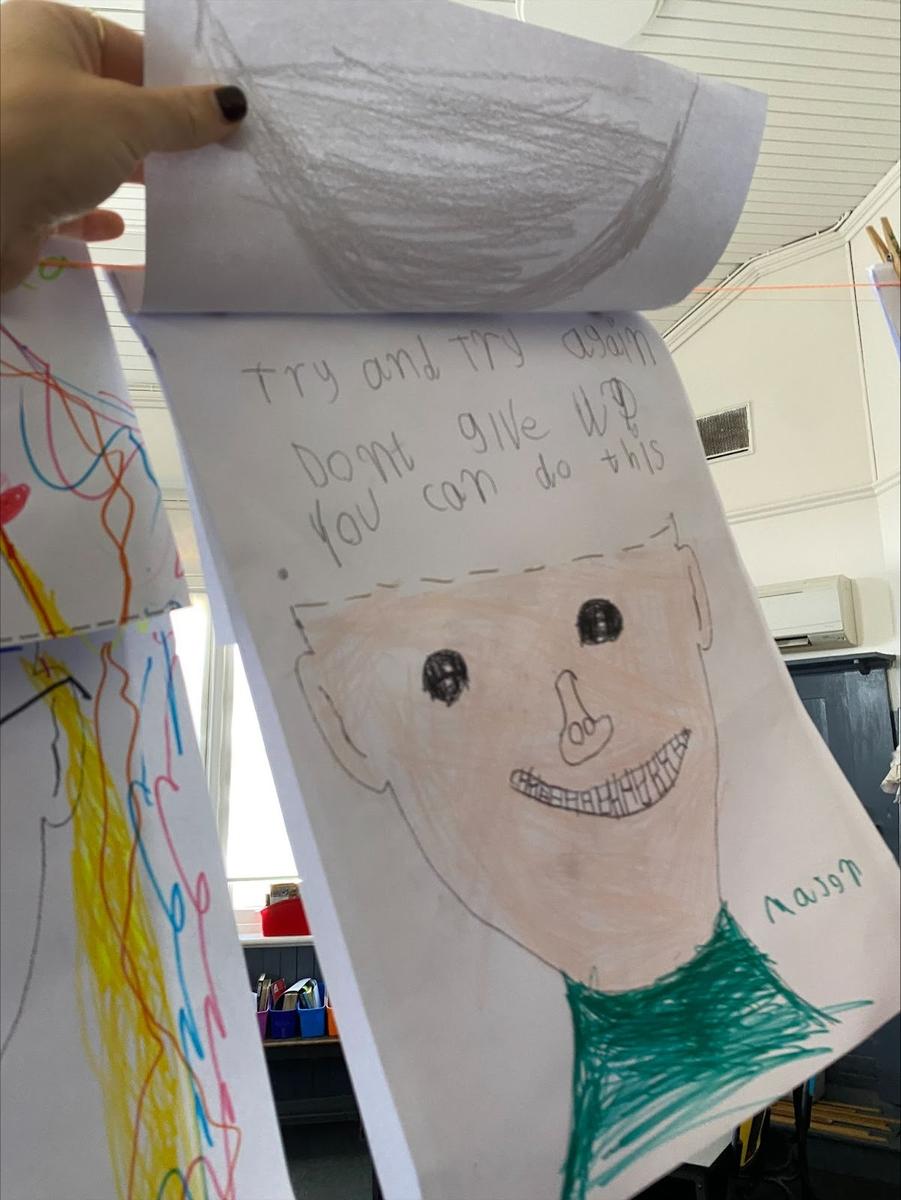
Understanding our school Norm: Resilience in action with Grade One
Clearly defining behavioural norms with Grade Two
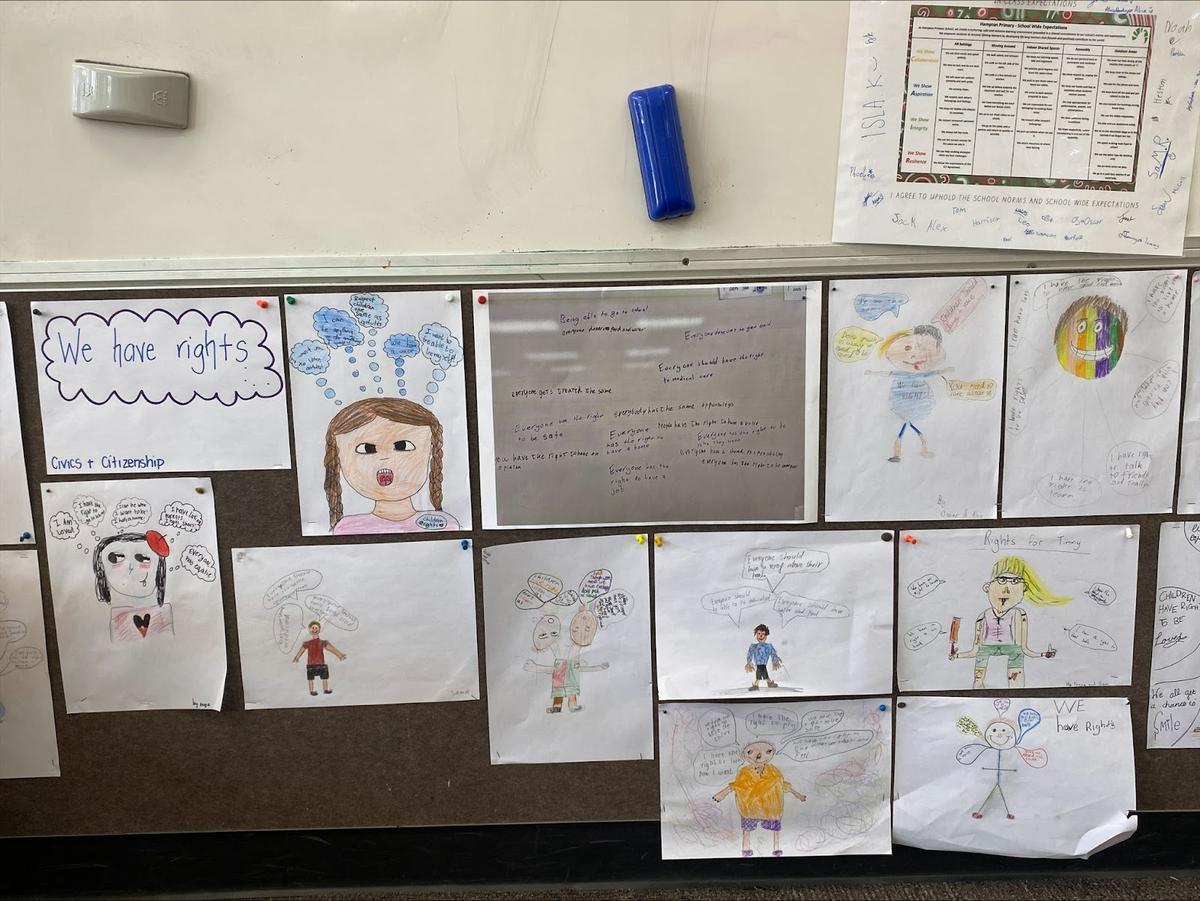
Exploring the Rights of the Child With Grade Six
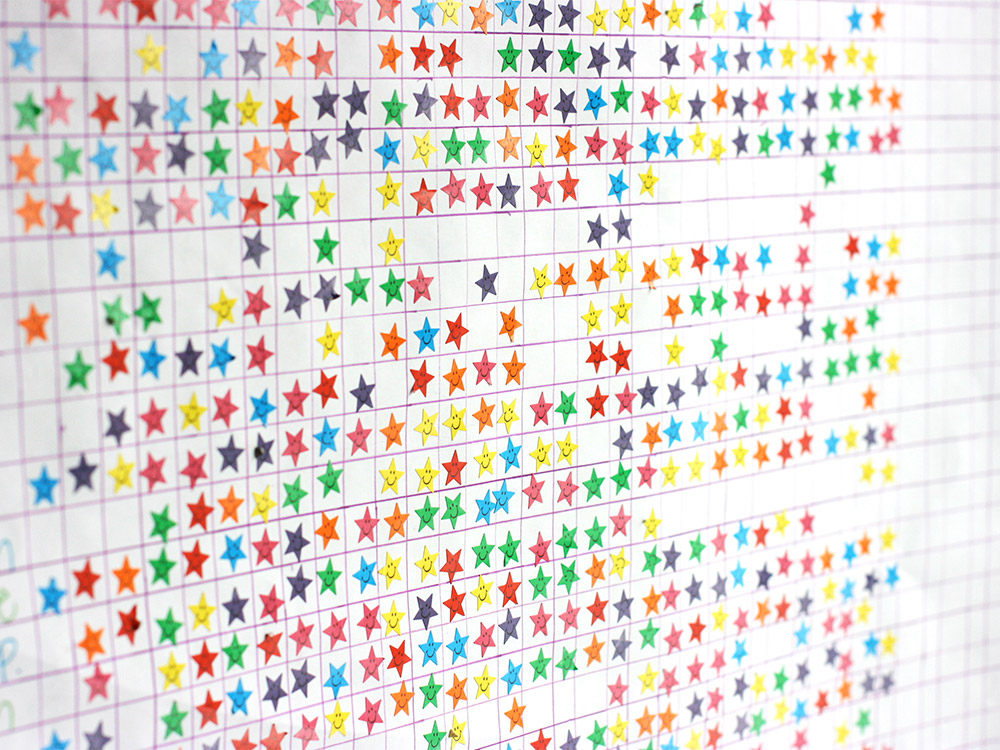
Encouraging Pro-Social Behaviour with your Child - A guide on how to implement an extrinsic Reward System
Key Points
What are Reward Charts?
Reward charts are a way of guiding children towards positive behaviour.
Reward charts come in several forms, including wall posters and apps.
Reward charts name or show a positive behaviour or goal you want your child to achieve – for example, saying ‘please’, setting the table or doing up their own shoelaces.
Your child’s chart shows how often your child achieves their behaviour goals. For example, if you’re using a wall poster, the chart might have spaces for ticks or stickers. An app might have stars that pop up on the screen. Your child gets a tick, sticker or star each time they do the behaviour. A certain number of ticks, stickers or stars adds up to a reward for your child.
Reward charts are a powerful way of:
Reward charts work well for children aged 3-8 years.
Many things influence children’s behaviour. It’s always a good idea to think about why your child is behaving in a particular way. When you understand the reasons for your child’s behaviour, you’re better able to choose an appropriate response.
How and why reward charts work
When your child tries hard to change their behaviour, a reward chart can show them when they’ve done a good job. They keep your child motivated.
The rewards themselves reinforce positive behaviour and make it more likely to happen again.
And reward charts can help you to focus on the positives in your child’s behaviour. This might be helpful if you sometimes feel frustrated by your child’s behaviour and pay more attention to their challenging behaviour.
It’s good to involve your child as much as possible when you’re setting up a reward chart. For example, talk together about the positive behaviour you’re aiming for and work through the steps below before you start.
How to make reward charts work well: tips
Identify a behaviour and describe it clearly
Reward charts work best if you use them for only one behaviour at a time.
Clear and positive descriptions make the behaviour more likely. For example, ‘Pick up all the toys from your bedroom floor’ is clearer than ‘Tidy your bedroom’. And ‘Put dirty clothes in the laundry basket’ is more positive than ‘Don’t leave your dirty clothes on the floor’.
Choose a chart
You can buy or download a chart or app, or make your own chart based on your child’s age and interests. For example, you could use a puzzle as your chart and give your child one piece at a time to build it. Older children might like to make their own charts, perhaps with a drawing or photo of the reward they’re trying to earn.
Wall charts let your child see their progress and feel responsible for it. But note that older children might prefer the chart to be hung in their bedrooms or somewhere else private.
Reward chart apps are portable. You can use them even when you’re out. They’re less visible and more private than wall charts, so they can work well for older children.
When you’ve decided on your chart, decide which stickers or tokens to use. Star stickers work well for younger children, whereas older children might like points or other markers.
Choose short-term rewards
Most children enjoy collecting stickers or tokens at the start. But the novelty can wear off quickly. So it’s good to choose rewards that you can give often if your child earns them, like a family bike ride, special time with mum or dad, the chance to stay up later than usual, a movie night, or a new book or small toy.
Watch carefully for the behaviour
This keeps the focus on encouraging positive behaviour. For example, your child might be hitting about once a day and you want to change this. You could try looking for 2 times in the day when your child is keeping their hands to themselves and give your child stickers for those 2 times on the reward chart.
Give your child stickers straight after the behaviour
When your child gets stickers straight after the behaviour you want to encourage, it reinforces this behaviour. Likewise, specific praise reminds your child why they’re getting stickers or tokens. For example, ‘I really like the way you and Mia have been playing and sharing toys this morning. Here’s a star for your chart’.
Try to stay positive
If your child doesn’t earn a star, it’s best to just move on. Also avoid punishing your child by saying, ‘I’ll take a star away’, or ‘You won’t get any stars if you keep that up!’ Focus on encouraging your child to try again.
Move on from the reward chart
Reward charts work best when you use them to focus on a specific behaviour for a short period of time.
You can phase out a reward chart by increasing the length of time between stickers or points. For example, if your child is getting a sticker each day for unstacking the dishwasher, you could make it a sticker every 2 days, with praise and hugs as well, and then increase it to 5 days. You can stop using the reward chart once your child’s behaviour has changed and the goal has been reached.
Measure the behaviour
If your child has a particularly challenging behaviour, you might like to measure the behaviour before you start and while you’re using the reward chart. For example, count how many times or how often your child hits. Record this before you start using the chart, and then keep track of it as the days pass. This will help you know whether the reward chart is working.
You and your child can stay positive and realistic by looking for small changes before working your way up to a big change. For example, if you want your child to help more with tidying up, you could start by rewarding your child for picking up the blocks. Then it could be the blocks and the dress-ups, and so on.
What to do when reward charts aren’t working
Not all children respond to reward charts. That’s OK. Different things motivate different children. But if reward charts don’t seem to be encouraging positive behaviour in your child, there are some issues you can check and consider adjusting.
Your child has siblings who are very good at getting rewards
This situation might discourage your child from trying.
If you’re using rewards charts for several children, make sure each child has a specific behaviour to focus on, plus their own chart. It also helps to personalise rewards to each child’s interests and strengths – for example, a small puzzle for the child who enjoys puzzles and a trip to the park for the child who likes being active.
Your child can get rewards in other ways
In this situation, the reward won’t be effective. For example, rewarding your child with playtime at the swimming pool won’t work so well for following instructions at swimming lessons if your child usually gets a play swim after swimming lessons.
Your child isn’t getting stickers or stars consistently when the positive behaviour happens
In this situation, your child might be confused about the behaviour they’re working on. But it’s easy to fix – just make sure to watch carefully and give your child a sticker or star every time you see the positive behaviour.
Your child isn’t getting rewards as soon as they earn them
In this situation, your child might feel that their efforts towards positive behaviour aren’t important or valued. Here are a couple of things you can do:
Your child is bored or thinks they’re too ‘grown up’ for reward charts
This can happen if you’ve been using reward charts for a while. There are a few things you can try in this situation:
Offer your child a choice of rewards to spend their stickers on. For example, 5 stickers = a game with mum or extra time before lights out, 10 stickers = a trip to the park or a small toy.
Offer your child a choice of positive behaviour. For example, ‘Do you want to tidy your room or set the table?’ This gives your child a sense of control, which can be very motivating.
Give your child plenty of praise for positive behaviour. This can include nonverbal praise. For example, thumbs up, smiles and high fives are powerful ways to show you’re impressed by your child’s behaviour.
Surprise your child with rewards for positive behaviour. For example, ‘Thanks for tidying your room – let’s go to the park to celebrate’.
Once you have finished a reward chart, take a break before starting another.
Article taken from: https://raisingchildren.net.au/school-age/behaviour/encouraging-good-behaviour/reward-charts
Wait Mate is a movement empowering parents to hit pause on smartphones until at least high school. We connect you with like-minded families in your child's school year.
So kids can be kids for longer.
Amanda is seeking donations of wool for her lunchtime Knitting Club, Lego and any Barbie dolls, clothes or toys. Any donations can be left at the office.