
Measles
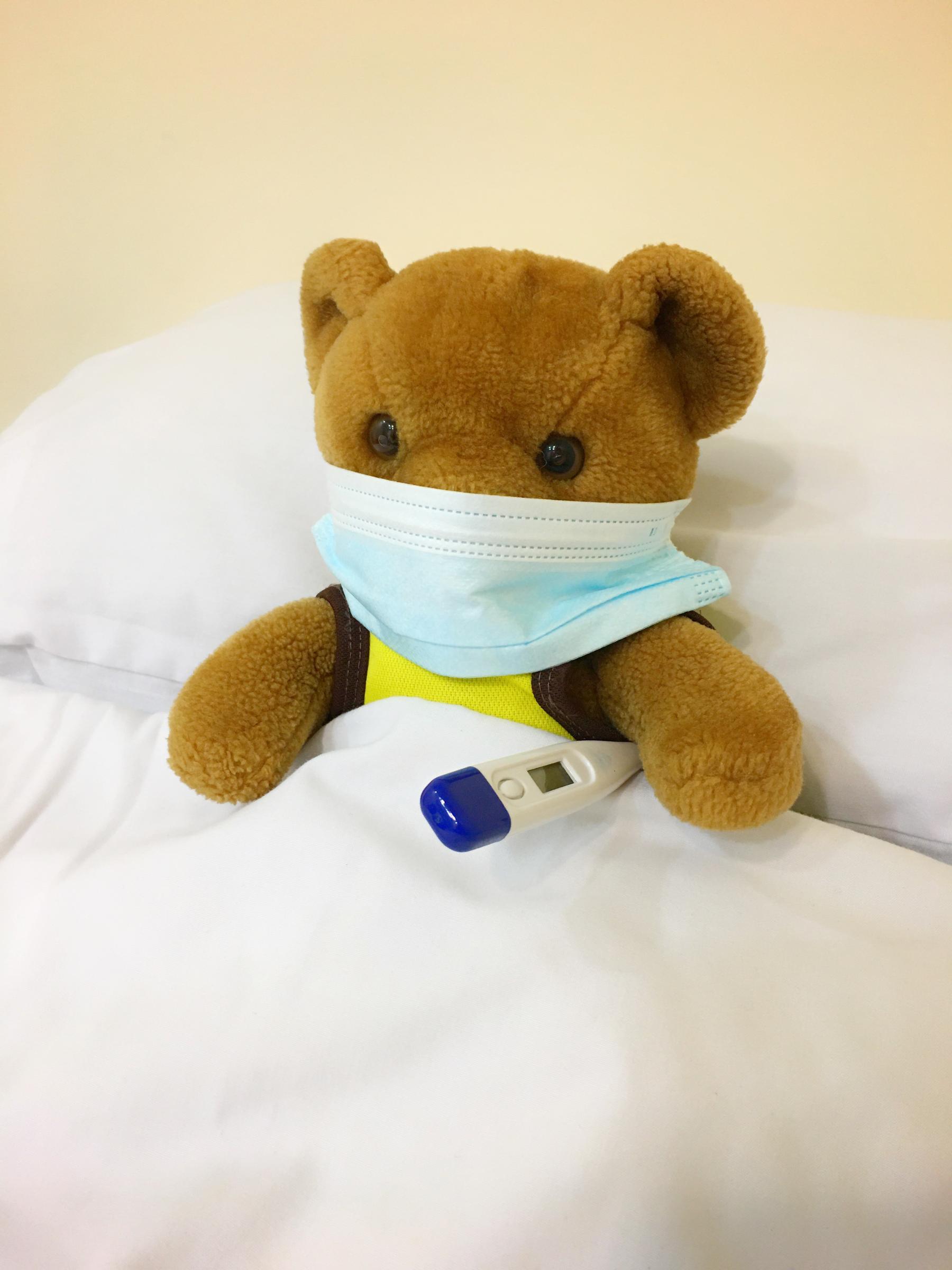
Measles is a highly contagious illness, usually presenting with a rash on the skin and fever. It is mainly spread from a person breathing in the virus after it has been coughed or sneezed into the air by someone infected with measles. It can also be spread by touching contaminated surfaces.
Due to high vaccination rates in Australia measles is not usually spread within the community. That said, there is currently an increased risk of measles in Victoria (and around the world in general). Cases in Victoria tend to originate overseas, so general spreading in the community is still low.
Measles can show initially in the following ways:
- fever
- feeling generally unwell and tired
- cough
- runny nose
- conjunctivitis
- diarrhoea (especially in infants)
A few days later a red, blotchy, non-itchy rash appears, usually starting on the face and neck before spreading down the body. It can last 4-7 days.
Symptoms usually start about 10 days after being exposed to the virus (but can start from 7 or 18 days after exposure).
Measles can cause serious illness and be potentially life-threatening. Those at increased risk are people with weakened immune systems, children younger than five years of age and pregnant women.
The best protection against measles is to be vaccinated.
Two doses of a vaccine provides long-term protection in 99% of vaccinated people.
In Victoria, free MMR vaccine is available for all people born during or since 1966 without any evidence of having had the vaccine previously. Infants travelling overseas can receive the vaccine from 6 months of age. No Medicare card is needed for these state-funded MMR vaccines. It is free and available at GPs, community pharmacies, Aboriginal Health Services and local council immunisation services.
People who have been exposed to measles
Visit the Measles public exposure sites in Victoria page to see the locations visited by a person while potentially infectious with measles.
If you are showing symptoms of measles you should seek medical care immediately.
You can get more information at the Better Health website or the Royal Children's Hospital website.