Literacy - Multisensory Structured Language
Multisensory Structured Language
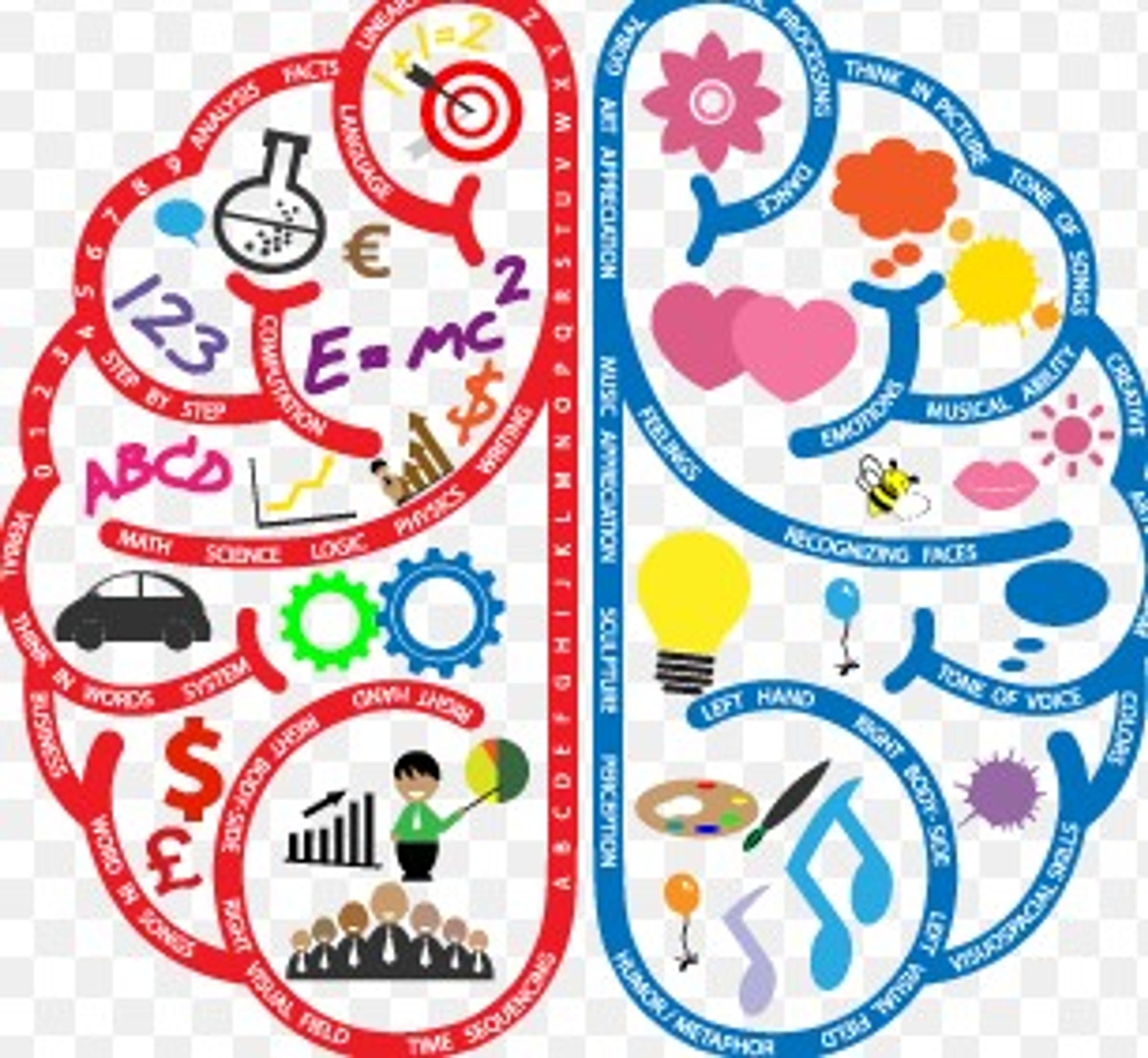
At St Joseph’s, we are a Structured Literacy school that also incorporates MSL. MSL stands for Multisensory Structured Language. MSL and Structured Literacy are based on the principles of The Science of Learning. MSL is a scientifically researched, evidence-based approach that applies proven knowledge of how the brain works, how students learn and how students most effectively learn to read and write. We know that, to be successful in reading, essential steps are required: Phonology and Phonological Awareness (identifying letter sounds, sounding out words, and blending words together) and Language Comprehension (fluency, accuracy, and comprehension).
Our teachers provide students with clear explanations of the relationships between phonics, spelling rules and the meanings of word parts (morphology) whilst simultaneously using multiple senses (auditory, visual and kinaesthetic) to form stronger neural pathways in the brain. This helps to embed learning in long-term memory.
The MSL approach to teaching literacy skills has proven benefits for all students. Teachers and LSO staff from Prep to Year 4 are mentored and supported in implementing this approach by the Structured Literacy Leader, who is an accredited ADA (Australian Dyslexia Association) practitioner.
Instruction Is Structured, Systematic and Cumulative
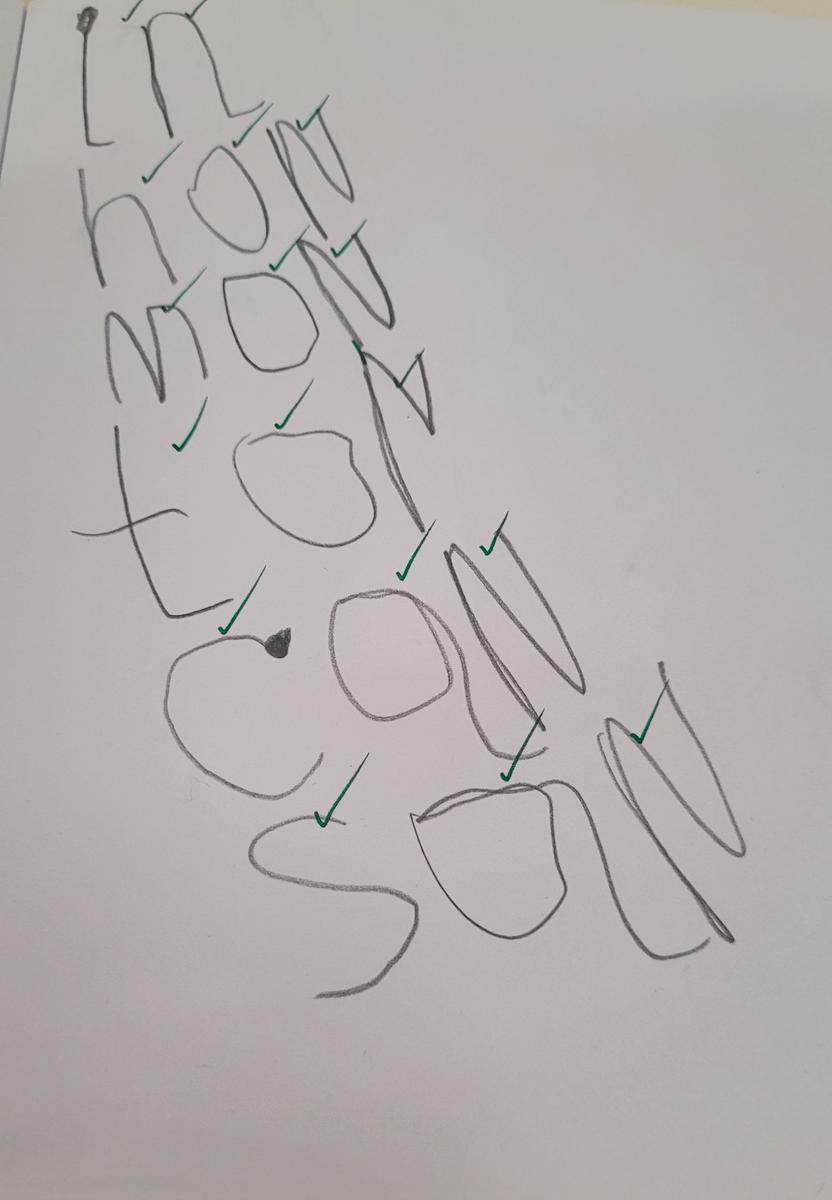
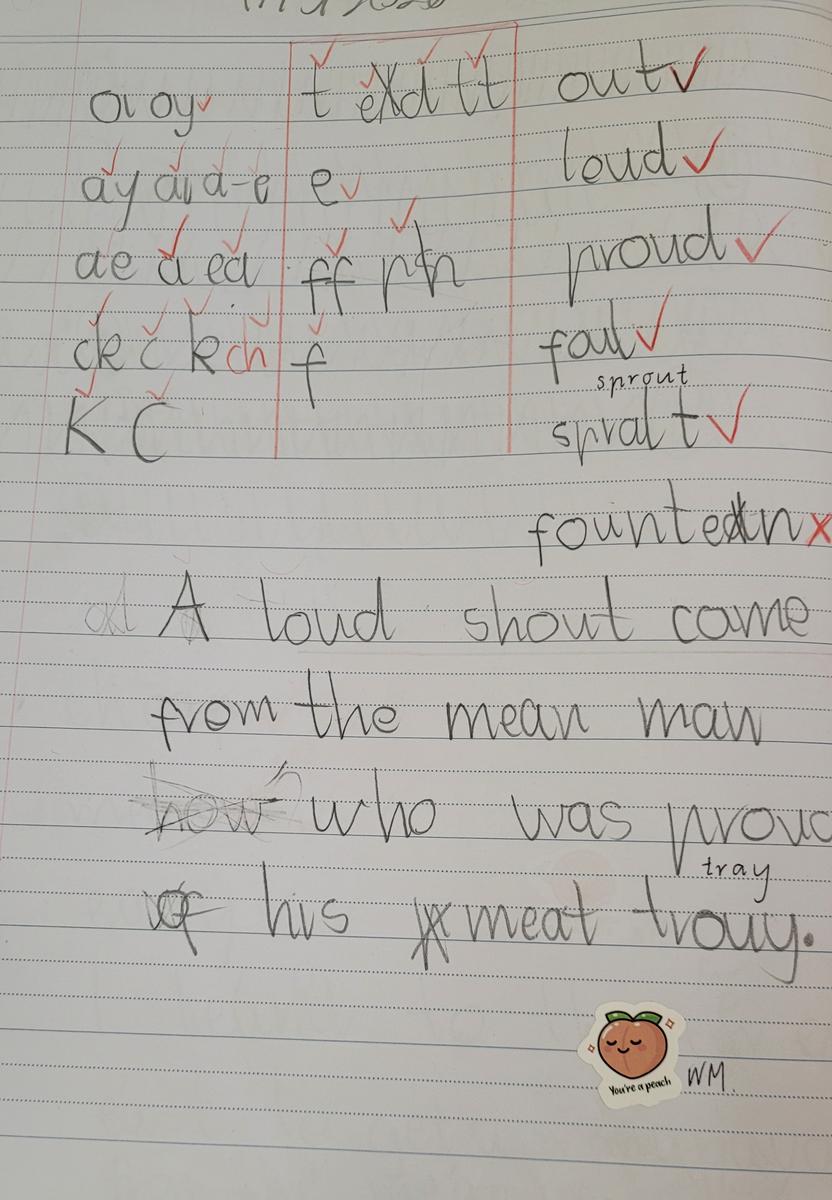
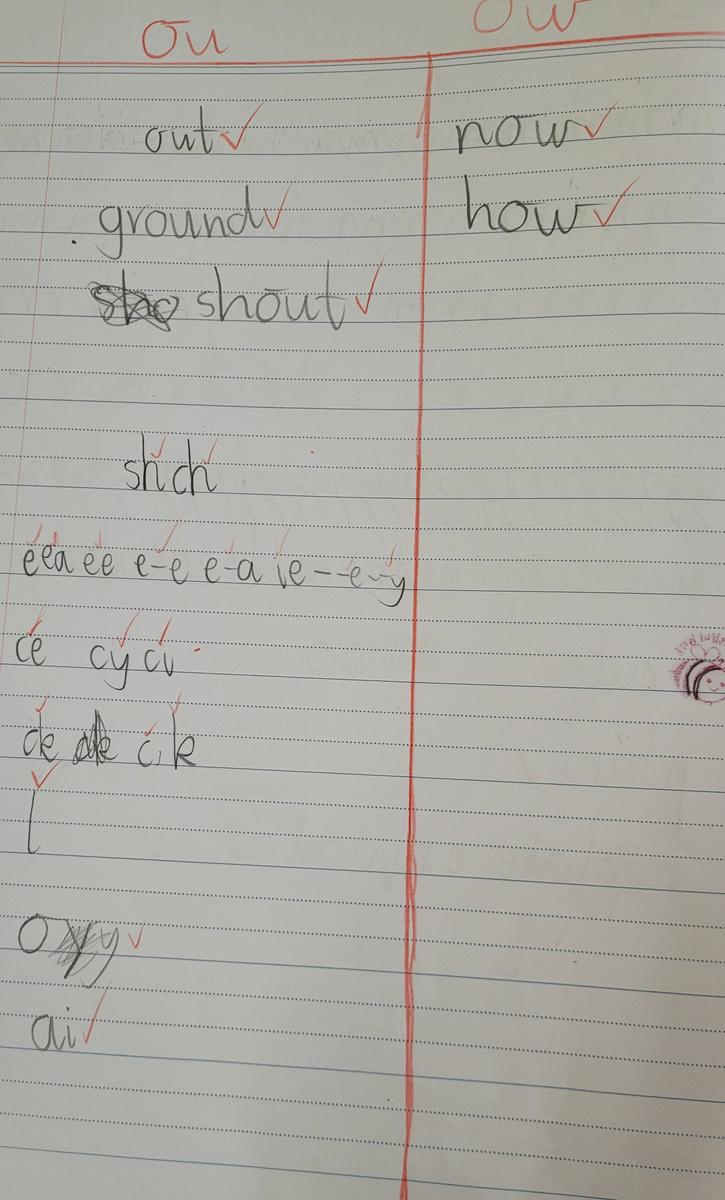
Instruction is success-based. The alphabetic code is taught in a specific order. Each new code builds upon previously learned knowledge using a synthetic phonics approach. Students begin by isolating, recognising and writing single sounds and their corresponding letters. As more sound-letter combinations are learnt, students can sound out (segment) and blend letters into words – vital skills for successful reading and writing.
For example, when teaching students about the letter ‘t’ and its sound, the teacher holds up a visual card with the letter formation represented on the card (visual). The teacher models the ‘unvoiced’ sound (auditory), ensuring that the students produce it with correct articulation. The students repeat the sound whilst looking at the letter.
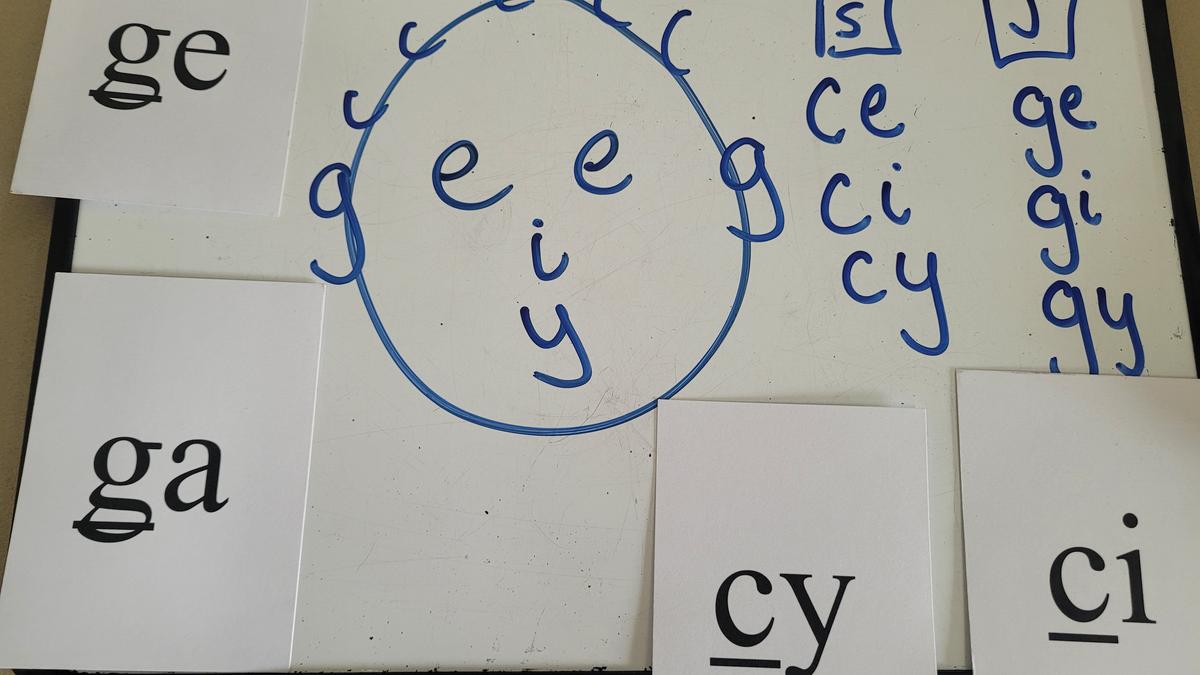
Once all single sounds are mastered, students are taught the rules of the code. For example, a closed syllable is when a vowel (a, e, i, o, u) is trapped by a consonant, and the vowel cannot say its name; it must say its short sound/a/. Students are also taught words that do not follow the code; we call these ‘irregular’ words. These are words in which the vowels or consonants change their sounds. They are generally words that we need to continually practice and see in many different experiences.
At St. Joseph’s, we use decodable texts in Prep to Year Two to support MSL instruction and enhance reading success. These decodable texts mostly contain words that incorporate the letter-sound relationships that students have been taught. They encourage students to apply their decoding skills rather than relying on pictures or guessing at words. Decodable texts increase in complexity as students learn more of the alphabetic code.
Amanda Jackson
Structured Literacy Leader