Whole School Activities
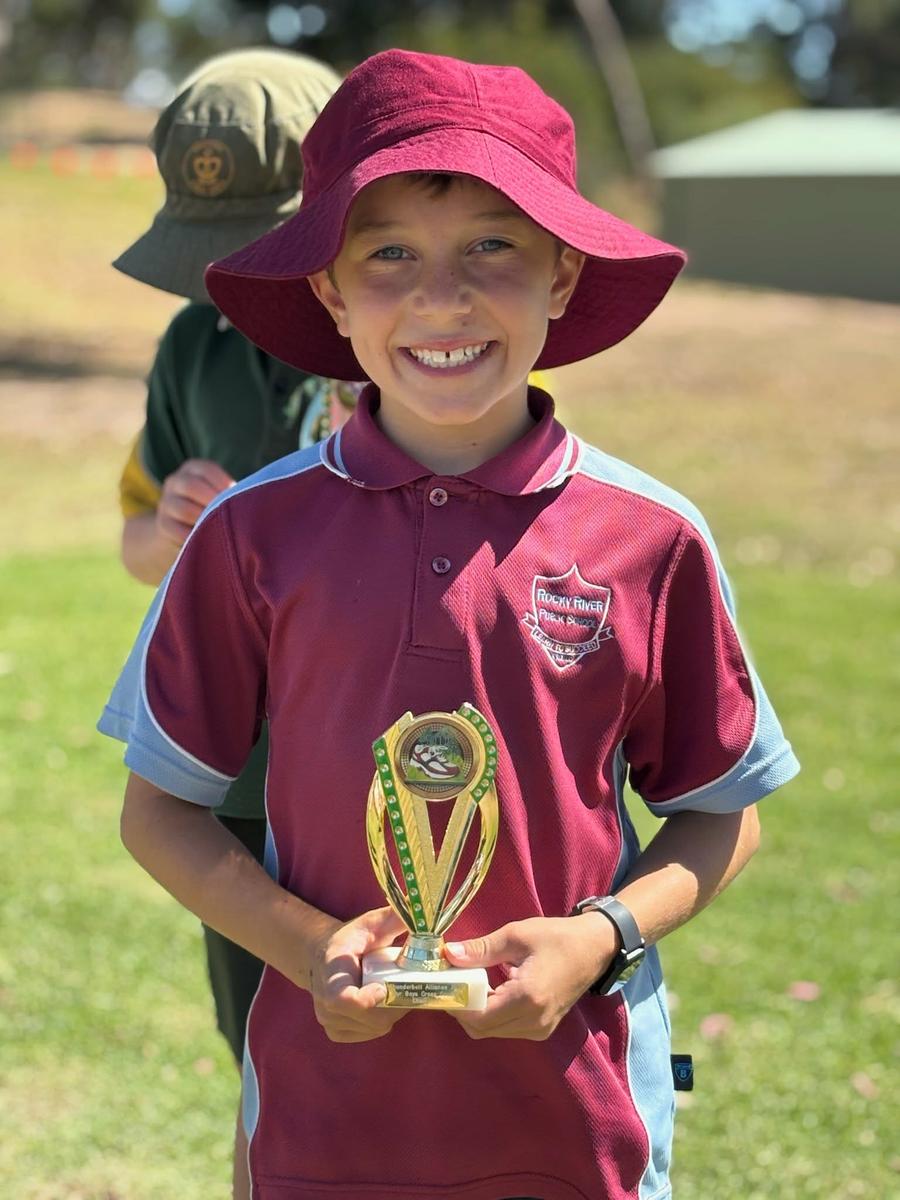
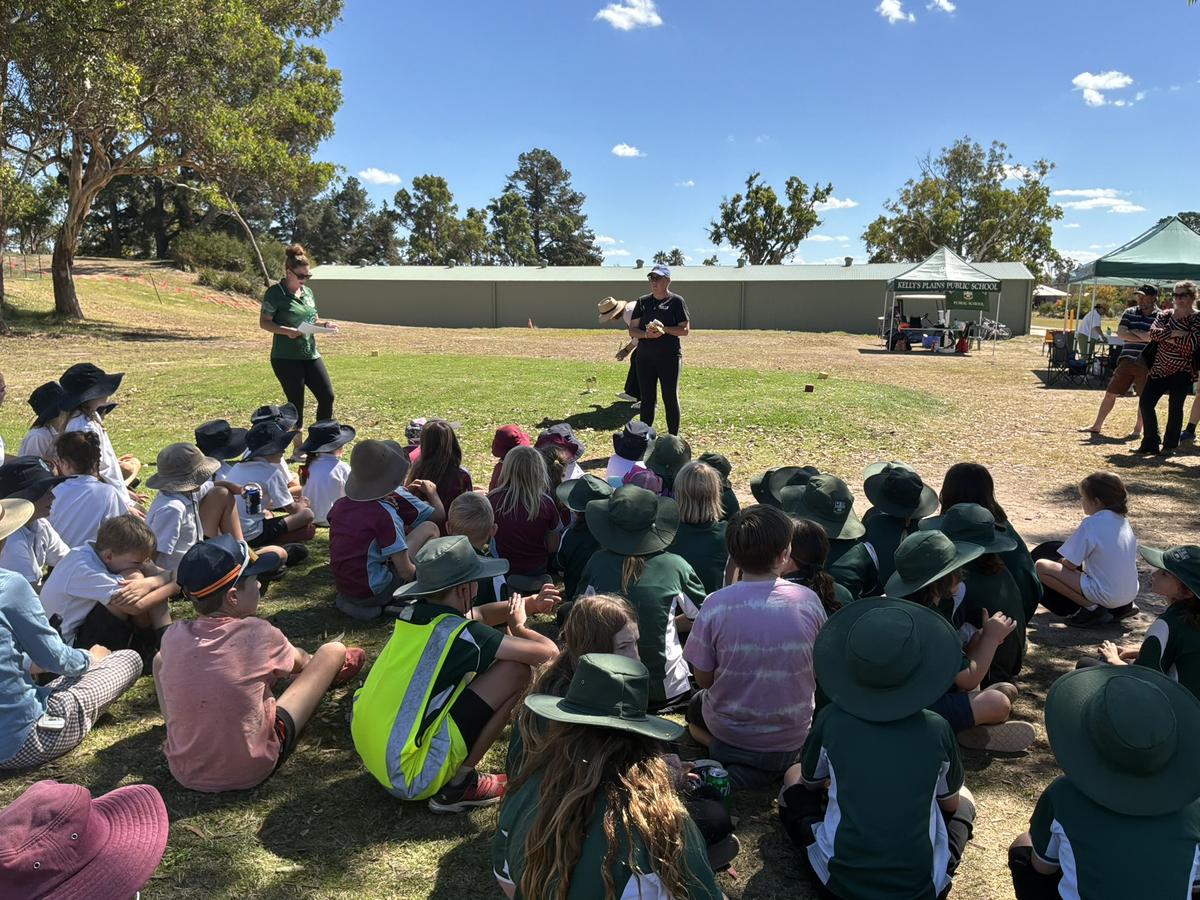
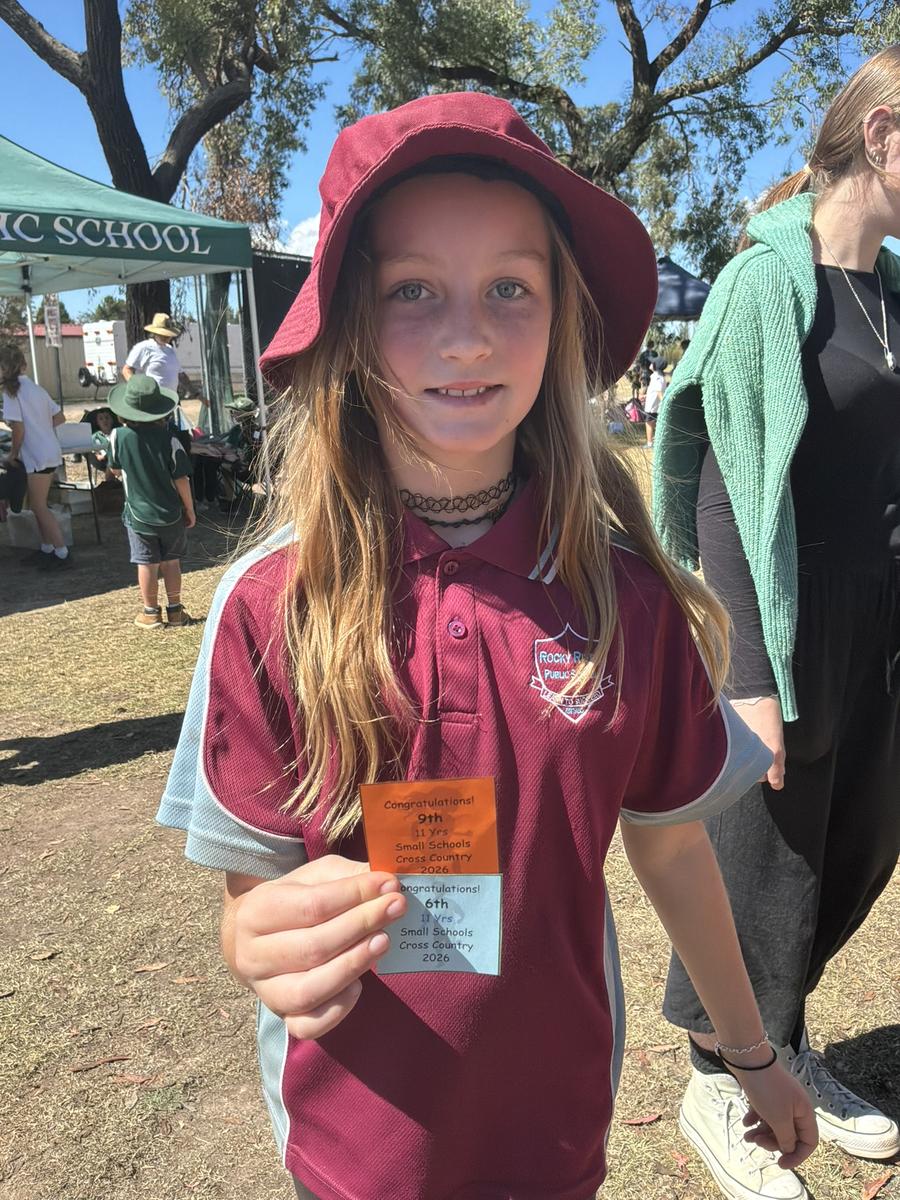
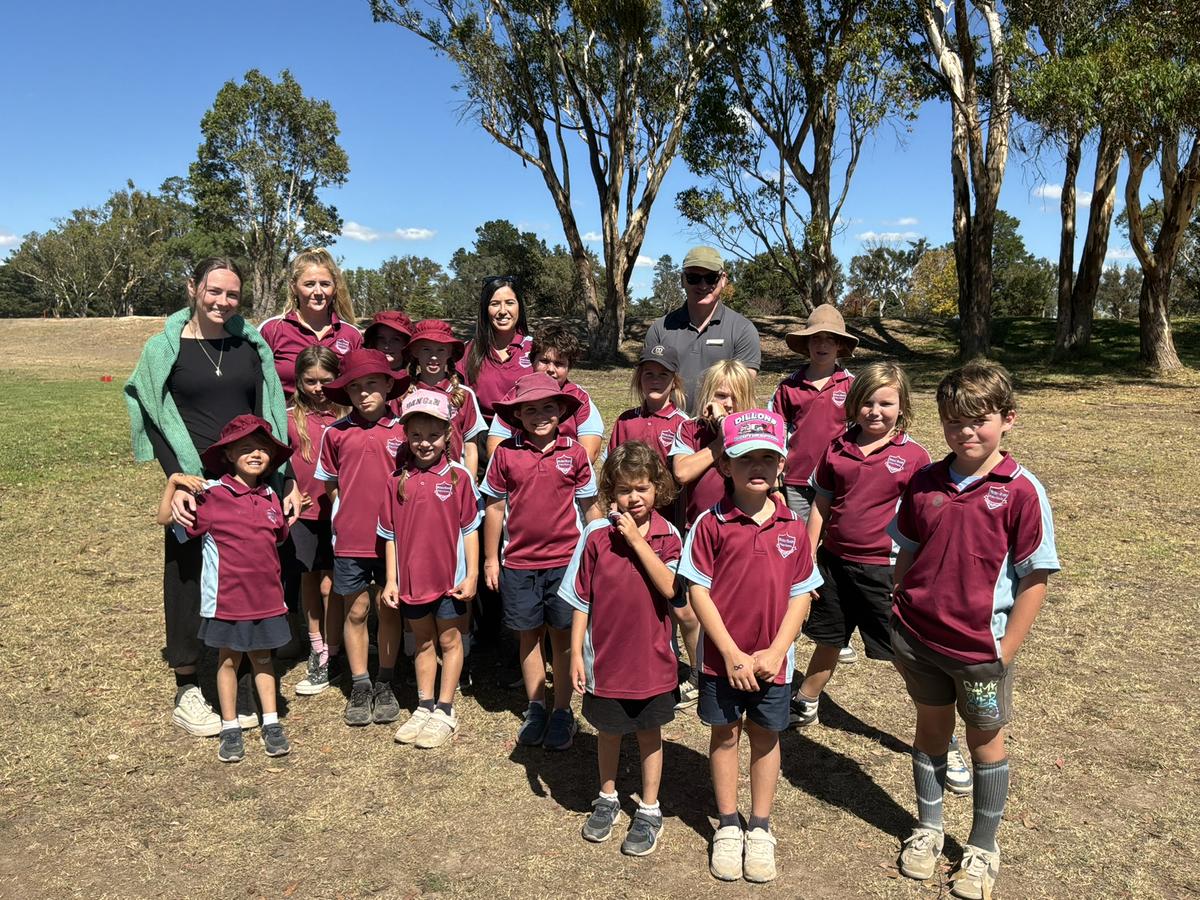
Cross Country
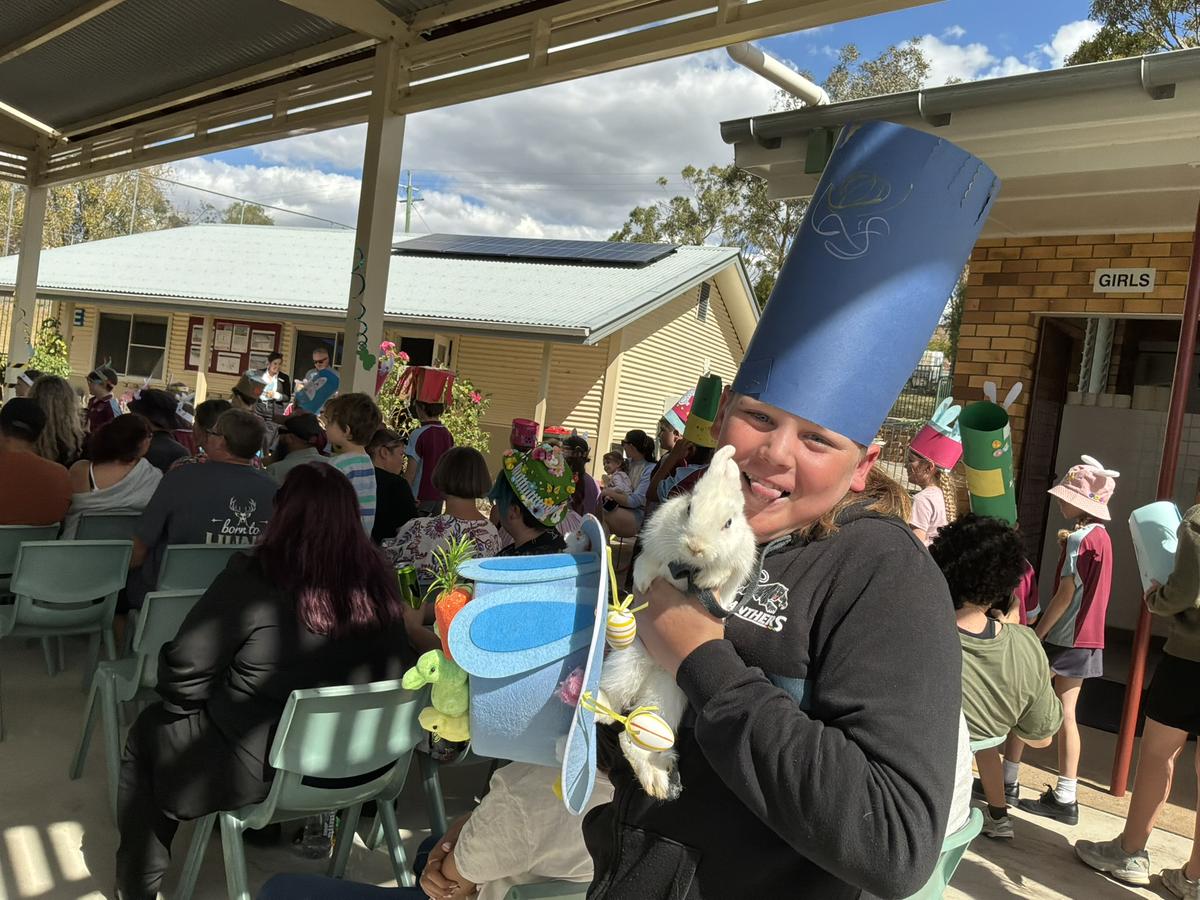
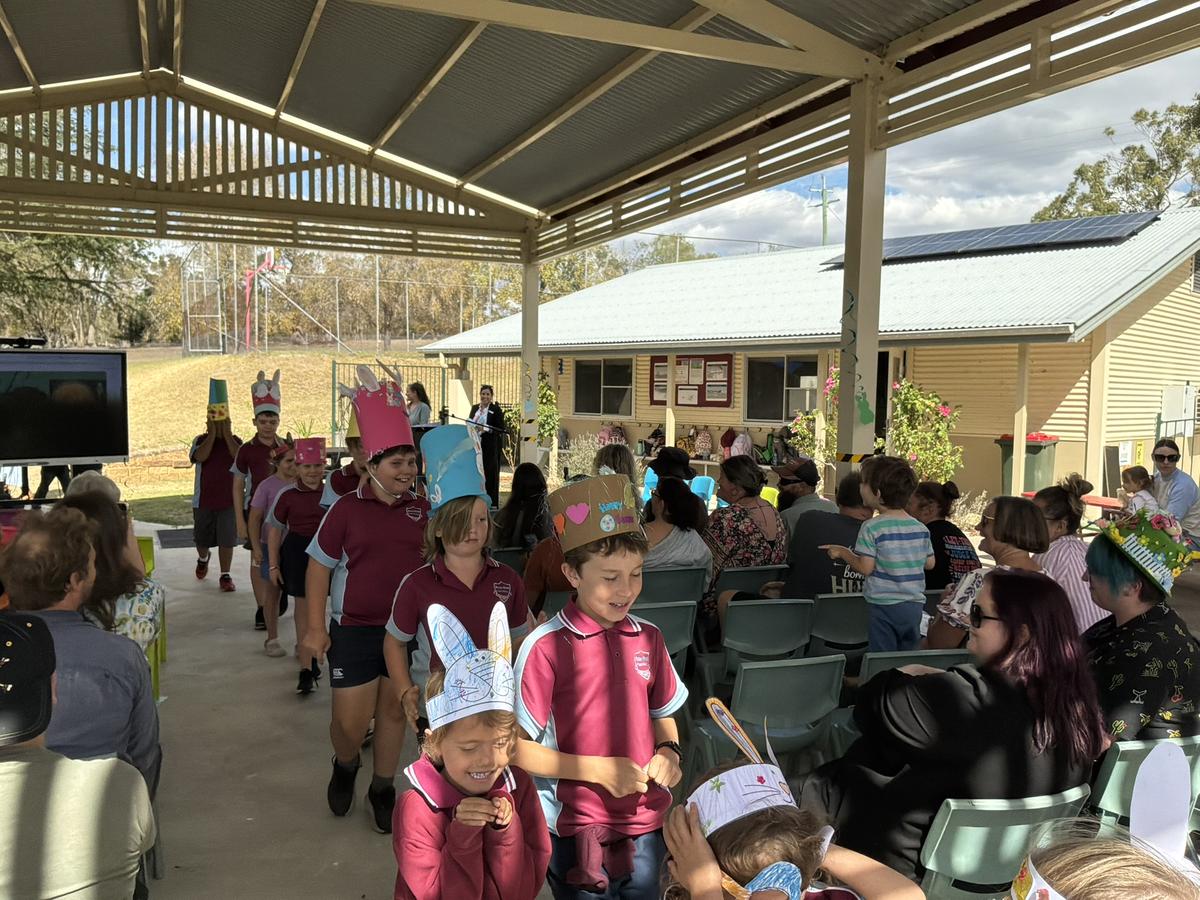
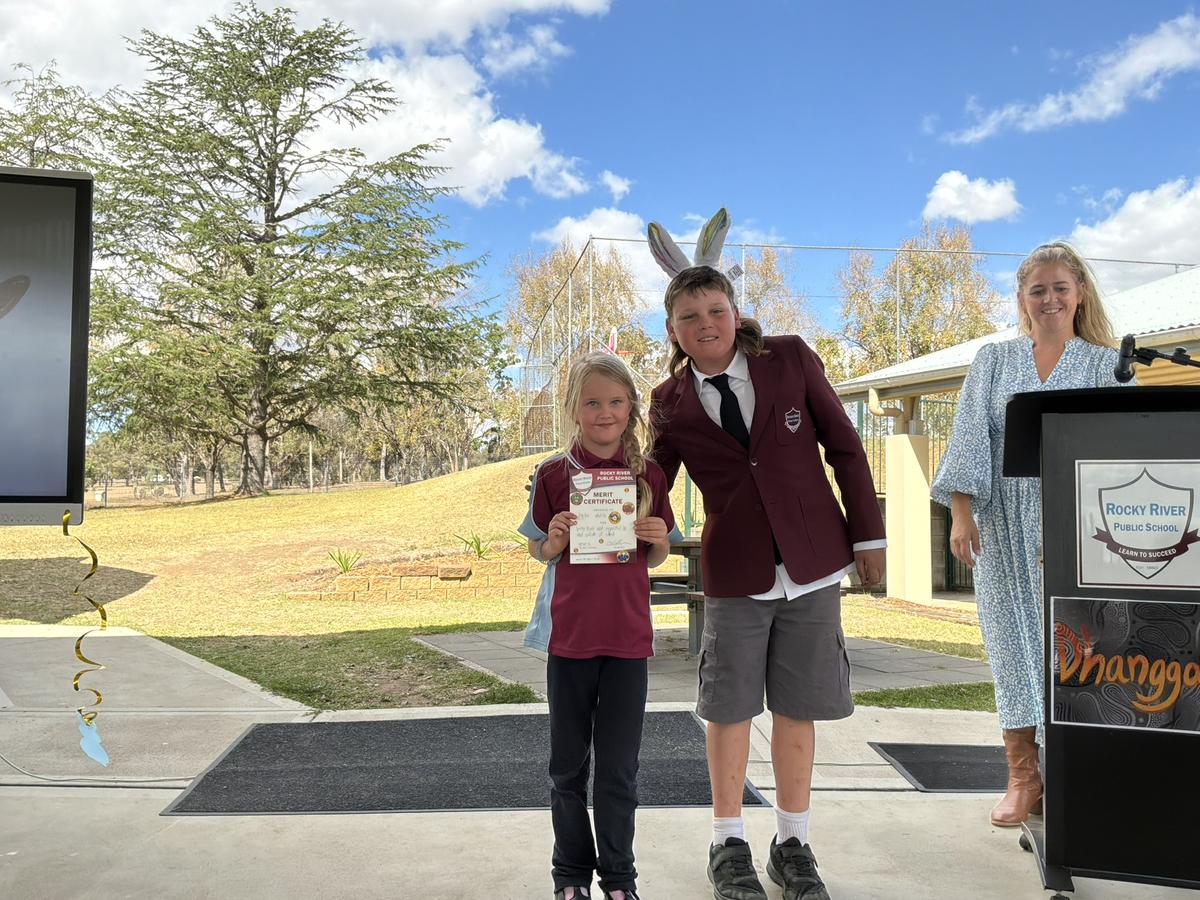
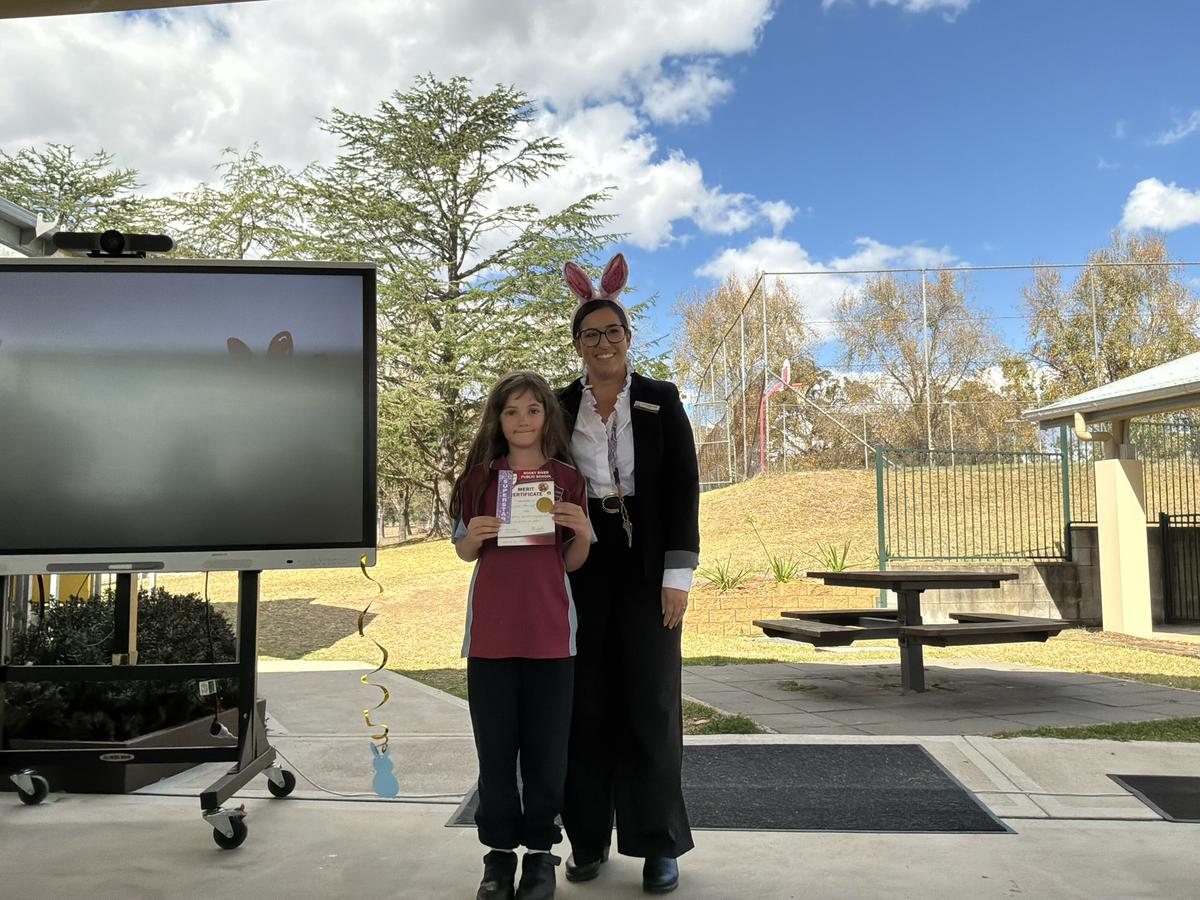
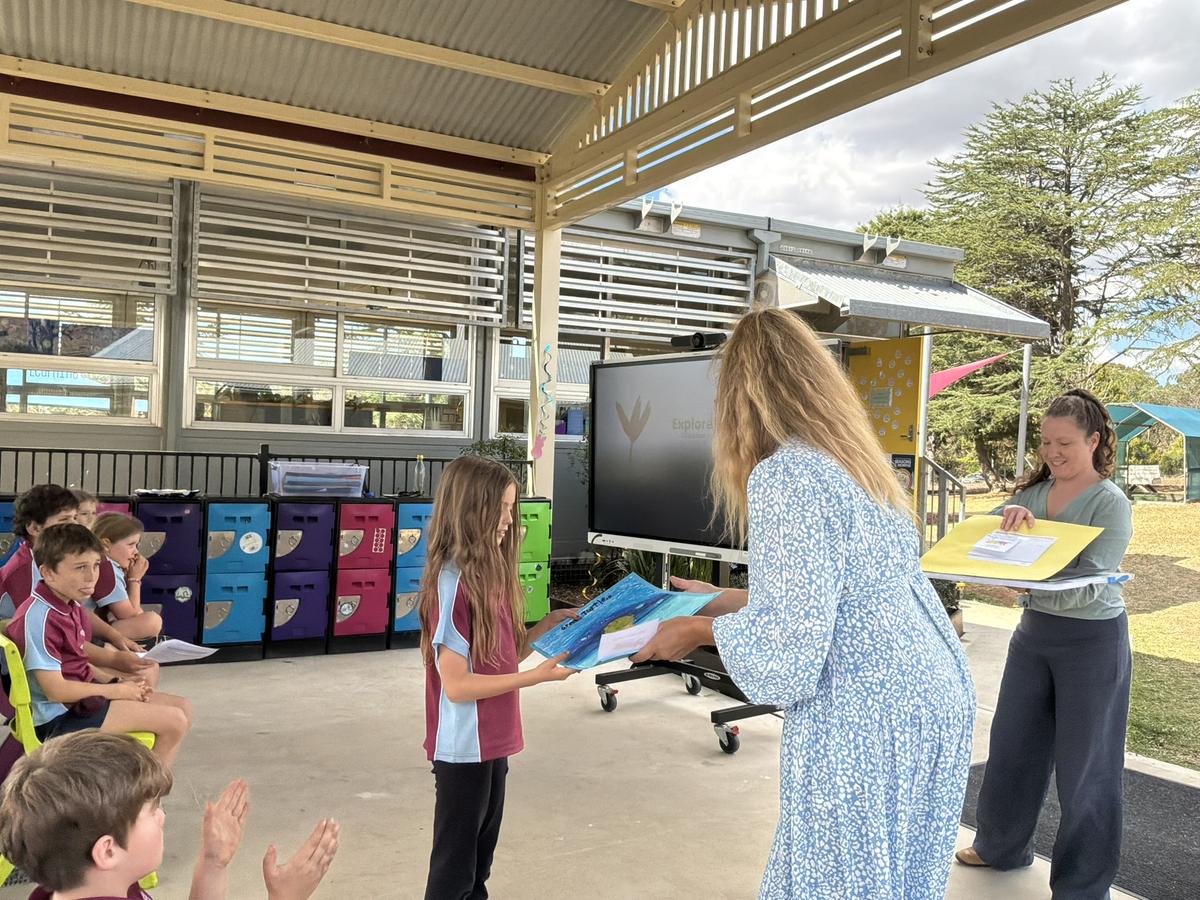
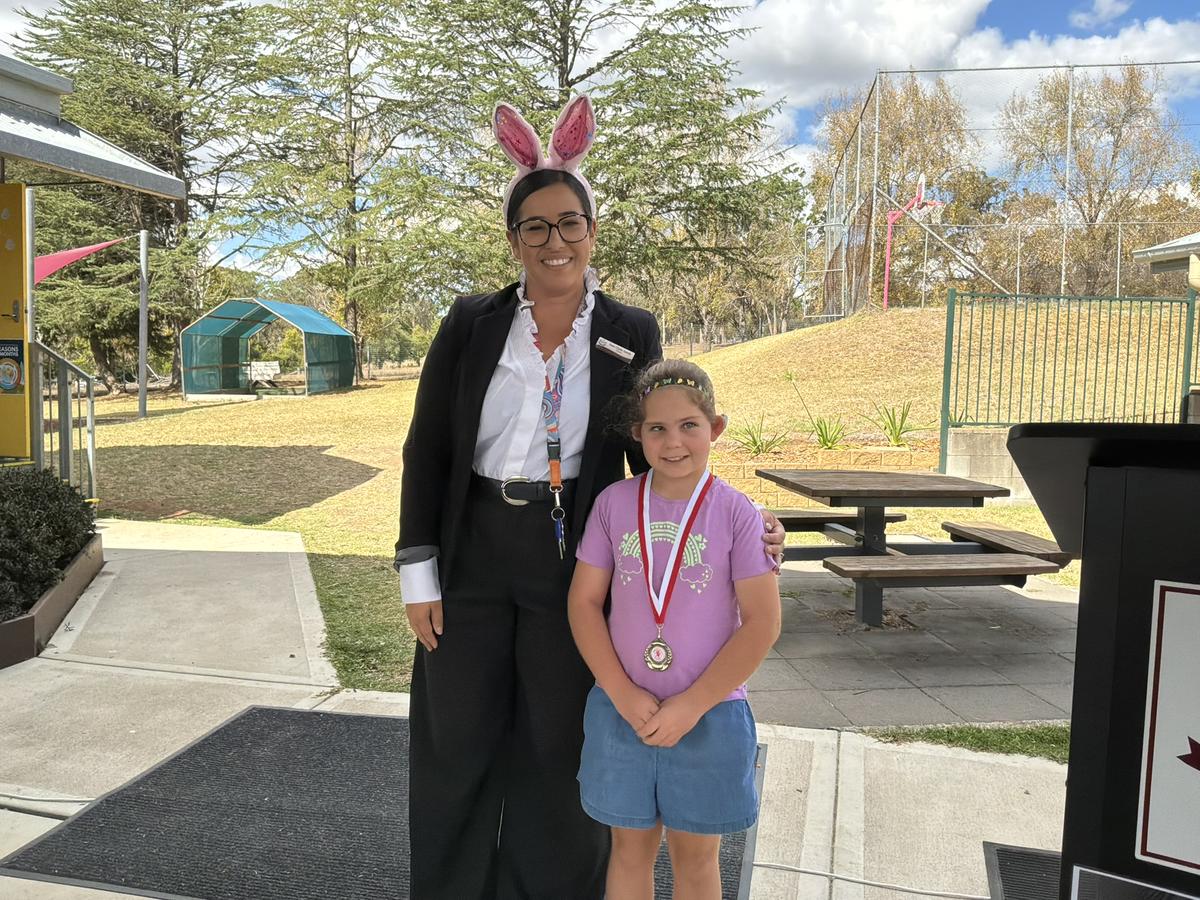
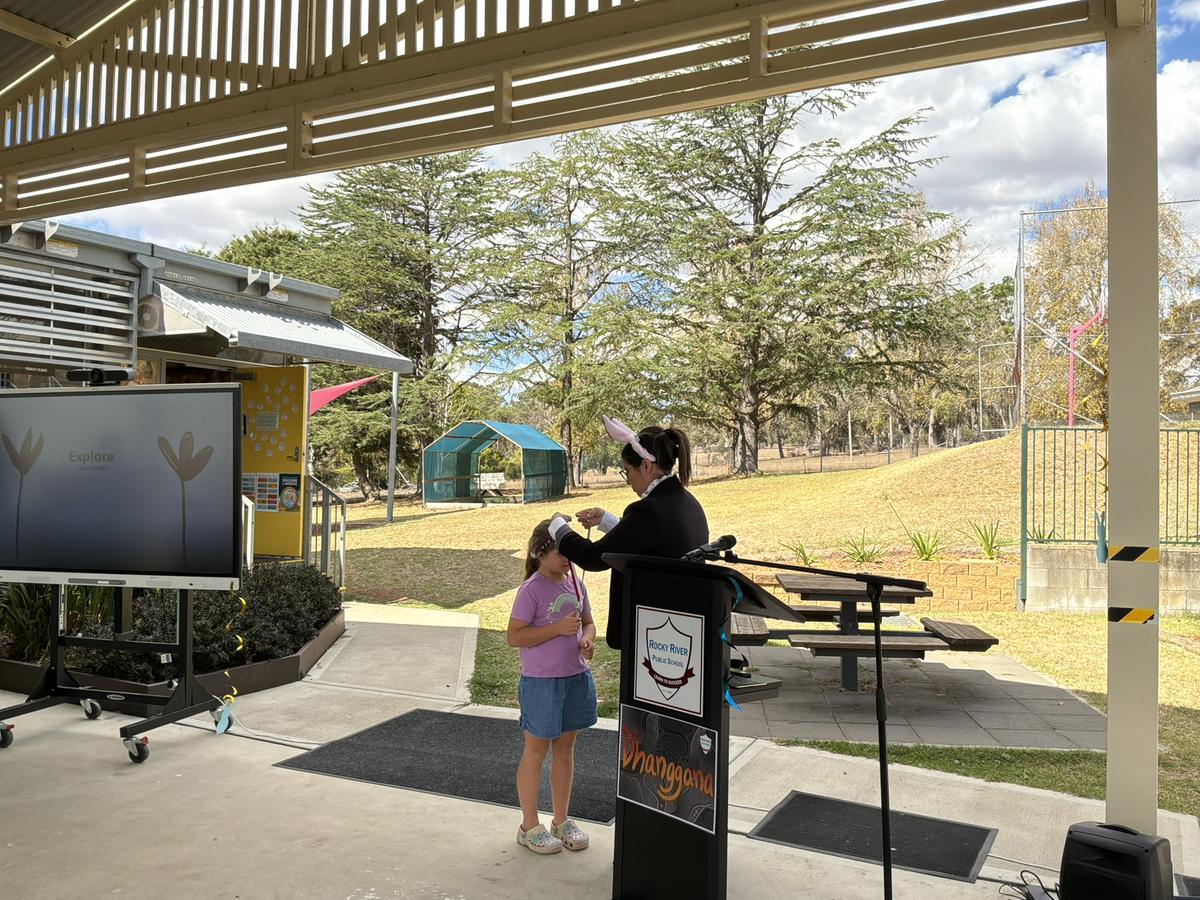
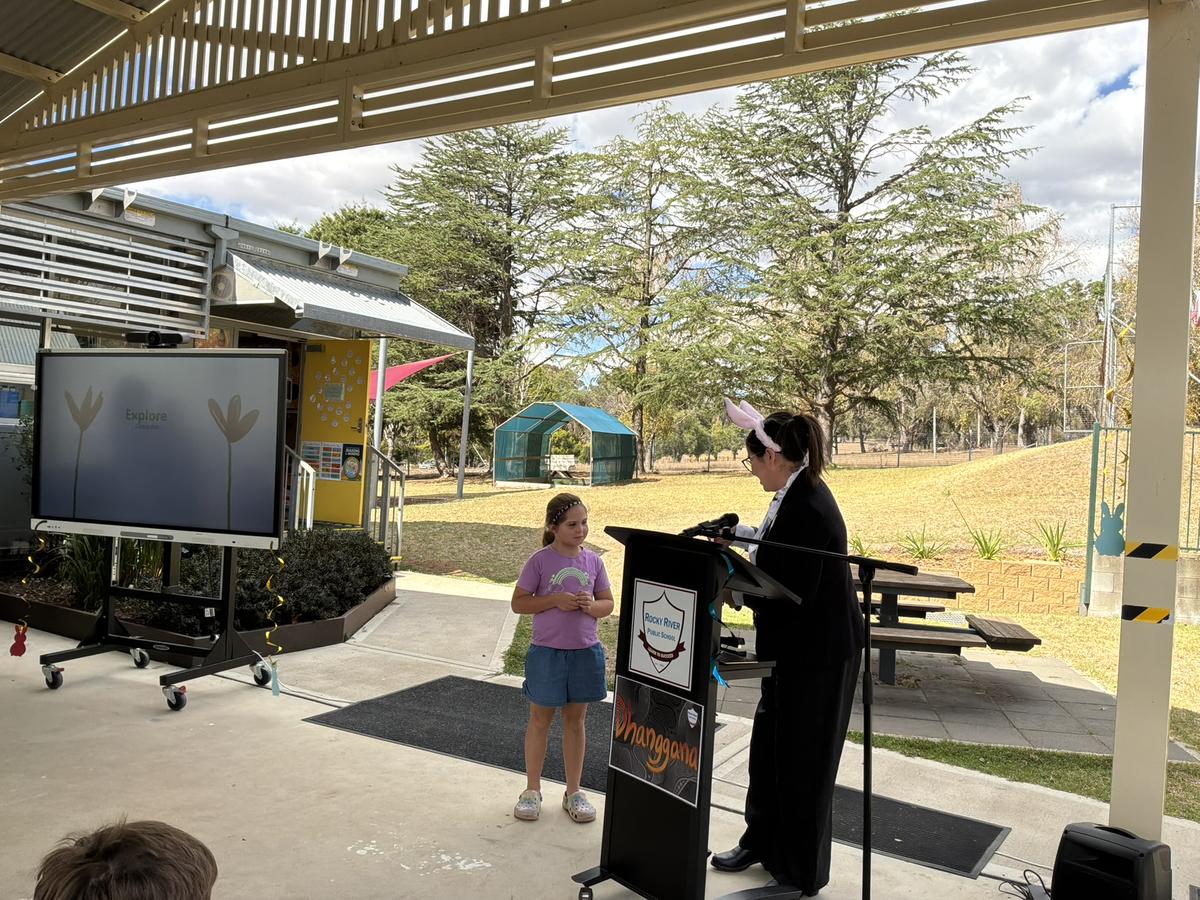
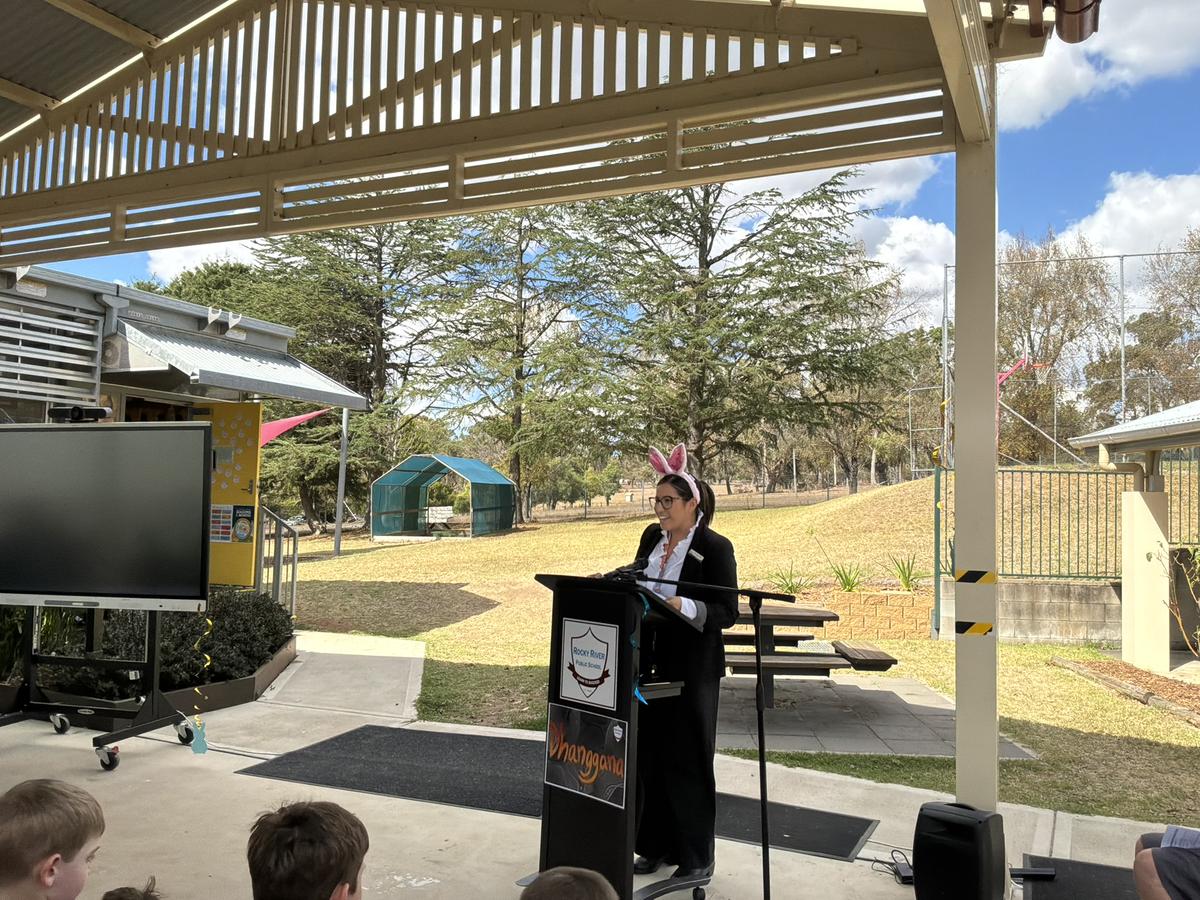
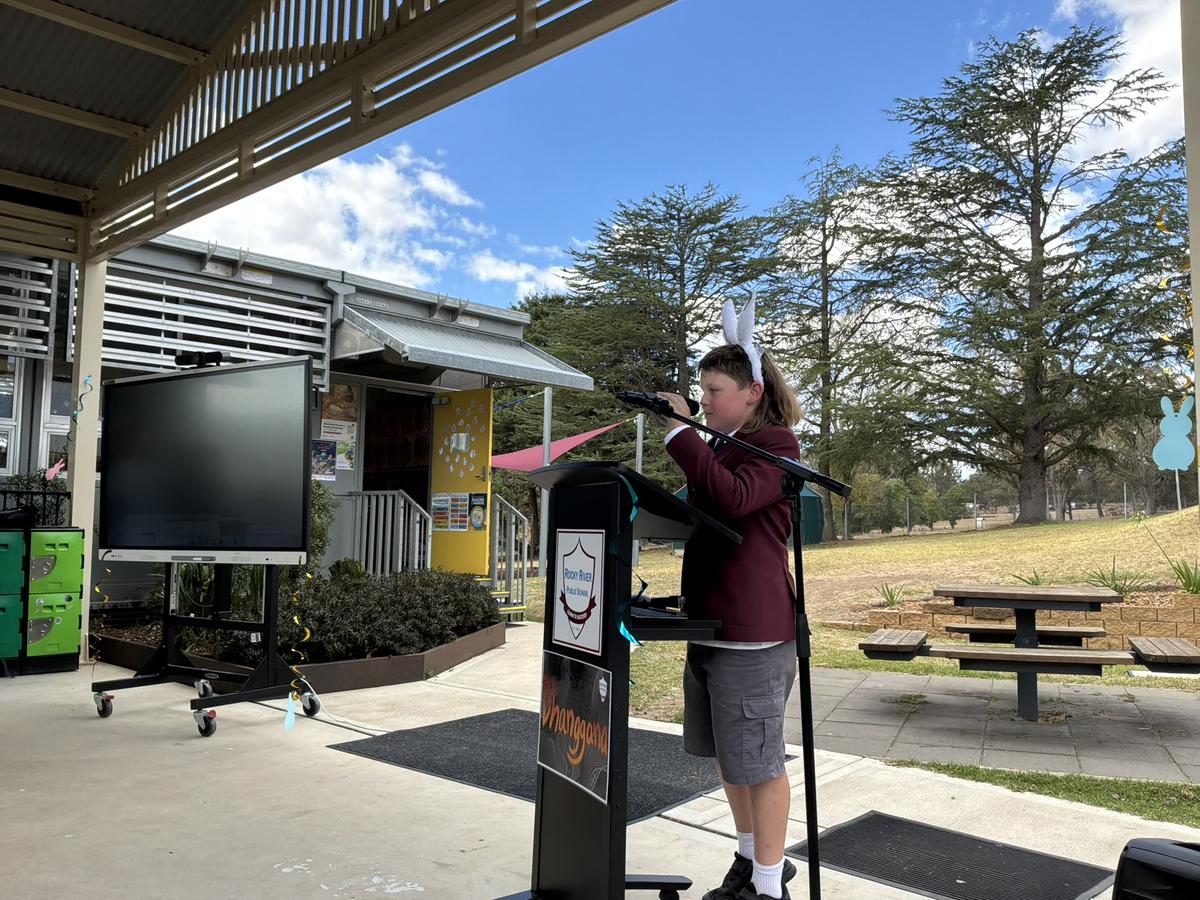
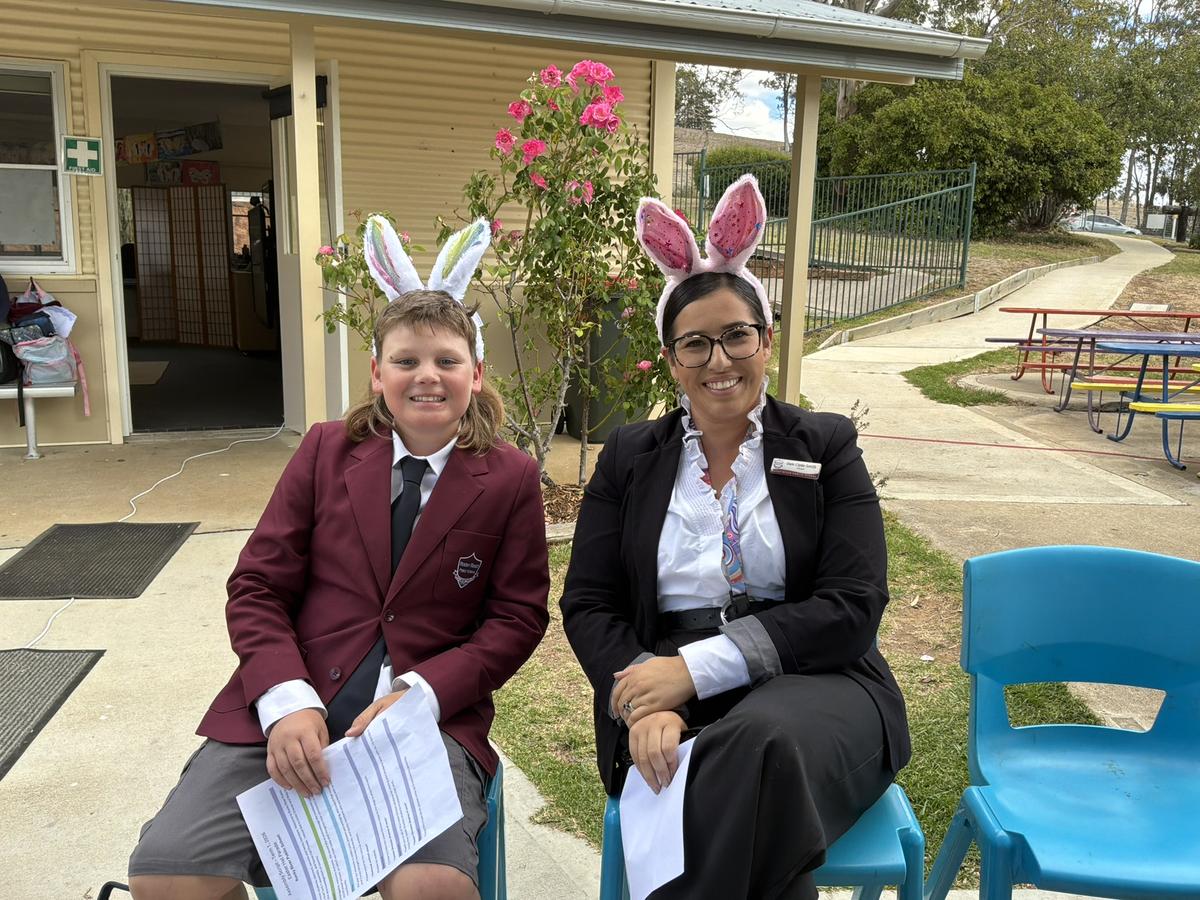
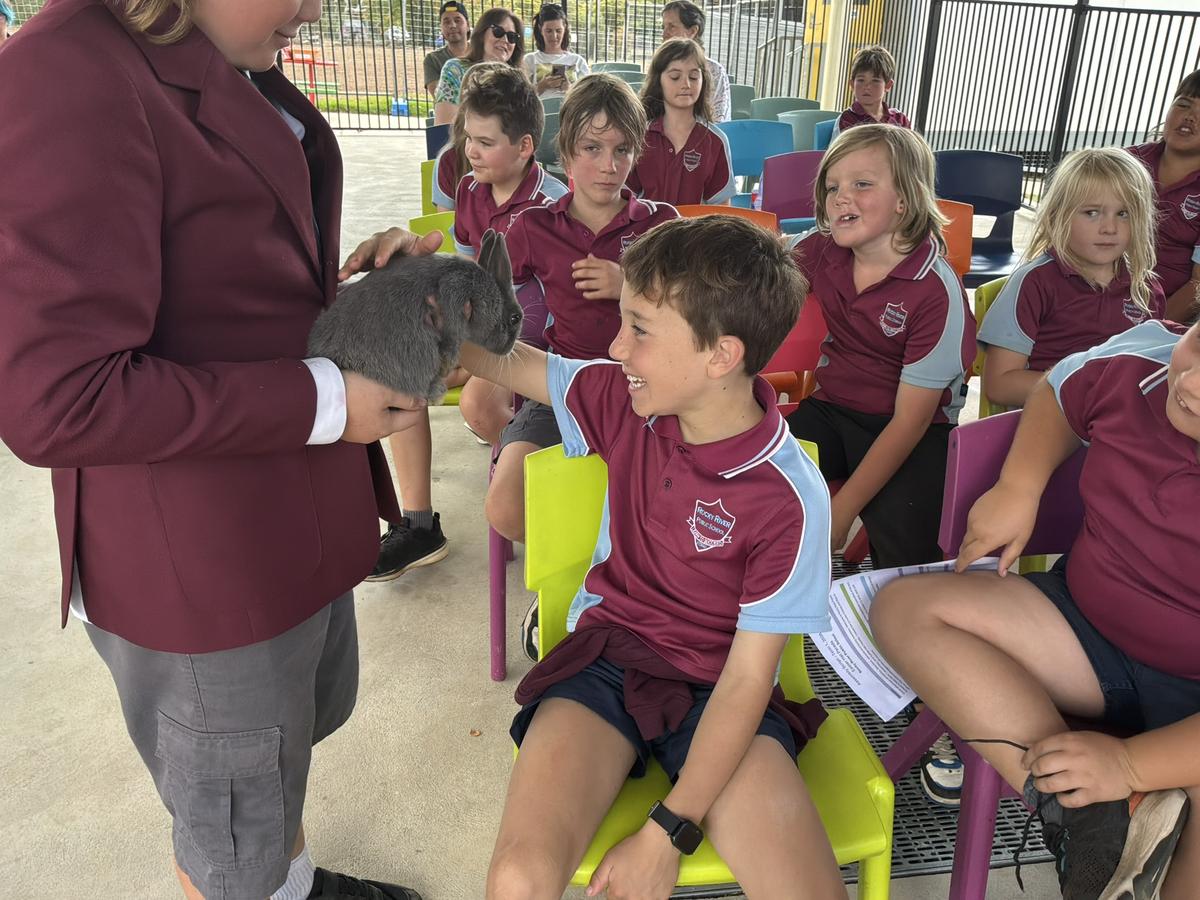
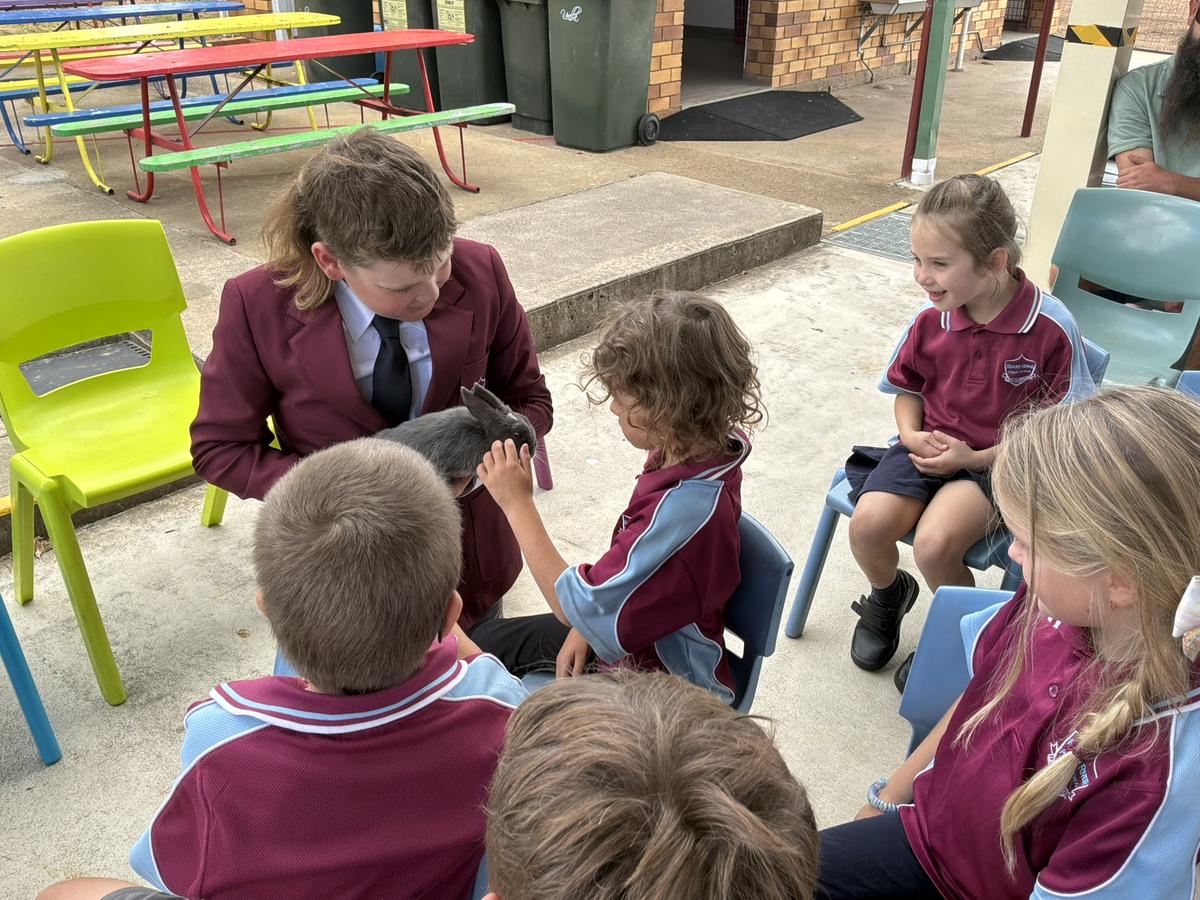
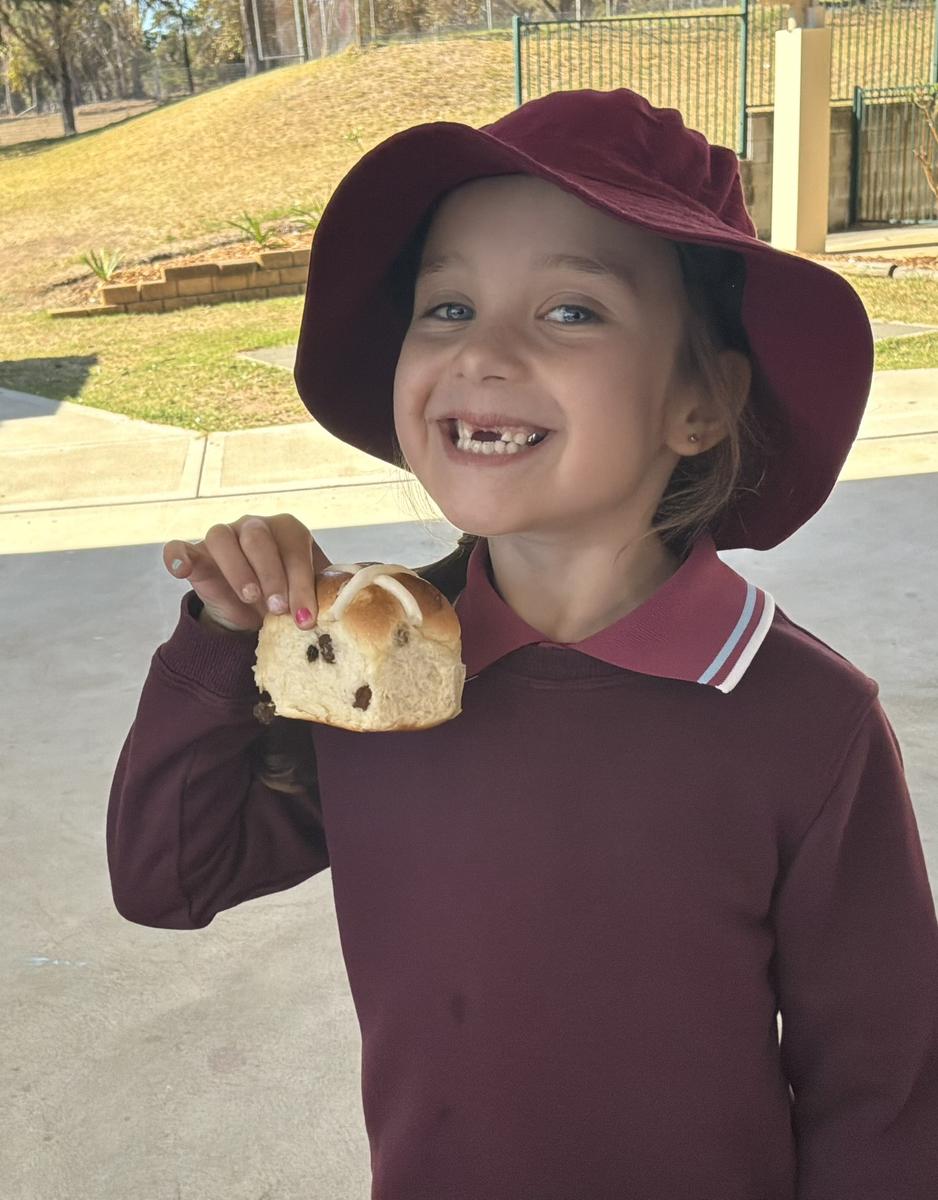
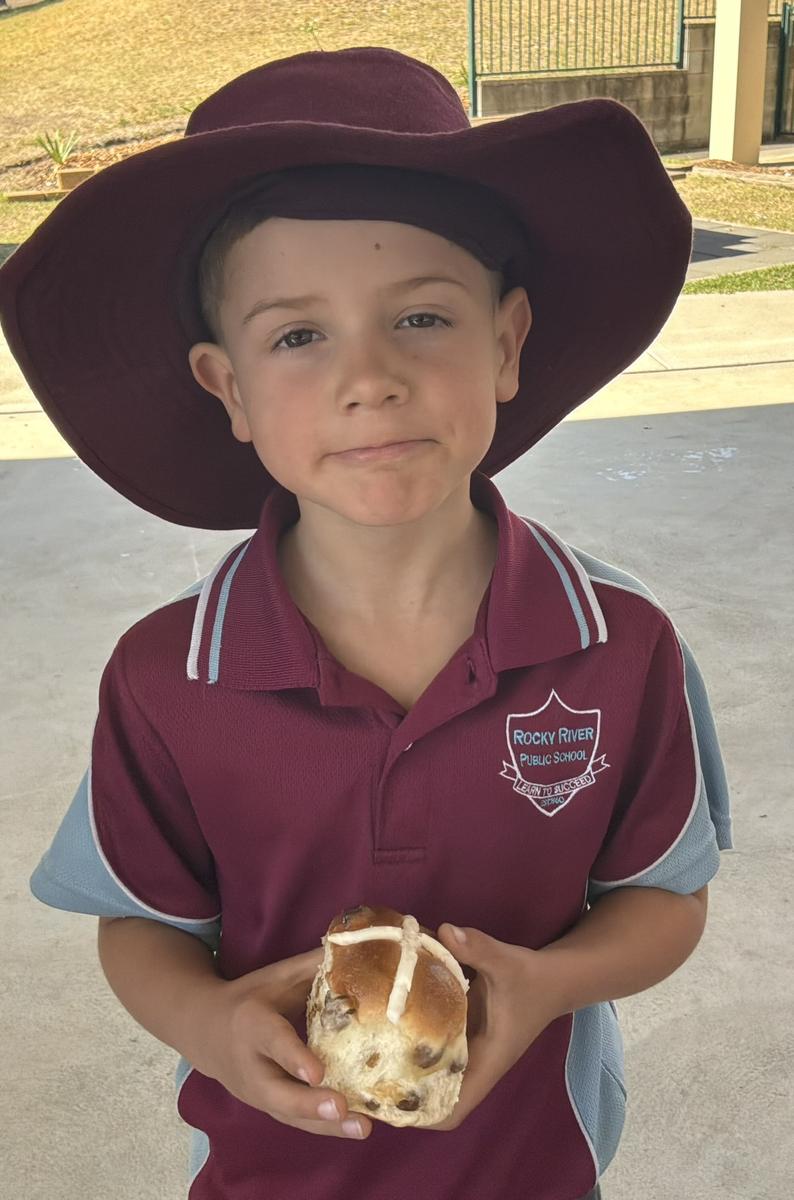
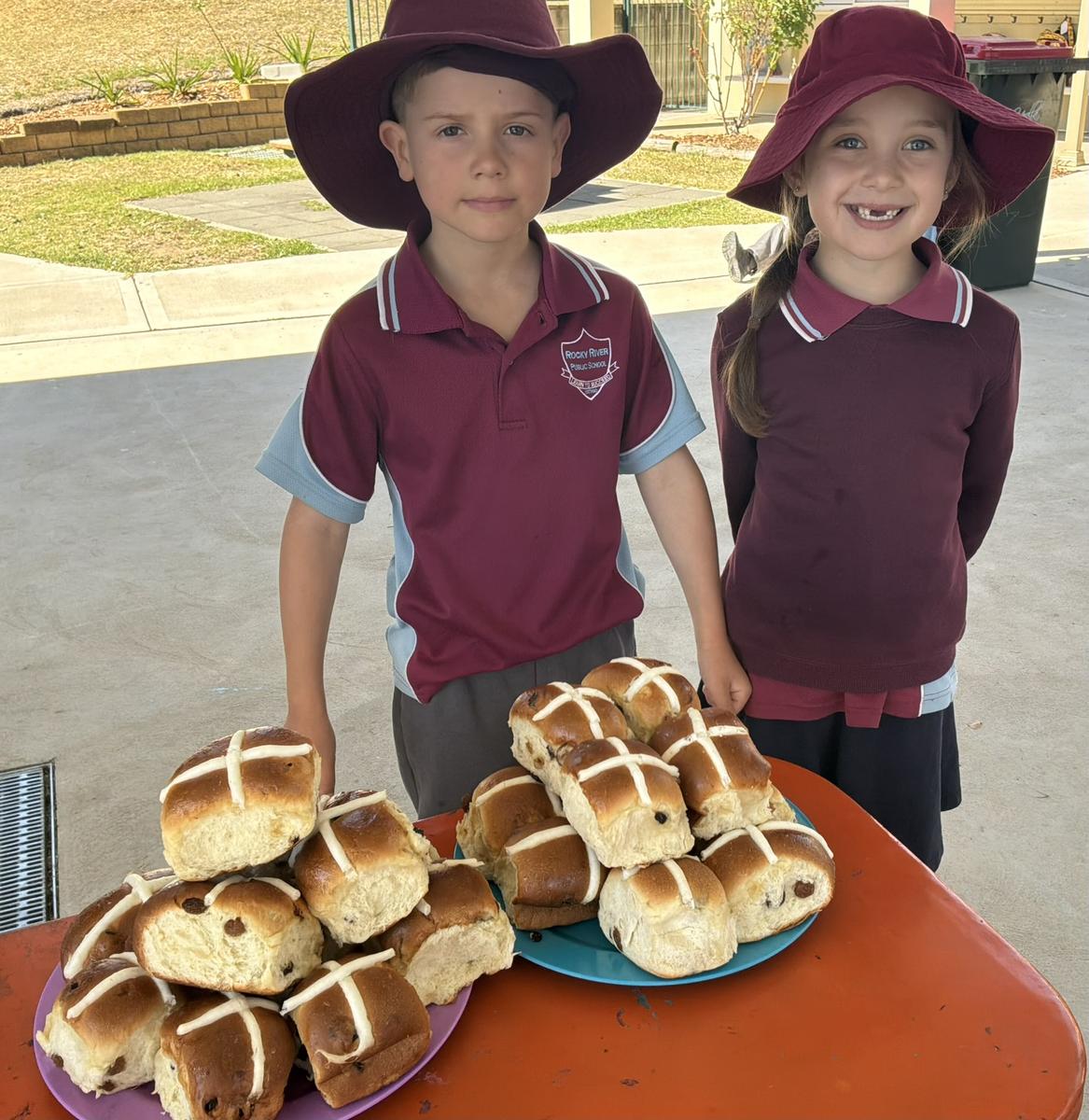
Assembly & Easter Hat Parade
Athletics | Training and Skill Development
Our students have been enthusiastically training for the upcoming athletics carnival, focusing on key events including high jump, long jump, discus, shot put, as well as starting and finishing techniques for running races. It has been wonderful to see their dedication and skill development across these varied activities.
In high jump, students are learning the fundamentals of proper technique, such as the approach run, take-off, and safe landing. Many are showing impressive coordination and confidence as they refine their jumps, eager to clear higher bars each session.
Long jump training is helping students focus on speed, balance, and timing during their approach and take-off. We’ve observed great improvement in their ability to generate momentum and land effectively, with several students demonstrating strong jumping distances for their age.
For discus and shot put, students are developing strength and control while mastering the correct throwing techniques. The level of skill is steadily progressing, with many students gaining accuracy and power in their throws through consistent practice.
In addition, students are practicing starts and finishes for running events, which are crucial for competitive success. They are learning to explode off the starting line using proper stance and reaction times, and to maintain strong form during the finish to secure the best possible result. Their enthusiasm and focus during these drills highlight their drive to perform at their best.
Overall, the training sessions have been very productive, with students showing great commitment, resilience, and improvement. We look forward to an exciting athletics carnival where they can showcase the skills they have worked hard to develop!
Lower Division
English
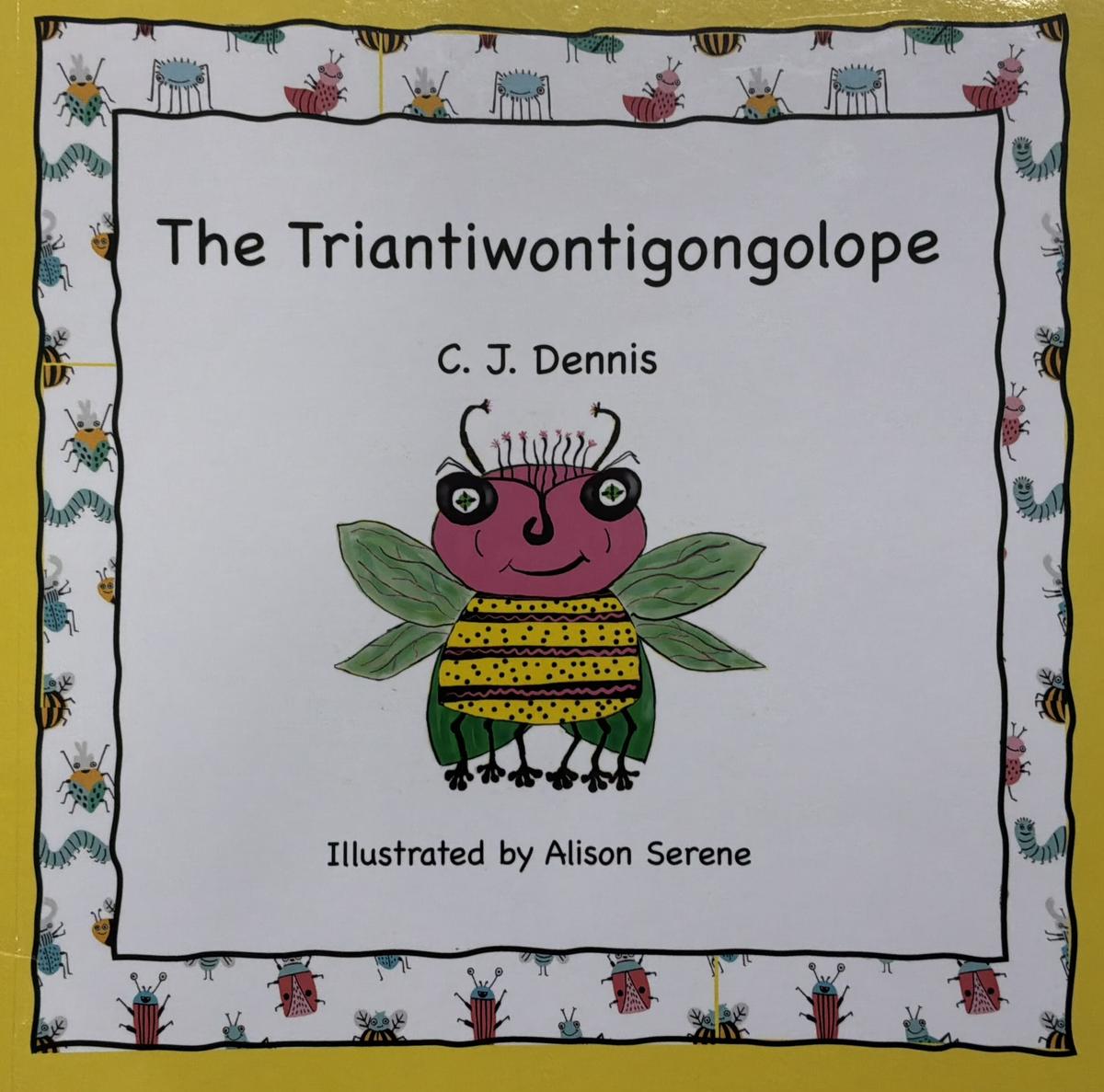
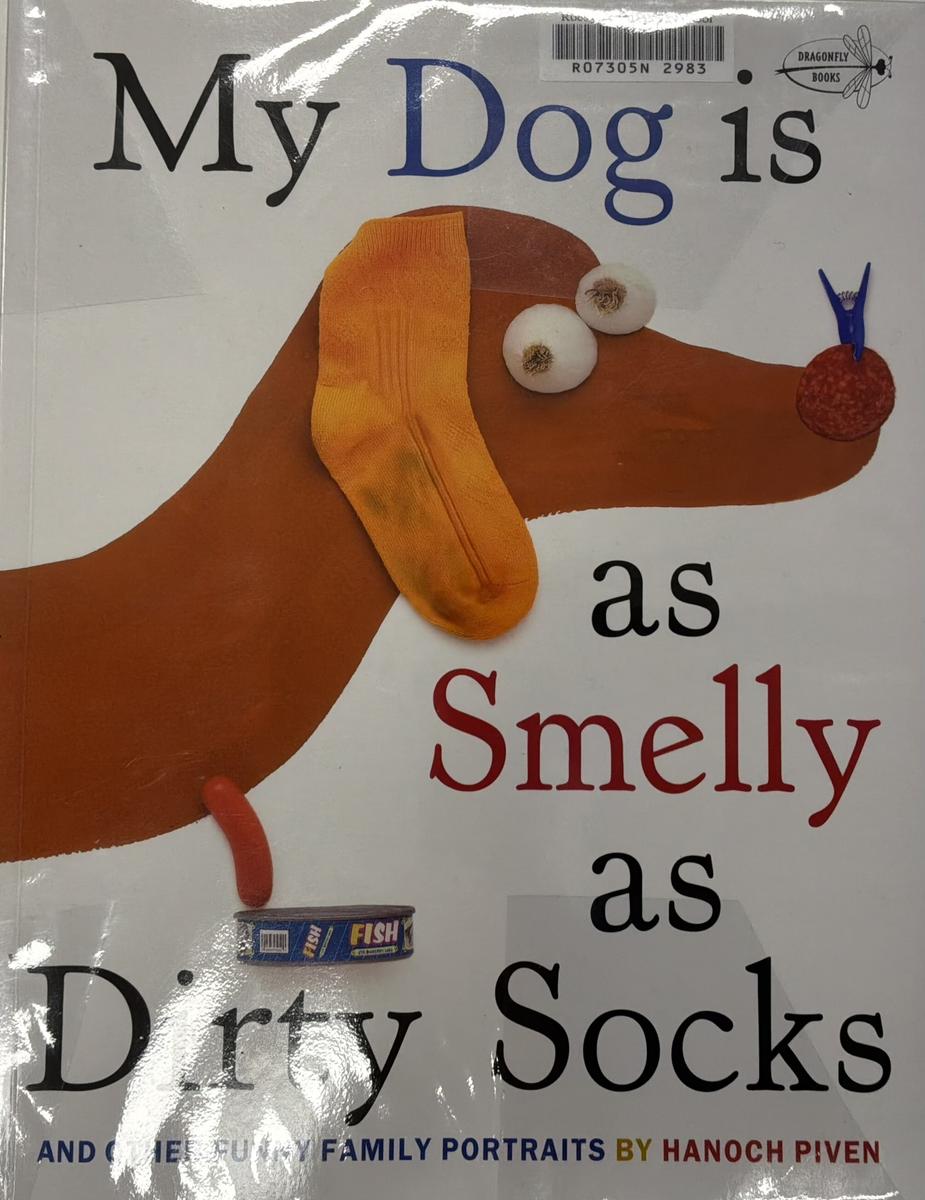
This term in English, our class has been focusing on how authors use imagery, symbolism, and connotation to enrich their narratives. Our mentor texts, My Dog is as Smelly as Dirty Socks and The Triantiwontigongalope, have sparked engaging discussions and a variety of learning activities. Students have been analysing how descriptive language, similes, and wordplay bring stories to life and make them more memorable. We have explored rhyme and rhythm, helping students to see how these elements enhance the enjoyment and meaning of texts. Activities around onomatopoeia encouraged students to identify and create their own sound words, which they then incorporated into their own writing. As a result, students have been producing creative texts that not only entertain but also demonstrate a growing understanding of how language choices influence the reader’s experience.
Mathematics
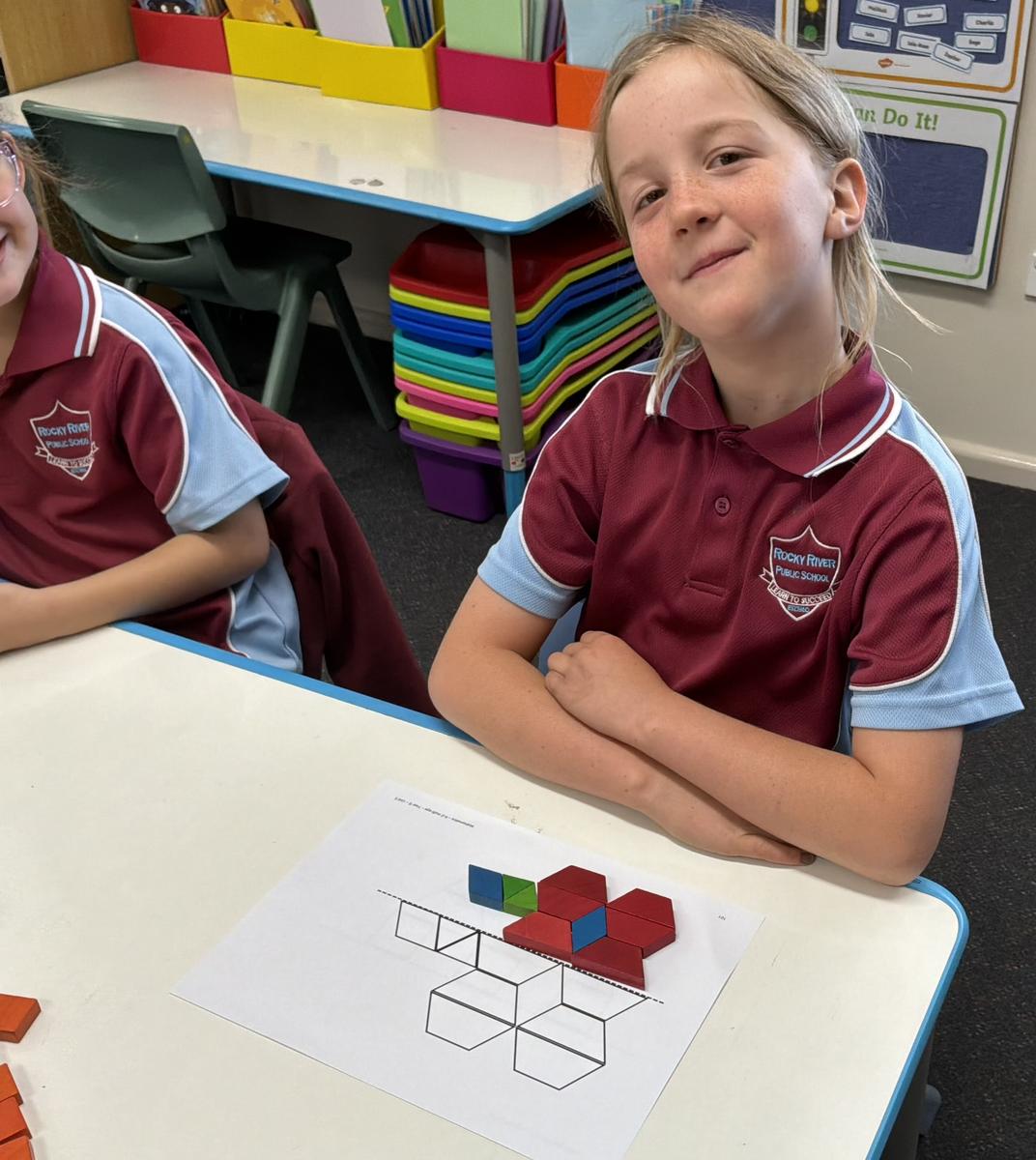
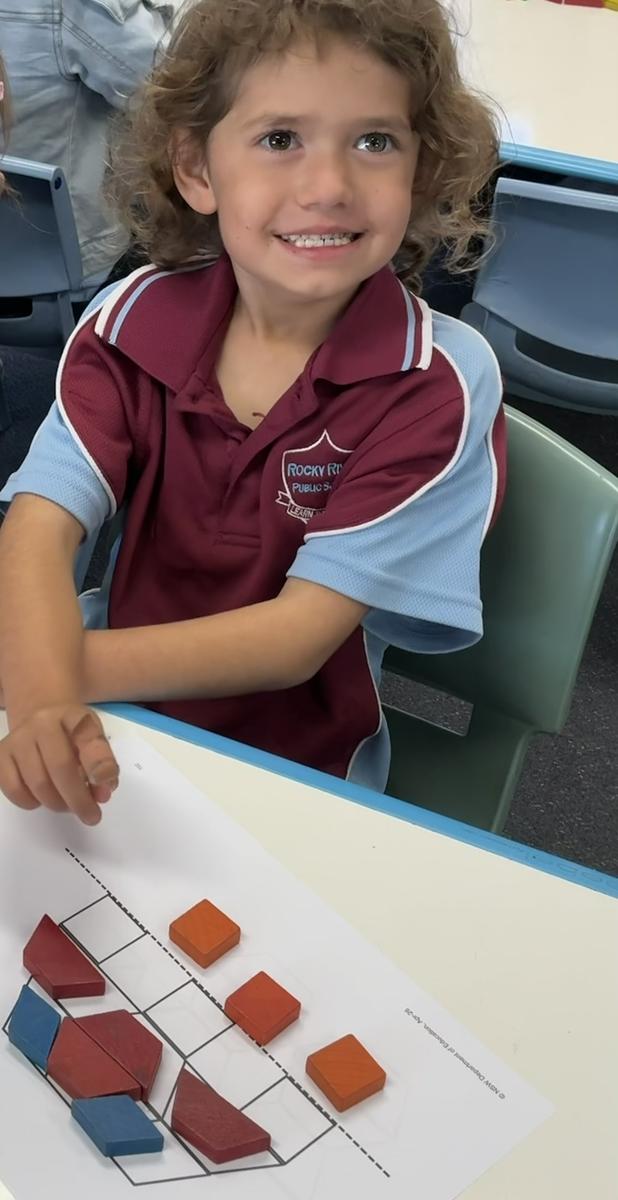
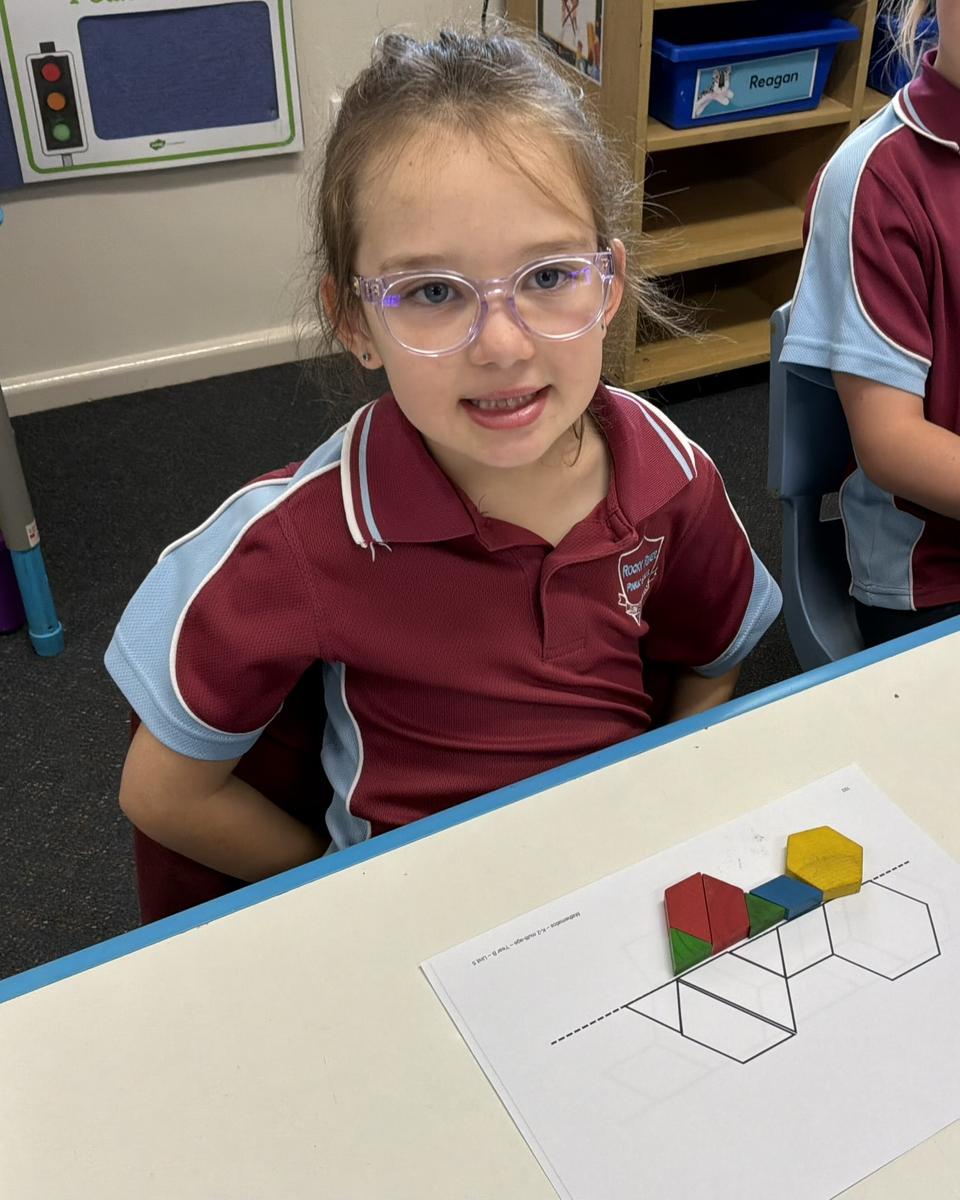
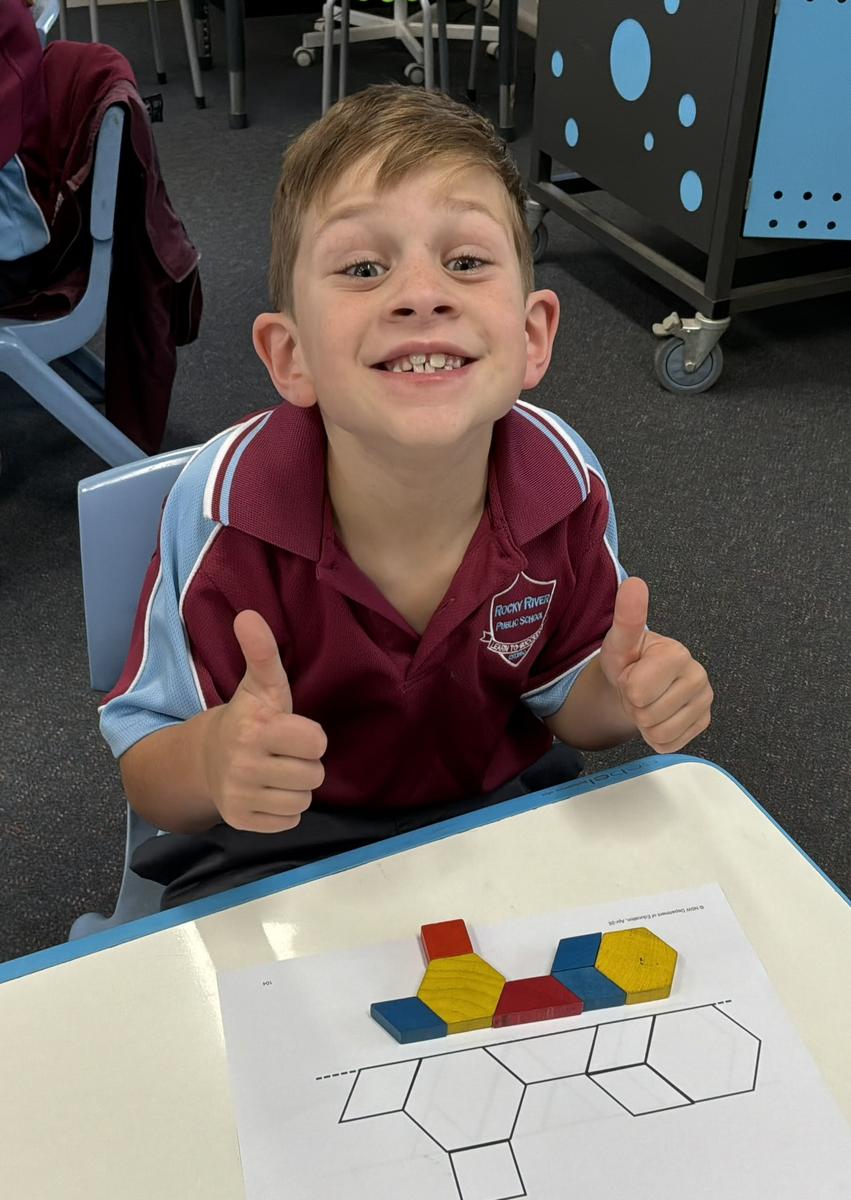
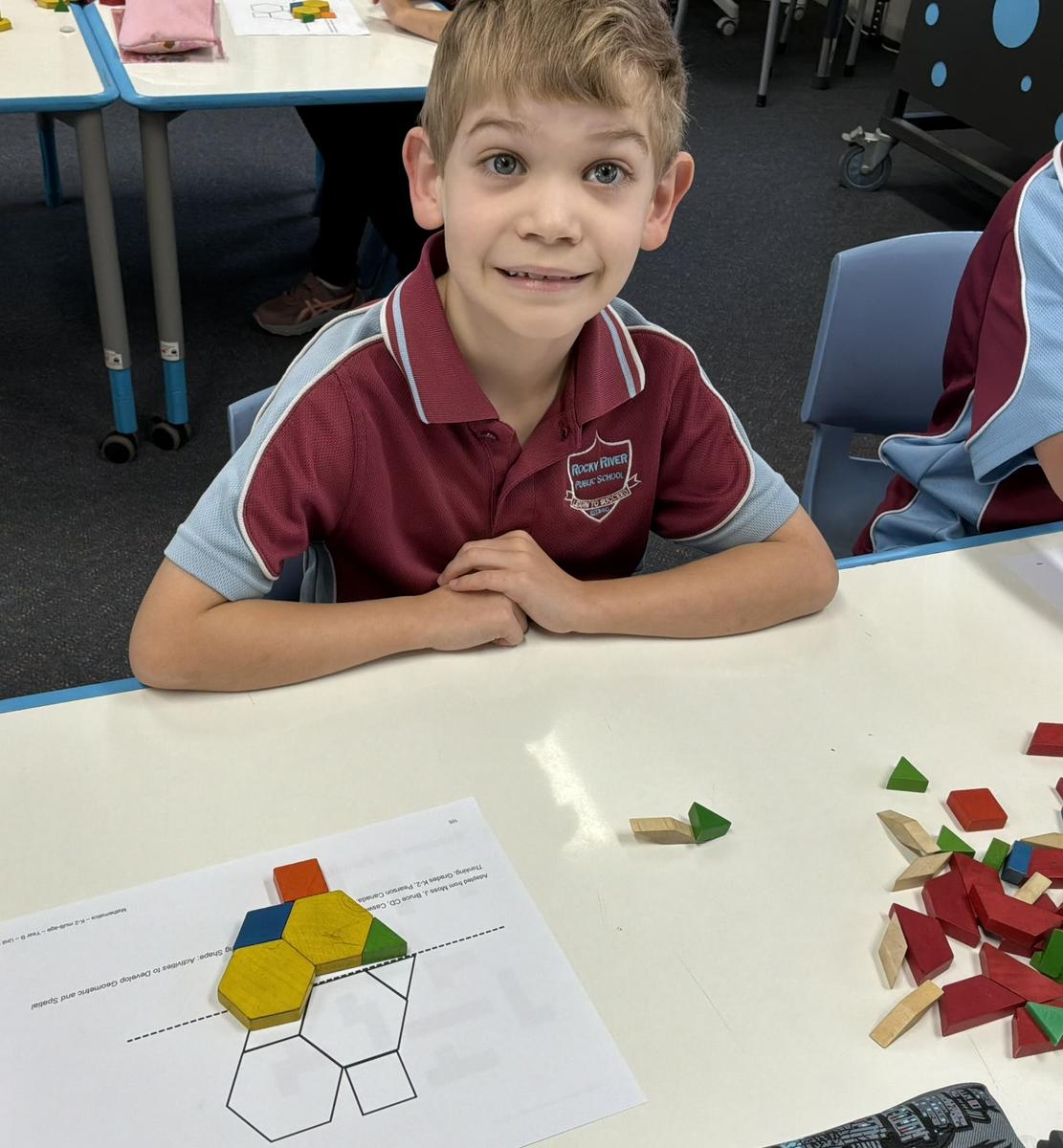
In Mathematics, our focus has been on geometric reasoning and spatial awareness. Students have been investigating how new shapes can be created through combining or dividing familiar shapes. Using hands-on resources such as pattern blocks students experimented with manipulating shapes—flipping, rotating, and sliding them—to observe how these transformations alter their appearance while maintaining their properties. We extended this learning by examining symmetry, where students used concrete materials to complete half-finished symmetrical patterns and then designed their own symmetrical creations. This practical approach helped students apply mathematical vocabulary such as ‘flip’, ‘rotate’, ‘slide’, and ‘line of symmetry’ in meaningful contexts, reinforcing their understanding of geometry and expanding their problem-solving skills.
Creative Arts
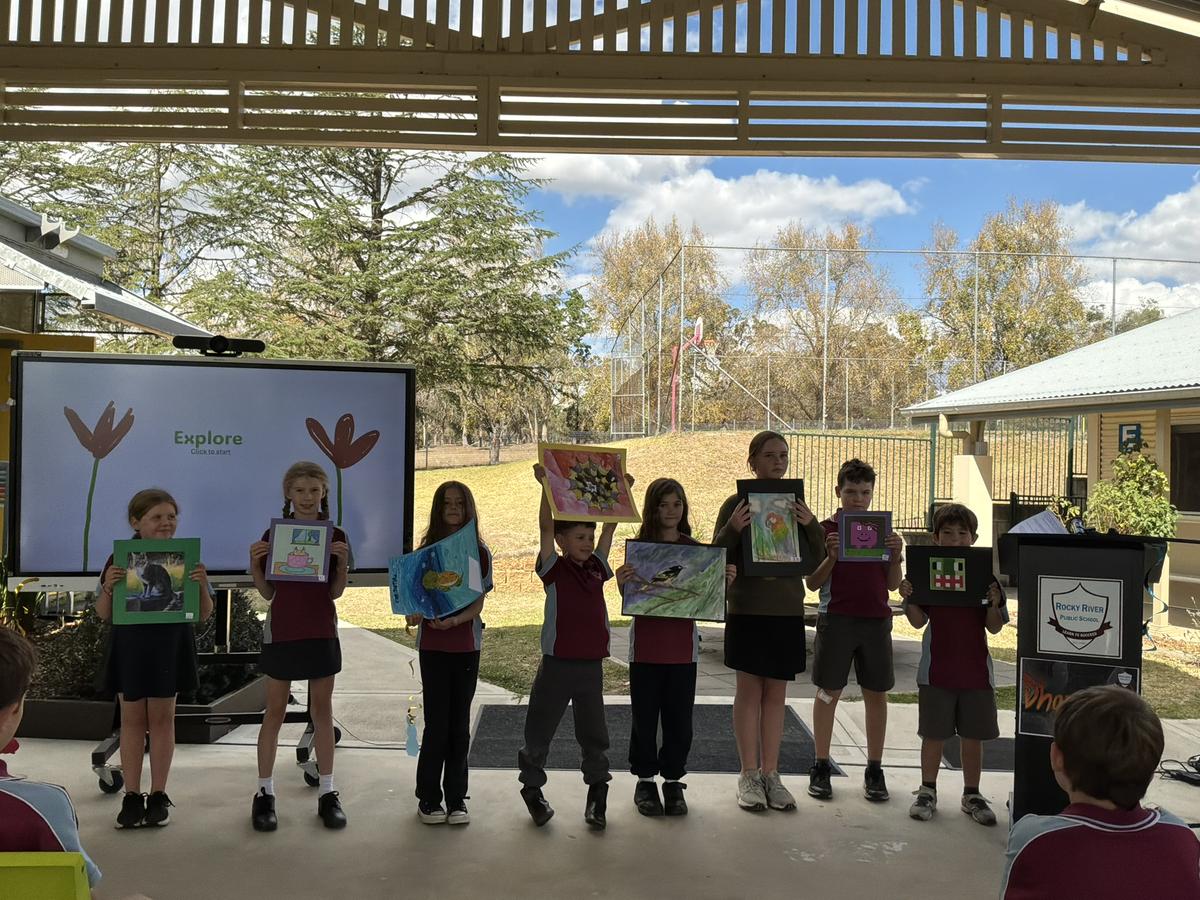
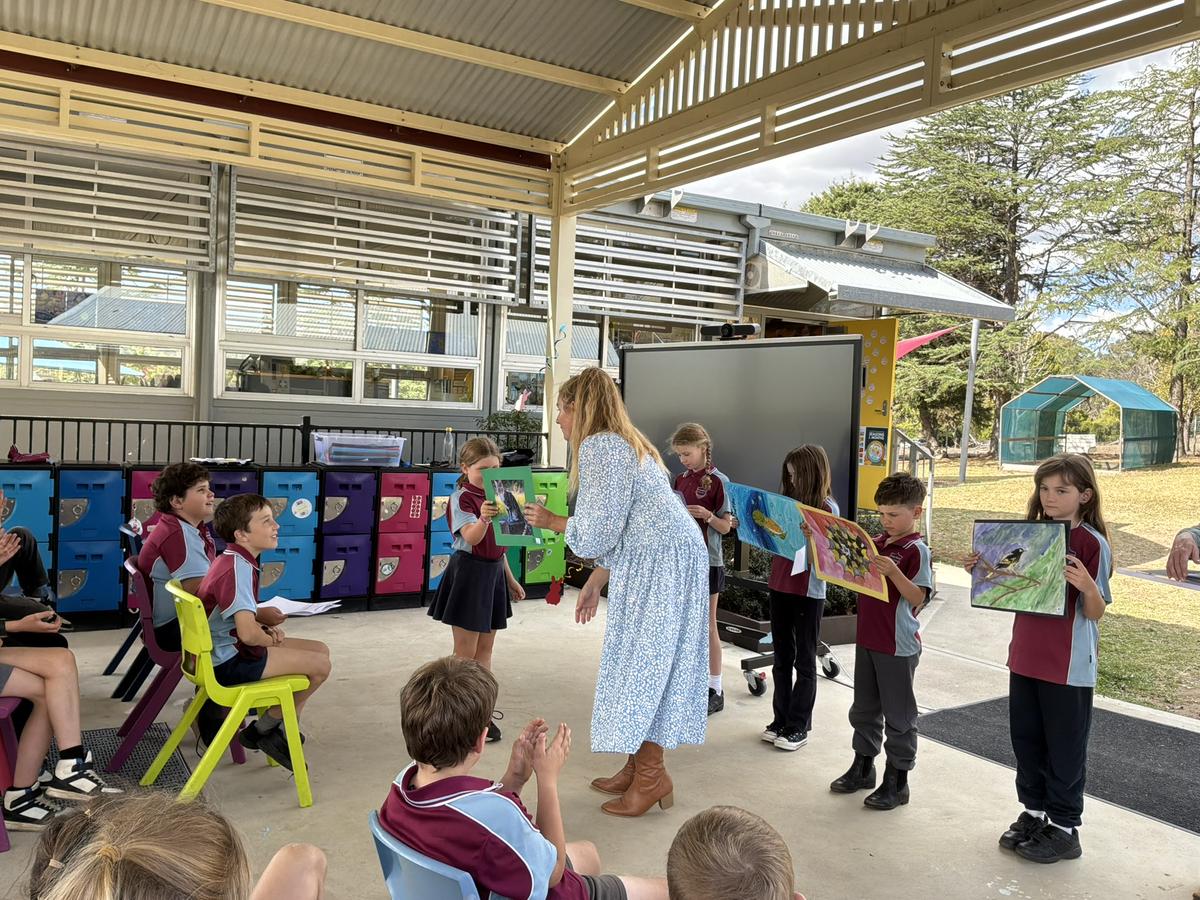
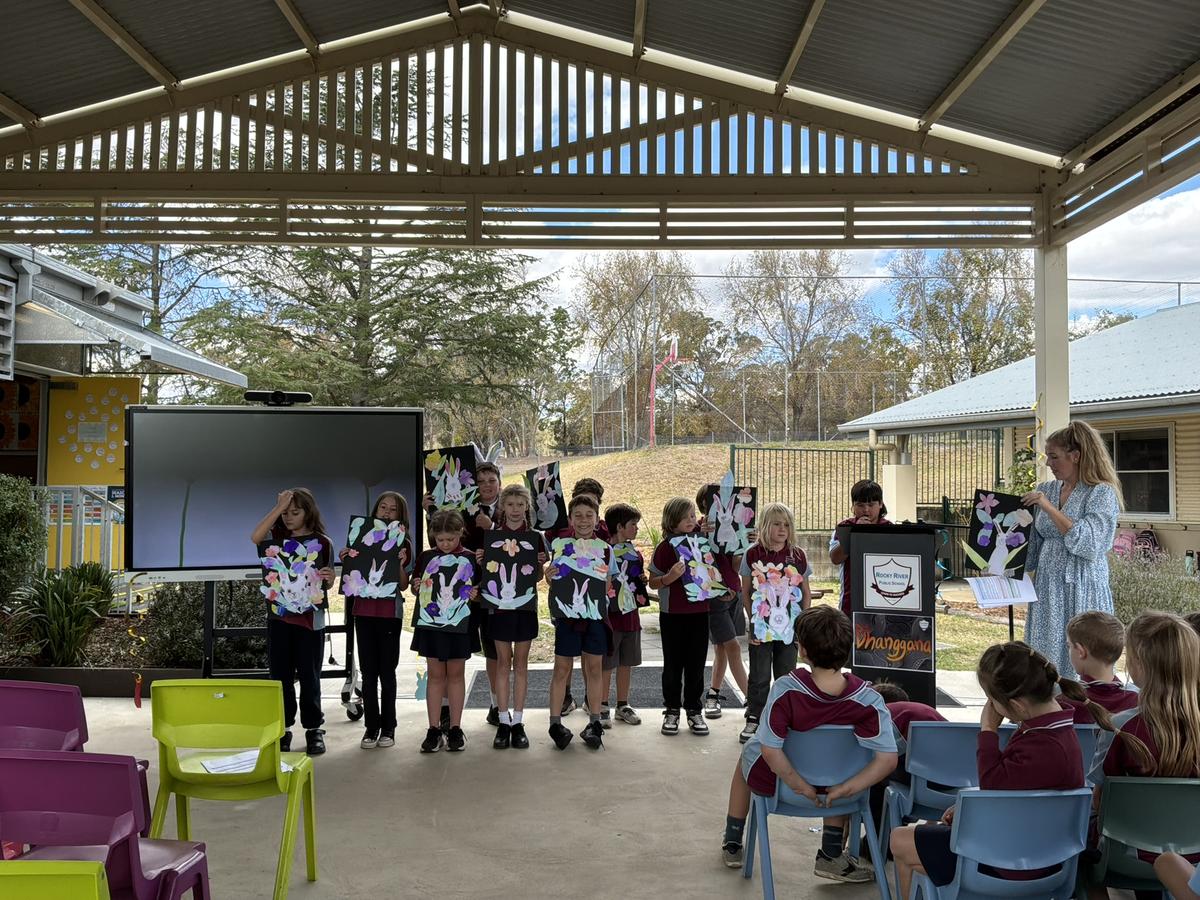
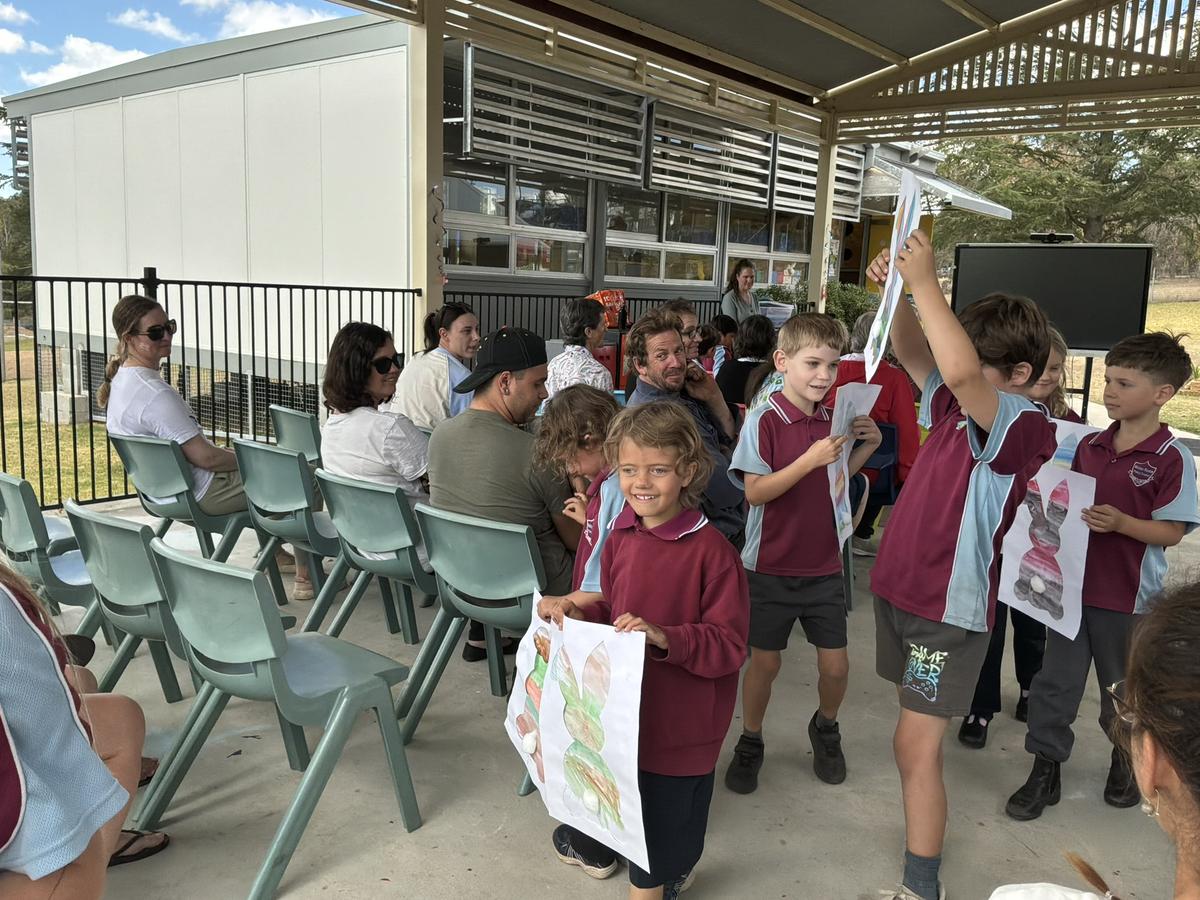
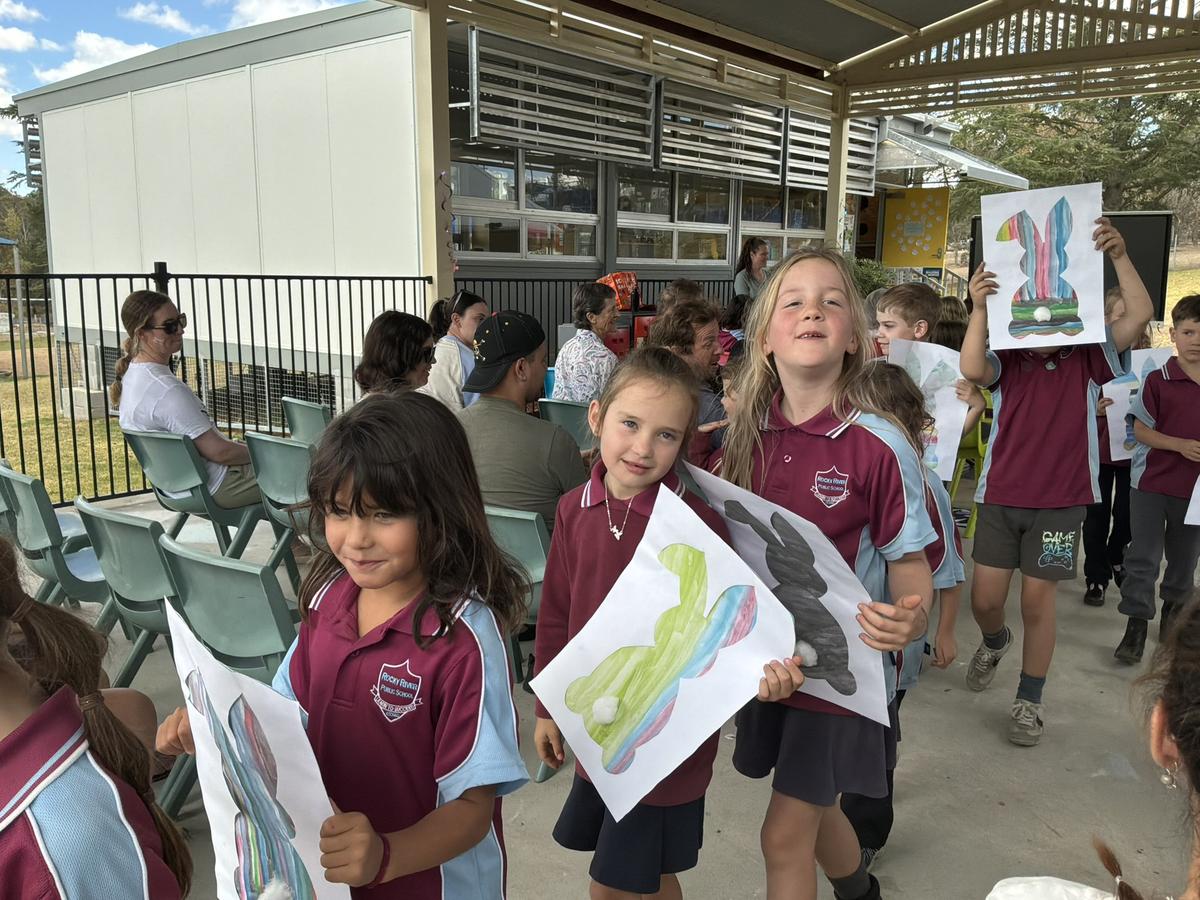
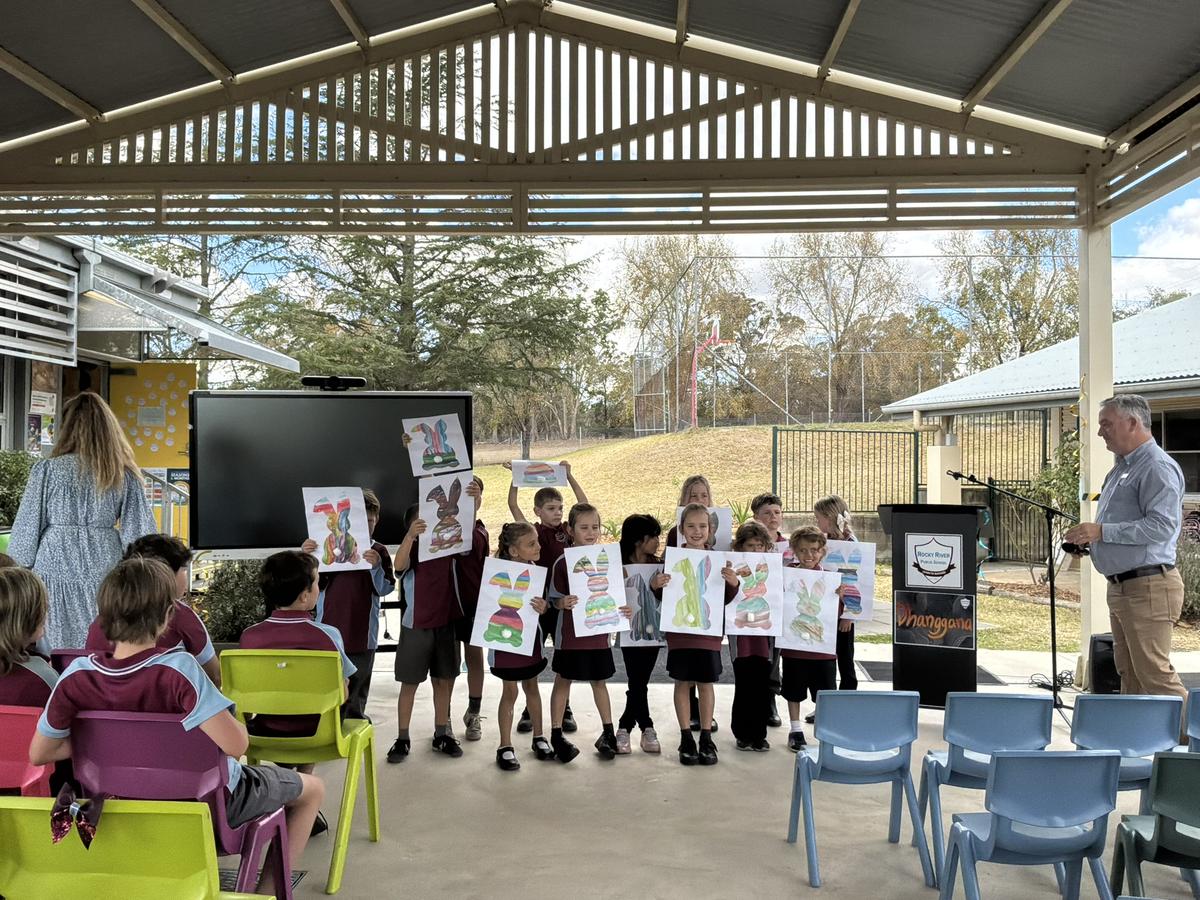
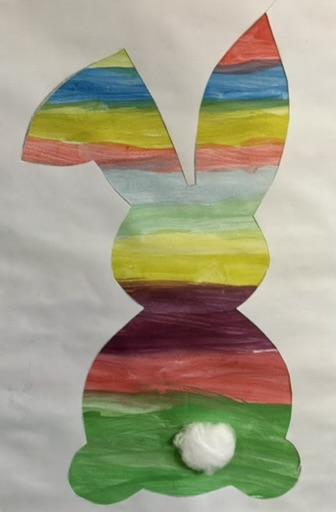
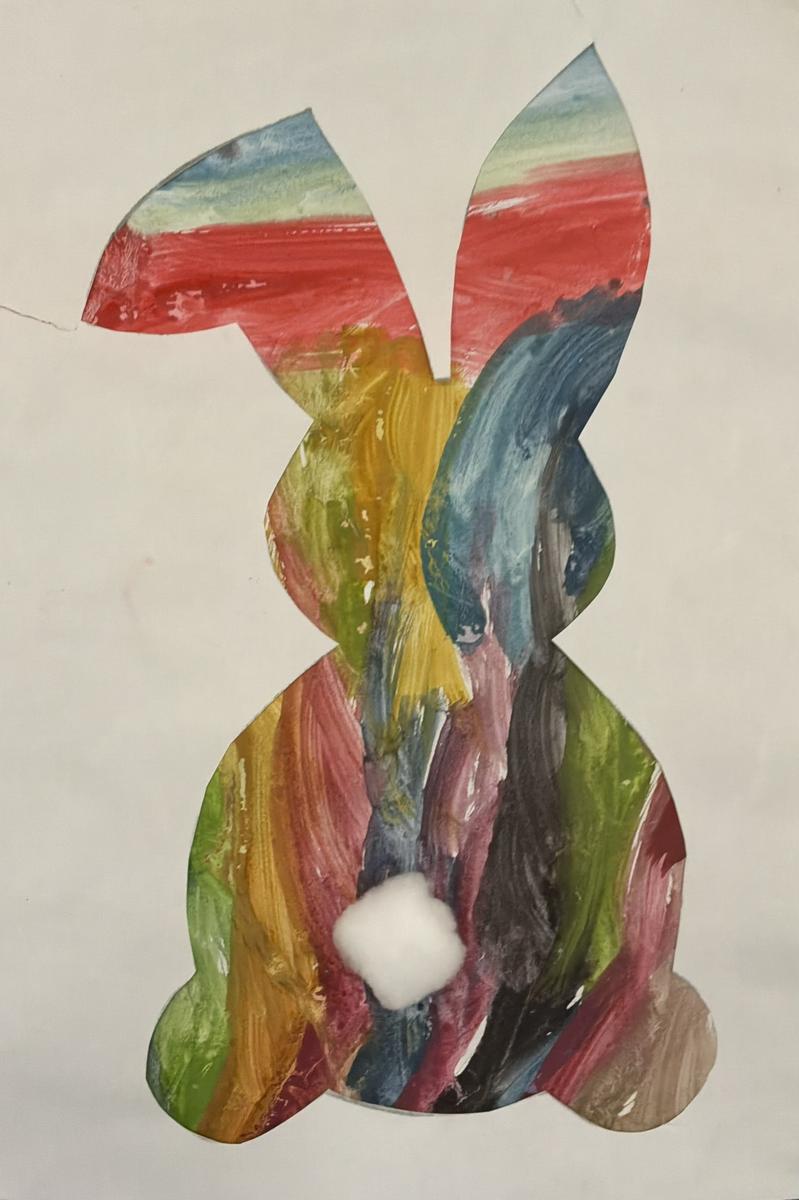
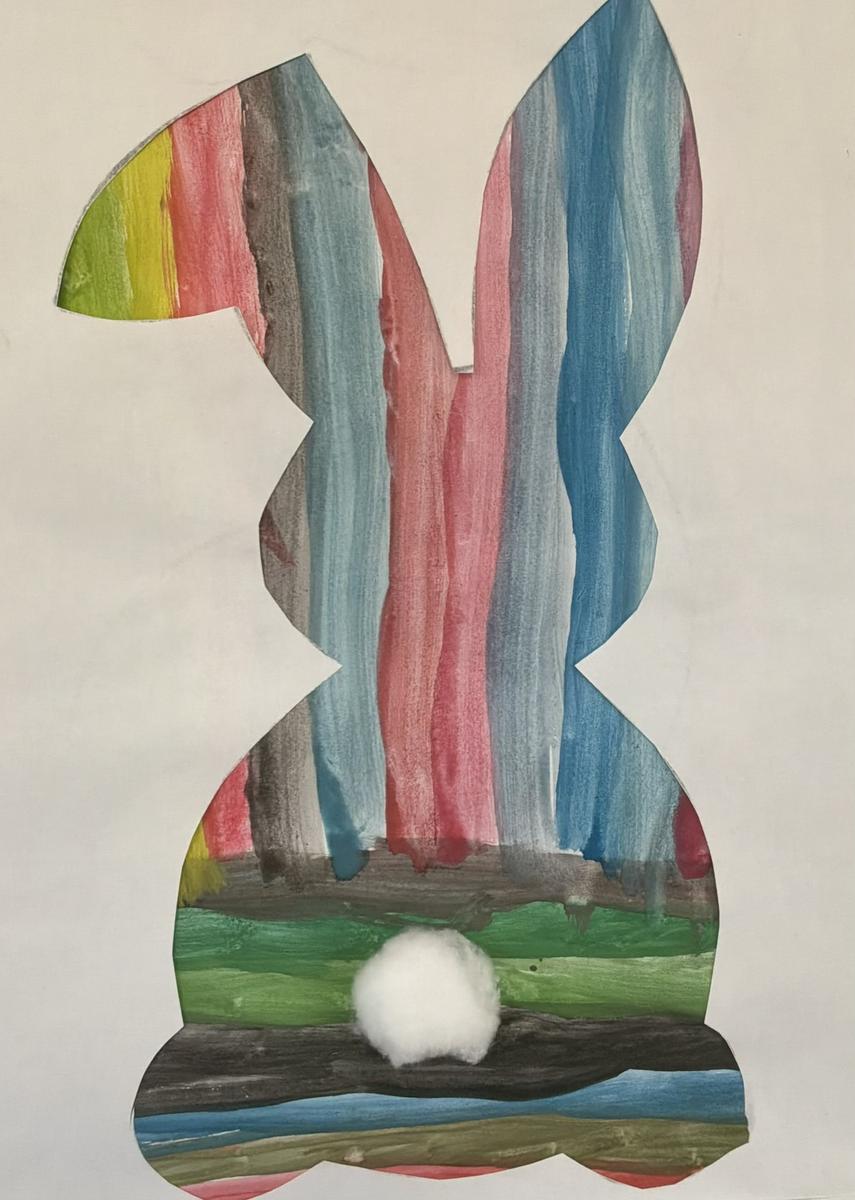
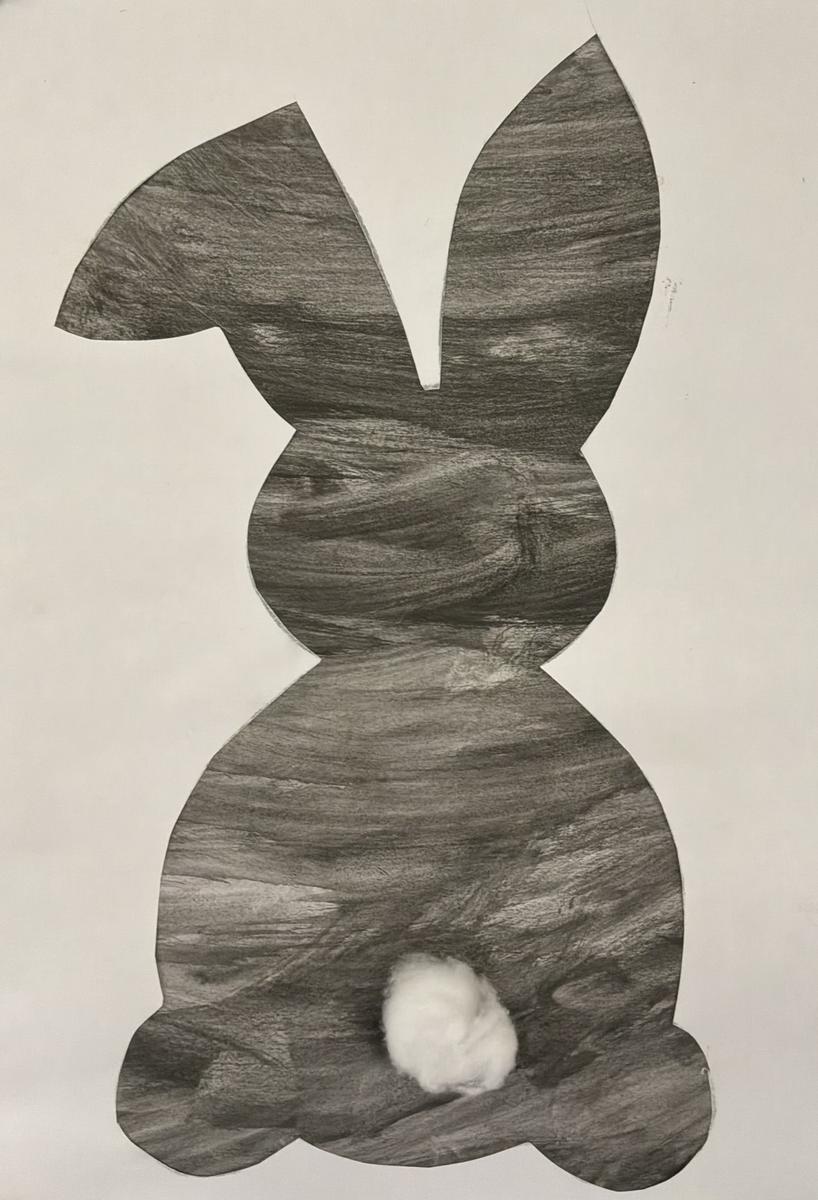
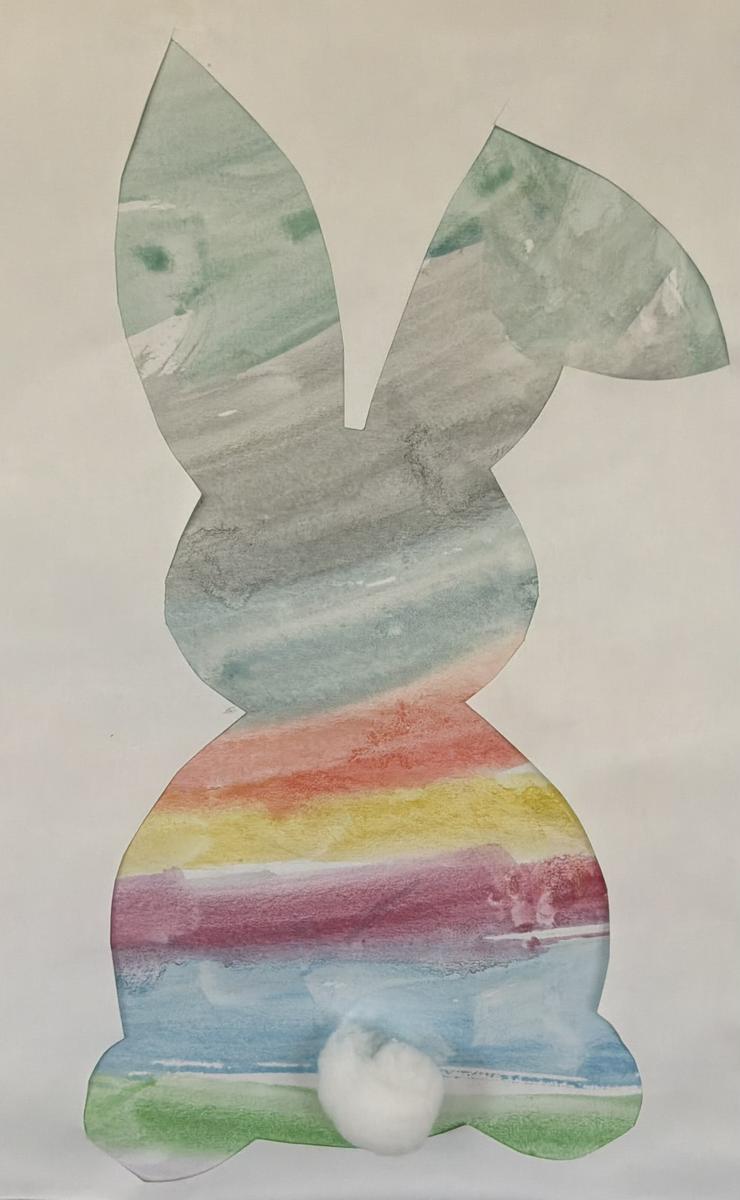
Our Creative Arts program last term included a special Easter project where students created Easter Bunny artworks. Students learned various watercolour techniques to add depth and vibrancy to their pieces. Using templates, they carefully traced and cut out bunny shapes, assembling them into unique compositions. This activity not only helped develop fine motor skills but also allowed students to experiment with colour mixing and layering. Finished artworks were showcased at our school assembly, providing students a valuable opportunity to present their work and celebrate their achievements. The project encouraged creativity, attention to detail, and pride in their artistic efforts.
ICT
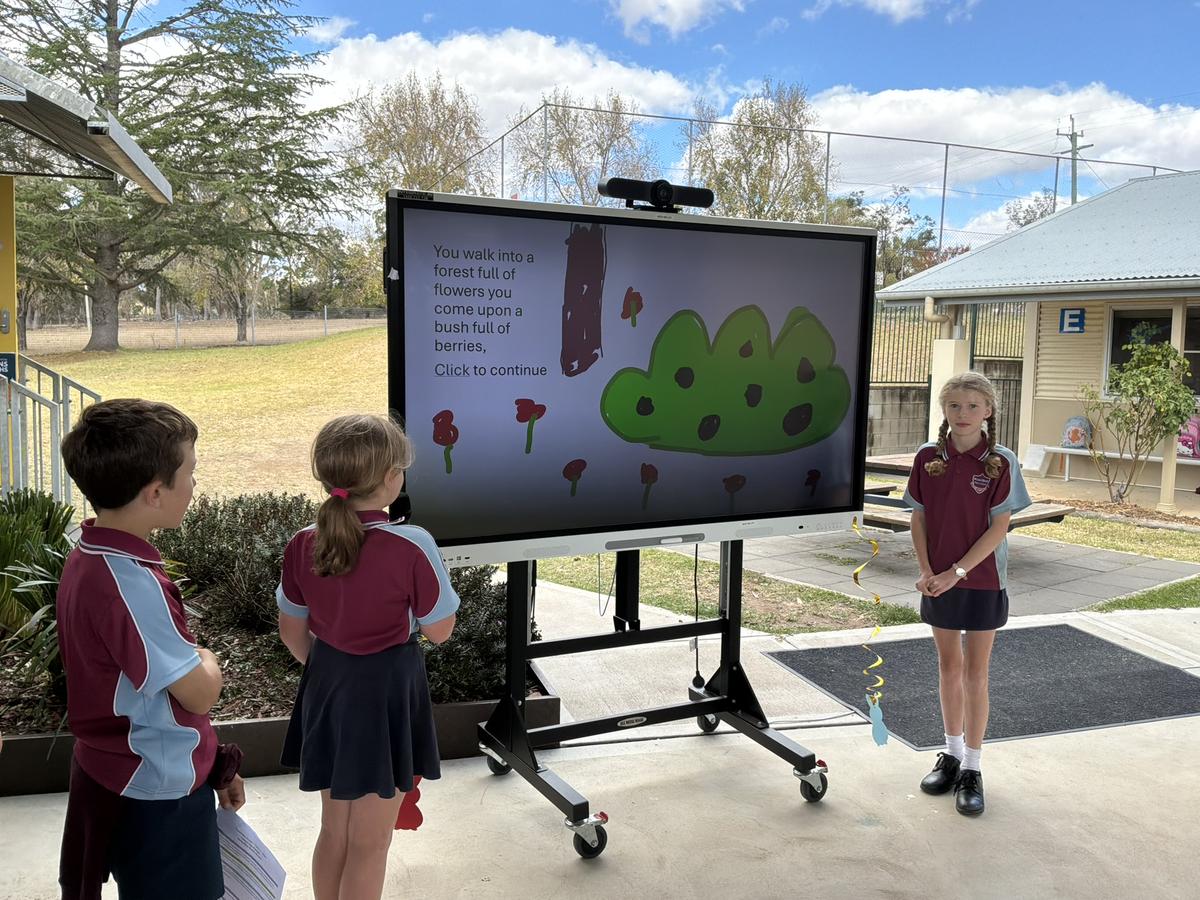
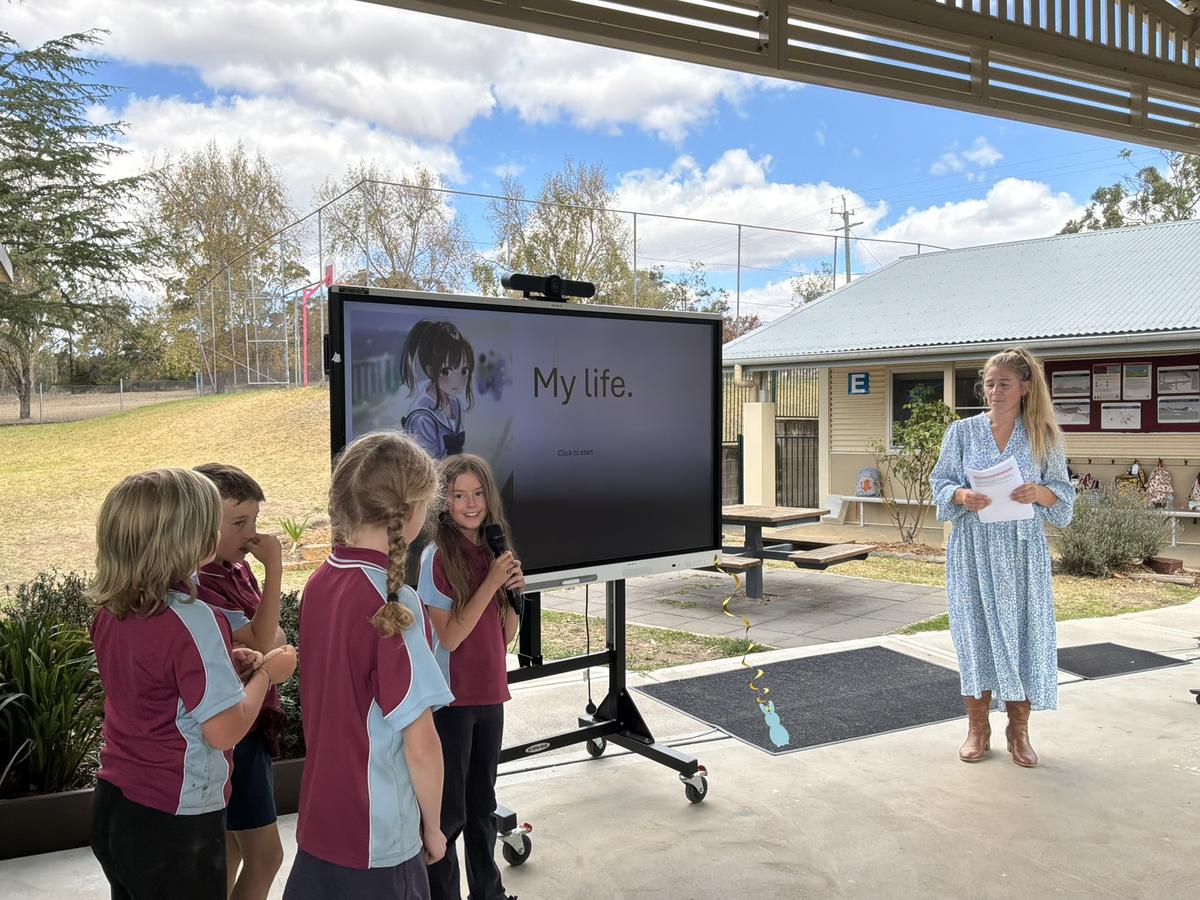
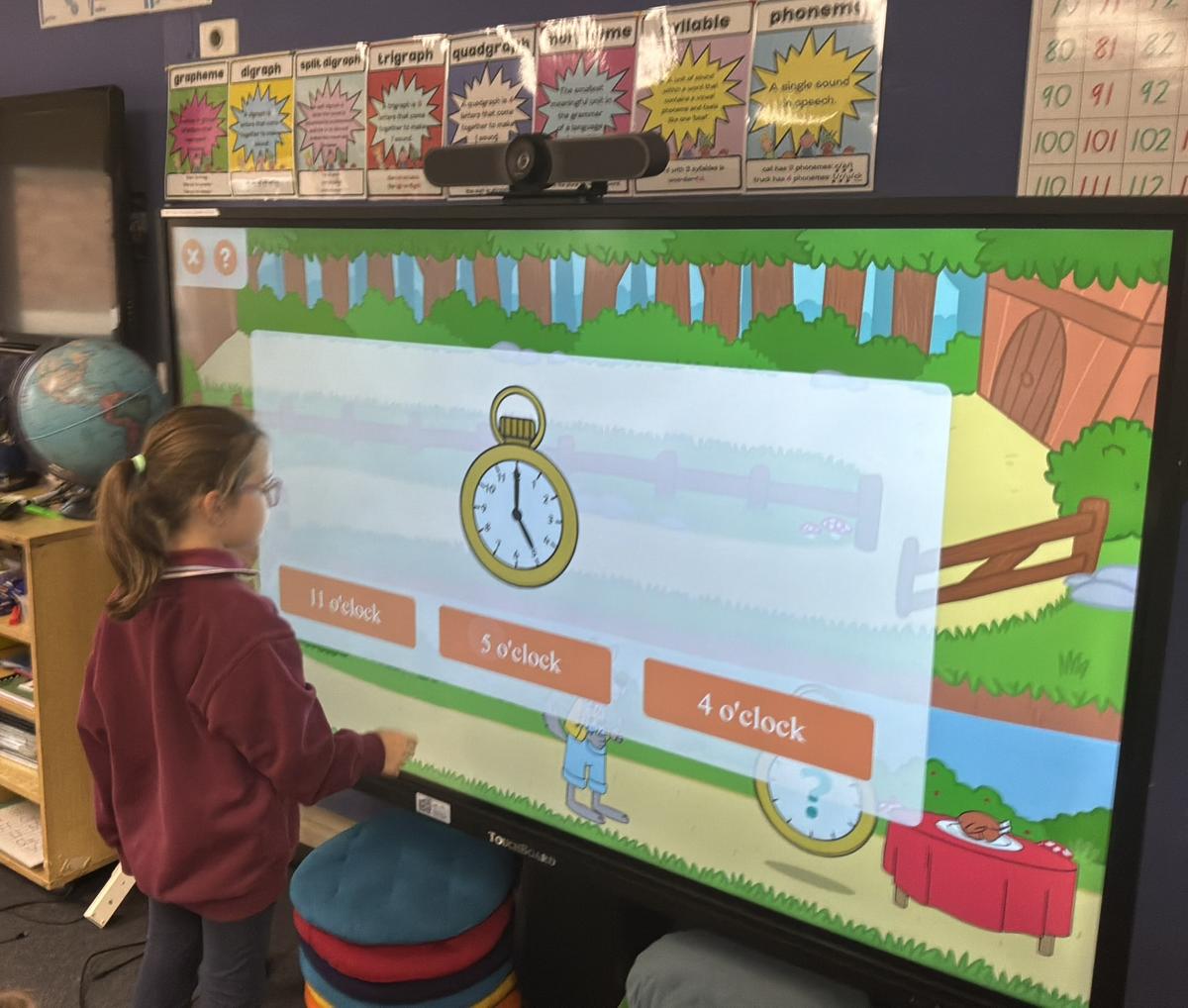
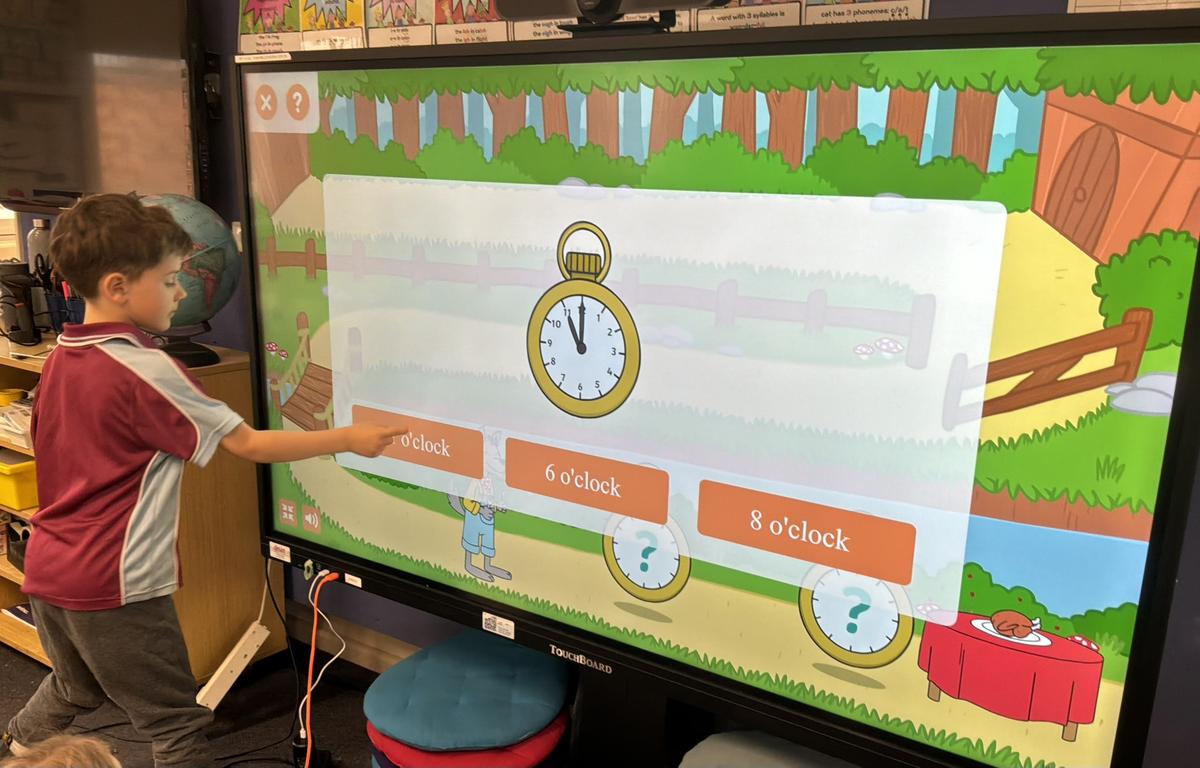
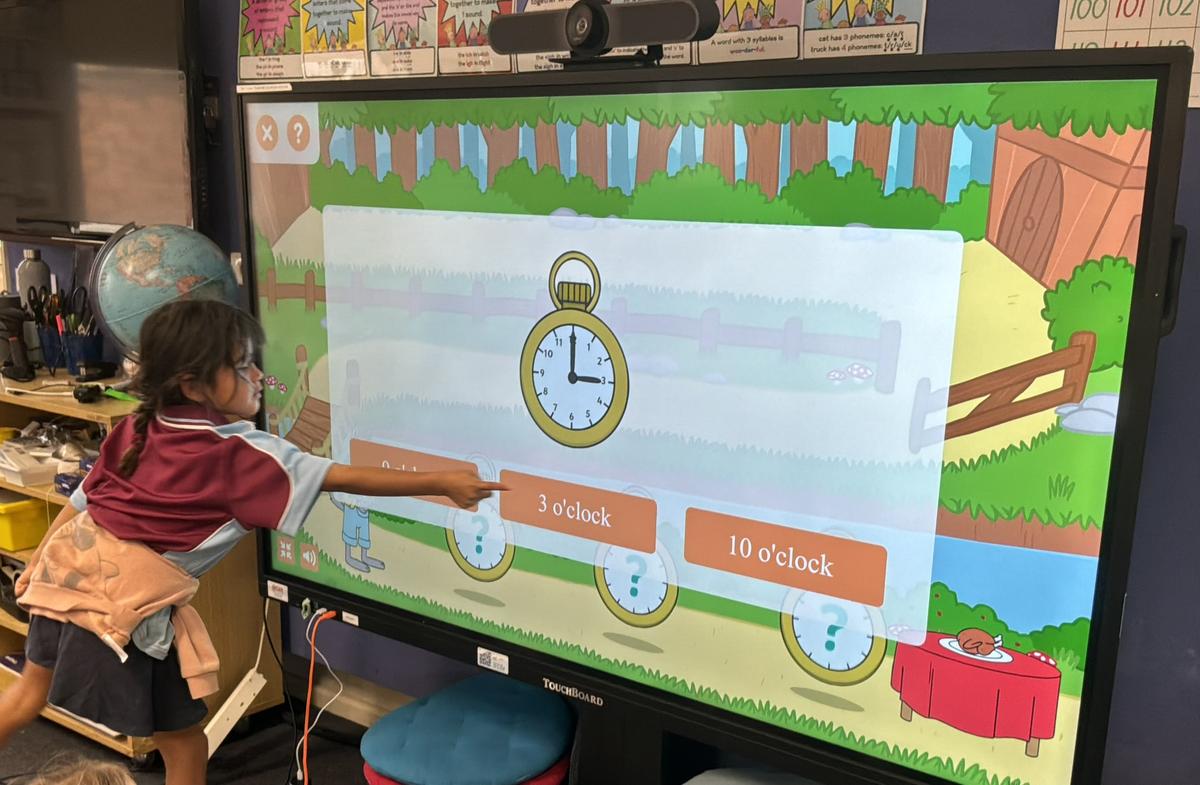
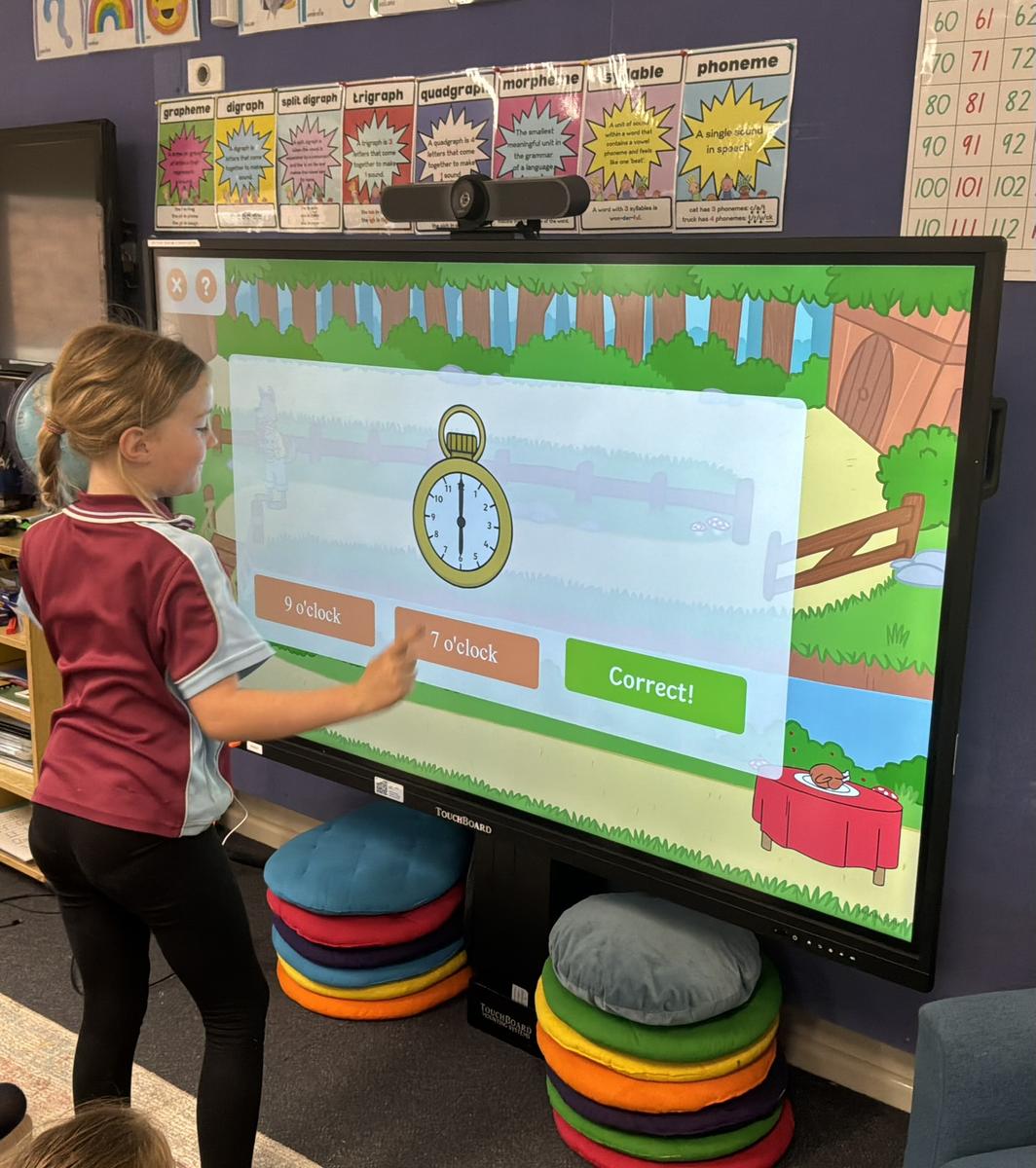
Lower Division students have been making the most of our interactive whiteboard during classroom learning, with a particular focus on mastering the skill of telling time. By using digital clocks, interactive games, and visual resources on the whiteboard, students are able to grasp the concepts of hours, minutes, and reading both analogue and digital clocks in a hands-on, engaging way.
The use of ICT (Information and Communication Technology) in everyday classroom activities has proven to be a valuable tool for learning. Through interactive lessons, students can participate in group activities, solve problems collaboratively, and receive instant feedback. This technology not only makes learning more dynamic but also caters to different learning styles—visual, auditory, and kinaesthetic—allowing each student to find the method that suits them best.
Upper Division
Stage 2
English | Sadako and the Thousand Paper Cranes
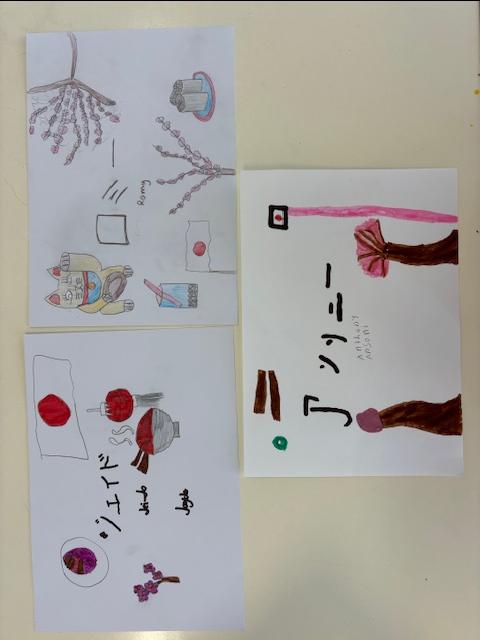
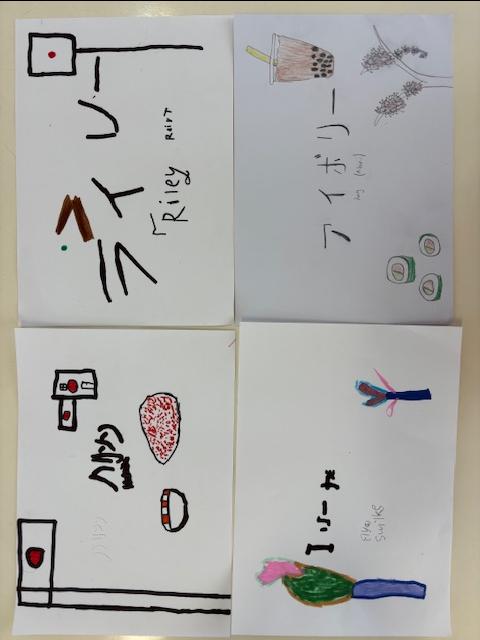
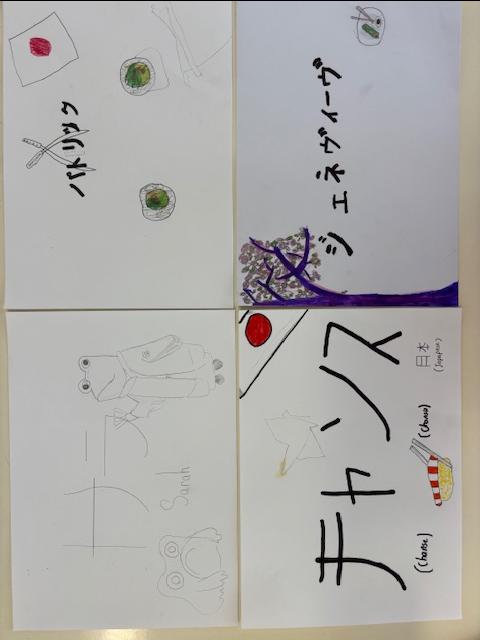
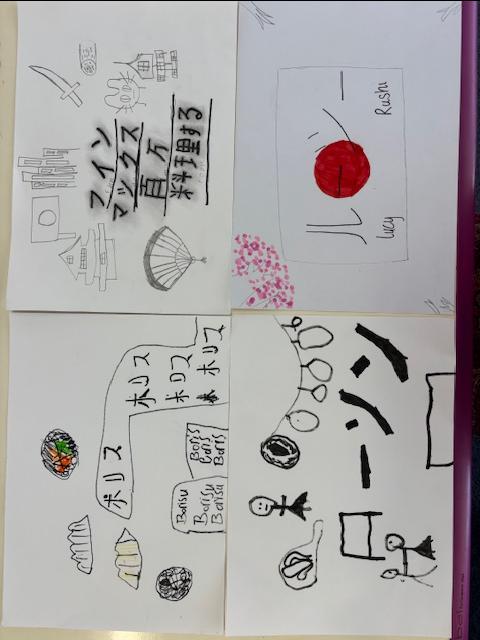
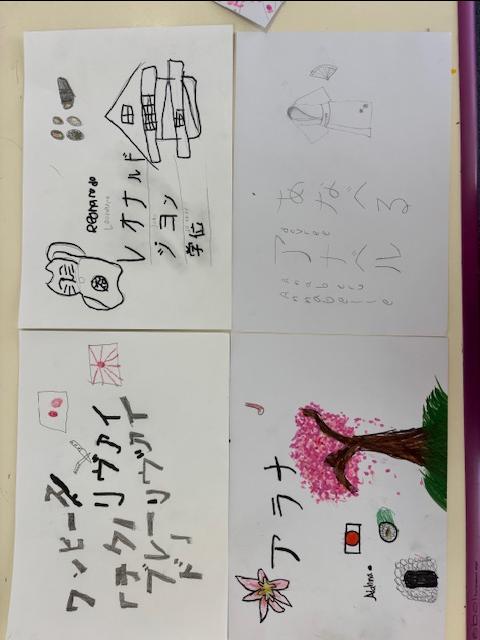
We combined visual arts and literature, centred around story of Sadako and the Thousand Paper Cranes. The creative process began with each student writing their names in traditional Japanese katakana script, fostering a personal connection to the language and culture. They then selected their preferred artistic medium—acrylic pens, permanent markers, or graphite shading—to bring their work to life, allowing for a diverse range of artistic expressions.
To enrich their understanding, students researched various aspects of Japanese culture, incorporating iconic elements such as the Japanese flag, sushi, cherry blossoms, and temples into their artwork. This thoughtful integration of cultural symbols helped to contextualise the story and deepen their appreciation of Japan’s rich heritage.
The project beautifully blended literature and visual arts, encouraging creativity, cultural awareness, and research skills. We are proud of the students’ enthusiasm and the vibrant artworks they produced, which truly celebrate the spirit of Sadako’s story and the beauty of Japanese tradition.
Mathematics | The Big 4
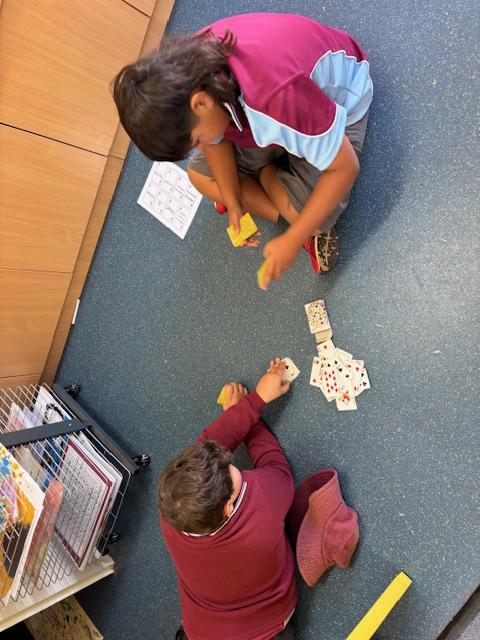
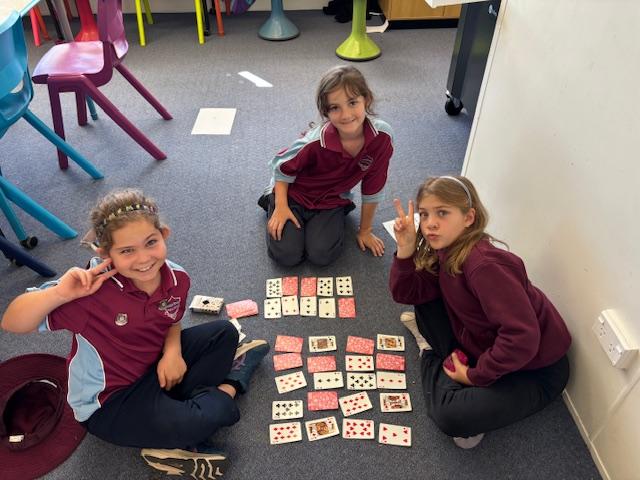
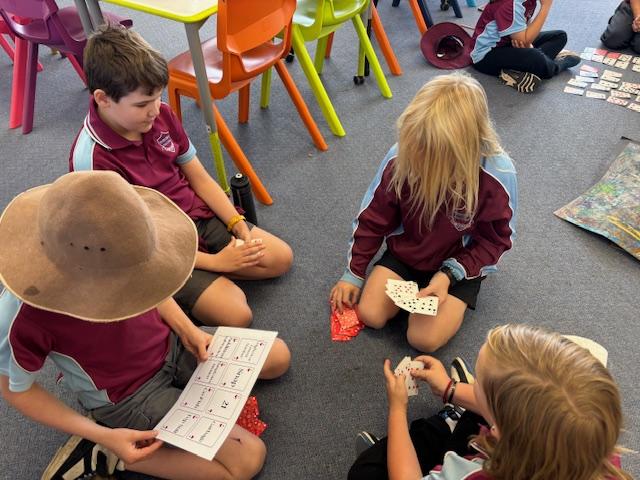
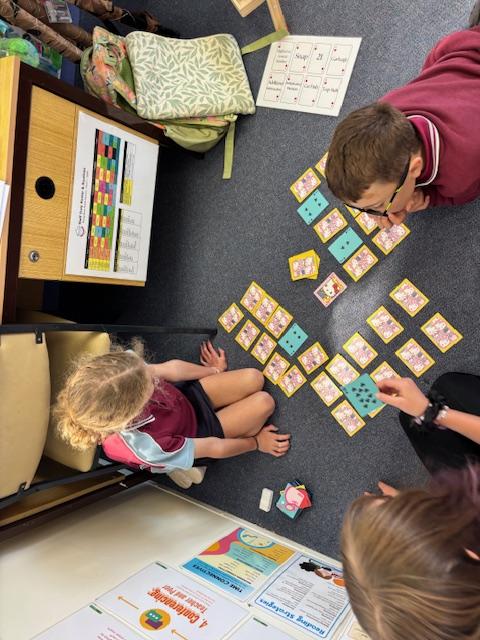
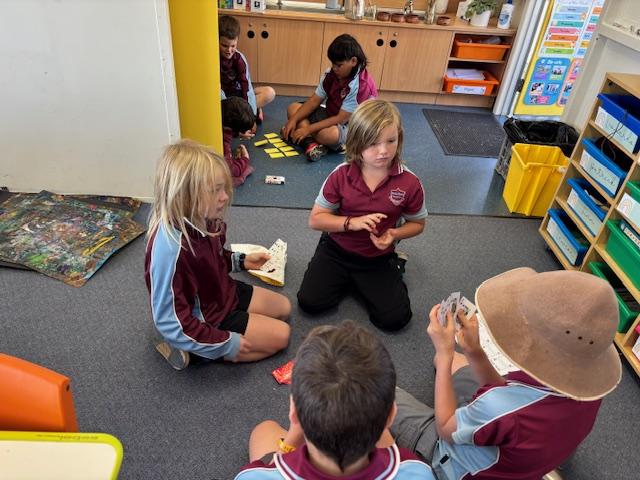
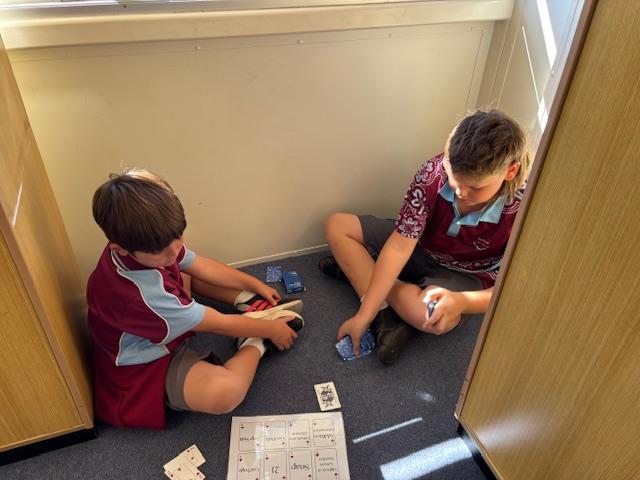
This term, our students will be strengthening their understanding of the Big Four mathematical operations: addition, subtraction, division, and multiplication. Learning mathematics has become an engaging and interactive experience through a variety of card games such as Garbage, First to 21, Biggest and Lowest Numbers, and experimenting with 2-3 digit numbers and choosing an operation to solve mentally.
These games not only encourage strategic thinking but make maths enjoyable and accessible for all learners. Students take turns selecting cards, combining different numbers, and deciding which operation to use. As they play, they are tasked with working out answers mentally—a fantastic way to boost confidence and mental agility.
A key focus in our lessons is encouraging students to work mathematically by “thinking out loud.” They explain their reasoning, step by step, to their partners or groups, helping to reinforce their understanding and clarify their thought processes. This collaborative approach builds communication skills and supports peer learning.
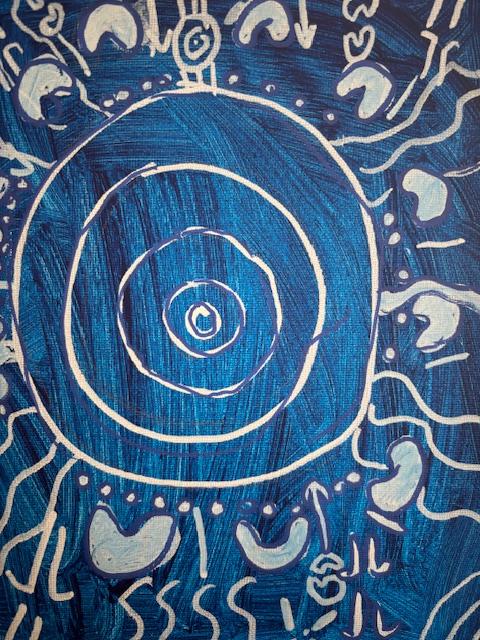
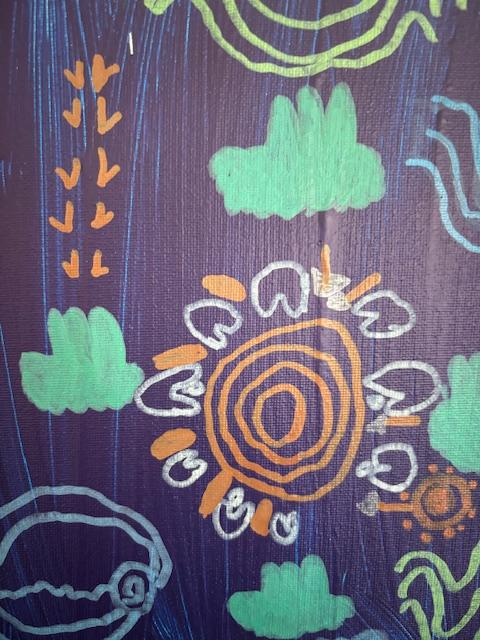
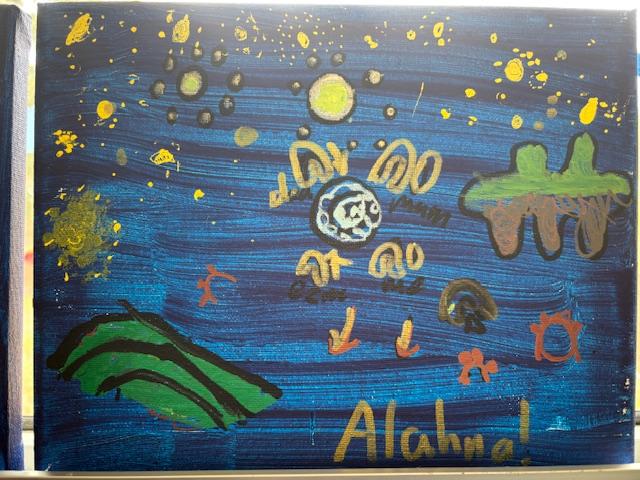
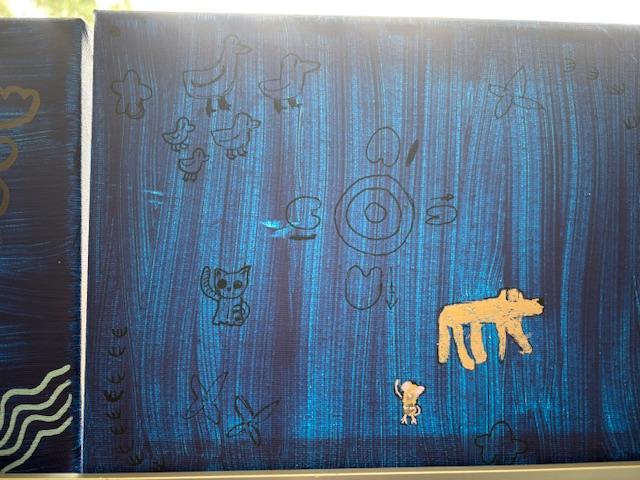
Visual Arts | Creation Stories
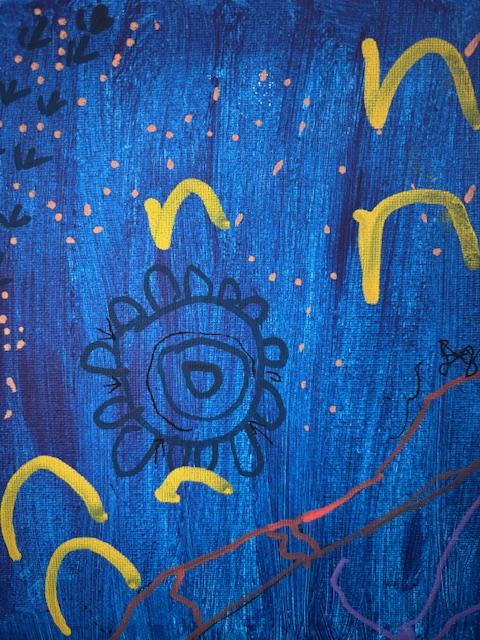
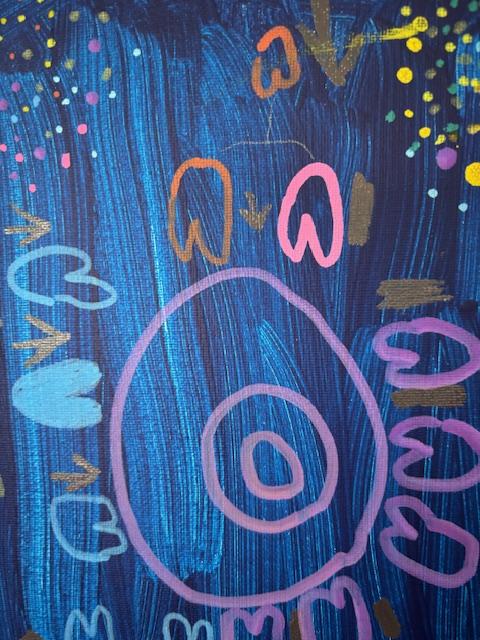
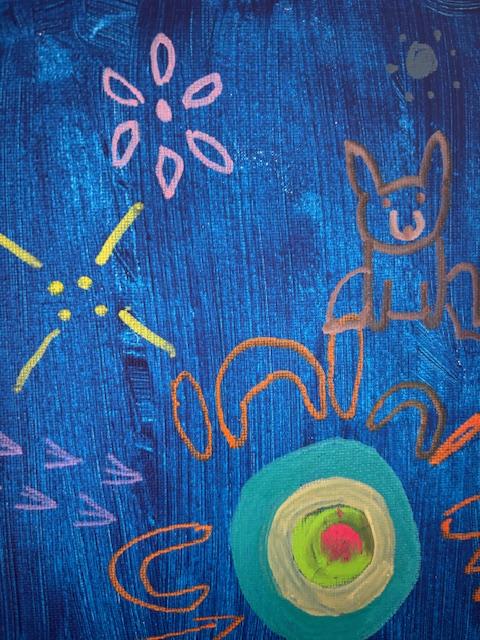
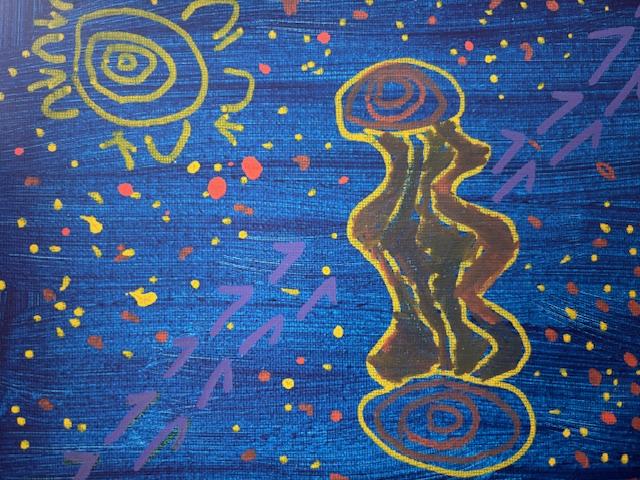
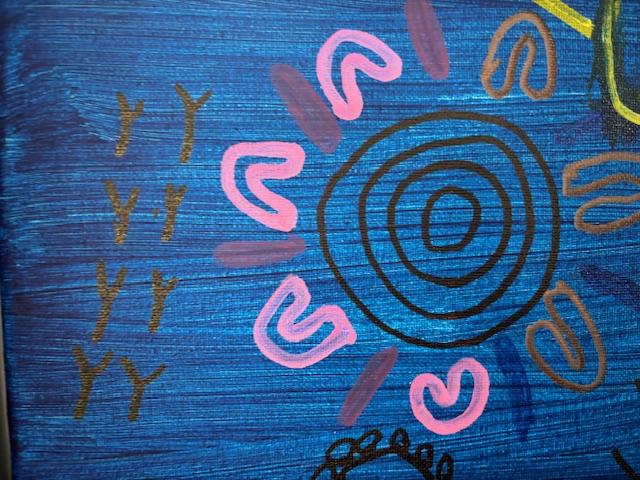
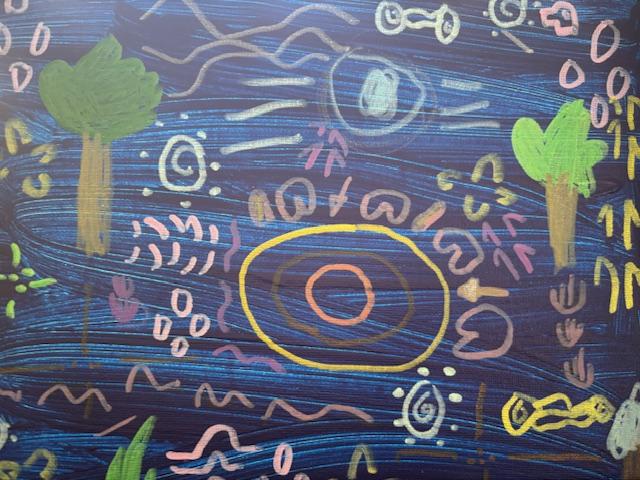
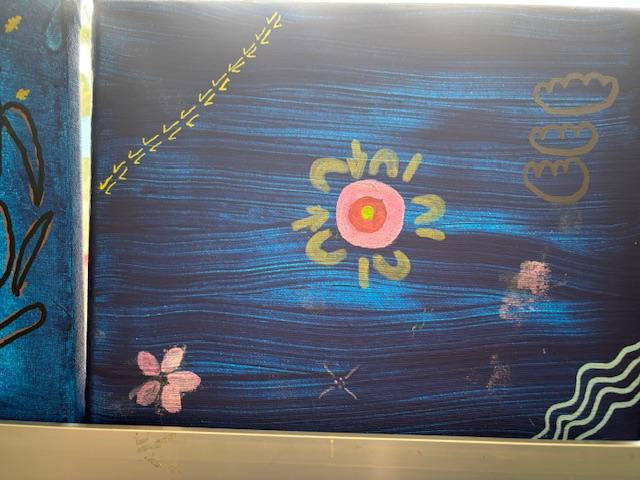
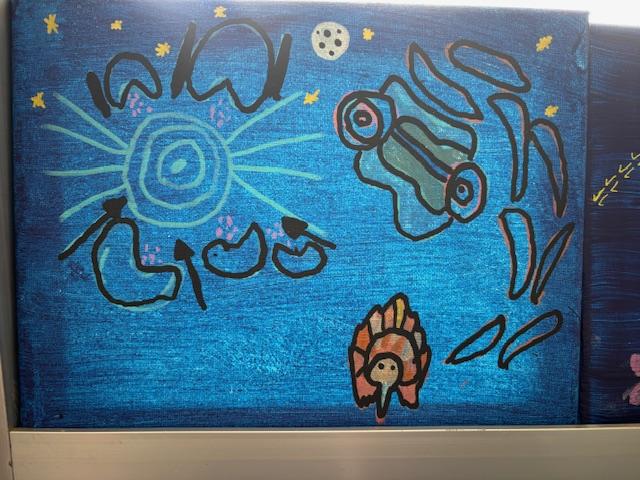
Last term, we embarked on a meaningful art project, delving into the world of Aboriginal creation stories. Using blue-painted canvases as a vibrant backdrop, students learned about traditional Aboriginal symbols and storytelling techniques with Mima Dave.
Guided by cultural respect and curiosity, the class crafted their own unique stories, weaving together elements from their everyday lives—interests, pets, and families. Students carefully brought their drafts to life using acrylic paint-pens, thoughtfully incorporating symbols to represent each aspect of their story.
The project not only helped students understand the significance of Aboriginal art and creation narratives, but also encouraged them to reflect on their own experiences and express themselves creatively.
Stage 3
English
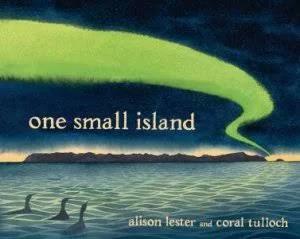
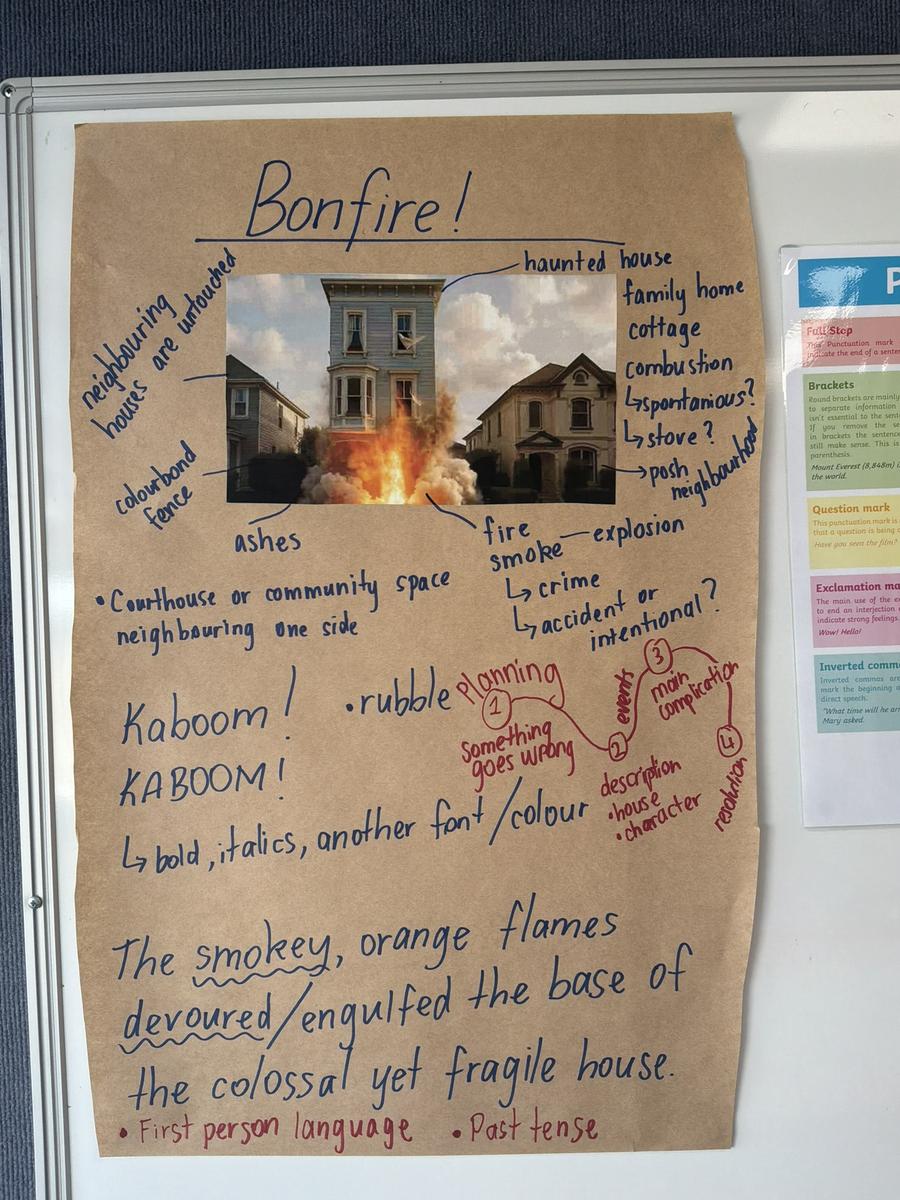
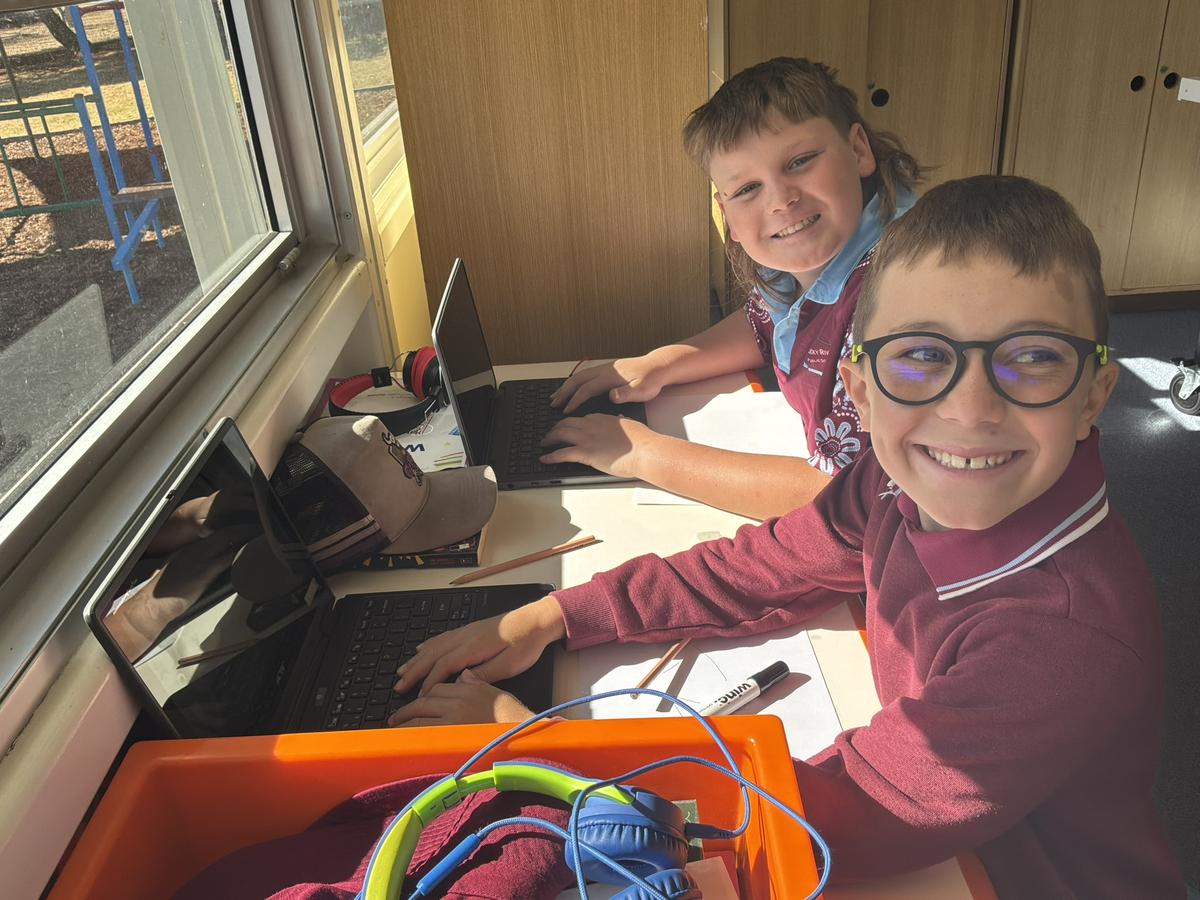
This term, students will use the mentor text One Small Island to analyse representations of ideas in literature through genre that reflect argument and authority. Students will adapt these representations when creating a persuasive text and a hybrid text that does not follow the form and function of a single genre. to wrap up our learning from Term 1, and to test our creative writing skill retention and application, students have completed a final imaginative writing assessment piece showcasing digital transcription skills. Stage 3 are all showing great personal progress in their writing with greatly improved structure and cohesion across their extended writing pieces with just a term of learning under their belts!
Mathematics
In Maths, we have started to move beyond simple multiplication tables and are exploring factors and multiples. This knowledge allows us to understand the multiplicative structure of numbers, preparing us for advanced topics like fractions, ratios, and algebra.
Uralla Shire Council Youth Week Visit
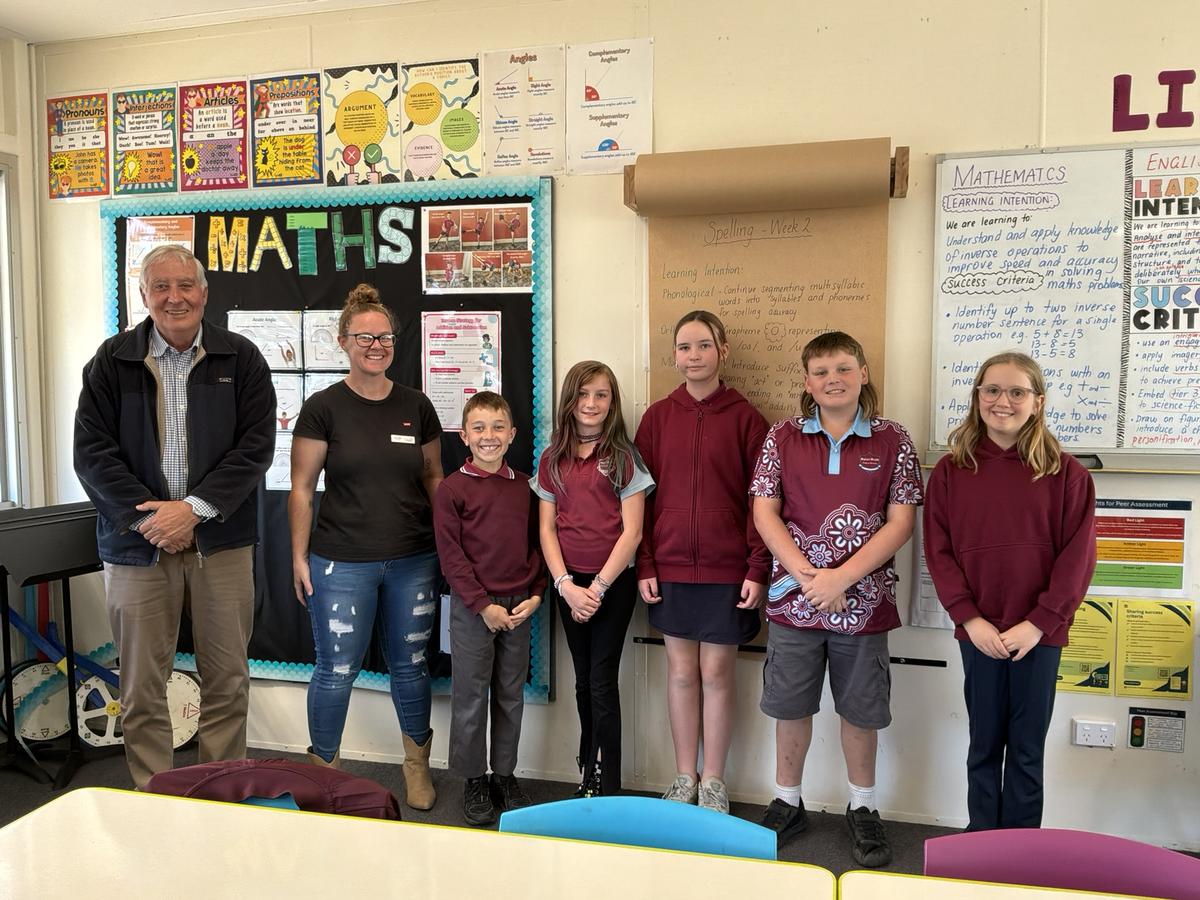
This week, Uralla Shire Council Mayor Robert Bell and Councillor Jen Philp met with our Stage 3 leaders to discuss issues which matter to the students. Lots of conversation was had on the recent silent disco which many Rocky River students attended. With plenty of positive feedback, students had some suggestions around more exciting events such as this, plus gaming or movie night events which would be exciting for their age group.
Some suggestions around visual arts offerings at the library show promise to be explored and suggestions around more graffiti clean up was taken on board by Mayor Bell.