
Mental Health and Wellbeing:
Supporting Inclusion and Respectful Curiosity at School
Mental Health and Wellbeing:
Supporting Inclusion and Respectful Curiosity at School
Last Friday Catholic Education Sandhurst launched the Wellbeing Framework for 2026 and beyond. It is a faith drive, evidence-informed approach that puts Wellbeing at the forefront of Catholic Education in the diocese.
The Framework is organised around five pillars.
It is very exciting time to be part of Catholic education. I am looking forward to sharing this approach with you throughout semester two.
We conclude the term with the topic: Stress management.

The Stress Management topic helps students to recognise signs of stress in themselves and others (body sensations, emotions and behaviours). It encourages students to identify and practise positive stress-management strategies including mindful breathing and self-calming.
Things you can do at home:
Foundation: Discuss with children who they can talk to when they have a problem, even if it seems really big, scary or bad.
Year 1 and 2: Discuss with your child about what you like to do to relax when you are stressed. Engage is some relaxation activities together at home.
Year 3 and 4: Talk about the types of stresses you faced when you were at school and coping strategies you used. Make a playlist of music to use during a relaxation exercise.
Year 5 and 6: Make a family fridge list of 10 favourite ways to calm down or relax. Engage in some relation exercises together.

Smiling Mind is a leading Australian not-for-profit dedicated to making positive changes in mental health. For over 10 years they have created evidence-based programs to help kids thrive, through curriculum-aligned school programs and a free app that gives families practical tools for daily wellbeing. They are committed to making mental fitness accessible to everyone.

You can find numerous relaxation activities under:



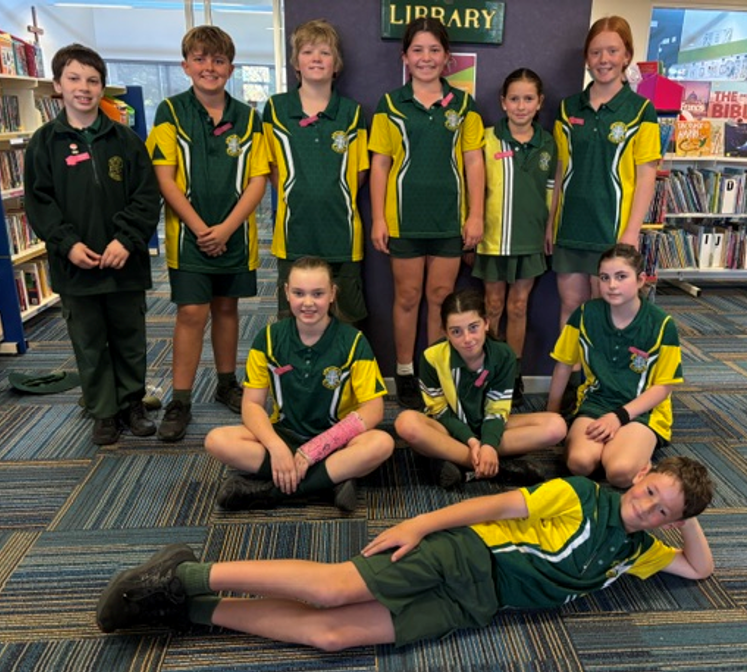
Our Stand Up Project leaders are very excited to be putting the final pieces of the puzzle together before they teach their first lesson to their peers. In groups of three or four, the students are preparing lessons and resources to share with their peers. WATCH THIS SPACE!
Click to access past resources