YEAR 9 BLUE PLANET

Isabella York
Isabella York
This semester, the Year 9 students have explored the fascinating connections between marine and terrestrial ecosystems in their Blue Planet elective. They investigated biodiversity, climate systems, and the impact of human activity on environments across the globe, from oceans to rainforests.
A strong focus of the course has been biodiversity and the delicate balance that sustains life. Students examined how plants, animals, and microorganisms interact within ecosystems, and how human activities (such as pollution, habitat destruction, and climate change) are influencing these environments. They also explored conservation efforts and emerging technologies that are helping scientists better understand and protect our natural world.
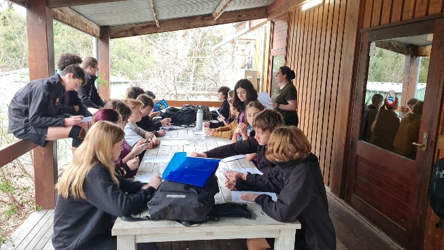
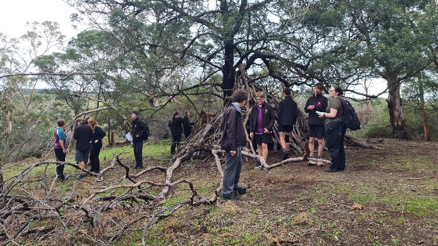
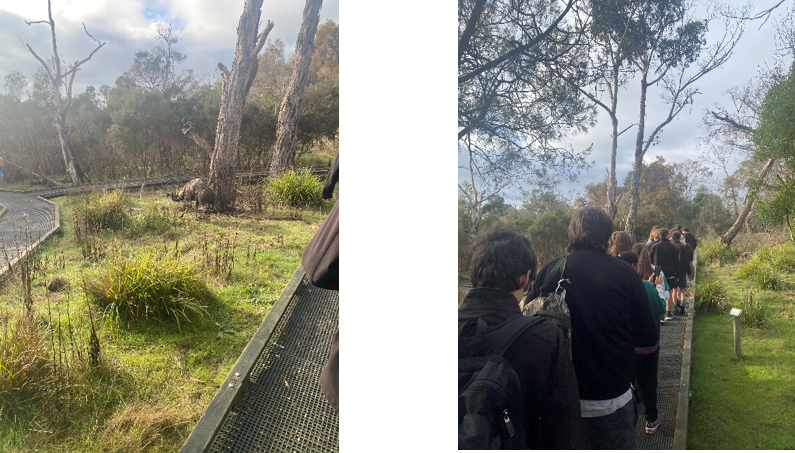
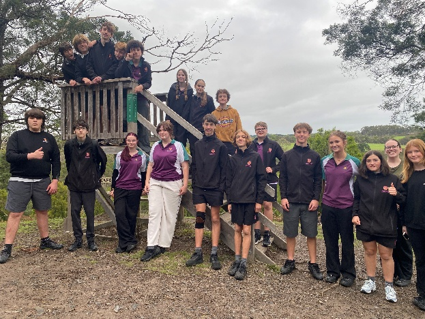
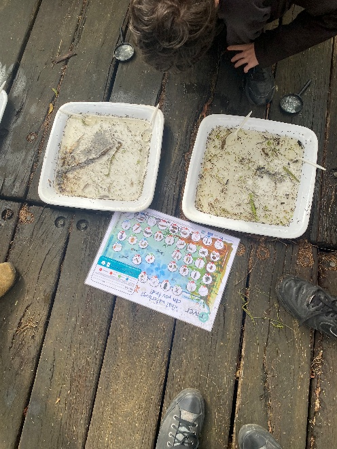
A highlight of the elective was the excursion to The Briars. During the excursion, students participated in a range of hands-on activities led by experienced park rangers. They explored practical scientific methods such as collecting land use data through surveys, creating detailed field sketches, and examining insect populations as indicators of ecosystem health.
Working within a wetland environment, students gained valuable insights into how scientists monitor and assess biodiversity. They learned how even small organisms, such as insects, can provide important clues about the condition of an ecosystem. This real-world application of scientific skills helped to reinforce classroom learning and gave students a deeper appreciation of fieldwork.
The excursion also emphasised the importance of sustainable land use and the need to balance human needs with environmental conservation. Students examined how natural environments can be protected while still being accessible and beneficial to people. This experience encouraged thoughtful discussions about the responsibilities we all share in protecting our planet for future generations.
Overall, the elective has encouraged students to develop a deeper appreciation for the natural world and their role in protecting it.
We look forward to seeing how these young environmental scientists continue to apply their learning and make a positive impact in the future.