Unit 3 & 4 Psychology
How hard can it be to ride a bike?
Unit 3 & 4 Psychology
How hard can it be to ride a bike?
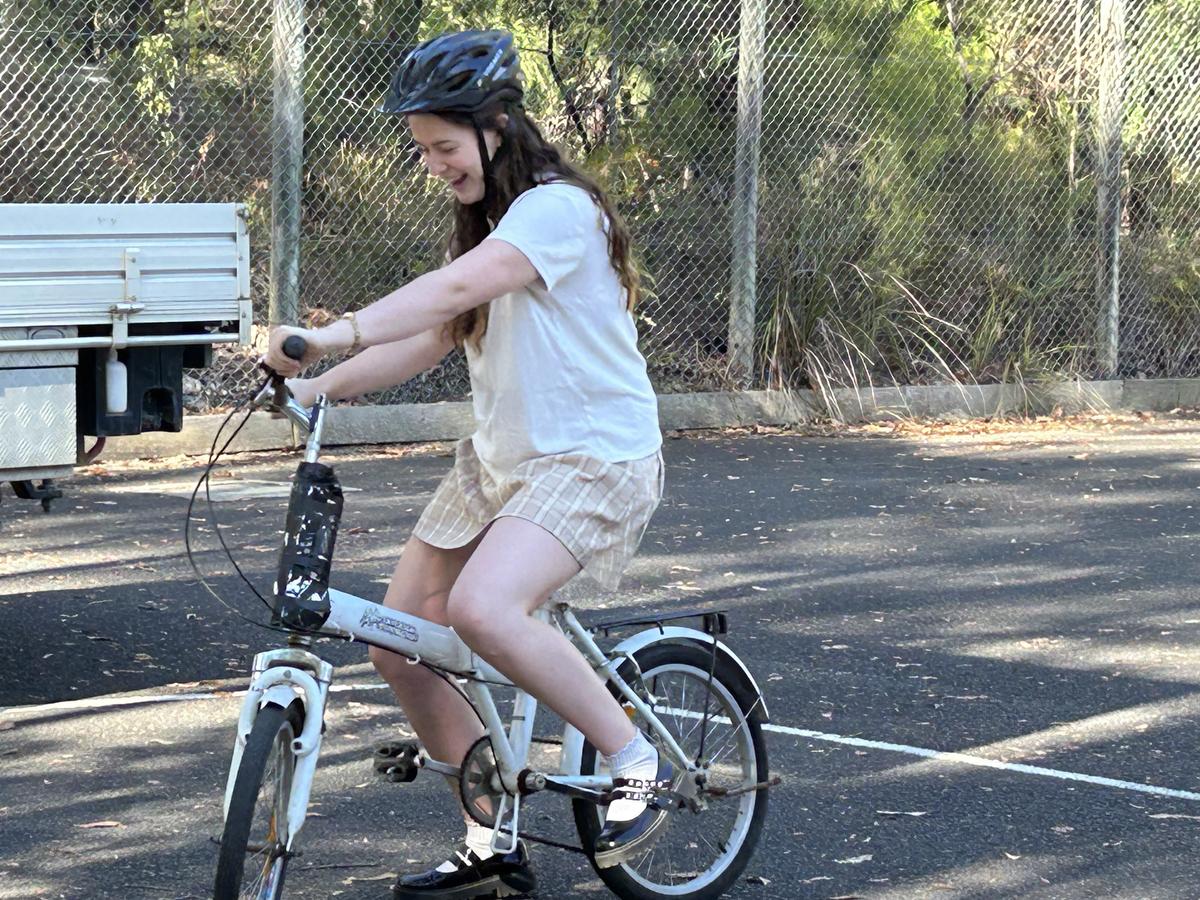
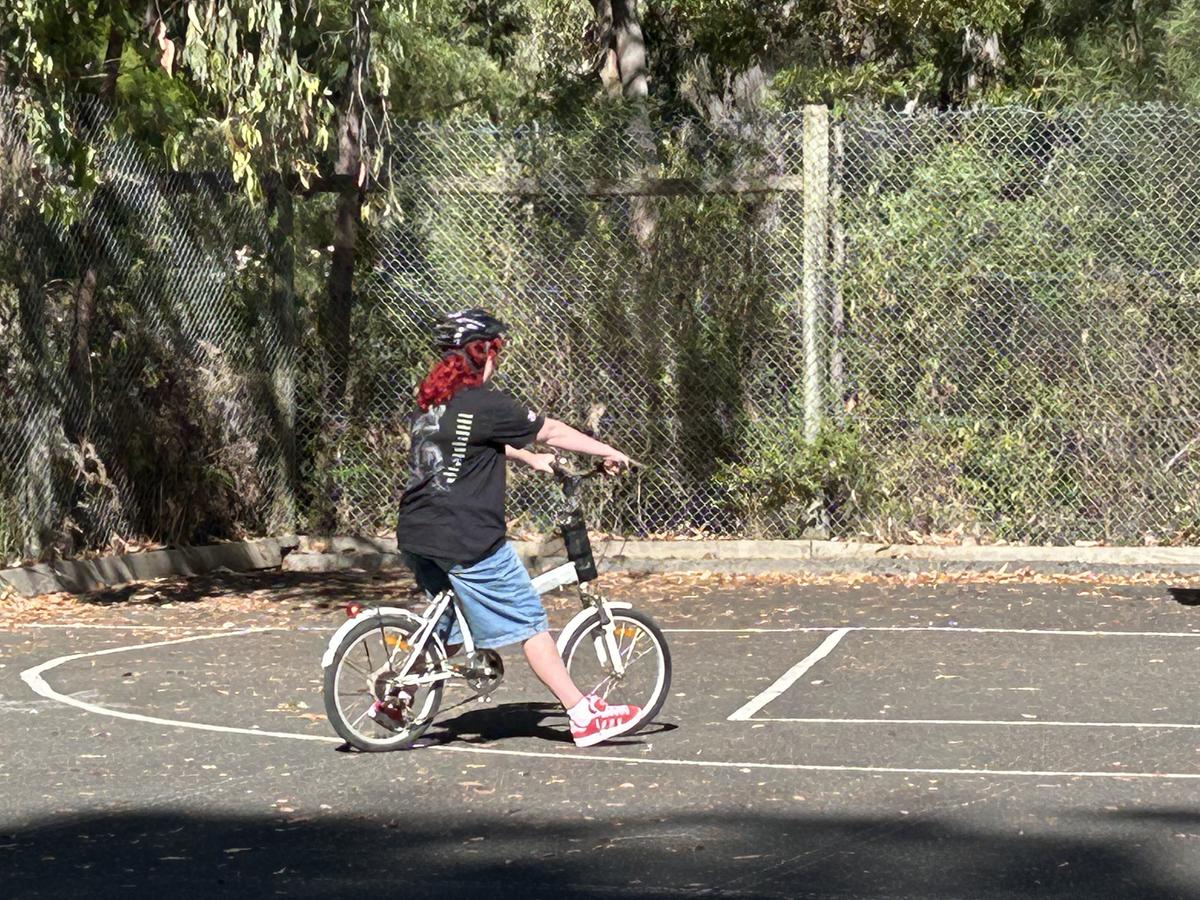
It looks easy—unless, of course, the bike is actually a backwards bike!
Unit 3 & 4 Psychology students have been exploring the neural connections and pathways that underlie learning. In particular, they have been learning about a concept called Long-Term Potentiation (LTP). Long-Term Potentiation refers to the strengthening of neural connections between neurons that are repeatedly activated together. In simple terms, the more we practise an action, repeat a behaviour, or form habits, the more we physically change the neural structure of our brain. These neural pathways become increasingly responsive, allowing information to be communicated more efficiently.
By Senior School, most students have already learned how to ride a standard bike, meaning these neural pathways are well established. So when they attempt to ride a backwards bike, their brain automatically applies this familiar, learned behaviour—which doesn’t work because the steering is reversed.
It’s interesting (and perhaps a little confronting) to reflect on how we spend our time and what we do most repeatedly, because these are the behaviours our brains become most efficient at. Maybe that explains why I find myself aimlessly scrolling on my phone whenever I have nothing else to do!
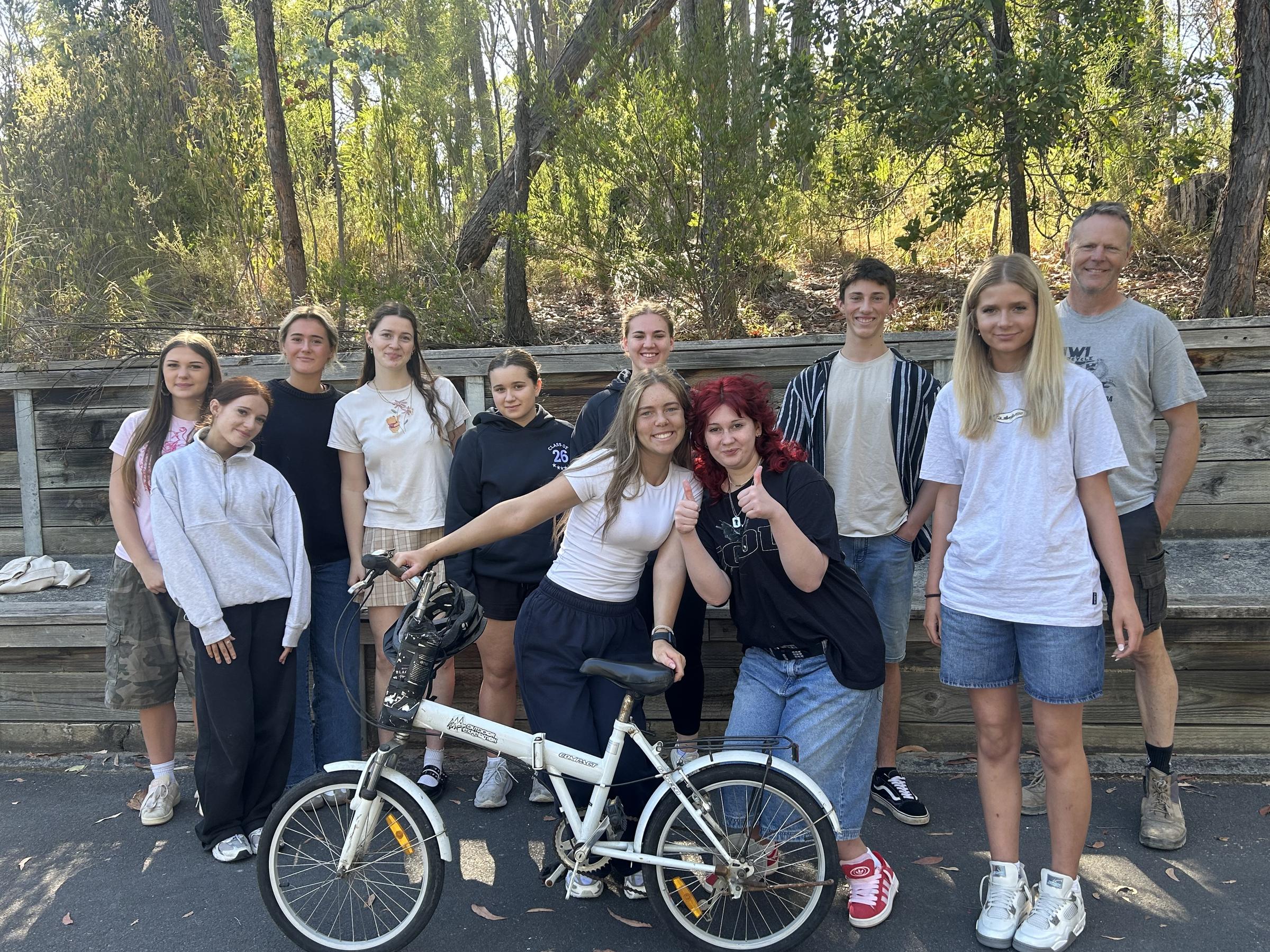
Special thanks to Richard Nyhouse (past MECS student, class of '88) for his willingness to give up his time to share his backwards bike with us!
Shannon Jenkins
Year 11 Psychology Teacher, VET & Careers Coordinator