
Creating Spaces for Learning
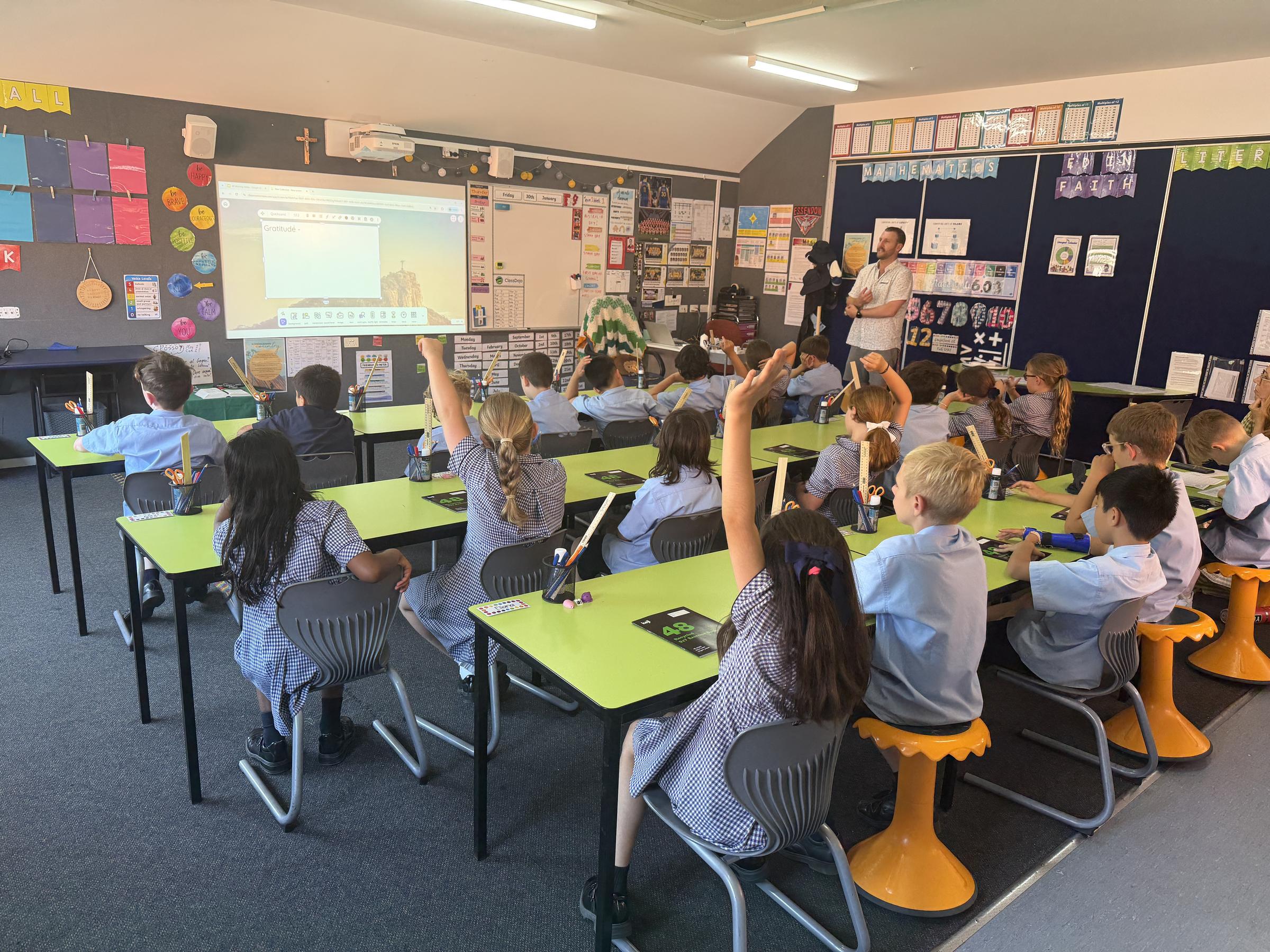
During our closure day at the start of the year, staff engaged in professional learning and reflective readings focused on the importance of classroom set up and how learning spaces can best support student success. Together, teachers explored how a thoughtful, evidence-informed classroom set-up can maximise focus, engagement, and learning outcomes for every child.
Why Are Desks Set Up in Rows?
Our classroom set-up reflects current research into effective teaching and learning. Studies highlight the importance of reducing cognitive overload and creating environments that support attention, memory, and engagement. By carefully considering desk placement, display locations, and classroom layout, our teachers are designing spaces that support explicit teaching, strong routines, and high-quality learning.
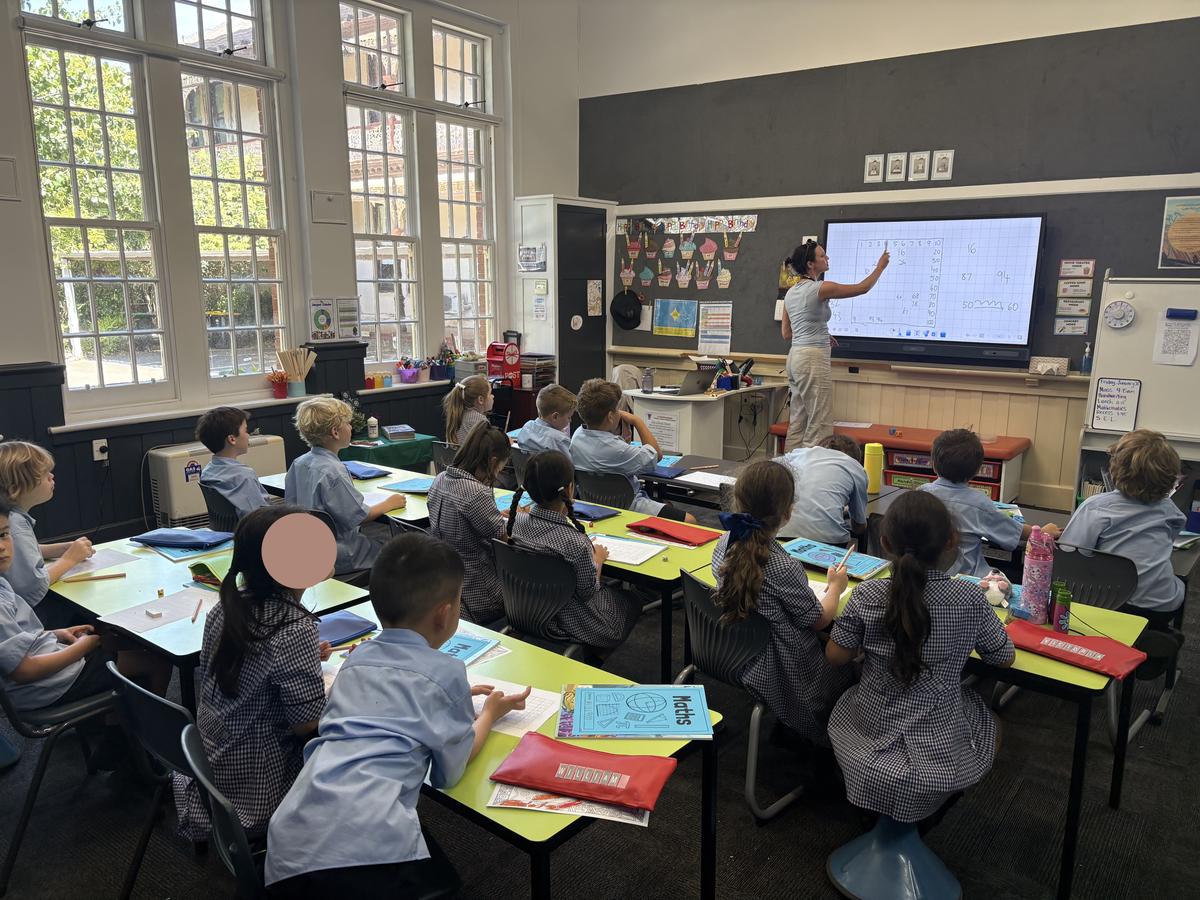
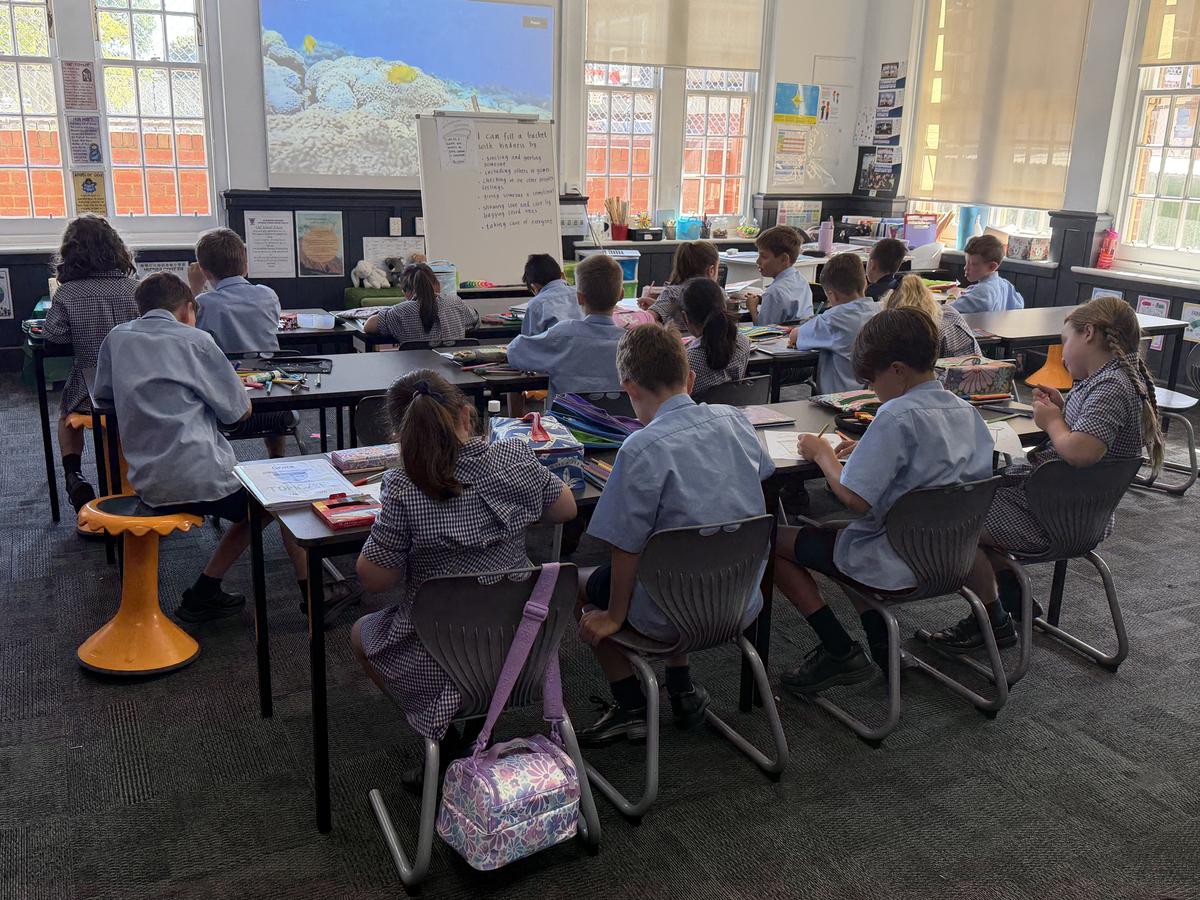
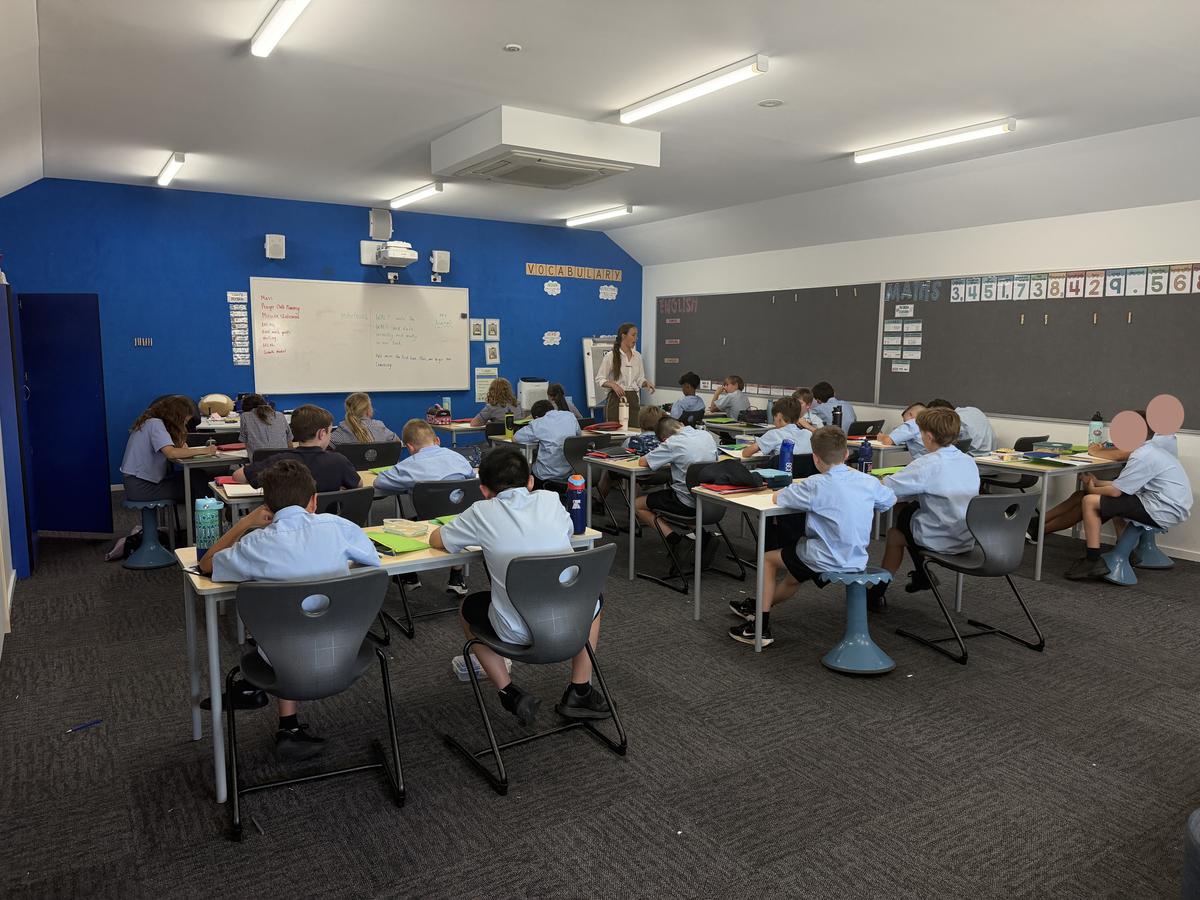
Parents of students in Years 1 to 6 may have noticed that many classrooms are now arranged with desks in rows. While this may appear to reflect a more traditional style of classroom, this approach is intentional and strongly supported by research. Setting desks in rows ensures that every student is facing the front, where teaching and instruction take place. This allows all students to clearly see their teacher and instructional materials.
Tables arranged in rows also help to minimise distractions and side conversations that can sometimes occur when desks are grouped together. This arrangement supports students to remain focused on learning tasks and reduces unnecessary interruptions.
We thank our staff for thoughtfully implementing this approach, as it plays an important role in ensuring our students are actively engaged in their learning.
Purposeful and Calm Learning Environments
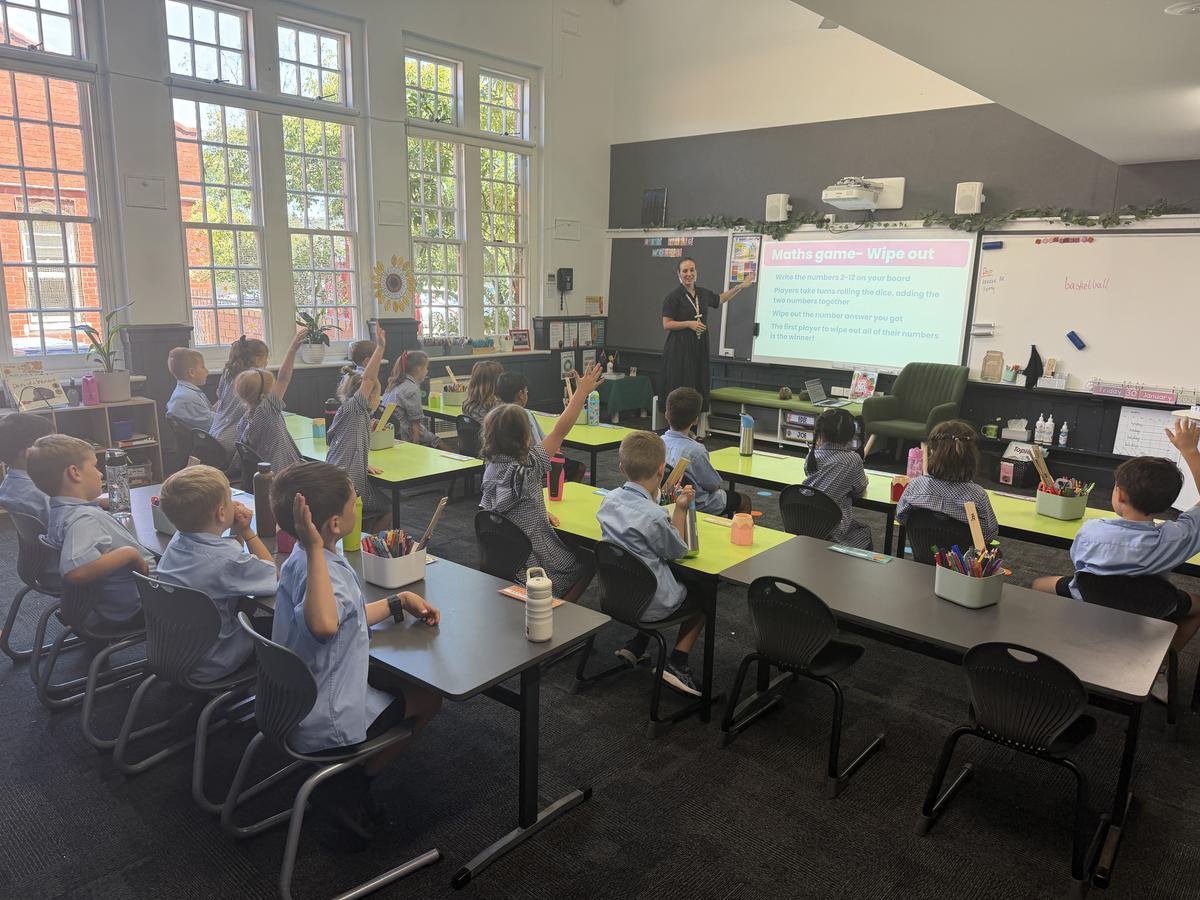
You may also notice that the front of classrooms has minimal displays. This, too, is a deliberate and carefully considered choice. Research shows that overly busy or cluttered visual environments can be distracting and overstiumulating for students. By keeping the front of the classroom visually calm, teachers are helping students focus their attention on the teacher and learning.
Any displays positioned at the front of the room are purposeful and directly linked to supporting students current learning. Other displays are positioned behind students or in hallways where they can be appreciated without interfering with concentration. This balance helps create classrooms that are both welcoming and highly functional for learning.

What About Group Work?
A common question from parents is: If desks are in rows, how do students work together?
Group work remains an important part of learning at St Joseph’s, and our classroom layouts make it easy to transition between independent and collaborative work.
When required, students can simply turn their chairs to work with those behind them. For example, two students in the front row can turn to face two students in the row behind, quickly forming a group of four. This allows teachers to move seamlessly between whole-class instruction, independent practice, and collaborative activities.
This flexible approach ensures that students benefit from both focused individual learning and meaningful group interaction.
Our classrooms are carefully designed to support every student’s learning journey. From desk arrangements to display choices, each decision is guided by research and professional reflection.
We are proud of the commitment our staff have shown in creating calm, focused, and purposeful learning environments. These spaces help our students build strong learning habits, engage deeply with their work, and develop the skills they need for success.
Dean Butler
Deputy Principal