Gospel


A reading from the holy Gospel according to Mathew 5:13 - 16
Jesus said to his disciples: ‘You are the salt of the earth. But if salt becomes tasteless, what can make it salty again? It is good for nothing, and can only be thrown out to be trampled underfoot by men.
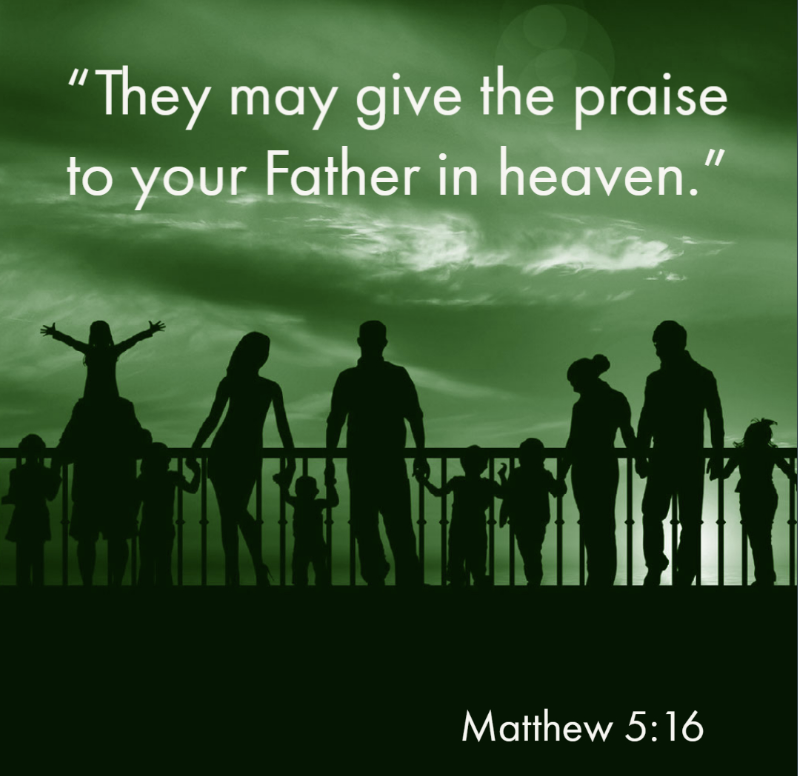
‘You are the light of the world. A city built on a hill-top cannot be hidden. No one lights a lamp to put it under a tub; they put it on the lamp-stand where it shines for everyone in the house. In the same way your light must shine in the sight of men, so that, seeing your good works, they may give the praise to your Father in heaven.’


Gospel Reflection
Today, when we describe a person as being the ‘salt of the earth’ it’s generally meant in a way that says the person is hard working, straight talking and pretty down to earth. It’s usually meant as a compliment but sometimes can come across as a bit condescending when used inappropriately. When Jesus tells the disciples that they are salt of the earth and the light of the world he is really saying ‘You are to be the salt of the earth; you are to be the light of the world.’ It is more of a directive than an affirmation of them.
Today’s first reading from Isaiah helps to shed light on Jesus’ meaning in the gospel passage: ‘Share your bread with the hungry, and shelter the homeless poor, clothe the man you see to be naked and turn not from your own kin. Then will your light shine like the dawn.’ It sounds a lot like the message from the last judgment in Matthew 25 when the king says ‘whatever you did for one of these least brothers of mine, you did for me.’ It’s a message of justice and right relationship not only with God but with one another also.
To be salt of the earth and light of the world means to be the one who puts their hand up and steps forward to speak for, work for and act for those who are the least in this world. To have the potential and resources to be a force for good in the world and not act on it is to be like salt that’s used for salting the streets or a lamp that’s under a tub.
Scriptural context – Following blessings
Today’s gospel passage is one that is quite commonly quoted and relatively well known. When it is taken in isolation, it’s very easy to forget that these words immediately follow the Beatitudes that we heard in last week’s gospel. The imperative for justice in the images of salt and light of the world becomes even clearer when we remember that these words follow the blessings on those who are poor; who mourn; who are merciful and fight for justice. Jesus has blessed all these who are least in the world and then charges the disciples to be salt and light for them.
Have you thought? – Affirmation or Challenge
The salt and light of the world passage is often used to affirm and encourage, but when Jesus tells his disciples – and us – to be salt and light of the world it is not so that they can draw attention and glory to themselves. The whole purpose of being salt and light is to lead others into right relationship with one another and with God. Whilst the translation we have clearly states that disciples are to be salt and light of the world, it is just as clear that the intention is that they/we be salt and light for the world.
From the perspective of - Following blessings
Gandhi, the great leader of the Indian independence movement, is credited with saying, ‘You must be the change you want to see in the world.’ He sought a life free from tyranny and violence and so led a movement of non-violent resistance. It’s tempting to think that he may have been influenced by some of the teachings of Jesus because so much of his approach reflected Jesus’ call for justice. The charge to be the light of the world that shines in the sight of all and sets an example for all is echoed succinctly in Gandhi’s words.