Level 1 & 2
Wow, end of term already, what an amazing term it has been so far!
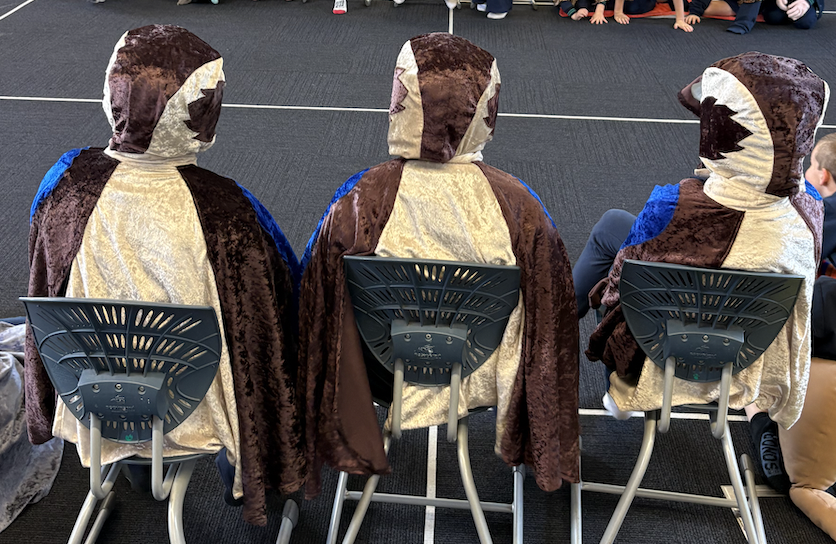
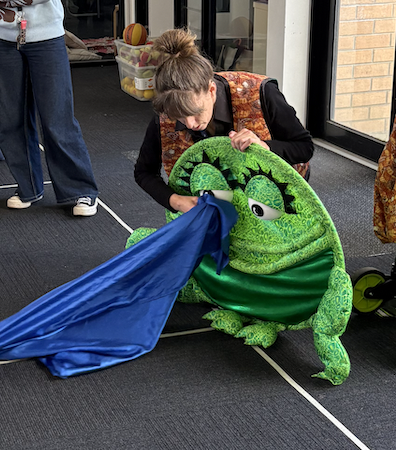
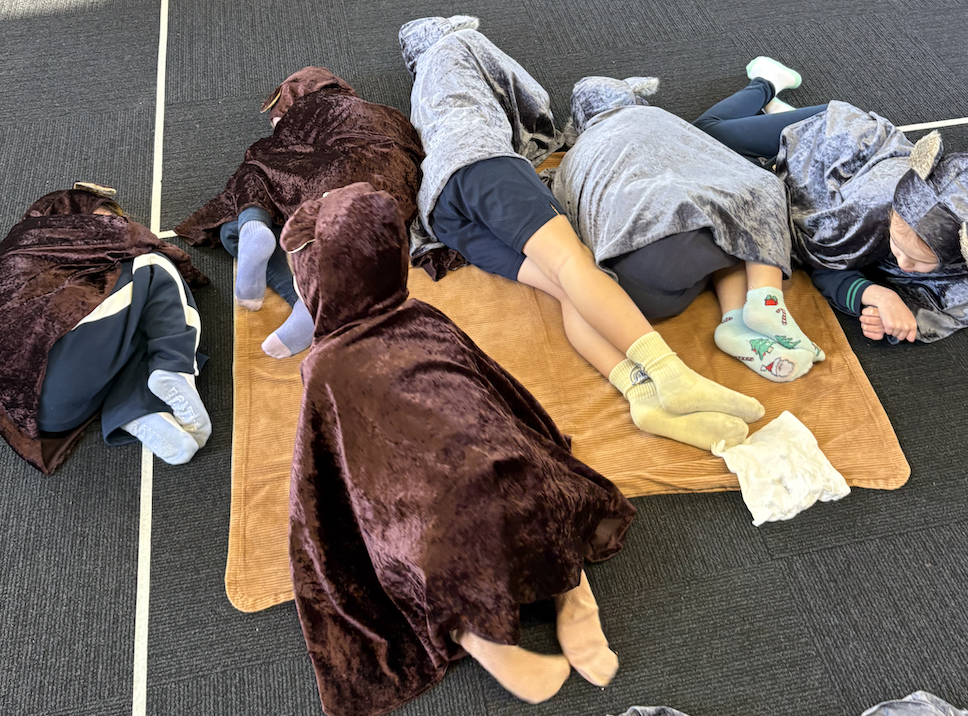
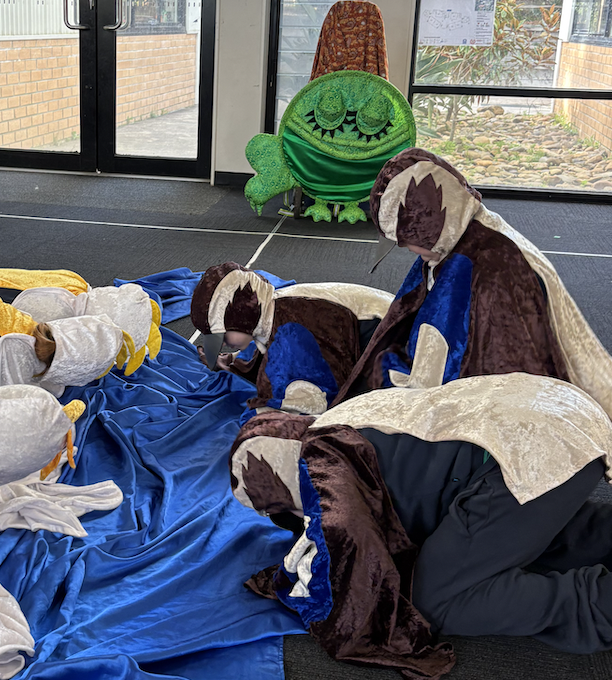
What a great time all the students had at the Drama Toolbox incursion on Monday. They loved dressing up, acting and telling the story of Tiddalick together.
INFORMATION & REMINDERS
Personal Belongings:
We are seeing an increase in personal belongings like footy and Pokemon cards, teddies, squishy toys, remote controlled cars and toys being bought to school. We strongly encourage students to leave these items at home as at times they can cause distress when they become lost or damaged and can distract students from learning time.
Home Learning.
Our Grade One and Two students bring home take-home books on Monday, Wednesday and Friday nights. We encourage you to read these books more than once with your child to build fluency.
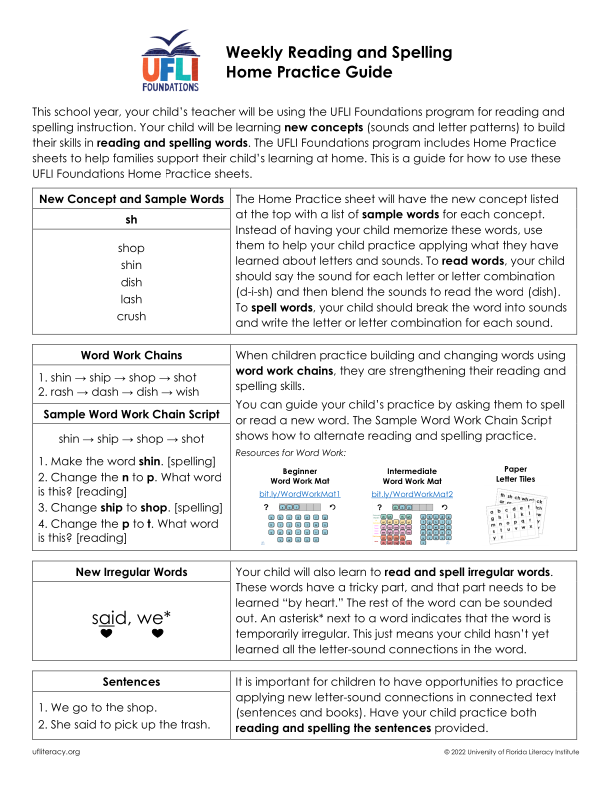
On Friday, we send home a 'Home Learning book' with your child with a hard copy of the following week's UFLI home practice sheets and a copy of your child's fluency reading. We would encourage you to read this text multiple times with your child to help build fluency.
Please see below some information about the UFLI at home learning and ways you can use it.
Using the Fluency Passage
The fluency passage in the home learning book is an important part of our UFLI program. Students will read these passages in classroom to a partner throughout the week.
Ways in which you can use these at home -
- You read the text to your child - modelling fluent and expressive reading.
- Your child reads the text to you.
- Encourage your child to draw a picture in the box, based on the story.
- Look through the story for words with the sound pattern we are focusing on - underline/highlight them, rewrite them, use them in a sentence.
- Look through the story for the new irregular words - or previously taught irregular words.
CURRICULUM
Literacy
UFLI: Grade One Students
This week the students will be exploring compound words. Then they will be developing their understanding of open and closed syllables.
UFLI: Grade Two Students
This week the students will be reviewing vowel teams. Then they will begin to look at au, aw and augh spelling /aw/.
What can you do at home?
- Optional UFLI Home Practice pages found in their home learning book.
Mentor Text: How the Birds got their Colours
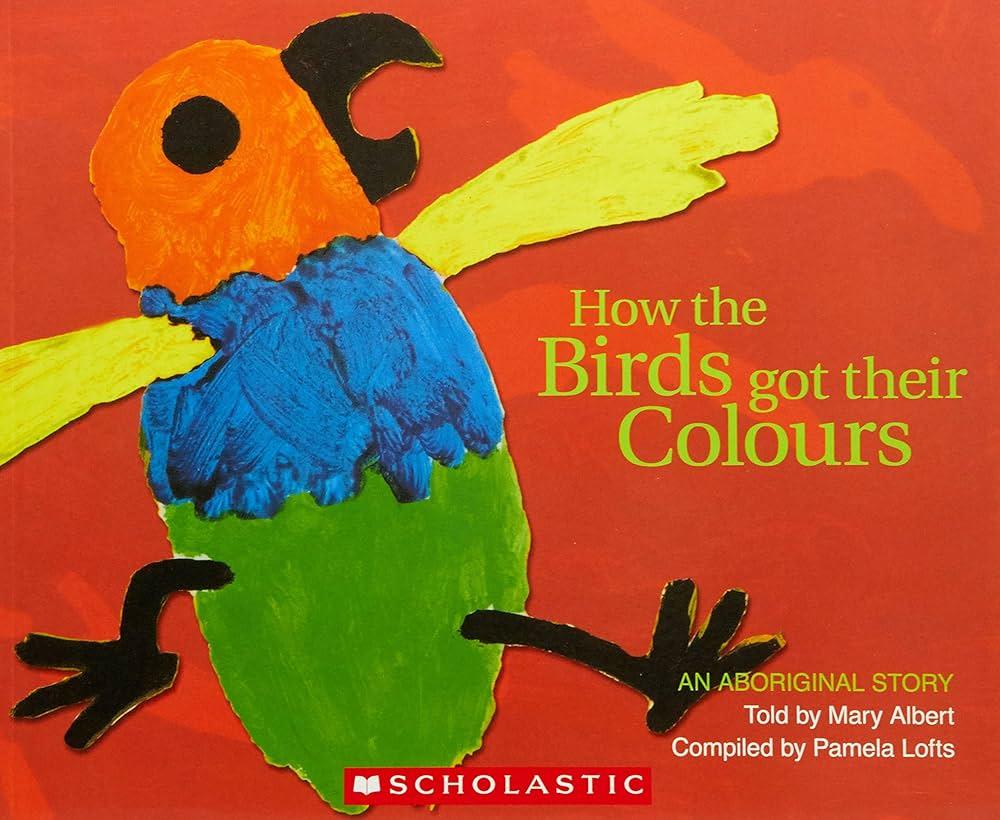
This week students will be looking at the dream time story of 'How the Birds got their colours' told by Mary Albert and compiled by Pamela Lofts. Theywill be sequencing events, learning about characters and identifying nouns, verbs and adjectives.
What can you do at home?
- When reading at home ask questions about the text they're reading.
- Example: What happened first in the story? What's the problem in the story? Who is your favourite character and why?
While driving - have your child call out adjectives to describe the nouns you see.
Maths
Grade One Students
The Grade One students will begin looking at time. This week the focus will be on sequencing and comparing the duration of familiar events.
What can you do at home?
- MathsSeeds
Discuss the order of things you do in the morning and compare how long certain tasks take.
- Do you think it takes longer for us to pack our lunchbox or brush our teeth? What activity takes a similar time as putting your shoes on.
Grade Two Students
This week, our Grade Two students will be exploring the topic of mass and capacity. They will begin to identify and measure the capacity of objects.
What can you do at home?
- Mathletics - The "To do list" on their login screen will have some addition and subtraction challenges.
- When students are helping with dishes discuss and compare the capacity of items in the sink.
- Do you think this cup has a bigger or smaller capacity then this bowl? Why?
Wellbeing
This week in Wellbeing, students will be doing a cyber safety lesson on Digital Dilemmas. We are doing this because digital dilemmas are common, but often they don’t have a ‘right’ or ‘wrong’ solution. It’s important to think critically and use problem solving skills to be a responsible digital citizen and show integrity when facing digital dilemmas. the students will learn to understand strategies for handling digital dilemmas with integrity.
What can you do at home?
Together, create a simple family rule for making good decisions online. For example:
"Before I post, share, or comment, I will stop and think about how it might affect others."
Ask your child to explain why this rule is important and how it can help them be a responsible digital citizen.
CBL
This week students will continue creating their class Acknowledgement of Country.
Our Big Idea for Term Two is Country.
Our Guiding Questions:
What is Country?
What is special about our Country?
How can we connect to Country?
Our Essential Question:
How do we respect Country?
Our Challenge:
Write an Acknowledgement of Country for our grade.