Curriculum Corner

Curriculum Corner: Critical & Creative Thinking
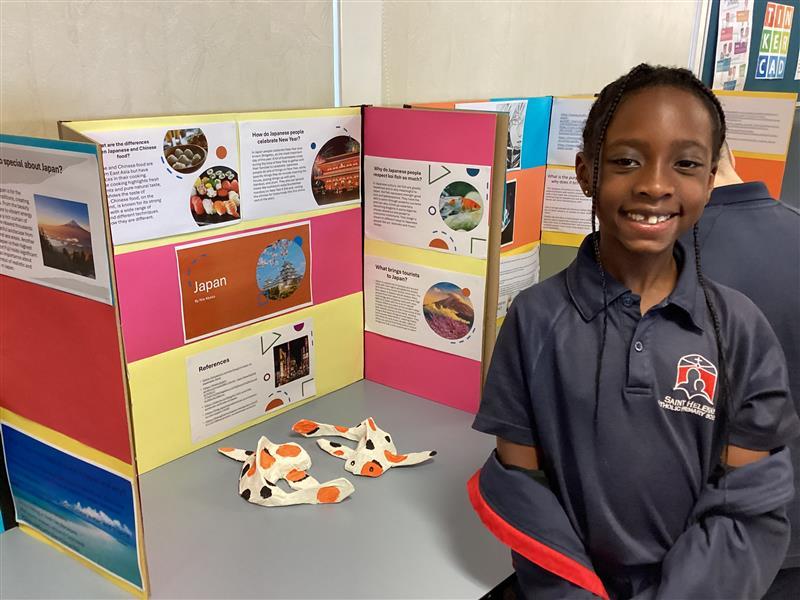
What is Critical & Creative Thinking?
Critical and creative thinking are two powerful skill sets that help children make sense of the world. Critical thinking involves analysing information, asking thoughtful questions, and making informed decisions. Creative thinking is about imagining possibilities, generating new ideas, and approaching challenges with flexibility and curiosity. Together, they help students become confident, capable problem‑solvers.
Why are these skills important in everyday life?
These skills matter far beyond the classroom. Our children use critical and creative thinking when they negotiate friendships, plan their time, solve problems at home, or make choices about their learning and interests. As adults, we rely on the same skills to navigate work, relationships, and the constant flow of information around us. Building these habits early gives children a strong foundation for lifelong learning.
How does St Helena’s build these skills in our students?
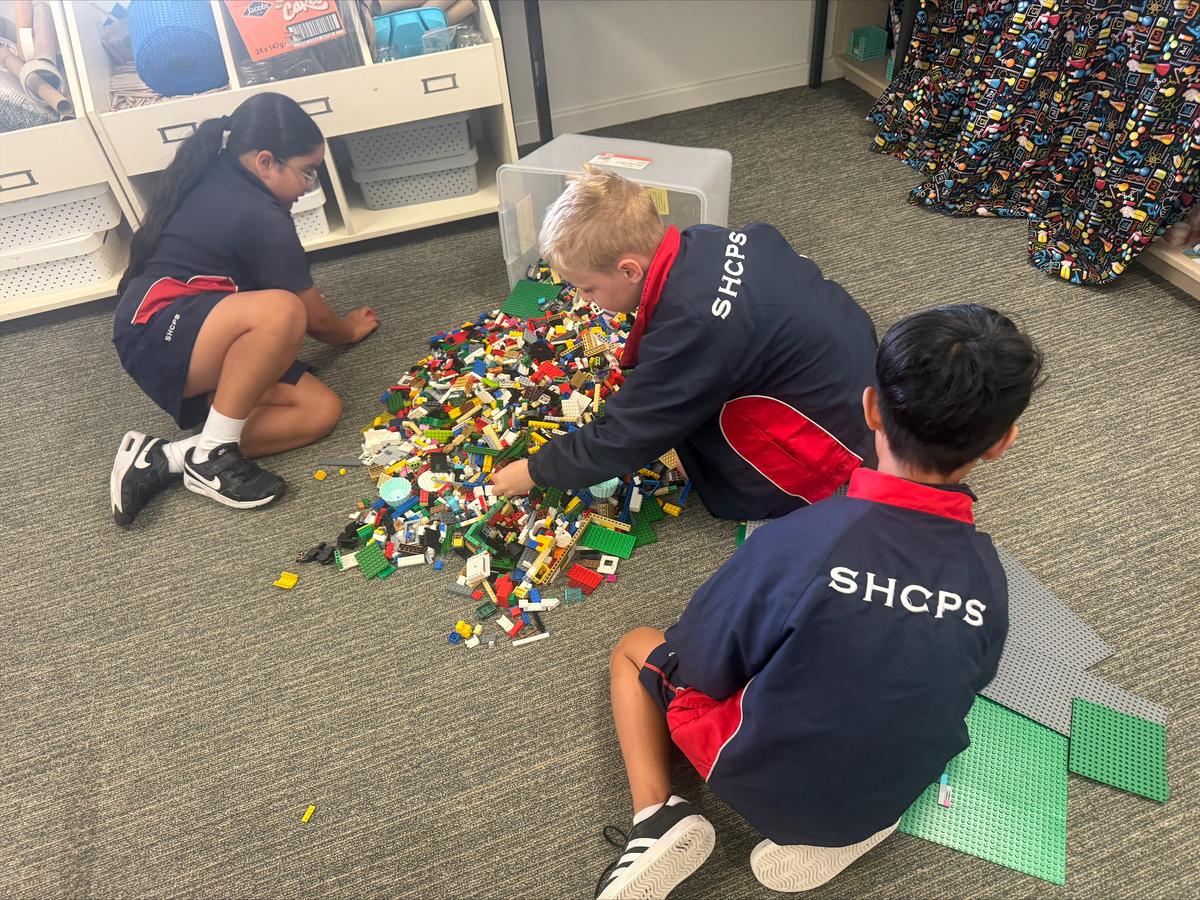
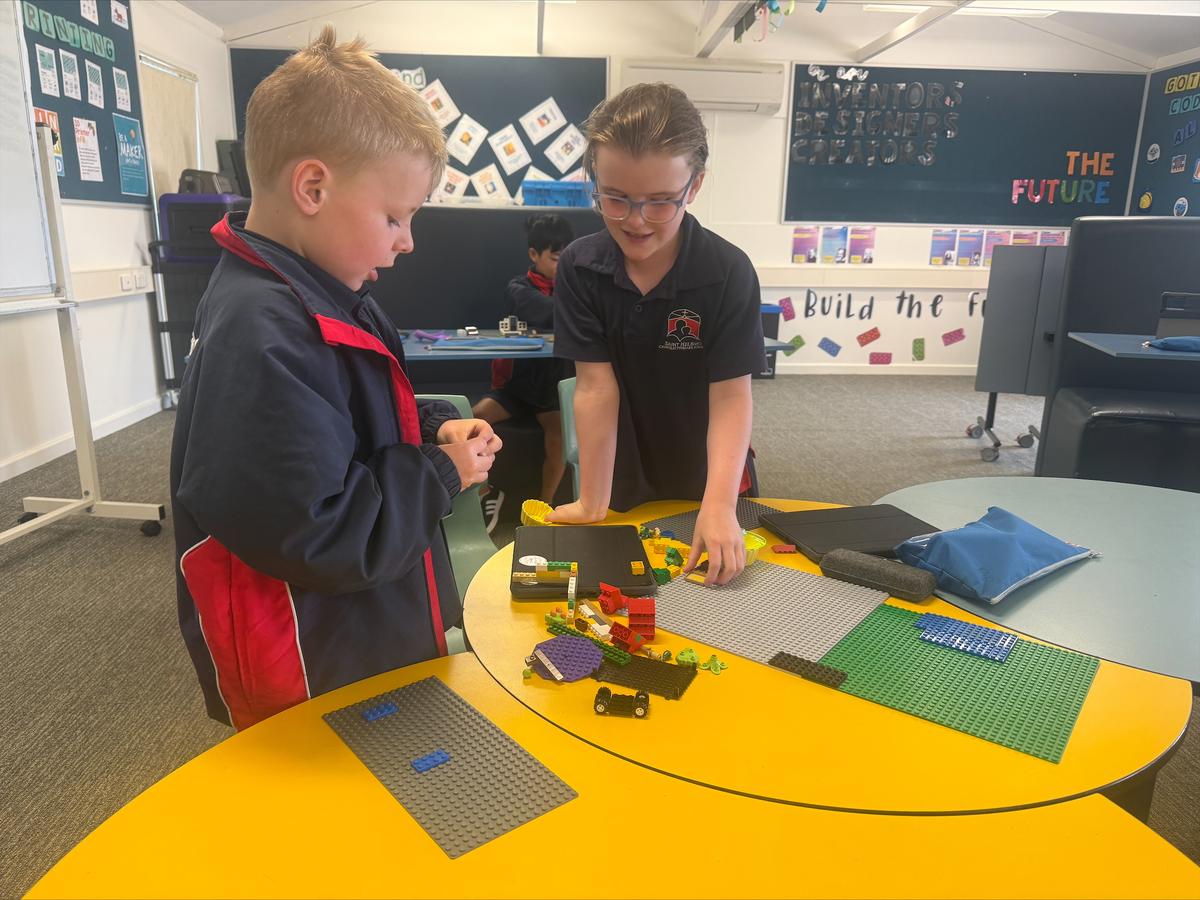
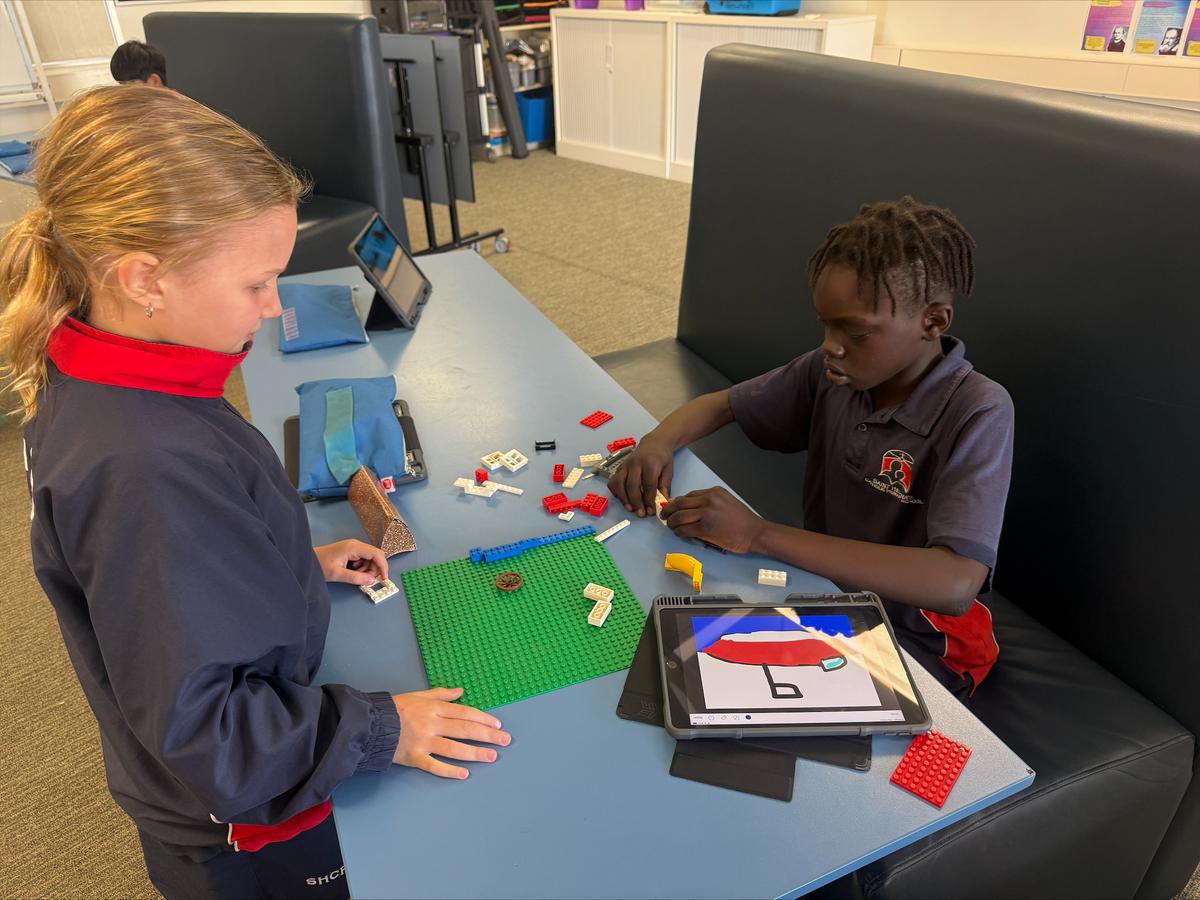
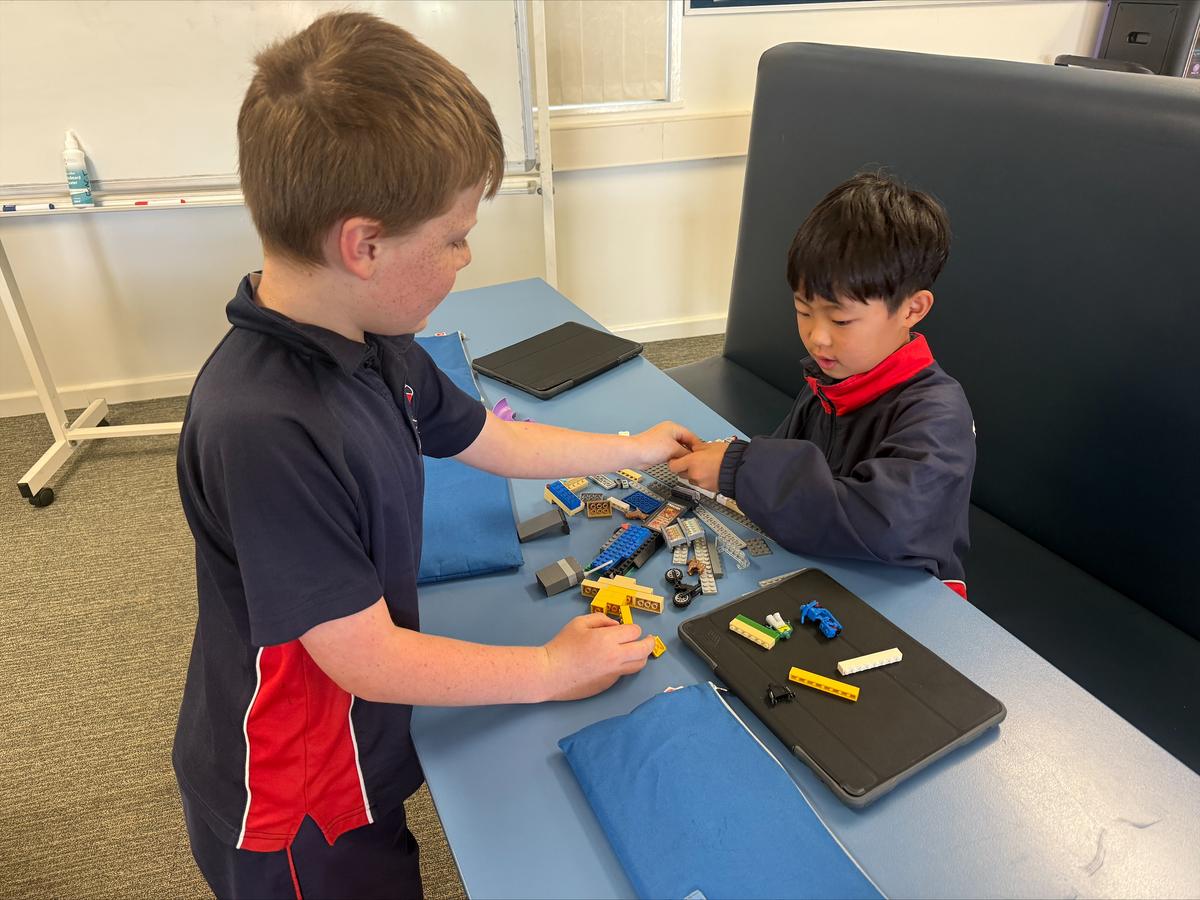
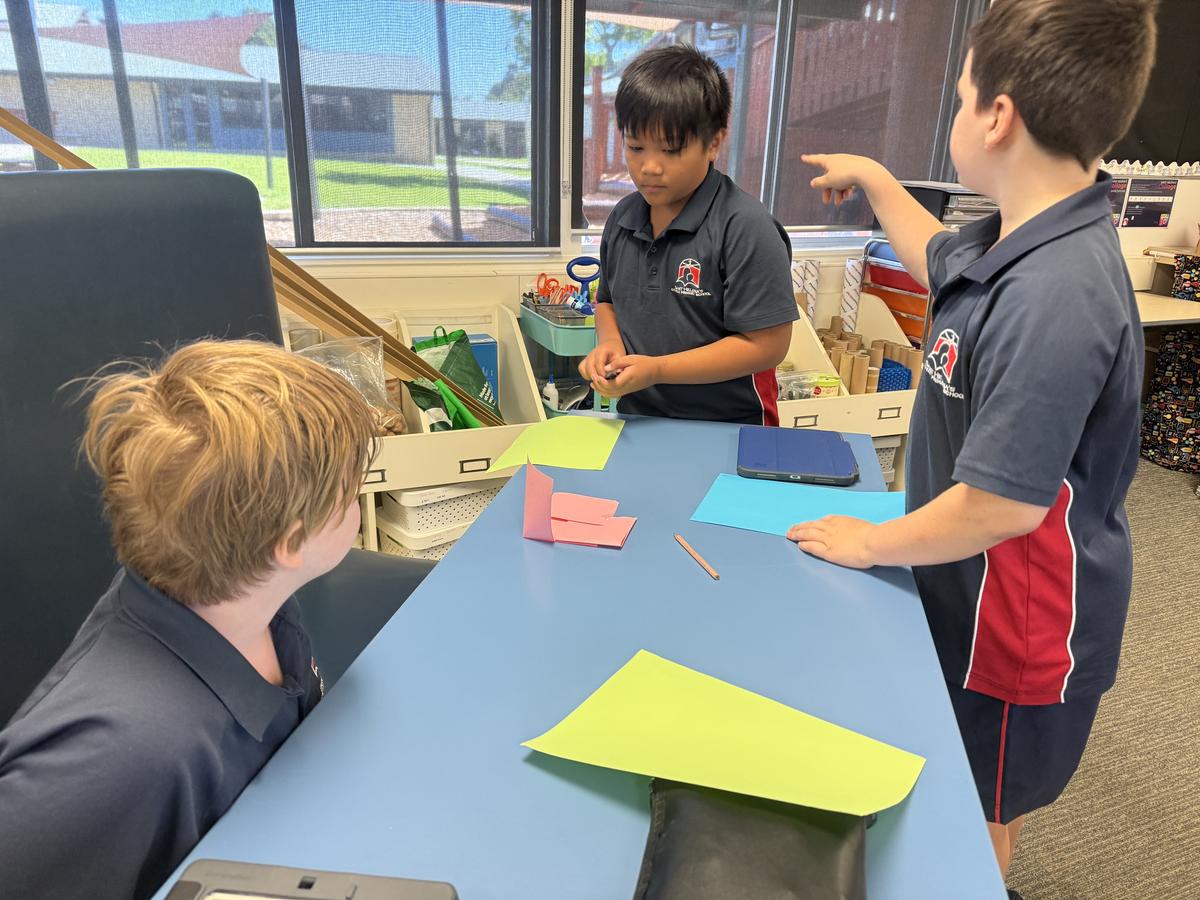
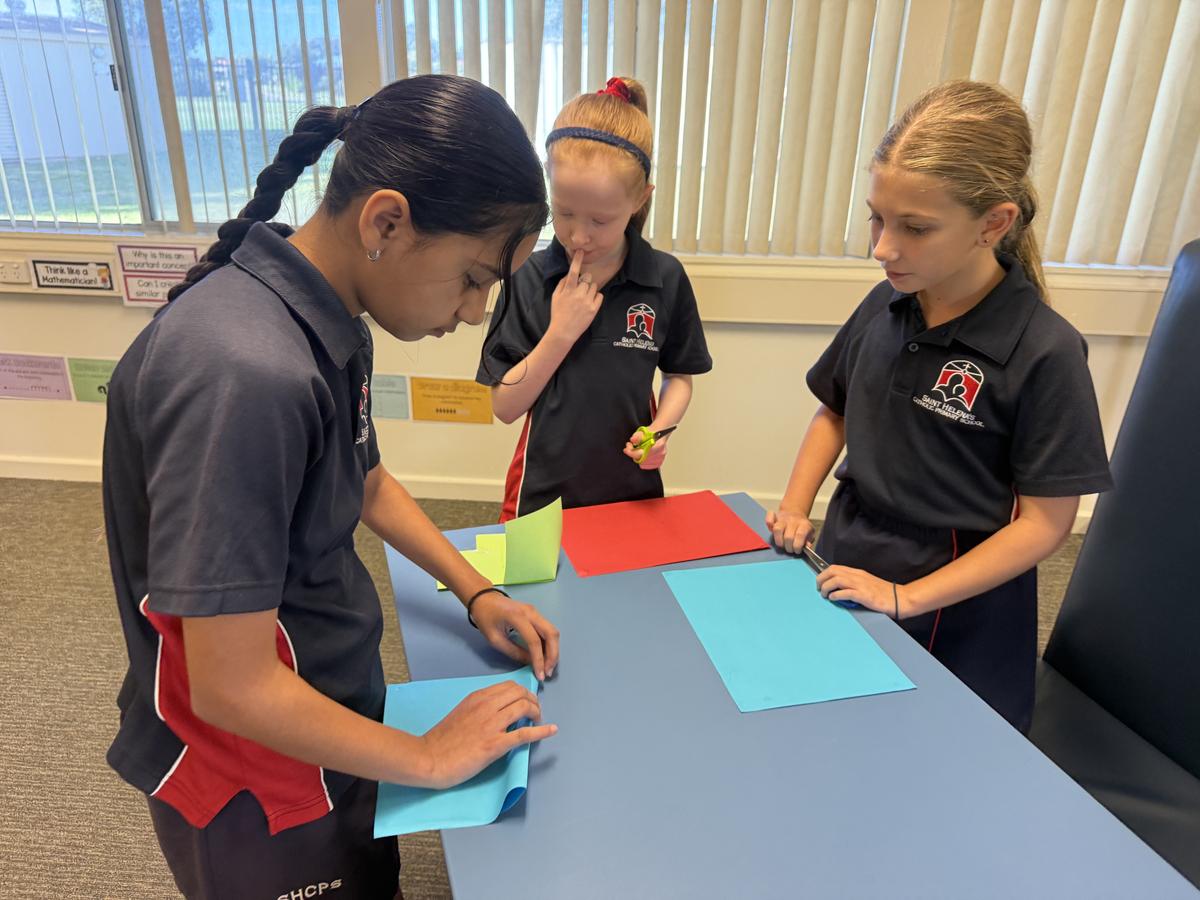
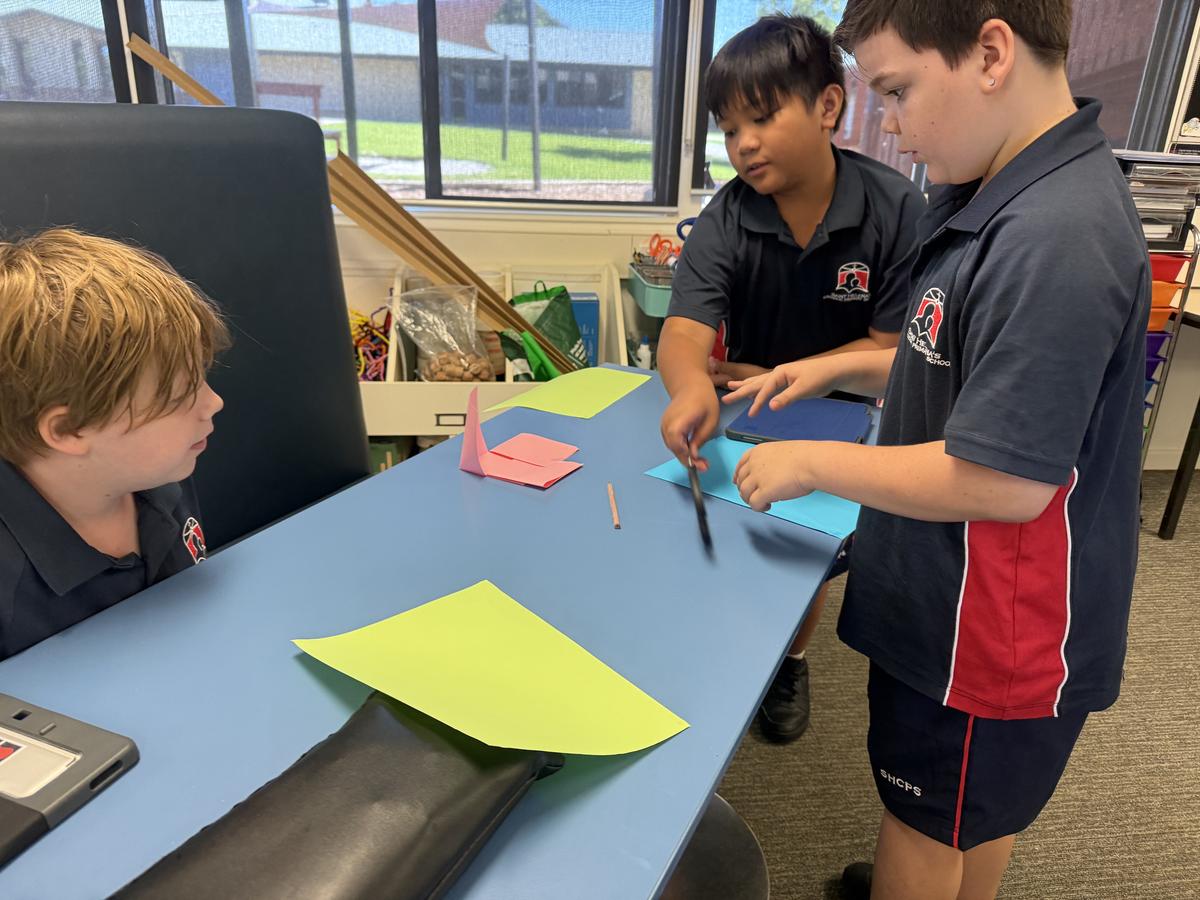
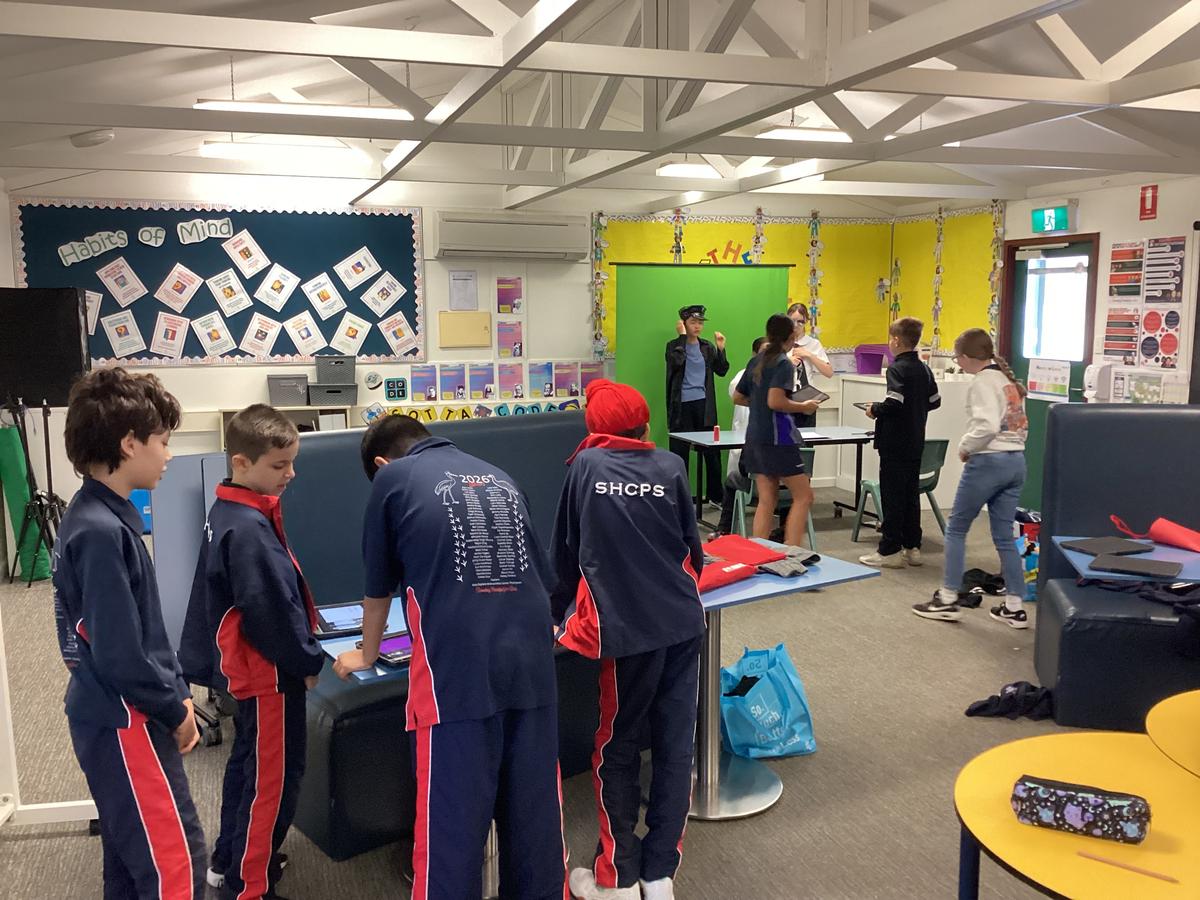
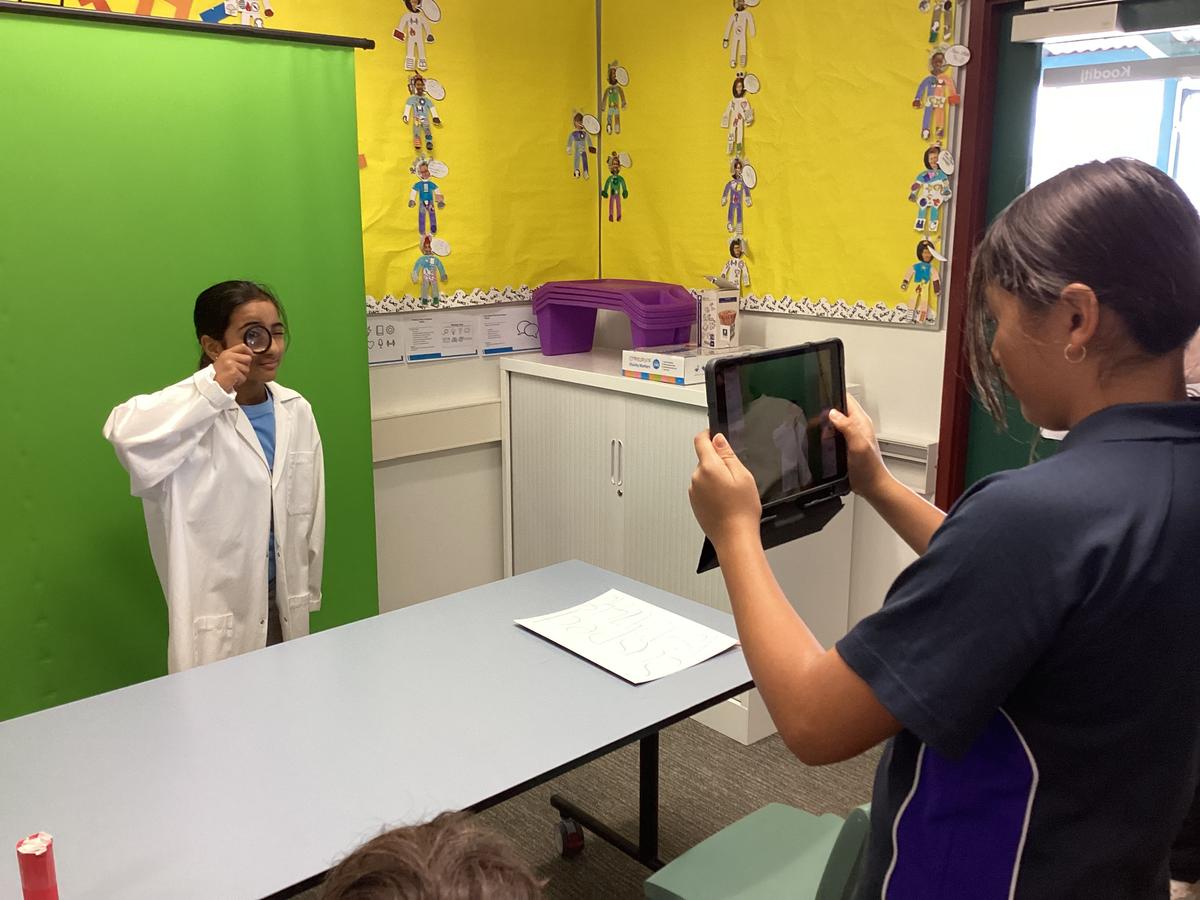
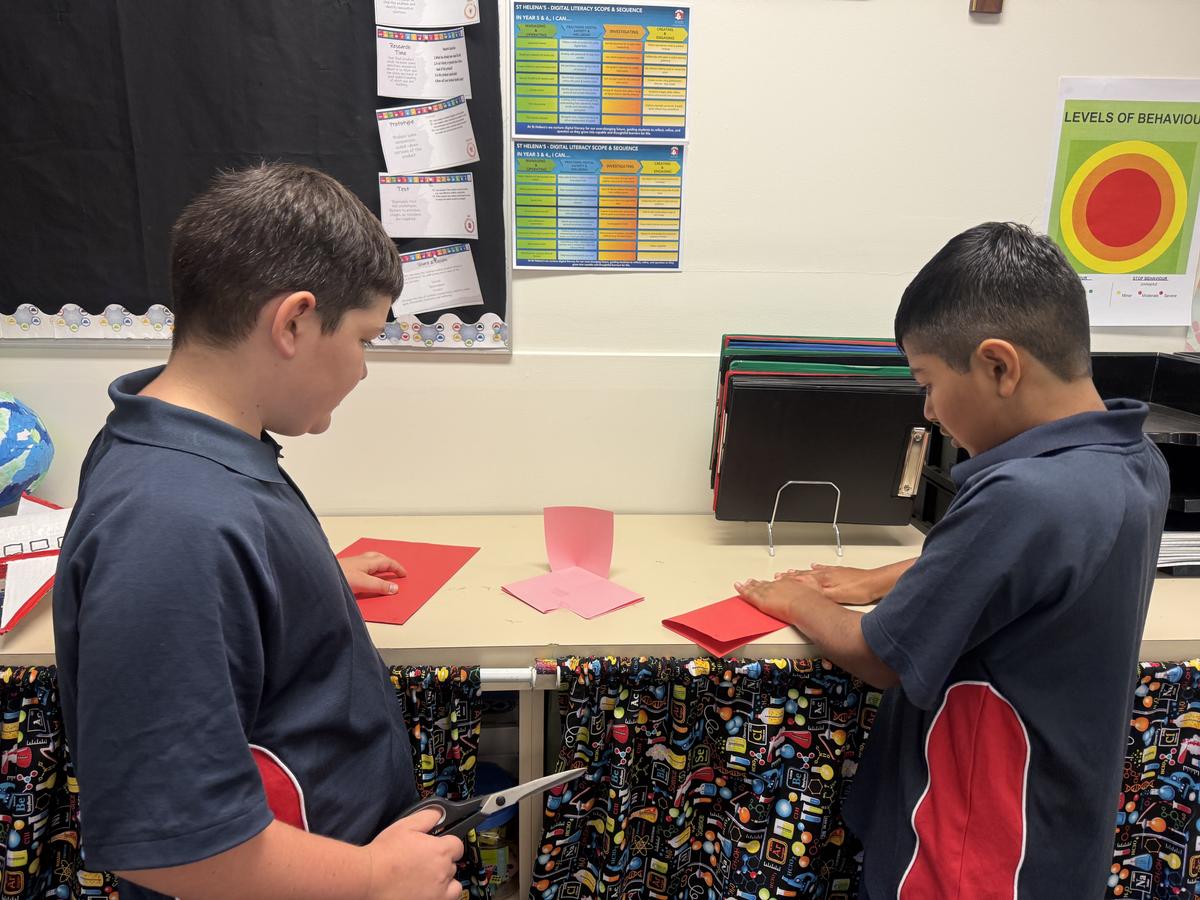
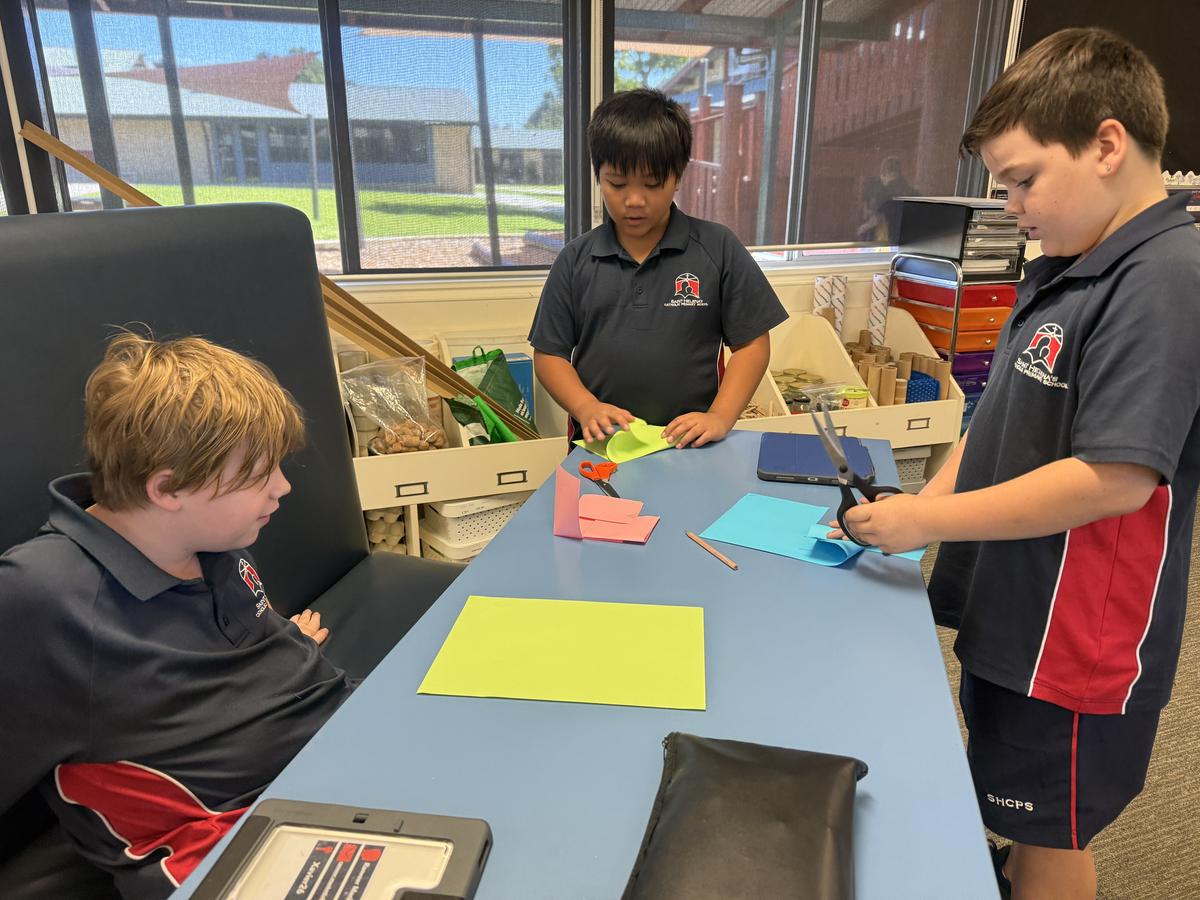
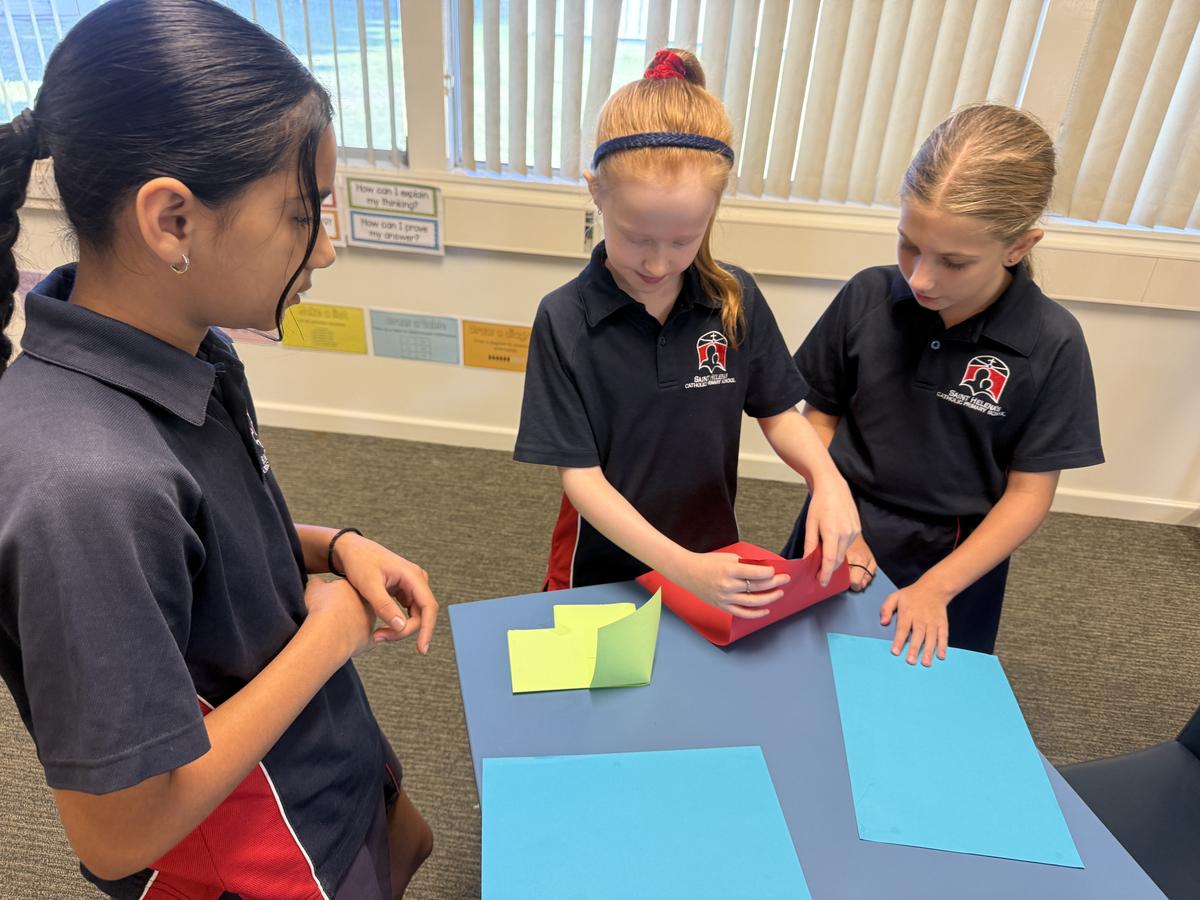
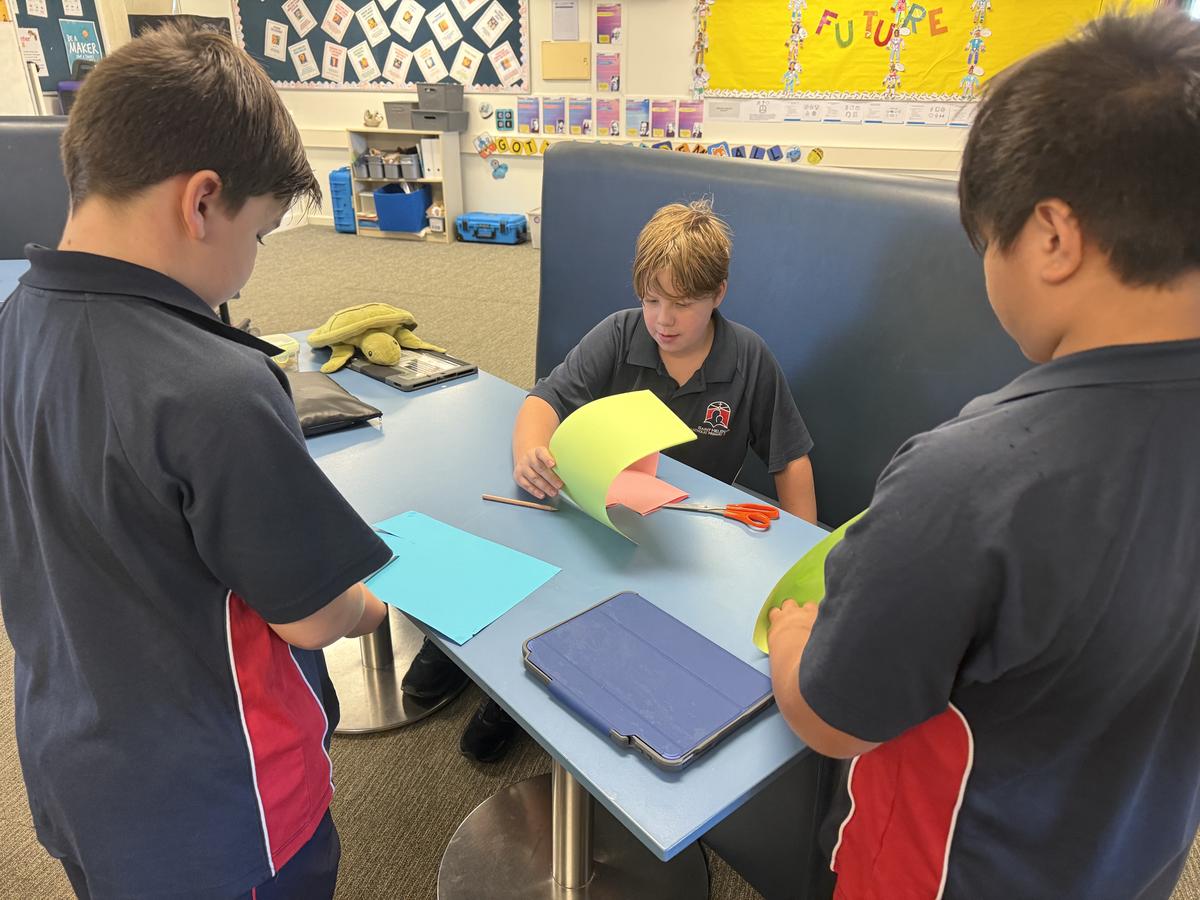
At St Helena’s, students practise critical and creative thinking across all learning areas. They might compare strategies in maths, brainstorm solutions in science, analyse characters in a story, or design and test ideas during hands‑on projects. Teachers model questioning, encourage curiosity, and create opportunities for students to explain their thinking, reflect on their choices, and explore multiple ways to approach a task.
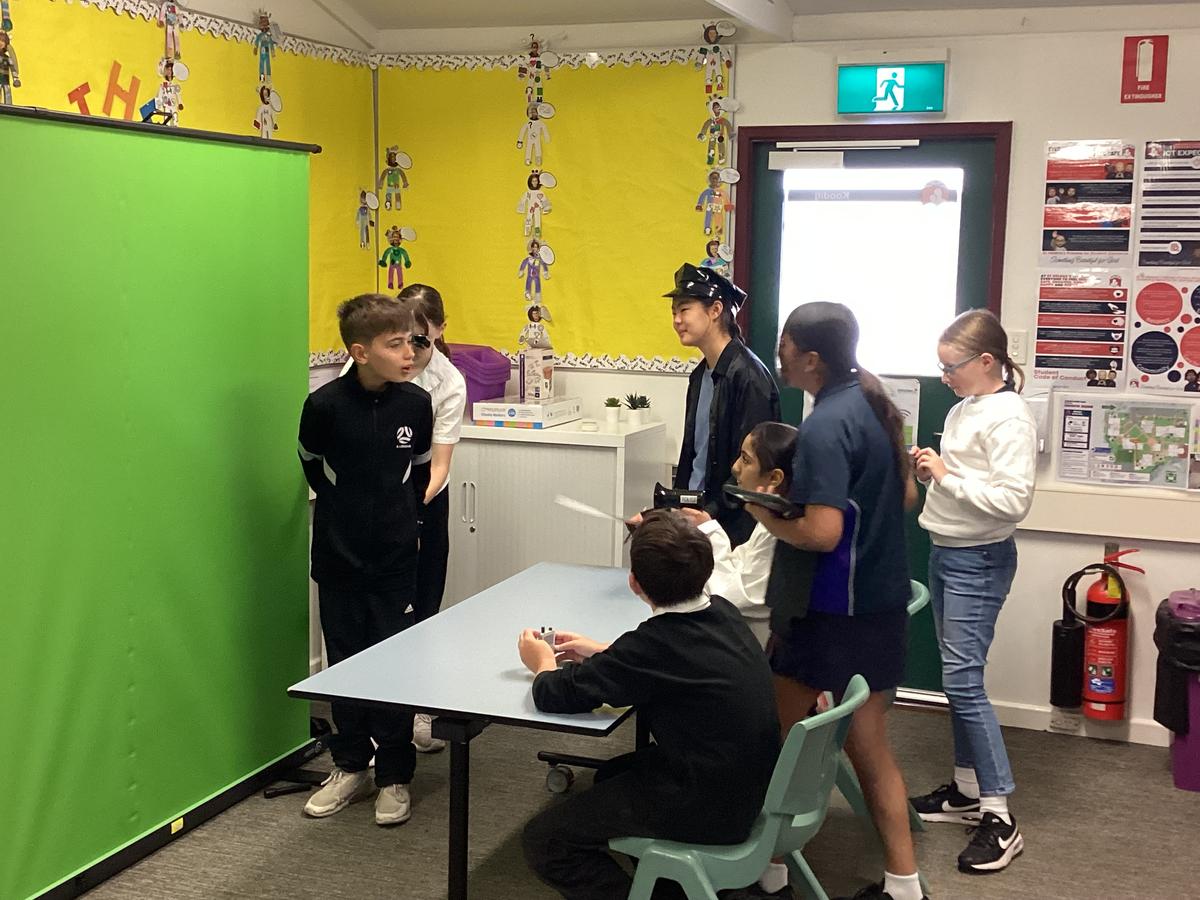
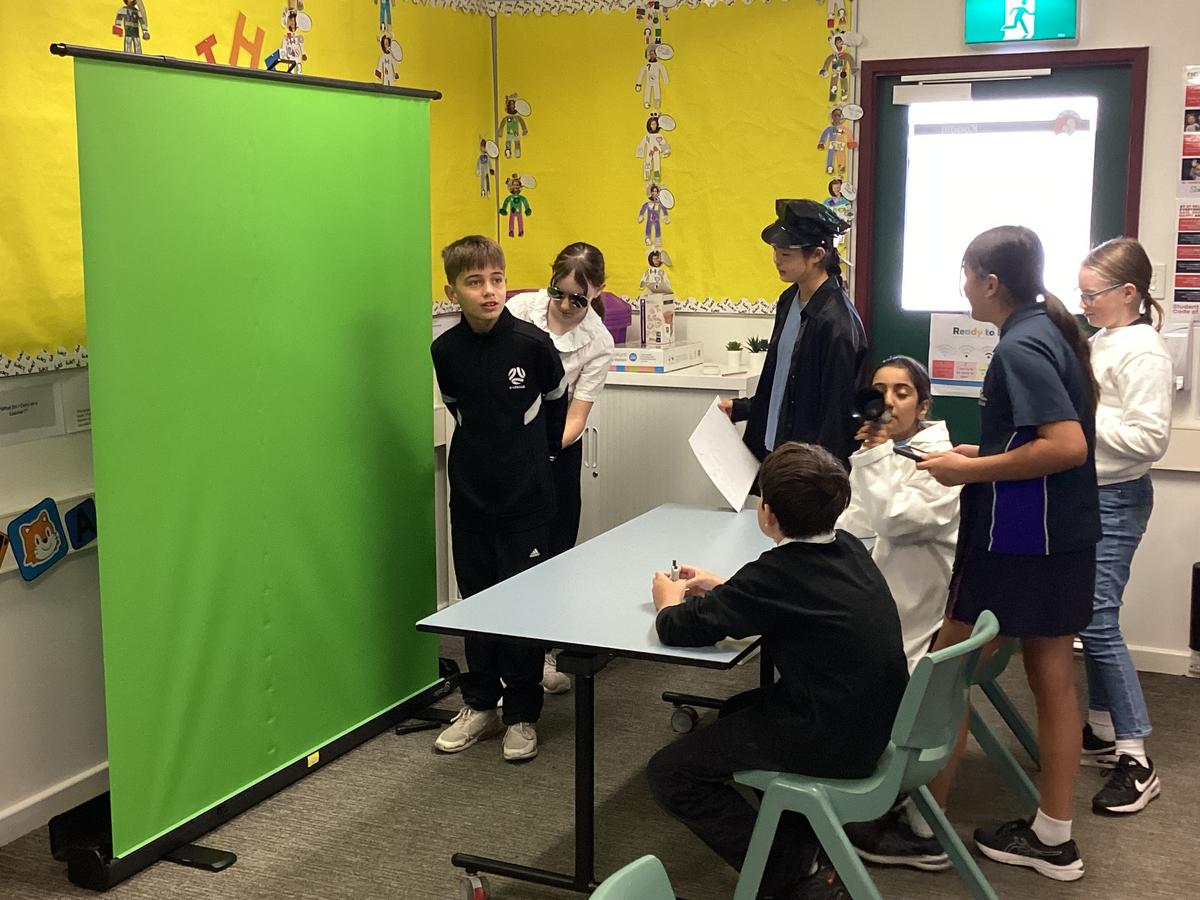
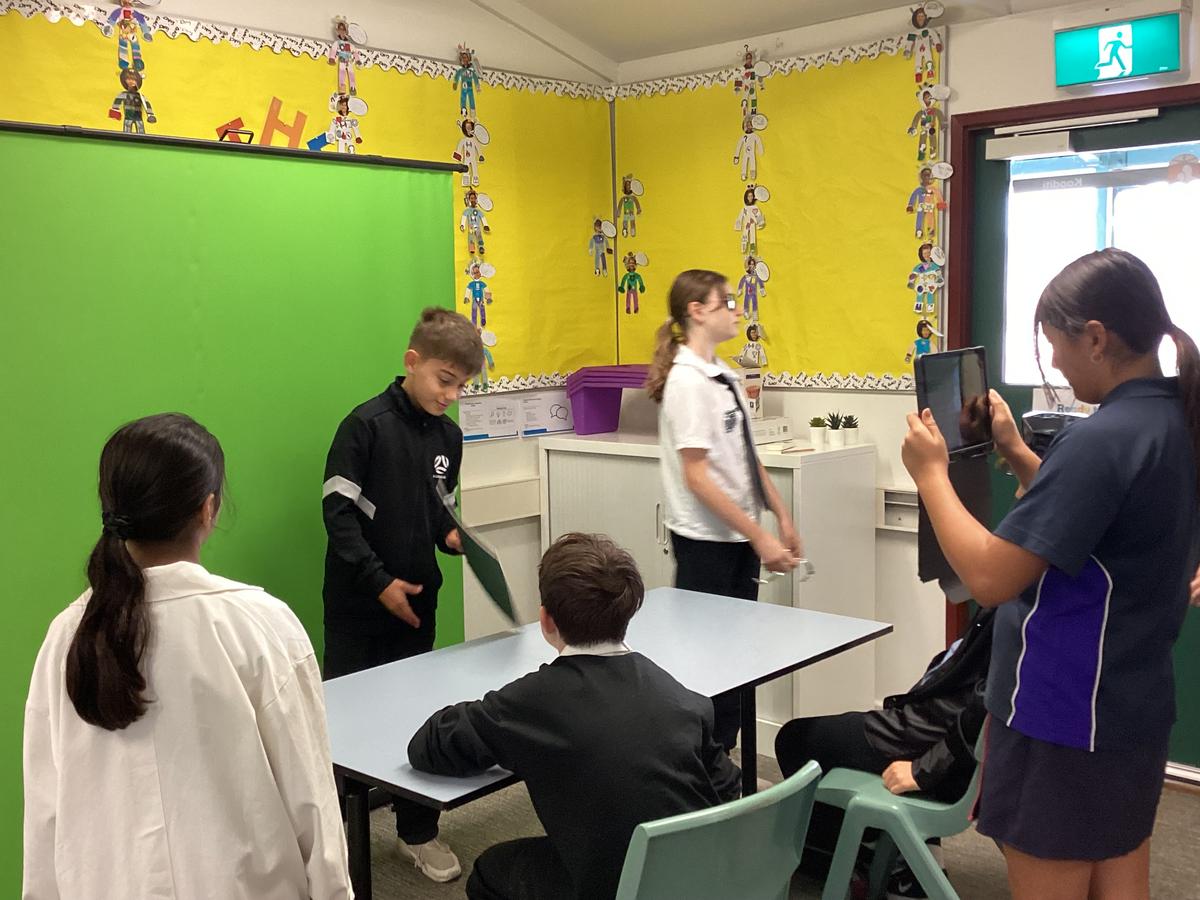
These habits of mind also connect beautifully with our school motto “Something Beautiful for God.” When students think deeply, act thoughtfully, and use their creativity to help others, they are living out our school message. Whether they are solving a problem with kindness, approaching learning with wonder, or using their gifts to make a positive difference, their thinking becomes a way of creating something beautiful in the world.
How can parents build these skills in their children?
Parents can nurture these skills at home in simple, everyday ways. You might ask open‑ended questions like “What do you think will happen next?” or “How could we solve this together?”. Encourage your child to try new things, make predictions, build or create, and talk through their reasoning. Celebrate effort, experimentation, and imagination, not just the “right” answer. These small moments of curiosity and reflection help children grow into thoughtful, inventive learners, the learners we need for our ever changing lives.