
Principal's Report
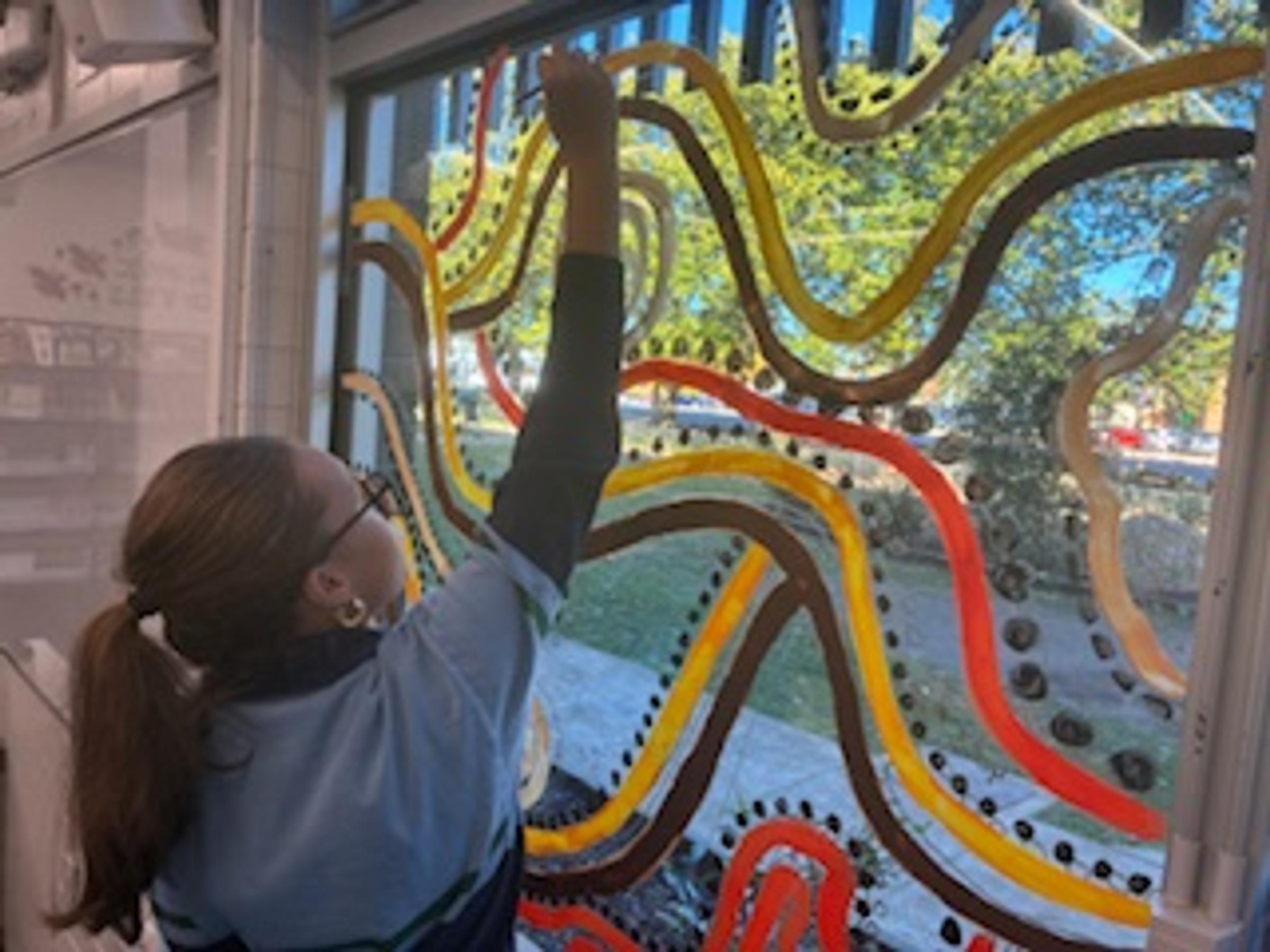
National Sorry Day is a moment of deep reflection for our nation. It is a day when we pause to acknowledge the immense pain and enduring trauma. The official theme for National Sorry Day 2026 reminds us, our collective journey must move ‘From Sorry to Action’.
At Ballarat High School, moving toward action means listening to the lived experiences of our people, and ensuring that our school is a place where First Nations students can thrive with pride, visibility, and self-determination.
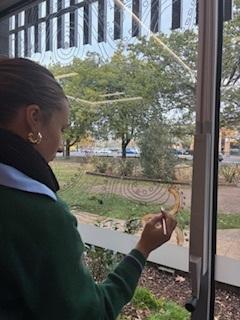
On Tuesday, I sat down for a candid conversation with Shirlene Laurie, our dedicated First Nations Leader, and Bailee Leskosek, a strong and inspiring young Aboriginal student leader in Year 11. Our discussion spanned the evolving landscape of our school, the vital importance of cultural visibility, the power of youth leadership, and the unfinished business of truth-telling in Australian education.
I first asked them about how we support our First Nations students here at Ballarat High, and why this work is so deeply important. Shirlene reflected on her time at Ballarat High School and how our cultural landscape has shifted, “It is such a short question, but it has a very long answer. For us, being able to recognise and celebrate the amazing culture of First Nations young people—and First Nations people in the wider community—is everything. Representation is vital.
When I first came to Ballarat High School eight years ago, I didn’t see much of that representation. We had the flag flying, but there was no Acknowledgement of Country visible around the grounds, and no indigenous designs or artwork in our shared spaces. At the time, there were only five students who openly identified as First Nations. Back then, we had to actively ask ourselves: How do we recognise this culture? How do we embrace it and acknowledge its history within our school? Because we do have a huge history on this land, and it is crucial to see that reflected in our everyday environment.
A while ago, I spoke with a past student who attended Ballarat High ten to fifteen years ago. We were talking about the work we are doing now, and they looked at me and said, "When I was at this school, I wouldn't have even been comfortable calling myself Aboriginal. I wouldn't have let people know." What I am seeing now is a profound shift. Our current students are proud of who they are. They are representing themselves within the school, standing tall, and saying, "Yes, I am First Nations, I am proud of my culture, and I am proud of what I see around my school." That visibility makes them feel connected.
Bailee also reflected upon the importance of positive representation and acknowledgement of the fact that we share this school, and this country, with the oldest continuous living civilization on the planet.
I asked Bailee why, as student leader who has engaged in events such as Deadly Aspirations Day and the Western Bulldogs Nallei Jerring program, why is it important that we celebrate First Nations student voices. “For me, it is about bringing our community together. Not many people get the kinds of opportunities I’ve been given through working with Shirlene. To be completely honest, a couple of years ago, I didn’t really want to speak up or say, "Yeah, I’m Aboriginal." Especially last year, when I was going through some really difficult experiences with racism. It was hard.
But now, after doing a lot of cultural work with Shirlene and getting involved in programs outside of school—like we do with the Western Bulldogs—I can say I am genuinely proud. My confidence is growing every day.
I think we just need more of our culture embedded across the whole school. When I started in Year 7, and even back in primary school, it felt like it wasn't taught anywhere. There was nothing around the school environment to show we were here. We need to keep changing that”.
I shared with Bailee my belief that the best initiatives in our school are always driven by our students. When I listened to Bailee speak with such passion, I heard a profound sense of self-determination and a deep pride in a thriving and vibrant culture. Bailee clearly has the drive to learn more, to celebrate more, and to challenge things when they aren't right. Bailee leads by challenging and wanting her school to get better, both in the classroom and across our community.
Acknowledging what she went through last year, I recognised how her strength of character, supported by a strong support network, has enabled her to fight the ignorance of racism with incredible resilience. Not to be bitter, shrink away, or become angry, but to proudly seize every opportunity that she encounters to champion change. This is an attitude and strength of character that we aspire for every student and we need to stand together to ensure racism has no place at BHS.
Speaking of opportunities, I asked Bailee to tell me about tell me about the honour of leading the powerful first quarter cultural dancing ceremony before the Western Bulldogs v Narm, Sir Douglas Nicholls game at the weekend. Bailee explained that her Aunty, who works for BADAC, has asked her if she wanted to dance at the game. “At first, I thought it was just a small thing, but it turned out to be in front of a massive crowd at the stadium—tens of thousands of people! It was insane!
We wore traditional cultural dress, and the dance we performed represented growth. What I took away from the experience is that as a person, you are always going to keep learning, gaining new experiences, and growing. It was completely surreal. Afterward, hearing the entire crowd cheering and clapping was just amazing.
We had some very young kids dancing with us—some as young as five years old. They were incredibly nervous before going out. I had to step up and tell them, "You’re going to be fine; you're going to crush it!" My own Mob is up in Queensland, so I don't always get to connect with that side of my family as much. Being able to participate in these traditional dances connects me right back to my culture and to the local community here”.
As Bailee described the bravery of performing in front of 30,000 spectators, I was struck by how her leadership of the younger children, in the enactment of dance steps that date back to over 65,000 years, was so important because in a few years, those children would be standing in her shoes.
And whilst Bailee was amazing the packed Marvel Stadium crowd, Shirlene was asked to speak at the prestigious President’s Function. For Shirlene, it was, “an absolute dream come true, especially since I am a third-generation Western Bulldogs supporter! I was invited to speak about the Western Bulldogs Nallei Jerring Leadership program, which BHS have been a part of for the past four years through the Western Bulldogs Community Foundation. It was a privilege to assist others in understanding the immense value it brings to First Nations students.
One of the points I made to the guests was that this program is one of the only initiatives in the region where First Nations students from all different schools in Ballarat get to come together. Aside from Deadly Aspirations, there aren't many opportunities for our kids to connect across school boundaries. It is beautiful to watch them arrive on program days and see a student light up and say, "Oh my god, my cousin is over there!" or "My auntie is here!" It taps into sports, yes, but more importantly, it taps into identity, culture, and heart. It isn't just an athletic program; it is a cultural anchor.
This work is also incredibly personal for me. Historically, I didn’t grow up knowing about my heritage; I was 42 years old when I discovered I was Aboriginal. When I found out, I went through a massive period of grief and loss, mourning a vital part of myself that I had never been permitted to explore or understand. I feel that as our students connect to their culture through this program, I myself am on a journey into exploring who I am within this culture."
Shirlene’s work in this space, and Bailee’s participation, is how we move from ‘Sorry to Action’. This work can never be underestimated or taken for granted as it ensures that our students have the time, space, and structural support to connect with their identity and their culture, making BHS all the richer for it.
The three of us acknowledged the importance of how the visible changes around our school are deeply significant. If a future Year 7 student walks through our gates on an orientation tour and sees only colonial symbols, without any visual acknowledgement that our school sits proudly on Waddawurrung lands, our school could be anywhere. But we are on Waddawurrung Country. We have a thriving, vocal leadership group of First Nations students and an established First Nations Leader who are making a difference and representing our school and their culture with immense pride.
Shirlene concluded our discussion with a reminder of the significance that, “the theme for National Sorry Day 2026 is ‘From Sorry to Action’. It calls on us to honour the strength, truth, and lived experiences of Stolen Generations survivors and their families. The origin of this day stems from the landmark 1997 Bringing Them Home report, which laid bare the historical atrocities committed against First Nations families. Under colonial and state policies, Aboriginal children were systematically removed from their families to be integrated in a white society." Their names were changed, their languages were banned, and they were forbidden from communicating with their communities. They were disconnected from everything they knew and forced into a completely foreign lifestyle. This systematic erasure created profound, multi-generational trauma that continues to impact families across Australia today. My own family’s silence around our heritage was a direct result of these historical pressures. For generations, it was deemed dangerous to acknowledge who you were. National Sorry Day is about acknowledging this unvarnished truth. We cannot change our history until we face it honestly. Only then can we build a future rooted in genuine respect and strength.
Bailee added that Aboriginal history should never be reduced to the idea that Aboriginal people lived on the land, white people arrived, and then everything became better and that we need to talk about the ‘struggles, displacement, and trauma that First Nations people went through’.
Thank you to Shirlene and Bailee for their extraordinary leadership, vulnerability, and dedication to our school community. This National Sorry Day, let us all commit to turning reflection into meaningful, lasting action at Ballarat High School for today’s and future generations of students and families.
Stephan Fields
Principal