
Wellbeing
School TV - SPECIAL REPORT Respectful Language
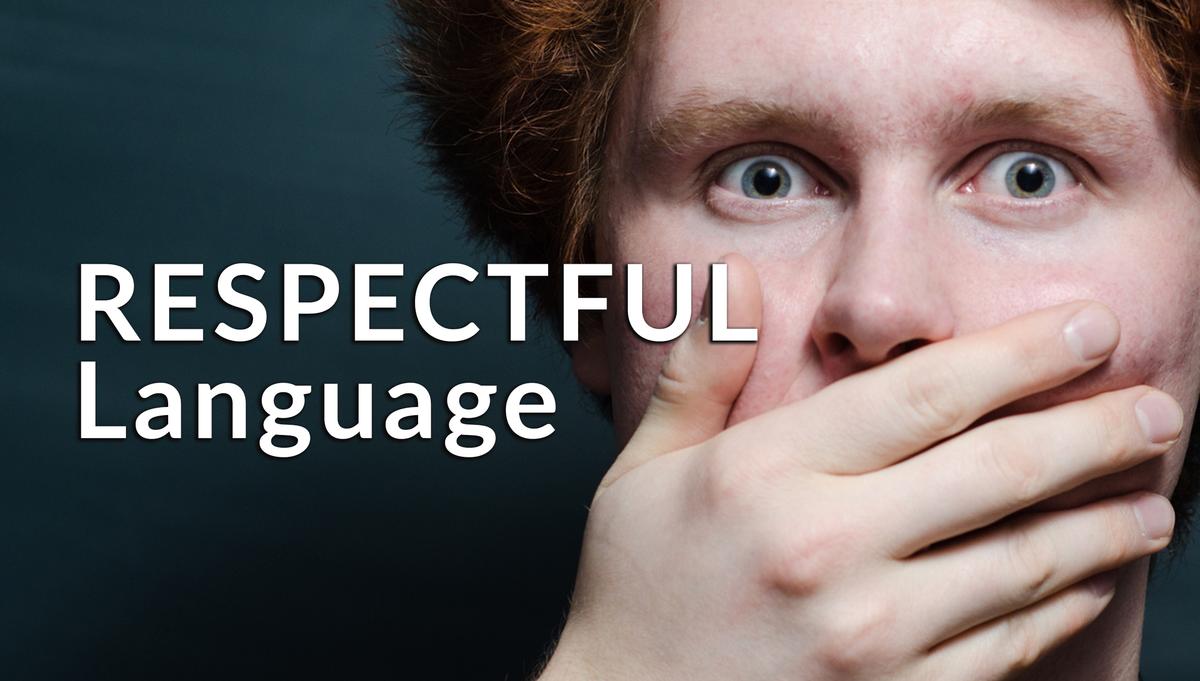
In today’s world, it is becoming apparent that some young people are being influenced by the language around them. It is becoming more common for them to hear derogatory terms or offensive language on the streets, on social media channels, streaming services and in some forms of modern music. Proliferating the use of such language can sometimes normalise, glamorise and sanitise their impact, taking their meaning out of context. Words can be misconstrued to be hurtful, racist, homophobic, mysogynistic or even discriminatory. Using disrespectful language is considered socially unacceptable, and if not addressed early, can become a serious problem.
The use of derogatory language or the act of swearing at someone, or about someone, is actually a form of verbal violence. It transgresses the usual rules of social interaction by impinging on an individual’s self-image and sense of dignity. Therefore, many schools enforce a zero tolerance policy when it comes to such language. Parents and carers also need to play an important role in enforcing this approach by proactively monitoring what their children are viewing or being exposed to and discussing the use of words or their origin. This can help prevent inappropriate or disrespectful language being used in the classroom, school yard or other situations.
Whilst some students may use swearing or derogatory terms for attention seeking purposes, others may use it simply because they are still learning how to moderate their language. As young people develop their language skills, it is important for them to have a clear understanding of the impact of their choice of words on others and how their words can impact other people’s perspective of them - an important and essential skill to learn as they progress in their personal and professional development.
If you do have any concerns about the wellbeing of your child, please contact the school for further information or seek medical or professional help.
Here is the link to your special report:
https://stjosephswarialda.catholic.schooltv.me/wellbeing_news/special-report-respectful-language
Why is this important at St Joseph's?
Respectful behaviour is one of the values of the Catholic Principle of the
SANCTITY OF LIFE.
Life and Dignity of the Human Person is a core belief.
All life is a gift from God.
Each person is created in the image and likeness of God, has dignity and is to be respected.
Our world is a gift from God which we are to care for.
I know I understand this when ..
- I respect and protect life.
- I respect each person through my words and actions.
- I take care of the world and use the world’s resources wisely.
The Resilience Project - 2022
What is The Resilience Project?
"In 2008, I was fortunate enough to spend a few months living and volunteering in the far north of India. In this desert community, there was no running water, no electricity and no beds; everyone slept on thefloor of their hut. Despite the fact these people had very little to call their own, I was continually blown away by how happy they were.
It was this experience, and subsequent post graduate studies, that led me to some pretty simple conclusions about the things that we need to be doing here in Australia if we want to be happier. I learnt from this village that practicing Gratitude, Empathy and Mindfulness leads us to a happier more fulfilling experience. Once I discovered these three principles were also evidence-based, I decided to share these simple and highly effective wellbeing strategies in a program for schools. Ten years on, having worked with over 1,000 schools, it turns out it wasn’t just schools that wanted to hear this message! I am grateful to work with teachers, students, parents, workplaces, community leaders and sporting clubs every day."
Hugh van Cuylenburg, Co-Founder and Presenter, The Resilience Project
A number of schools in our region are taking TRP onboard in 2022. We'll incorporate the principles of the project into our Personal Development and Health program.